
23 min 06 sec
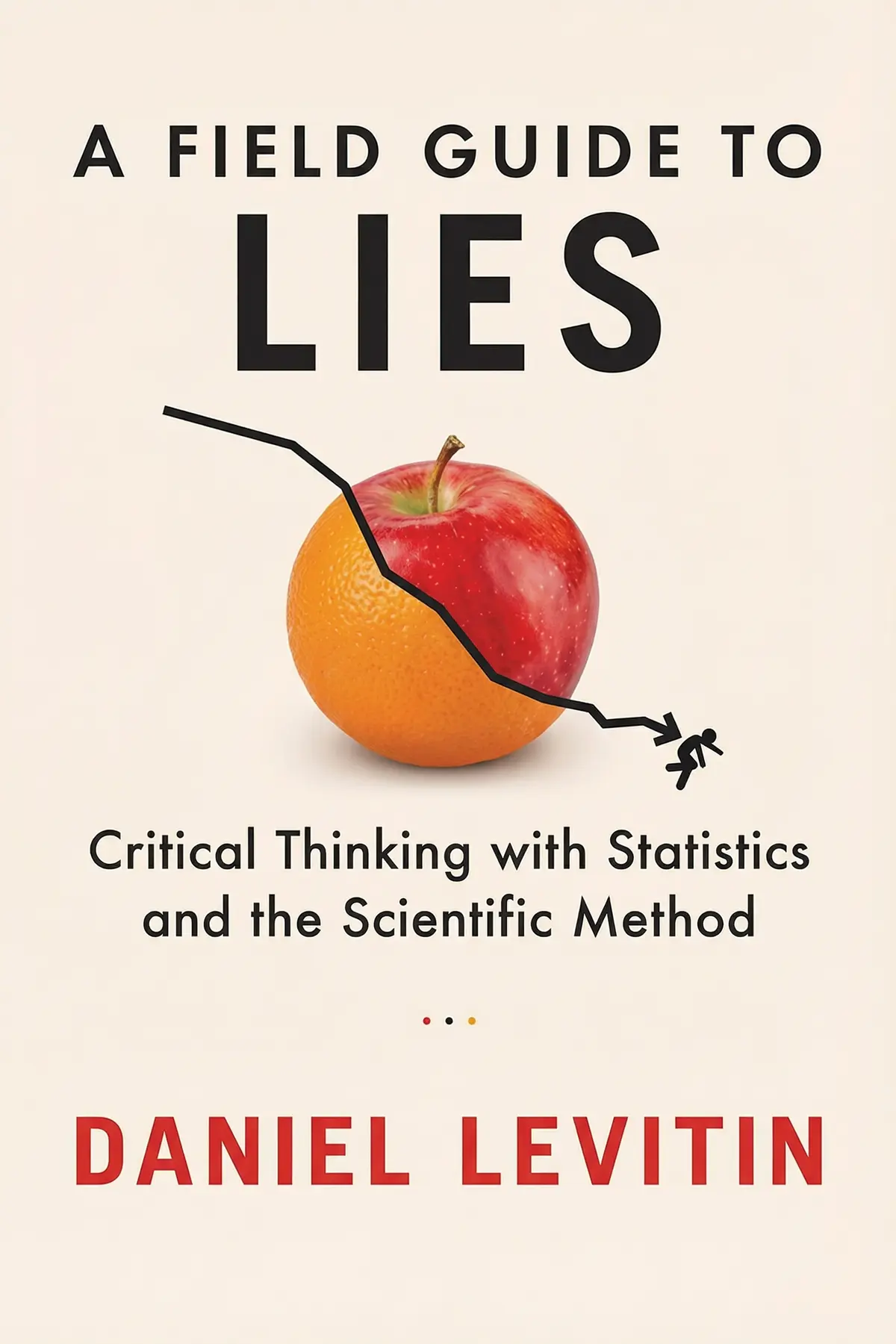
Wanting: The Power of Mimetic Desire in Everyday Life
By Luke Burgis
Wanting explores the psychological theory of mimetic desire, revealing how our hidden tendency to imitate others drives our choices. It provides a roadmap for identifying external influences and reclaiming our authentic goals.
Table of Content
1. Introduction
2 min 10 sec
Imagine for a moment that your deepest desires—the career you are chasing, the house you dream of, the lifestyle you post about—aren’t actually yours. It is a jarring thought, right? We like to believe that our wants are as unique as our fingerprints, springing from some secret, internal well of personality. But what if the truth is far more social and far more imitative?
This is the central mystery that René Girard, a mid-twentieth-century French academic, stumbled upon while teaching literature at a university in the United States. Girard was tasked with lecturing on books he hadn’t spent much time with previously. As he immersed himself in the classics, he didn’t just see plots and characters; he saw a recurring psychological pattern. The protagonists in these great stories never seemed to want anything on their own. They didn’t just look at an object and decide it was valuable. Instead, they were always looking at someone else to see what that person valued. They were, in essence, taking their cues from a model.
Girard termed this phenomenon ‘mimetic desire.’ From the Greek word for imitation, this theory suggests that wanting is a social skill we learn, much like we learn the grammar of our native tongue. We don’t just want; we want because someone else wants.
In this exploration of Luke Burgis’s work, we are going to pull back the curtain on how this invisible force shapes everything from the brands we buy to the people we admire—and even the people we end up resenting. We’ll look at the high-stakes world of Silicon Valley acquisitions, the legendary feuds of Italian supercar makers, and the ancient rituals of scapegoating that still play out in modern boardrooms and sports stadiums.
By the time we finish, you won’t just understand the mechanics of imitation. You’ll have the tools to identify the models who are currently pulling your strings. More importantly, you’ll learn how to distinguish between the ‘thin’ desires that lead to burnout and the ‘thick’ desires that lead to a life of genuine fulfillment. This isn’t just a lesson in psychology; it’s a guide to taking back the steering wheel of your own life.
2. The Hidden Logic of Imitation
2 min 26 sec
Discover how our deepest cravings are often just echoes of other people’s interests, leading us down paths that might not even reflect our true selves or original intentions.
3. Mapping the Models Around Us
1 min 59 sec
Learn how to identify the subtle influencers in your life, from social media personalities to public relations experts, and why naming them is the key to freedom.
4. The Geography of Desire
2 min 09 sec
Explore the two distinct worlds of influence: the distant icons who inspire us and the close-range rivals who threaten our sense of self.
5. Ending the Cycle of Rivalry
2 min 06 sec
Using the legendary clash between two car manufacturers, we examine how a single act of renunciation can prevent a competitive crisis from spiraling out of control.
6. The Scapegoat Mechanism
2 min 15 sec
Uncover the ancient and modern ways that groups deal with internal tension by turning a single person into a target for their collective frustrations.
7. Breaking Free from Artificial Systems
1 min 58 sec
How prestigious awards and institutional benchmarks can trap us in a loop of performance that ignores our true creative impulses and long-term happiness.
8. The Power of Transcendent Leadership
2 min 05 sec
Redefine your approach to influence by moving away from petty internal politics and toward goals that serve a higher, more enduring purpose.
9. Distinguishing Thick and Thin Desires
1 min 54 sec
Understand the difference between the fleeting cravings of the crowd and the enduring passions that form the core of your identity and long-term satisfaction.
10. Transforming Your Future Desires
2 min 05 sec
Stop being a passive recipient of external engineering and start intentionally choosing the models and goals that will lead to a more purposeful life.
11. Conclusion
1 min 59 sec
As we reach the end of our exploration into the world of mimetic desire, the most important takeaway is that you are no longer a blind participant in the game of imitation. You now have the vocabulary to see the models that have been shaping your life. You’ve seen how easy it is to fall into the neighborhood of ‘Freshmanistan’ and how destructive those close-range rivalries can be. You’ve also seen that there is a way out—by looking toward ‘Celebristan’ for inspiration and by identifying the ‘thick’ desires that represent your true self.
Luke Burgis leaves us with a powerful metaphor for this change: the flywheel. Think of a massive metal disk. At first, it takes an incredible amount of effort to get it to move even an inch. But as you keep pushing, it builds momentum. Eventually, it starts to spin on its own, and its energy becomes almost unstoppable.
Your desires work the same way. When you start making the effort to pursue a ‘thick’ desire—like prioritizing your health or committing to a long-term project—it might feel difficult. You might still feel the pull of those old, thin desires for status or quick gratification. But once you set that positive flywheel in motion, each choice makes the next one easier. Wanting to be healthy leads to wanting to eat better, which leads to wanting to surround yourself with people who support those goals.
So, as you step back into your daily life, take a moment to pause before your next big ‘want.’ Ask yourself: ‘Who is the model for this? Is this a thin desire of the crowd, or a thick desire of my soul?’ By naming your models and choosing them with intention, you reclaim your freedom. You move from being a person who is lived by their desires to being a person who lives them with purpose. The world doesn’t need more people wanting the same things; it needs people who have the courage to want what is actually worth having.
About this book
What is this book about?
Have you ever wondered why you suddenly desire a specific car, a certain career path, or even a particular lifestyle, only to find that achieving it feels strangely hollow? This summary of Wanting dives deep into the work of René Girard to explain the concept of mimetic desire—the idea that our wants are rarely original. Instead, we learn what to desire by observing others. By exploring how these models influence us from the shadows of social media, professional hierarchies, and cultural expectations, the book offers a powerful lens for self-examination. You will discover the difference between thin desires, which are fleeting and dictated by the crowd, and thick desires, which are rooted in your true self. The promise of this book is not just an understanding of why we want what we want, but a practical guide to breaking free from destructive rivalries and finding a more meaningful, intentional way to live and lead.
Book Information
About the Author
Luke Burgis
Luke Burgis is an entrepreneur who founded and led four start-up companies. Seeking a deeper understanding of human motivation, he stepped away from the corporate world to travel to Italy, where he engaged in the study of philosophy, theology, and literature. Today, he shares his unique blend of business experience and philosophical insight as the Entrepreneur-in-Residence and Director of Programs at the Catholic University of America.
Ratings & Reviews
Ratings at a glance
What people think
Listeners find this book exceptionally readable and consider it among the most vital titles they’ve encountered, with one listener noting it offers a swift way to rethink everything. Additionally, the work provides an excellent introduction to mimetic theory, aiding in the understanding of human psychology and the ways everyone thinks and behaves. They also value its pragmatic focus, clear definitions of standard terminology, and potential for adding more meaning to life. The storytelling and overall writing style are praised, with listeners enjoying the strong narratives and high-quality summary of mimetic desire. Nevertheless, feedback on clarity is mixed; some listeners find the text well-written while others struggle to understand the content.
Top reviews
Bo
Ever wonder why you suddenly need a specific pair of shoes just because someone else has them? This book is a masterclass in decoding that invisible pressure we all feel to keep up with our peers. Luke Burgis takes the dense, academic theories of René Girard and makes them feel like a casual conversation at a coffee shop. I particularly loved the concept of 'Freshmanistan' and how it explains why our closest rivals are often the people we like the most. While the illustrations are a bit small and hard to read, the core message about thick vs. thin desires is genuinely life-changing. It’s rare to find a business book that actually makes you look inward instead of just trying to optimize your morning routine. I’ve already recommended this to three friends who are feeling burnt out by the status game.
Show moreBam
After hearing so much buzz about René Girard, I was intimidated to dive into his original texts, so this was the perfect entry point. Luke Burgis has a gift for taking high-level philosophy and anchoring it in the messy reality of modern life and business. The distinction between internal and external models of desire is a lens I now use to evaluate every major purchase and career move. Truth is, we are all just imitating someone else, and acknowledging that is the first step toward any kind of personal freedom. I enjoyed the 'Creative Flywheel' concept, even if the graphic looked a little unfinished in my copy. The writing is punchy and moves fast, keeping the reader engaged even during the more theoretical passages. It’s a rare book that provides both a mirror for your soul and a map for your social interactions.
Show moreHassan
Wow. This is easily one of the most important books I’ve read this year for understanding the 'why' behind human behavior. Most self-help books tell you how to get what you want, but Burgis is the only one asking why you want it in the first place. The storytelling is top-tier, moving from ancient Greek tragedies to modern Silicon Valley boardrooms with surprising ease and grace. I found the concept of 'scapegoating' to be particularly relevant to how we treat people on social media today. Even though some of the logical jumps regarding Gresham's Law felt a bit shaky, the overall impact of the book is undeniable. It’s a quick read that manages to be both deeply philosophical and incredibly practical at the same time. If you want to understand why everyone is suddenly obsessed with the same trends, read this.
Show moreWatcharaporn
The chapter on the Michelin chef who gave up his stars was the exact moment this book clicked for me. It perfectly illustrated the trap of wanting something just because the 'system' tells you it's the ultimate prize. Burgis writes with a clarity that makes you feel smarter for having read it, even if you’re new to the world of behavioral psychology. I appreciated the accessible definitions of terms like 'mimesis' which usually sound so intimidating in a classroom setting. While I agree with other reviewers that the tiny hand-drawn diagrams are a pain to look at, the content is what matters here. This book gave me the tools to stop competing in games I didn't even want to play in the first place. Highly recommended for anyone who feels like they're running a race they didn't sign up for.
Show moreJulian
Picked this up on a whim after seeing it praised by some big names in the tech world. It turns out that 'Wanting' is one of the more accessible deep-dives into human psychology I’ve encountered in years. The way Burgis explains mimetic desire—the idea that we borrow our wants from models—is both terrifying and illuminating. The storytelling is vibrant, especially the parts about the Michelin-starred chef, although the book occasionally meanders into personal anecdotes that feel a bit self-indulgent. I found the 'Fulfillment Stories' exercise at the end to be a practical way to dig through the noise of social media. Even if you aren't an entrepreneur, the insights on how we scapegoat others to find peace are worth the price of admission. It's a solid four stars for making me rethink my entire Amazon wishlist.
Show moreSirinat
As someone who has always struggled with the 'keeping up with the Joneses' mentality, this book offered a much-needed psychological reset. Burgis explains how our rivalries are often born from similarity rather than difference, which explains so much about toxic office politics. The sections on how to cultivate 'thick' desires—things that actually matter long-term—provided a helpful framework for my own career planning. I did find the transition between the theoretical first half and the practical second half to be a bit clunky and jarring. Some of the references to natural disasters as a metaphor for social collapse felt a bit dramatic and didn't quite fit the tone. Still, the core takeaway is so strong that I can overlook the occasional awkward metaphor or hand-drawn chart. It’s a fantastic introduction to a complex topic that usually stays trapped in academia.
Show moreJonathan
Finally got around to finishing this after it sat on my nightstand for a month, and I’m glad I did. The book does an excellent job of simplifying the work of René Girard for people who don't have a PhD in philosophy. I loved the practical approach to identifying 'models' in our lives and how to distinguish between healthy and destructive imitation. Look, it's not a perfect book—some of the chapters feel a bit like they were padded out to meet a publisher's word count. The lack of discussion on how modern advertising fuels these mimetic cycles felt like a missed opportunity for a deeper analysis. But the 'Fulfillment Stories' section alone makes it worth reading for anyone looking to find more meaning in their work. It's a solid guide for navigating the noisy world of external influences.
Show moreKan
To be fair, there is a very powerful insight at the heart of this book, but it’s buried under layers of unnecessary business-speak. The concept that our desires are social rather than intrinsic is a huge 'aha' moment for anyone living in the age of Instagram. However, the organization of the chapters felt a bit chaotic, with 'tactics' for overcoming mimetic desire scattered around instead of being logically grouped. I was expecting more rigor and perhaps some original research rather than just a recap of Girard’s theories and some anecdotes about the author’s own VC deals. The chapter on the suicides in Las Vegas felt like a major logical leap that wasn't backed by enough evidence to be truly convincing. It’s an okay read for a plane ride, but it lacks the actionable depth of something like 'Atomic Habits.' Good for a quick intro, but don't expect a life-altering epiphany.
Show moreTantipat
This book is the quintessential example of a 'thought leader' taking a single interesting idea and stretching it until it snaps. The central premise—mimesis—is fascinating for about twenty pages, but then the repetition starts to feel like a grueling hike through a desert of buzzwords. Burgis tries to pad the word count with endless anecdotes about Zappos and Silicon Valley elites that don't always land the point he's trying to make. Frankly, the section comparing Elizabeth Holmes to a scapegoat felt like a massive reach that ignored the actual fraud she committed. The hand-drawn charts are nearly impossible to decipher on a Kindle, which adds to the overall feeling of a rushed production. I wanted to love this because the Girardian roots are so strong, but the execution felt more like a collection of Medium articles than a cohesive philosophy. Skip the book and just read a summary of Girard’s work instead.
Show moreTariq
Not what I expected at all, and frankly, I feel like I fell for a marketing trap. This book is essentially a $30 fortune cookie overstuffed with jargon like 'Freshmanistan' and 'Celebristan' to make simple ideas seem profound. The author spends way too much time name-dropping people like Peter Thiel and Daniel Kahneman to build credibility without offering any new data. If you’ve read any modern business book in the last decade, you’ve already heard the stories about Zappos and the 'flywheel' effect a thousand times. The writing style is meandering and over-detailed in all the wrong places, making the 300 pages feel like 600. It’s ironic that a book about mimetic desire is itself a product of the very same 'thought leader' imitation it claims to critique. I truly regret the time I spent on this and wouldn't recommend it to anyone looking for actual substance.
Show moreReaders also enjoyed

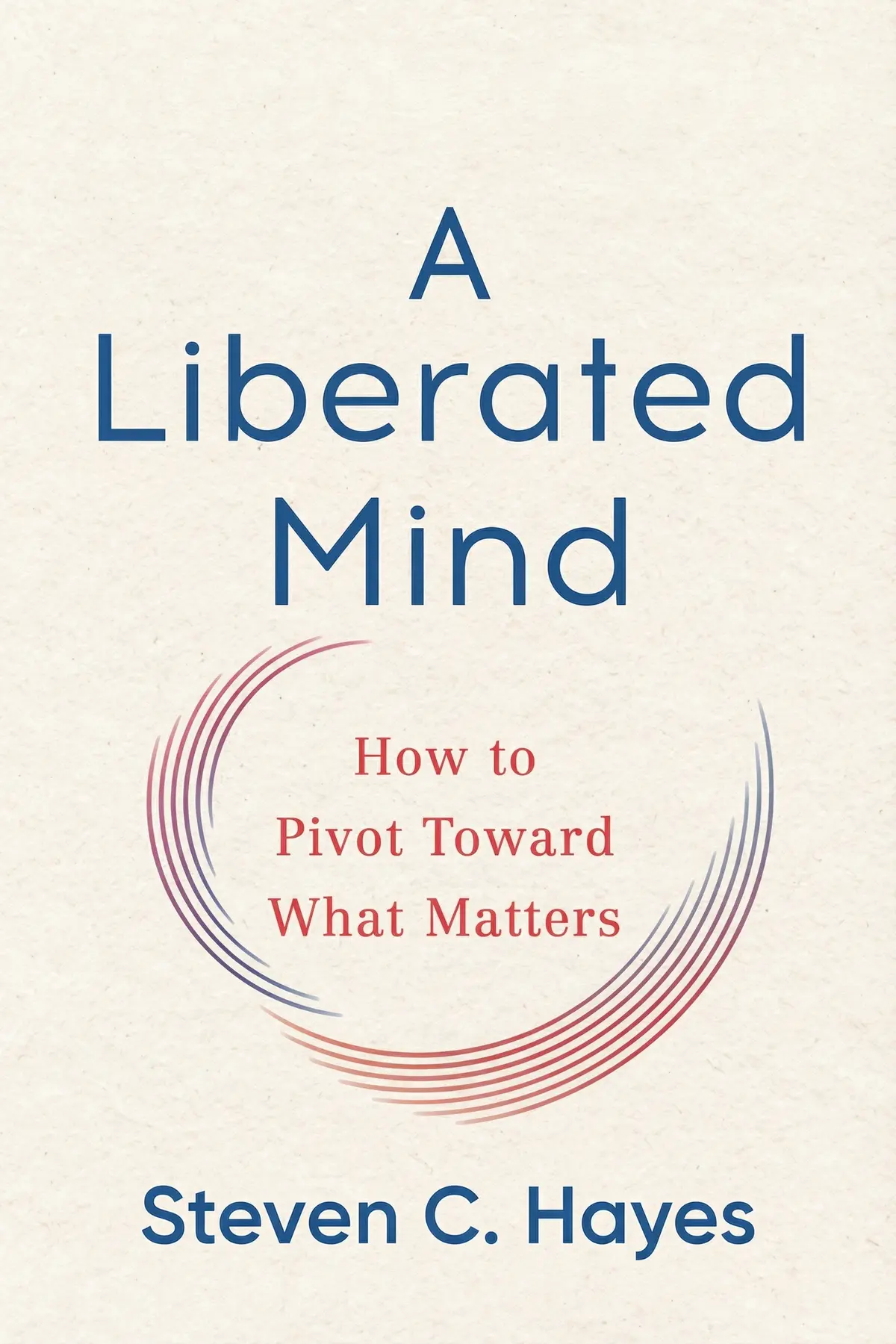
A Liberated Mind: How to Pivot Toward What Matters
Steven C. Hayes
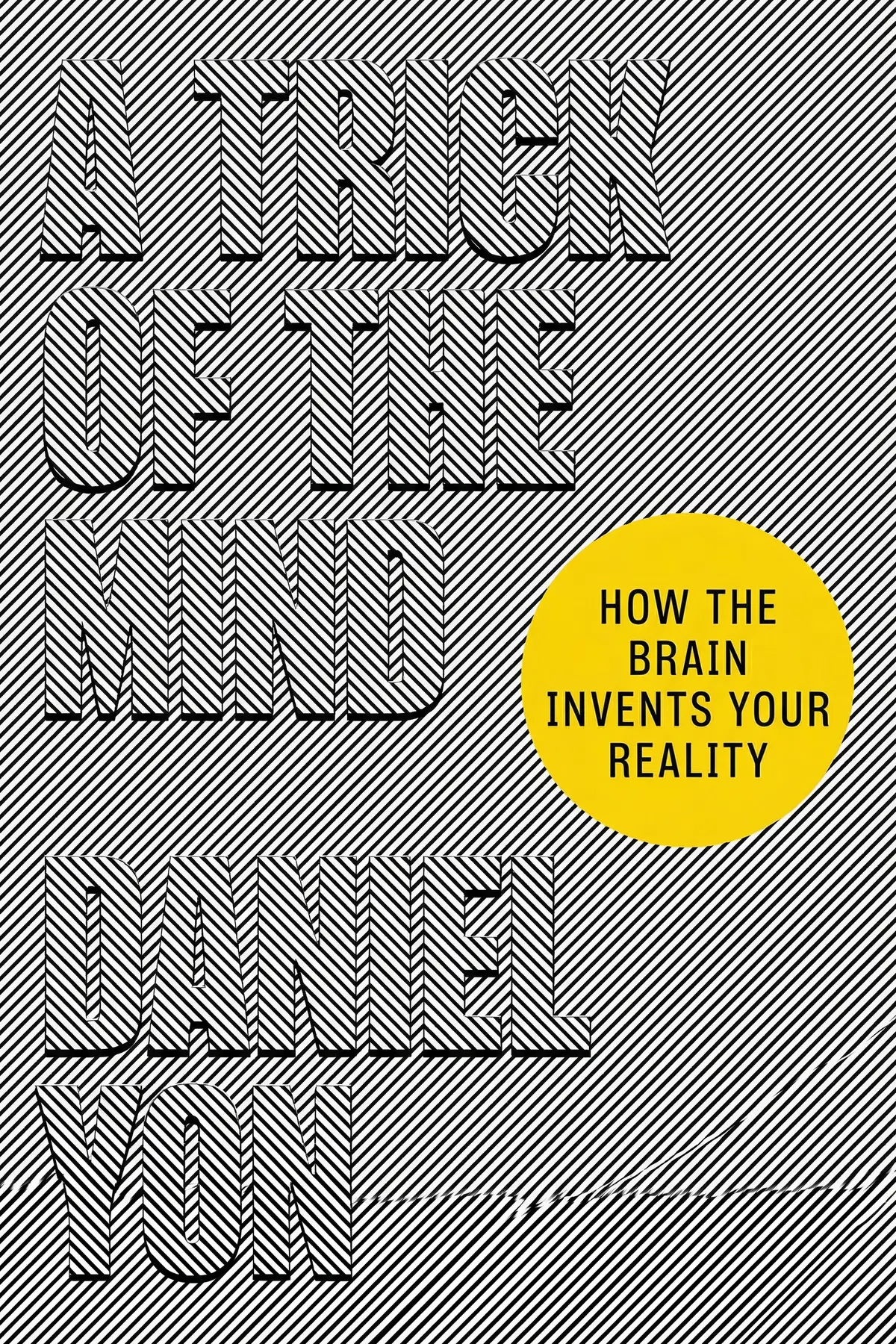
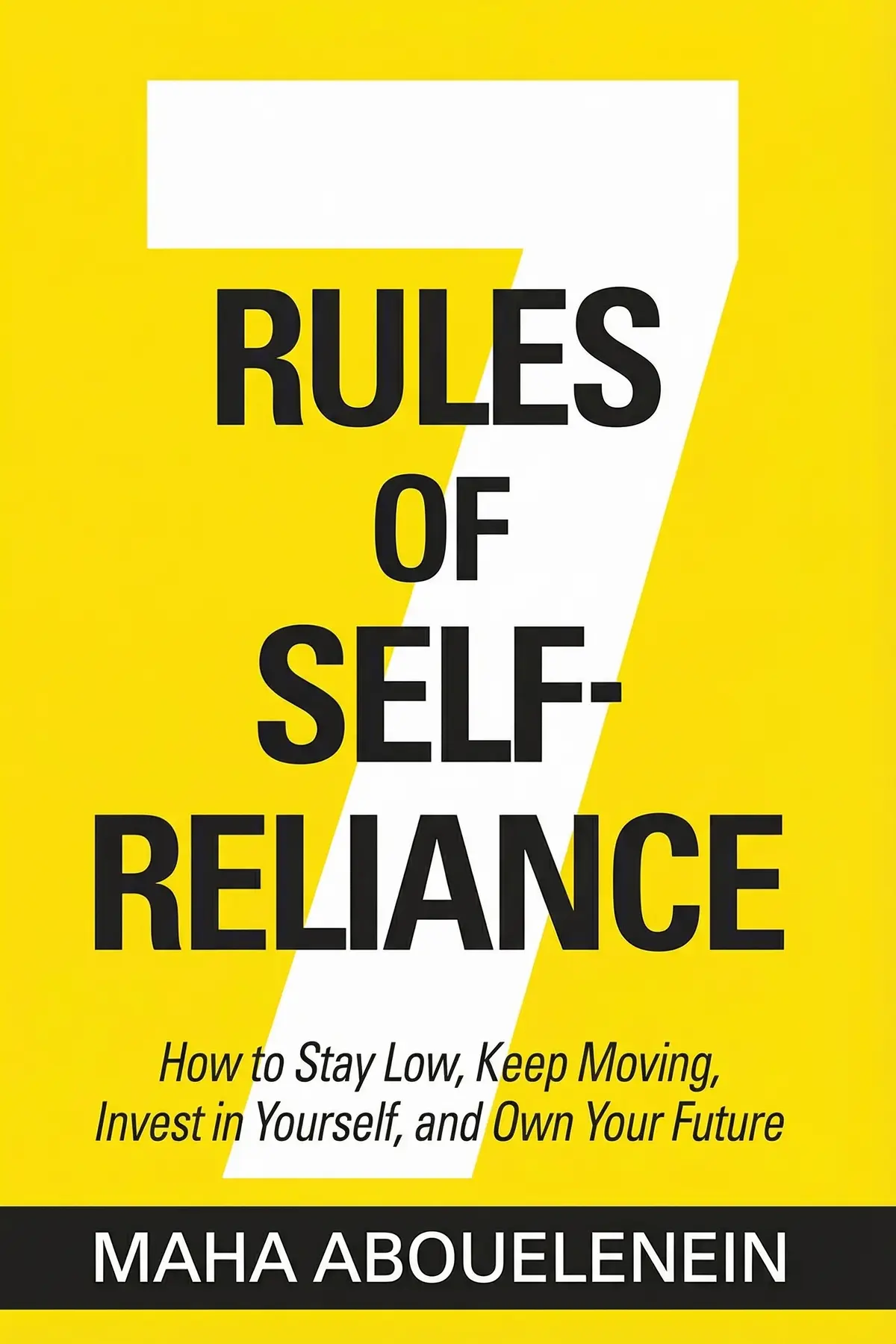
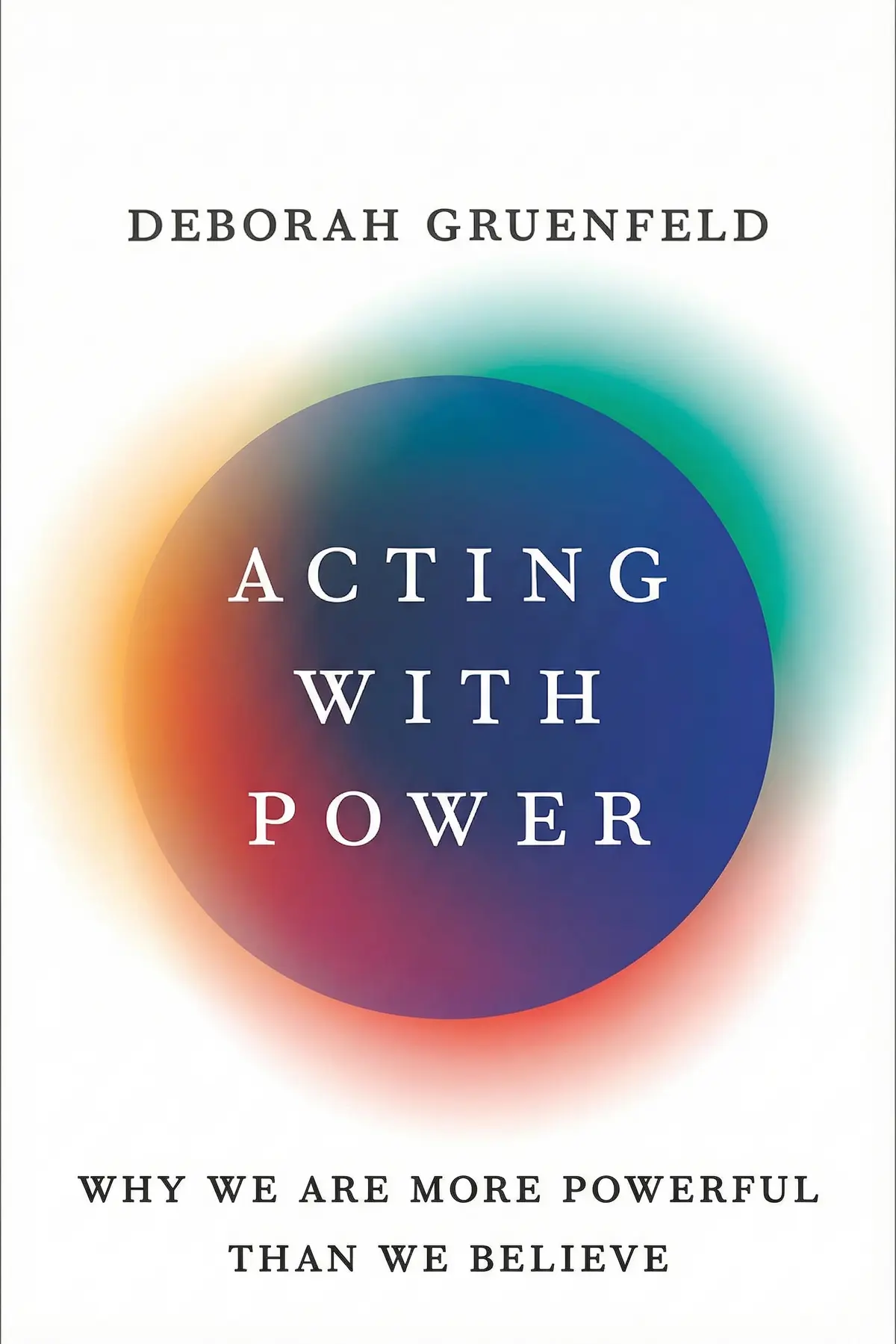
Acting with Power: Why We Are More Powerful Than We Believe
Deborah Gruenfeld

AUDIO SUMMARY AVAILABLE
Listen to Wanting in 15 minutes
Get the key ideas from Wanting by Luke Burgis, plus 5,000+ more titles in English and Thai.
- 5,000+ titles
- Listen as much as you want
- 7-day free trial
- Cancel anytime







