
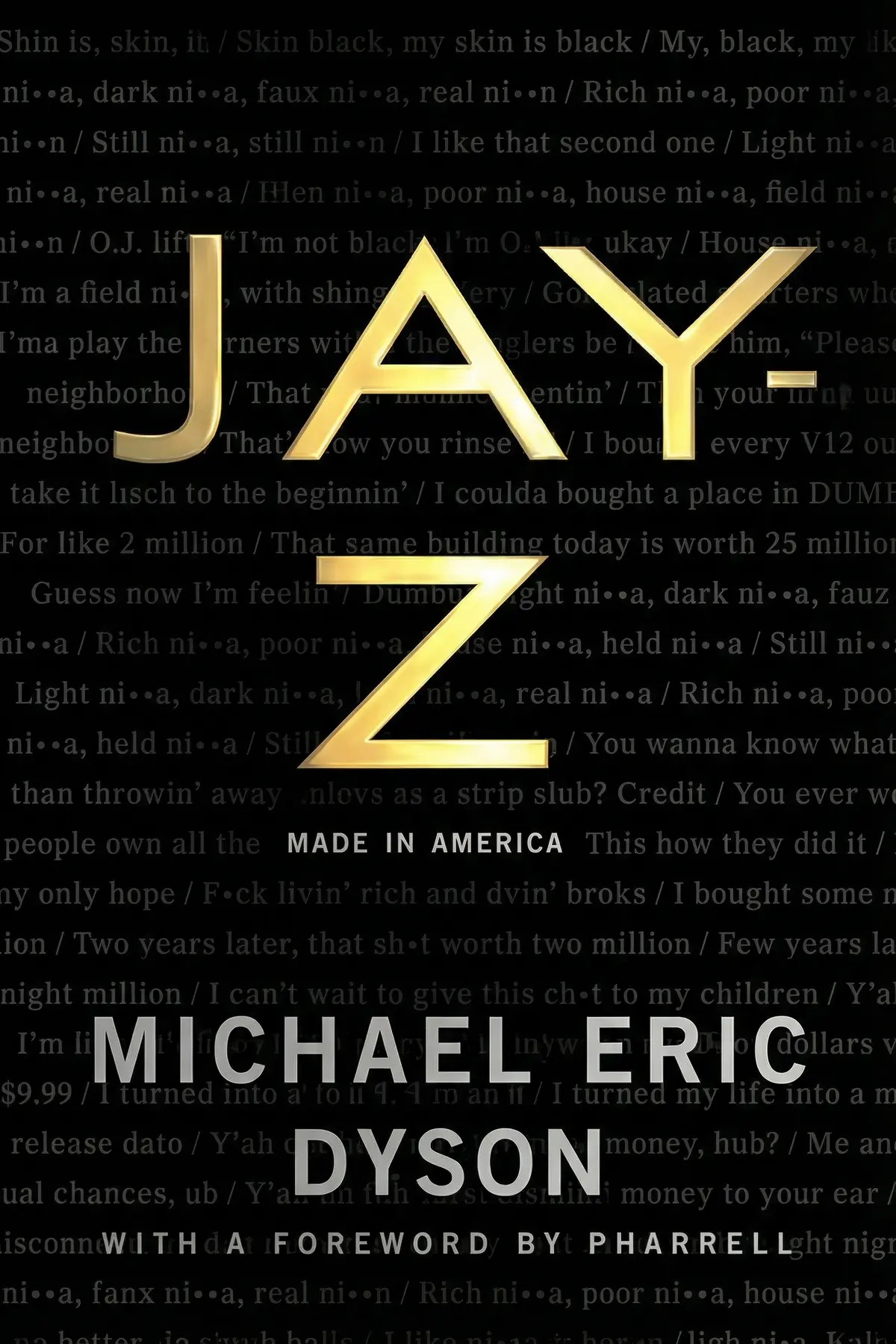
JAY-Z: Made in America
Michael Eric Dyson
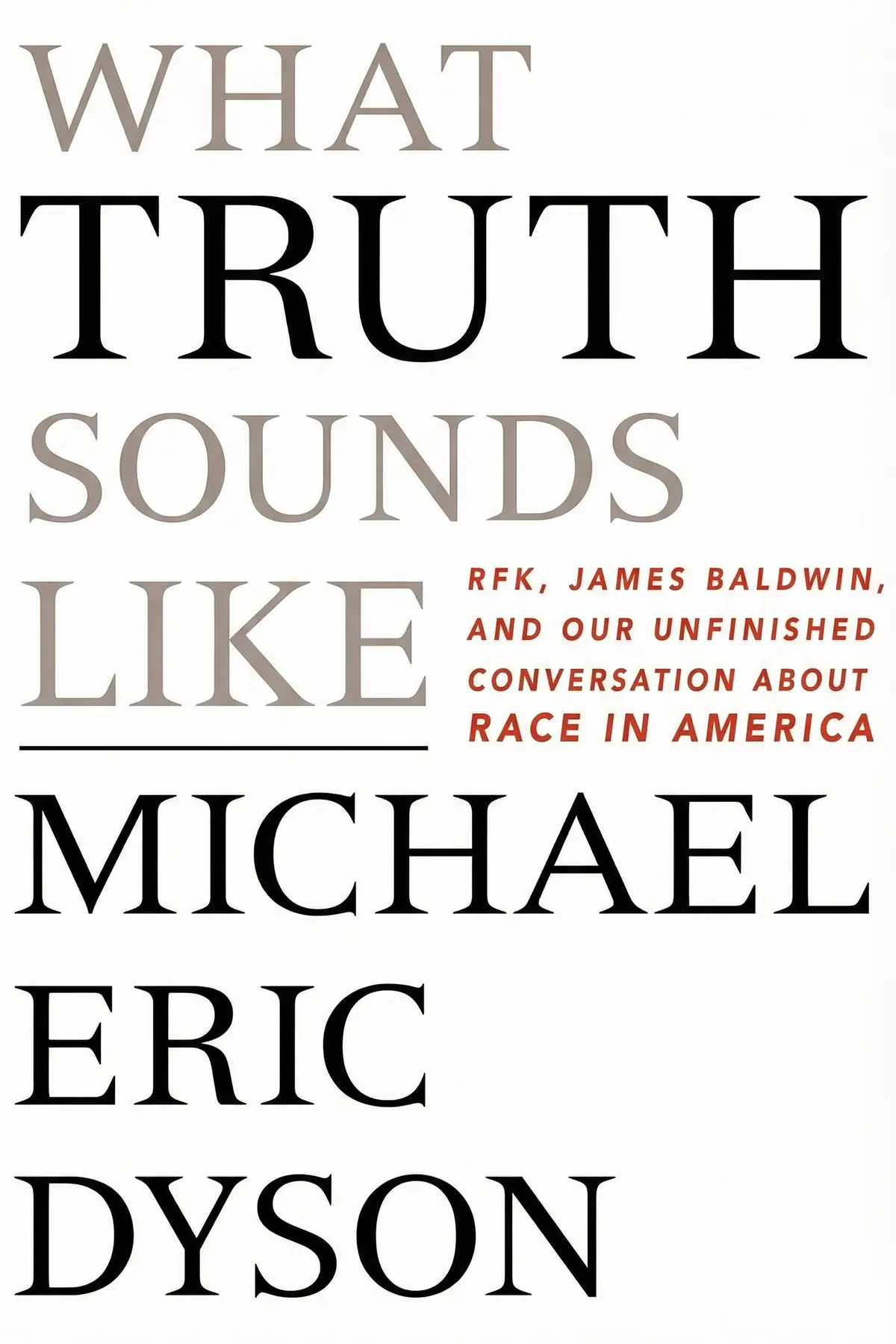
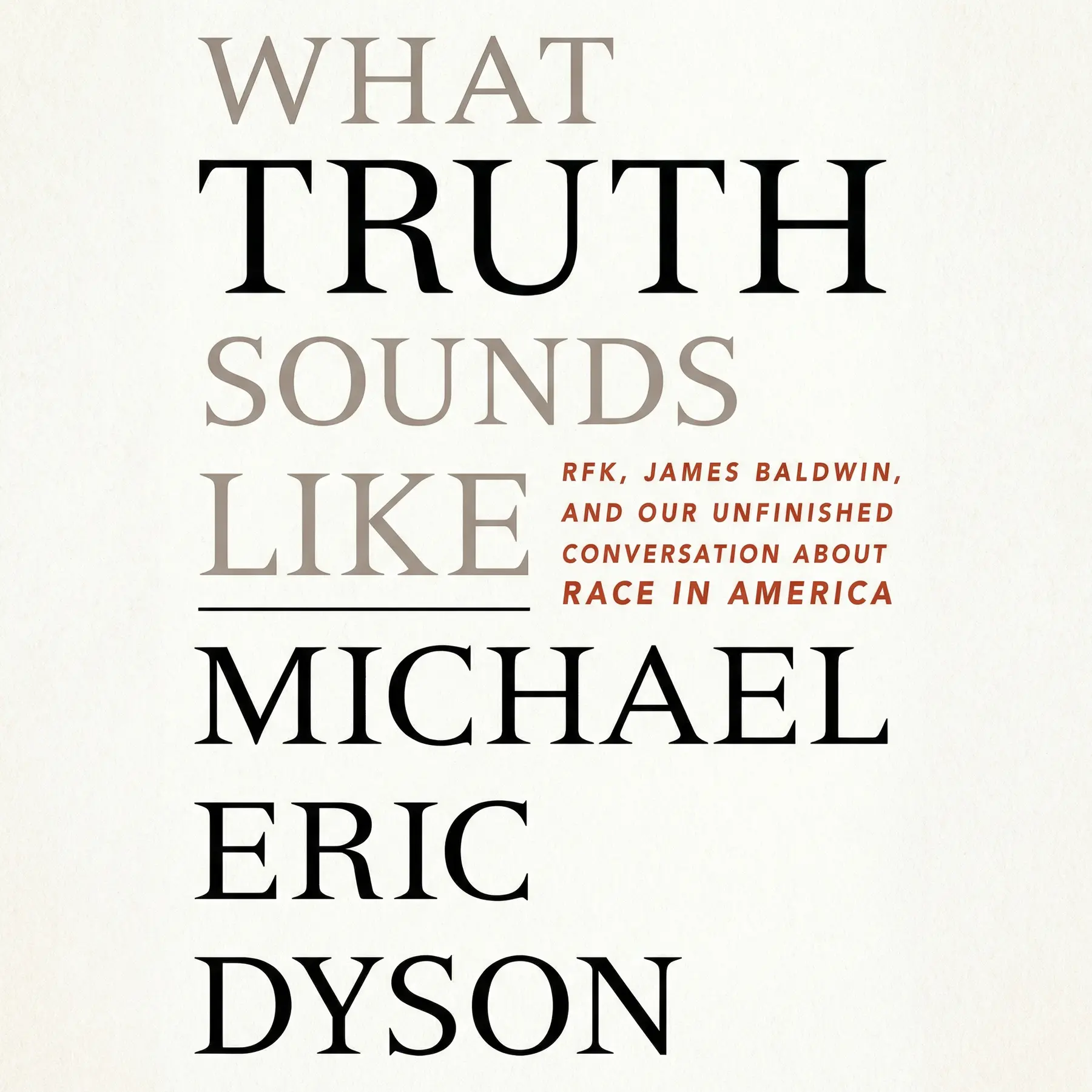
Examine the historic 1963 encounter between Robert F. Kennedy and James Baldwin, exploring how this high-stakes confrontation reshaped the American civil rights dialogue and continues to influence modern racial politics and culture.
1 min 42 sec
When we look back at the 1960s today, we often see a polished version of history—a time when the Kennedy administration and the civil rights movement walked hand-in-hand toward progress. But the reality was far more friction-filled and uncertain. For much of the early 1960s, the White House was characterized by a cautious, pragmatic approach to racial equality that many activists found deeply frustrating. It was an era of calculated political moves where the survival of an administration often took precedence over the urgent demands for justice.
At the center of this tension stood Robert F. Kennedy, the Attorney General, and James Baldwin, the era’s most searing literary voice. Their paths crossed in a way that changed the trajectory of American politics, yet this story remains largely overshadowed by the grander speeches of the time. This summary dives into a single, explosive afternoon in March 1963—a meeting that was meant to build bridges but instead tore down facades. It was a moment when the ‘truth’ of the Black experience in America finally crashed into the ‘policy’ of the federal government.
As we explore this narrative, we’ll see how this ‘unfinished conversation’ didn’t just stay in a Manhattan apartment in 1963. It echoes through the decades, informing our current debates about policing, political representation, and the role of the artist in society. We’ll follow Robert Kennedy’s transformation from a man of laws to a man of empathy, and we’ll look at why the voices in that room—artists, scholars, and activists—still provide the blueprint for what authentic progress looks like. Through this lens, we can begin to understand what truth actually sounds like when it is spoken to power, and why listening is often the most radical act a leader can perform.
2 min 37 sec
Discover how political pragmatism initially led the Kennedy brothers to prioritize reelection over civil rights, resulting in questionable judicial appointments and a slow response to racial injustice.
2 min 44 sec
Follow the rise of James Baldwin, a man who used his masterful grasp of language to bridge the gap between literature and the raw reality of the Black experience.
2 min 47 sec
Explore the catalyst for the historic Manhattan meeting, beginning with a heated telegram and an unexpectedly pleasant breakfast between the Attorney General and the author.
2 min 48 sec
Meet the remarkable individuals who joined Baldwin at the meeting, including Harry Belafonte and Lorraine Hansberry, and learn how they leveraged their stardom for social justice.
2 min 54 sec
Learn how the presence of a young, battered Freedom Rider transformed a polite discussion into a visceral confrontation that left the Attorney General stunned.
2 min 36 sec
Analyze the fundamental disconnect between those who seek to change laws and those who demand a change of heart, a tension that defined the meeting and still exists today.
2 min 36 sec
Observe the remarkable evolution of RFK as he moved beyond the Manhattan meeting to become a genuine advocate for the poor and marginalized across America.
2 min 57 sec
Examine how modern political leaders, from Bernie Sanders to the Trump administration, continue to struggle with the intersections of race, class, and the legacy of white supremacy.
3 min 03 sec
Trace the lineage of Black artist-activists from Harry Belafonte to modern figures like Jay-Z and Colin Kaepernick, and explore how they use their platforms to challenge the status quo.
2 min 53 sec
Discover the vibrant and sometimes contentious world of modern Black intellectuals like Ta-Nehisi Coates and the powerful cultural impact of works like ‘Black Panther.’
2 min 02 sec
As we reflect on the journey from a 1963 Manhattan apartment to the cultural and political battlegrounds of today, the central lesson remains clear: true progress requires more than just the passing of laws; it requires a radical commitment to listening. The encounter between Robert F. Kennedy and James Baldwin’s group was, in many ways, a collision between a world of comfortable privilege and a world of urgent, painful survival. It was an ‘unequivocal disaster’ for the status quo, but it was a necessary catastrophe for the birth of a more empathetic and just American leadership.
Robert Kennedy’s transformation is a testament to the power of being a ‘witness.’ It reminds us that empathy is not just a feeling; it is a political act that requires stepping outside of one’s own echo chamber and confronting the lived experiences of those marginalized by the system. Today, as we continue to grapple with systemic racism, economic inequality, and the resurgence of exclusionary ideologies, the ‘truth’ that Baldwin spoke still rings out. It is heard in the lyrics of hip-hop artists, seen in the silent protests of athletes, and read in the searing critiques of modern intellectuals.
The conversation that began that afternoon is indeed unfinished. It is a work in progress that demands we move beyond ‘cocktail party chatter’ and into the difficult, uncomfortable work of moral reckoning. We must recognize that the issues of race and equality are not separate from the ‘national interest’—they are the defining measure of it. By embracing the voices of the witnesses, and by demanding that our policies reflect a genuine change of heart, we can move closer to the vision of a society where everyone, like the people of Wakanda, can live out their destiny with dignity and joy. The sound of truth is often disruptive and challenging, but as Robert Kennedy eventually learned, it is the only sound that can truly set a nation free. Let us carry that sound forward, ensuring that the next chapter of this conversation is one of authentic healing and lasting justice.
This exploration centers on a pivotal, three-hour meeting in a Manhattan apartment that brought together the U.S. Attorney General and a group of prominent Black intellectuals and artists. While the meeting was initially viewed as a catastrophic failure by political insiders, it served as a profound catalyst for moral awakening. The narrative traces the evolution of Robert F. Kennedy from a pragmatic politician to a compassionate witness of the Black experience, while highlighting the enduring power of the artistic and intellectual voices involved. Beyond the historical event, the book bridges the gap between the 1960s and the present day. It examines how the same tensions between policy-making and lived experience manifest in modern movements like Black Lives Matter and in the work of contemporary figures like Ta-Nehisi Coates and Jay-Z. By revisiting this 'unfinished conversation,' the work offers a framework for understanding the moral requirements of true racial progress in the United States.
Michael Eric Dyson is one of America’s most respected public intellectuals and the current University Distinguished Professor of African American and Diaspora Studies at Vanderbilt University. His writing can be found in the editorial pages of the New York Times and the New Republic, and in the bestselling book Tears We Cannot Stop (2017).
Michael Eric Dyson
Listeners find this to be an excellent, beautifully composed, and stimulating book, with one listener noting its strong relevance to contemporary issues. They also appreciate the sincere way it tackles the subject of race relations in America, while one review points out the skillful blending of historical facts with modern perspectives. Additionally, the writing is praised for its clarity, and one listener describes it as "truth in prose written like poetry."
Dyson has a way of weaving history with current views that feels both urgent and timeless. This book captures the essence of what it means to truly listen—a skill Robert Kennedy lacked during that fateful 1963 meeting with Baldwin and Lorraine Hansberry. The writing is stunning; it is truth in prose written like poetry, hitting you with rhythmic force. I was particularly moved by the distinction Dyson makes between the 'practicality' of politicians and the 'witnessing' of the artist. In a world of 'BBQ Beckys' and systemic denial, this book demands that we acknowledge the uncomfortable realities of the Black experience. It is a masterclass in social commentary. Every page feels like a vital conversation we are finally being allowed to overhear. Absolutely essential reading for anyone trying to understand the soul of American racial tension.
Show moreWow. I just finished the audiobook and Dyson's voice carries so much passion. He treats the English language like an instrument, and the result is a beautifully written, honest approach to discussing race relations in America. He doesn't just talk about history; he makes it breathe. By connecting the frustration James Baldwin felt in a Central Park apartment decades ago to the frustrations of the Black Lives Matter movement today, he shows us how little the 'sound' of truth has changed. Some might find his critiques of 'whiteness' as a system to be harsh, but that's exactly the point of the title. Truth isn't always pleasant to hear. If you want to move beyond surface-level diversity talks and get into the marrow of why unity is so elusive, read this. It is a powerful follow-up to Tears We Cannot Stop.
Show moreAs someone who has always struggled to understand the disconnect in American racial dialogue, this book was a revelation. Dyson explains that Black Americans are often forced to be 'witnesses' to their own suffering while power structures demand 'practicality' and patience. This book is an important lesson to people about how to start real change. It involves sitting silently and actually listening. The way he connects the tragic death of Trayvon Martin to the historical neglect of Black humanity is heartbreaking but necessary. The writing style is elevated—it honestly feels like a sermon at times—but it never loses its intellectual rigor. It’s an honest approach to a topic that most people want to sugarcoat. I highly recommend it to anyone who wants to hear what the truth actually sounds like in the 21st century.
Show moreIs it possible to have a conversation where nobody listens? That is the question at the heart of Dyson's latest. He takes a little-known historical footnote and turns it into a mirror for our modern world. The result is a wonderfully written and thought-provoking analysis of why we are still stuck in the same cycles of misunderstanding. I was gripped by the descriptions of Jerome Smith confronting Kennedy with the raw reality of Southern violence. Dyson’s ability to jump from 1963 to Colin Kaepernick to the current political landscape is seamless. While the book is challenging and at times uncomfortable, it is also deeply hopeful about the power of the 'witness.' It’s a slim volume but it packs a massive punch. If you care about the future of racial unity in this country, you need to hear this sound.
Show moreThe core of this book is a 1963 meeting that failed because one side refused to hear the 'sound' of the truth. Dyson uses this as a springboard to analyze why we are still failing to communicate across the color line today. Personally, I found the analysis of the different roles—Politicians, Activists, Artists—to be the strongest part of the book. He isn't afraid to take on everyone from Obama to the current administration. However, I’ll admit the long section regarding his personal disagreements with Cornel West felt a bit like airing dirty laundry in a space where it didn't belong. It took me out of the broader message. Still, his defense of figures like Colin Kaepernick and his explanation of the 'Black Panther' cultural moment are incredibly sharp. It’s a thought-provoking, albeit occasionally detour-heavy, look at why justice can't wait for a convenient schedule.
Show moreAfter hearing Dyson on several news segments, I knew this would be fiery, but the intellectual depth here still surprised me. He does a fantastic job explaining why Robert Kennedy’s 'methodical' approach to civil rights was so offensive to people who were literally dying for change. The book highlights the tension between the need for legislation and the need for moral recognition. I did think the comparison between LeBron James and MLK was a bit of a stretch, but I see the point he was trying to make about cultural redemption. It’s a very modern book, referencing everything from Ta-Nehisi Coates to the Me Too movement. My only gripe is that I wanted more of Baldwin’s specific voice from the archives. Nevertheless, it’s a great read that speaks well to current issues and forces you to confront your own biases.
Show moreFinally got around to this and it's a gut-punch. Dyson argues that the 'truth' isn't just a set of facts, but a visceral experience that requires the listener to be changed by what they hear. He uses the failure of the RFK meeting to show how even well-meaning liberals can be obstacles to progress when they prioritize their own comfort over justice. I loved the parts about Lorraine Hansberry and Lena Horne; we often forget the women who were in that room. The book is very clear and the prose is frequently stunning. I did find the sections on Cornel West a bit mean-spirited, which took away from the 'truth' he was trying to preach. Aside from those personal asides, it's a brilliant look at the clash between power and protest. It makes you realize that the conversation Baldwin started is still waiting for a response.
Show moreI picked this up hoping for a deep dive into the 1963 encounter between RFK and James Baldwin, but honestly, that's only a small fraction of the text. While the setup is brilliant, the book quickly pivots into a series of loosely connected essays on modern culture. Truth is, I found the chapters on the Jay-Z and Harry Belafonte beef a bit distracting from the historical gravity I was looking for. Dyson is a powerhouse, and his prose is electric, yet the structure feels a bit like a collection of thoughts rather than a cohesive narrative. It's informative if you want a snapshot of the current racial climate, but if you're looking for a historical autopsy of that specific meeting, you might leave feeling slightly underwhelmed. It’s a decent read, just not his most focused work compared to his previous sermons.
Show moreTo be fair, I felt this was a bit disjointed compared to his earlier work. The premise of the RFK/Baldwin meeting is fascinating, yet Dyson spends so much time on a recap of obscure beefs and movie tributes that the historical anchor gets lost. One moment we are in 1963, and the next we are discussing Jay-Z’s lyrics or LeBron’s move to Miami. It felt a bit like the book was padded out with essays that didn't have a home elsewhere. That being said, his insights on 'witnessing' are profound. He correctly identifies that white America often asks for solutions while Black America is still trying to get the country to acknowledge the problem. It's a worthwhile read for those insights alone, but be prepared for a lot of rhetorical flights of fancy that don't always land.
Show moreNot what I expected given the title and the cover art. I bought this specifically to learn more about the interaction between Robert Kennedy and the Black intellectuals of the 60s, but that meeting is barely the focus. Instead, it’s a lot of current events commentary that you can find in Dyson's op-eds or TV appearances. The chapter on Black Panther felt completely irrelevant to the RFK premise. Frankly, it felt rushed. The writing is definitely high-quality—Dyson is a stylist, no doubt—but the substance wasn't there for me this time. It felt more like a celebrity-focused social media feed turned into a book. If you want a rigorous history of the Civil Rights era, look elsewhere. If you want a quick recap of 2017-2018 cultural politics, this might work for you.
Show more
William J. Bernstein
Ben Macintyre
Daniel Goleman
Charles C. Mann
James Shapiro

Virginia Woolf
AUDIO SUMMARY AVAILABLE
Get the key ideas from What Truth Sounds Like by Michael Eric Dyson, plus 5,000+ more titles in English and Thai.







