
15 min 18 sec
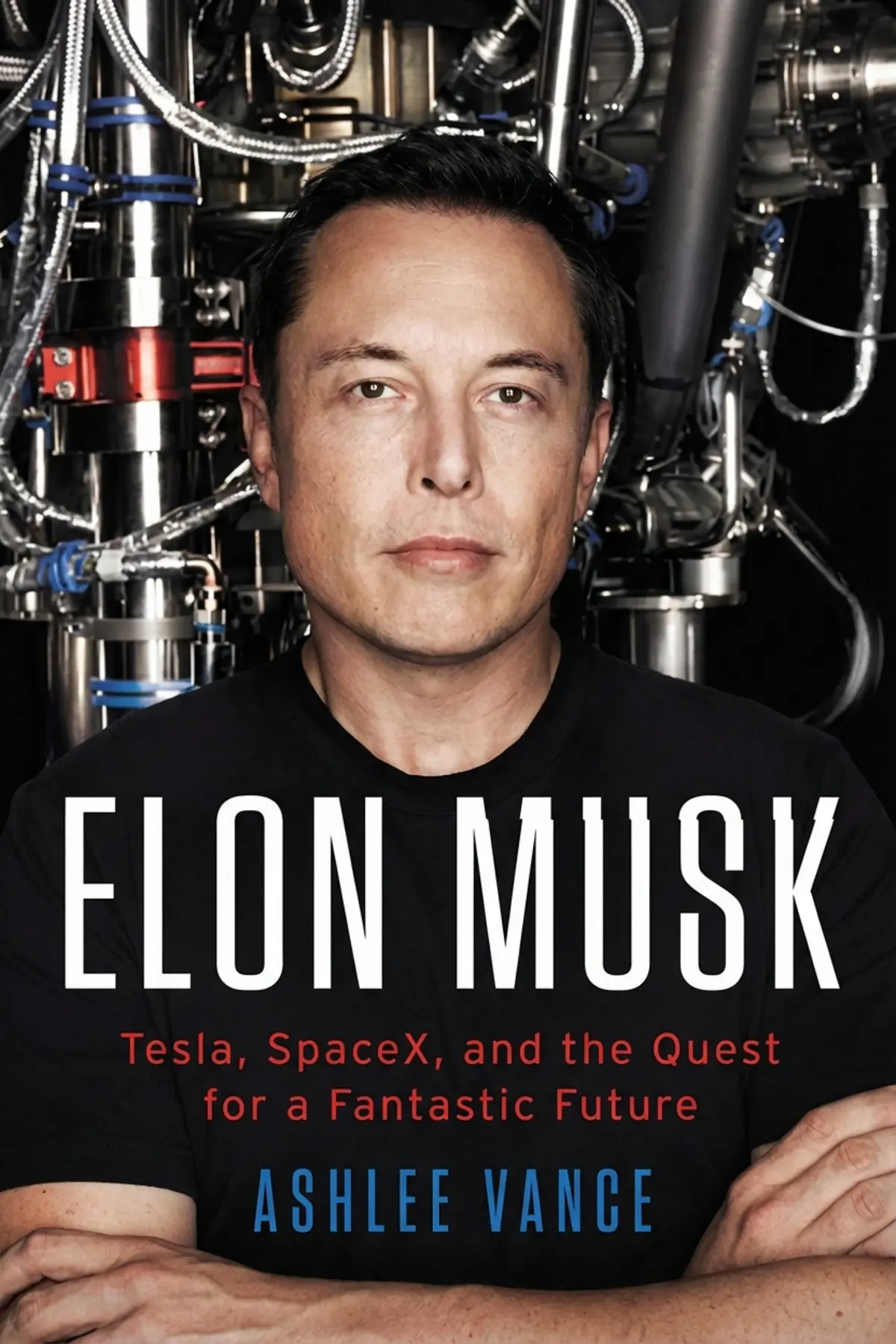
When the Heavens Went on Sale: The Misfits and Geniuses Racing to Put Space Within Reach
By Ashlee Vance
Explore the high-stakes world of the private space industry as adventurous entrepreneurs and engineers bypass government bureaucracy to transform the cosmos into a commercial frontier and a tool for Earth's benefit.
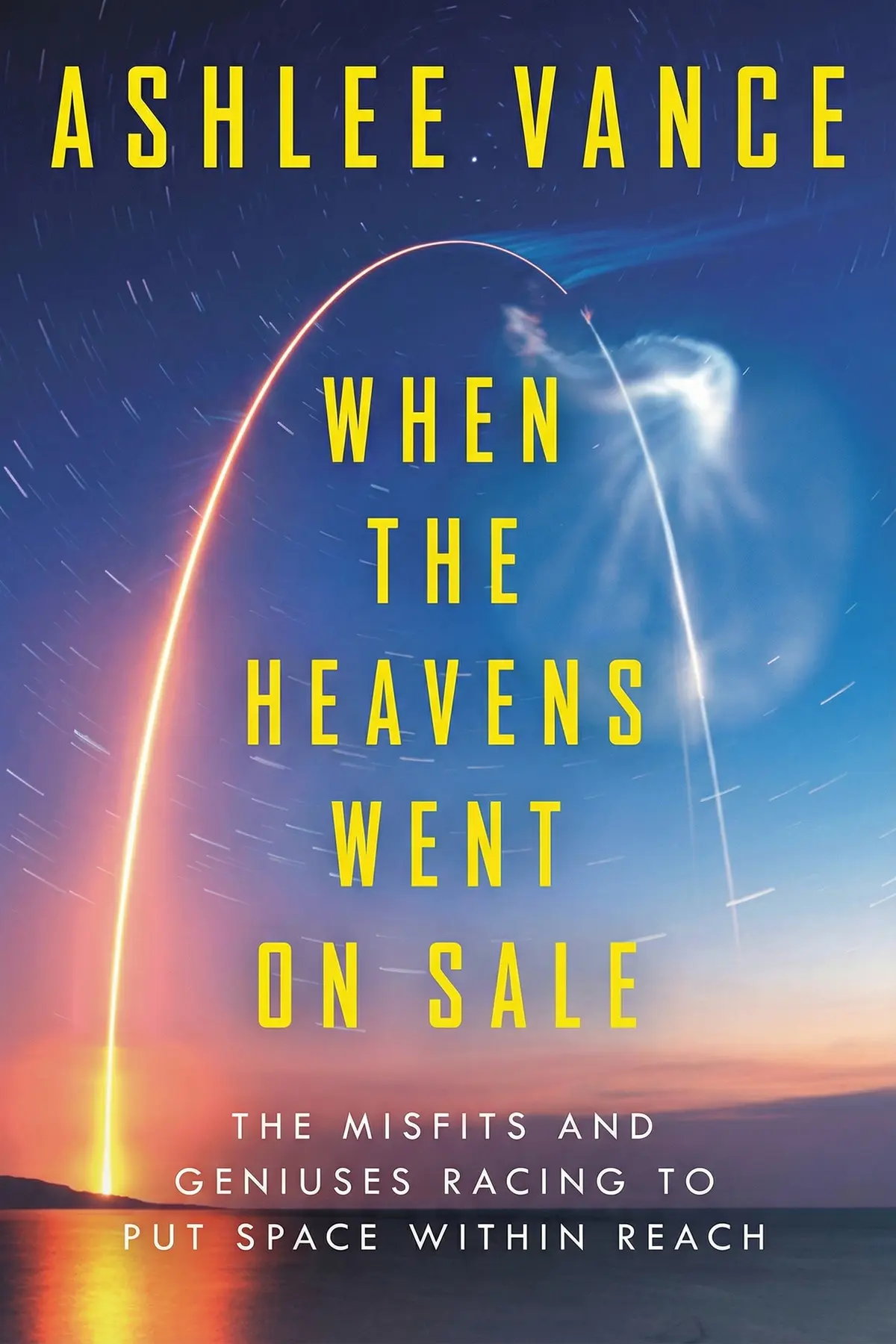
Table of Content
1. Introduction
1 min 56 sec
For decades, the story of space was a tale of nations. It was a saga of Cold War tension, multi-billion-dollar government programs, and a pace of progress that eventually slowed to a crawl under the weight of bureaucracy. But a massive shift occurred in 2008. When SpaceX successfully launched its Falcon 1 rocket, it didn’t just put a payload into orbit; it broke the glass ceiling of what private companies were thought capable of achieving. This event signaled that the keys to the cosmos were no longer held exclusively by superpowers. Instead, they were being passed to a new breed of entrepreneurs, misfits, and engineers who saw space not as a distant monument to national pride, but as a vibrant new marketplace.
In this exploration of the modern space age, we are looking at the realization of a dream where the stars are finally within reach of the commercial sector. This isn’t just about high-profile billionaires like Elon Musk or Jeff Bezos. It’s about a wider ecosystem of smaller, leaner startups that are applying the fast-and-loose logic of Silicon Valley to the rigid world of aerospace engineering. These companies are operating with the belief that if you can make rockets cheaper, smaller, and more frequent, you can change the world. They are turning space into a utility—a place where data is harvested to help us manage our life here on Earth.
As we walk through the stories of these pioneering ventures, we’ll see how the landscape of space exploration has been completely reimagined. We will look at how miniaturization, 3D printing, and a willingness to fail fast are replacing the slow, perfectionist culture of the past. The goal is no longer just to plant a flag and come home; it’s to build a permanent, functional infrastructure in the sky that serves every person on the planet. Get ready to meet the geniuses and gamblers who are betting everything to ensure the heavens are open for business.
2. The Commercial Pivot and the New Space Blueprint
2 min 00 sec
Discover how the 2008 SpaceX milestone launched a competitive era where speed and cost-efficiency replaced the slow, expensive government models of the past.
3. Planet Labs and the Vision of a Transparent Planet
2 min 06 sec
Meet the space-loving idealists who are using hundreds of miniature satellites to provide a real-time, high-definition look at our changing world.
4. Rocket Lab’s Pragmatic Path to the Stars
2 min 01 sec
Follow Peter Beck’s journey of utilizing 3D printing and off-the-shelf parts to create a high-frequency valet service for the satellite industry.
5. Astra’s Resilience and the Goal of Daily Launches
1 min 54 sec
See how Chris Kemp and Astra embrace failure as a teacher, aiming to make rocket launches as frequent and affordable as air travel.
6. Firefly Aerospace and the Power of Private Investment
2 min 05 sec
Witness the rebirth of Firefly under Max Polyakov, as the company targets the sweet spot of medium-lift rockets for a data-hungry world.
7. The Philosophical Shift: Space as a Human Utility
1 min 59 sec
Reflect on how these four companies are collectively redefining our relationship with the cosmos, turning a distant dream into a vital tool for survival.
8. Conclusion
1 min 17 sec
The transition of space exploration from the hands of the state to the minds of private innovators marks one of the most significant shifts in modern history. As we have seen through the journeys of Planet Labs, Rocket Lab, Astra, and Firefly, the ‘New Space’ era is defined by a relentless drive for efficiency, an embrace of failure as a stepping stone, and a deep-seated belief that the cosmos should serve the needs of everyone on Earth. These companies have proven that you don’t need the treasury of a superpower to reach the stars; you need a bold vision and the grit to innovate outside the traditional lines.
What this means for the future is a world that is more connected, more transparent, and better equipped to handle the challenges of the twenty-first century. As the cost of launch continues to fall and the frequency of missions continues to rise, we will see an explosion of creativity in orbit. Space is no longer a distant frontier to be visited occasionally; it is becoming an integral part of our global infrastructure. The heavens are truly open for business, and the benefits of this new commercial reality are only just beginning to unfold. The race is on, and the ultimate winner is a more informed and resilient humanity.
About this book
What is this book about?
When the Heavens Went on Sale explores the transition of space exploration from a state-funded endeavor to a fast-paced, private-sector competition. It documents how a new generation of aerospace companies—inspired by the early successes of SpaceX—is applying Silicon Valley’s rapid-prototyping culture to the final frontier. The book profiles the colorful characters and intense rivalries behind companies like Planet Labs, Rocket Lab, Astra, and Firefly Aerospace, showing how they are lowering the cost of reaching orbit. Beyond just rockets and satellites, the narrative focuses on the promise of this new era: a more transparent and connected world. By launching massive constellations of small satellites, these pioneers aim to monitor climate change, improve global communications, and provide real-time data on every corner of the planet. This is a story of engineering triumphs, spectacular failures, and the ambitious goal of making space an accessible resource for all of humanity.
Book Information
About the Author
Ashlee Vance
Ashlee Vance is a prominent author and journalist celebrated for his immersive storytelling within the realms of technology, innovation, and global entrepreneurship. He is widely recognized for his acclaimed biography of Elon Musk, which explored the intersection of clean energy and space travel. Vance's work consistently highlights the visionary figures driving the most significant technological shifts of our time.
Ratings & Reviews
Ratings at a glance
What people think
Listeners find the narrative gripping and packed with adventure, highlighting the superb storytelling and detailed research. Additionally, the writing is masterful, and listeners describe it as an uplifting book that embodies the drive for innovation and perseverance. Conversely, the depiction of characters draws varied feedback, and several listeners mention that 90% of the content is fictional.
Top reviews
Tum
This book is a pulse-pounding ride through what I’d call the 'Wild West' of modern orbit. Vance captures the sheer grit of the engineers at Rocket Lab and Planet Labs with such intensity that you can almost smell the rocket fuel. It’s an inspiring narrative that focuses on the underdogs rather than just the usual billionaire suspects we see in the headlines every day. While the prose is occasionally blunt, it fits the rough-and-tumble world of these startup founders perfectly. The way he describes the failures at Astra makes you realize how thin the margin for success actually is in this business. I found it to be an unputdownable adventure that highlights the human determination required to conquer the stars. If you want to understand the new space race beyond SpaceX, this is your definitive guide.
Show moreMind
Ever wonder who is actually launching the thousands of satellites currently circling our planet? Ashlee Vance delivers a meticulously researched account of the 'misfits' who are making it happen. The storytelling here is top-tier, turning complex orbital mechanics into a series of gripping character studies. I was particularly fascinated by the section on Firefly Aerospace and the incredible resilience of its team through multiple near-death experiences for the company. Some might find the focus on 'larger-than-life' personalities a bit much, but that’s the reality of this industry. It’s a book about people who refuse to accept the impossible. This isn't just a business text; it's a chronicle of innovation and the terrifying cost of ambition. Truly an enthralling read from start to finish.
Show moreLadawan
Wow, Vance really managed to turn the dry world of satellite procurement into a page-turning adventure that feels more like a tech-thriller than non-fiction. The way he follows Chris Boshuizen and Will Marshall at Planet Labs is nothing short of inspiring. You feel the weight of their risks and the exhilaration of their successes. Some critics have mentioned that parts of the story feel almost fictionalized, but I think that’s just a testament to how wild this industry actually is right now. The book is an enthralling tribute to the people who aren't afraid to blow things up in the name of progress. It’s easily one of the most engaging books on aerospace I’ve ever read. If you’re looking for a boost of motivation, this is it.
Show moreWatcharee
Finally got around to finishing this, and I've gotta say the spirit of innovation is practically leaking off every page. Vance has a knack for finding the most colorful characters in the room and letting them tell their stories in a way that feels raw and authentic. I loved the deep dive into Firefly and the complex history behind their technology. It’s a sprawling, ambitious book that matches the ambition of its subjects perfectly. While it is a long read, it never felt boring to me because the stakes are always so incredibly high. Rockets exploding, fortunes being lost, and the future of humanity hanging in the balance—what more could you want? This is essential reading for anyone interested in where the next decade of technology is headed.
Show morePia
As someone who grew up watching Apollo documentaries, I found Vance's focus on the smaller players like Planet Labs incredibly refreshing. He moves away from the 'big brand' space stories to look at the scrappy startups that are actually changing how we see Earth. The writing is skillful and fast-paced, though I’ll admit the character development felt a bit lopsided at times. Some of these founders come across as quite difficult to like, and Vance doesn't always challenge their more 'eccentric' behaviors. However, the technical challenges are explained well enough for a layperson to follow the high stakes. My only real gripe is that the middle sections drag a little when the narrative shifts too far into the financiers' boardrooms. Still, it’s a solid, informative look at the privatization of the heavens.
Show moreSarawut
Picked this up expecting another SpaceX hagiography, but I was pleasantly surprised by the breadth of the reporting. Vance spent years embedded with these companies, and it shows in the depth of the anecdotes. You get a real sense of the 'rocket science' struggle without getting bogged down in too much jargon. To be fair, the book is quite long and the structure can be a bit repetitive as it jumps between different launch failures. But the spirit of innovation is infectious. I particularly appreciated the focus on the actual hardware being built in labs, even if the author sometimes glosses over the finer engineering details in favor of dramatic flair. It captures the chaotic energy of a new era. A very strong recommendation for any tech or space enthusiast.
Show moreMai
After hearing about the 'New Space' movement for years, this book finally put faces to the names for me. Vance’s access is clearly unparalleled, and he uses it to paint a vivid picture of the sheer madness involved in building rockets. The chapter on Astra was particularly nail-biting, showing just how close these ventures come to total collapse at every turn. Personally, I would have liked a bit more discussion on the environmental impact of these massive satellite constellations, as the author seems very pro-industry. However, as a chronicle of human determination and engineering prowess, it’s hard to beat. The writing style is plainspoken and accessible, making it an easy read despite the density of the subject matter. It's a fascinating look into a world most of us will never see.
Show morePang
The chapter on the early days of Rocket Lab in New Zealand was easily my favorite part of the entire book. It shows that you don't need a Silicon Valley zip code to change the world if you have enough drive. Vance’s writing is skillful, though I agree with some others that the book could have used a more rigorous edit to trim the fat. At times, the 'cowboy' attitude of the subjects is celebrated a bit too much without considering the regulatory consequences. That said, the amount of research that went into this is clearly massive. It’s a comprehensive, if slightly biased, look at the people who are currently carving up the sky. It left me feeling both excited and a little bit nervous about the future of our atmosphere.
Show moreThanakorn
Frankly, the reliance on long, raw interview transcripts midway through the book felt a bit like the author was taking the easy way out. I was looking for a more nuanced analysis of the technology, but instead, we get pages of printed conversations that could have been summarized. The book covers Planet Labs and Astra well, but the tone is often overly praiseworthy and lacks a critical journalistic lens. While the stories of these 'geniuses' are interesting, the narrative starts to feel like a collection of PR profiles after a while. I also found it difficult to keep track of the rotating cast of characters because they all start to sound the same. It’s informative enough, but it lacks the tight, sophisticated structure I expected after reading Vance’s previous work on Elon Musk.
Show moreSkylar
Truth is, I have mixed feelings about how Vance treats his subjects as larger-than-life heroes while glossing over the more technical 'nuts and bolts.' For a book about rocket science, it’s surprisingly light on actual science. The prose is jaunty and moves fast, which is great for a general audience, but it occasionally feels a bit shallow or amateurish when it should be analytical. I also found the inclusion of full conversation transcripts to be a lazy stylistic choice that broke the flow of the narrative. It feels like a series of high-end magazine profiles stitched together rather than a cohesive, deep-dive exploration of an industry. It’s an okay introduction to the players involved, but if you’re looking for a serious reckoning with the tech, you might be disappointed.
Show moreReaders also enjoyed



AUDIO SUMMARY AVAILABLE
Listen to When the Heavens Went on Sale in 15 minutes
Get the key ideas from When the Heavens Went on Sale by Ashlee Vance, plus 5,000+ more titles in English and Thai.
- 5,000+ titles
- Listen as much as you want
- 7-day free trial
- Cancel anytime







