
18 min 10 sec
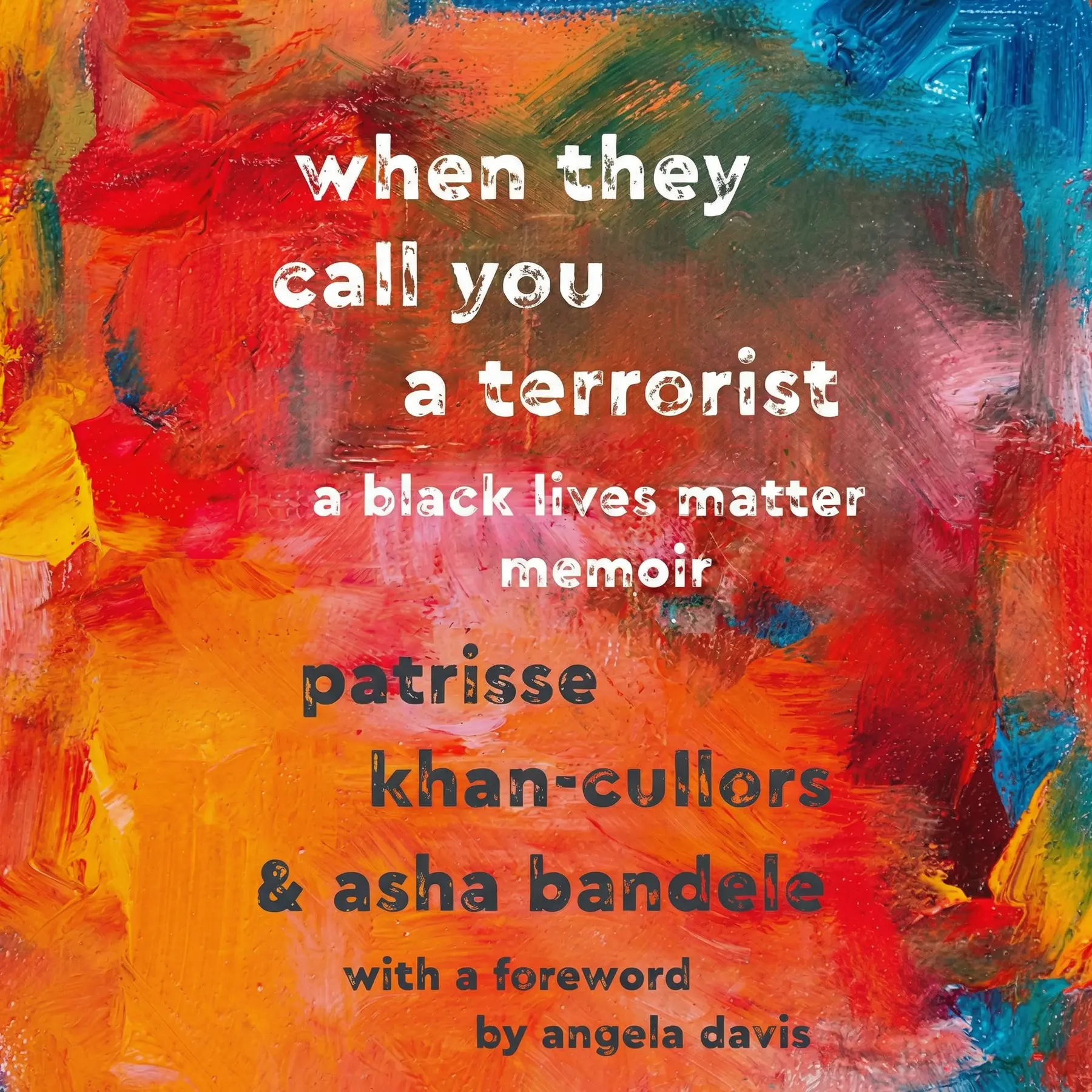
When They Call You a Terrorist: A Black Lives Matter Memoir
A powerful memoir exploring the personal history of Patrisse Khan-Cullors, delving into the systemic inequalities and personal tragedies that led to the founding of the global Black Lives Matter movement.
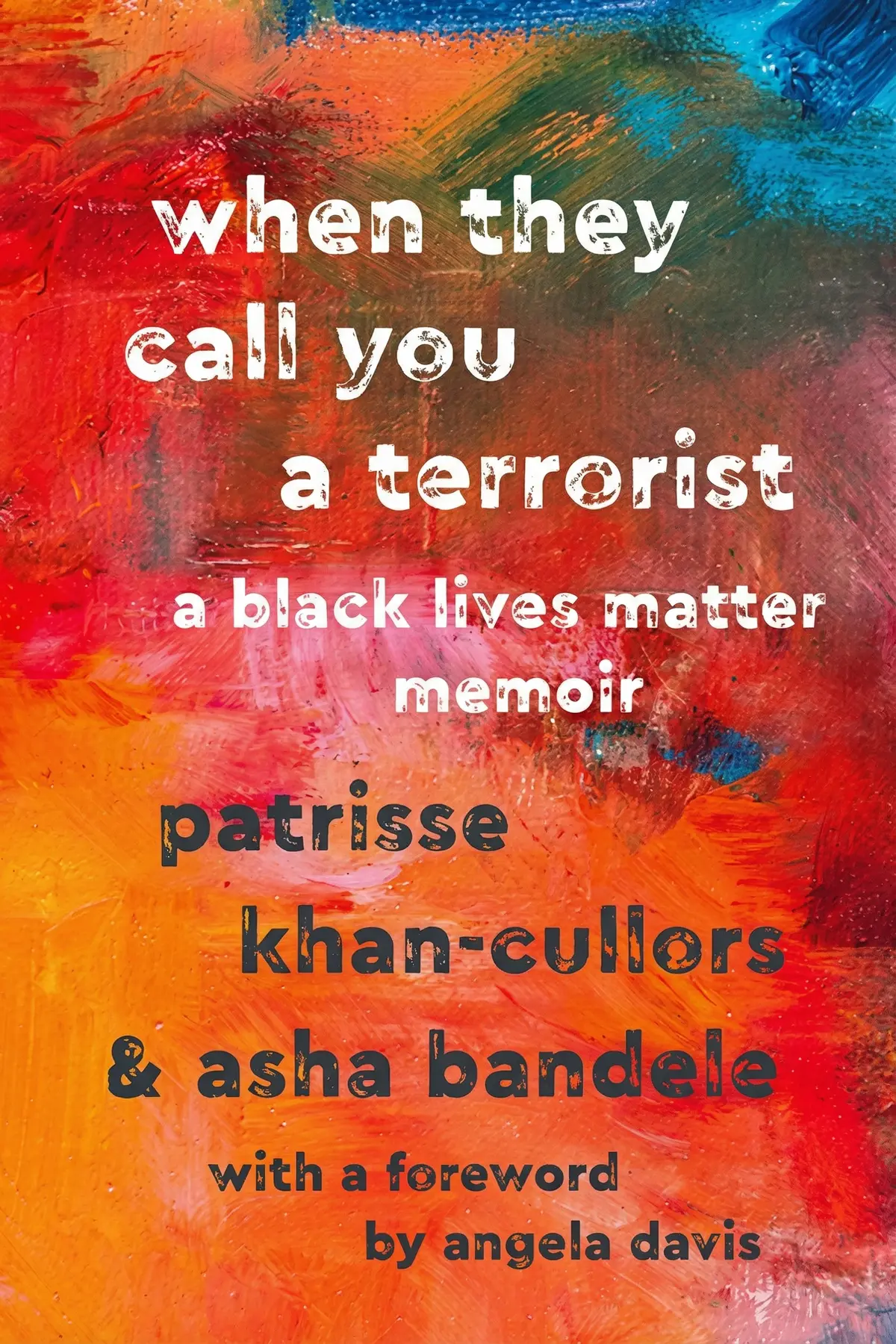
Table of Content
1. Introduction
1 min 49 sec
When we look at the landscape of modern social justice, one phrase stands out more than any other: Black Lives Matter. It has become a global rallying cry, a hashtag, and a movement that has redefined the conversation around race and policing in the twenty-first century. But behind the slogans and the headlines lies a deeply personal story of survival, resilience, and the relentless pursuit of dignity. To truly understand why this movement was born, we have to look past the television news cycles and enter the world of those who lived its necessity long before it had a name.
In this exploration of Patrisse Khan-Cullors’ journey, we find ourselves in the neighborhoods of Los Angeles during the 1990s. We see a world through the eyes of a young girl who watched her family navigate a system that seemed designed to catch them rather than support them. This isn’t just a political history; it is a memoir that bridges the gap between the personal and the systemic. It asks us to consider what happens when a community is viewed through the lens of suspicion rather than protection, and how that environment shapes the people who grow up within it.
Throughout this narrative, we will examine the specific moments of injustice that acted as catalysts for change. We will see how the education system can mirror the prison system, how economic shifts can tear families apart, and how the legal system often fails those who need it most. By tracing the throughline from a childhood marred by police harassment to the national stage of activism, we gain a clearer picture of the stakes involved. The goal is to move beyond the controversies and understand the human heartbeat of a movement dedicated to the idea that every life deserves to be lived without fear.
2. A Childhood Shaped by Policing and Economic Hardship
2 min 28 sec
Discover how the daily realities of poverty and constant law enforcement surveillance in 1990s Los Angeles forged a different kind of childhood experience.
3. The Disparities Within the American Education System
2 min 27 sec
Examine the disturbing ways in which schools in marginalized communities can mirror the carceral system, treating children as threats rather than students.
4. Shifting the Blame from Individuals to Societal Failures
2 min 31 sec
Question the narrative of personal failure by looking at the economic and social forces that destabilize families and drive cycles of addiction.
5. The Human Cost of America’s Incarceration Obsession
2 min 29 sec
Uncover the reality of the carceral state through the stories of family members who were trapped in a system that prioritizes punishment over healing.
6. The Turning Points That Sparked a Movement
2 min 14 sec
Follow the journey from personal legal battles to a national outcry, as individual moments of injustice coalesced into a call for systemic change.
7. The Vision and Values of Black Lives Matter
2 min 22 sec
Learn about the core principles of the movement, from addressing the statistics of police violence to its foundational commitment to radical inclusivity.
8. Conclusion
1 min 50 sec
The journey from the streets of Los Angeles to the forefront of a global movement reveals a powerful truth: the personal is always political. Through the story of Patrisse Khan-Cullors, we see how the weight of a broken refrigerator, the sight of a brother in handcuffs, and the grief of a national tragedy can forge a spirit of resistance. This narrative has shown us that the issues of policing, education, and incarceration are not abstract policy debates; they are the daily realities that determine whether a person can live with dignity or in fear.
We have explored how systemic racism isn’t just about individual prejudice, but about the structures we build—the schools that look like prisons, the laws that warehouse the mentally ill, and the economic shifts that destabilize entire communities. Yet, in the face of these daunting challenges, the birth of the Black Lives Matter movement offers a message of hope. It reminds us that when people come together to name their pain and demand change, they have the power to shift the cultural landscape.
As we look forward, the movement calls on us to practice a radical kind of empathy and inclusivity. It asks us to recognize that justice for one must mean justice for all, regardless of gender identity or social status. The throughline of this story is a call to action. It challenges us to look closely at our own society, to question the labels we use, and to commit ourselves to a world where the humanity of every individual is recognized and protected. The work of dismantling systemic bias is far from over, but the foundations have been laid for a future where ‘justice for all’ is not just a phrase, but a lived reality.
About this book
What is this book about?
This summary explores the deeply personal and political journey of Patrisse Khan-Cullors, a co-founder of the Black Lives Matter movement. It chronicles her upbringing in Los Angeles, where she witnessed firsthand the devastating impacts of poverty, aggressive policing, and a biased legal system on her family and community. The narrative follows the evolution of an activist, showing how personal experiences with the carceral state and the education system provided the impetus for a new era of civil rights. It offers a profound look at the human stories behind the headlines, explaining the systemic roots of racial injustice while outlining the movement's commitment to radical inclusivity and justice for all marginalized people.
Book Information
About the Author
Patrisse Khan-Cullors
Patrisse Khan-Cullors is a founder and leader of the Black Lives Matter movement. Asha Bandele is a best-selling author and award-winning journalist.
Ratings & Reviews
Ratings at a glance
What people think
Listeners find this memoir to be an essential read that engages from the very first page, with one noting that the narrative flow resembles a novel. The work is eye-opening and profound; specifically, one listener mentions how it aids in comprehending African American experiences. Additionally, the prose is expertly composed, with listeners characterizing the account as sincere, moving, and stunning.
Top reviews
Mikael
Wow. This book hit me like a physical weight from the very first page, and I couldn't put it down. Khan-Cullors and Bandele have created something that feels less like a dry political text and more like a haunting, beautiful novel. The descriptions of her childhood in Los Angeles, watching her mother work multiple jobs while the police terrorized their neighborhood, are simply gut-wrenching. It is an honest and powerful look at how the state treats Black bodies as disposable. I was particularly moved by the raw vulnerability she showed when discussing her brother Monte’s mental health struggles and his experiences behind bars. This isn't just a memoir about a movement; it’s a story about the fierce love that sustains people through absolute horror. Every single person in this country needs to read this to understand the true roots of the Black Lives Matter movement.
Show moreHunter
Ever wonder what it actually looks like to build a global movement from the ground up? This memoir provides a captivating answer while remaining deeply rooted in the soil of Van Nuys. Khan-Cullors doesn’t just tell us why Black lives matter; she shows us the lives that shaped her, from her hardworking mother to her brilliant, struggling brothers. The writing style is lyrical and evocative, making the most painful scenes of police brutality feel visceral and immediate. I was especially struck by how she credits her intellectual and emotional support systems throughout her journey. It’s a beautiful testament to chosen family and the power of organizing. The truth is, this book changed how I view the news and the legal system entirely. It is a mandatory text for anyone who claims to care about human rights in the 21st century.
Show moreGai
Picked this up for a book club and was absolutely blown away by the sheer honesty on display. The authors do an incredible job of humanizing the statistics we see on the news every day regarding mass incarceration. Hearing about Patrisse’s childhood—how she was punished in school for things white children would get a pass for—was eye-opening. The book is powerful and frequently infuriating, especially when it quotes the Nixon-era architects of the drug war who admitted to targeting Black communities. It’s a thought-provoking look at how language is used to brand activists as terrorists while ignoring the state-sponsored violence they are fighting against. I finished it in two sittings because the narrative flow is just so compelling. This is a vital piece of modern literature that bridges the gap between the personal and the political flawlessly.
Show moreKan
As a non-Black person of color, reading this was a humbling and deeply necessary experience. It challenged me to look at my own complicity in systems of white supremacy and how I can better support my Black siblings. The authors write with a level of vulnerability that is rare, especially when discussing the intersection of mental illness and the criminal justice system. The way Patrisse describes Monte’s descent and the state’s refusal to provide actual care is a tragedy that happens every day. This book is a powerful reminder that the 'terrorist' label is often used to silence those who are simply demanding the right to exist. The prose is beautiful, almost poetic at times, which makes the harsh reality of the subject matter even more striking. It’s a captivating story of resilience and the transformative power of love and community.
Show moreCarter
This memoir is a masterclass in truth-telling and one of the most honest books I’ve read in years. Khan-Cullors and Bandele have a way with words that makes even the most complex systemic issues feel deeply personal. I was captivated by the history of the movement, but I was even more moved by the story of a girl trying to keep her family together. The chapter on her brother being shot at by police while he was in a mental health crisis was absolutely soul-crushing. It’s a thought-provoking work that demands you pay attention to the world around you. To be fair, it’s a difficult read emotionally, but the insight it provides is invaluable for understanding the Black experience in America. Powerful, beautiful, and absolutely essential for our times. I can’t recommend it enough.
Show moreJonathan
Khan-Cullors doesn't hold back in this stunning memoir that is both a scream of rage and a song of hope. The way she documents her family’s history of being targeted by the state is both terrifying and tragically common. I was particularly struck by the Angela Davis introduction which sets the stage for a book that refuses to be polite about injustice. This is a powerful, thought-provoking journey through the life of a woman who chose to fight back instead of being crushed. The truth is, we often see these activists as icons, but this book reminds us they are daughters, sisters, and friends first. It’s an honest, well-crafted account of what it means to be Black in America today. If you want to understand the heart of the movement, you must start here. It is absolutely captivating and necessary.
Show moreAnna
The way Patrisse weaves together her personal trauma with the broader systemic failures of the American carceral state is truly well-crafted. I found the sections regarding her brother’s treatment in prison to be some of the most difficult, yet necessary, things I have ever read. Truth be told, there were moments where the transition from personal anecdote to political theory felt a little abrupt, which broke the immersion for a second. However, the poetic force of her writing quickly pulls you back into the narrative. It’s an enlightening read that forced me to interrogate my own biases and the privileges I carry as someone who has never feared the police. This book is a masterclass in how to connect the individual heart to the collective struggle for justice. Definitely worth the time for anyone looking for a thought-provoking perspective on modern activism.
Show moreTeng
Finally got around to reading this and it lived up to the hype, though it’s definitely a heavy read. The memoir is exceptionally well-crafted, blending a coming-of-age story with a manifesto for social change. I appreciated the specific details about her upbringing in LA and the way she described the constant surveillance her community faced. Not gonna lie, some of the descriptions of her brother's abuse at the hands of the police were so vivid they were hard to stomach. It really highlights the depth of anti-Blackness in America in a way that data points never could. My only minor gripe is that the second half felt a bit rushed compared to the deeply detailed childhood sections. Still, it’s an enlightening book that provides much-needed context for the movement. Everyone should have a copy on their shelf.
Show moreEmma
Honestly, I wasn't expecting this to read so much like a novel, but the narrative arc is incredibly strong. It’s an enlightening look at the foundations of Black Lives Matter and the women who sparked the fire. I loved the focus on Patrisse’s mother and the silent sacrifices she made; it added such a rich layer of humanity to the activist we see today. However, I did feel like some of the criticisms about the movement’s internal struggles were a bit glossed over. The book focuses heavily on the external threats, which is understandable, but I would have liked more about the complexities of organizing within queer circles. Regardless, the writing is well-crafted and the message is undeniably powerful. It’s a captivating read that will stay with me for a long time.
Show moreWichai
I have so much respect for the work Patrisse Khan-Cullors has done for the movement, but I had some complicated feelings about this memoir. On one hand, the prose is stunning and the history of BLM is vital to understand. On the other hand, it felt a bit disjointed how much space was given to the men in her life compared to her queer identity. I was surprised that for a book written by a queer woman, the most deeply explored romantic relationship was a heteronormative one. Also, while her brother Monte clearly suffered immense trauma, I felt she glossed over the harm he caused to the women in his life during his episodes. Frankly, it felt like she was excusing toxic behavior in a way that didn't quite align with the feminist values she champions elsewhere. It’s an important book, but I expected more focus on the complexities of queer Black womanhood.
Show moreReaders also enjoyed
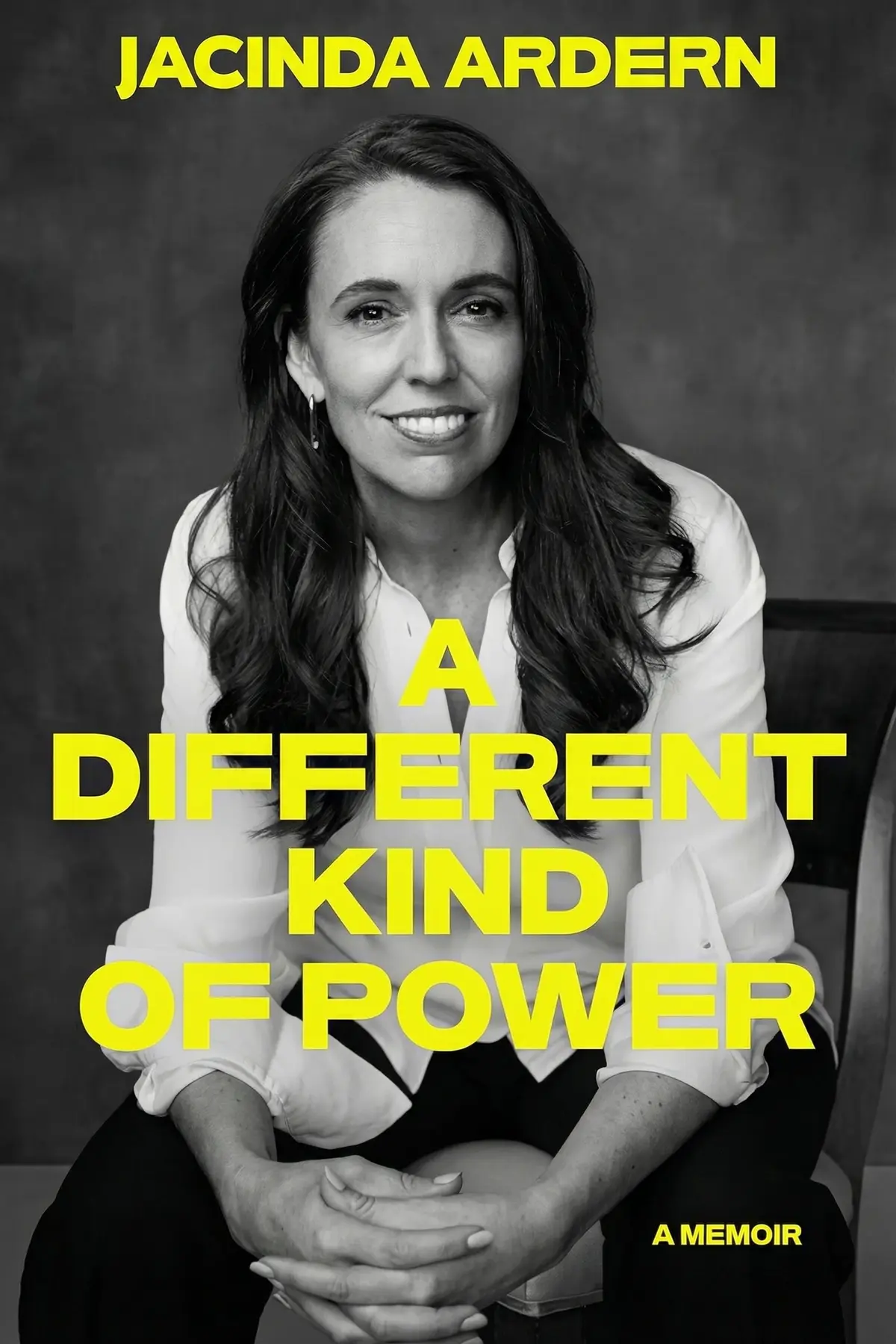
A Different Kind of Power: A Memoir
Jacinda Ardern

Alexander Hamilton
Ron Chernow
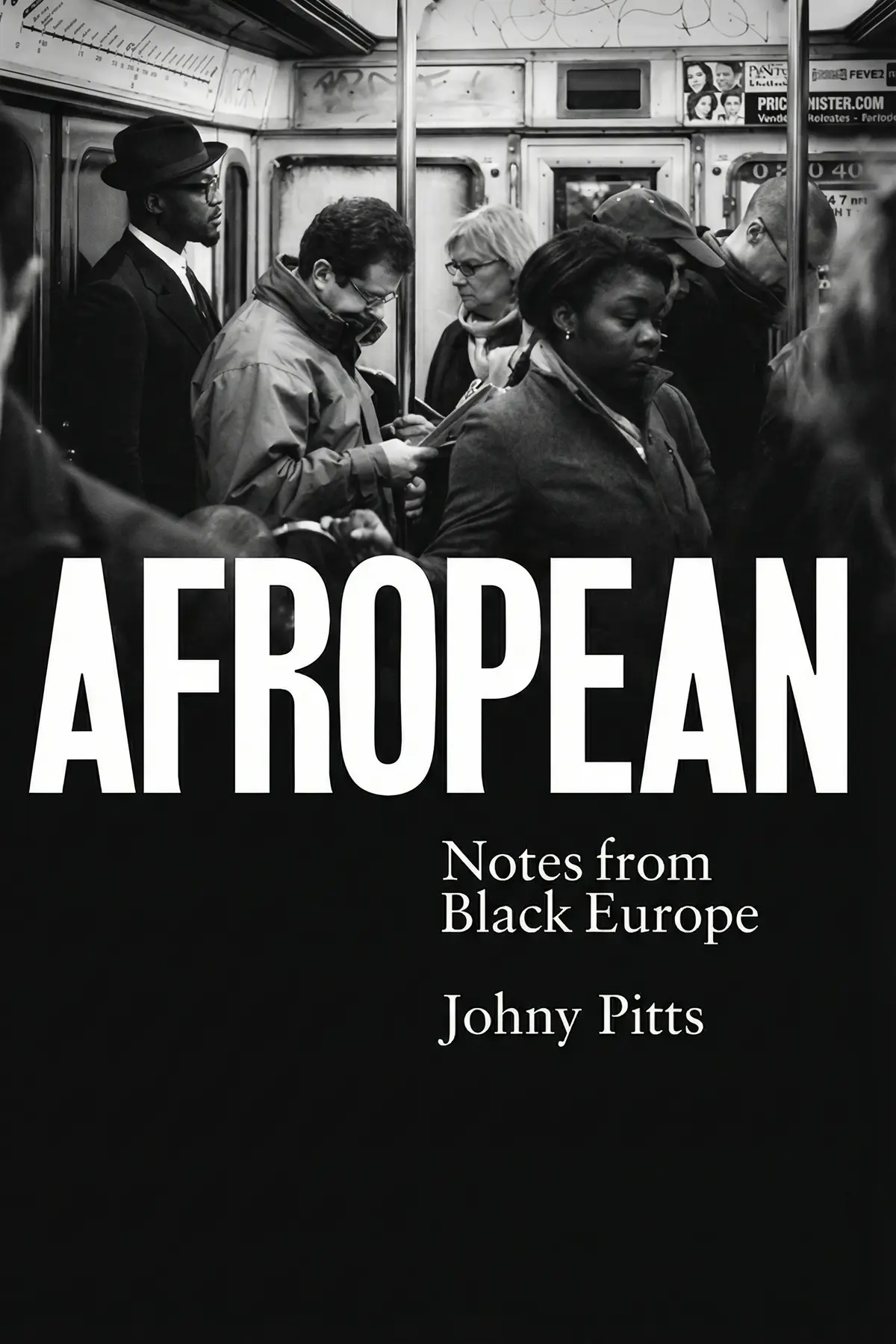
Afropean: Notes From Black Europe
Johny Pitts
A Higher Loyalty: Truth, Lies and Leadership
James Comey
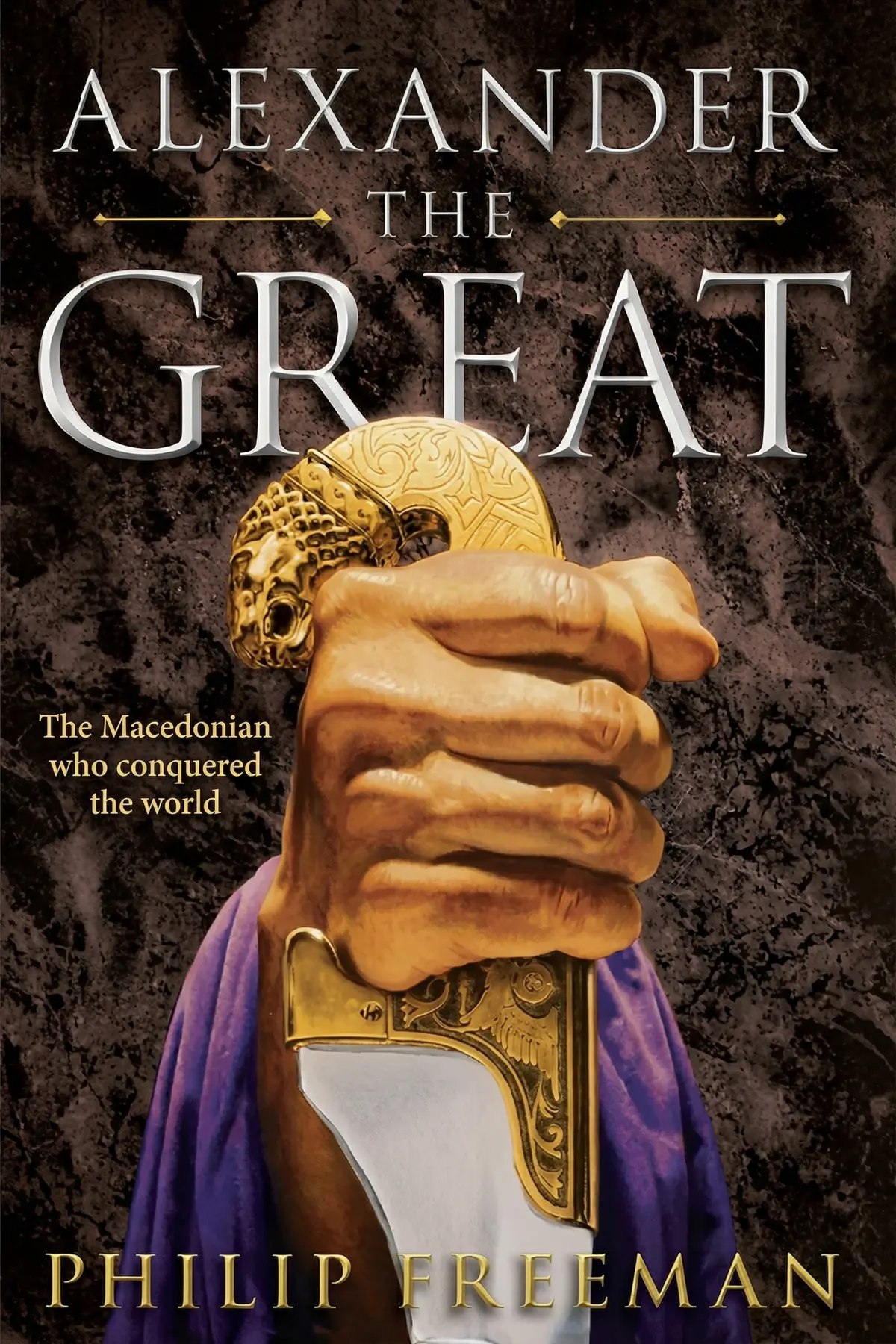
Alexander the Great
Philip Freeman
Ali: A Life
Jonathan Eig
AUDIO SUMMARY AVAILABLE
Listen to When They Call You a Terrorist in 15 minutes
Get the key ideas from When They Call You a Terrorist by Patrisse Khan-Cullors, plus 5,000+ more titles in English and Thai.
- 5,000+ titles
- Listen as much as you want
- 7-day free trial
- Cancel anytime







