
19 min 49 sec
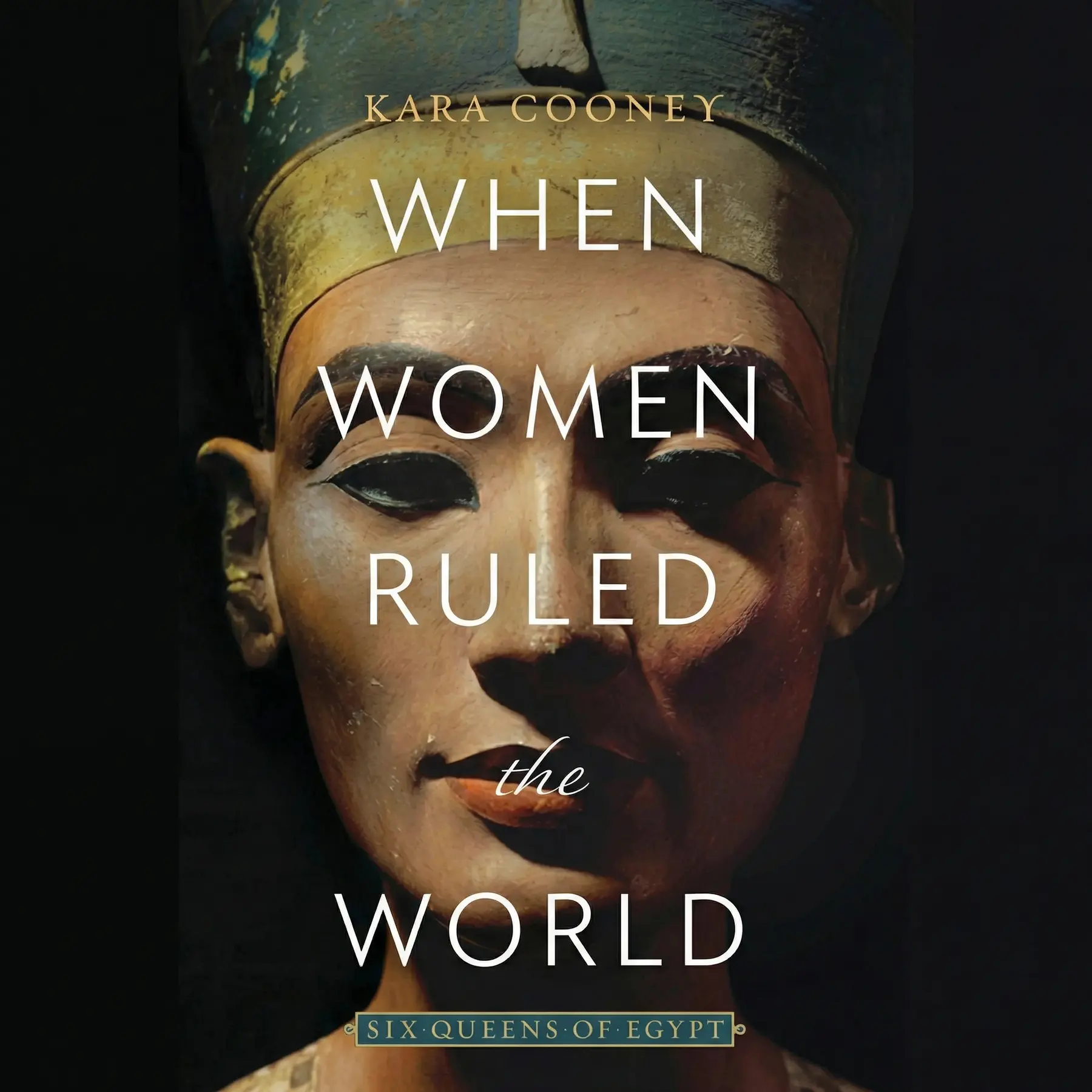
When Women Ruled the World: Six Queens of Egypt
By Kara Cooney
Explore the lives of six female pharaohs who navigated the patriarchal structures of ancient Egypt. Discover how these leaders utilized divine kingship to maintain stability and national prosperity during times of crisis.
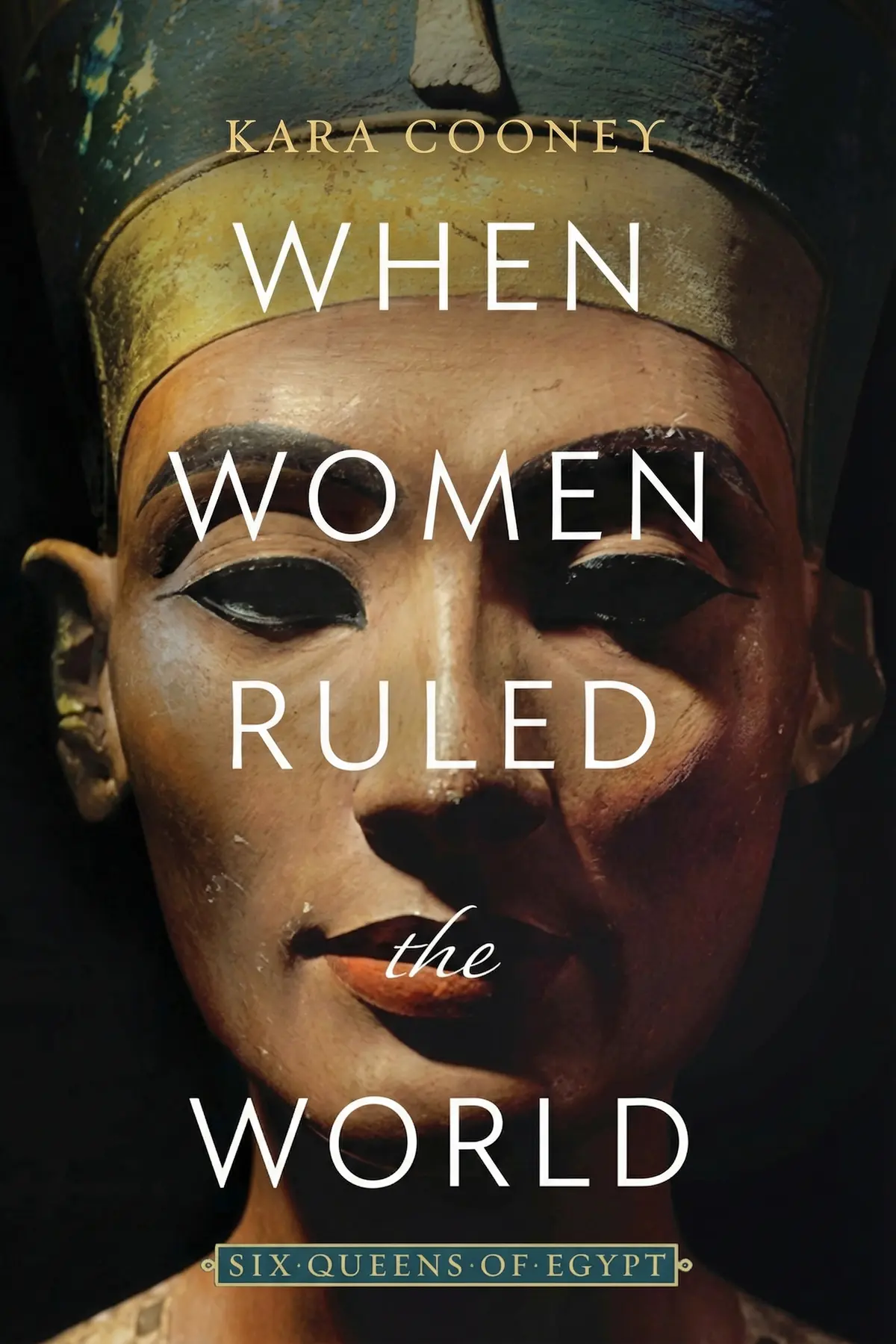
Table of Content
1. Introduction
2 min 14 sec
In our modern landscape, the conversation around female leadership is often fraught with tension. We see ambitious women labeled with harsh adjectives—bossy, selfish, or emotional—while their male counterparts are praised for the very same traits. Many look back at recent political history as a reminder of the invisible barriers that still hinder women from reaching the highest offices of power. It is easy to assume that this resistance to female authority is a timeless human constant. However, if we look back several millennia to the banks of the Nile, we find a society that, while deeply patriarchal, frequently turned to women to hold the reins of the state.
Ancient Egypt provides a fascinating counter-narrative to our current struggles. This was a culture that didn’t just tolerate female rulers in rare instances; it built a system where women were the essential fail-safe for the nation’s stability. When the traditional line of father-to-son succession faltered, or when a child king was too young to hold the scepter, it was the royal women who stepped forward to bridge the gap. They were the stabilizers, the peacekeepers, and the savvy politicians who kept one of history’s greatest empires from collapsing during moments of extreme vulnerability.
In this exploration of Kara Cooney’s research, we are going to walk through the lives of six extraordinary women who navigated the treacherous waters of Egyptian politics. We will see how they leveraged religious myths and the concept of divine kingship to claim authority that few women in history have ever matched. From the bloody rituals of the First Dynasty to the calculated diplomatic marriages of the Ptolemaic era, these stories reveal a pattern of leadership that was often more pragmatic and successful than that of the men who followed them.
The throughline here is one of crisis management. We are not just looking at a list of names, but at a recurring historical phenomenon: the use of female power as a tool to protect the status quo. As we move through these chapters, we will uncover why these women were chosen, how they maintained their grip on power, and why their legacies were so often intentionally erased by the men who inherited the prosperity they created. By the end, we’ll see that the history of ancient Egypt offers more than just archeological curiosities; it provides a mirror to our own biases and a testament to the enduring effectiveness of female rule.
2. The Foundation of Divine Kingship
2 min 12 sec
Discover how the Egyptian concept of a living god allowed for a unique, albeit temporary, acceptance of female authority within a strictly patriarchal society.
3. Merneith and the Power of Sacrifice
2 min 12 sec
Explore the life of the first recorded female leader who secured her son’s throne through the strategic and ritualistic use of early dynastic violence.
4. Neferusobek and the Biological Crisis
2 min 15 sec
See how the Egyptian practice of royal inbreeding led to a crisis of sterility, forcing the first woman to officially claim the title of King.
5. Hatshepsut’s Golden Age of Diplomacy
2 min 21 sec
Examine the reign of the most successful female king, who used economic prosperity and divine propaganda to rule for two decades.
6. Nefertiti and the Radical Reinvention
2 min 03 sec
Uncover the mystery of a queen who may have saved her country from her husband’s religious extremism by transforming into a male co-ruler.
7. Tawosret and the Rise of the Independent Queen
2 min 04 sec
See how a woman in a changing Egypt took the throne by force and ruled alone, marking a shift toward more aggressive female leadership.
8. Cleopatra and the End of an Era
2 min 11 sec
Observe the final act of Egyptian female rule as Cleopatra used diplomacy, romance, and motherhood to keep the Roman Empire at bay.
9. Conclusion
2 min 17 sec
The history of ancient Egypt offers us a profound paradox. On one hand, it was a society that valued the masculine above all else, where the very word for ‘ruler’ was synonymous with ‘man.’ On the other hand, it was a society that, with surprising regularity, entrusted its survival to women. These six queens—Merneith, Neferusobek, Hatshepsut, Nefertiti, Tawosret, and Cleopatra—were not anomalies; they were a fundamental part of the Egyptian political system. They were the individuals who could step into a crisis and use their perceived ‘softer’ traits—pragmatism, empathy, and a focus on long-term stability—to achieve what the men of their time often could not.
What this really means is that we need to rethink our understanding of how power works. The Egyptian model shows us that female leadership has historically been a tool for peace and prosperity. These women didn’t usually start wars; they ended them. They didn’t usually bankrupt their countries; they built them up. Yet, history has a short memory. We see a recurring pattern where the achievements of these women were minimized or erased by the men who followed. Their rule was tolerated when the country was in trouble, but as soon as stability returned, the patriarchy worked to re-establish the ‘proper’ order, often by slandering the very women who had saved it.
As we look at the challenges facing our own world today, the stories of these ancient queens are more relevant than ever. They remind us that the qualities we often dismiss as ‘feminine’—like the ability to build consensus or to act with prudence rather than aggression—are actually some of the most effective tools for governance. The bias that Hillary Clinton and other modern female leaders face is not a new phenomenon; it is the continuation of a story that began thousands of years ago.
In the end, the lives of these six women offer a powerful lesson: a woman in power is not a threat to stability, but often its greatest champion. If we can learn to value leadership based on its results rather than the gender of the person providing it, we might find ourselves building a world that is as prosperous and enduring as the one the female pharaohs once ruled. Let their stories be a reminder that when the world is in crisis, the best hands to hold the scepter might just be those that have been historically kept from it.
About this book
What is this book about?
When Women Ruled the World takes a deep look into the historical reality of female power in ancient Egypt. While we often think of the ancient world as exclusively dominated by men, Kara Cooney reveals a recurring pattern where women were called upon to save the state. From the dawn of the first dynasties to the dramatic end of the Ptolemaic era, royal women stepped into the role of king, not as a challenge to patriarchy, but as its ultimate protector. Through the stories of six remarkable queens—Merneith, Neferusobek, Hatshepsut, Nefertiti, Tawosret, and Cleopatra—the book promises to reshape our understanding of political authority. It examines the unique cultural mechanisms, such as divine kingship and religious archetypes, that allowed these women to rule with absolute power. By revisiting these forgotten or maligned histories, the book offers a provocative look at how female leadership has been used and discarded throughout human history, providing lessons on pragmatism, empathy, and the enduring bias against women in power.
Book Information
About the Author
Kara Cooney
Kara Cooney is a distinguished professor of Egyptology at UCLA. Her academic work primarily explores ancient Egyptian beliefs regarding the afterlife, the complex preparations for death, and the intricate gender dynamics within that society. She has established herself as a leading voice in the study of Egyptian leadership, and her previous book, The Woman Who Would Be King, provided a detailed biographical account of the life and death of Egypt’s famous female king, Hatshepsut.
Ratings & Reviews
Ratings at a glance
What people think
Listeners find the book accessible and skillfully written, commending its extensive detail and instructive look at ancient Egyptian queens. Furthermore, the narrative approach gets positive mentions, with one listener depicting it as a fresh take on a timeless tale. The work is also lauded for its representation of historical figures, as one review mentions that the women profiled were amazing. Nevertheless, views on the work's accuracy are varied, as several listeners point out that it's mostly conjecture rather than facts.
Top reviews
Om
Absolutely stunning narrative that reclaims the voices of these forgotten rulers through a unapologetically feminist lens. This book is basically a Game of Thrones style deep dive into real Egyptian history, which makes the educational content feel incredibly alive and urgent. I was especially captivated by the chapter on Merneith; I had honestly never heard her name before despite her being one of the first to wield such massive influence. Cooney’s storytelling is evocative and rich with detail, turning what could be dry archaeological records into a vibrant tapestry of power and survival. While some might find her 'archaeological imagination' a bit too speculative, I think it’s a necessary tool to bridge the gaps in our knowledge of the ancient world. Seeing these women as real, ambitious individuals rather than just statues or myths was a transformative experience for me. This is the kind of history that stays in your heart and makes you question how much of our past has been curated to serve patriarchal narratives.
Show moreSaranya
Wow. Just wow. This book completely changed how I view the concept of leadership and gender parity. Cooney is a professor who clearly knows her stuff, but she writes with a accessibility that makes the ancient world feel like it happened yesterday. The chapter on Cleopatra VII was a particular highlight because it dismantled so many of the sexist tropes that have surrounded her for two millennia. Instead of the 'seductress,' we see a brilliant linguist and a savvy political operator. I loved the way the author discussed the right to own property and divorce in Egypt, comparing those rights to our modern standards. It makes you realize that progress isn't always a straight line. Every page is filled with passion and conviction. If you’re looking for a book that combines rigorous research with a fast-paced, engaging style, this is the one. It’s a 10/10 for me and a must-read for any feminist history buff.
Show morePacharapol
If you are looking for a book that makes history feel like a page-turning thriller, this is it. Cooney’s narration in the audio version is wonderful to listen to, but the physical book is just as compelling. She has this way of pinpointing exactly how one woman made way for the next, even if they were separated by centuries. I found the sections on the social rights of Egyptian women to be especially eye-opening. The book is rich with detail and serves as a powerful reminder of how much we can learn from the past. Got to say, I was completely invested from the first page to the last. It’s a brilliant, feminist-forward look at a civilization that was far more inclusive than the Greeks or Romans. This is definitely one of my favorite non-fiction reads of the year because it combines amazing storytelling with a deep love for the subject matter.
Show moreSara
Ever wonder why we only ever hear about Cleopatra when Egypt had thousands of years of civilization? Cooney dives deep into five other fascinating women, from the early power of Merneith to the sophisticated diplomacy of Hatshepsut. The writing is incredibly readable and well-written, making complex dynastic shifts easy for a casual reader to follow without getting lost in the weeds. To be fair, the book leans heavily on conjecture and phrases like 'perhaps' or 'she must have felt,' which can be a bit polarizing if you want strictly dry facts. I found that her passion for the subject matter more than made up for the speculative gaps in the archaeological record. It’s a fresh take on a timeless tale that manages to be both educational and deeply emotional. I do wish there was a bit more evidence provided for her claims about their specific ruling styles, but as a gateway into Egyptology, this is a fantastic and engaging read.
Show moreAim
After hearing so much buzz about this title, I finally sat down with it and was immediately struck by the rich detail of the Ptolemaic period. Cooney manages to weave these six lives together across thousands of years to show a recurring pattern of how women are called upon in times of crisis. The way she portrays these characters is amazing; they aren't just tropes, but complex leaders navigating impossible odds. Not gonna lie, I was surprised by how much I learned about the nuances of the Great Royal Wife position and the regency system. My only minor gripe is that some of the chapters feel a bit repetitive in their thematic focus on 'male-dominated worlds.' We get it—it was tough for them. Still, the prose is fluid and the narrative arc for each queen is satisfyingly complete. It’s a well-written educational piece that successfully brings these six queens out of the shadows of their male counterparts.
Show moreTern
Finally got around to reading this and I’m struck by how much Cooney humanizes these figures who are usually just names on a king list. The storytelling is the strongest part of the book; she has a flair for making you feel the heat of the desert and the tension in the palace courts. I appreciated the educational aspect of seeing how these women used mythology and religion to legitimize their rule. It’s a fresh take that doesn't just focus on the 'big names' but shows the progression of female power over 3,000 years. Personally, I didn't mind the speculation as much as other reviewers did because the evidence for someone like Neferusobek is naturally scant. You have to fill in the blanks somehow. It’s a well-written, thought-provoking journey through the ancient world that feels very relevant to today’s conversations about power.
Show moreHazel
As someone who has followed Kara Cooney's documentaries for years, I went into this with high expectations. The truth is, I’m torn on the final product. On one hand, her analysis of how these queens managed to hold onto power in a hyper-masculine society is genuinely fascinating and meticulously researched in terms of the artifacts she presents. However, her constant comparisons to modern politics, specifically referencing the 2016 election and the rivalry between Donald Trump and Hillary Clinton, felt very forced and took me out of the ancient setting. I don't mind a contemporary touchstone now and then, but it became a recurring distraction that clouded her historical thesis. The book is still worth reading for the profiles of lesser-known figures like Sobekneferu and Tausret. It’s a decent overview, but I think the author’s personal biases regarding gender roles were a bit too heavy-handed. It’s more of a sociological commentary wrapped in an Egyptology book than a straightforward history.
Show moreCameron
Not what I expected after seeing her documentaries on TV with my kids. While I admire Cooney’s drive and her ability to make the subject matter alive, this book felt a bit too much like an opinion piece. She makes a lot of generalizations about 'the feminine style' of ruling that don't always align with the historical evidence of queens who were just as ruthless as the men. Frankly, the omissions of certain other powerful women like Neithhotep or Tiye felt like a missed opportunity to provide a more comprehensive view of Egyptian queenship. The writing is good, but the tone is often quite angry, which might be off-putting for some readers. It’s an interesting look at the six queens she selected, but I found myself wanting more hard archaeology and less political theory. It’s a solid 3-star read that serves as a good introduction but requires a critical eye regarding the author's personal interpretations.
Show moreBoss
Picked this up hoping for a rigorous historical analysis, but it felt more like historical fiction disguised as a scholarly work. Cooney is a talented storyteller, but she often presents her own interpretations as absolute truths without enough supporting evidence to back them up. For example, her claims about the specific psychological motivations of Hatshepsut are almost entirely based on her own 'archaeological imagination' rather than tangible records. Look, I appreciate the effort to center women, but the reliance on gender stereotypes—the idea that women are naturally more nurturing or less likely to start wars—felt scientifically dated and unconvincing. It ignores the reality of how these queens actually functioned as heads of state in an authoritarian system. The narration in the audiobook version is excellent, as she is a wonderful speaker, but the content itself is thin on new facts. It’s a bummer because I really wanted to love this, but the speculation was just too much for me.
Show moreFang
Truth is, I found the constant comparisons to modern American politics incredibly distracting and, at times, quite superficial. This book screams a certain brand of Western feminism that tries to force ancient Egyptian queens into a very specific modern mold. The narrative that these women only rose to power because they were 'safe' or 'compliant' is such a limited view of their actual agency. I also found several historical inaccuracies regarding the Ptolemaic line and the succession of Ramesses II’s sons that made me question the overall rigour of the work. If you are looking for a deep, factual dive into the archaeology of these periods, you might be disappointed. It feels more like a collection of essays about the author’s feelings on gender than a definitive history. The storytelling is okay, but the lack of objective analysis really hindered my enjoyment of the topic.
Show moreReaders also enjoyed

A Splendid Exchange: How Trade Shaped the World
William J. Bernstein

A Spy Among Friends: Philby and the Great Betrayal
Ben Macintyre


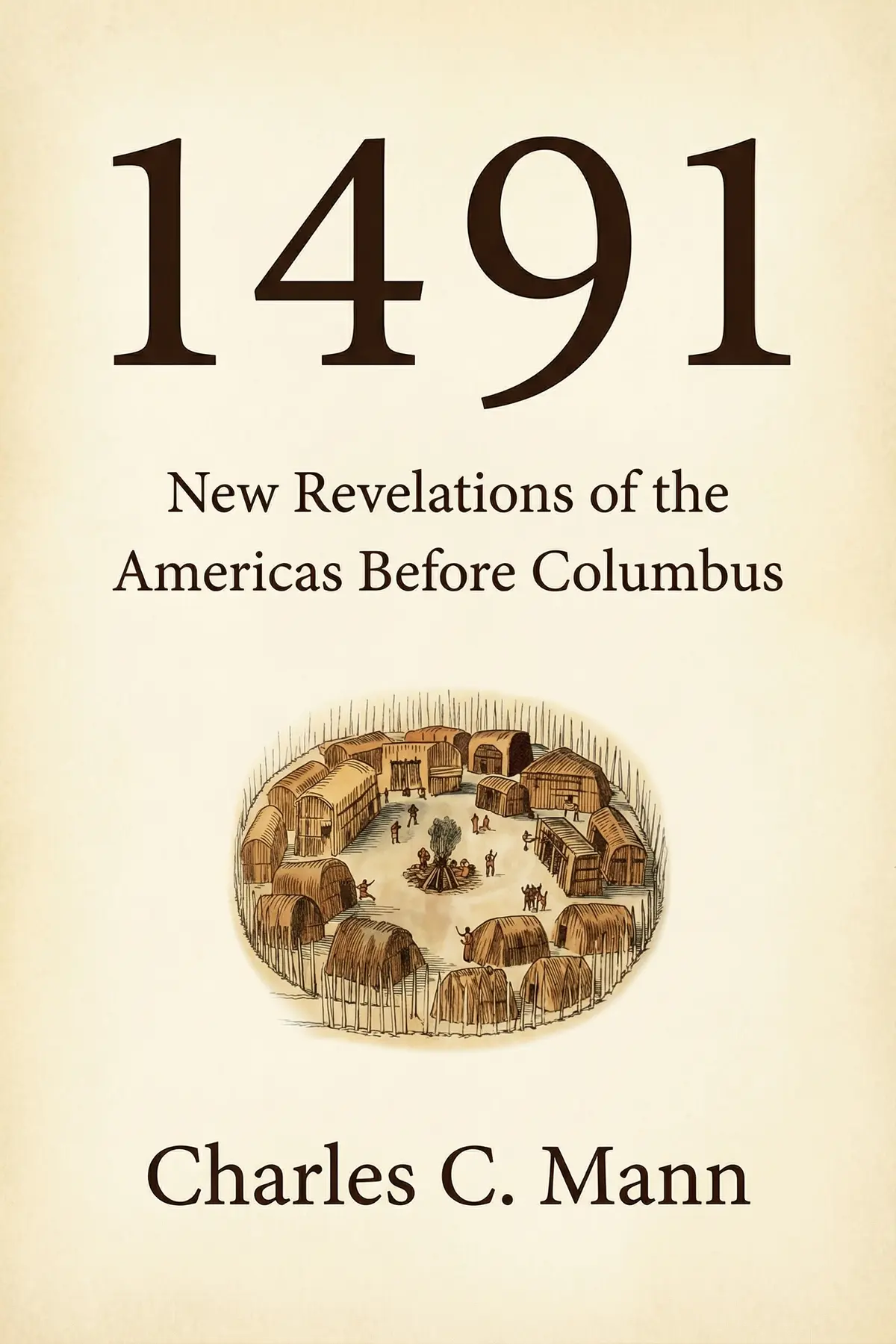
1491: New Revelations of the Americas Before Columbus
Charles C. Mann

A Year in the Life of William Shakespeare: 1599
James Shapiro
AUDIO SUMMARY AVAILABLE
Listen to When Women Ruled the World in 15 minutes
Get the key ideas from When Women Ruled the World by Kara Cooney, plus 5,000+ more titles in English and Thai.
- 5,000+ titles
- Listen as much as you want
- 7-day free trial
- Cancel anytime







