
21 min 40 sec
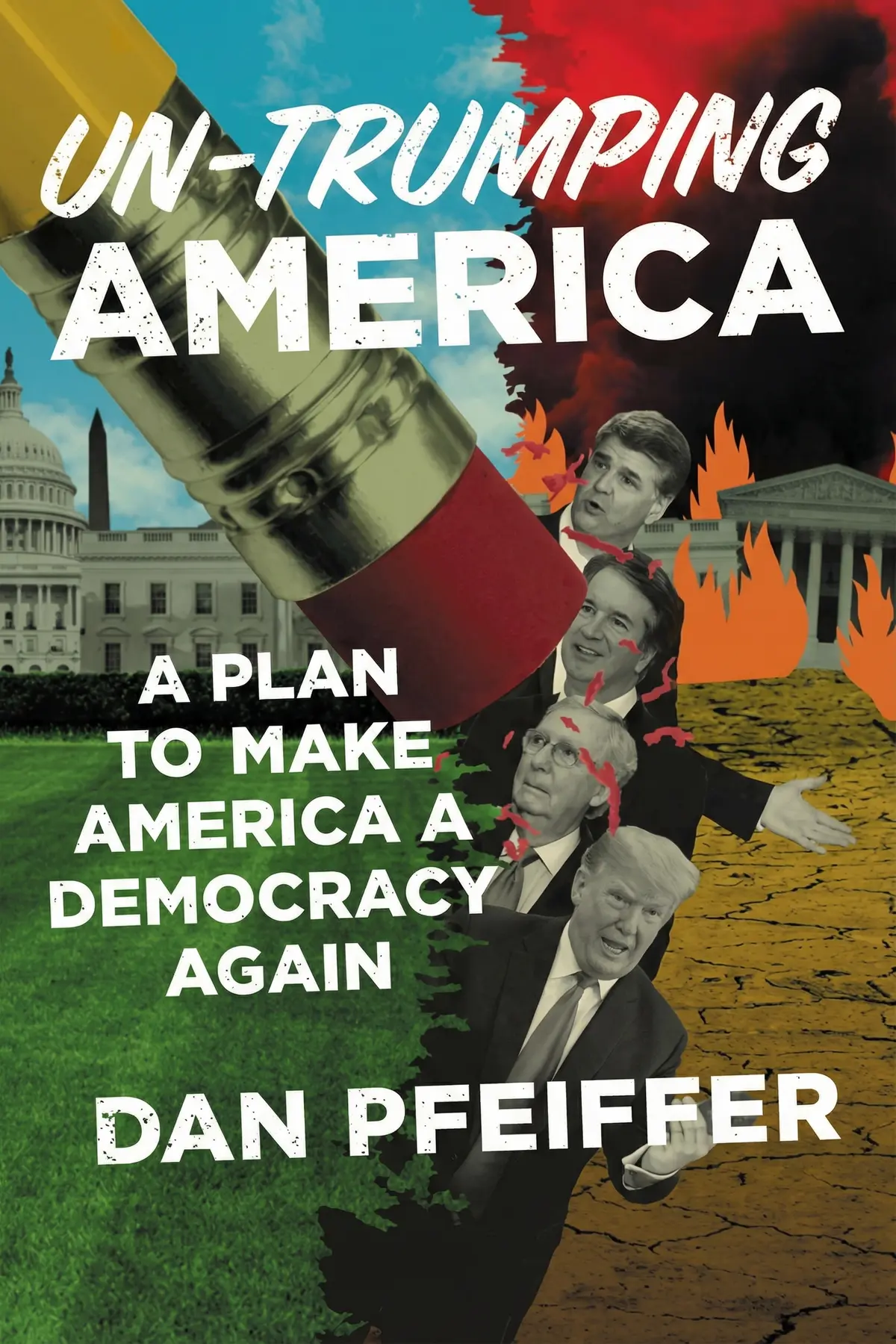
Yes We (Still) Can: Politics in the Age of Obama, Twitter, and Trump
By Dan Pfeiffer
A former White House insider explores the dramatic evolution of American politics, tracing the journey from the Obama era through the rise of social media and the unexpected transition to the Trump presidency.
Table of Content
1. Introduction
1 min 28 sec
In the grand sweep of American history, the transition from the presidency of Barack Obama to that of Donald Trump stands as one of the most jarring shifts in political identity the nation has ever seen. To many observers, it felt as though the country had suddenly changed its mind about what a leader should look like, how they should speak, and what values they should prioritize. But if you ask Dan Pfeiffer, this transformation wasn’t a random accident or a sudden glitch in the system. It was the result of a long, slow evolution in how information is shared, how stories are told, and how the public consumes the news.
Pfeiffer was there for all of it. As a top communications staffer who joined the Obama campaign on day one and stayed through six years of the presidency, he had a front-row seat to the collision of traditional politics and the digital revolution. He saw the rise of the iPhone, the birth of the 24-hour Twitter news cycle, and the moment when social media algorithms began to hold more power than the editors of the New York Times.
In this exploration of Pfeiffer’s insights, we are going to look at the mechanics of the Obama years—not just the policies, but the strategy of hope and how it was communicated. We will dive into the hard lessons learned from the 2016 election and examine the blueprint for how politics functions in an era where the truth is often buried under a mountain of clicks and controversy. More than just a memoir, this is a guide to understanding the modern political machine and why the phrase ‘Yes We Can’ might still be relevant in an increasingly divided world.
2. The Power of a Clear Message
2 min 15 sec
Before reaching the highest levels of government, a young political operative learned that having the best facts doesn’t always lead to a victory.
3. The Foundations of the Obama Strategy
2 min 20 sec
Witness the internal mechanics that turned a long-shot candidate into a political phenomenon through five specific organizational pillars.
4. Navigating the Press Room
2 min 01 sec
Understand the delicate and often adversarial relationship between a president’s team and the reporters tasked with covering them.
5. The Death of the News Cycle
2 min 06 sec
Explore how the rise of the smartphone and social media destroyed the traditional ways that leaders communicated with the public.
6. Combating the Rise of Fake News
1 min 52 sec
Go behind the scenes of the ‘Birther’ controversy to see how the Obama team developed a strategy to fight modern disinformation.
7. The Fox News Propaganda Machine
1 min 48 sec
Analyze why one specific media outlet became the greatest obstacle to the Obama agenda and how the team tried—and failed—to handle it.
8. The Digital Transformation of Diplomacy
2 min 05 sec
From the first debates to the final days, witness how Twitter became the most dangerous and effective tool in the political arsenal.
9. The Human Cost of the West Wing
2 min 00 sec
Step inside the high-pressure world of the White House to understand the physical and emotional toll of a life in public service.
10. Deconstructing the 2016 Failure
2 min 02 sec
Analyze the five specific reasons why the Democratic party lost the presidency and what must change to win in the future.
11. Conclusion
1 min 43 sec
The journey through Dan Pfeiffer’s experiences reveals a political world that has been fundamentally reshaped by technology and the collapse of shared truth. From the early lessons of a middle-school debate to the highest levels of presidential strategy, the core theme remains the same: politics is the art of communication. In an era where a single tweet can dominate the headlines and where propaganda can masquerade as news, the challenge for future leaders is not just to have the best policies, but to be the best storytellers.
Barack Obama’s presidency was a moment of profound hope, but it also coincided with a period of deep fragmentation. We’ve seen how the death of the traditional news cycle and the rise of digital platforms created a vacuum that ‘Trumpism’ was able to fill with sensationalism and division. However, Pfeiffer’s ultimate message is one of cautious optimism. The same tools that were used to divide can also be used to organize and inspire.
To move forward, those who believe in the ‘Yes We Can’ philosophy must embrace authenticity. They must stop trying to win over a media landscape that no longer exists and instead focus on building direct, honest relationships with voters. This means prioritizing a clear, bold message over safe, data-driven talking points. It means being willing to be audacious in the face of cynicism. The landscape has changed, the rules have been rewritten, but the fundamental power of an inspiring idea—and the people who organize behind it—remains the most potent force in American life. The question is no longer whether the system can work, but whether we have the courage to speak the truth in a way that people can finally hear again.
About this book
What is this book about?
Yes We (Still) Can offers a behind-the-scenes look at the Obama administration through the eyes of Dan Pfeiffer, one of the former president’s longest-serving advisors. The book serves as part political memoir and part strategic analysis, exploring how the landscape of American communication shifted radically over a single decade. It details the inner workings of the 2008 and 2012 campaigns, the struggle to govern in a hyper-polarized environment, and the challenges of managing a message when traditional media began to lose its gatekeeper status. Pfeiffer provides a candid look at the rise of fake news, the influence of platforms like Twitter and Facebook, and the specific hurdles the Obama team faced when dealing with a changing press corps. Beyond the history, the book promises a way forward for the Democratic party. By analyzing the unique factors that led to Donald Trump’s victory in 2016—including the role of partisan media and the loss of a clear, authentic narrative—Pfeiffer outlines how future leaders can reclaim the political conversation in a digital age that moves faster than ever before.
Book Information
About the Author
Dan Pfeiffer
Dan Pfeiffer is a graduate of Georgetown University who built his career on various Democratic political campaigns before joining Barack Obama’s initial run for the presidency. He served in the White House for six years, holding roles such as Communications Director and Senior Advisor for Strategy and Communications. Following his time in the administration, he became a co-host of the popular political podcast Pod Save America.
Ratings & Reviews
Ratings at a glance
What people think
Listeners find the book exceptionally easy to read and fun, filled with significant stories and a clever humor that causes them to laugh out loud. Beyond that, the prose is expertly written, and listeners value the behind-the-scenes accounts of the Obama presidency. Furthermore, the book offers genuine perspective and provides listeners with hope for the future, with one listener mentioning that it serves as a strong reminder of better times.
Top reviews
Ellie
As a regular listener of Pod Save America, I practically heard Dan’s voice narrating every single page of this book. It’s a fantastic, witty blend of nostalgia for the Obama years and a pragmatic roadmap for where the Democratic party needs to go next. Pfeiffer manages to tell these hilarious behind-the-scenes stories—like the time he almost tweeted while high on hospital painkillers—without losing sight of the serious political stakes we face today. The writing is incredibly conversational and punchy, making it a very quick read even when he’s diving into the weeds of media strategy. It’s rare to find a political memoir that actually makes you laugh out loud while simultaneously providing a sober analysis of the Trump era. If you’re looking for a reminder of what a functional White House looks like, this is exactly the tonic you need right now. It left me feeling genuinely hopeful about the future of our democracy.
Show moreScarlett
Wow, what a rollercoaster of emotions this turned out to be. I started reading because I miss the Obama era so much, and this book felt like a warm, familiar hug from a friend who also happens to be a political genius. Dan’s retelling of the Kanye West incident and the general chaos of life in the White House had me laughing out loud on the train. But then, the reality of the Trump presidency hits, and you’re suddenly hit with the gravity of the situation we’re in. The prose is well-crafted, energetic, and accessible to people who aren’t total political junkies. It serves as a powerful reminder of what leadership looks like when it’s driven by integrity and intelligence. I finished the book feeling less like I was mourning the past and more like I was ready to fight for the future. It’s easily one of the best post-Obama memoirs out there.
Show moreFrida
This book provides a much-needed dose of hope without being naive. Dan Pfeiffer manages to be cynical about the current state of politics while remaining fiercely optimistic about the people who can change it. His writing style is punchy and direct, avoiding the dry, academic tone that plagues so many other political memoirs. I loved the insider details about Obama’s personality—hearing about his reading habits and his calm demeanor during crises was incredibly grounding. It’s a quick read, but the lessons on how to effectively use digital media for activism will stay with me for a long time. Not gonna lie, I teared up a bit at the end. It’s more than just a trip down memory lane; it’s a call to action. We need more voices like Dan’s in the room right now. Highly recommended for anyone who needs a boost.
Show moreDiego
Picked this up on a whim and was pleasantly surprised by how much I laughed. Dan Pfeiffer has a gift for storytelling that makes complex political maneuvers feel as simple as a conversation over beers. The contrast he draws between the Obama administration’s approach and the current chaos is striking and, frankly, a bit heartbreaking. Yet, the book never stays in the doldrums for long because Dan’s wit keeps the energy high throughout. I especially appreciated his focus on the future and his belief that the next generation of leaders is already out there. The anecdotes about the staff and the volunteers reminded me that politics is ultimately about people, not just polls and pundits. It’s an easy, breezy read that manages to say something profound about the state of our union. This book deserves five stars all the way.
Show moreThanit
Finally got around to reading this after hearing Dan plug it on the pod for ages. The book is definitely at its strongest when it leans into the 'how-to' guide for modern political communication and the breakdown of the Fox News media machine. To be fair, it does occasionally wobble between being a personal memoir and a political manifesto, which makes the pacing feel a bit uneven in the middle sections. However, the insider anecdotes about President Obama’s cool-headedness are worth the price of admission alone. I particularly loved the section about how politicians often struggle to interact with pop culture like normal humans. It’s an approachable, smart, and often scathing look at our current landscape. While it can be painful to relive the 2016 election through Dan’s eyes, the insights provided offer a clear-eyed strategy for moving forward. It’s a solid, thoughtful read for anyone who cares about the intersection of tech and politics.
Show moreErn
The chapter on media strategy was a total eye-opener for me. Pfeiffer breaks down how the landscape has shifted since the early days of the Obama campaign and how the Right has mastered the art of the internet cycle. Look, we all know Dan is funny, but his analysis here is genuinely sharp and should be required reading for anyone working in communications today. He doesn't hold back on his frustrations with how the 2016 election was covered, yet he manages to avoid sounding like he's just venting. The balance of humor—especially the stories about West Wing life—and serious political advice keeps the pages turning quickly. I did find the formatting in some sections a bit jarring, which took me out of the flow briefly. Still, the overall message is one of empowerment and action. It’s a great reminder that while the current climate is tough, we aren't helpless in changing the narrative.
Show moreMilk
After hearing so much about this on Crooked Media, I finally picked it up. This isn't just a book of 'remember when things were good' stories; it’s a blueprint for how to handle the modern media environment. Pfeiffer’s perspective as a former Communications Director gives him a unique lens on how Twitter and Facebook have fundamentally altered the way we consume news. He writes with a sarcasm that is both entertaining and incredibly relatable for anyone who spent the last few years yelling at their TV screen. Gotta say, the section on how to talk to people who only get their news from Fox was particularly enlightening, if a bit depressing. The only reason I'm not giving it five stars is that I felt a few of the earlier childhood anecdotes were a bit less engaging than the White House stuff. Regardless, it’s an essential read for anyone trying to make sense of the current political mess.
Show moreElla
Ever wonder what it's actually like to be in the room where it happens? Pfeiffer gives us a front-row seat to the Obama presidency, from the highs of the 2008 campaign to the stressful days in the West Wing. The book is remarkably readable, largely because Dan writes exactly how he speaks: with a mix of self-deprecating humor and sharp intellect. I found his take on the 'alien' nature of most politicians trying to be relatable to be spot-on and hilarious. To be fair, some of the advice for the future feels a bit optimistic given how polarized things have become since the book was published. But even with that caveat, the stories are top-tier and the writing is consistently engaging. It’s a great snapshot of a transition point in American history. If you like political podcasts, you'll love this book's vibe.
Show moreRatchada
Not what I expected, but in a way that made me think. While I appreciate Dan’s wit and his obvious dedication to the Obama legacy, I found myself questioning if some of these strategies are a bit too rooted in a political era that has already passed us by. The book is funny and the writing is sharp, yet I struggled with the tone which felt a bit like a seven-hour podcast episode stretched into a book. Truth is, the nostalgia for 2008 felt heavy at times, making it difficult to focus on the prescriptive advice he offers for the future. Some chapters felt a little repetitive, especially regarding the media’s role in Trump’s rise. It’s a decent enough read for die-hard fans of the PSA crew, but I wanted a deeper dive into policy failures rather than just communication tactics. It’s an okay snapshot of a specific moment, but maybe not the definitive guide I was looking for.
Show moreArnav
Honestly, I wasn't sure if I could handle another book about the 2016 election. Reliving that night is always painful, and while Dan’s perspective is unique, it still feels a bit like a wound that hasn't fully healed. The book is definitely entertaining and the 'insider' stories are fun, but at times the humor felt like it was masking a lack of deeper policy analysis. Frankly, I think it struggles to decide if it wants to be a funny memoir or a serious strategy guide, and the result is a bit of a mixed bag. I did enjoy the sections on the changing media landscape, as that’s clearly Dan’s wheelhouse. However, some of the chapters felt like they were written for a very specific audience—namely, PSA fans—and might not translate as well to a general reader. It’s a good book, just not a great one.
Show moreReaders also enjoyed
21 Lessons for the 21st Century
Yuval Noah Harari

A Different Kind of Power: A Memoir
Jacinda Ardern
Age of Anger: A History of the Present
Pankaj Mishra
A Higher Loyalty: Truth, Lies and Leadership
James Comey
Age of Propaganda: The Everyday Use and Abuse of Persuasion
Anthony Pratkanis


A Promised Land
Barack Obama

A River in Darkness: One Man’s Escape from North Korea
Masaji Ishikawa
AUDIO SUMMARY AVAILABLE
Listen to Yes We (Still) Can in 15 minutes
Get the key ideas from Yes We (Still) Can by Dan Pfeiffer, plus 5,000+ more titles in English and Thai.
- 5,000+ titles
- Listen as much as you want
- 7-day free trial
- Cancel anytime







