
16 min 58 sec
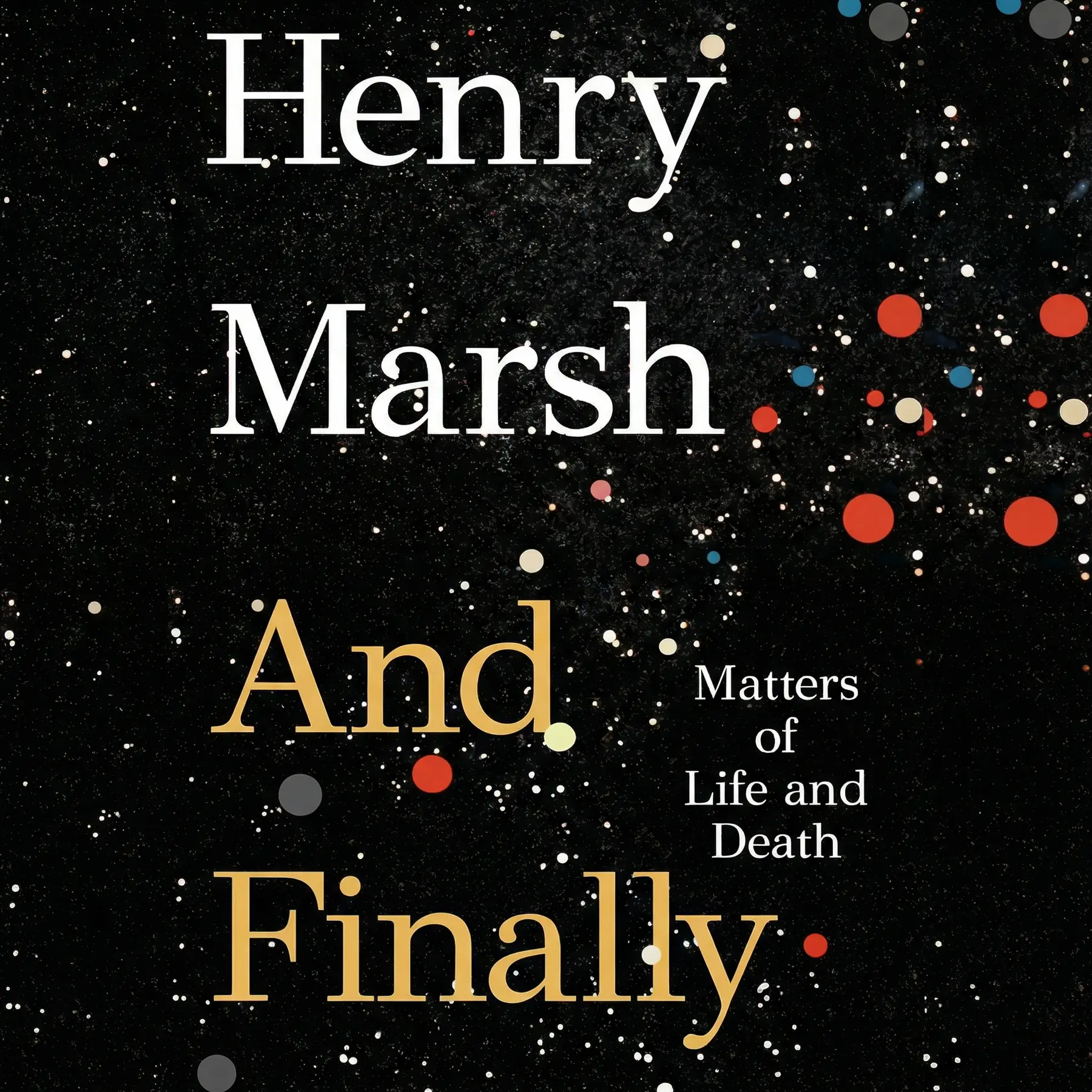
And Finally: Matters of Life and Death
By Henry Marsh
A world-renowned neurosurgeon faces a diagnosis of advanced cancer, forcing a profound transition from the person holding the scalpel to the vulnerable patient lying on the operating table.
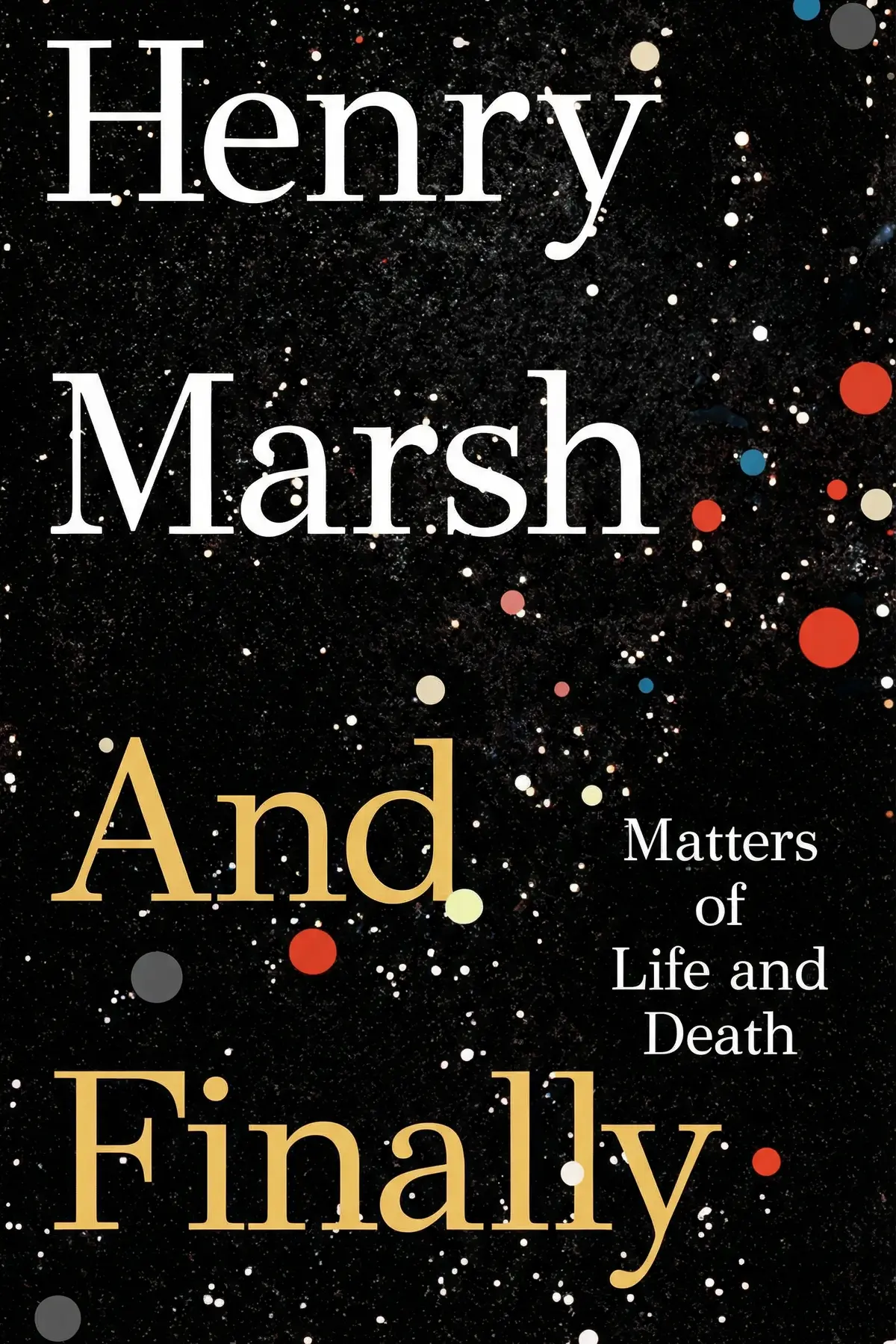
Table of Content
1. Introduction
1 min 46 sec
Imagine for a moment that you have spent over forty years at the very top of the medical profession. You have spent your days peering into the most intimate recesses of the human mind, making life-altering decisions with a flick of a wrist and a millimeter-precise incision. You are a neurosurgeon, a person who literally holds the power of life and death in their hands. In such a position, it is only natural to develop a sense of distance from the fragility of the people you treat. You are the healer; they are the sick. You are the observer; they are the subjects of the study. This creates a powerful, if unconscious, illusion of invincibility. You begin to believe that while the rest of the world ages and decays, you might somehow be the exception to the rule.
But what happens when that illusion is shattered? This is the central question explored in our journey through the reflections of Dr. Henry Marsh. In this exploration, we follow a man who has reached the end of a storied career only to find himself standing on the other side of the clinical divide. It is a story about the transition from the person in the white coat to the person in the hospital gown. Through his experiences, we are invited to consider the nature of mortality, the flaws within our medical institutions, and the complex psychological gymnastics we perform to avoid facing our own end. This isn’t just a medical memoir; it’s a deeply human throughline about how we reconcile the vibrant life we feel inside with the inevitable slowing of the clock. As we move through these ideas, notice how the themes of control, legacy, and the search for meaning weave together to create a portrait of a man finally learning what it means to be on the receiving end of care.
2. The Fallacy of Medical Immunity
2 min 25 sec
Discover why even the most brilliant medical minds can fall into the trap of believing they are immune to the very conditions they spend their lives treating.
3. The Shock of the Diagnostic Reality
2 min 15 sec
When the numbers finally come back, a renowned doctor must confront a terrifying prognosis that challenges his very identity and future.
4. The Humility of the Hospital Gown
2 min 17 sec
Step inside the halls of a world-famous cancer center where a master surgeon learns what it feels like to be just another number in the system.
5. Confronting the Ghosts of Clinical Detachment
2 min 12 sec
As Marsh reflects on his career through the lens of his own illness, he begins to regret the emotional distance he once maintained with his patients.
6. Finding Meaning in Creation and Storytelling
2 min 17 sec
In the face of a terminal outlook, Marsh turns away from the medical journals and toward the magic of woodworking and family legends.
7. The Global Perspective and the End of an Era
2 min 28 sec
From the operating rooms of London to the war-torn streets of Ukraine, see how a surgeon finally learns when it’s time to lay down the scalpel.
8. Conclusion
1 min 18 sec
As we reach the end of Dr. Henry Marsh’s reflections, we are left with a powerful image of a man who has traveled from the heights of professional arrogance to the depths of personal vulnerability, finally arriving at a place of quiet acceptance. His journey teaches us that even those who study the human condition most closely are still subject to its limitations. The transition from doctor to patient is a humbling one, but it is also an opportunity for profound growth.
Marsh’s story encourages us to look at our own lives and consider where we might be clinging to illusions of control. It reminds us that empathy is not just a soft skill, but a vital part of the human experience that we often overlook in our drive for technical success. The core takeaway here is that aging and illness are not failures to be ashamed of, but natural parts of the cycle of life that demand our grace and courage. By embracing our hobbies, our families, and the simple act of storytelling, we can find light even in the shadow of a difficult diagnosis. Dr. Marsh shows us that while we may eventually have to put down the tools of our trade, we never have to stop creating, learning, and loving. In the end, ‘And Finally’ is not just about the conclusion of a life, but about the beautiful, messy process of being human.
About this book
What is this book about?
For decades, Dr. Henry Marsh occupied a position of ultimate authority, navigating the intricate pathways of the human brain to save lives. But in retirement, the tables turned. This summary explores Marsh's deeply personal journey after being diagnosed with advanced prostate cancer. It is an exploration of the psychological shifts that occur when a master of medicine becomes a subject of the system he once commanded. Through these chapters, we witness his initial denial, the shock of his own physical decline, and the eventual peace he finds in the simple joys of family and storytelling. The book offers a rare, honest perspective on the fallibility of doctors and the universal challenge of facing one's mortality. It promises a roadmap for finding meaning when time becomes a finite resource, illustrating how even the most clinical minds must eventually surrender to the mysteries of life and death.
Book Information
About the Author
Henry Marsh
Dr. Henry Marsh is a former British neurosurgeon and author of the best-selling memoir Do No Harm and National Book Critics Circle finalist Admissions. He’s also been the subject of two award-winning documentaries, Your Life in Their Hands and The English Surgeon.
Ratings & Reviews
Ratings at a glance
What people think
Listeners find the book thought-provoking, with one review noting how it offers insights into practicing this complex medical specialty. Furthermore, the storytelling earns positive feedback, as one listener highlights the various anecdotes from the author's career. Listeners also praise the writing, describing it as superbly written.
Top reviews
Sirinat
There is something incredibly moving about watching a man who spent decades holding lives in his hands suddenly have to confront his own mortality. Marsh doesn't sugarcoat the experience of becoming a patient. He captures that bizarre transition from 'doctor' to 'case' with a clarity that few others could achieve. I particularly loved the anecdotes about his work in Ukraine; they provide such vital context to his worldview. The way he weaves together quantum physics, philosophy, and the gritty reality of hormone treatment is just masterful. Look, it’s not a fast-paced medical drama, but it shouldn't be. It’s a quiet, reflective piece of literature that asks big questions about what makes a life worth living. His descriptions of his grandchildren and his DIY projects were actually my favorite parts. They show a man finally learning to live in the moment after a lifetime of high-stakes pressure.
Show moreBo
Marsh has this incredible gift for making you feel like you’re sitting in a room with him, listening to a brilliant mind reflect on a life well-lived. This book is a masterpiece of honesty. He doesn't pretend to be a hero; he admits to being a 'really worried man.' That vulnerability is what makes this so authentic. The anecdotes from his neurosurgical career are woven in perfectly to contrast with his current reality as a patient. I found the descriptions of his brain scan particularly striking—the idea of a doctor looking at his own 'aged' brain is such a powerful image. The writing style is superb, shifting from sharp medical details to soft, evocative memories of his family. Personally, I didn't mind the tangents about dollhouses. They felt like a necessary breath of air in a book that deals with such heavy themes as terminal illness.
Show moreGioia
After finishing Marsh's previous work, I was eager to see where his retirement took him. This isn't just a book about cancer; it’s a profound meditation on the shift from being the healer to being the patient. Marsh’s prose is as sharp as a scalpel, yet there’s a new, softened vulnerability here. He explores the 'ageing brain' with a mix of scientific curiosity and personal dread that I found deeply relatable. While the tangents into woodwork and dollhouses might seem random to some, they grounded the narrative in the mundane reality of a life winding down. Truth is, the sections on his diagnosis are harrowing, but they are balanced by beautiful musings on consciousness and the nature of time. It’s an elegant, if slightly wandering, farewell to a legendary career. It reminds us that even those who understand the brain most deeply are not immune to its inevitable decline.
Show moreWoravit
As a student of medicine, I found Marsh's insights into the reality of a specialist's life invaluable. He pulls back the curtain on the god-complex many surgeons possess, admitting to his own failings with a bracing lack of vanity. The transition he describes—from the one delivering the bad news to the one receiving it—is handled with superb narrative skill. His prose is elegant and his observations on the NHS and medical bureaucracy are spot-on. I found the 'bumpy' nature of the read actually mirrored the chaotic experience of a terminal diagnosis quite well. It’s thought-provoking to see a neurosurgeon struggle with the concept of his own brain 'withering' with age. While the philosophical detours into block time and theoretical physics were dense, they added a layer of intellectual depth. This is a must-read for anyone interested in the human side of medicine.
Show moreJin
How do we face the end? This seems to be the central question of Marsh’s latest memoir. He approaches his own advanced cancer with the same clinical eye he used for his patients, which makes for some very haunting reading. The irony of a doctor who ignored his own symptoms is not lost on him. I enjoyed the philosophical musings on consciousness and the soul—or lack thereof. Marsh is a staunch materialist, and seeing him grapple with the 'abolition of time' through the lens of physics was fascinating. The book does drift into his hobbies quite a bit, but I interpreted that as a man clinging to the tangible world as his future becomes uncertain. It’s a poignant, bittersweet read. The segments on his time in Nepal and Ukraine reminded me of why he became such a respected figure in the first place.
Show moreRuangrat
Picked this up on a whim after seeing Marsh on a talk show and was pleasantly surprised by how much it made me think. It’s not just a 'misery memoir' about cancer. Instead, it’s a wide-ranging exploration of what it means to grow old. Marsh discusses everything from the DNA of Tibetans to the nature of hope, and while it’s definitely a bit of a rambling journey, I found his curiosity infectious. The way he describes his physical changes due to hormone therapy was both funny and heartbreaking. 'An outsize geriatric baby' is an image that will stick with me! The book is short, but it packs a lot of big ideas into those pages. It’s a sobering reminder that we all end up as patients eventually. If you appreciate fine writing and don't mind a non-linear narrative, you'll find plenty to enjoy here.
Show moreTom
I'll be blunt: if you're looking for a direct sequel to 'Do No Harm,' this might let you down. I picked this up expecting a gritty, clinical look at his battle with prostate cancer, but found myself wading through pages of wood-chopping and furniture making instead. Marsh is undeniably a master of the written word, and his ability to make complex neurosurgery accessible is still there, but the structure here feels disjointed. It's almost like a collection of essays rather than a cohesive memoir. One minute we are discussing the ethics of assisted dying, and the next, we're talking about the chemistry of MRI scans. To be fair, his honesty about his own fear is refreshing and quite humbling. I still respect him immensely as a surgeon and an author. However, the frequent diversions meant I lost the thread of the emotional journey more than once.
Show moreKamol
It’s a bit of a mixed bag for me. On one hand, Henry Marsh writes so beautifully that I’d probably read his grocery list. On the other, the focus of 'And Finally' is all over the place. I was captivated by his account of his prostate cancer treatment—the 'chemical castration' and the indignities of being a patient were described with such raw honesty. But then he’d spend ten pages on woodworking, and I’d find my mind wandering. Not gonna lie, I missed the high-stakes surgical anecdotes that made his first book a sensation. This is a much more domestic, interior book. It’s a meditation on aging and the fear of death, which is important, but the execution felt a bit unfocused. It’s a solid 3-star read for the quality of the writing alone, though I wouldn't suggest starting here if you’re new to his work.
Show moreKai
The writing remains top-tier, but 'And Finally' feels a bit like a collection of B-sides. Having read 'Do No Harm' and 'Admissions,' I noticed quite a bit of overlap in the stories he shares here. To be fair, Marsh is still one of the best doctor-writers out there, but this installment lacked the 'wow' factor of his debut. The narrative is split between his cancer diagnosis and his various retired-man hobbies, and the balance felt slightly off to me. I wanted more of the medical perspective and less of the DIY. That said, his chapter on assisted dying was incredibly persuasive and well-argued. It’s a quick read, but I’m not sure it adds much new information for those who have followed his career closely. Still worth a look for his unique voice and prose, even if the structure is a little messy.
Show morePriya
Expected a medical memoir but got a rambling diary instead. I’ve been a fan of Henry Marsh since his first book, but this one felt like it desperately needed a stronger editor. The constant repetition of details from his previous books was frustrating. Why are we talking about dollhouses for chapters on end when the title and premise suggest a deep dive into his cancer diagnosis? It felt like 75% filler and only 25% substance. Frankly, the scientific explanations of brain scans felt like they were pulled from a textbook and didn't really serve the emotional core of the story. I appreciate his vulnerability regarding his prostate cancer, and those parts were genuinely gripping, but they were few and far between. It’s a short book, yet it felt long because it lacked a clear direction. A disappointment compared to his earlier, more focused work.
Show moreReaders also enjoyed
A Higher Loyalty: Truth, Lies and Leadership
James Comey
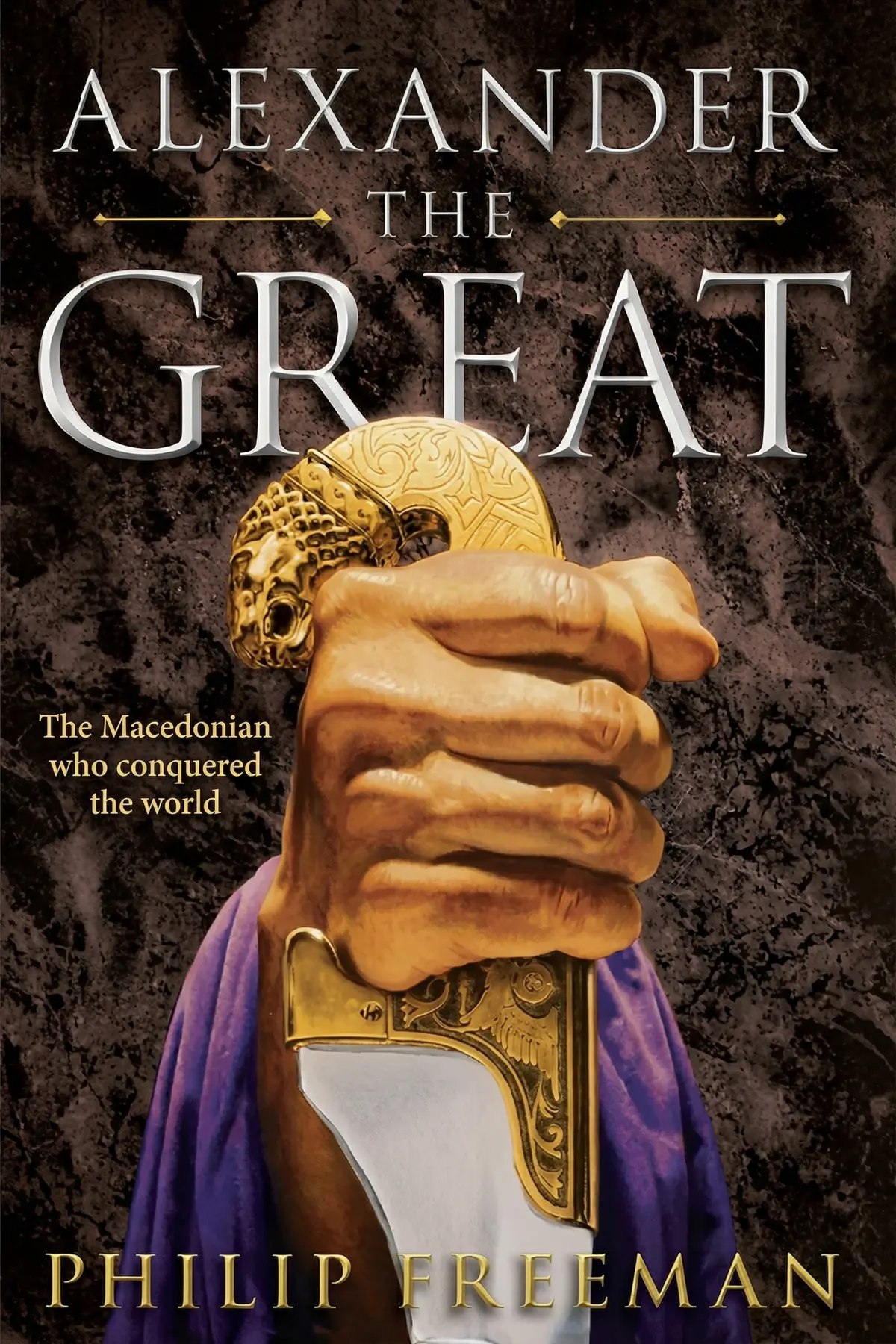
Alexander the Great
Philip Freeman
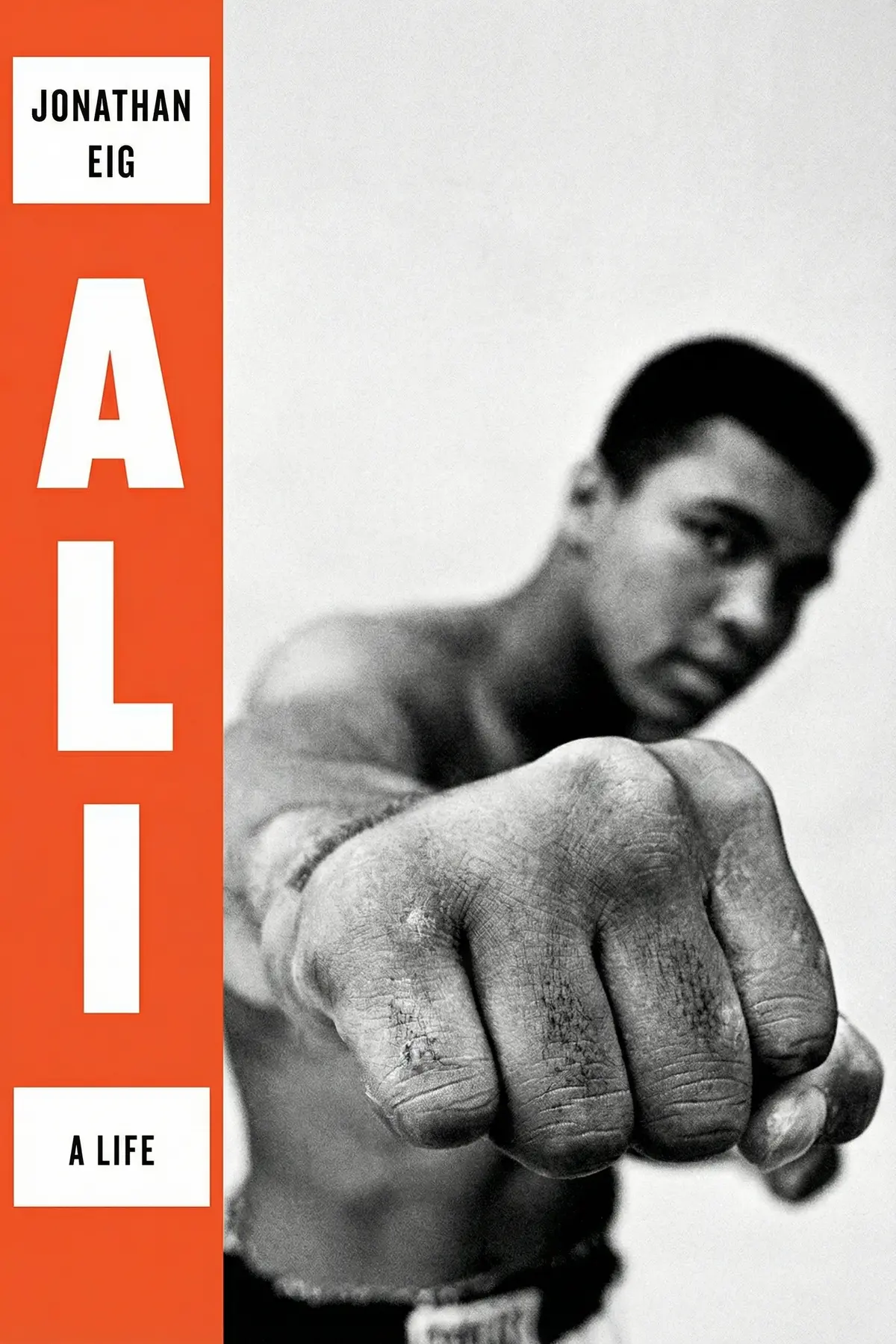
Ali: A Life
Jonathan Eig

Alien Earths: The New Science of Planet Hunting in the Cosmos
Lisa Kaltenegger
A Life Decoded: My Genome: My Life
J. Craig Venter

A Long Way Gone: Memoirs of a Boy Soldier
Ishmael Beah
All Creatures Great and Small
James Herriot
AUDIO SUMMARY AVAILABLE
Listen to And Finally in 15 minutes
Get the key ideas from And Finally by Henry Marsh, plus 5,000+ more titles in English and Thai.
- 5,000+ titles
- Listen as much as you want
- 7-day free trial
- Cancel anytime







