
A Life Decoded: My Genome: My Life
J. Craig Venter
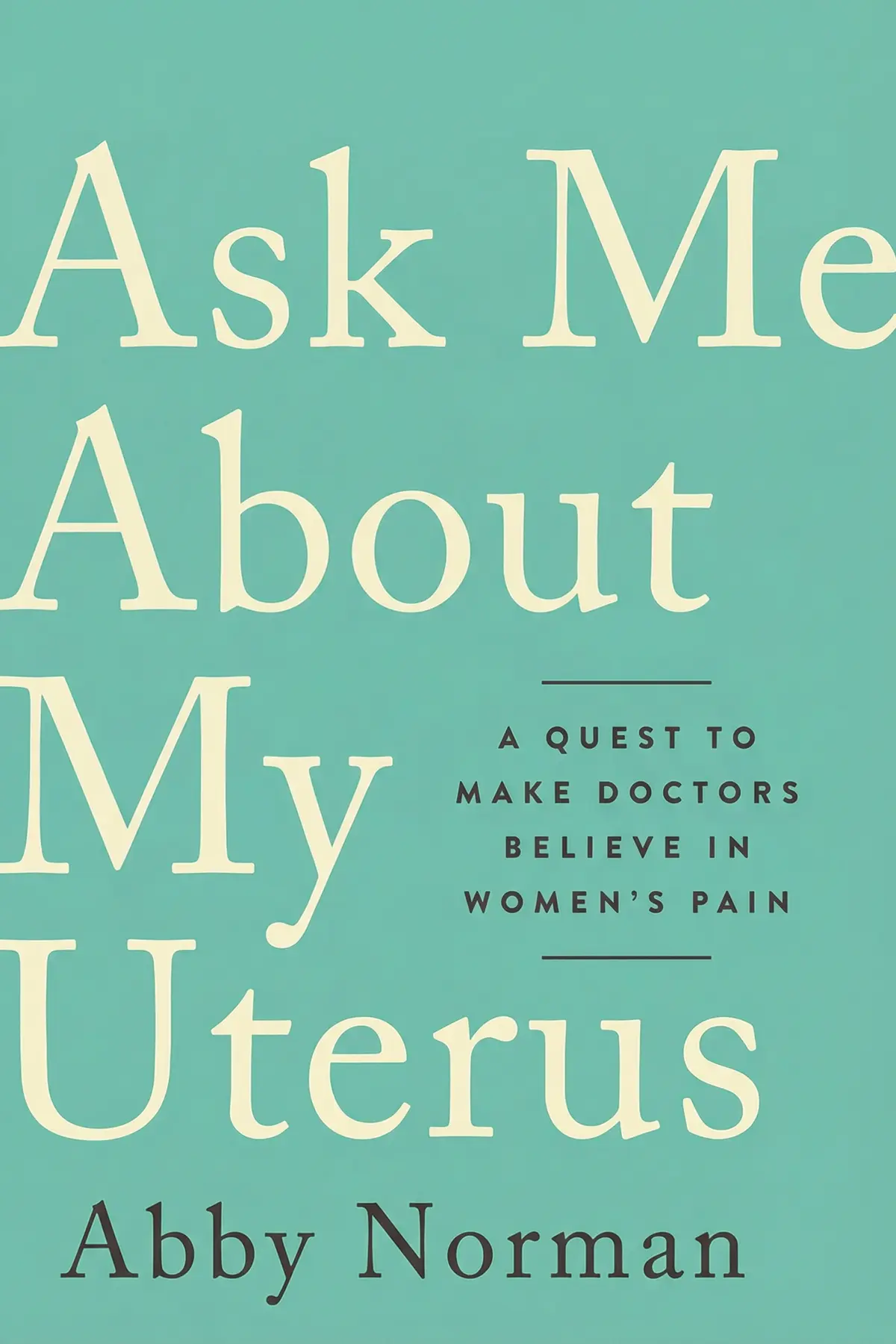
Explore the intersection of chronic illness and medical bias as Abby Norman chronicles her struggle with endometriosis and her fight to have female pain recognized by a dismissive healthcare system.
1 min 49 sec
Imagine waking up one day to find your life has been completely upended by a force you cannot see, name, or explain. For nineteen-year-old Abby Norman, this wasn’t a hypothetical fear; it was a sudden, violent reality. At an age when most young adults are focused on their studies, their social lives, and their burgeoning independence, Norman found herself trapped in a body that felt like a crime scene. But the true tragedy wasn’t just the physical pain—it was the wall of silence and skepticism she met every time she reached out to the medical profession for help.
In the following pages, we are going to walk through a narrative that is part investigative journalism and part intimate memoir. We will explore the startling reality of how gender bias permeates the exam room and the laboratory. You will hear the story of a young woman who had to become her own detective, her own doctor, and eventually, a voice for thousands of others who were suffering in the shadows. This is a journey through the history of women’s health, a look at the systemic failures of the healthcare industry, and a testament to the power of self-advocacy.
We will look closely at the specifics of endometriosis, a condition as common as it is misunderstood. We will examine why the medical community has historically marginalized female suffering, often dismissing it as a psychological issue rather than a physiological one. More importantly, we’ll see how one person’s struggle turned into a global community of support, challenging the status quo and demanding that women’s voices be heard when they say, “It hurts.” This throughline—the fight for medical legitimacy—is the heartbeat of our exploration today. Let’s begin by looking at the moment everything changed.
2 min 19 sec
One morning, a healthy student is struck by a mysterious, agonizing pain that effectively ends her normal life. Discover how chronic illness can arrive without warning and leave a person isolated.
2 min 25 sec
Seeking help should be the first step toward healing, but for many women, it becomes a cycle of patronizing attitudes and misdiagnoses. Why are female patients often treated with skepticism?
2 min 15 sec
Endometriosis is a common but mysterious disease that affects millions. Learn why this condition remains poorly understood and how research gaps leave women in the dark.
2 min 04 sec
Throughout history, women have been told their physical ailments are ‘all in their heads.’ Explore the tragic consequences of dismissing physical pain as a psychological issue.
2 min 07 sec
How does a doctor’s attitude change when a man enters the room? Discover the uncomfortable truth about whose satisfaction is often prioritized in reproductive healthcare.
2 min 04 sec
Medicine has long used the male body as the ‘average’ human, often ignoring the unique physiological needs of women. What happens when half the population is left out of research?
2 min 01 sec
Isolation is one of the most difficult parts of chronic illness. See how Abby used the power of the internet to create a space for women to share their stories and heal.
1 min 58 sec
Healing isn’t just about medicine; it’s about reclaiming your voice. Learn how to become your own best advocate in a system that often tries to silence you.
1 min 39 sec
In the end, Abby Norman’s story in Ask Me About My Uterus is far more than a medical history; it is a profound exploration of what it means to be a woman in a world that frequently doubts her reality. We have seen how a sudden onset of pain can derail a life, how systemic biases can stall the search for answers, and how the medical community’s historical focus on male biology has left millions of women in a research void. We’ve also seen the disturbing way that fertility can be prioritized over a woman’s actual well-being, and the toxic legacy of labeling physical suffering as a psychological flaw.
But the most important takeaway from this journey is the necessity of self-validation. When the people with the white coats and the degrees tell you that your experience isn’t real, the most radical thing you can do is believe yourself. Abby’s path from a frightened student to a powerful advocate shows us that while we cannot always control our health, we can control how we fight for our dignity.
As you move forward, remember that your health is your own, and your voice is your most powerful diagnostic tool. Whether you are navigating your own chronic illness or supporting someone else, the message is clear: do not let your suffering be silenced by a system that hasn’t caught up to your reality. Seek out communities of support, educate yourself with the same fervor Abby did, and never be afraid to demand that your pain be seen and treated with the seriousness it deserves. The dismantling of medical sexism starts with a single voice refusing to be ignored.
Ask Me About My Uterus is a deeply personal and systemic exploration of how the medical industry often fails women. It begins with the author’s sudden onset of debilitating, unexplained pain at the age of nineteen and follows her grueling journey through misdiagnoses, condescending doctors, and a healthcare system that frequently prioritizes a woman’s potential fertility over her current quality of life. The book promises to shed light on the lived experience of endometriosis, a condition that affects millions yet remains shockingly under-researched. Beyond the personal memoir, it serves as a call to action, examining the historical and scientific roots of medical sexism. Norman provides a roadmap for self-advocacy, showing how patients can navigate a world that often tells them their physical agony is merely a psychological byproduct. It is a story of resilience, the power of digital community, and the necessary dismantling of the silence surrounding reproductive health.
Abby Norman is a prominent science writer and the host of the podcast Let Me Google That. Her work, which often focuses on health and patient advocacy, has been featured in major outlets such as Cosmopolitan, Paste Magazine, and Medium. A dedicated advocate for those living with endometriosis, she has shared her insights at high-profile venues including Stanford University’s Medicine X conference and events hosted by the Endometriosis Foundation of America.
Listeners highly recommend this work for women, praising its absorbing personal narrative and exceptional writing. They value the medical insights shared, with one listener noting the research on sexism in medicine and another emphasizing its usefulness for those dealing with endometriosis. Listeners characterize the book as an inspiring, moving page-turner that resonates deeply. However, there is mixed feedback regarding its pacing.
As someone who has struggled with endometriosis for a decade, this book felt like a literal lifeline. Norman captures the specific, knife-like agony of pelvic pain in a way that is almost physical. She doesn't just tell her story; she exposes the systemic sexism that defines the female experience in the exam room. To be fair, it is a heavy read, especially the parts about her mother’s illness and her own traumatic upbringing, but that context explains her resilience. The way she taught herself to navigate medical journals while working as a clerk is truly inspiring. I found myself highlighting entire pages of her research. It's a brilliant blend of memoir and manifesto. If you have ever been told your pain is 'all in your head,' you need this book on your shelf immediately. It is a page-turner that touches the heart deeply while arming you with knowledge.
Show moreWow, Abby Norman really went there. This isn’t just a book; it’s a roar of defiance against a system that treats being a woman as a pre-existing condition. The research she presents on how drugs aren't tested on female cycles is eye-opening. I loved how she used her job as a medical clerk to become her own advocate. It shows that we have to be our own detectives when the experts fail us. Her story of leaving Sarah Lawrence because she was too sick to function is heartbreaking, yet her path forward is so courageous. Sentences are punchy, raw, and filled with a dark humor that I really appreciated. Not gonna lie, I cried during the chapter where she discusses the dismissal she faced from male doctors. This is a must-read for anyone with a uterus and everyone who provides care for one. It's an empowering, captivating life story that refuses to be silenced.
Show morePicked this up on a whim and couldn't put it down until I finished it at 2 AM. Norman’s voice is so authentic and relatable. She describes the 'all in your head' trope with such sharp wit that you can’t help but cheer for her as she fights back. The book is a masterclass in patient advocacy. I was particularly moved by her transition from a struggling student to a self-taught medical researcher. It’s inspiring to see someone take so much agency in a situation where they were initially powerless. The writing is brilliant and the medical history is shocking. Every woman should read this.
Show moreI've been recommending this to every person I know since I turned the last page. Norman’s ability to turn her own medical tragedy into a tool for advocacy is remarkable. The book is a brilliant mixture of cold, hard medical facts and raw, emotional storytelling. I was fascinated by her time as a clerk and how she used that access to save her own life. It’s a harrowing reminder that the 'patient-as-reliable-narrator' is a concept still missing from many doctors' offices. The prose is lively and the sentiment is deeply moving. She doesn't just ask us about her uterus; she demands that we look at the entire history of how women have been treated by science. It’s a brave, necessary, and ultimately very inspiring piece of nonfiction. Truly a page-turner that touches hearts deeply while providing a wealth of knowledge.
Show moreFinally got around to reading this after seeing it recommended in several chronic illness groups. Abby Norman’s journey from a Sarah Lawrence student to a medical records clerk is nothing short of harrowing. It’s a vivid illustration of how the medical system fails when a patient doesn’t fit a neat diagnostic box. I was particularly struck by the descriptions of her 'chocolate cyst' and the sheer grit it took to research her own symptoms when doctors shrugged their shoulders. While her prose is engaging and her voice is sharp, the book does occasionally meander into long-winded sections about her childhood that felt a bit disconnected from the primary medical narrative. Truth is, the pacing slows down in the middle, but the historical context regarding how 'hysteria' has been used to silence women for centuries makes it worth the read. It’s a powerful, necessary look at medical gaslighting that left me feeling both angry and deeply validated.
Show moreThe chapter on Gilda Radner broke my heart and perfectly illustrated the book’s core argument. Norman meticulously weaves her own suffering into a larger tapestry of medical sexism. I found the sections where she researches her own anatomy—discovering her misplaced large intestine—to be fascinating and terrifying. It’s a testament to her intelligence. The book is written with a very personal, conversational tone that makes you feel like you're sitting across from her at a coffee shop. In my experience, memoirs about chronic illness can sometimes feel hopeless, but Norman’s drive to find answers provides a sense of forward motion. My only gripe is that she occasionally uses five words when one would do, leading to some repetitive phrasing in the later chapters. Despite the slightly uneven pace, the medical knowledge she shares is invaluable for patients and practitioners alike. It’s a compelling call to action for better diagnostics and more empathy.
Show moreAfter hearing about Norman's journey, I felt a mix of rage and validation. The way she describes the medical establishment’s view of the uterus—as a source of mystery and 'hysteria'—is spot on. She does a great job of explaining complex issues like the 28-day cycle myth and the lack of clinical trials for women. Her personal story of losing her dancer’s body and her place at university is told with such honesty. I appreciated her acknowledgement of her own privilege as a cis white woman, while still pointing out the universal flaws in how we treat pain. Some parts were a bit repetitive, especially regarding her family dynamics, but the overall message is too vital to ignore. It’s a page-turner that will make you want to demand better care for yourself and the women in your life. A very solid, enlightening read.
Show moreEver wonder why it takes an average of seven years to get an endometriosis diagnosis? Norman attempts to answer this through her own medical nightmare. The beginning of the book, detailing her sudden collapse at university and the subsequent 'chocolate cyst' surgery, is gripping. She captures the desperation of being a young woman whose life is derailed by an invisible, misunderstood disease. However, the book struggles with its identity. Is it a memoir about an abusive childhood, or is it a critique of the healthcare system? By trying to be both, it loses its momentum. Personally, I found the medical history segments the most compelling, especially the horrifying details of how the pain scale was developed. The writing is colloquial and lively, which makes the medical jargon accessible, but the lack of structure made it hard to stay engaged. It’s an okay read, but I wish it stayed more focused on the 'quest' promised in the title.
Show moreThis book desperately needed a stronger editor’s touch to trim the fat. While I applaud Norman’s perseverance in the face of such debilitating pain, the writing is unfortunately prone to rambling tangents that often lead nowhere. I expected a focused investigation into why doctors ignore women’s pain, but what I got was a very disorganized memoir that spent way too much time on her childhood trauma. The connection between her mother’s eating disorder and her own endometriosis felt tenuous and was repeated far too often. Frankly, I grew frustrated by the imprecise diction and the way the narrative jumped around chronologically. There are nuggets of fascinating medical history here, like the sections on Freud and Gilda Radner, but they are buried under layers of repetitive personal anecdotes. It was a slog to finish the last fifty pages, which is a shame because the subject matter is incredibly vital.
Show moreLook, I really wanted to love this because the topic is so important, but the execution was lacking. The title suggests a broad look at women's pain, but the book is almost entirely focused on Norman’s specific, very unique childhood trauma. While I feel for her, the large swathes of text dedicated to her mother’s mental illness felt like they belonged in a different book entirely. I found the medical science to be the most interesting part, but it was far too sparse compared to the meandering personal stories. Also, the author’s tendency to use 'edification' when she means 'education' was distracting. It felt like it needed a much more rigorous edit to keep the narrative on track. By the end, I felt more drained than enlightened. It's a 2-star experience for me, purely because the subject of endometriosis needs more visibility, even if this particular presentation was a bit of a mess.
Show moreJ. Craig Venter

Ishmael Beah
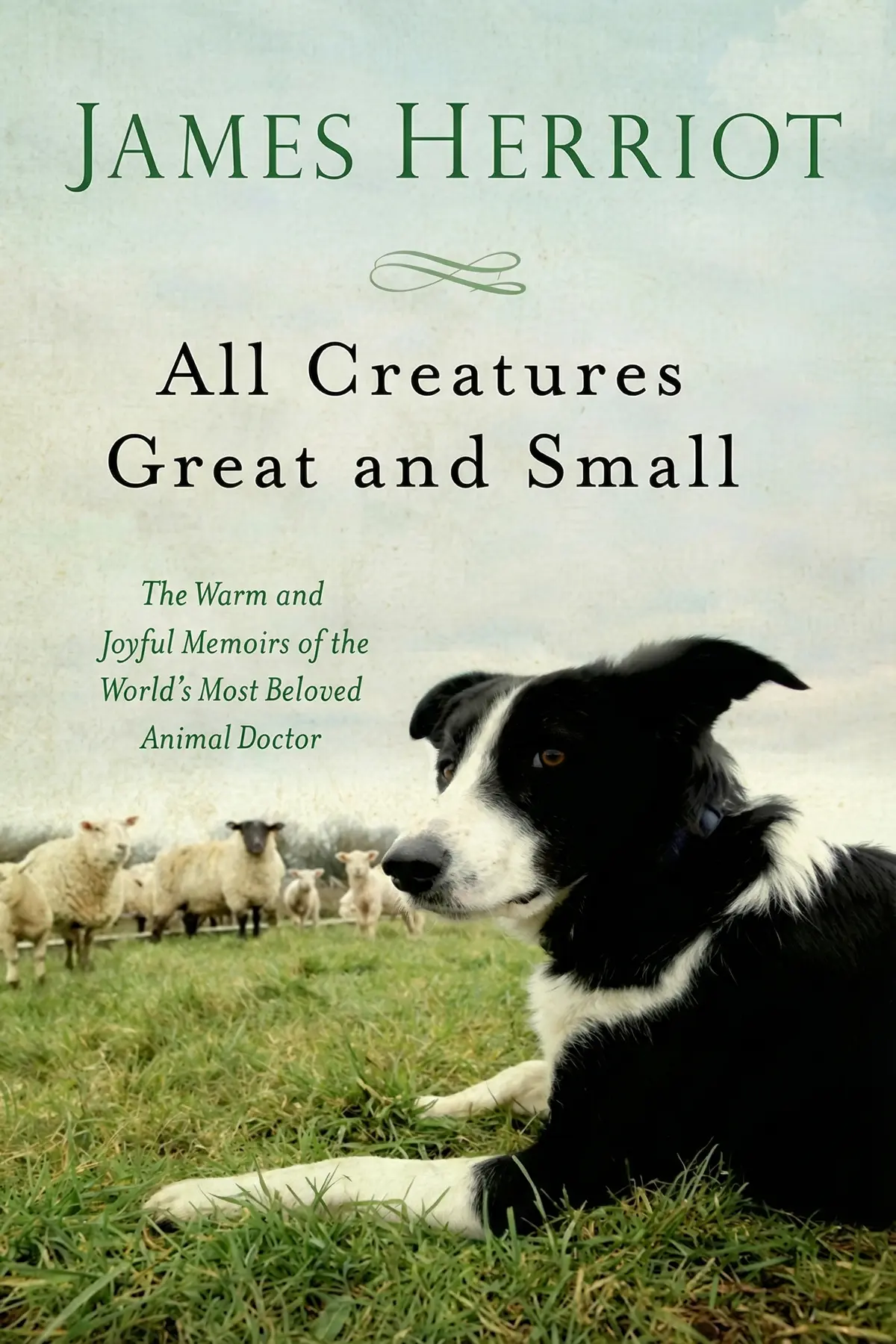
James Herriot


Barack Obama
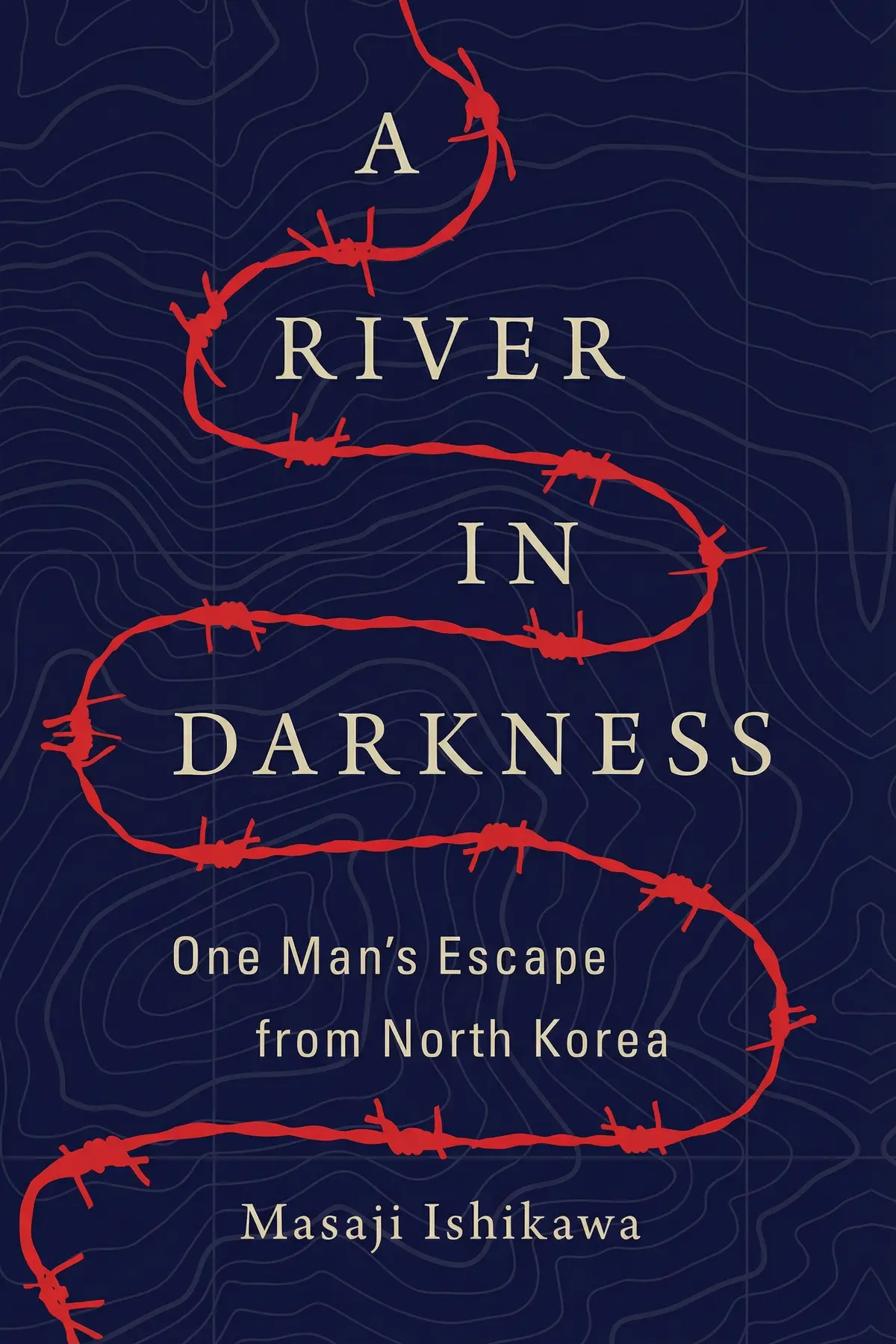
Masaji Ishikawa

Ben Macintyre

AUDIO SUMMARY AVAILABLE
Get the key ideas from Ask Me About My Uterus by Abby Norman, plus 5,000+ more titles in English and Thai.







