
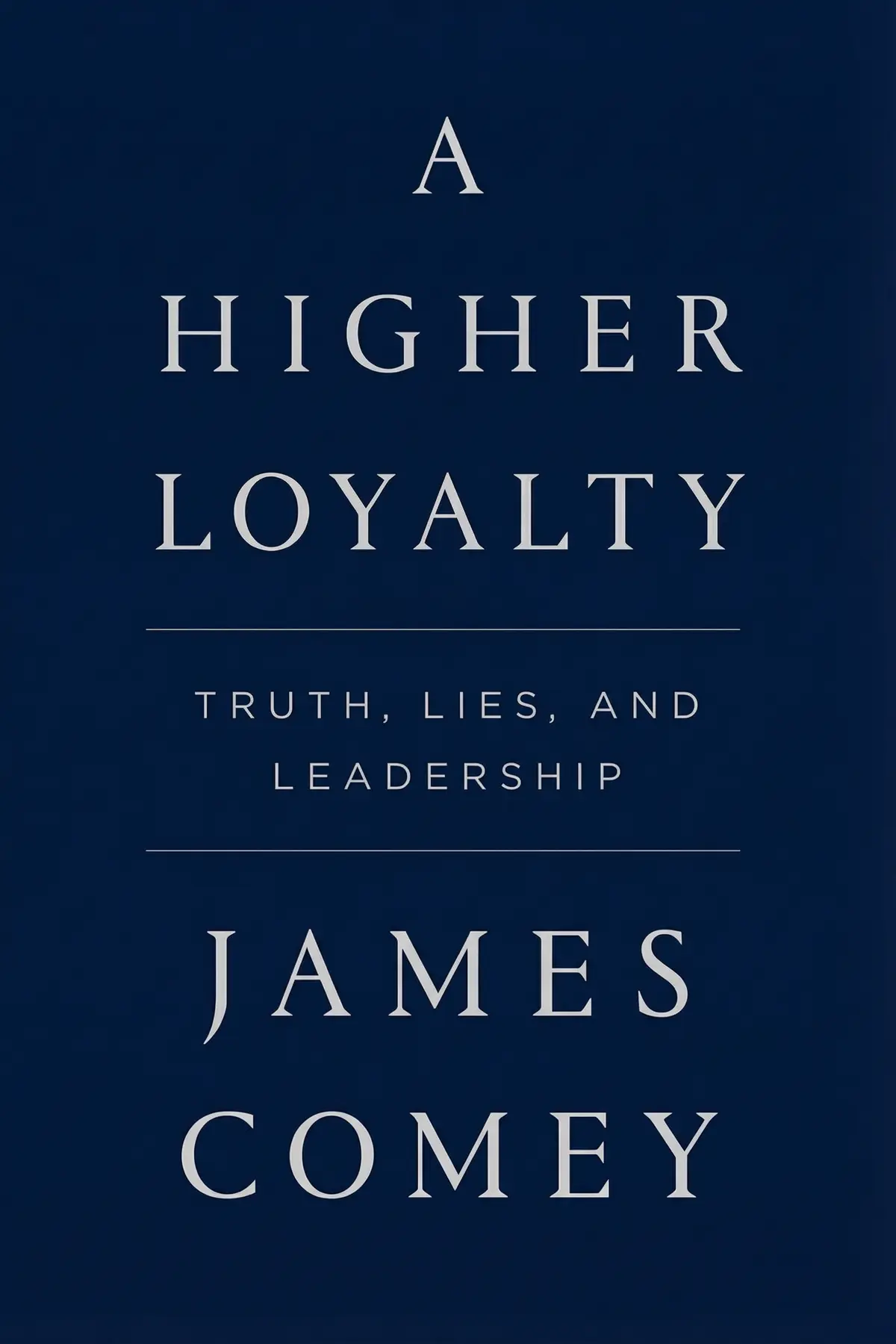
A Higher Loyalty: Truth, Lies and Leadership
James Comey
Explore how disinformation functions as a modern weapon against American democracy. This guide examines the history of manipulation, the impact of digital falsehoods on voting rights, and strategies for rebuilding public trust through legal and social reform.
1 min 28 sec
In our modern era, we are often told that information is power. But what happens when that information is intentionally warped, weaponized, and turned against the very people it’s meant to empower? We live in a time where the boundaries between fact and fiction are increasingly blurred, not by accident, but by design. This isn’t just a matter of people being wrong on the internet; it’s a systematic effort to erode the foundations of democratic society.
When we think of threats to our nation, we often imagine external forces or physical attacks. However, the most insidious danger might actually be coming from within our own borders, traveling through our screens and into our collective consciousness. Disinformation is acting as a corrosive agent, eating away at the trust we have in our institutions, our neighbors, and even our own senses. If we cannot agree on a shared reality, how can we hope to govern ourselves or solve the complex problems facing our world?
This exploration isn’t just about pointing out lies; it’s about understanding the machinery of deception. We will look at how historical tactics have been upgraded for the digital age and how our very commitment to liberty is being exploited. But more importantly, we will look at how we can fight back. The goal here is to provide a throughline—a path from recognizing the chaos to building a more resilient, truth-based future. By understanding the strategies used to divide us, we can begin the work of stitching the fabric of our democracy back together.
1 min 51 sec
Uncover how ancient tactics of deception and Victorian-era psychological games evolved into the sophisticated propaganda methods used by history’s most notorious regimes.
1 min 57 sec
Explore how the internet has transformed propaganda into a high-tech weapon and why the constant flood of lies actually benefits those who deceive.
1 min 52 sec
Discover the irony of how America’s core democratic values, like free speech and openness, are being turned into vulnerabilities by internal actors.
1 min 40 sec
Learn how disinformation campaigns move beyond simple rhetoric to directly influence policy and undermine the integrity of the electoral process.
1 min 49 sec
Witness the dangerous transition from online conspiracy theories to real-world threats, where misinformation can spark violence and target public servants.
2 min 04 sec
Explore a multifaceted approach to fighting back, from legislative reforms to a renewed focus on education and media literacy.
1 min 18 sec
As we reach the end of our journey through the shadows of disinformation, one thing is abundantly clear: the health of our democracy is not a guaranteed state, but a constant practice. We have seen how the simple act of lying has been transformed into a sophisticated tool for internal sabotage, designed to strip us of our shared reality and our trust in one another. From the psychological games of gaslighting to the dangerous rise of stochastic terrorism, the threats are real and they are close to home.
But we are not helpless. The same ingenuity that built our democratic institutions can be used to repair them. By demanding transparency from tech giants, advocating for sensible legal reforms, and investing in the critical thinking skills of our citizens, we can dismantle the machinery of deception. This is a call to action for everyone. It starts with a commitment to seeking the truth, even when it’s uncomfortable, and a refusal to let cynicism win.
Remember, the throughline of our democracy is the participation of its people. When we stay informed, stay engaged, and stay committed to the principles of objective truth, we become the ultimate defense against those who would attack us from within. The future of our nation depends on our collective ability to discern fact from fiction and to stand firm in our shared commitment to a government that is truly by and for the people.
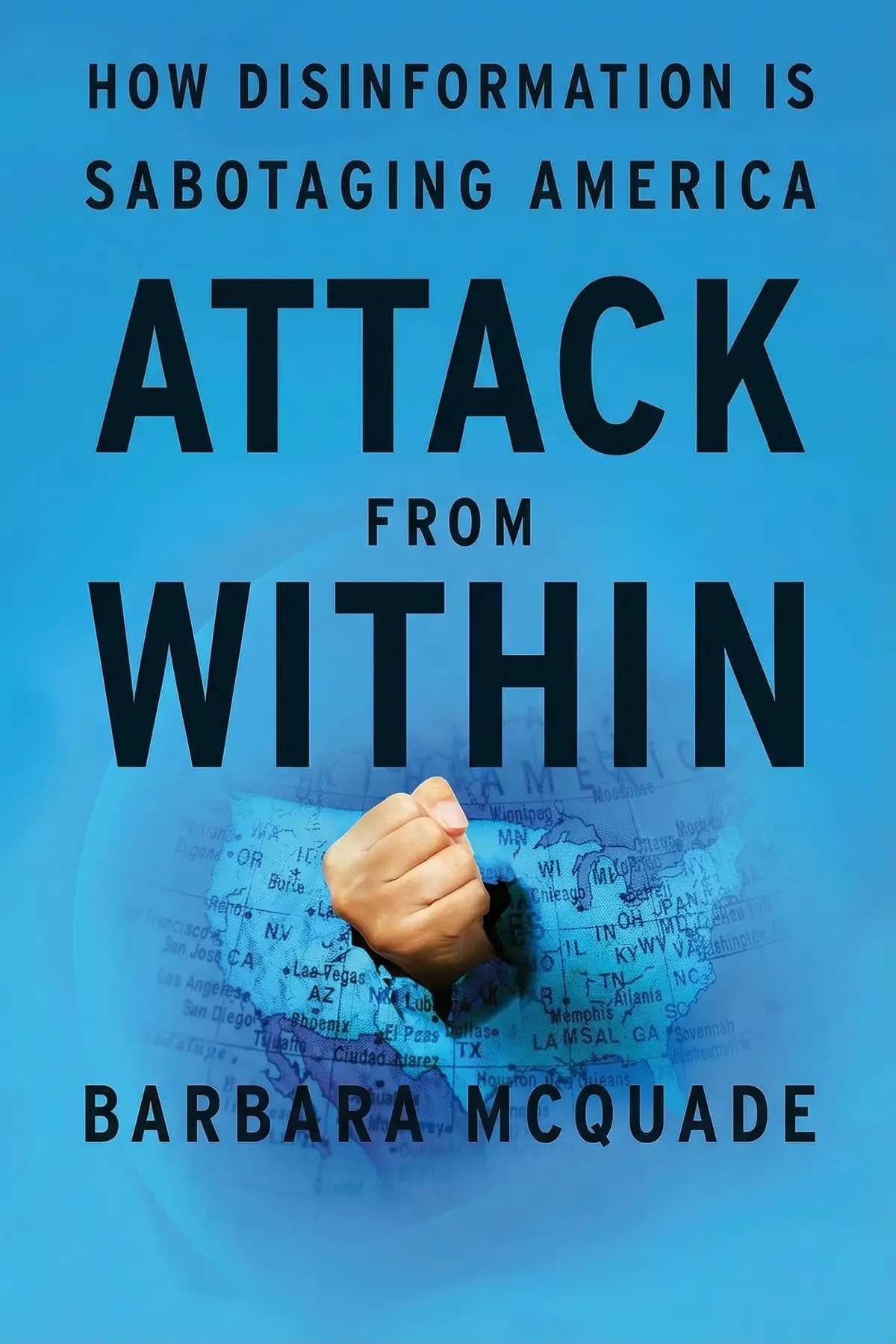
Attack from Within examines the internal fractures threatening American stability, focusing on how disinformation acts as a tool of sabotage from within our borders. It moves beyond simple lies to reveal how organized campaigns of misinformation are designed to dismantle the pillars of democracy—specifically targeting public trust, voting integrity, and the legal system. The book provides a clear-eyed look at the evolution of psychological manipulation, from historical propaganda to the algorithmic warfare of the digital age. It promises to help readers understand not only how they are being deceived but also why our current laws and social structures struggle to fight back. By the end, listeners will discover a roadmap for preservation, emphasizing the need for legal updates, educational shifts, and a renewed commitment to objective truth to safeguard the future of the nation.
Barbara McQuade is a legal expert whose career includes serving as the US Attorney for the Eastern District of Michigan. She currently shares her knowledge as a professor at the University of Michigan Law School and contributes to NBC News and MSNBC as a legal analyst. In addition to her media appearances, she co-hosts the #SistersInLaw podcast. Her professional journey, which transitions from journalism to significant legal practice, provides her with deep expertise in national security, data privacy, and criminal law.
Listeners find the book deeply perceptive, especially highlighting its professional analysis of disinformation and the heavily researched material featuring many examples. Additionally, they value the high standard of writing and deem it essential reading, with one listener noting it's very easy to understand in plain language. Listeners also prize the author's credentials, with one mentioning they are a law professor. However, there are varied responses regarding the book's impact, as some find it terrifying.
Barbara McQuade brings her immense legal expertise to the table in a way that feels incredibly accessible to the average reader. Instead of getting bogged down in dense legalese, she explains how disinformation acts as a poison to our democratic institutions. I appreciated the historical parallels to authoritarian regimes, which made the current political climate feel even more urgent and, frankly, quite terrifying. Her background as a law professor shines through in the structured, well-researched arguments that never feel like they are talking down to you. It's a comprehensive look at how lies are weaponized, though it definitely left me feeling a bit anxious about the future. This is a vital read for anyone trying to navigate the 2024 election cycle with their eyes wide open.
Show moreAs a former prosecutor myself, I found McQuade’s analysis of the legal boundaries surrounding free speech versus harmful incitement to be the book's strongest asset. She doesn't just complain about the problem; she dives into the specific court cases and statutes that make regulating disinformation so incredibly difficult in the United States. Many people scream 'censorship' whenever moderation is discussed, but this book provides a much-needed nuance to that conversation by focusing on public safety. The writing is clear and direct, stripping away the rhetoric to show how the rule of law is being methodically undermined by bad actors. Even if you aren't a 'news junkie,' you will walk away from this with a better grasp of your civic responsibilities. This is easily one of the most important books I’ve picked up this year.
Show moreTruth is, we are living through a period where the concept of objective reality is under constant assault, and McQuade is the perfect guide for this mess. She manages to take complex topics like 'technological redlining' and 'conformity bias' and explain them in plain language that actually makes sense. I didn't realize how much our legal system actually protects the spread of lies until I read her breakdown of the Communications Decency Act. It’s a frustrating read, not because of the writing, but because of the sheer scope of the problem she describes. She calls on all of us to be more vigilant about what we share and how we consume media. If we don’t take her warnings seriously, the 'attack from within' might just succeed.
Show moreFinally, a clear roadmap for understanding how propaganda has evolved for the digital age without losing its core authoritarian roots. McQuade’s ability to weave together psychology, law, and history makes this an essential addition to any political library. She correctly identifies that the 'attack' isn't just about winning an election, but about destroying our ability to communicate with each other at all. The writing is sharp and the examples are timely, ranging from public health misinformation to the dismantling of public trust in the judiciary. It’s a terrifying read, but knowledge is the only real defense we have against these tactics. I’ve already bought copies for a few friends who I know will appreciate the depth of her analysis. Highly recommended for 2024.
Show moreEver wonder why your social media feed feels like a constant battlefield? McQuade breaks down the mechanics of 'warm information warfare' and how our own psychological biases are being used against us every single day. While some of the information about the 2020 election felt like a recap of news I already knew, the way she connects it to legal frameworks like Section 230 was eye-opening. The book is definitely focused on the threat from the right, which might alienate some readers, but her evidence is hard to ignore when laid out so systematically. I was particularly struck by the sections on stochastic terrorism and how language is used to incite violence without technically crossing legal lines. It’s a sobering reminder that our democracy is far more fragile than we’d like to admit.
Show moreThe chapter on AI and emerging technology alone makes this worth the purchase for anyone worried about the future of truth. McQuade does a fantastic job explaining how deepfakes and bot farms are scaling up the speed of lies to a level that human fact-checkers simply can't keep up with. It's a bit of a dense read at times, and I found some of the historical sections on Stalin and Mussolini a bit repetitive if you’ve studied 20th-century history. However, her transition from those historical warnings to modern-day digital threats is handled with the skill of a seasoned educator. My only real gripe is that the solutions offered in the final chapters feel a bit optimistic given the current polarization in Congress. Still, it’s a masterclass in identifying the tactics of the authoritarian playbook.
Show morePicked this up after seeing the author on a podcast, and I was impressed by how she bridges the gap between legal theory and current events. The book is structured almost like a textbook, which helps keep the massive amount of information organized and digestible for the reader. She provides extensive footnotes and examples, from the Michigan kidnapping plot to the January 6th insurrection, to prove her points about the dangers of unchecked disinformation. While the tone can be a bit dry in the middle sections, the 'What Can We Do?' chapter at the end provides a helpful roadmap for civic engagement. It’s not just a book about what’s wrong; it’s a plea for us to fix our information ecosystem before it's too late. I’d recommend this to anyone who feels overwhelmed by the current news cycle.
Show moreListening to the author narrate the audiobook version was a mixed experience because while she is obviously passionate, her cadence feels very much like a lecture. However, the content itself is top-tier and provides a necessary wake-up call regarding our crumbling shared reality. I appreciated how she didn't just focus on the 'Big Lie,' but also looked at how disinformation targets marginalized groups to sow division and weaken trust in local institutions like libraries. The way she links Russian bot strategies to domestic political tactics is both brilliant and deeply unsettling. You can tell she spent a long time vetting every example, making the book feel like a legitimate piece of scholarship. It’s a long listen, but it gave me a lot to think about regarding my own social media habits.
Show moreTo be fair, the research is solid, but I struggled with the tone of the writing which occasionally felt a bit condescending. It felt at times like I was reading a 7th-grade civics textbook that was trying to explain the world to people who haven't watched the news in a decade. If you are already someone who follows politics closely, a lot of these 'revelations' will feel like old news or a recap of things you've already discussed. That said, her legal perspective on why the FBI can't just monitor social media is a crucial piece of the puzzle that many people misunderstand. It’s a decent primer for the uninitiated, even if it feels a bit basic for those of us who are already deep in the weeds. A solid three stars for the effort and the detailed legal citations.
Show moreNot what I expected at all based on the marketing. I was looking for a deep dive into the technology of social media algorithms and how they shape human cognition, but this turned out to be a 400-page grievance list against Donald Trump. While the author is clearly intelligent, the book lacks the balance required to be a truly objective study of disinformation across the entire political spectrum. It isn’t until the middle of the book that she really starts digging into the tech, and by then, I was already exhausted by the repetitive political commentary. To be honest, it felt more like a script for an MSNBC segment than a scholarly legal text. If you're looking for an unbiased look at how both sides use media to influence voters, you won't find it here.
Show moreJames Comey
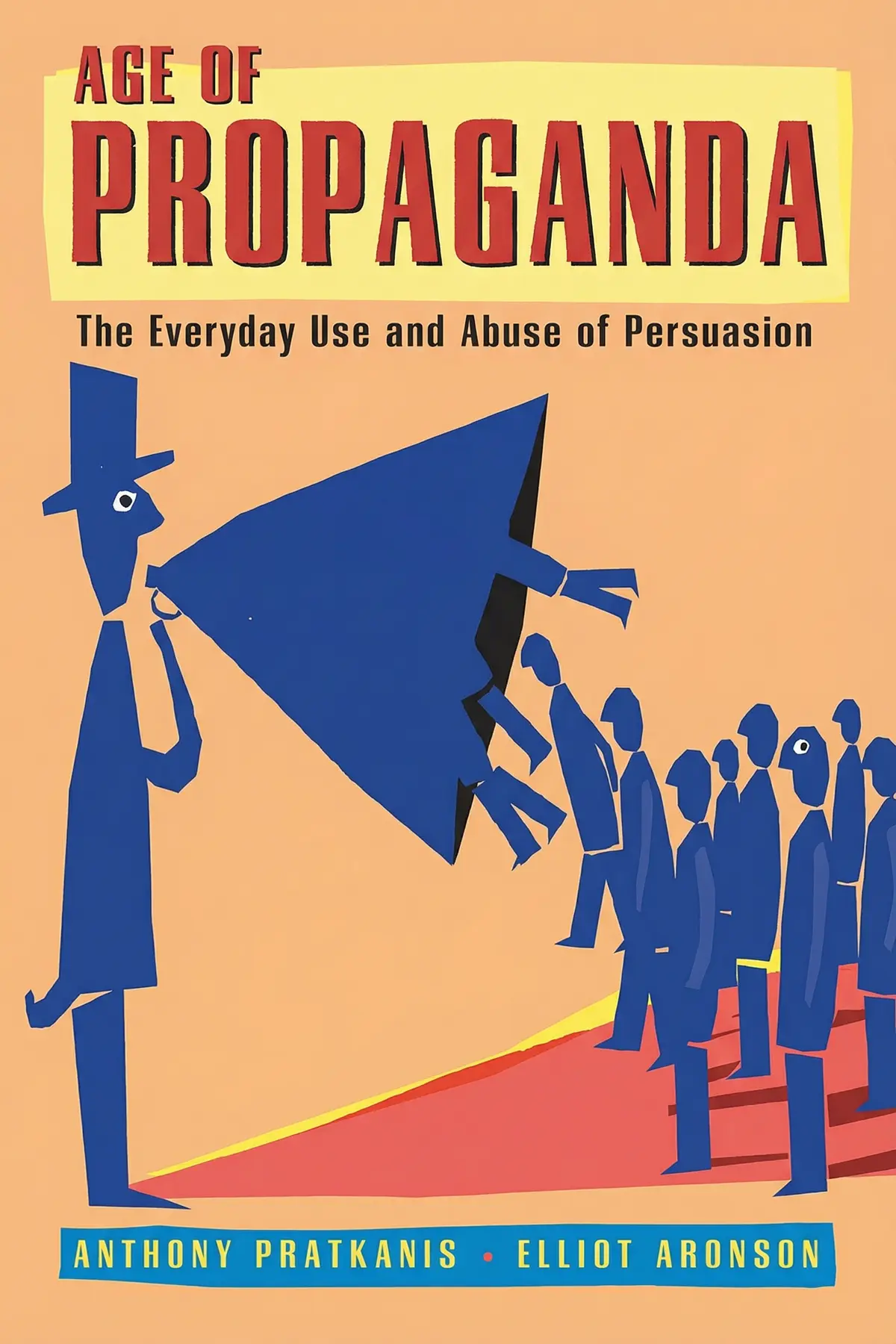
Anthony Pratkanis

Barack Obama
Masaji Ishikawa
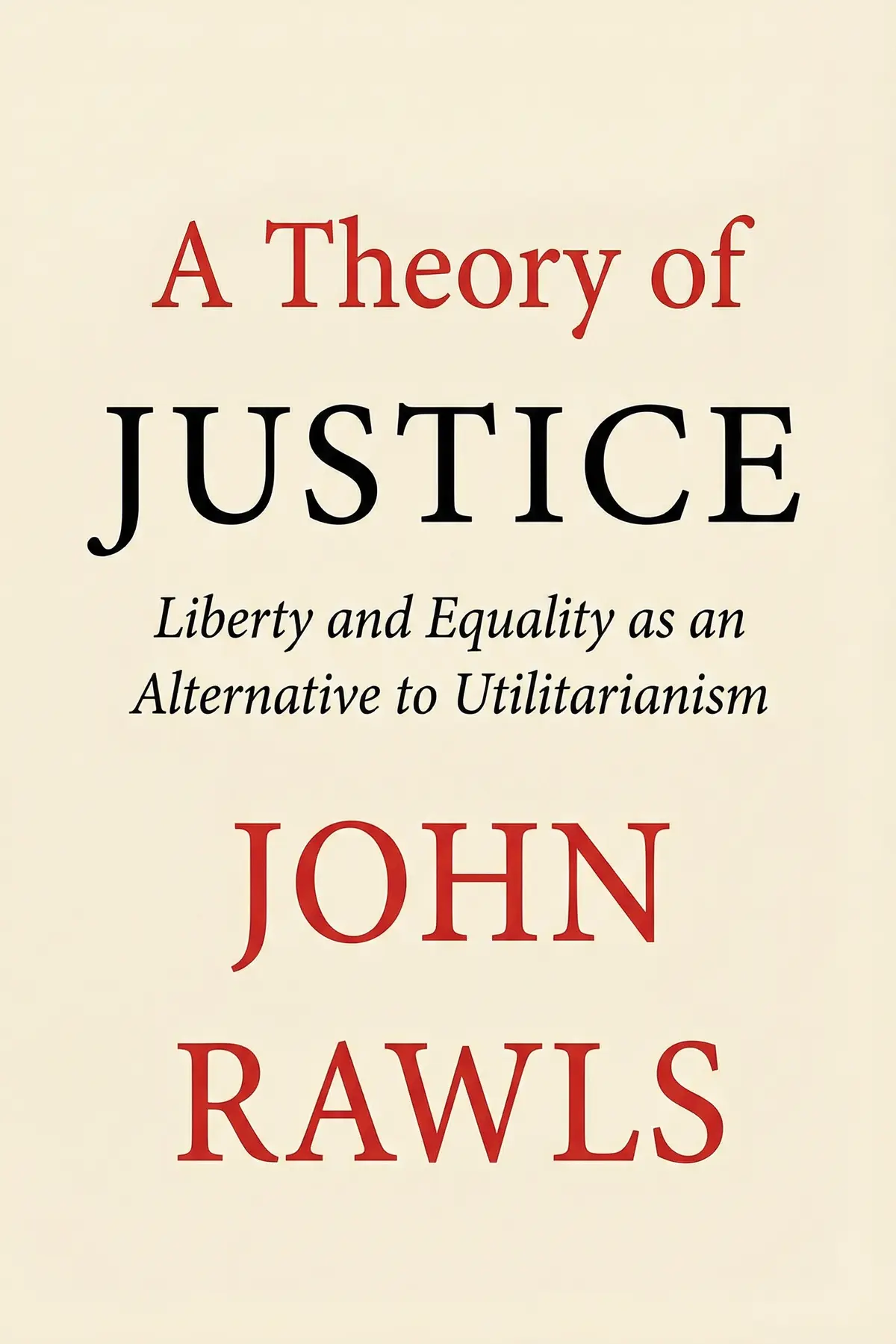
John Rawls
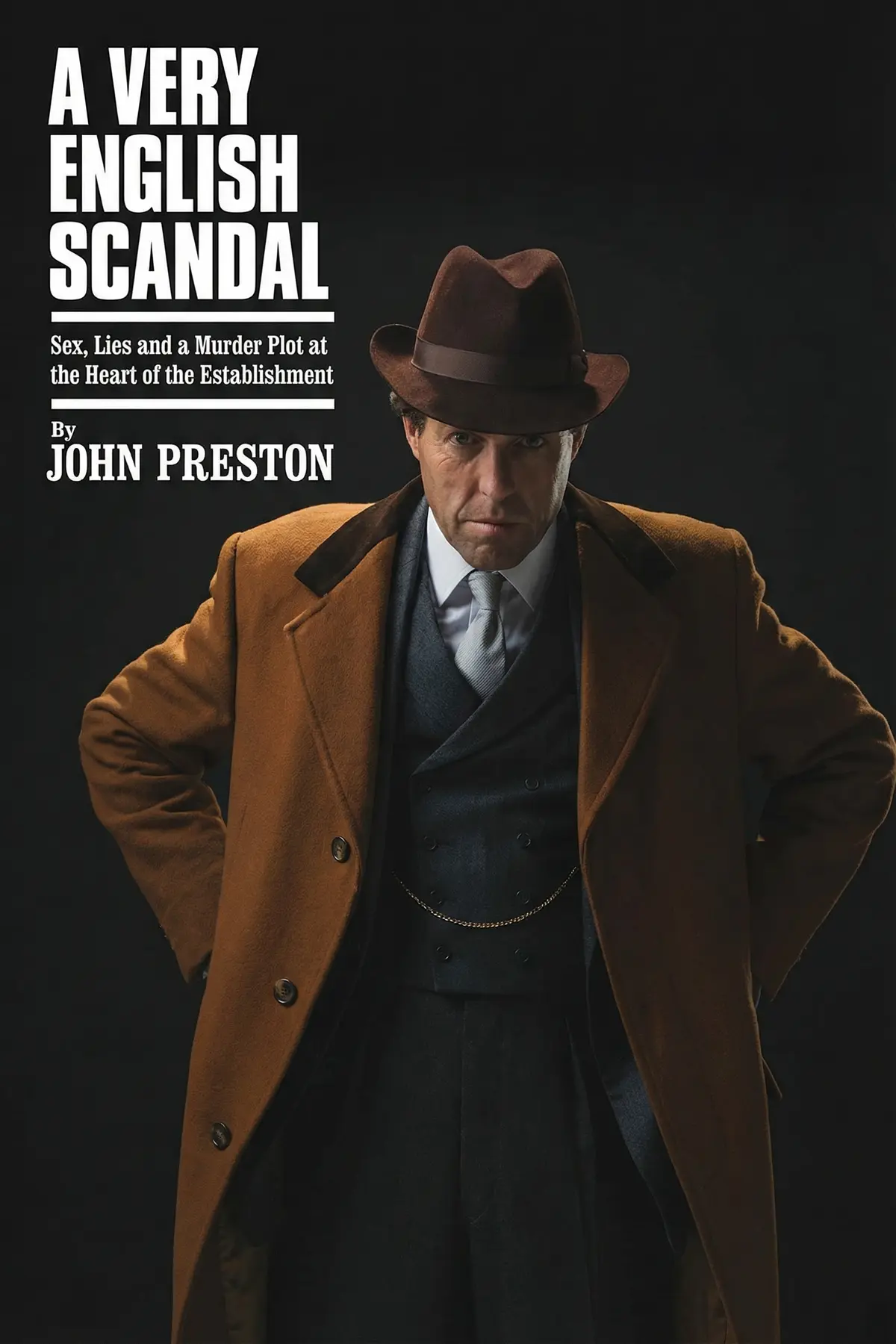
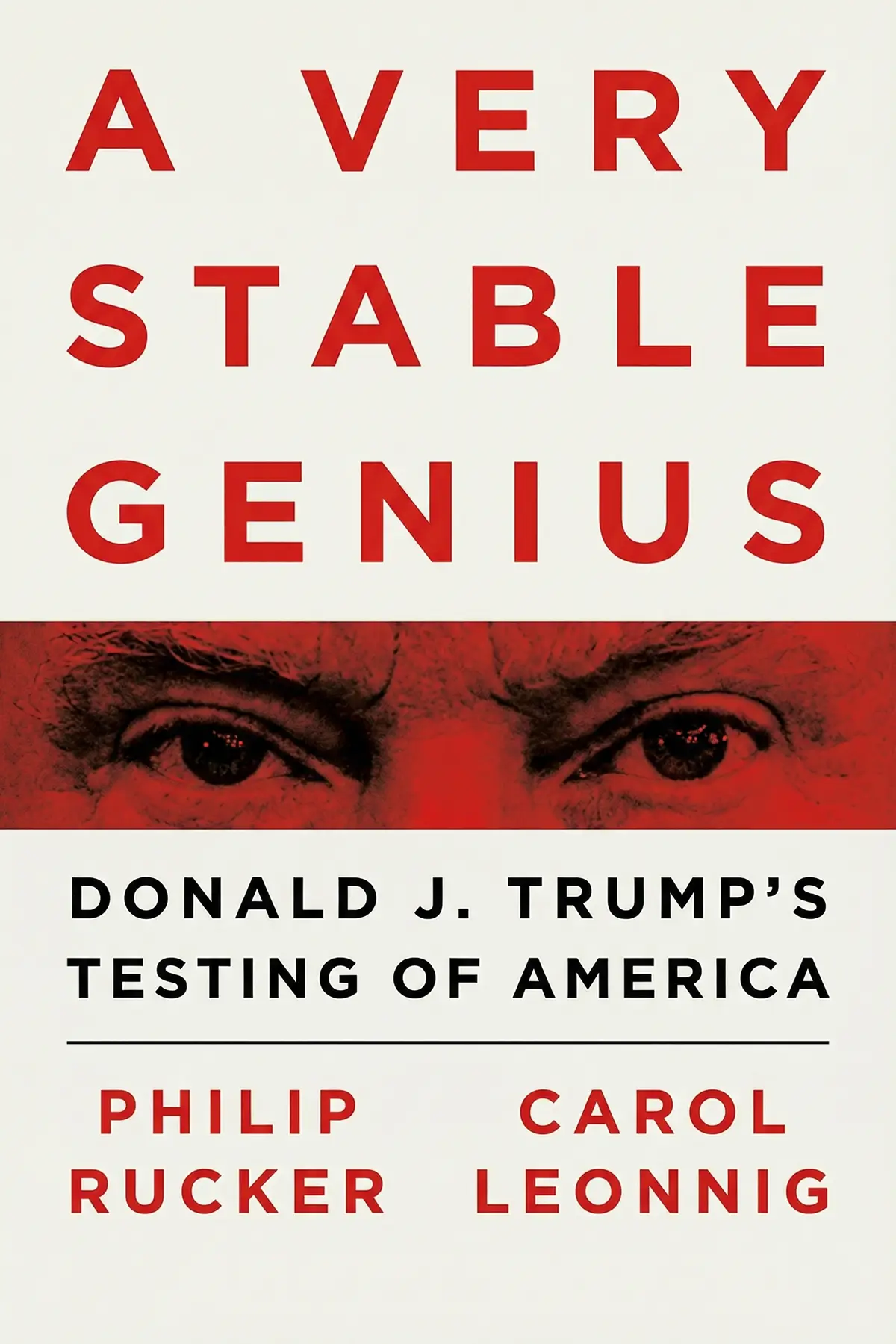
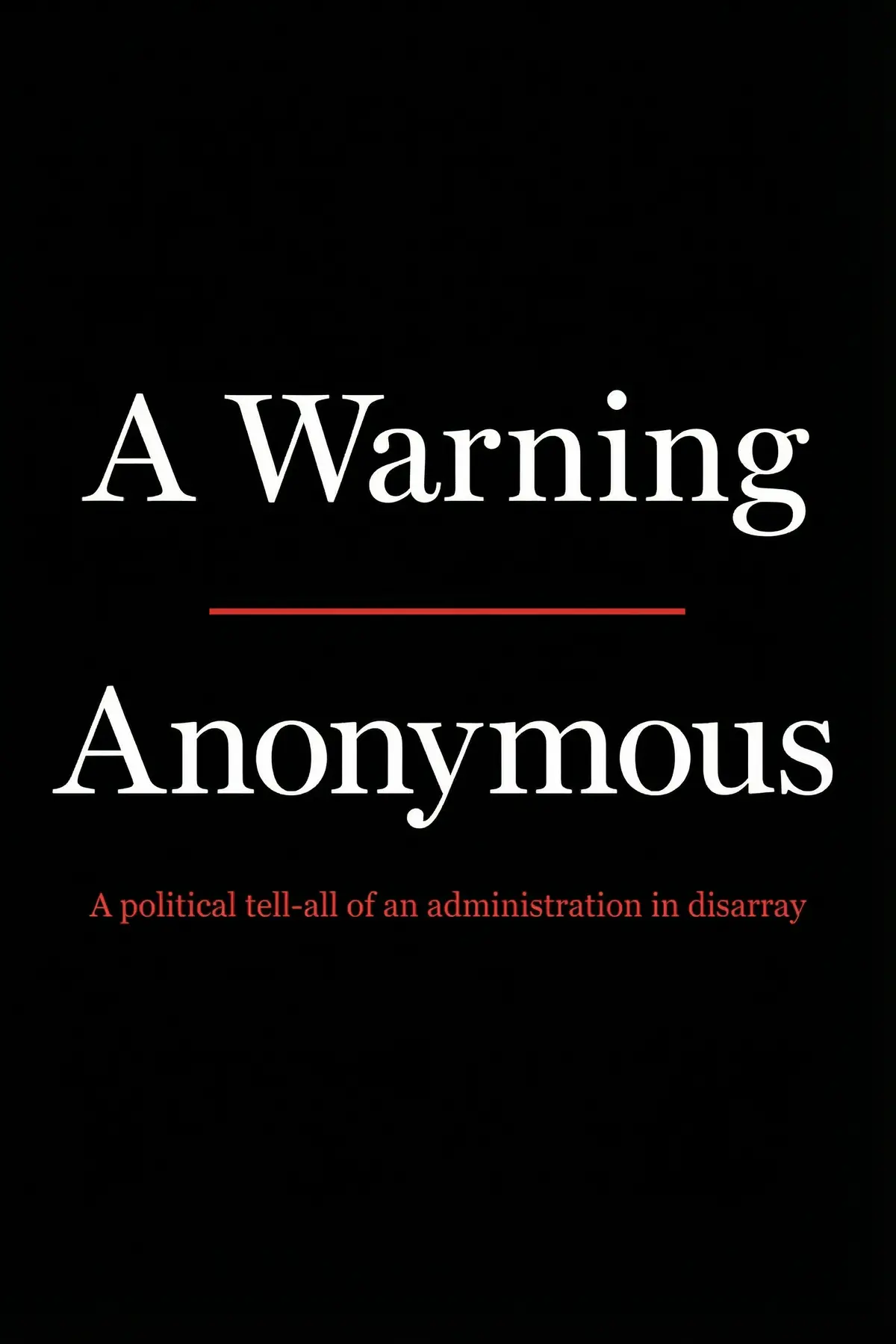
Miles Taylor
AUDIO SUMMARY AVAILABLE
Get the key ideas from Attack from Within by Barbara McQuade, plus 5,000+ more titles in English and Thai.







