
A Higher Loyalty: Truth, Lies and Leadership
James Comey
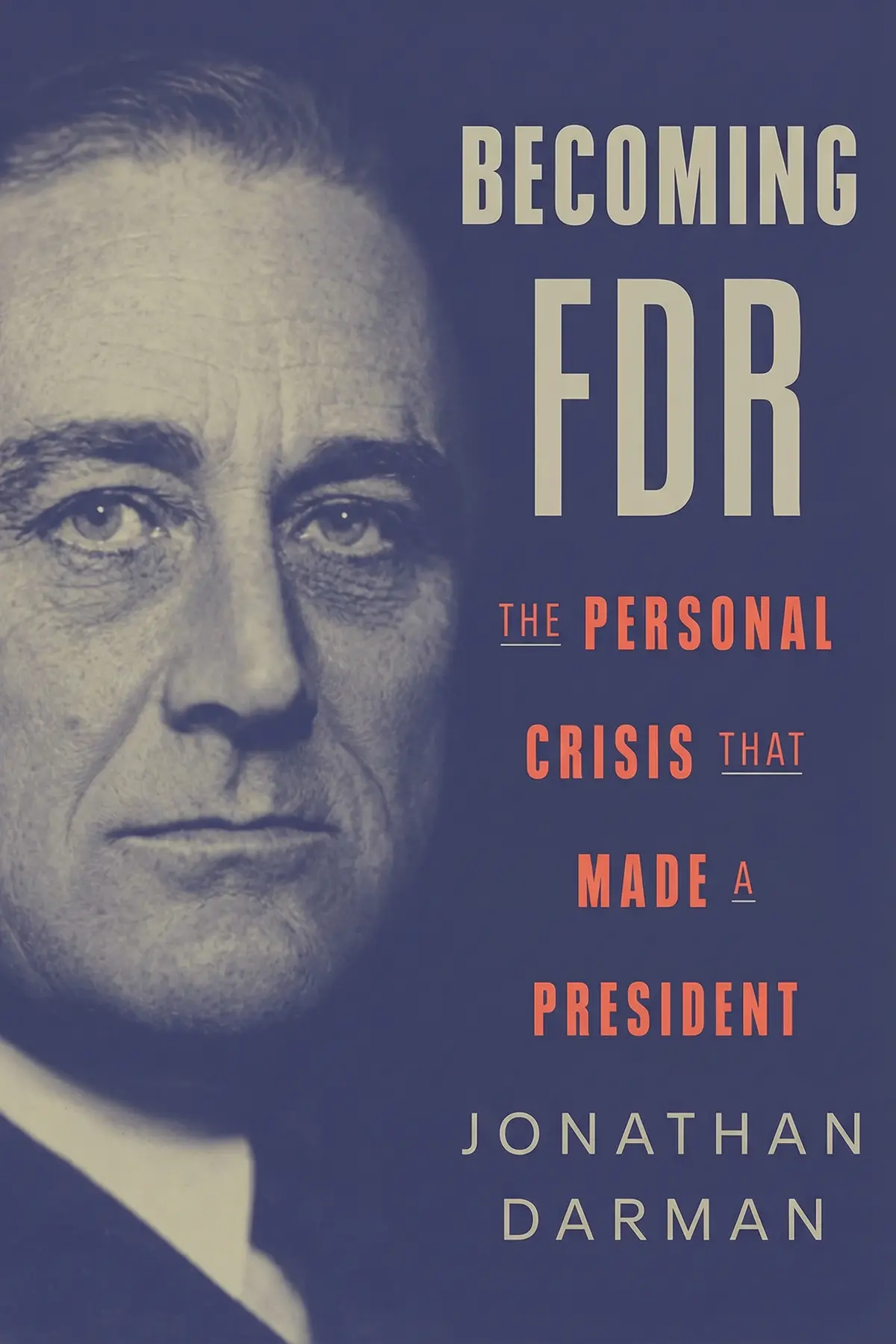
Explore the profound personal metamorphosis of Franklin D. Roosevelt in Becoming FDR. Discover how a devastating battle with polio transformed a privileged politician into an empathetic leader capable of guiding a nation.
2 min 04 sec
When we think of Franklin Delano Roosevelt today, we often picture the steady, confident hand at the helm of the United States during its two greatest twentieth-century trials: the Great Depression and World War II. We envision the man delivering fireside chats with a voice that felt like a warm blanket to a shivering nation. But the version of FDR that history remembers—the empathetic champion of the forgotten man—was not the man he started out to be. In his younger years, Roosevelt was the quintessential product of the American elite: handsome, athletic, and perhaps a bit shallow, a man whose success seemed more a product of his famous name and easy charm than any deep-seated conviction.
Everything changed in the summer of 1921. At the age of thirty-nine, Roosevelt was struck by a devastating illness that left him paralyzed from the waist down. It was a crisis that could have easily ended his political aspirations and relegated him to a quiet life of wealthy invalidism. Instead, as we see in Jonathan Darman’s Becoming FDR, this personal tragedy became the essential catalyst for his growth. It was through the long, agonizing years of rehabilitation and the dismantling of his physical identity that Roosevelt developed the emotional depth and the profound empathy that would eventually define his presidency.
This is not just a story about a medical recovery; it is a story about the construction of a new self. It is about how the collapse of one life made room for a much larger one. We will explore how his relationship with his wife, Eleanor, shifted from a strained partnership to a formidable political alliance, how he learned to use the burgeoning medium of radio to connect with the public, and how his personal struggle against disability gave him a unique perspective on a nation struggling against economic despair. By looking at the man behind the myth, we can see how the crisis of a single individual helped prepare him to lead a country through a crisis of its own.
2 min 50 sec
Imagine a rising political star, full of athletic vigor, suddenly grounded by an inexplicable fever. Discover how a remote family vacation became the site of a life-altering struggle that changed everything.
2 min 45 sec
The Roosevelts’ marriage was under immense strain long before disaster struck. Learn how an unexpected health crisis forced a radical restructuring of their partnership and paved a new path for Eleanor’s independence.
2 min 20 sec
While Franklin sought healing in southern waters, Eleanor was making waves in the halls of power. See how their separate journeys during his recovery years created a new kind of political influence.
2 min 33 sec
Returning to the public stage in a wheelchair was a gamble that could have ended his career. Uncover the hidden choreography and the power of radio that turned a moment of vulnerability into a triumph.
2 min 32 sec
Franklin’s search for a cure led him to a dilapidated Georgia spa, but he found something much greater than physical relief. Discover how his efforts to help fellow survivors defined his future leadership style.
1 min 44 sec
The story of Franklin Delano Roosevelt’s rise to the presidency is often told as a series of political maneuvers and historic triumphs. But as we’ve seen, the true foundation of his leadership was laid in the quiet, painful years of his recovery from polio. The 1921 crisis didn’t just change the way he moved; it changed the way he thought and felt. It transformed a man of easy privilege into a man of profound empathy, someone who could look at a nation in the depths of the Great Depression and truly understand the fear and the sense of powerlessness felt by millions of his fellow citizens.
His journey highlights a powerful throughline: that our greatest challenges can also be our greatest teachers. For Roosevelt, the loss of his physical mobility led to the discovery of an inner resilience and a capacity for connection that he might never have found otherwise. His partnership with Eleanor, born out of necessity and betrayal, evolved into a revolutionary model of shared political purpose that expanded the very definition of what a First Lady could be.
The lesson of Becoming FDR is that leadership is not just about strength; it is about the ability to transform suffering into service. Roosevelt’s ability to project optimism while navigating his own daily physical struggle gave a desperate nation the permission to hope again. As you think about the challenges in your own life or the leaders you choose to follow, remember that the most enduring strength often comes from the places where we were once most vulnerable. FDR didn’t lead despite his disability; in many ways, he was able to lead because of the person he became while fighting it.
Becoming FDR examines the critical period in Franklin D. Roosevelt’s life that redefined his character and his political destiny. Long before he was the architect of the New Deal, Roosevelt was a man of privilege whose career seemed destined for success but lacked a deeper connection to the struggles of common citizens. This changed forever in 1921 when a sudden, paralyzing illness stripped him of his physical mobility and forced him into a years-long struggle for recovery. This narrative explores the evolution of both Franklin and his wife, Eleanor, as they navigated this private tragedy and emerged as a formidable political partnership. The book reveals how the personal agony of polio was the crucible that forged the empathy and resilience FDR needed to lead the United States through the Great Depression and World War II. It is a story of how vulnerability can become a source of strength, and how the internal battle for one's own life can prepare a leader to fight for the soul of a nation.
Jonathan Darman is a distinguished historian and writer who has authored multiple books focusing on the landscape of modern political history. Previously, he served as a political correspondent for Newsweek, where he gained extensive experience on the front lines of American politics. During his tenure at the magazine, Darman reported on the high-stakes presidential campaigns of major figures like John Kerry and Hillary Clinton, providing him with deep insight into the machinery of power.
Listeners view the biography as expertly researched and written, with one listener observing that it is informative while avoiding excessive detail. The storytelling approach earns praise, as one listener draws attention to the compelling stories and anecdotes found throughout the book. They value the sensitive narrative style, with one review characterizing it as a phenomenal account of adversity and leadership.
Jonathan Darman has crafted an incredibly humanizing portrait of a man we often see only as a static icon on a dime. This isn't just another dry recitation of legislative victories; it’s a deep dive into the crucible of suffering that forged FDR's character. I found the transition from his somewhat arrogant, "foppish" younger self to the empathetic leader of the Great Depression both believable and moving. Darman captures the vulnerability of his recovery at Warm Springs without ever veering into melodrama. While some might find the psychological speculation a bit much, it provides a necessary framework for understanding his later political genius. The writing is punchy and accessible, making it a breeze to get through despite the heavy subject matter. It’s a phenomenal account of how personal adversity can translate into national leadership. If you want to understand the soul of the New Deal, start here.
Show moreWow, what a transformation this book illustrates. I never realized just how much of a "lightweight" FDR was considered before his illness. Darman illustrates a man who went from being a privileged, somewhat shallow politician to a figure of immense depth and patience through sheer physical agony. The prose is elegant and the research feels thorough without being bogged down by academic jargon. I particularly enjoyed the anecdotes about his interactions with regular people during his recovery; it explains so much about his later "Fireside Chats." It’s a rare history book that reads like a suspenseful novel. My only gripe is that I wanted more on the late 1930s, but the author stays true to his "becoming" theme. This is essential reading for anyone interested in the intersection of personal crisis and public service.
Show moreFinally got around to this after seeing it on several recommended lists, and I must say the quality of the storytelling is top-notch. The author does a brilliant job of exploring the "invisible" work done by Louis Howe and Eleanor Roosevelt to keep Franklin's spirits up and his name in the papers. It really highlights how his presidency was a team effort from the very beginning. I was shocked by the details regarding the Navy scandal involving the entrapment of sailors—that was a piece of history I had never encountered before. The book moves at a brisk pace, which is a relief compared to some of the denser presidential biographies I've slogged through recently. It's a poignant reminder that even the most powerful people are shaped by their darkest moments. Highly recommended for anyone looking for an inspiring, well-researched narrative.
Show moreIs there anything left to say about Franklin Roosevelt? According to Jonathan Darman, the answer is a resounding yes. By narrowing the scope to the years of his physical struggle, the author uncovers the man behind the legendary cigarette holder and grin. We see the fear, the frustration, and ultimately the steely resolve that came from learning to walk again—or learning to live with the fact that he couldn't. The narrative style is incredibly empathetic, making the reader feel the weight of every heavy leg brace and every political setback. It’s an inspiring portrait of resilience that feels especially relevant in today's world. The research is evident in every anecdote, and the storytelling is phenomenal. This isn't just a book about a president; it’s a book about the human spirit’s ability to adapt.
Show moreAs someone who struggles with chronic illness, this portrait of resilience hit home in a way I didn't anticipate. Seeing FDR's determination to hide his disability from the public while using it to fuel his internal compass was fascinating. Darman captures the "Dr. Roosevelt" persona at Warm Springs perfectly, showing a side of the man that was far more than just a politician seeking votes. The book is incredibly well-researched, yet it retains a warmth and intimacy that is often missing from large-scale biographies. It shows how the silence of his recovery years allowed him to think more deeply about the struggles of the common man. I finished this feeling incredibly inspired. It is a phenomenal account of adversity and leadership that everyone should read.
Show moreWhile I wouldn't call myself a history buff, I found this narrative to be exceptionally engaging and easy to follow. Darman manages to take the well-trodden path of Roosevelt's life and shine a light on the specific, grueling years of his polio diagnosis. It’s fascinating to see how Eleanor and Louis Howe essentially curated his environment to keep his political dreams alive while his body failed him. Louis Howe’s famous observation that a year or two in bed should be prescribed for all statesmen really resonates throughout these chapters. The book does feel a bit cursory if you are looking for a massive, thousand-page tome on his entire presidency, but as a study of character, it succeeds. To be fair, some sections on his early career in the Navy felt a bit rushed, yet the emotional core remains solid. It’s a testament to the idea that our greatest weaknesses can become our greatest strengths.
Show moreThe chapter covering the Warm Springs recovery was particularly moving and served as the heart of the book for me. Darman portrays FDR not just as a patient, but as a "Dr. Roosevelt" who truly cared about his fellow patients. This empathy clearly became the backbone of his political philosophy during the Depression. The writing is sophisticated yet clear, avoiding the dry tone of many academic biographies. I appreciated the inclusion of the failed assassination attempt just before his inauguration, which added a layer of tension I wasn't expecting. My only minor complaint is that the ending feels a bit abrupt once he actually hits the White House. Still, the focus on his personal growth is handled with a lot of grace and insight. It’s a great pick for a book club discussion on leadership.
Show moreTruth is, I wasn't expecting to be this gripped by a book about a politician's physical therapy, but Darman pulled it off. He paints a vivid picture of the 1920s and the social circles the Roosevelts moved in, making the sudden onset of polio feel like a genuine tragedy. The way he describes FDR’s "Uncle Ted" shadow hanging over him was really insightful. It explains that initial drive to be a certain kind of man, and how the illness forced him to find a new, more authentic path. The pacing is excellent, though some might find the jump into the 1932 campaign a bit quick. It’s a very informative read that doesn't feel like a chore. For a one-volume look at FDR's formative years, this is hard to beat.
Show moreDarman’s prose flows with the grace of a novel, which is rare for political non-fiction. He avoids the trap of listing every single person FDR ever met, focusing instead on the key players like Louis Howe and Eleanor. This makes for a much more compelling read. The central thesis—that polio was the making of the president—is argued convincingly throughout. I liked how the author didn't shy away from FDR's earlier flaws, like his cockiness and his somewhat messy personal life. It made his eventual rise feel earned rather than inevitable. While it doesn't replace the exhaustive multi-volume works for serious scholars, it’s a perfect bridge for those who want more than a summary but less than a thousand-page commitment. A very solid, thought-provoking biography.
Show moreSeeking a new perspective on a well-known figure can be hit or miss, and this one leans towards the "familiar" side for seasoned history buffs. Darman is a gifted writer, no doubt, but much of the material here feels like a rehashing for those of us who have already read the definitive Davis or Ward biographies. There is a noticeable amount of armchair psychology regarding his relationship with his mother and Eleanor that felt speculative at times. Frankly, it’s a good introductory text for someone new to the Roosevelts, but it lacks the granular detail found in more exhaustive multi-volume works. The focus on polio as the central catalyst is a strong thesis, though it’s been explored before. It’s a professional and well-written read, just not groundbreaking for the serious scholar.
Show moreJames Comey
Philip Freeman
Tracy Rosenthal
Jonathan Eig
Jessica Valenti
J. Craig Venter

Yanis Varoufakis
Ishmael Beah
AUDIO SUMMARY AVAILABLE
Get the key ideas from Becoming FDR by Jonathan Darman, plus 5,000+ more titles in English and Thai.







