
A Higher Loyalty: Truth, Lies and Leadership
James Comey
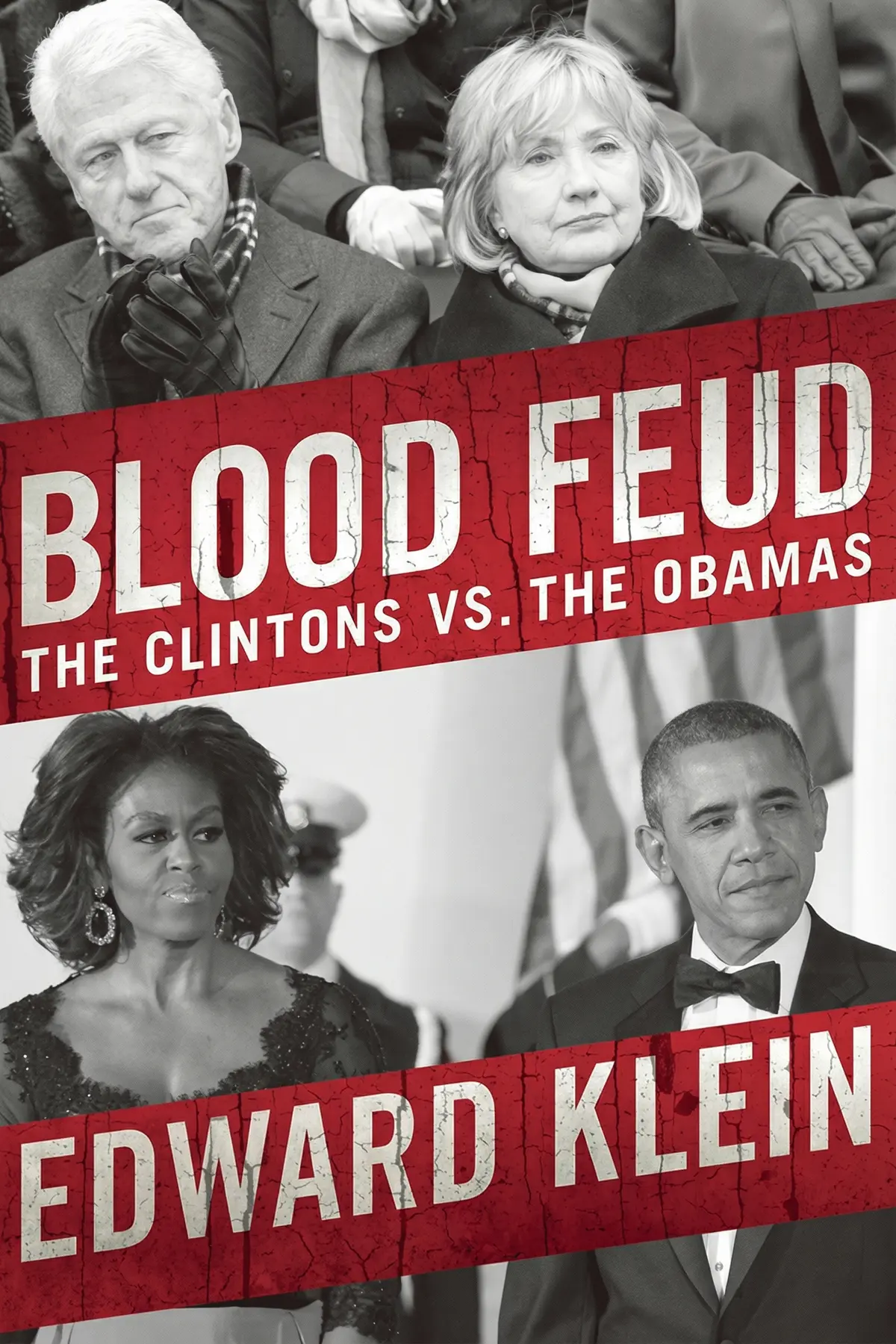
Blood Feud uncovers the intense private rivalry between the Obama and Clinton families, revealing how personal animosity and broken promises have shaped the highest levels of American power and politics.
1 min 37 sec
When we look at the landscape of modern American politics, we are often presented with a carefully curated image of unity. We see former presidents standing shoulder-to-shoulder with their successors, offering smiles and endorsements that suggest a shared vision for the country. But as anyone who has studied the history of power knows, the public stage is often a mask for the calculated and cut-throat realities of political life. In the halls of power, loyalty is a rare currency, and alliances are often born of necessity rather than genuine friendship.
Blood Feud takes us into the heart of one of the most significant and bitter rivalries in recent memory: the deep-seated animosity between the house of Clinton and the house of Obama. While both families have occupied the pinnacle of American leadership, their relationship has been defined not by cooperation, but by a series of betrayals, personal slights, and strategic clashes. This isn’t just a story about policy differences; it’s a story about human ego, the pursuit of legacy, and the lengths to which powerful figures will go to protect their interests.
Through this exploration, we will see how the political becomes deeply personal. We’ll look at the roots of this friction in the 2008 election, the forced partnership of 2012, and the explosive events that turned potential allies into quiet enemies. By understanding the friction between these two dynasties, we gain a much clearer picture of how the modern political machine actually functions, far away from the cameras and the teleprompters. This journey reveals that even at the highest levels of government, the motivations are often as old as time: pride, revenge, and the relentless quest for control.
2 min 20 sec
The friction between the Clintons and the Obamas isn’t just about policy; it’s a visceral, deeply personal hatred sparked by perceived slights and insults.
2 min 12 sec
Facing plummeting approval ratings, Obama was forced to seek help from the very man he disdained to save his 2012 re-election bid.
2 min 09 sec
Bill Clinton’s crucial support for Obama’s re-election was a masterclass in political maneuvering, serving his own interests as much as the president’s.
2 min 15 sec
The tragedy in Benghazi became a pivotal turning point in the feud, as the Clintons felt Obama was willing to sacrifice Hillary’s career to save his own.
2 min 08 sec
As Obama’s second term stumbled, the Clintons saw their chance to reclaim their dominance and distance themselves from a faltering administration.
1 min 52 sec
The story of the Clintons and the Obamas is a powerful reminder that in the world of high-stakes politics, personal feelings and professional alliances are often inextricably linked. What we’ve seen is a cycle of necessity and resentment. Two families, both incredibly talented and driven, found themselves forced to work together despite a deep-seated mutual distrust. This wasn’t a partnership of choice, but one of survival, where every gesture of support was accompanied by a hidden agenda.
As we’ve explored, the friction between these two dynasties was fueled by more than just competition for the presidency; it was fueled by personal slights, perceived betrayals, and a fundamental clash of styles. From the early days of the 2008 campaign to the fallout over Benghazi and the healthcare rollout, the relationship was a constant tug-of-war for control of the Democratic Party’s soul and its future. The Clintons sought to protect a legacy they felt was being unfairly tarnished, while the Obamas sought to establish a new order that didn’t rely on the power structures of the past.
The key takeaway here is that political history is often shaped as much by personal vendettas as it is by grand ideologies. When you look at the landscape of government, it’s important to remember the human element—the pride, the desire for respect, and the long memories of those who feel they’ve been wronged. The ‘blood feud’ between the Clintons and the Obamas may have played out in the media and on the campaign trail, but its roots were in the hearts and minds of the people involved. As the political torch continues to pass from one generation to the next, the echoes of this rivalry will likely continue to influence the choices made by those who seek to lead, reminding us that even the most powerful figures are, at the end of the day, driven by the same basic human emotions as everyone else.
This exposé explores the complex and often hostile relationship between the two most dominant dynasties in modern Democratic politics: the Clintons and the Obamas. While they often appear as allies on the public stage, the reality behind closed doors is one of deep-seated resentment, tactical maneuvering, and mutual distrust. The book promises to pull back the curtain on the pivotal moments that defined this rivalry, from the bruising 2008 primary and the tactical alliance of the 2012 re-election campaign to the fallout of the Benghazi tragedy. Readers will discover how personal slights and differing political philosophies led to a high-stakes game of revenge, where the ultimate prize was the future of the American presidency.
Edward Klein is a seasoned journalist and author known for his political biographies and exposés. He is the author of the New York Times bestseller The Amateur. His distinguished career includes serving as the foreign editor of Newsweek and as a contributing editor to Vanity Fair, bringing decades of insight into the inner workings of power.
Listeners consider this title an ideal fast-paced read featuring engaging, high-quality writing. Furthermore, the narrative provides remarkable investigative work and internal details regarding two political dynasties, serving as a revelatory experience. Listeners also value the objective delivery and brisk tempo. Nevertheless, the speed of the story draws varied responses; while some enjoy the rapid progression, others characterize the work as petty and disloyal.
This book is a total page-turner for anyone who follows DC power dynamics. Klein manages to synthesize what he calls "deep background" into a narrative that feels both urgent and revealing. Whether or not you agree with his politics, the level of research into the interpersonal conflicts between Michelle Obama and Hillary Clinton is incredible. To be fair, it reads like a "Who’s Who" of political maneuvering, highlighting how these two families were essentially forced into a marriage of convenience that neither side wanted. The details about the 2012 election and the backroom deals are particularly gripping. I appreciated how fast-paced the writing was; I finished the whole thing in a single weekend. It’s an eye-opener regarding the "cabal" surrounding the presidency. Some might call it disloyal, but I found the factual presentation of these rivalries to be refreshing compared to the usual sanitized biographies.
Show moreEver wonder what really happens behind those closed doors at 1600 Pennsylvania Avenue? Blood Feud provides a fascinating glimpse into the animosity and competition between America’s most powerful political couples. Klein uses his insider contacts to weave a story of jealousy and survival that feels incredibly authentic. The research into the internal dynamics of the Obama White House is particularly impressive, especially the role of the "inner circle" in keeping the Clintons at arm's length. I’ve read a few of Klein’s other books, and this one feels like his most focused work yet. It’s a fast-paced, gripping account that doesn’t pull any punches. Personally, I found the details about the 2016 maneuvering and the rise of Elizabeth Warren to be the most prophetic parts of the book. If you want a factual presentation of the friction that defined the Democratic party for a decade, this is it.
Show moreFinally got around to reading this political exposé and it certainly didn't disappoint in terms of pace. Edward Klein has a knack for making modern history feel like a high-stakes thriller, even if you suspect some of the dialogue is reconstructed. The book offers an eye-opening look at the friction between the Obama and Clinton camps that most of the mainstream media ignored. I was particularly fascinated by the chapters detailing Valerie Jarrett’s influence in the West Wing; the level of control she supposedly exerted is staggering. While the "National Enquirer" comparisons in other reviews have some merit because of the gossipy tone, the sheer volume of insider information makes it feel more substantial. It’s a well-written, quick read that holds your interest from the first page. I did find some of the descriptions of physical appearances a bit petty, but that's par for the course with Klein. Definitely worth a look if you want a different perspective on the 2008-2016 era.
Show moreAs someone who follows politics closely, I found Klein’s work to be an illuminating, if controversial, addition to the shelf. The central thesis—that there is a deep-seated "blood feud" between the Obamas and the Clintons—is supported by a wealth of anecdotal evidence that fits the public timeline of events perfectly. The book is remarkably well-written and moves at a clip that puts many modern thrillers to shame. I particularly liked the analysis of how Bill Clinton tried to navigate his wife's career while clashing with Obama’s advisors. While some critics argue it’s just gossip, the truth is that personal relationships drive policy and power in Washington. This book serves as an eye-opener into the messy human element behind the polished public personas. It might feel a bit sensationalized at times, but the core insights into the struggle for control over the DNC's future are worth the price of admission.
Show morePicked this up on a whim after seeing it on the bestseller list, and I ended up finishing it in two sittings. The book is a perfect quick read for a flight or a lazy afternoon. Klein’s writing style is punchy and direct, which keeps the narrative moving through what could have been dry political history. While I have some reservations about the anonymous sourcing, the "deep background" he provides for the major players feels consistent with their public actions. The tension between Hillary’s ambition and Obama’s desire to maintain his legacy is palpable. To be fair, it’s a bit of a "hit job," but it’s a well-executed one that offers a perspective you won't find in the mainstream press. It really highlights the "fishbowl" of public office and the stress it places on these individuals. Even if only half of it is true, it’s still a wild ride.
Show moreWhat a fascinating, albeit controversial, look at the internal warfare of the Democratic Party! Klein provides what feels like a front-row seat to the friction between the Obama and Clinton camps. The book is well-written and manages to explain complex political concepts, like how permanent interests trump friendships in DC, without slowing down the pace. I found the sections on the 2012 campaign particularly revealing, as they highlighted the lack of trust between the two powerhouses. It’s a fast-paced account that offers incredible research and insider information that explains a lot of the weird optics we saw during those years. Some parts are a bit sensationalized, but that makes it all the more engaging. It’s a solid 4-star read for anyone interested in the personalities that shape our country.
Show moreAfter hearing a lot of buzz about this book, I finally decided to see what all the fuss was about. I’m glad I did, as it’s a real eye-opener. The book is a fast-paced deep dive into the animosity that seemingly fuels the relationship between these two political dynasties. Klein’s ability to get people to talk on "deep background" is his greatest strength, providing a factual presentation of events that feels both shocking and plausible. The rivalry described here is more than just political; it’s personal, involving everything from social snubs to strategic betrayals. I especially appreciated the insights into the "cabal" surrounding the President and how they managed his public image. While the book has been called petty by some, I think it’s just a raw look at the reality of high-level politics. It held my interest throughout and left me with a lot to think about.
Show moreIs this journalism or just high-end gossip? That’s the question I kept asking myself while flipping through Blood Feud. On one hand, Klein provides a lot of "insider" details that explain the coldness we often saw on camera between the two families. On the other hand, he leans heavily into petty descriptions of Hillary's wardrobe and Bill's physical appearance, which detracts from the more serious political analysis. Look, I enjoy a good tabloid-style political hit job as much as the next person, but some of the anonymous sourcing feels a bit thin. The section on Elizabeth Warren being Obama’s "Mini-Me" was an interesting take I hadn't heard before, though. It’s a quick read and certainly entertaining, but take the revelations with a grain of salt. It’s a decent enough book if you’re looking for a sensationalist history of the DNC's internal wars, but don't expect a scholarly masterpiece.
Show moreThe premise is definitely intriguing, but the execution left me feeling conflicted. On the positive side, Edward Klein is a seasoned writer who knows how to structure a narrative to keep the reader engaged. The book is an eye-opener when it comes to the logistical hurdles and personal slights that defined the Obama-Clinton working relationship. However, the tone often shifts from investigative to unnecessarily petty. Does it really matter that Bill Clinton has a bulbous nose? These kinds of descriptors make the book feel more like a tabloid piece than a serious history. I got some interesting takeaways regarding the influence of Valerie Jarrett and the strategy behind the 2016 election, but I wish the author had stuck to the political chess match rather than the personal insults. It's a decent read for political junkies, but it lacks a certain gravitas.
Show moreLook, I wanted to like this because the premise of a hidden rivalry is fascinating, but it ultimately felt like a series of unsubstantiated rumors. The writing style is fast-paced, sure, but it’s fueled by a level of vitriol that makes it hard to trust the author’s objectivity. Klein seems obsessed with Michelle’s supposed iciness and Valerie Jarrett’s "intravenous" connection to the first family, yet there’s very little hard documentation to back these claims up. It often feels like the author is just airing his personal grievances against the Democratic establishment. Frankly, it’s a bit disloyal to the craft of investigative reporting when so much of the book relies on "a friend who was present." I stayed for the drama, but I left feeling like I’d just read a supermarket tabloid rather than an actual political exposé. It’s petty, often mean-spirited, and lacks the intellectual depth I was hoping for.
Show moreJames Comey
Anthony Pratkanis
Barack Obama
Masaji Ishikawa
John Rawls
Miles Taylor
AUDIO SUMMARY AVAILABLE
Get the key ideas from Blood Feud by Edward Klein, plus 5,000+ more titles in English and Thai.







