
18 min 19 sec
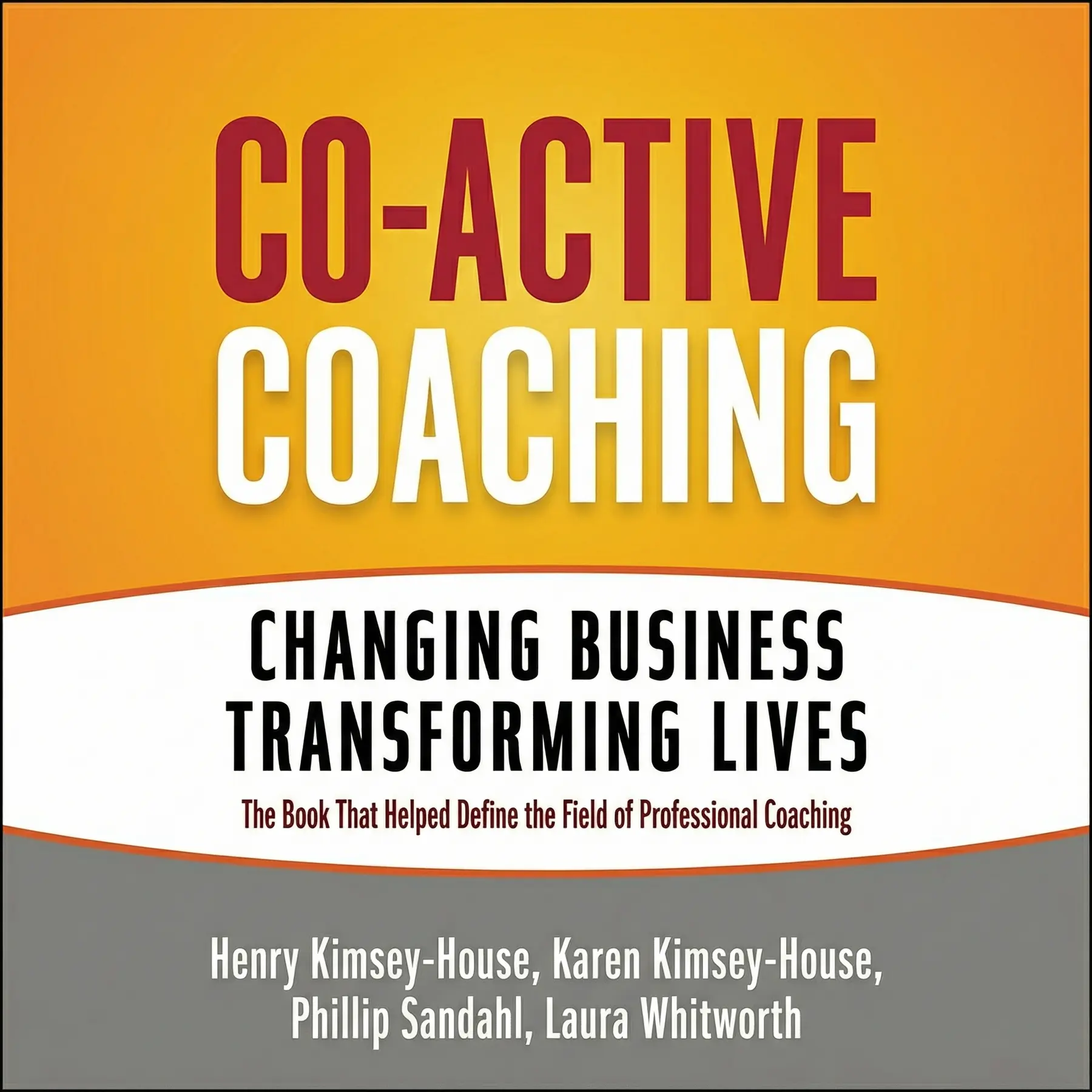
Co-Active Coaching: Changing Business, Transforming Lives
Discover a transformative framework for professional coaching that prioritizes collaboration over problem-solving. This summary explores how deep listening, intuition, and curiosity create powerful partnerships that empower individuals to find their own paths to fulfillment.
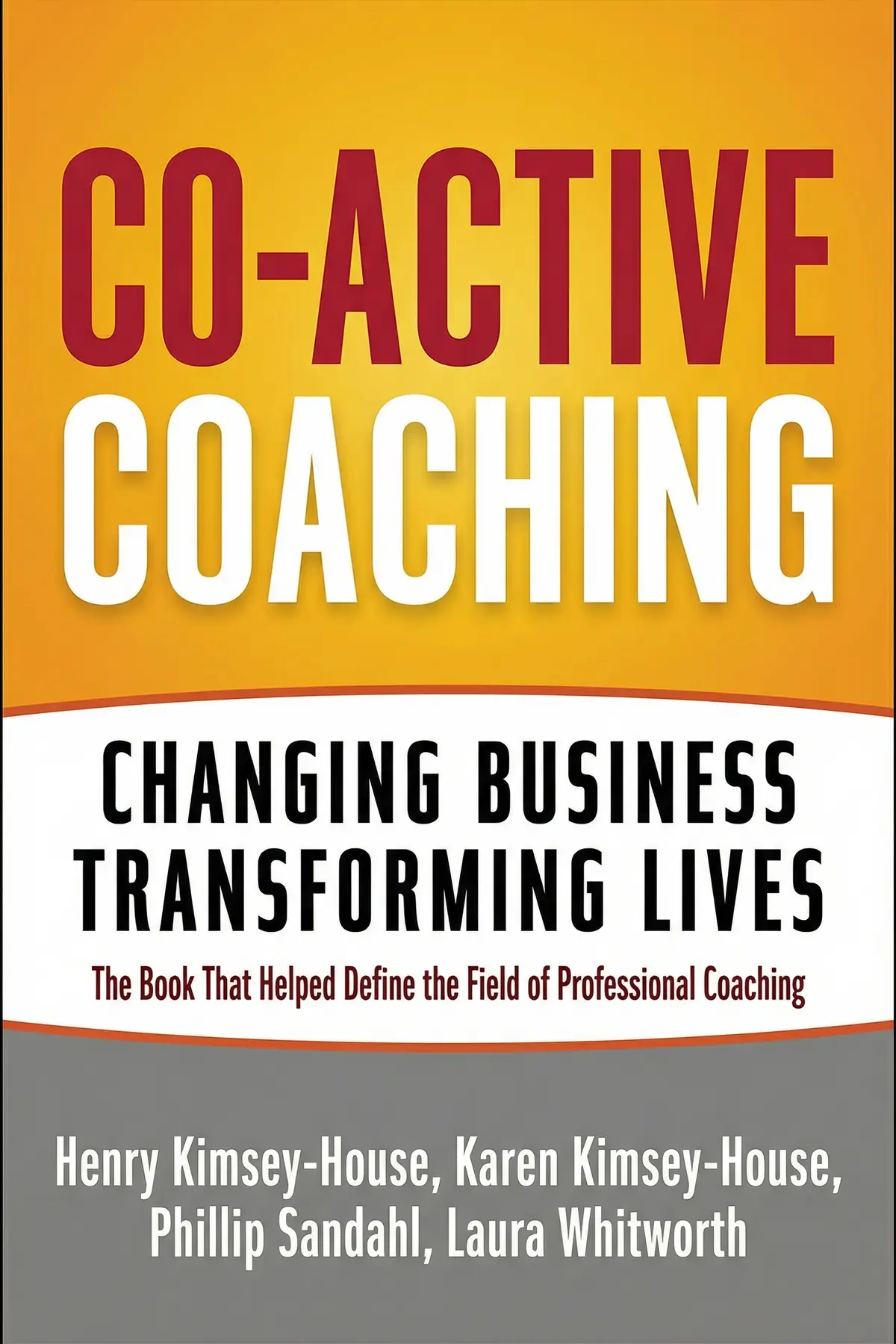
Table of Content
1. Introduction
1 min 33 sec
Imagine for a moment that you are standing at a crossroads in your life or career. You seek guidance, so you turn to a coach. In many traditional settings, you might expect this person to act like a consultant—someone who listens to your problems and then provides a checklist of solutions. But what if the most powerful way to move forward wasn’t to receive answers from someone else, but to be guided through a process where you discover those answers yourself? This is the fundamental premise of the co-active coaching model.
The co-active approach is built on the idea that the relationship between a coach and a client is a collaborative dance. It is not a hierarchy where one person holds the knowledge and the other receives it. Instead, it is a partnership of equals, designed to foster discovery, awareness, and choice. As we dive into this summary, we are going to look at why this shift in perspective is so vital for anyone looking to foster growth in others, whether you are a professional coach, a manager, or a mentor.
Throughout this exploration, we will move beyond the surface-level mechanics of conversation. We’ll look at how to build an environment where people feel safe enough to take risks, how to listen with your entire being rather than just your ears, and how to use curiosity as a tool for dismantling the walls people build around their own potential. The goal here isn’t just to help someone solve a temporary dilemma; it’s about transformation. By the end of this journey, you’ll understand how to facilitate a conversation that doesn’t just change what someone does, but changes who they are. Let’s begin by looking at the core philosophy that holds this entire model together.
2. The Four Pillars of the Co-Active Philosophy
2 min 34 sec
What if every person you met was already capable of solving their own biggest challenges? Explore the foundational beliefs that shift the coaching dynamic from fixing to empowering.
3. Creating a Nurturing Environment for Growth
2 min 32 sec
Growth requires risk, and risk requires a foundation of absolute safety. Discover the essential elements of a coaching space that encourages clients to step into the unknown.
4. Mastering the Three Levels of Listening
2 min 45 sec
Most of us listen to respond, but a master coach listens to understand and intuit. Learn the three distinct ways we process information in conversation.
5. Using Intuition as a Catalyst for Insight
2 min 15 sec
Sometimes your gut knows more than your brain. Explore why ‘blurting out’ your hunches can be the fastest route to a client’s breakthrough.
6. The Art of Curiosity and Powerful Questions
2 min 23 sec
Discover why ‘dumb’ questions are often the smartest ones and how a spirit of playfulness can break through a client’s mental barriers.
7. Aligning Choices with Core Values for True Fulfillment
2 min 36 sec
Fulfillment isn’t about reaching a destination; it’s about living in harmony with your beliefs. Learn how to help clients identify and use their values as a compass.
8. Conclusion
1 min 41 sec
As we wrap up our look at the co-active coaching model, the central theme that emerges is one of profound partnership. We’ve seen that effective coaching isn’t about having all the answers; it’s about having the right questions and the courage to ask them. It’s about creating a safe, expansive environment where a client’s natural resourcefulness can finally take center stage. By mastering the three levels of listening, trusting your intuition, and leading with genuine curiosity, you move from a transactional relationship to a transformational one.
The throughline of this entire approach is the connection between self-awareness and action. When we help others identify their core values, we aren’t just engaging in a philosophical exercise; we are giving them a practical tool for living a more fulfilled life. Every conversation becomes an opportunity for discovery and every challenge becomes a catalyst for growth.
To put these ideas into practice, you might start with a simple exercise. The next time you are in a conversation—perhaps at a coffee shop or in a meeting—practice your curiosity. Instead of waiting for your turn to speak, try to listen at Level Two or Level Three. Notice the energy behind the words. Ask one simple, open-ended question that encourages the other person to look deeper into their own experience. Notice how the dynamic of the conversation shifts when you stop trying to fix and start trying to understand. This is the essence of the co-active spirit: believing in the potential of others and providing the space for that potential to flourish. When we coach co-actively, we don’t just help people do better; we help them be more of who they truly are.
About this book
What is this book about?
Co-Active Coaching explores a paradigm shift in how we help others grow. Rather than viewing the coach as an expert who fixes problems, the co-active model envisions a relationship where both parties are active collaborators. It is built on the belief that every individual is naturally creative, resourceful, and whole, possessing the internal capacity to find their own answers if given the right environment. This summary details the core components of the model, including the four cornerstones that guide every interaction and the three distinct levels of listening that allow for deeper connection. You will learn about the practicalities of designing a coaching relationship, the importance of fostering a safe yet challenging environment, and how to use intuition as a shortcut to profound insights. The promise of the book is a more holistic approach to personal and professional development—one that doesn't just address immediate hurdles but seeks to align a person's life with their most deeply held values. By shifting the focus from 'fixing' to 'discovering,' coaches can help their clients achieve lasting, meaningful transformation.
Book Information
About the Author
Henry Kimsey-House
Henry Kimsey-House, Karen Kimsey-House, and Laura Whitworth are the co-founders of The Coaches Training Institute, which is recognized as a leading global school for professional coach training. Their collective work has been instrumental in defining the standards and practices of the coaching industry. Phillip Sandahl is the co-founder and principal of Team Coaching International and previously served as a senior faculty member at the Coaches Training Institute, bringing extensive expertise in team dynamics and organizational growth to the co-active framework.
Ratings & Reviews
Ratings at a glance
What people think
Listeners view this coaching guide as an essential asset, offering practical advice and serving as a foundational text for those in the field. They value the accessible prose and straightforward presentation, as well as its capacity for personal transformation; one listener specifically mentions its effectiveness in empowering individuals. Praise is given to the communication techniques and illustrative conversations included, with listeners describing the experience as an engaging read. Feedback on the tempo is varied, as several listeners perceive the content as being very basic.
Top reviews
Clara
As a veteran in the healthcare space with over twenty years of clinical experience, I was skeptical about what a 'coaching' manual could offer that I hadn't already seen. However, this book clarifies the distinction between treating a patient and empowering a client with remarkable precision. The co-active model isn't about fixing people; it starts from the radical assumption that the individual is already creative, resourceful, and whole. The fourth edition remains a definitive resource, offering a structured framework of cornerstones and contexts that move beyond mere advice-giving. While some might find the appendices dense, I viewed them as an essential toolkit for anyone looking to foster deeper, more transformational relationships. Truth is, the 'Level 3 Listening' concept alone is worth the price of admission. It has fundamentally shifted how I interact with my team and my patients. Truly a gold standard for the industry.
Show moreDiego
The section on the three levels of listening completely changed my perspective on how I communicate with my family and colleagues. Most of us spend our time in 'Level 1,' just waiting for our turn to speak, but this book teaches you how to tap into 'Global Listening' to catch those subtle, unspoken cues. It is a transformational experience to move from just solving problems to actually evoking awareness in another person. I loved the emphasis on curiosity over judgment. The book is very readable, and the online toolkit is a goldmine of practical exercises. While it is technically a textbook for professional coaches, I honestly believe the world would be a much better place if these communication skills were taught in middle school. It’s about more than just a job; it’s about a more meaningful way of being in relationship with others.
Show moreWacharapol
Management training often misses the mark by focusing on spreadsheets and KPIs, but this book provides a roadmap for truly empowering employees. The co-active approach creates a level of safety and curiosity that is often missing in corporate culture. I particularly appreciated the distinction between fulfillment, balance, and process. These aren't just buzzwords; they are the pillars of a healthy life and career. The authors' experience shines through in the practical tips and the structure of the coaching relationship 'triangle.' It’s a very engaging read, though you really have to do the exercises to get the full benefit. It’s helped me move from being a 'fixer' to a 'facilitator,' and the results in my team’s engagement have been immediate. If you’re looking to improve your leadership presence, start here.
Show moreGun
While the core content of this model is decades old, this updated edition keeps the material remarkably fresh and relevant for the modern world. The addition of the online Coaches Toolkit is a massive asset, providing ready-to-use forms and exercises that save hours of preparation. The way the authors break down 'Curiosity' as a tool for safety is brilliant—it’s about exploring the dark spaces without making the client feel judged. I’ve read several books on coaching theory, and this one does the best job of capturing the 'vibe' of a great session. It’s practical, heart-centered, and deeply human. Some might find the appendices a bit long, but they are full of gems for those willing to dig. This isn't just a book you read once; it’s a manual you return to whenever you feel your coaching getting stale.
Show moreNannapat
Finally got around to reading this 'bible' of the coaching world, and I can see why it's a staple in CTI training. The pacing of the book is generally good, breaking down complex relational dynamics into five manageable contexts. I particularly appreciated the 'Wheel of Life' exercise; it’s a simple tool, yet it offers a profound way to visualize fulfillment across different life sectors. I do agree with some critics that certain parts feel like common sense, but having that common sense organized into a repeatable system is where the value lies. The collaborative spirit emphasized here is invigorating, though the prose can get a little dry when they're explaining the technical side of the 'power triangle.' It’s a solid, foundational read for anyone starting their certification journey or looking to improve their professional communication.
Show moreYothaka
Ever wonder why some conversations feel like a battle while others feel like a dance? This book explores that 'dance' in detail, emphasizing the shared agency between a coach and their client. I’ve been through a few different leadership seminars, but nothing focused on the 'soft skills' as intensely as this text. The authors argue that the power resides in the relationship itself, not the person in charge. To be fair, the book can feel a little clinical at times, and I found myself wishing for more grit and fewer sanitized examples. However, the core principle of 'dancing in the moment' has made me much more present during my one-on-one meetings at work. It’s an impactful read that challenges you to stop trying to be the expert and start being a partner. Definitely a worthwhile addition to any manager's bookshelf.
Show moreGabriel
Picked this up during my transition into a leadership role, and it was exactly what I needed to stop micromanaging. The 'Co-Active' model is brilliant because it removes the pressure on the leader to have all the answers. Instead, it focuses on the client’s innate ability to find their own way forward. I found the chapter on intuition particularly fascinating, as it gives you permission to trust your gut during a conversation without needing to be 'right.' My only real gripe is that the book plays down how difficult this is to implement in a fast-paced corporate environment where results are demanded yesterday. It takes a lot of self-management to stay in 'coach mode' when things are on fire. Still, the sample conversations are helpful for practice, and the overall framework is incredibly empowering for both parties.
Show moreDaranee
There is a strange disconnect between the clinical, textbook-like tone of this manual and the warm, collaborative coaching style it actually advocates. If you can get past the somewhat dry delivery, the content is actually quite revolutionary. The authors do a fantastic job of explaining how to 'forward' action while simultaneously 'deepening' the client’s learning. It’s not just about hitting goals; it’s about who the person is becoming in the process. I didn't find the model to be 'earth-shattering' in a technical sense, but its application is where the magic happens. The emphasis on the whole person—rather than just the problem at hand—is a much-needed shift in the coaching industry. It’s a reliable reference guide that I’ll likely keep on my desk for years to come, even if I don't agree with every single 'New-Age' sentiment.
Show moreManika
This was recommended to me as a resource for my pastoral mentorship work, but I found it to be a bit of a mixed bag. On one hand, the practical skills regarding curiosity and asking open-ended questions are incredibly useful for guiding others. The sample dialogues provide a clear window into how these theories actually sound in a real conversation. On the other hand, the writing style leans heavily into a New-Agey, humanistic philosophy that didn't always sit right with me. Frankly, the tone can feel a bit repetitive, and the authors tend to strip away the humor and grit that usually accompany real human growth for the sake of clarity. It functions well as a textbook, and the online resources are a nice touch, but I had to do a lot of mental filtering to get past the ideological fluff. Useful, but proceed with a discerning eye.
Show moreAom
Not what I expected given the massive hype surrounding this as the 'definitive guide.' If you have any background in psychology or basic management, most of this will feel like common sense dressed up in fancy terminology. Phrases like 'dancing in the moment' and 'evoking transformation' sound great on paper, but the actual 'tools' provided felt thin and lacked imaginative depth. It’s very much a book for an absolute beginner who has never thought about active listening before. I found the pacing to be quite slow, and the constant self-referencing of their own coaching school felt a bit too much like a long-form brochure at times. There are definitely more robust and scientifically-grounded models out there if you are looking for actual coaching methodology rather than just an 'ethos' of being nice to people.
Show moreReaders also enjoyed



Acting with Power: Why We Are More Powerful Than We Believe
Deborah Gruenfeld
All In: How Great Leaders Build Unstoppable Teams
Mike Michalowicz
7 Powers: The Foundations of Business Strategy
Hamilton Helmer
AUDIO SUMMARY AVAILABLE
Listen to Co-Active Coaching in 15 minutes
Get the key ideas from Co-Active Coaching by Henry Kimsey-House, plus 5,000+ more titles in English and Thai.
- 5,000+ titles
- Listen as much as you want
- 7-day free trial
- Cancel anytime







