
17 min 36 sec
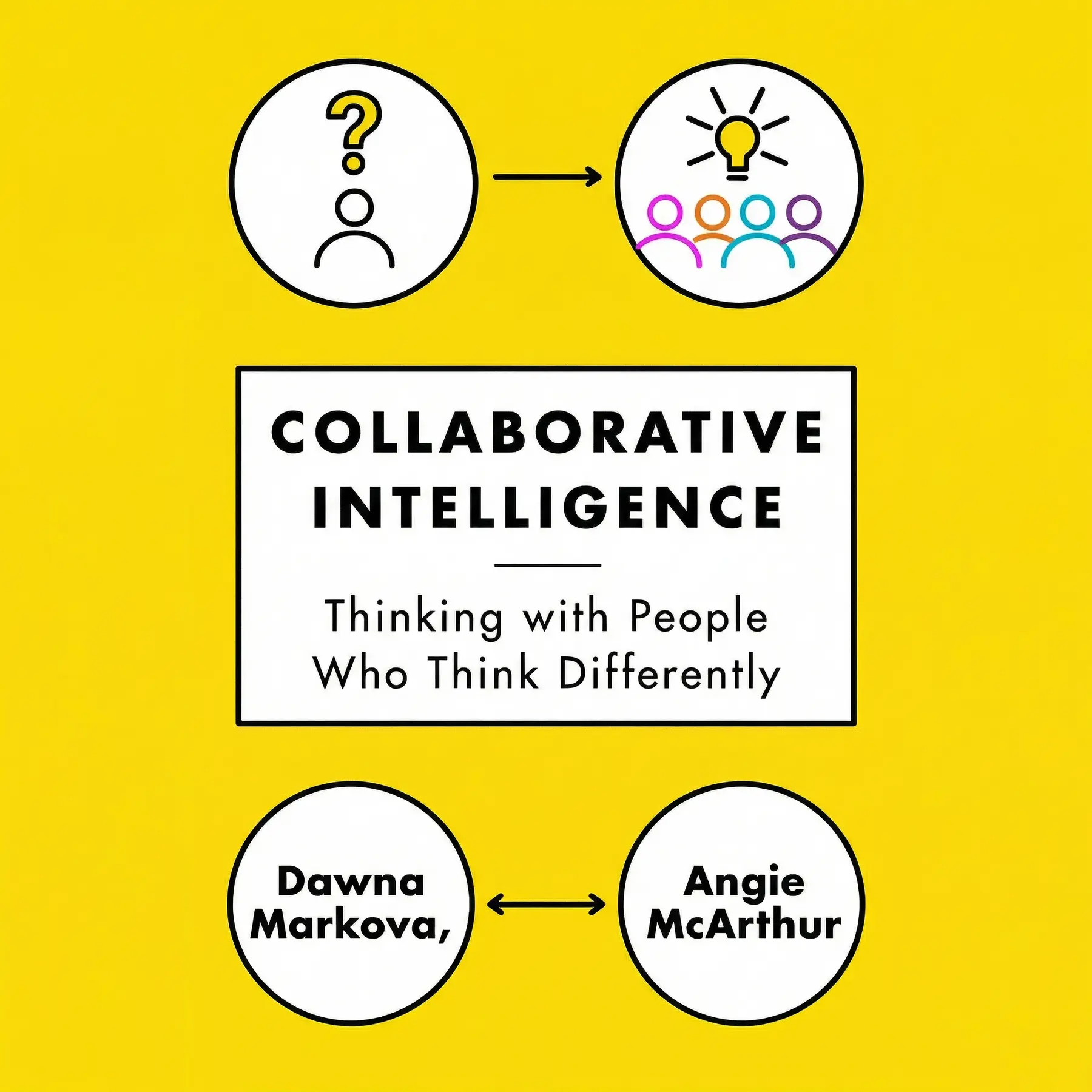
Collaborative Intelligence: Thinking with People Who Think Differently
Discover how to harness diverse thinking styles and empathetic communication to thrive in the modern idea-driven economy. This guide reveals how to transform individual strengths into collective breakthroughs through collaborative intelligence.
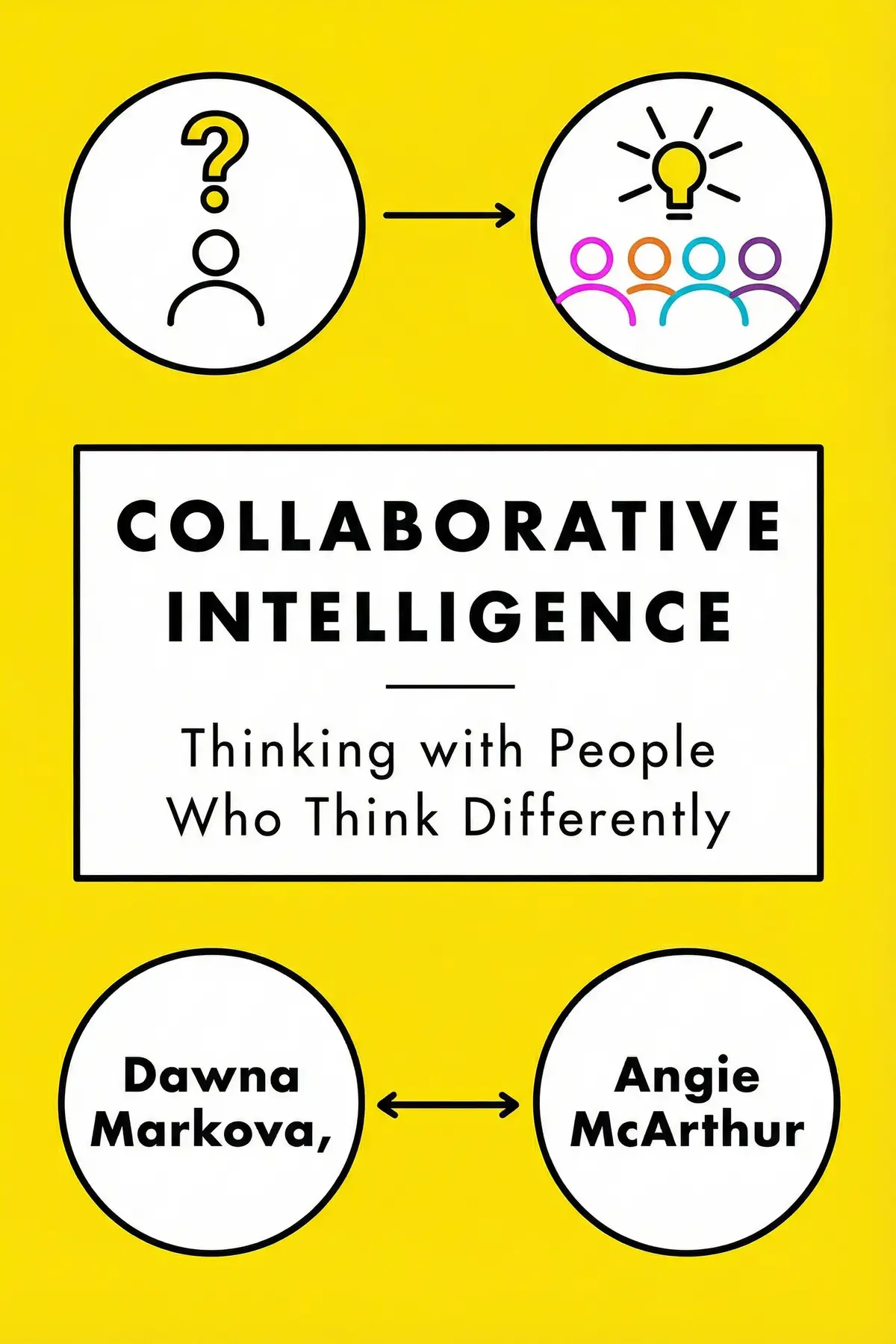
Table of Content
1. Introduction
1 min 41 sec
In a world that is moving faster than ever, the traditional image of the cutthroat workplace—where colleagues fight for status and information is guarded like a secret treasure—is becoming increasingly obsolete. We are witnessing a fundamental transformation in how value is created. We have entered an era where our most precious resource is no longer a physical product or a specific asset, but the spark of a new idea and the relationships required to bring that idea to life. This is the heart of what we call the collaborative economy.
To navigate this shift, you need more than just raw talent or a strong work ethic. You need a specific kind of mental agility known as collaborative intelligence. This isn’t just a buzzword; it’s the practical ability to align your thinking with others, especially those who see the world differently than you do. Most of us have been trained to prize being ‘right’ above all else, often viewing differences of opinion as obstacles to be removed rather than assets to be explored. We’ve spent our lives in systems that reward individual performance and self-sufficiency, yet our biggest modern challenges require us to work in unison.
In this summary of Collaborative Intelligence by Dawna Markova and Angie McArthur, we will explore why we often struggle to communicate in meetings and why even the most brilliant individuals can fail when working in a group. You will learn to identify the invisible patterns that dictate how you and your teammates process information. We’ll break down the three distinct ways our brains pay attention and how to use them effectively. We’ll also look at the ‘mind patterns’ that define our natural strengths and blind spots. By the end of this journey, you’ll have a roadmap for turning friction into fuel, ensuring that your team doesn’t just work together, but actually thinks together.
2. The Shift from Market-Share to Mind-Share
2 min 18 sec
Explore why the old rules of competition are failing and how a new economy based on shared ideas is redefining professional success.
3. Mastering the Three Modes of Attention
2 min 24 sec
Discover why focusing isn’t always the best way to get things done and how to balance different mental states for peak creativity.
4. Decoding Mind Patterns and Perceptual Channels
2 min 15 sec
Learn how your brain’s preference for sights, sounds, or sensations creates unique ‘mind patterns’ that dictate how you learn.
5. Leveraging Cognitive Styles and Thinking Talents
2 min 30 sec
Discover the four quadrants of thinking and how to turn your team’s blind spots into opportunities for synergy.
6. The Power of Inquiry and a Growth Mindset
2 min 20 sec
Transform your communication by mastering the art of the right question and embracing the productivity of uncertainty.
7. Aligning the Group's Attention, Intention, and Imagination
2 min 28 sec
Learn the three-part framework for turning a collection of individuals into a high-performing, unified force.
8. Conclusion
1 min 40 sec
As we have seen, collaborative intelligence is not a soft skill or a luxury; it is the fundamental requirement for thriving in the modern world. The journey begins with the humble realization that none of us sees the whole picture. Our brains are uniquely wired, filtered through different perceptual channels and cognitive styles that give us distinct strengths but also unavoidable blind spots. By moving away from the ‘market-share’ obsession with being right and moving toward a ‘mind-share’ appreciation for being curious, we unlock a level of productivity that individual effort can never match.
Throughout this summary, we’ve explored the three modes of attention and how to balance focus with openness. We’ve looked at the V-A-K perceptual channels and how they form the mind patterns that dictate our working styles. We’ve seen how thinking talents and cognitive quadrants allow us to assign the right people to the right problems. And we’ve learned how to use strategic questioning and collective alignment to turn a group of individuals into a unified, imaginative force.
The most important takeaway is that difference is not a problem to be solved; it is a resource to be harvested. To put these ideas into practice immediately, consider creating a ‘collaboration handbook’ for your current team. Have everyone write a brief guide to their own mind: how they prefer to receive feedback, what mode of attention they thrive in, and what their primary thinking talents are. Share these handbooks openly. By making the invisible patterns of our minds visible, we remove the friction of misunderstanding and replace it with the flow of true collaboration. In the end, the most intelligent way to think is together.
About this book
What is this book about?
The world has shifted from an economy based on tangible assets and individual competition to one fueled by ideas and shared innovation. In this new landscape, success is no longer about being the smartest person in the room; it is about how well you can think with others. Collaborative Intelligence provides a comprehensive framework for understanding the unique ways individuals process information, focus their attention, and approach problems. By exploring the three modes of attention and the various perceptual channels—visual, auditory, and kinesthetic—you will learn to identify your own mind patterns and recognize those of your colleagues. The book also introduces the four quadrants of cognitive styles and the thirty-five distinct thinking talents that shape our professional contributions. Through strategic questioning and the alignment of collective intention, you will discover how to bridge communication gaps and build teams that are greater than the sum of their parts.
Book Information
About the Author
Dawna Markova
Dawna Markova is a celebrated expert in the fields of human learning and psychology, known for her insights into how we perceive and process information. She is also the author of the widely recognized book, Random Acts of Kindness. Angie McArthur is a specialist in communication and diverse learning styles, and serves as the co-founder of Smart Wired. Together, they act as the CEOs of Professional Thinking Partner, a global consultancy dedicated to helping organizations and individuals unlock their collaborative potential and enhance their thinking capacity.
Ratings & Reviews
Ratings at a glance
What people think
Listeners find this work both educational and engaging, with one listener emphasizing its practical, research-grounded method. They also value how it strengthens teamwork and serves as a stellar resource for interacting with clients. Additionally, the writing is clear, with one listener highlighting the included step-by-step worksheets, and listeners consider it stimulating, with one pointing out the 'thinking talents' exercise. However, views on its level of innovation are divided; while some consider it original, others disagree.
Top reviews
Sam
Ever wonder why you click instantly with some colleagues but feel like you're speaking a foreign language with others? This book provides the Rosetta Stone for those office dynamics. By focusing on 'thinking talents' rather than just skill sets, the authors offer an amazing communication tool that helped me reframe my approach to our weekly strategy meetings. The step-by-step worksheets included are incredibly practical. They don't just tell you to collaborate; they show you the mechanics of how different minds can actually lock together. I’ve already noticed a shift in how our team handles creative friction. It is a game-changer for anyone in a high-pressure environment where cognitive diversity is often ignored.
Show moreAroon
This book acts as a detailed, prescriptive handbook for anyone trying to manage a diverse team without losing their mind. I especially appreciated the 'thinking talents' exercise, which helped our group identify where we were doubling up on strengths and where we had massive gaps. It serves as an amazing communication tool, particularly when dealing with difficult clientele who have very specific ways of processing information. The writing is clear and the tone is encouraging, making it easy to read despite the depth of the material. I’ve started using the guiding questions in my one-on-ones, and the response from my direct reports has been overwhelmingly positive. It is a must-read for modern leaders.
Show moreElla
Wow, the way Markova and McArthur break down the mechanics of focus is nothing short of eye-opening. By identifying our natural strengths and even the darker 'shadow' attributes—like how a drive for excellence can morph into never-ending dissatisfaction—we finally get a map for navigating office friction. I listened to the audiobook first but had to buy the physical copy just to have the exercises and worksheets on hand for reference. It’s an amazing communication tool that helped me realize I wasn't 'wrong' in my approach, I was just dominant in a different pattern than my boss. Instead of being frustrated, we now know how to bridge that gap. This is a fascinating book with endless applications for both work and life.
Show moreNaomi
Picked this up on a whim, but the VKA framework—Visual, Kinesthetic, and Auditory—actually explained a lot about my own internal processing that I hadn't quite put into words before. Markova and McArthur have a way of describing these mind patterns that feels freakishly accurate, almost like they’ve been sitting in on my brainstorming sessions. While some parts of the book felt a bit repetitive, the insights into how we focus are genuinely helpful for reducing workplace conflict. It is less about changing who you are and more about understanding the 'how' behind your thoughts. I found the online resources at their website to be a nice supplement to the text, making the concepts easier to apply in real-time.
Show moreBrahim
The step-by-step worksheets in this book are what really set it apart from the sea of other leadership manuals cluttering my desk. As a manager, I often find it difficult to facilitate conversations where every voice feels heard, but the prescriptive nature of this handbook provides a clear path forward. It’s a dense read, for sure. You can't just skim it and expect to gain the full benefit of their 'collaborative intelligence' model. However, if you are willing to put in the work and actually run the exercises with your team, the payoff in clarity is worth the effort. The focus on 'thinking with people who think differently' is exactly what my department needed this quarter.
Show moreIff
After hearing a colleague rave about the 'mind patterns' theory, I finally dove into the text and found the embodied exercises quite fascinating. I particularly loved the Aikido stories sprinkled throughout; they provided a much-needed physical metaphor for the mental shifts the authors are proposing. It’s a fairly dense book that requires you to go back and review the models multiple times to truly grasp the distinctions. Some might find the level of detail overwhelming, but for those of us who like a manual we can study, it’s perfect. It helps you get out of your own way so you can stop butting heads and start actually producing results with your peers. Truly insightful stuff.
Show moreUbolrat
To be fair, I went into this expecting a dry business text, but I ended up learning more about my own cognitive blind spots than I did about management. The descriptions of how we use our attention are remarkably precise. It’s one of those books where the answer seems so apparent once it’s explained that you wonder why you never noticed it before. My only critique is that some of the methodologies seem a bit time-consuming for a fast-paced corporate environment. It takes a dedicated team to actually sit down and work through these frameworks together. Still, the core idea that everyone thinks differently and that’s a strength is a message more people need to hear.
Show moreZoe
Look, the overarching principles in this text range from actually solid to completely banal. While I appreciate the intent to foster a more inclusive workplace, the authors seem so enamored with their own obtuse theory of 'mind patterns' that the practical advice often takes a back seat. You will likely spend more time trying to parse their specific initialisms and pseudoscientific taxonomies than actually improving your team's workflow. To be fair, there are moments of brilliance where the strategies for flexible thinking really shine through the jargon. If you are a fan of personality assessments and enjoy deep-diving into definitions, you will find value here. If you want a quick fix, look elsewhere.
Show moreHom
Not what I expected from a book on collaboration, as it felt more like a rebranding of old-school personality tests than a fresh look at collective intelligence. I have a lot of skepticism toward these types of 'trade-secret' taxonomies that companies use to categorize employees. While there are some interesting takeaways buried in the text, I wonder to what extent teams would actually take the time to follow these complex methodologies at the expense of project deadlines. Most of the 'innovative' ideas here can be found elsewhere in more accessible formats. I trudged through it to the end, but I left feeling like it was more of a marketing tool for their consulting business than a practical guide.
Show moreTim
Frankly, I struggled to get through even a third of this book because it feels entirely unmoored from actual science. The authors present a sprawling list of personality characteristics and preferred thinking styles, yet they never once cite a peer-reviewed study or explain how this list was empirically derived. It reads like a collection of personal anecdotes masquerading as a professional methodology. If you are looking for a research-based approach to organizational culture, you will likely be disappointed by the total lack of transparency regarding their data sources. It is frustrating to read a book that treats commercially-owned proprietary 'intellectual property' as if it were established biological fact. Save your time and find something with actual citations.
Show moreReaders also enjoyed
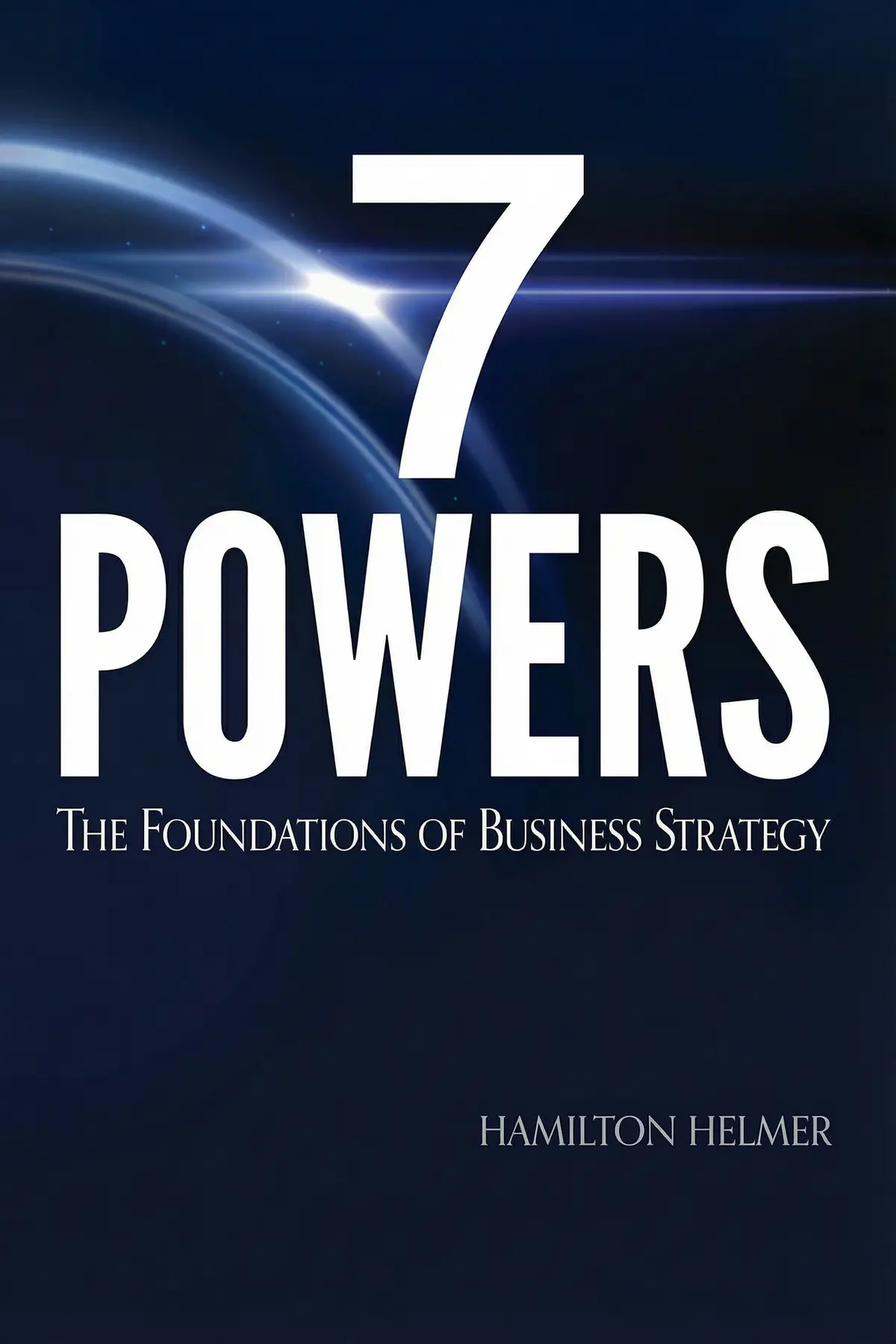
7 Powers: The Foundations of Business Strategy
Hamilton Helmer
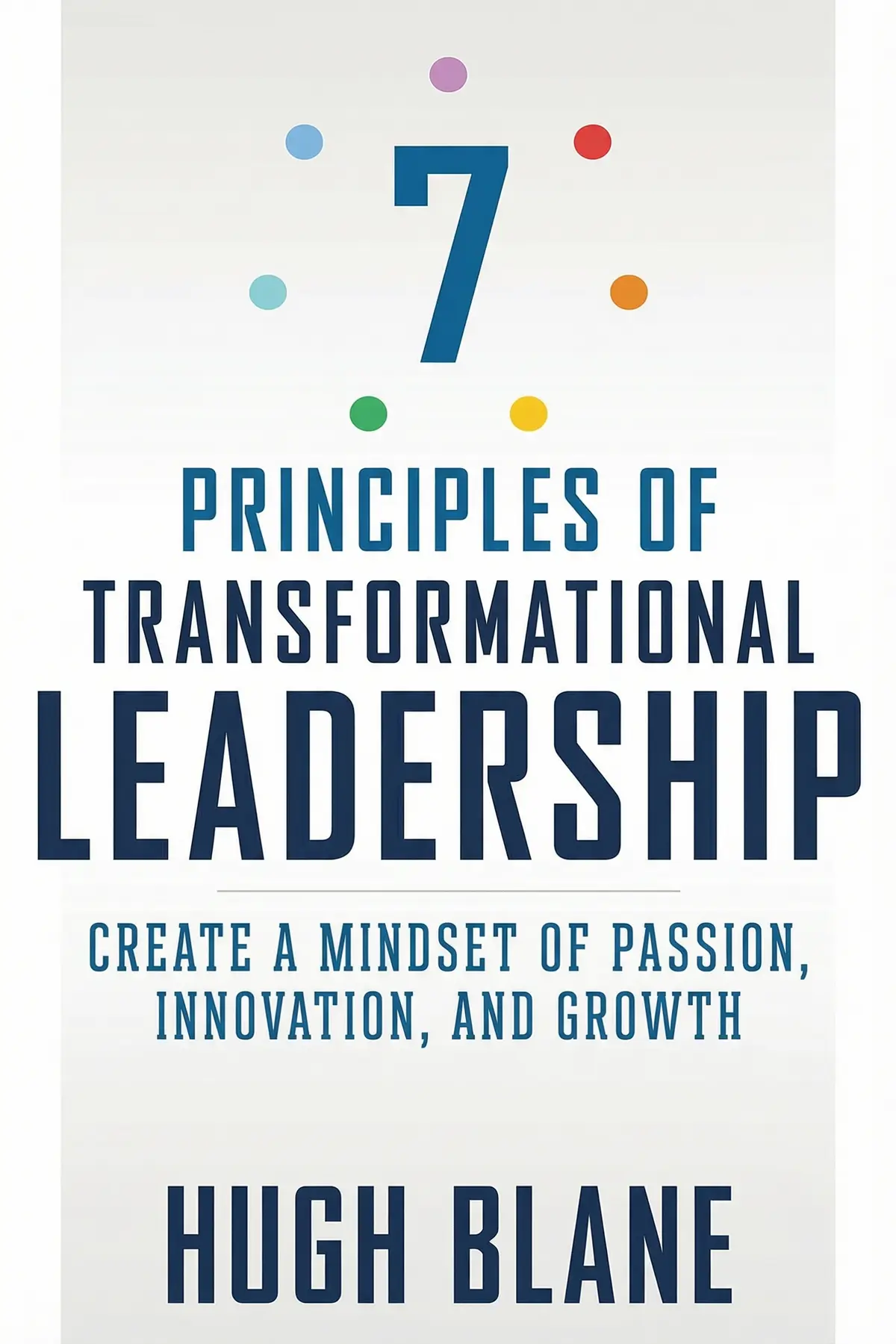

A Bigger Prize: How We Can Do Better Than the Competition
Margaret Heffernan
A Year with Peter Drucker: 52 Weeks of Coaching for Leadership Effectiveness
Joseph A. Maciariello
AUDIO SUMMARY AVAILABLE
Listen to Collaborative Intelligence in 15 minutes
Get the key ideas from Collaborative Intelligence by Dawna Markova, plus 5,000+ more titles in English and Thai.
- 5,000+ titles
- Listen as much as you want
- 7-day free trial
- Cancel anytime







