
18 min 47 sec
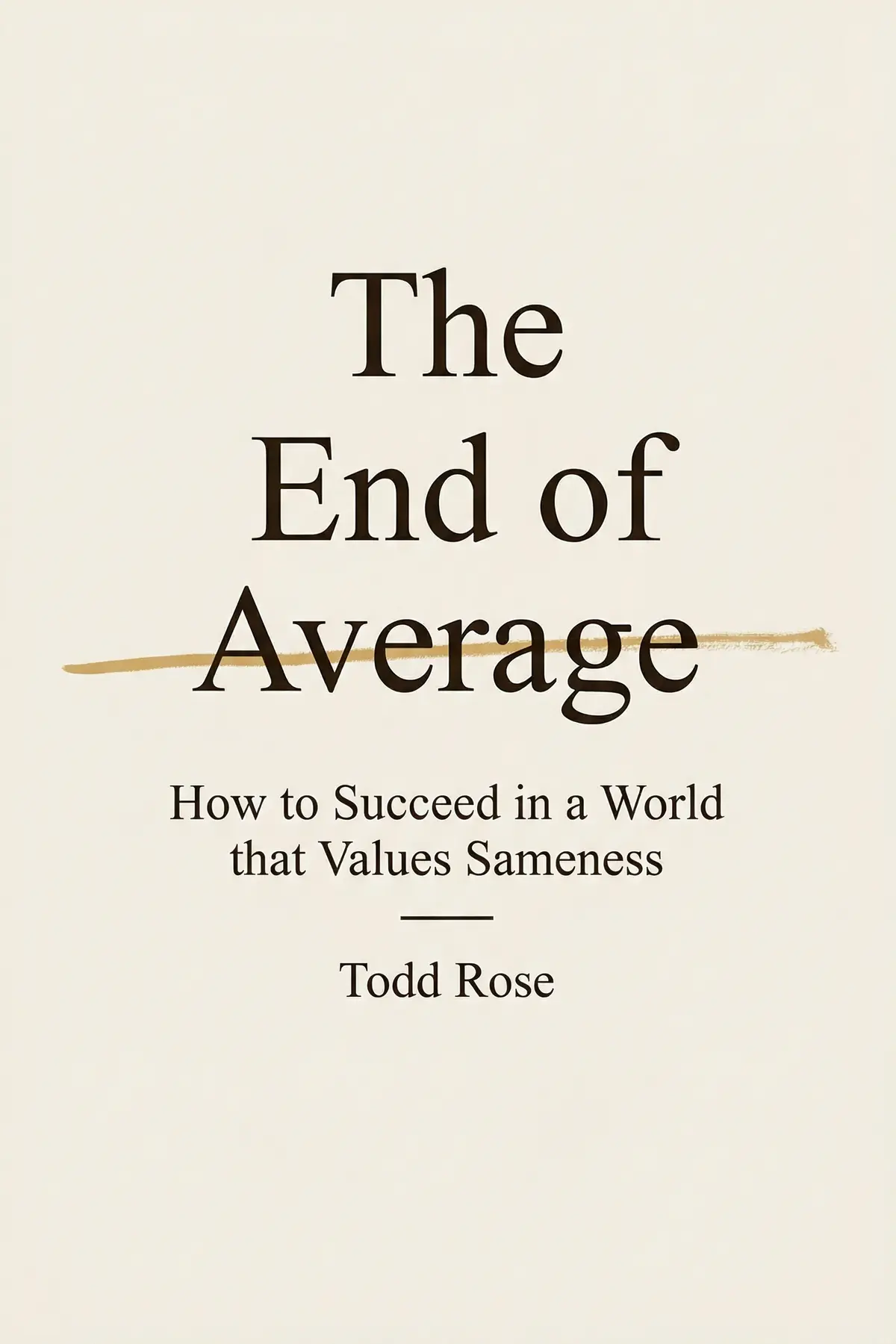
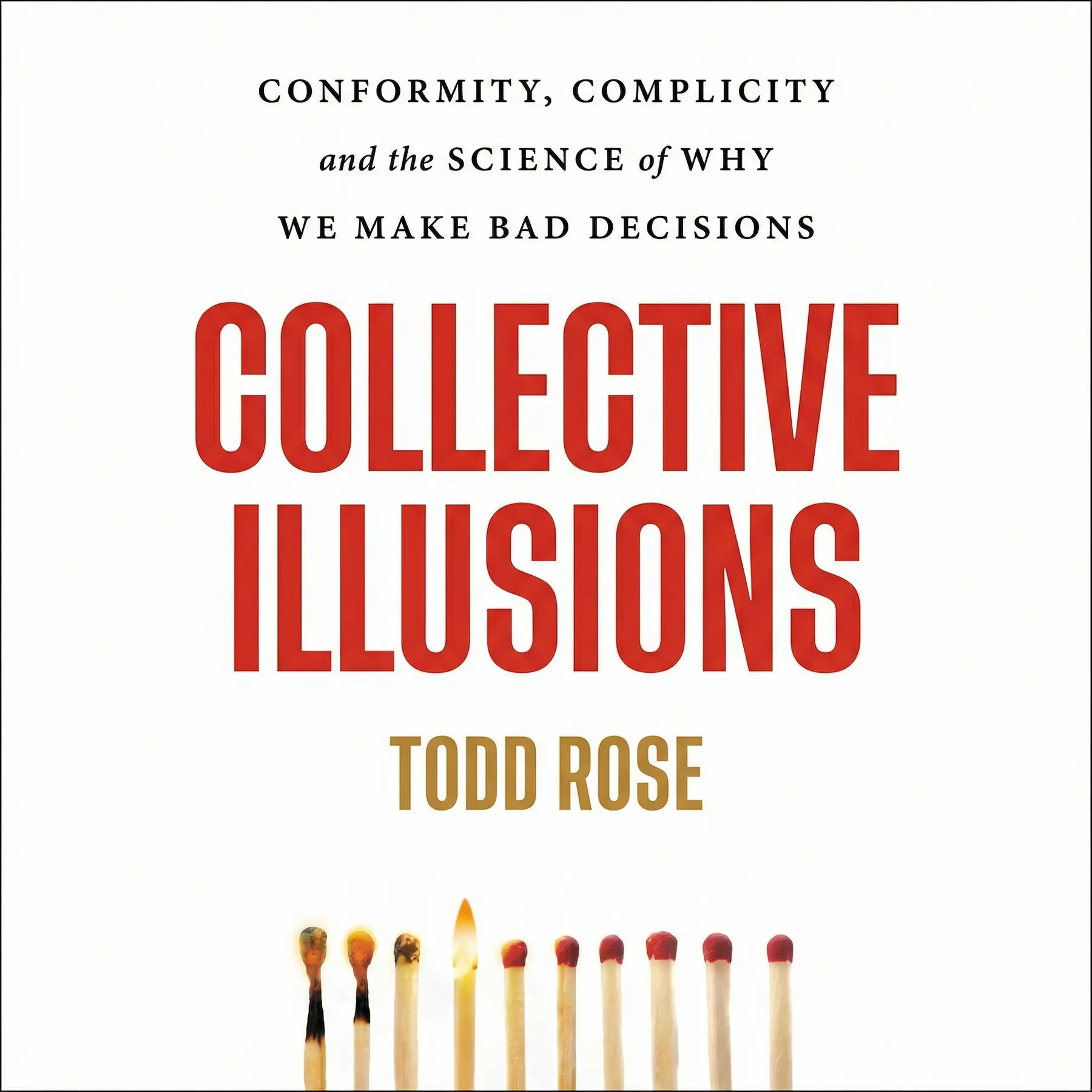
Collective Illusions: Conformity, Complicity, and the Science of Why We Make Bad Decisions
By Todd Rose
Explore how social pressure creates collective illusions, leading us to support ideas we privately reject. Todd Rose reveals the science of conformity and how reclaiming our individuality can transform society.
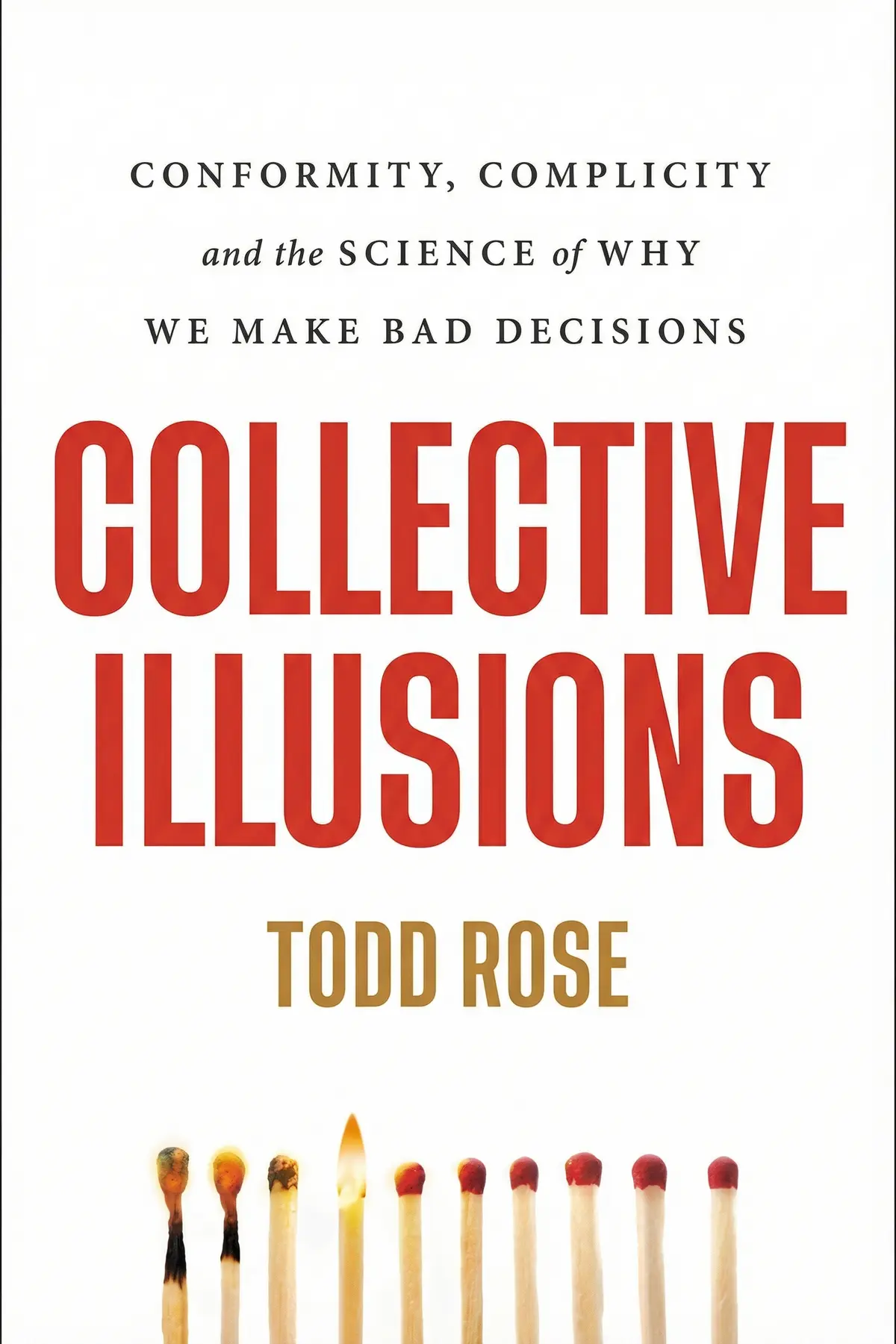
Table of Content
1. Introduction
1 min 38 sec
Imagine standing in a crowded square, watching a parade. Everyone around you is cheering for the leader’s magnificent new outfit, yet all you see is skin. You look to your neighbor, and they are clapping enthusiastically. You look to the person on your left, and they are nodding in awe. Naturally, you begin to doubt your own eyes. Are you the only one who can’t see the clothes? Are you the one who is ignorant or unfit for your position? To avoid embarrassment, you join in. You cheer. You clap. You become part of the collective lie.
This is the essence of a collective illusion. It occurs when a group of people end up following a path that almost none of them actually want, simply because they mistakenly believe that everyone else wants it. We often think of conformity as a simple case of peer pressure, where we give in to what the group desires. But the reality is more complex and far more interesting. We aren’t just giving in to what others think; we are giving in to what we *perceive* they think.
In this summary, we are going to explore the fascinating and sometimes frightening science behind these social traps. We will look at how our brains are biologically wired to keep us in the pack, how modern technology can manufacture a false sense of consensus, and how the simple act of speaking the truth can bring an entire house of cards tumbling down. By the end, you’ll see why being a ‘positive deviant’ is not just about being a rebel—it’s about saving our communities and ourselves from the invisible forces that keep us from living truly congruent lives.
2. The Power of Prestige and the Mirage of Consensus
1 min 59 sec
Discover how our natural tendency to trust those in power can lead an entire society to believe a lie, even when the truth is right in front of them.
3. The Conformity Trap and the Logic of Rejection
1 min 47 sec
Learn why perfectly good resources are often wasted because we value the opinions of the group over our own eyes and objective data.
4. The Biological Rewards and Risks of Belonging
2 min 05 sec
Explore the brain chemistry that makes us crave group approval and why the fear of being cast out feels like physical pain.
5. Neurological Chameleons and the Mimicry Loop
1 min 50 sec
See how mirror neurons cause us to copy the behavior of others automatically, creating a silent pressure to conform.
6. The Digital Mirage and the Rise of Manufactured Groupthink
1 min 50 sec
Investigate how a tiny minority of bots and online voices can manipulate our perception of reality and fuel social division.
7. The Weight of Arbitrary Norms and the Ghost of Management
1 min 57 sec
Uncover why many of our modern work habits and social rules are based on a 100-year-old system of distrust.
8. Living Congruently by Balancing Truth and Connection
1 min 57 sec
Learn the secret to staying true to yourself while remaining a valued member of your community through ‘attitude’ and ‘content.’
9. Radical Trust and the Power of Positive Deviance
2 min 00 sec
See how small acts of honesty and trust can trigger a massive shift in society, from reforming prisons to returning lost wallets.
10. Conclusion
1 min 44 sec
We’ve traveled a long way from the emperor’s parade to the modern-day workplace, and the takeaway is clear: we are far more influenced by what we *think* others believe than by what they actually do. This gap between perception and reality is the breeding ground for collective illusions. Our biology, designed for a much simpler time, often tricks us into trading our integrity for a false sense of safety. We stay silent to avoid the sting of ostracism, only to find ourselves living in a world that doesn’t reflect our true values.
But as we’ve seen, the solution is surprisingly simple, even if it isn’t always easy. To break a collective illusion, all it takes is the courage to be congruent. It starts with the realization that you are probably not the only one who feels the way you do. When you speak your truth, you aren’t just expressing an opinion; you are providing a ‘social exit’ for everyone else who has been suffering in silence. You are clearing the air and allowing others to breathe.
The next time you find yourself in a situation where the ‘group consensus’ feels wrong, remember the kidney transplant list, remember the lost wallets, and remember the boy in the crowd. Your dissent is a gift to the group, not a threat. By choosing to live authentically and extending radical trust to those around you, you become a catalyst for a more honest and flourishing society. You don’t have to be a loud-mouthed rebel; you just have to be yourself. In a world of illusions, the most radical thing you can do is simply tell the truth as you see it. Break the silence, trust your fellow human, and let the illusions crumble.
About this book
What is this book about?
Have you ever agreed with a group even though you knew they were wrong? In Collective Illusions, Todd Rose explains that this isn't just a personal failing—it is a widespread social phenomenon where most members of a group privately reject a norm but publicly support it because they believe everyone else accepts it. This book dives deep into the neurobiology of why we conform, showing how our brains are wired for belonging and how that ancient drive can be hijacked by modern social structures and digital landscapes. The promise of this work is a path toward more authentic living. By understanding the mechanics of prestige bias, copycat reasoning, and the way our brains process the fear of ostracism, we can begin to break the cycle of complicity. Rose illustrates how small acts of dissent and a renewed focus on radical trust can dismantle these destructive illusions. It is a guide for anyone looking to bridge the gap between their private beliefs and their public actions to build a more honest, flourishing world.
Book Information
About the Author
Todd Rose
Todd Rose is a former Harvard professor, best-selling author, and founder of Populace, a bipartisan think tank that studies individuality and seeks to create a world where everyone can thrive.
Ratings & Reviews
Ratings at a glance
What people think
Listeners describe this work as thought-provoking, especially enjoying the inclusion of excellent social psychological experiments and the well-written prose. Furthermore, the content is deeply researched, as one listener points out the remarkable collection of sources, and listeners appreciate the practical advice provided. The way the story is told also gets high marks, with one review emphasizing the effective blend of scientific data and personal anecdotes. On the other hand, the book’s credibility draws varied responses from listeners.
Top reviews
Takeshi
Picked this up after hearing Rose on a podcast and I was immediately hooked by his take on group psychology. The way he breaks down our 'social brain' and how it betrays our own values just to fit in is eye-opening. I particularly loved the section on how we misread the majority, like his example of the Civil Rights era where private opinions didn't match public silence. It’s a very thought-provoking book that blends high-level neuroscience with an easy, storytelling style that doesn't feel like a textbook. While some might say the advice on being more sincere and trusting is common sense, seeing the data behind why we fail to do those things makes all the difference. Not gonna lie, I feel much more aware of my own 'tribal' tendencies now. This is a must-read for anyone trying to understand the current state of our fractured society.
Show moreNina
As someone who grew up in a low-income household, the later chapters of this book really hit home for me. Rose’s discussion on how we treat poor citizens and the illusions we hold about poverty was incredibly moving and felt deeply personal. The book starts out making you feel a bit nihilistic about our flaws, but it ends on such a hopeful note about the power of collective change. I read a ton of books on group psychology, and this is easily one of the most thought-provoking ones I've come across in years. The research is top-notch, and the writing is clear enough for a casual reader while remaining intellectually rigorous. I’ve already recommended this to several colleagues because it completely changed how I view 'the crowd.' It is a phenomenal look at how we can rebuild trust in a mistrustful world.
Show moreSkylar
It is absolutely wild to think that a majority of people might actually disagree with a social norm but go along with it simply because they assume everyone else supports it. This book shattered so many of my assumptions about public opinion. Rose uses brilliant examples, from the history of Taylorism to modern-day social media trends, to show how we are trapped by these 'illusions.' The research feels incredibly robust, and the author does a great job of explaining the brain's role in all of this. I found the advice on cultivating sincerity particularly powerful in an age where everyone is just performing for an audience. This isn't just a book about psychology; it’s a call to action to be more authentic. I’m honestly surprised by how much this changed my daily interactions. Truly a must-read for the modern era.
Show moreSamira
I was impressed by the sheer volume of sources cited in this work, making it feel like a very credible and serious contribution to the field. Rose has a gift for taking complex ideas about neuroscience and making them feel like a conversation over coffee. The chapter on how our brains are 'badly flawed' when it comes to independent thinking was particularly striking. It helps explain so much of the current unhappiness and mistrust we see in the world today. I received an ARC of this book and was so impressed that I bought a physical copy for my shelf. The actionable advice on building trust and being willing to question the status quo is something everyone needs to hear right now. It is enlightening, entertaining, and ultimately very necessary for our personal and collective growth.
Show moreNatalie
Ever wonder why everyone rushed to buy toilet paper in 2020 even when there wasn't a real shortage? Collective Illusions finally explains that debacle and so many other strange group behaviors through the lens of social psychology. The book is thoroughly researched, citing an impressive array of sources ranging from neuroscience to historical records. Rose has a way of making complex cognitive biases feel accessible and even fun to learn about. I appreciated the actionable advice in the final chapters, particularly the emphasis on asking 'Why?' and diversifying our social circles to break out of echo chambers. My only gripe is that the middle section felt a bit repetitive, and some of the conclusions about individual action felt a bit overly optimistic given the scale of the problems. Still, it’s a remarkably well-written guide to understanding why we do what we do.
Show moreArm
Todd Rose manages to take dense neuroscience and turn it into something genuinely digestible for the average reader. To be fair, if you’ve read a lot of Gladwell or Grant, some of these concepts will feel familiar, but the 'collective illusion' framework provides a fresh angle. The book is at its best when it uses specific social psychological experiments to show how we systematically misjudge what others think. I found the narrative style very engaging, especially how he weaves in personal stories to humanize the data. It’s one of those books that you can move through quickly without getting bogged down in academic jargon. I did find his political blinders a bit distracting in a few chapters, but the core message about the dangers of conformity is too important to ignore. It’s a spoonful of sugar for some very bitter social medicine.
Show moreNing
The historical deep dive into Frederick Taylor was particularly illuminating, even if the author’s conclusions about individual action felt a bit optimistic at times. I picked this up because I wanted to understand why society feels so polarized when most people actually want the same things. Rose argues that we are living in a giant misunderstanding fueled by our fear of being social outcasts. While I think he avoids naming some of the bigger systemic culprits like capitalism, his focus on the psychological mechanisms of conformity is fascinating. The book is filled with great social psychological experiments that keep the pace moving. Look, it’s not a perfect social critique, but it provides a very necessary piece of the puzzle regarding human nature. It’s definitely worth your time if you're interested in why our social institutions are failing us.
Show moreSarocha
Finally got around to finishing this, and I’m walking away with a lot to think about regarding how I conform to my own 'tribe.' Rose does a great job highlighting how these collective illusions harm us as individuals. The writing style is very engaging—he avoids the dry, academic tone you might expect from someone with his credentials. I particularly liked the section on the 'wisdom of crowds' and how it can easily turn into the 'madness of crowds.' While some of his political takes felt a bit biased, the core research into how we misperceive the majority is solid. It’s a very thought-provoking read that I’d recommend to anyone who feels like the world is going crazy. It might just be that we’re all just misreading each other. Definitely worth a read for the perspective shift alone.
Show moreLena
The truth is, if you’ve spent any time reading about cognitive biases or social psychology, you might find some of this redundant. Collective Illusions is a fast, easy read that serves as a great introductory text, but it’s more of an accessible overview than a deep dive into new territory. Rose explains how we often quietly disagree with a group while publicly conforming, which is an interesting idea but one that's been around for a long time. The 'fresh packaging' and contemporary examples, like the 2020 pandemic behaviors, are what keep it relevant. It’s an enjoyable enough book, and I liked the author's voice, but I was hoping for more groundbreaking insights rather than a recap of established psychological principles. It's a solid 3-star read: good for beginners, but maybe too basic for enthusiasts of the genre.
Show moreEleanor
This reads more like a manifesto for maintaining the status quo than a serious sociological critique. Rose points out massive systemic failures in the US but then suggests we can fix them through individual sincerity? That is frankly delusional. He blames a single historical figure, Frederick Taylor, for our obsession with efficiency while completely ignoring the roles of capitalism and structural racism. He even takes odd swipes at communism while praising corporate growth as the ultimate success metric. I found the premise frustrating because it implies that if we just 'speak up,' everything will magically resolve, ignoring the fact that many people benefit from and actively enforce these 'illusions.' It’s a self-help book disguised as social science, and the lack of systemic solutions made it a disappointing read for me. If you want a deep dive into the 'why' of our current crisis, look elsewhere.
Show moreFeatured in
Readers also enjoyed
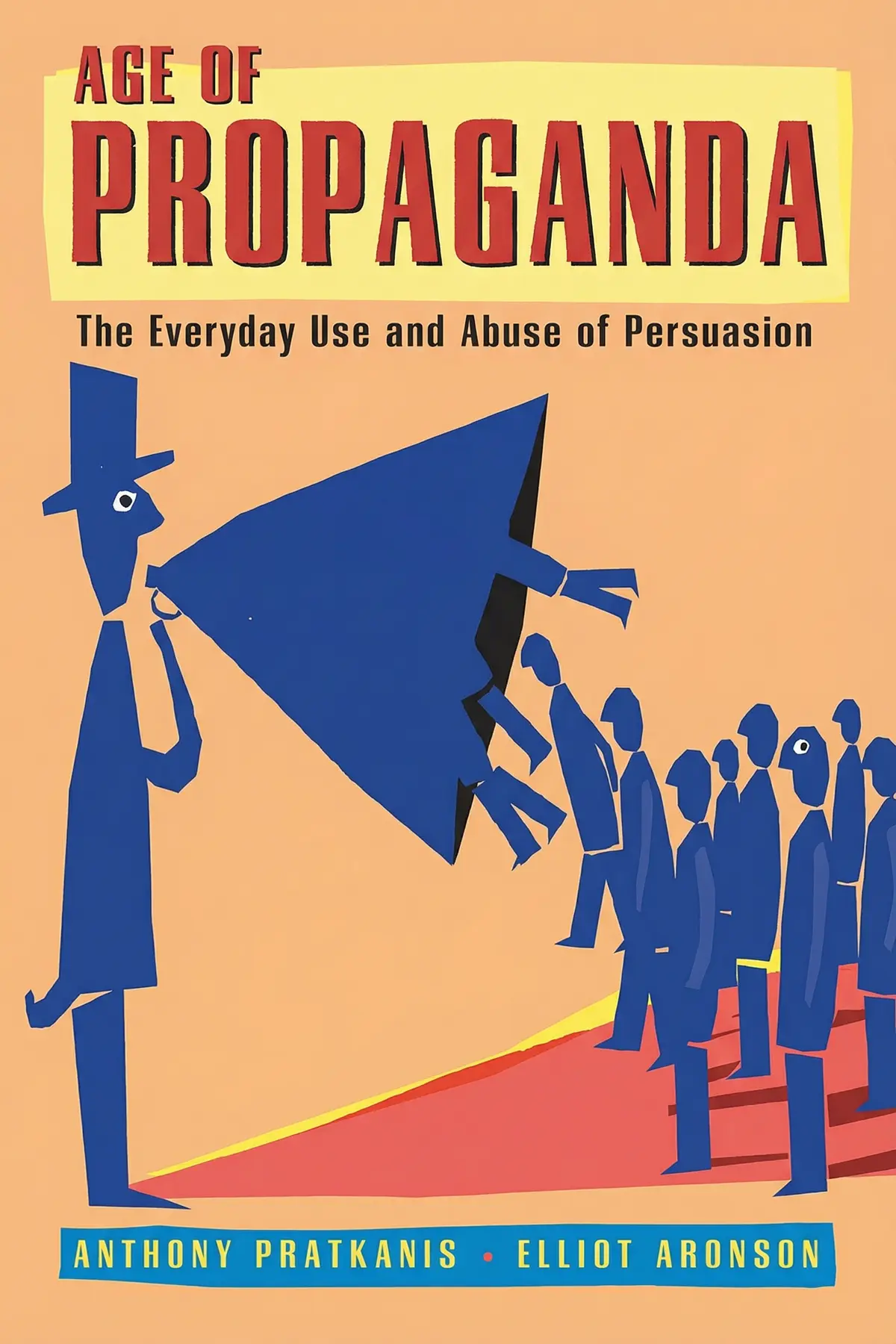
Age of Propaganda: The Everyday Use and Abuse of Persuasion
Anthony Pratkanis
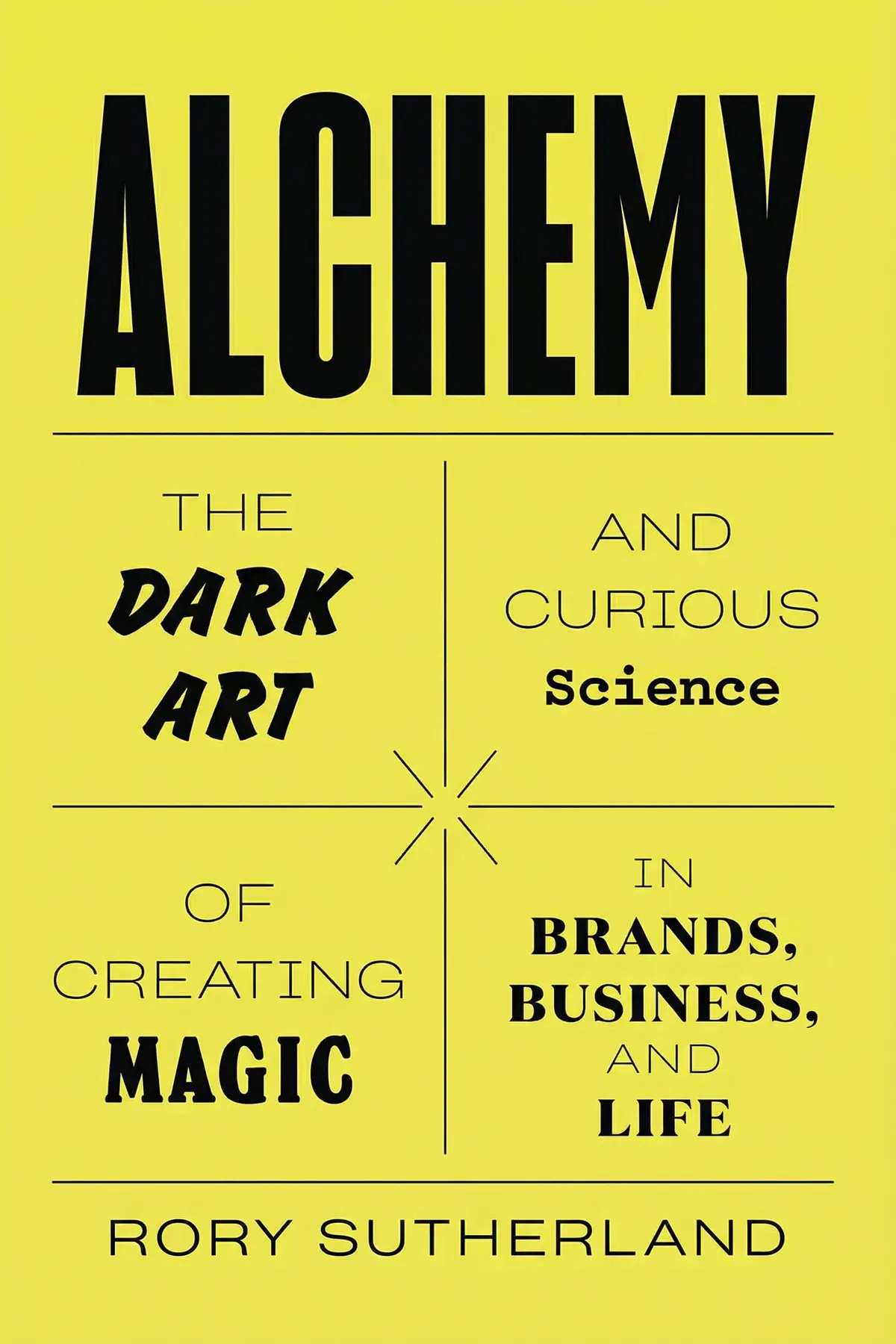
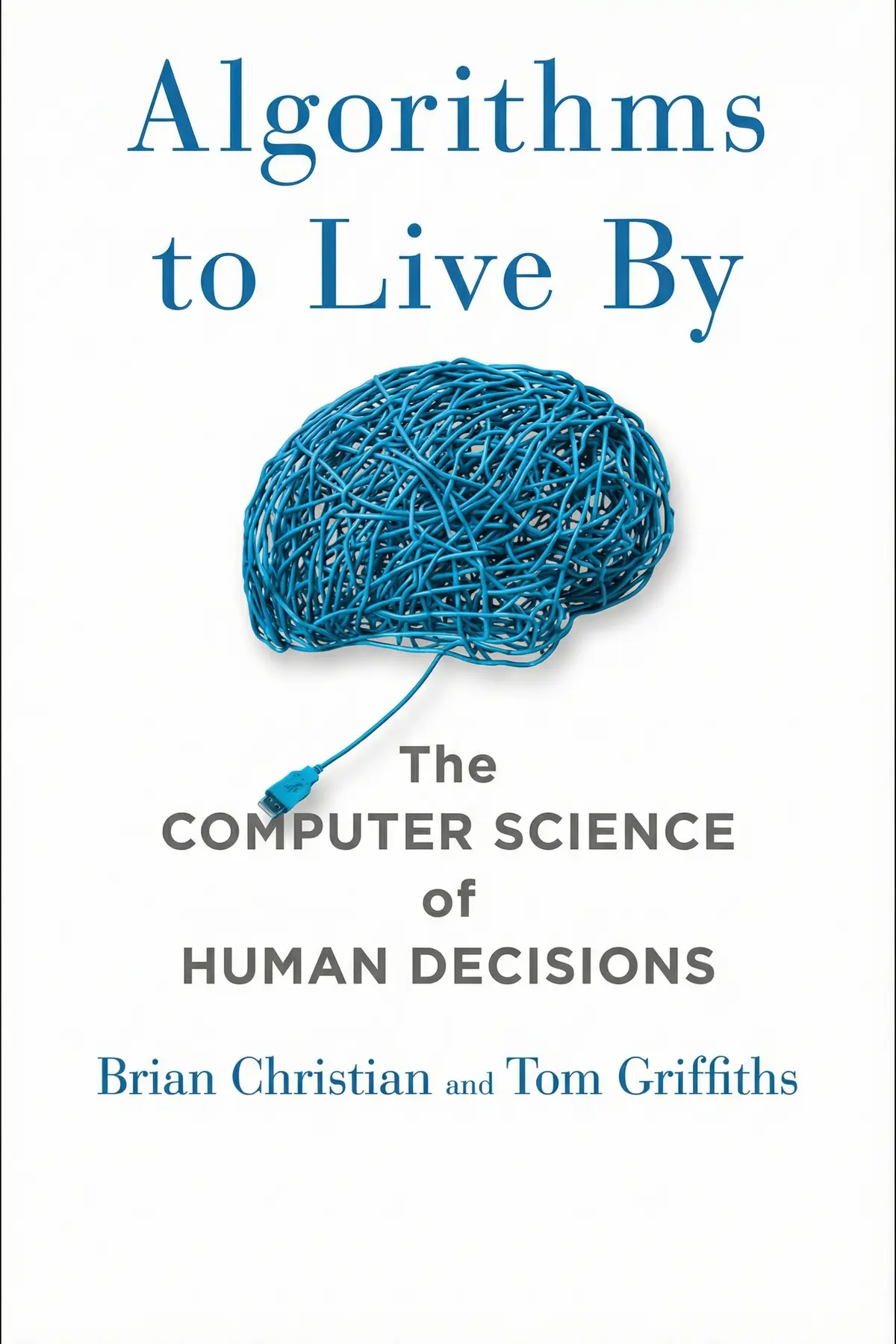
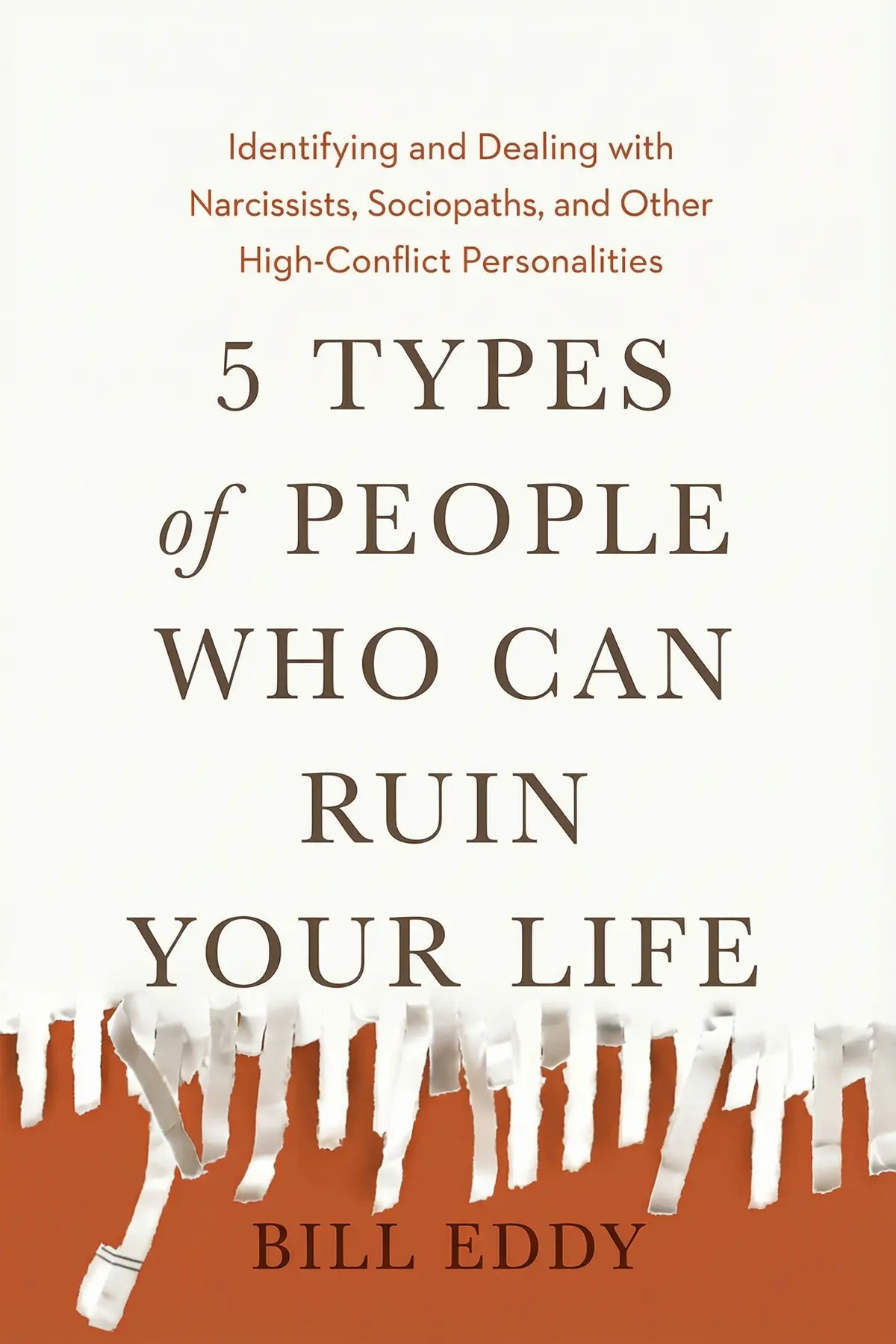
59 Seconds: Change Your Life in Under a Minute
Richard Wiseman
A Liberated Mind: How to Pivot Toward What Matters
Steven C. Hayes
AUDIO SUMMARY AVAILABLE
Listen to Collective Illusions in 15 minutes
Get the key ideas from Collective Illusions by Todd Rose, plus 5,000+ more titles in English and Thai.
- 5,000+ titles
- Listen as much as you want
- 7-day free trial
- Cancel anytime







