

21 min 32 sec
Communicate with Mastery: Speak With Conviction and Write for Impact
Communicate with Mastery offers a strategic roadmap for high-stakes communication. Learn to navigate public speaking, persuasive writing, and leadership presence by focusing on audience needs, storytelling, and authentic connection.
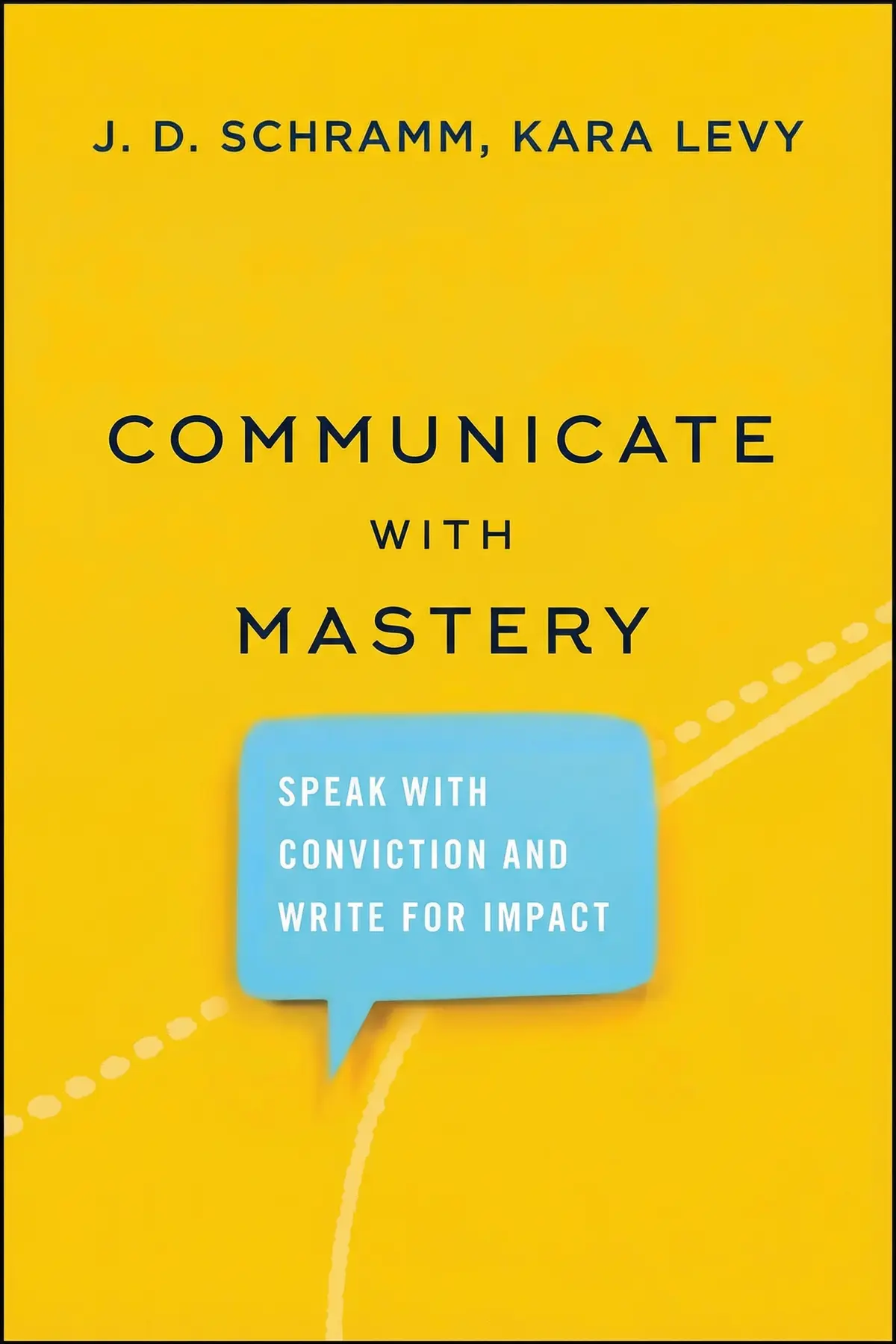
Table of Content
1. Introduction
1 min 27 sec
Communication is often described as a ‘soft skill,’ but in the world of high-stakes leadership, it is arguably the hardest skill to master. Whether you are a CEO articulating a long-term vision, an entrepreneur seeking investment, or a manager providing critical feedback, your ability to move others through your words is what defines your impact. Many people approach communication as a series of chores—emails to be answered, speeches to be written, meetings to be survived. However, true mastery requires a fundamental shift in perspective. It requires moving away from what you want to say and focusing entirely on what your audience needs to hear.
In this exploration of Communicate with Mastery by J. D. Schramm and Kara Levy, we will dive into a systematic framework designed to elevate your influence. We will look at how to strip away the clutter of business-speak to find clarity, how to harness the energy of performance anxiety to fuel your delivery, and how to use the ancient art of storytelling to make modern data resonate. This isn’t just about polishing your vocabulary; it is about strategic empathy. It is about understanding the psychological landscape of your listeners so that you can guide them toward a shared objective. Throughout this summary, we will follow a throughline of intentionality: the idea that every word spoken and every sentence written should serve a specific, well-defined purpose. By the end, you will have a toolkit for transforming your communication from a routine task into a powerful instrument for change.
2. The Strategic Importance of Audience Analysis
2 min 16 sec
Before you even think about your words, you must understand who is receiving them. Learn why the AIM framework is the secret to making an impact.
3. Harnessing Anxiety for Greater Presence
2 min 16 sec
Anxiety doesn’t have to be a barrier to public speaking. Discover how to reframe your nerves into a source of energy and confidence.
4. The ABCs of Impactful Writing
2 min 01 sec
Business writing doesn’t have to be dull or dense. Master the three pillars that ensure your message is read and understood.
5. Structuring the Perfect Business Pitch
2 min 11 sec
Pitching a new idea requires more than just enthusiasm. Learn the four-step structure that convinces investors and partners to say yes.
6. The Power of the Narrative Arc
2 min 20 sec
Data informs, but stories move. Discover how to use storytelling to make your professional messages unforgettable.
7. Mastering the Art of the Q&A
2 min 19 sec
The presentation doesn’t end when the slides stop. Learn how to handle questions with grace and turn challenges into opportunities.
8. Identity and Presence in Communication
2 min 35 sec
Your unique background is an asset, not a liability. Learn how to lean into your identity to build a more authentic leadership presence.
9. The Role of Coaching in Professional Growth
2 min 19 sec
Even the most skilled communicators have room to grow. Learn how to find and work with a coach to sharpen your impact.
10. Conclusion
1 min 48 sec
The journey toward communication mastery is not about reaching a final destination where you never stumble or feel anxious again. Instead, it is about developing a deep, strategic awareness of how you connect with others. We have explored the foundational importance of the AIM framework—analyzing your audience, defining your intent, and choosing the right message. We have seen how the physical energy of anxiety can be transformed into a powerful presence through reframing and body language. We have learned the ABCs of writing—Active, Brief, and Clear—and the four-step structure of a winning pitch.
At the heart of all these techniques is a single throughline: intentionality. A master communicator does nothing by accident. Every story told, every pause taken during a Q&A, and every power verb chosen in an email is a deliberate choice made to move an audience toward a specific outcome. By embracing your unique identity and seeking out the feedback of coaches and mentors, you can refine these skills over a lifetime.
As you move forward, remember this actionable piece of advice: become a ruthless editor of your own work. Do not expect your first draft of anything—be it a speech or a memo—to be perfect. Use that first draft to simply get your ideas down. Then, step away. When you return, read your work out loud. Your ears will often catch the awkward phrasing, the overlong sentences, and the repeated words that your eyes missed. By listening to your own voice, you can ensure that when others hear or read you, your message is as clear and impactful as possible. Masterful communication is within your reach; it simply requires the discipline to look outward at your audience as much as you look inward at your intent.
About this book
What is this book about?
Have you ever delivered a presentation that fell flat, or sent an email that was completely misunderstood? Communicate with Mastery addresses these common professional hurdles by reframing communication as a strategic discipline rather than a soft skill. Written by experts J. D. Schramm and Kara Levy, the book provides a comprehensive toolkit for anyone looking to increase their influence, from startup founders pitching for capital to corporate leaders guiding their teams through change. The core promise of the book is that mastery is accessible to anyone willing to apply a structured approach. It breaks down the complexities of human interaction into manageable components: analyzing your audience, managing the physical symptoms of anxiety, and structuring messages for maximum clarity. By exploring the nuances of verbal, vocal, and visual communication, the authors show how to align your internal intent with your external delivery, ensuring your message isn't just heard, but acted upon.
Book Information
About the Author
J. D. Schramm
J. D. Schramm founded the Mastery in Communication Initiative at Stanford Graduate School of Business where he’s a lecturer in organizational behavior. He also serves as the inaugural director of the King Global Leadership Program for the Knight-Hennessy Scholars at Stanford University. Kara Levy is an executive communication and leadership coach based in the San Francisco Bay Area. She began her coaching career at the Stanford Graduate School of Business, where she was an early member of the Mastery in Communication Initiative.
Ratings & Reviews
Ratings at a glance
What people think
Listeners find the book filled with practical insights and highly effective at sharpening communication abilities. They view it as an excellent resource, with one listener highlighting it as essential for those in leadership roles.
Top reviews
Watcharaporn
Truth is, I wasn't expecting to find so many gems in what I thought would be another standard business guide. The chapter on managing anxiety by reframing 'nervousness' as 'excitement' was a total game-changer for my stage fright. I also appreciated the very specific visual cues, like holding eye contact for a full thought and avoiding 'T-rex arms' by keeping gestures away from the elbows. Schramm and Levy do a great job of explaining the importance of the message your audience actually retells. It is an ongoing practice, and this book serves as a perfect coach for those willing to put in the work to improve their habits. I have already recommended it to several colleagues who want to level up their presence.
Show moreAisha
Even after years of professional speaking, I found myself taking pages of notes on the nuances of delivery and structure. The suggestion to never close with a summary but instead with a synthesis of highlights is something I will use forever. I loved the practical drill of watching a recording of yourself four different times with different focus areas like vocal variety and body language. It’s painful to do, but the book explains exactly how to turn that uncomfortable critique into measurable growth. This isn't just a book you read once; it’s a manual for anyone who wants to be taken seriously in a high-pressure corporate environment. Simply excellent work by Schramm and Levy.
Show moreMai
Ever wonder why some speakers just click while others fall flat? This book breaks down that 'magic' into repeatable systems that anyone can learn if they are disciplined enough to practice. From the KISS principle for slides to the specific 'no laser pointers' rule, no detail is too small for the authors. I found the section on coaching others to be particularly insightful, emphasizing that we should ask guiding questions rather than just editing a mentee’s work for them. It creates a culture of mastery rather than just one-off successes in the office. If you want to move people to act, think, or feel differently, the strategies here are your best bet. A must-read for my whole leadership team.
Show moreBook
Schramm delivers a solid toolkit here that I have already started applying to my weekly team emails. Look, writing for impact is much harder than it sounds, but the ABCs (Active, Brief, Clear) provide a straightforward checklist that actually works. I particularly liked the section on soliciting early feedback from 'devil’s advocates' to find holes in your logic before you go public. The book acknowledges that perfection is an unattainable goal, which is a refreshing take in a genre full of 'secrets to success.' My only minor gripe is that some of the visual slide advice felt a bit dated for a modern tech environment. Regardless, the core principles of audience research are worth the price of admission alone.
Show moreNim
The frameworks provided in these pages are actually actionable for once, which is a rarity in business literature. I have read dozens of these books, but the CUE model for pitching—taking an audience from curiosity to evangelism—gave me a new way to look at my deck. Instead of just dumping data, the authors encourage us to chart a meaningful change through our stories. The specific tips on vocal variety, like slowing down to add weight to a point, were immediately useful in my last client meeting. It is a dense read at points, but if you look past the filler, the core methodology is incredibly robust for any working professional. It definitely helps you think about the 'secondary audience' who hears your message later.
Show moreSamroeng
Leaders who struggle to get their point across need to pick this up immediately, even if they think they are already experts. After hearing so much about the Stanford curriculum, I was curious to see if the book lived up to the hype. It mostly does, providing a clear roadmap for everything from board presentations to one-on-one coaching sessions. I was especially struck by the advice on synthesis versus summary when closing a talk. It is a perceptive look at how communication ripples through an organization over time. While it is a bit repetitive in the middle, the takeaways regarding ‘Why you?’ and credibility are worth the slog. This book will help you move people to act, not just listen.
Show moreEmily
Finally got around to finishing this one, and I am left with mixed feelings about the final product. On one hand, the AIM model (Audience, Intent, Message) is a fantastic starting point for any project. However, the book struggles with the very thing it tries to teach: concise storytelling. There are moments of brilliance buried under a mountain of repetitive references that make it feel like a Stanford marketing brochure. It is a decent introduction for a novice, but if you have read any other modern business communication books, you might find this redundant. It’s a middle-of-the-road resource that provides a few solid templates for your desk without revolutionizing the field. Not bad, just not essential.
Show moreParichat
As someone who used this as a text for a graduate course, I think it serves as a competent introductory manual. The early chapters are particularly strong, offering a deep look into the tools necessary for high-stakes interactions. I found the incorporation of Radical Candor to be a highlight, especially regarding the balance between personal care and direct challenge. Still, the tone can be a bit dry at times, and the focus on public speaking over written communication felt slightly unbalanced to me. It is a good reference to keep on the shelf for specific frameworks, even if you don't find every single personal story particularly relevant. It works well as a classroom tool but might feel a bit slow for a casual reader.
Show moreBond
Is the title of this book even remotely accurate for the content provided? While the authors claim to cover the broad spectrum of communication, they spend an overwhelming amount of time on how to present on a stage. Frankly, I felt it was geared almost entirely toward students rather than seasoned professionals looking for nuanced leadership insights. The advice often veers into common sense territory—telling us to be clear and brief isn't exactly groundbreaking in this day and age. I appreciated the effort to include advice for different groups, but the execution felt generic and didn't offer the specific 'how-to' I really needed. I finished the last page feeling like my skills hadn't actually progressed at all. It is just too basic for anyone already in a management role.
Show moreMarasri
This felt like a total missed opportunity for me personally. To be fair, Schramm clearly knows his subject matter, but the ratio of actual insight to personal anecdotes from his time at Stanford is way off. I was looking for a deep dive into communication theory, yet I ended up with dozens of stories that didn't really go anywhere significant. If you spend twenty minutes on a search engine looking for presentation tips, you will find almost everything here without the unnecessary fluff. The AIM model is briefly mentioned, but the surrounding text is just a massive knowledge dump that lacks the very focus it preaches. It is disappointing because the title promised mastery, but the delivery felt like a collection of recycled blog posts. I wanted more substance and fewer 'GSB' name-drops.
Show moreFeatured in
Readers also enjoyed

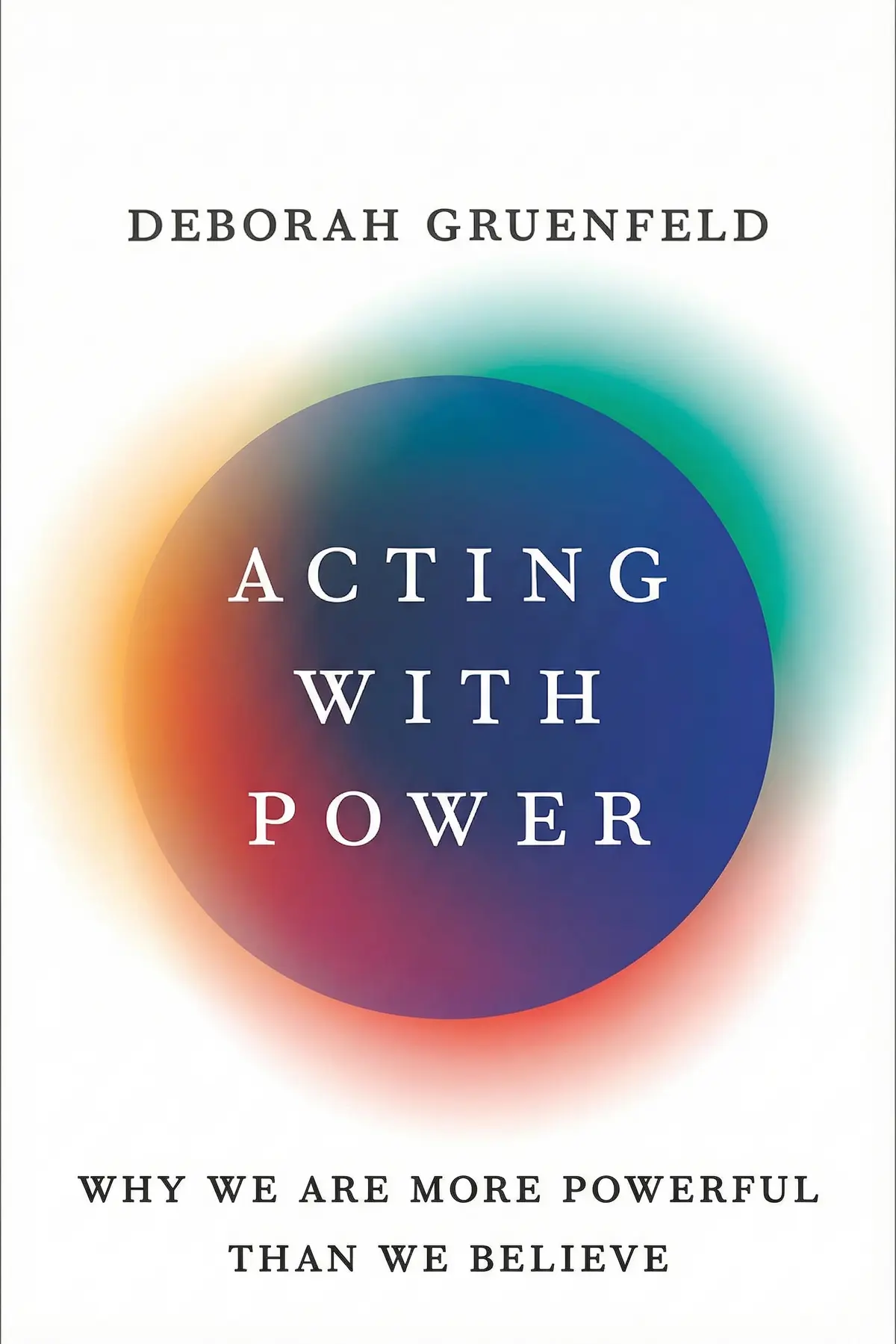
Acting with Power: Why We Are More Powerful Than We Believe
Deborah Gruenfeld
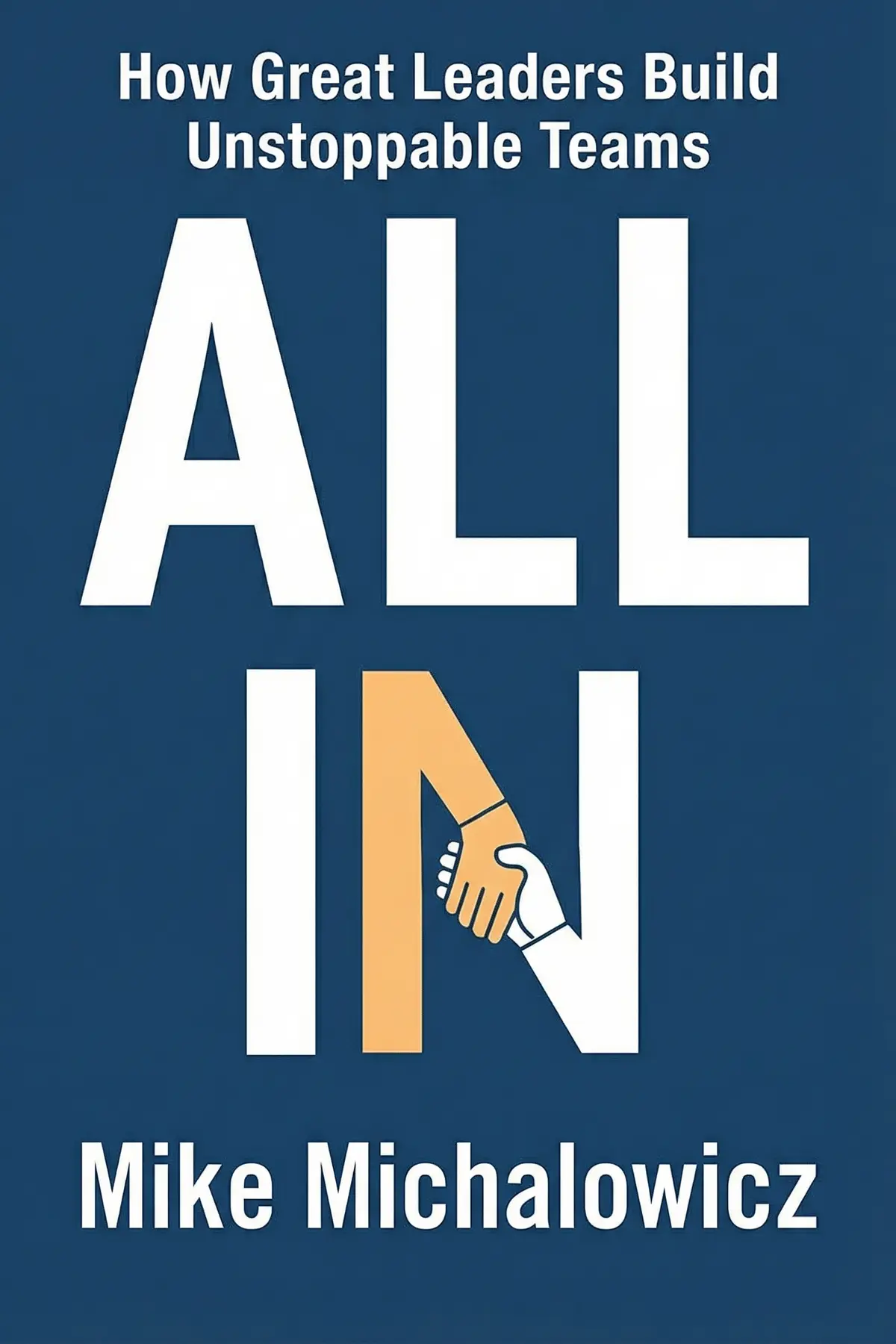
All In: How Great Leaders Build Unstoppable Teams
Mike Michalowicz
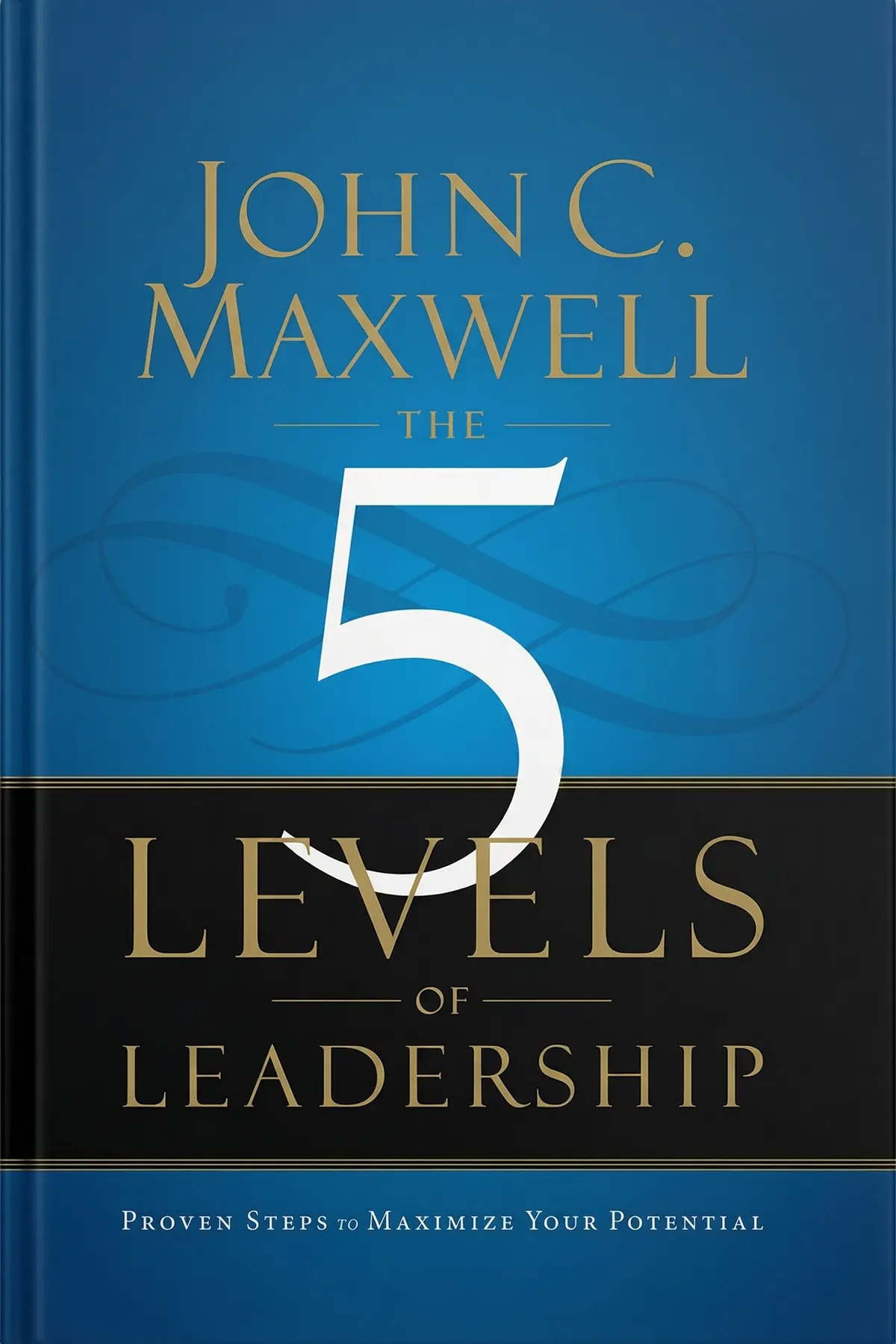
7 Powers: The Foundations of Business Strategy
Hamilton Helmer
AUDIO SUMMARY AVAILABLE
Listen to Communicate with Mastery in 15 minutes
Get the key ideas from Communicate with Mastery by J. D. Schramm, plus 5,000+ more titles in English and Thai.
- 5,000+ titles
- Listen as much as you want
- 7-day free trial
- Cancel anytime







