
17 min 19 sec
Confronting Evil: Assessing the Worst of the Worst
Explore the darkest chapters of human history to understand the nature of malevolence. This summary examines how power, greed, and zealotry drive individuals to commit acts of extreme cruelty without remorse.
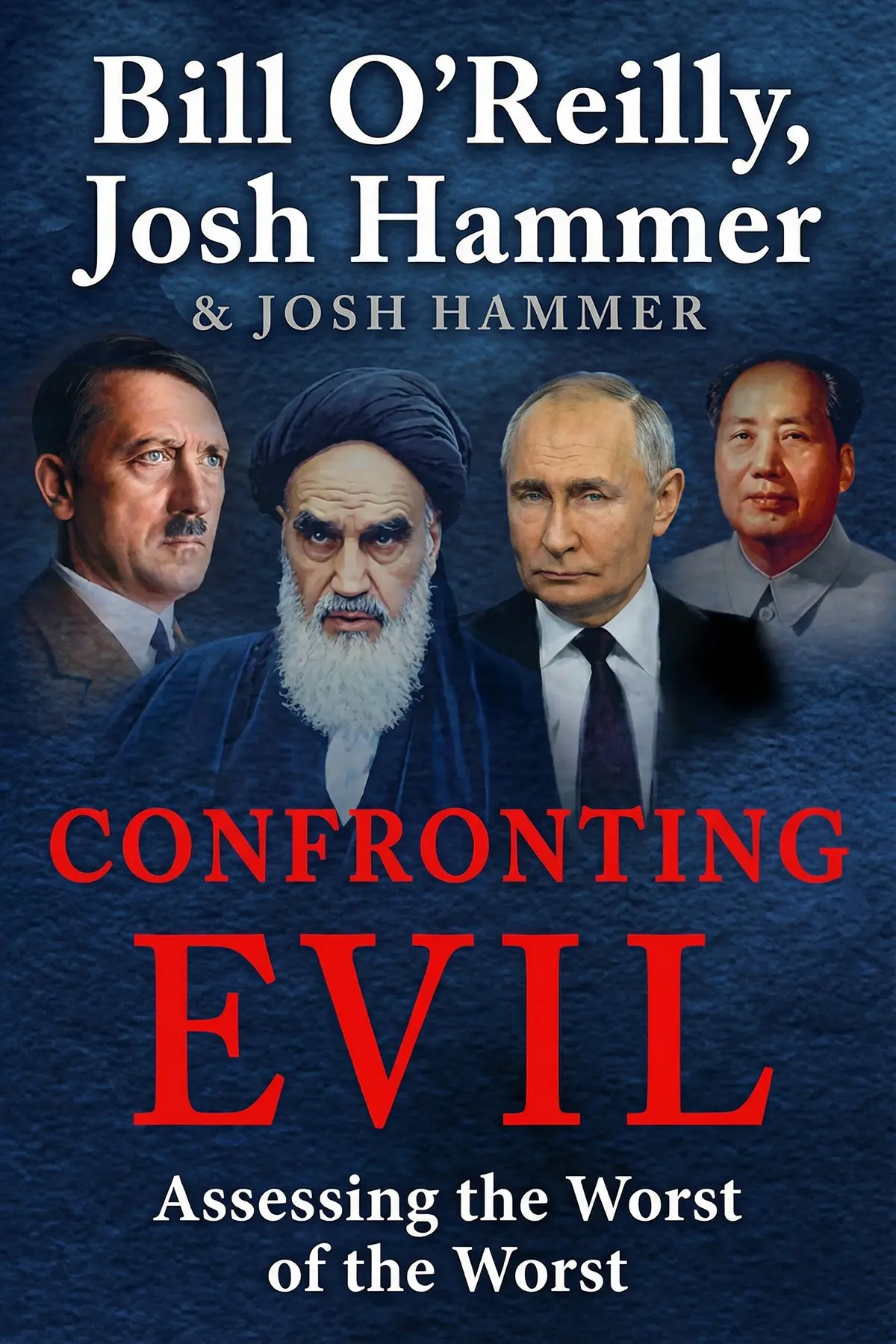
Table of Content
1. Introduction
1 min 43 sec
When we hear the word ‘evil,’ our minds often drift toward the supernatural or the abstract. We think of monsters in fiction or grand, incomprehensible villains. But if we look closely at the historical record, a much more grounded and terrifying picture emerges. The book Confronting Evil, by Bill O’Reilly and Josh Hammer, strips away the mystery. It suggests that evil isn’t a nebulous cloud; it is a specific choice and a specific behavior. The authors propose a working definition that is as simple as it is haunting: evil is the act of harming another person without feeling any remorse.
Throughout human history, those who commit these acts rarely admit to being villains. Instead, they provide justifications. They claim they are following the path of history, fulfilling a divine mandate, or simply providing a service that the market demands. But the central throughline here is that these excuses are nothing more than a ‘malevolent sleight of hand.’ Behind the rhetoric, you will almost always find one of three cold, hard motivators: the hunger for power, the desire for wealth, or the fire of zealotry.
In the following segments, we are going to trace the path of this darkness across time and geography. We will travel from the marble halls of ancient Rome, where an emperor’s whim could end a thousand lives, to the dusty trade routes of the medieval world. We will look at the chillingly efficient business offices of the American slave trade and the sterile, bureaucratic rooms where genocide was planned with the stroke of a pen. Finally, we will examine the modern devastation wrought by drug cartels. By the end of this journey, we won’t just have a list of historical crimes; we will have a clearer understanding of how to recognize the patterns of malevolence when they appear in our own world today.
2. The Madness of Caligula
2 min 47 sec
Discover how a single ruler’s descent into paranoia and self-deification dismantled the moral foundations of the Roman Empire, proving that true tyranny begins when the mask of law is finally discarded.
3. The Terror of the Mongolian Steppe
2 min 47 sec
Examine the brutal efficiency of Genghis Khan’s empire, where speed and calculated massacres were used to conquer the world, leaving a trail of destruction that prioritized power over civilization.
4. The Industry of Human Chattel
2 min 40 sec
Uncover the chilling reality of the domestic slave trade in America, where ordinary businessmen transformed human suffering into a highly profitable and logistically sophisticated enterprise.
5. The Bureaucracy of Genocide
2 min 32 sec
Witness the cold, calculated planning of the Holocaust at the Wannsee Conference, where a group of educated officials decided the fate of millions with chilling efficiency.
6. The Modern Empire of Greed
2 min 40 sec
Trace the rise of the Sinaloa Cartel and the devastating impact of fentanyl, revealing how the modern drug trade has created a global crisis fueled by pure profit and zero remorse.
7. Conclusion
2 min 10 sec
As we reflect on these diverse historical and modern case studies, a clear and chilling pattern emerges. Whether it is a Roman emperor lashing out in madness, a medieval conqueror using terror to build an empire, or a modern drug lord flooding the streets with poison, the common thread is always the same: the infliction of profound harm without a trace of guilt. Confronting Evil teaches us that malevolence thrives when we fail to see it for what it truly is. We often try to complicate the motives of villains, but O’Reilly and Hammer remind us that most atrocities are driven by the simple, ancient hungers for power, money, and the self-righteousness of zealotry.
The history of the world is, in many ways, a history of this conflict between those who build and those who destroy. Institutions like the Roman Senate, the legal systems of modern democracies, and the international agreements aimed at ending slavery are all attempts to build ‘immune systems’ against the rise of evil individuals. But as we have seen, these systems are fragile. They depend on the character of the people within them and the vigilance of the society they serve. When a culture begins to value power over principle, or profit over human life, the door is opened for the next Caligula or the next Franklin and Armfield.
The final lesson of this journey is one of responsibility. Recognizing evil is the first and most vital step in stopping it. It requires us to look past the masks of authority, the justifications of ‘just doing business,’ and the grand promises of ideologues. It asks us to look at the actual human consequences of actions. By understanding the mechanics of how these dark forces operate—how they use fear, how they use bureaucracy, and how they use greed—we are better prepared to defend the values that sustain a just and humane civilization. The struggle against evil is not a historical event that has concluded; it is a constant, ongoing effort that requires our full attention and a steadfast commitment to the inherent value of every human life.
About this book
What is this book about?
This exploration into the heart of human darkness seeks to define and analyze the concept of evil through a historical and modern lens. Rather than treating malevolence as an abstract or supernatural force, the narrative grounds it in a specific, chilling definition: the act of causing profound harm to another human being without experiencing a shred of guilt or regret. By examining diverse case studies—ranging from the erratic tyranny of ancient Roman emperors to the calculated brutality of medieval conquerors, and from the industrialization of human trafficking to the cold efficiency of modern drug cartels—it reveals a recurring pattern behind these horrors. The core promise of this analysis is to strip away the excuses often used to mask atrocities. It identifies three primary motivations that fuel most historical evils: the pursuit of absolute power, the accumulation of vast wealth, and the blinding influence of zealotry. By understanding these drivers and recognizing how they manifest in both chaotic and seemingly 'ordinary' contexts, readers are equipped to better identify and resist the erosion of societal values and the rise of contemporary threats. It is a call to vigilance, emphasizing that the first step in addressing malevolence is the courage to name it and understand its mechanics.
Book Information
About the Author
Bill O'Reilly
Bill O’Reilly is a prominent television journalist celebrated for his work on cable news programs. He has authored eighteen bestselling nonfiction titles, including the widely acclaimed Killing series, which has achieved sales exceeding one million copies. Josh Hammer is a New York-based writer who brings a strong background in political science, having studied at George Washington University and the University of Edinburgh. He is the producer of The O’Reilly Update, collaborating closely with Bill O’Reilly on various media projects.
Ratings & Reviews
Ratings at a glance
What people think
Listeners find this book to be a succinct and enjoyable listen that is deeply researched and packed with historical data, focusing especially on history's tyrants. The writing is skillfully done, and they appreciate how it encourages reflection, with one listener highlighting the excellent insight it gives into the nature of evil. Opinions on the storytelling are divided; one listener considers it a fascinating narrative, whereas another notes the inclusion of too many fictionalized dramatizations.
Top reviews
Lek
This book provides a chillingly clear look at the mechanics of human cruelty throughout the centuries. O’Reilly and Hammer don’t just list names; they dissect the motivations behind absolute monsters like Caligula and Genghis Khan. I appreciated the straightforward prose that avoids getting bogged down in overly academic jargon while still delivering heavy historical truths. The focus on how power, money, and zealotry drive people to commit atrocities is a framework that feels incredibly relevant today. While some might find the dramatized vignettes a bit much, I think they help illustrate the cold reality of these regimes. It’s a thought-provoking read that forces you to acknowledge that evil isn’t just a ghost story, but a recurring human pattern. This is easily one of the most compelling entries in his historical collection.
Show moreNattapong
Wow, this was a heavy but necessary journey through the darker chapters of our shared human history. The authors do an excellent job of categorizing evil into three distinct buckets: money, power, and ideological zealotry. I found the narrative regarding the Mongol Empire particularly harrowing because it highlights how fear can be wielded as a totalizing political tool. Frankly, the research feels very thorough, and the prose is tight enough to keep you turning pages even when the subject matter is grim. It’s a transformative read that challenges you to be a more vigilant citizen in the face of modern injustices. By looking at how these figures rose to power, we can better identify the warning signs in our own era. This is a must-read for anyone interested in the intersection of morality and history.
Show moreSomkid
The chapter on the American slave traders Isaac Franklin and John Armfield was absolutely gut-wrenching and brilliantly researched. It’s one thing to read about slavery in the abstract, but O’Reilly and Hammer make the evil feel personal by showing the calculated greed involved. I appreciate how the book defines evil as the deliberate infliction of harm without remorse because it simplifies a very complex topic into something we can actually confront. The narrative flows smoothly, and the collaboration between the two authors creates a balanced, authoritative tone throughout the work. It’s more than just a history lesson; it’s a moral call to action that asks us to refuse to look away from cruelty. I came away from this book feeling much more informed about the cycles of tyranny that plague our world. Highly recommended for fans of narrative non-fiction.
Show moreThawee
After hearing the hype about this being a departure from the 'Killing' series, I decided to give it a shot and wasn't disappointed. The research is top-notch, and you can tell that Hammer and O’Reilly spent a lot of time digging into the records of these tyrants. I was particularly struck by the analysis of the Ayatollah and the Iranian Revolution, which provided context I hadn't considered before. It’s a sobering reminder that evil isn't confined to the past but continues to morph into new forms in the 21st century. The writing style is direct and punchy, making it easy to digest even the most horrifying facts. This book succeeds in making you think deeply about your own responsibilities as a person of conscience. It’s a powerful, well-executed exploration of the darkest side of humanity.
Show moreJoe
Ever wonder what drives a person to cross the line from ambition to pure malice? This collaboration explores that exact question by looking at figures ranging from the infamous Stalin to the modern-day Mexican drug cartels. I found the section on Henry VIII particularly interesting, even if it seemed a bit out of place next to mass murderers like Mao. To be fair, the book leans into a very specific moral worldview, which might not sit well with every reader. The writing is snappy and keeps the pace moving, though I felt some of the historical nuances were sacrificed for the sake of brevity. If you enjoy the 'Killing' series, you will definitely find this style familiar and engaging. It’s a solid, concise summary for anyone who wants a quick historical overview of world despots.
Show moreWanida
Picked this up after seeing a few interviews, and it’s a very quick, punchy read about the world's most notorious leaders. The authors manage to pack a surprising amount of detail into these short chapters without making the book feel like a textbook. I especially liked the inclusion of more modern threats, like Putin and the cartels, which makes the history feel more immediate. To be fair, there are moments where the dramatized scenes feel a bit speculative, but they do make the history come alive for the average reader. My only real gripe is that it skips over some depth in favor of covering more subjects. It’s a great starting point if you want to understand the 'worst of the worst' throughout history. Just don't expect a deep dive into psychological theory or complex systemic failures.
Show morePrasarn
Bill O’Reilly has a knack for turning dense historical events into something that feels like a fast-moving thriller. This latest project takes that same energy and applies it to the most despicable figures to ever walk the earth. From the madness of Caligula to the bureaucratic horror of the Nazi regime, the book covers a vast amount of ground very quickly. I found the 'three motives' framework—money, power, and zealotry—to be a helpful way to organize my thoughts while reading. Some of the segments felt a little too short, especially the one on Mao, which I felt deserved a bit more space given his death toll. However, the overall message about moral vigilance is something that really resonated with me. It’s a solid addition to any history lover's shelf, even if it’s a bit simplified.
Show moreAlejandra
Finally got around to reading this latest collaboration and I found the focus on the Mexican drug cartels to be the most impactful section. We often think of evil as something that happened long ago in Rome or Germany, but it’s happening right now on our doorstep. The authors' argument that 'good people looking on' is what allows these horrors to persist is a convicting sentiment that stuck with me long after I closed the book. Personally, I would have liked to see a bit more nuance regarding the systems that enable these people, rather than just focusing on individual moral failure. That being said, the storytelling is top-tier and the historical anecdotes are fascinatingly grim. It’s an entertaining and educational read that serves as a grim encyclopedia of human depravity. Definitely worth a read for the historical insight alone.
Show moreArthit
As a history buff who has followed the 'Killing' series for years, I had high expectations for this one. The fact-heavy approach is definitely there, and it’s impressive how much ground they cover from ancient Rome to the present day. However, I noticed a shift toward political commentary that didn't always feel connected to the historical analysis. For instance, the discussion of the Biden administration's handling of the border felt like it belonged in a different book entirely. Look, the research on the early slave traders and the KKK was sobering and well-documented. But the concluding thoughts on religion and the decline of theological belief felt a bit reductive to me. It’s an okay read for the facts, but I could have done without the personal preaching at the end.
Show moreRose
Not gonna lie, I was disappointed with how this one turned out compared to his previous works. While the historical biographies are interesting enough, the book eventually devolves into a soapbox for the authors' specific political and religious biases. Claiming that a lack of religion is a primary driver of evil is a massive stretch that ignores the many atrocities committed in the name of faith. He also leaves out modern villains that seem like obvious choices, like notorious serial killers or child abusers, in favor of a more political list. The writing is fast-paced, but it feels like a collection of Wikipedia entries stitched together with cringey commentary. I think I’ll stick to the more objective history books next time. It’s just too partisan to be taken seriously as a scholarly look at human behavior.
Show moreReaders also enjoyed

A Biography of Loneliness: The History of an Emotion
Fay Bound Alberti
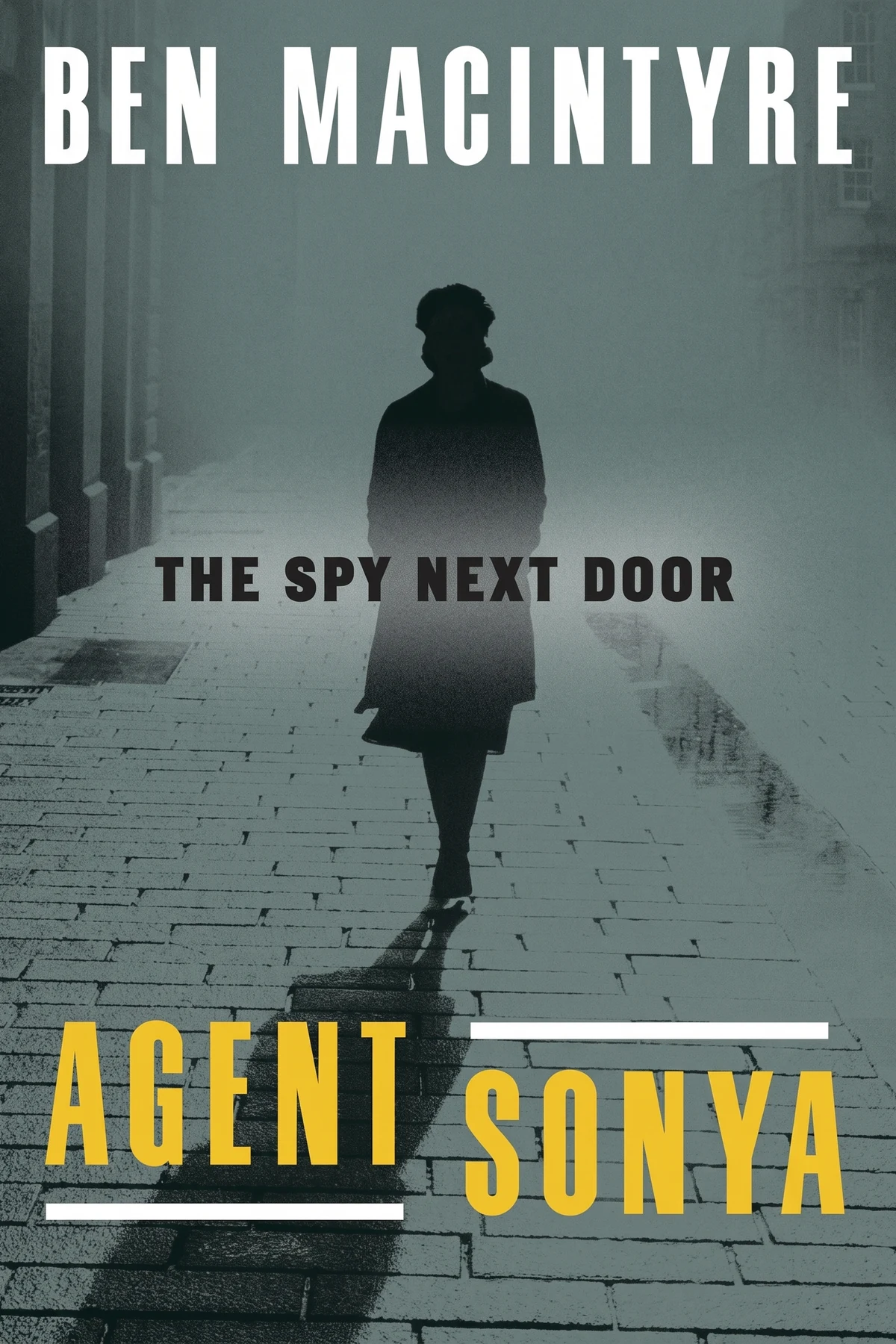
Agent Sonya: The Spy Next Door
Ben Macintyre
Alexander Hamilton
Ron Chernow
Alexander the Great
Philip Freeman
A History of Iran: Empire of the Mind
Michael Axworthy
A History of the World in 6 Glasses
Tom Standage
A Long Way Gone: Memoirs of a Boy Soldier
Ishmael Beah
AUDIO SUMMARY AVAILABLE
Listen to Confronting Evil in 15 minutes
Get the key ideas from Confronting Evil by Bill O'Reilly, plus 5,000+ more titles in English and Thai.
- 5,000+ titles
- Listen as much as you want
- 7-day free trial
- Cancel anytime







