
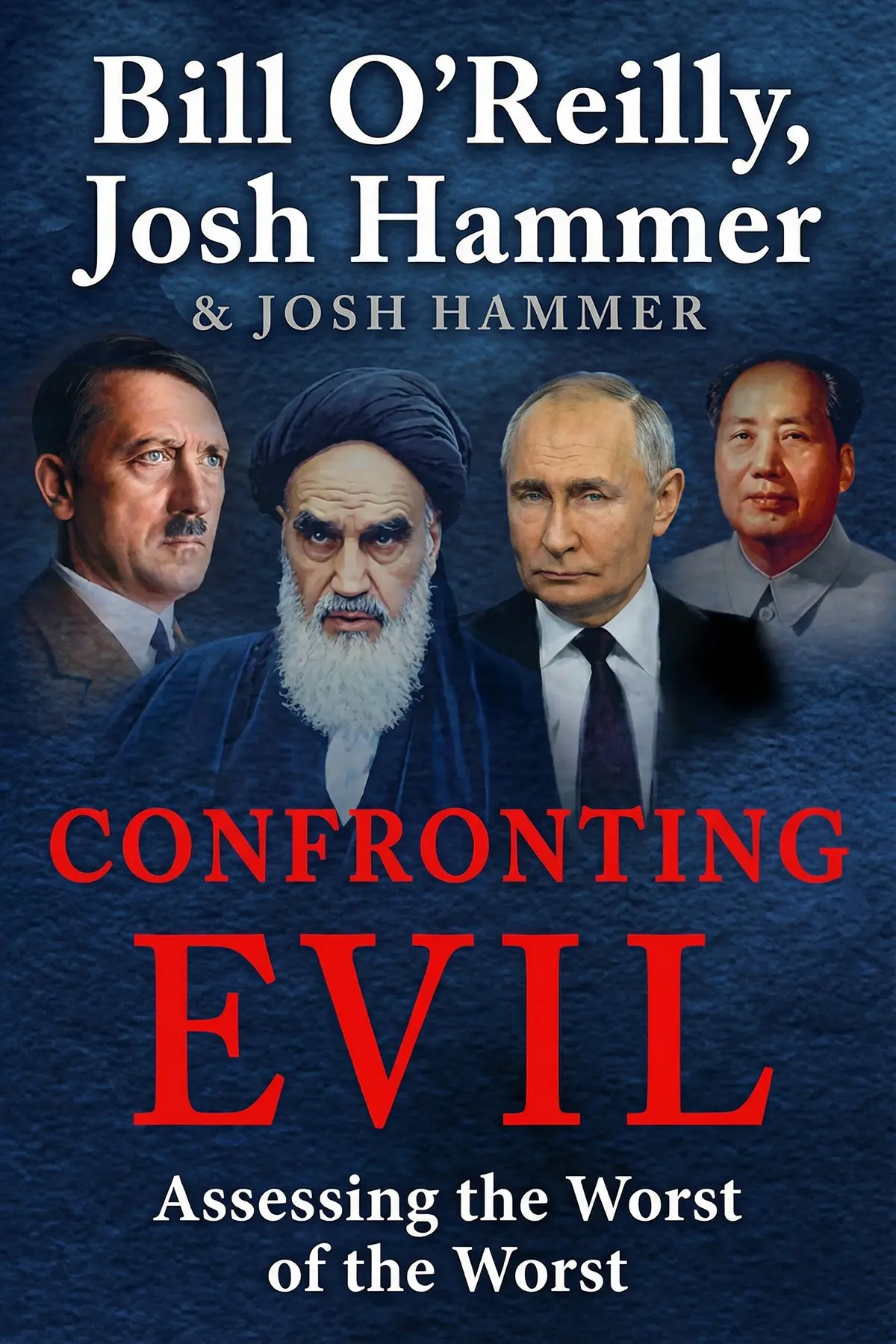
Confronting Evil: Assessing the Worst of the Worst
Bill O'Reilly
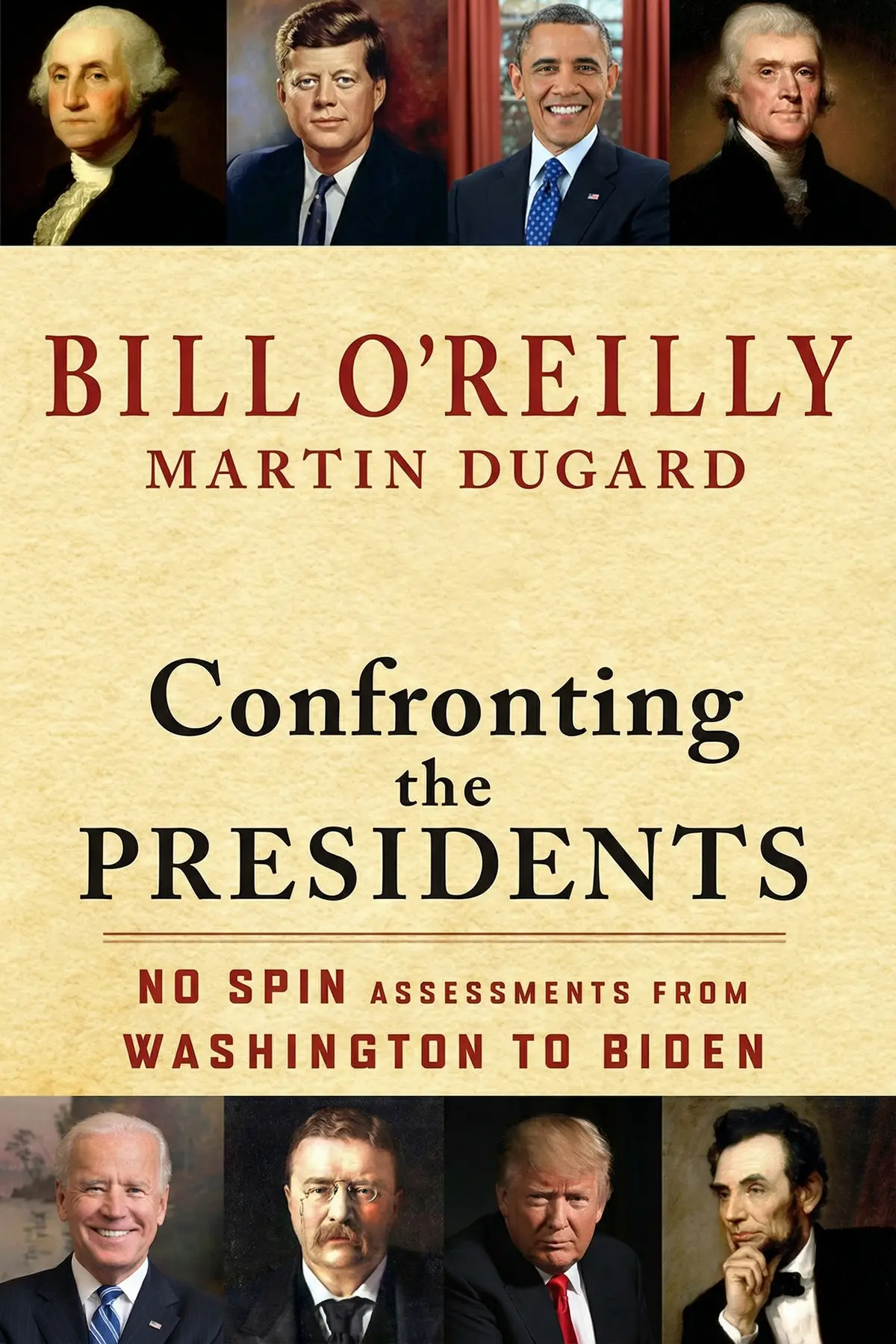
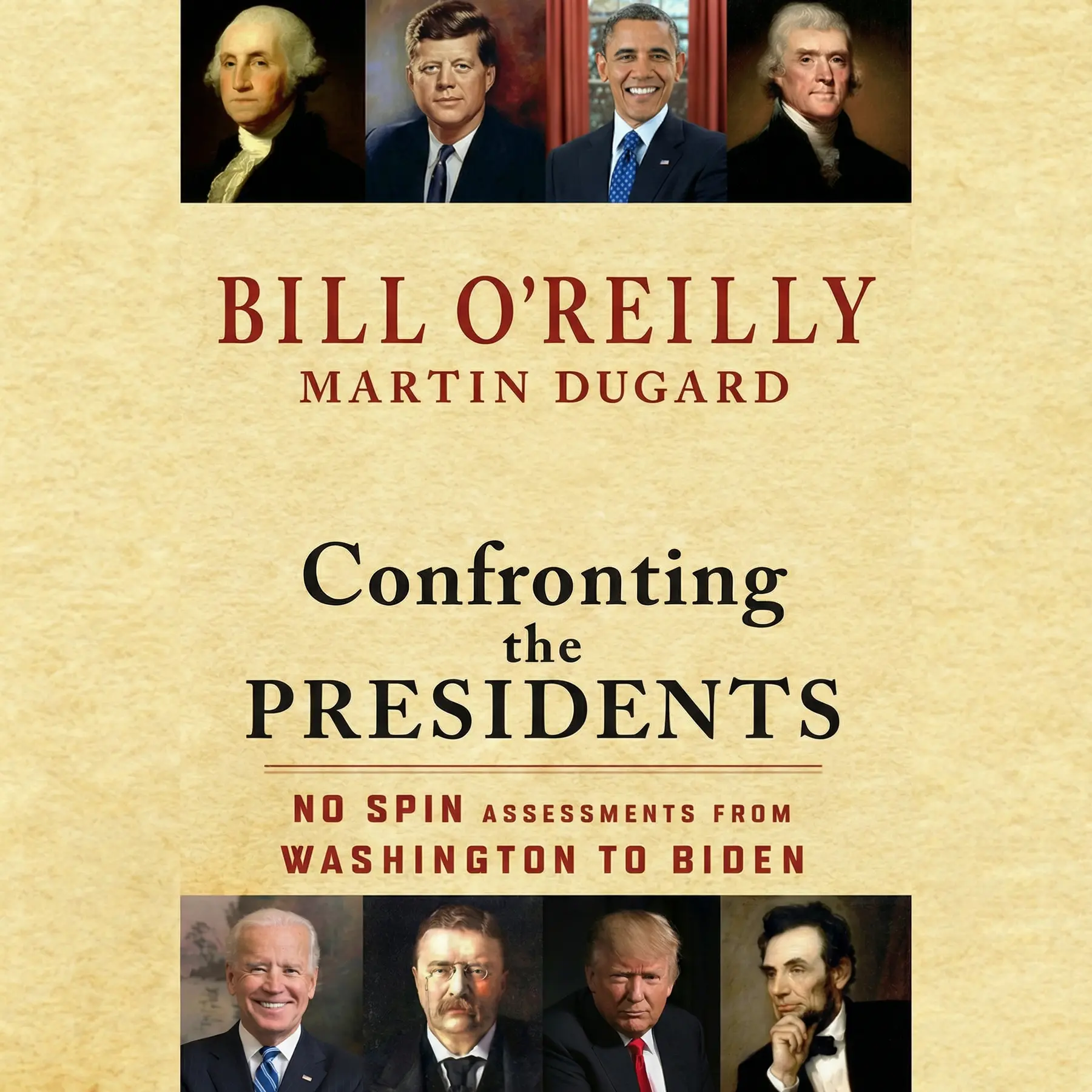
An unfiltered exploration of the American presidency, analyzing the personal characters, historical decisions, and leadership styles of commanders-in-chief from George Washington to the modern era and the precedents they established.
1 min 27 sec
When we look at the long line of individuals who have occupied the Oval Office, it’s easy to see them as static figures in a history book—bronze statues or faces on currency. But the reality is far more complex. Most of the forty-five men who have served as President of the United States walked into the White House with a profound sense of the weight on their shoulders. In the early days, they were the guardians of a fragile, radical experiment in self-governance. They knew that human history was largely a story of kings and tyrants, and that the liberty they were trying to cultivate was a rare and delicate thing. One wrong move could lead back to the very oppression they had fought to escape.
As the centuries progressed, the role evolved. The President was no longer just the head of a fledgling republic; they became the most powerful figure on the global stage, the leader of the free world. Their personal quirks, their moral compasses, and their hidden motivations didn’t just affect American citizens—they changed the course of global history. In this journey through the American presidency, we are going to pull back the curtain on several pivotal leaders. We will see the visionaries who held the nation together and the short-sighted figures who nearly let it fall apart. By looking at these men without the typical political spin, we can better understand the true nature of power and the thin line between greatness and failure. This is about the people behind the titles, and how their humanity—for all its flaws and virtues—defined the American story.
2 min 36 sec
Discover how George Washington’s deep-seated desire for a private life actually became his greatest political asset, forging a sense of trust that would define the American presidency for centuries.
2 min 51 sec
Explore the dramatic shift from a president who allowed the country to fracture to a self-made leader who risked everything to hold the Union together during its darkest hour.
2 min 35 sec
Step into the smoke-filled rooms of the Harding administration, where personal pleasure and political cronyism threatened to undermine the dignity of the highest office in the land.
2 min 41 sec
Contrast the ‘rugged individualism’ of Herbert Hoover with the transformative ‘New Deal’ of FDR to see how leadership styles can either worsen or heal a national crisis.
2 min 36 sec
Examine the unspoken rules of the presidential departure and how the transition of power serves as the ultimate test of an American leader’s commitment to democracy.
1 min 29 sec
In looking back at these diverse lives, we see that the American presidency is a mirror of the human condition. It is an office that can amplify a person’s greatest virtues—like Lincoln’s unwavering resolve or Washington’s humble restraint—but it can also expose their deepest flaws, whether it’s Buchanan’s moral cowardice, Harding’s negligence, or Hoover’s rigid ideological blinders. Each of these men faced the same daunting task: to lead a nation that is constantly evolving and often divided. They reminded us that the presidency is not just about policy; it is about the character of the individual who holds the pen.
The throughline of the American story is the fragility of its institutions. We have seen that the peaceful transfer of power, which we took for granted for over two centuries, is a choice made by individuals, not an inevitable law of nature. As we confront the history of these presidents, the takeaway is clear: the health of a democracy depends on the integrity of those we choose to lead. By understanding the real people behind the myths, we are better equipped to evaluate the leaders of today and tomorrow. The American experiment continues, and its success remains, as it always has been, in the hands of both the leaders who serve and the citizens who hold them accountable. As you reflect on these stories, consider what traits you believe are most essential for the person who sits in that chair, because history shows that those traits will eventually be tested by fire.
This summary provides a deep dive into the lives and legacies of several American presidents, moving beyond the polished textbook versions of history to reveal the human beings behind the office. By examining the leadership of figures like George Washington, Abraham Lincoln, and Franklin D. Roosevelt, alongside the failures of James Buchanan and Warren G. Harding, it illustrates how personal character directly shapes national destiny. Listeners will discover the internal struggles and external pressures that defined these presidencies. From the foundational restraint of the first president to the modern challenges of contested power, this narrative promises to uncover the quirks, scandals, and moments of resolve that have steered the American experiment through periods of prosperity and existential crisis.
Bill O'Reilly is a well-known television journalist and author. He has written eighteen bestselling nonfiction books including the collaborative Killing series, an examination of the deaths and destruction of some of the most powerful people and nations in history. Martin Dugard is a bestselling author and the co-author of the Killing series.
Bill O'Reilly
Bill O’Reilly
Listeners find the writing captivating and skillfully crafted, noting the accessible prose and fascinating anecdotes regarding the presidents. They also value the meticulous research and factual depth, which serves as an excellent tool for history fans. However, perspectives on accuracy are split; while some believe it is very factual, others view the content as biased.
Wow, this was exactly what I needed to brush up on my US history without feeling like I was back in a boring high school classroom. The authors have a knack for taking dense political events and turning them into engaging stories that flow naturally. I especially loved the focus on the personal lives and exercise habits of the presidents, like Theodore Roosevelt’s obsession with being active. It makes these legendary figures feel like actual human beings rather than just names on a statue. While some critics might find the ten-page chapters a bit short, I thought the pacing was perfect for a general overview. It functions like a high-end collection of snapshots that capture the essence of each administration. I’m definitely going to use this as a jumping-off point to read more about Lincoln and FDR. If you want a fun, fast-paced history lesson that doesn't get bogged down in academic jargon, this is the book for you.
Show morePicked this up because I’ve been a fan of the 'Killing' series for years, and I was curious how O’Reilly would handle a broader historical survey. This book is much more of a traditional biographical collection than his previous work, yet it retains that signature narrative drive. The authors do an excellent job of highlighting the 'good, bad, and ugly' of every single leader from Washington to the modern era. I found the trivia particularly addictive, especially the bits about Benjamin Harrison being terrified of electricity! It is rare to find a history book that manages to be this informative while remaining so accessible to the general public. Some might say it feels like a Wikipedia summary, but the storytelling quality here is much higher than any encyclopedia entry. It’s a great resource for students or anyone who wants a quick refresher on the people who shaped our nation.
Show moreAs someone who typically avoids dry history books, I found the personal anecdotes about the first ladies to be incredibly moving. The authors managed to weave the domestic lives of the presidents into the larger political narrative seamlessly. Learning about the resilience of these couples in the face of losing children while leading a nation was truly eye-opening. The book is well-written and moves at a clip that keeps you engaged from start to finish. I particularly enjoyed the 'no spin' approach to the earlier presidents, where the focus stayed on their character and the challenges of their time. The trivia regarding George H.W. Bush’s hatred of broccoli and Andrew Garfield’s tragic medical care added a lot of color to the reading experience. This is a perfect gift for anyone who likes history but doesn't have the time to commit to a 900-page tome.
Show moreEver wonder why Benjamin Harrison slept with the lights on or how Andrew Garfield’s medical care actually led to his demise? This book is absolutely packed with those kinds of fascinating nuggets that make history feel alive and vibrant. I listened to the audio version while running, and the chapters were the perfect length to keep me motivated and focused. O’Reilly and Dugard have a talent for identifying the most interesting parts of a person's life and highlighting them without getting bogged down in policy minutiae. It was refreshing to see the authors give credit to some of the lesser-known presidents who actually had a significant impact on the country. The research feels thorough, and the stories are told with a dramatic flair that keeps the reader hooked. This is definitely one of the most accessible history books I’ve picked up in years.
Show moreTruth is, I wasn't sure if I'd learn anything new from a book that only gives about ten pages to each president. I was wrong! Even as a history buff, I found several 'fun facts' and personal details that I had never encountered in more academic texts. The focus on the daily routines and physical health of the presidents was a unique angle that I haven't seen explored this way before. It’s clear that a lot of research went into finding these specific anecdotes to keep the reader engaged. The book is organized chronologically, which makes it easy to see how the office of the presidency evolved over the centuries. I think this would be an excellent resource for homeschoolers or students who want to get a broad overview of American history. It’s engaging, well-researched, and ultimately a very satisfying read for anyone who loves the story of our country.
Show moreFinally got around to finishing this one, and while it isn't a deep dive, it serves as a fantastic primer for anyone interested in the Oval Office. O’Reilly and Dugard provide a “flyover” view that is incredibly easy to digest during a busy week. You won't get the exhaustive detail of a David McCullough biography here, but that clearly isn't the goal of this volume. I did notice a couple of errors that should have been caught in editing, specifically regarding Prescott Bush’s name, which was a bit distracting. Despite that, the prose is crisp and the research into the first ladies added a layer of depth I wasn't expecting. It was fascinating to see how grief and personal tragedy shaped the policy decisions of men like Pierce or Lincoln. To be fair, there is a slight lean in the later chapters, but the overall historical context is solid enough for the average reader.
Show moreAfter hearing so much about the controversy surrounding O'Reilly's bias, I went into this book with a healthy dose of skepticism. Frankly, I was pleasantly surprised by how much of the book remained objective and focused on the historical records. Most of the chapters provide a balanced look at the achievements and scandals that defined each presidency without a heavy political slant. I did feel that the assessment of Ronald Reagan was a bit too glowing, failing to fully explore some of the complexities of his era. On the flip side, the sections on the more obscure 19th-century presidents were incredibly enlightening. I learned more about James K. Polk in ten pages than I ever did in school. The writing style is punchy and direct, which makes it very hard to put down once you start a new chapter. It is a solid four-star read for any history buff.
Show moreDirect and punchy, the writing style in this volume keeps things moving at a breakneck pace that highlights the triumphs and tragedies of our leaders. I appreciated how the authors didn't shy away from the flaws of even the most beloved figures in our history. They managed to paint a picture of these men as complicated individuals rather than just names on a list. My only real complaint is that the 400-page limit makes it impossible to give a truly comprehensive review of the more influential presidents. It feels a bit odd to give the same amount of space to William Henry Harrison as they do to Franklin D. Roosevelt. However, for a general reader looking for an entertaining and informative survey of the US Presidency, this book hits the mark. It’s a great addition to any library, provided you’re looking for a summary rather than a deep dive.
Show moreThe chapter on George H.W. Bush really frustrated me because of a glaring typo naming his father 'Preston' instead of Prescott. When you’re reading a book that claims to 'confront' history, you expect the basic facts to be triple-checked by the editorial team. While the book is an easy read, it often feels a bit superficial, covering only the broad strokes of each man’s life. If you’ve already read Chernow or Caro, you probably won’t find anything new or groundbreaking in these pages. It’s a decent introductory text for someone with very little background knowledge, but it lacks the analytical depth I was hoping for. The timeline occasionally jumps around in a way that can be confusing if you aren't already familiar with the era. Not a bad book by any means, but it definitely feels like a 'CliffsNotes' version of American history.
Show moreLook, if you are searching for a comprehensive, 800-page biography on every leader of the free world, you are going to be disappointed here. This book is exactly what it looks like: a brief, ten-page overview of each president. While the prose is engaging and simple to follow, the blatant bias starts to seep in once the authors reach the modern era. The treatment of the most recent administrations felt a bit out of touch with the factual, historical tone of the earlier chapters. I also found the focus on personal scandals and adultery to be a bit excessive at times, bordering on gossip. It’s an entertaining read if you take it with a grain of salt, but it shouldn't be your only source of historical information. It works as a light introduction, but the lack of depth on monumental figures like Lincoln is a major drawback.
Show more
Barack Obama
Masaji Ishikawa
William J. Bernstein
John Rawls
Ben Macintyre
James Shapiro
AUDIO SUMMARY AVAILABLE
Get the key ideas from Confronting the Presidents by Bill O'Reilly, plus 5,000+ more titles in English and Thai.







