
23 min 03 sec
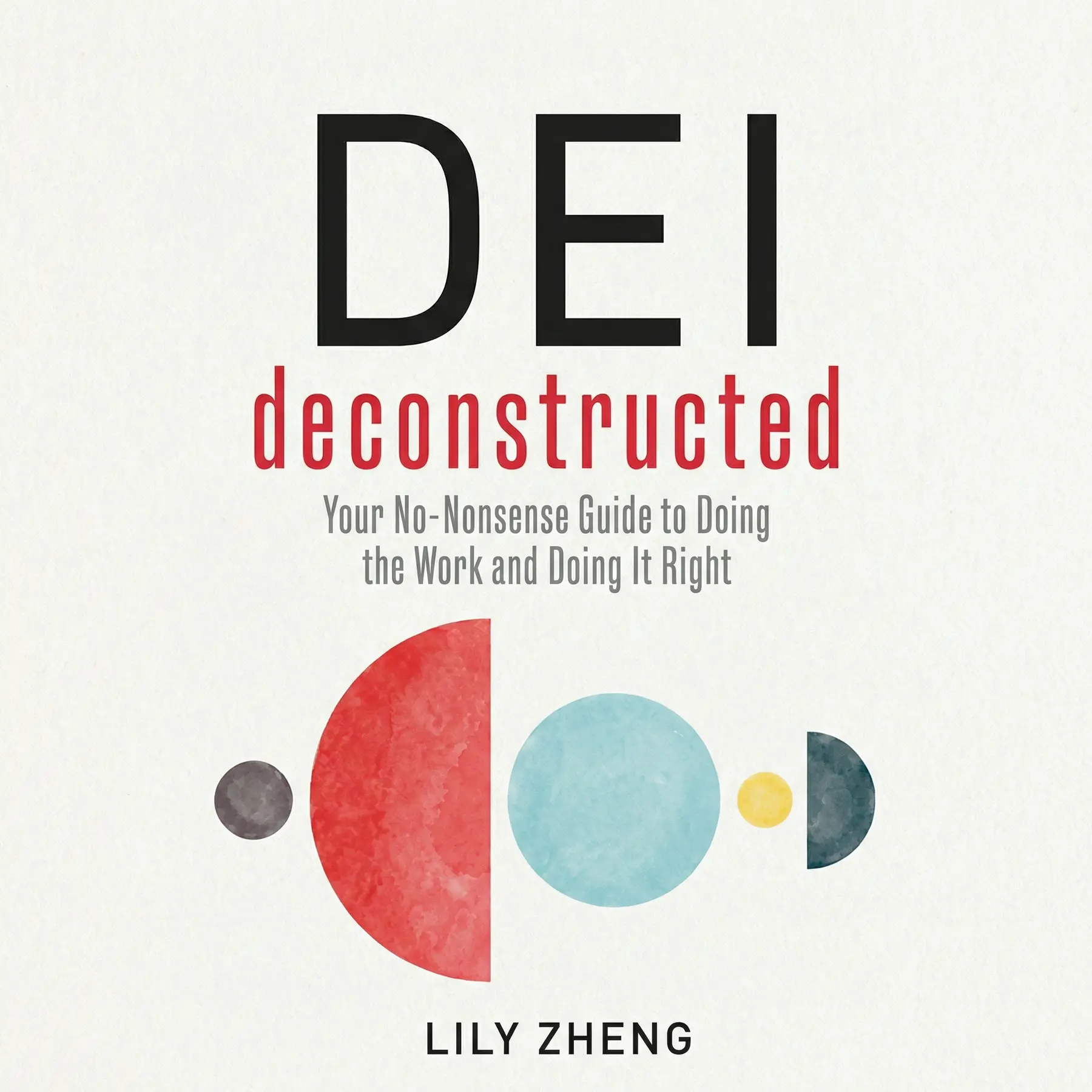
DEI Deconstructed: Your No-Nonsense Guide to Doing the Work and Doing It Right
By Lily Zheng
A guide to moving past DEI buzzwords toward measurable, structural change. Learn how trust, accountability, and standardized processes transform organizational culture into a space where every employee can thrive.
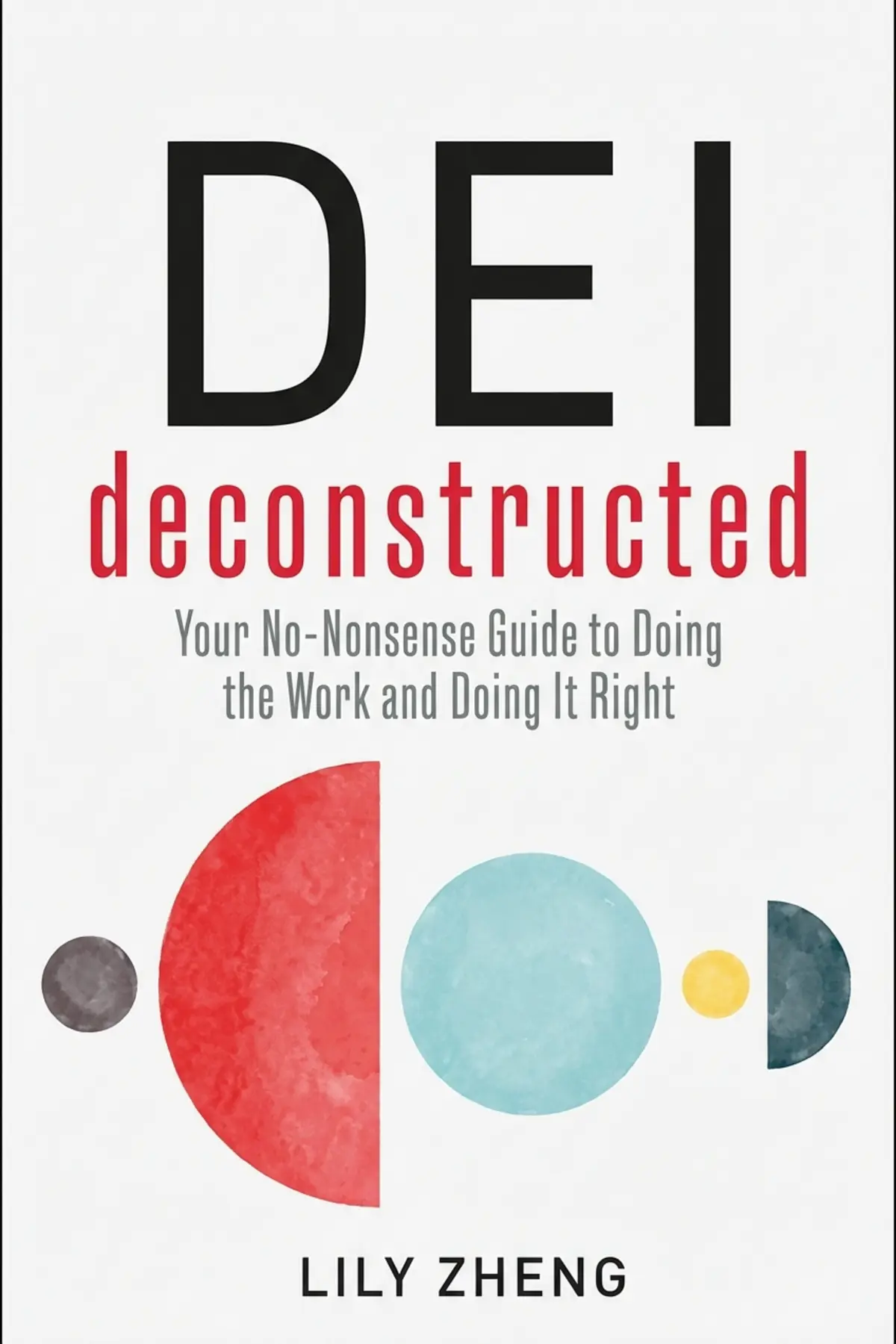
Table of Content
1. Introduction
1 min 51 sec
In recent years, the conversation around diversity, equity, and inclusion—commonly known as DEI—has moved from the fringes of corporate HR departments to the very center of organizational strategy. We see companies making bold public statements, hiring consultants, and launching training programs. Yet, despite this surge in activity, many employees feel that the actual culture on the ground hasn’t changed much. Why is it that so many well-intentioned efforts fail to produce lasting, measurable results?
The answer often lies in a disconnect between rhetoric and reality. Many leaders treat DEI as a series of boxes to be checked or a marketing challenge to be managed, rather than a fundamental shift in how an organization operates. To bridge this gap, we need to move away from buzzwords and toward a deep, structural understanding of what these terms actually mean and how they can be implemented with precision.
In this exploration of Lily Zheng’s DEI Deconstructed, we are going to look at a no-nonsense approach to doing the work properly. We will dismantle the common myths that hold organizations back and replace them with a framework built on trust, accountability, and data. This isn’t just about feeling better at work; it’s about building organizations that are more innovative, more resilient, and fundamentally more just. Whether you are a leader, an HR professional, or an individual contributor who wants to see change, this throughline will provide the tactical steps needed to transform your workplace into an environment where everyone—not just the majority—can truly thrive. Let’s begin by clarifying our objectives and understanding the specific components that make up a successful DEI strategy.
2. Defining the core pillars
2 min 47 sec
Moving beyond buzzwords requires a precise understanding of what we are building. Learn how to distinguish between representation, access, and true belonging.
3. The role of trust
3 min 05 sec
The success of any change initiative depends on the reservoir of goodwill you’ve built. Discover how trust dictates your tactical approach.
4. Establishing a data-driven foundation
2 min 58 sec
Vague goals lead to vague results. Learn why accountability and transparency are the bedrock of sustainable transformation.
5. Rethinking the hiring funnel
2 min 58 sec
Standardized processes and community engagement can break the cycle of biased recruitment. Discover how to build a diverse talent pipeline.
6. Strategies for equitable advancement
2 min 35 sec
Diversity at the entry-level doesn’t count if people hit a glass ceiling. Learn how to demystify and democratize the path to leadership.
7. Feedback and conflict as growth tools
2 min 23 sec
A healthy culture isn’t one without conflict, but one that handles it with integrity. Discover how to create psychological safety.
8. Sustaining culture through well-being
2 min 29 sec
A truly inclusive organization meets the diverse needs of its whole staff. Learn why flexibility and custom benefits are non-negotiable.
9. Conclusion
1 min 57 sec
Transforming an organization’s culture is one of the most difficult challenges a leader can face. As we’ve seen throughout Lily Zheng’s DEI Deconstructed, the path to true diversity, equity, and inclusion is not paved with buzzwords or performative gestures. It requires a fundamental shift in how we think about trust, data, and organizational structure.
We have explored how defining our terms with precision allows us to set clearer goals. We have seen how the level of trust in an organization dictates whether we lead from the top down or the bottom up. We’ve discussed the necessity of building a foundation based on radical transparency and hard accountability, and we’ve walked through the tactical steps of fixing our hiring, advancement, and feedback loops. Finally, we recognized that none of this is sustainable without a deep commitment to employee well-being and flexible, inclusive benefits.
The throughline of all this work is intentionality. DEI is not something that happens by accident or through a vague desire to be ‘better.’ It is an operational discipline that requires the same level of investment and rigor as any other core business function. It’s about moving past the ‘why’ and getting serious about the ‘how.’
As you move forward, remember that this is a journey, not a destination. There will be missteps and there will be friction, but if you stay grounded in your data and committed to your people, you can create a workplace where equity is the norm and every individual has the opportunity to reach their full potential. The work is hard, but the result—a more innovative, just, and successful organization—is undeniably worth the effort. Now is the time to stop talking about change and start doing the work to make it a reality.
About this book
What is this book about?
DEI Deconstructed addresses the critical gap between diversity intentions and actual organizational results. While many companies express a desire for more equitable workplaces, few achieve sustainable change because they rely on performative gestures rather than structural reform. This summary breaks down the essential components of Diversity, Equity, and Inclusion, treating them not as abstract concepts but as measurable operational outcomes. Listeners will learn how to assess the level of trust within their organization and tailor their strategy accordingly. The promise of the book is a clear roadmap for embedding DEI into the very DNA of a company—from recruitment and hiring to promotion, conflict resolution, and employee well-being. By focusing on data-driven transparency and radical accountability, Lily Zheng provides the tools necessary to move from checkbox-ticking to a thriving, innovative culture where every individual is empowered to succeed.
Book Information
About the Author
Lily Zheng
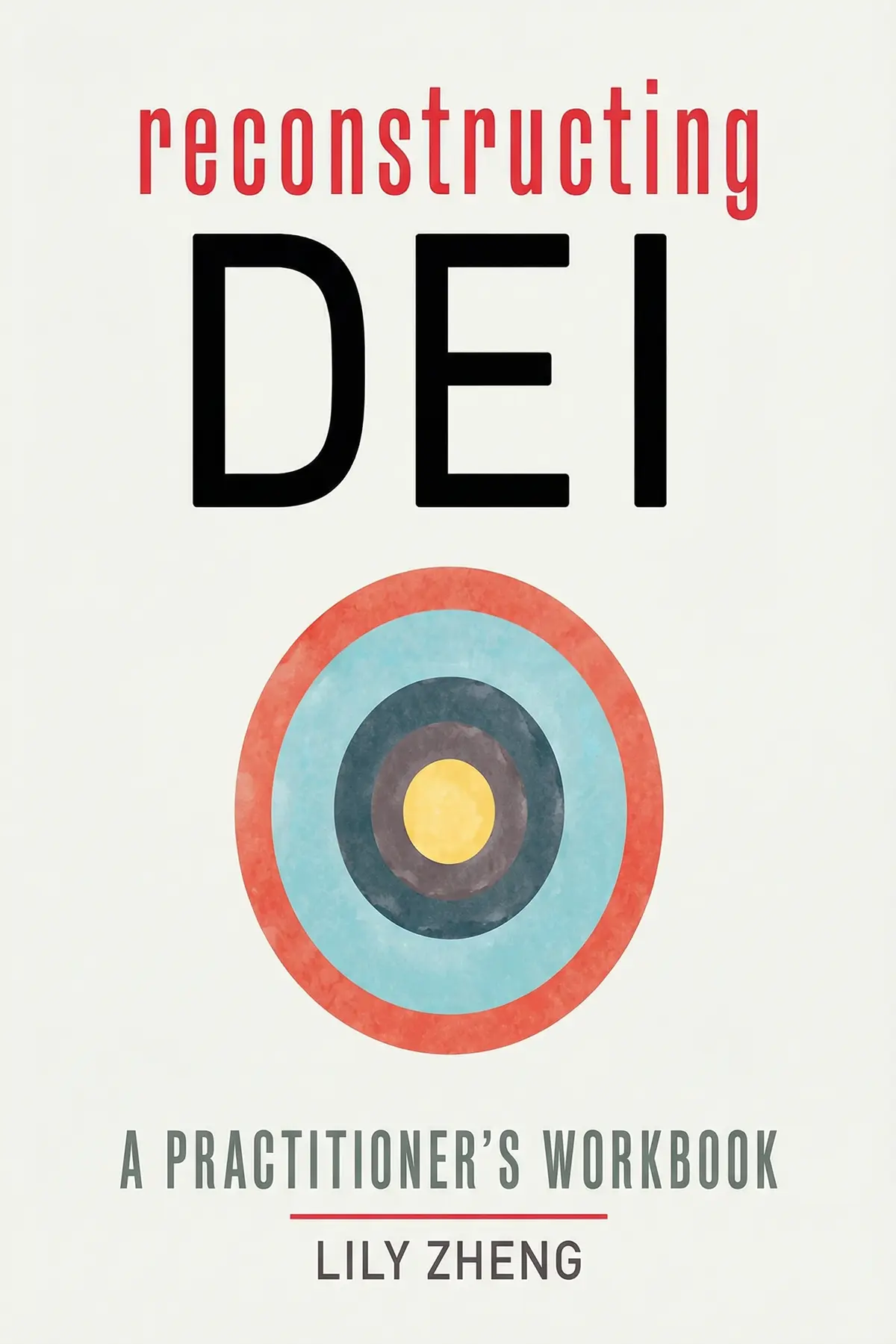
Lily Zheng is a dedicated DEI strategist, consultant, and speaker who helps organizations achieve desired outcomes. They’re also the author of Reconstructing DEI, which offers cutting-edge and accountable practices to enable leaders to create diverse, equitable, and inclusive organizations.
Ratings & Reviews
Ratings at a glance
What people think
Listeners find the writing deeply insightful, with one listener describing it as an excellent gateway to DEI fundamentals. They value the book’s pragmatic methodology, with one listener highlighting its effectiveness in helping to design the work.
Top reviews
Sudarat
After following Lily on LinkedIn for months, I finally grabbed their book and was blown away by the clarity of the writing. Zheng moves well beyond the basic 'DEI 101' tropes we see in every corporate training module. They offer a gritty, realistic view of how companies fail marginalized employees even when their intentions are supposedly good. Frankly, the breakdown of how to build trust as a prerequisite for change was eye-opening for me. While some sections felt a bit dense, the actionable lists at the end of each chapter made it manageable. It’s not just a book about theory; it’s a manual for those of us actually trying to build something lasting. Highly recommended for any leader who is tired of superficial progress.
Show moreJirapat
The framework presented here regarding trust as a 'currency' for change is worth the price of admission alone. Zheng identifies that in low-trust environments, top-down mandates will almost always fail, which explains so much of the stagnation we see in corporate America today. I found the analysis of the 'DEI Industrial Complex' to be incredibly thought-provoking and a necessary critique of the industry. The book uses evidence and structured logic to explain why certain initiatives fall flat while others succeed. It is an analytical read, certainly, but it avoids the dry tone of a textbook. My only quibble is that the recruitment section felt a bit brief compared to the deeper dives into internal accountability. Still, it’s a foundational piece of writing for anyone in a leadership position.
Show moreJib
Wow, Zheng really doesn't pull any punches when dissecting why most diversity initiatives fail before they even start. I loved the no-nonsense approach and the way the author challenges the reader to think about their own power within their organization. It’s emotional at times, reflecting the real pain that marginalized people feel when DEI is done poorly. But it’s also hopeful because it provides a path forward that feels achievable if you're willing to do the work. The focus on results over intentions is something every HR manager needs to internalize immediately. This isn’t a feel-good book, but it is a necessary one.
Show moreMatteo
The chapter on different roles within a movement provided exactly the kind of clarity I’ve been looking for lately. It helped me realize where I fit into my company’s equity goals and how I can better support my colleagues. I found the author’s voice to be incredibly authentic and their expertise shines through on every page. Personally, I think the sections on conflict resolution and employee well-being are the hidden gems of this book. We often talk about hiring but rarely about how to keep people safe and valued once they are in the door. The writing style is punchy and direct, which I appreciated. It's a great tool to have on your shelf, especially the physical copy for quick reference during strategy meetings.
Show moreSirirat
Lily Zheng presents a refreshing take on what it actually means to move the needle on equity. Too often, these books stay in the clouds, but 'DEI Deconstructed' stays firmly on the ground with practical advice. I particularly appreciated the discussion on how 'diversity' is often used as a shield to avoid doing the harder work of inclusion. Truth is, many organizations are just checking boxes, and Zheng isn't afraid to call that out in a way that feels productive rather than purely cynical. I do wish there were a few more specific case studies to show these theories in action from start to finish. However, the focus on dismantling barriers rather than just using supportive language is a vital distinction that most other authors miss.
Show moreYindee
My team picked this up for a monthly discussion, and the conversations it sparked were genuinely transformative. We often struggle with how to integrate these concepts into our actual day-to-day operations without it feeling like an 'extra' task. Zheng’s book provides a roadmap that makes DEI feel like a core business function rather than a siloed department. Gotta say, the emphasis on transparency and sharing failures was a hard pill for our leadership to swallow, but it’s so necessary. We are already using the tables and accountability structures to rethink our promotion process. It’s a bit long in some places, but the practical value outweighs the occasional wordiness.
Show moreNan
Finally, a guide that moves beyond the typical corporate fluff and provides a real roadmap for dismantling systemic barriers. Zheng is clear: success in DEI isn't about the language you use; it's about the outcomes you produce. I’ve read a dozen books on this topic this year, and this is the only one that truly deconstructs the 'why' behind the failure of common best practices. The concept of building trust reserves is a game-changer for how I view management. It's practical and high-impact. I did feel the chapter on identity could have been more robust, but that’s a minor criticism for an otherwise stellar guide.
Show moreKek
Picked this up after hearing about it through an Equity team workshop at work. I ended up listening to the audiobook and then buying the physical copy because there are so many useful lists and tables I wanted to highlight. In my experience, most DEI books are either too academic or too superficial. Zheng hits that 'just right' middle ground. They provide a step-by-step approach to creating change that feels grounded in real-world organizational dynamics. Not gonna lie, some of the truths about how much trust we lack in our current systems were hard to read, but they were spot on. It’s a fantastic breakdown of common problems and honest solutions.
Show moreViolet
Not every book on this topic can be a home run for everyone, and this one was a bit of a mixed bag for me. I appreciated the historical context and Zheng’s very direct tone, but I felt some of the content became repetitive by the midpoint. If you’ve already gone through intensive DEI training or read similar literature, you might find yourself skimming parts of this. To be fair, the section on different roles people play in an organization—advocates vs. leaders—was quite insightful. I just wanted more elaboration on the intersection of power and identity, which felt a little glossed over. It’s a solid resource for beginners, though perhaps not the revolutionary text I was expecting based on the LinkedIn hype.
Show moreNatalie
As someone who has been in the HR space for over a decade, parts of this felt like a retread of things I’ve already implemented. I was hoping for more ground-breaking strategies that I hadn't seen on LinkedIn already. Look, the book is good and definitely well-researched, but I didn't feel like it added a whole lot of new concepts to the existing literature. The chapters on hiring and advancement were standard best practices that most modern firms should already know. That said, for a company just starting their journey, this would be an excellent, comprehensive guide. It’s organized well and the tone is professional yet accessible. Just don't expect it to be a complete revelation if you’re a DEI practitioner.
Show moreFeatured in
Readers also enjoyed

A Bigger Prize: How We Can Do Better Than the Competition
Margaret Heffernan

Can’t Even: How Millennials Became the Burnout Generation
Anne Helen Petersen
AUDIO SUMMARY AVAILABLE
Listen to DEI Deconstructed in 15 minutes
Get the key ideas from DEI Deconstructed by Lily Zheng, plus 5,000+ more titles in English and Thai.
- 5,000+ titles
- Listen as much as you want
- 7-day free trial
- Cancel anytime







