
13 min 31 sec
Delivering Happiness: A Path to Profits, Passion, and Purpose
By Tony Hsieh
Tony Hsieh shares his journey from a young entrepreneur to the CEO of Zappos, demonstrating how a radical focus on company culture and customer happiness can lead to massive profit and personal fulfillment.

Table of Content
1. Introduction
1 min 16 sec
Every entrepreneur dreams of building a company that changes the world, but few actually find the secret sauce that makes a brand legendary. We often think the path to success is paved with relentless financial tracking, aggressive marketing, and cutting costs at every turn. But what if the real key to a thriving business wasn’t found in a spreadsheet, but in the smiles of your employees and the satisfaction of your customers?
In the following minutes, we are going to explore a different way of doing business through the lens of Tony Hsieh’s experiences. We’ll follow his journey from his early days as a teenage entrepreneur to his tenure as the CEO of Zappos, a company that became synonymous with world-class service. This isn’t just a story about selling shoes; it’s a deep dive into how happiness itself can be a business model. We will see how a strong culture, a commitment to constant learning, and a focus on a higher purpose can lead to the kind of loyalty and growth that money simply can’t buy. By the end of this summary, you’ll understand why the most profitable thing you can do for your business is to stop chasing the dollar and start chasing a vision that brings joy to everyone involved. Let’s look at the foundational shifts that turn a mere company into a movement.
2. The Power of Passion over Profit
1 min 44 sec
Discover why the secret to making the right business decisions starts with identifying what truly drives you, rather than just looking at the bottom line.
3. The Dangers of Unchecked Growth
1 min 41 sec
Learn why scaling your business too quickly can actually be a threat to your long-term survival if you lose sight of who you are hiring.
4. Culture as the True Brand
1 min 51 sec
See how creating a ‘tribe’ within your workplace naturally leads to the kind of customer service that competitors can only dream of.
5. The Necessity of Continuous Learning
1 min 51 sec
Explore why fostering personal and professional development for your team is one of the smartest investments a company can make.
6. Focusing on the 'WOW' Factor
1 min 46 sec
Understand the importance of choosing one thing to be the absolute best at and why you should never let someone else handle it.
7. Trust as a Marketing Strategy
1 min 47 sec
Learn why traditional advertising often fails and how treating people well can generate more buzz than a million-dollar ad campaign.
8. Conclusion
1 min 35 sec
As we reach the end of this journey through the world of Zappos and Tony Hsieh, the throughline is clear: happiness is not just a pleasant byproduct of success; it is the very engine that drives it. We’ve seen that when a company prioritizes its culture and the well-being of its people, it creates an environment where passion thrives and excellence becomes the norm. We’ve learned that growth must be managed with care, and that the strongest brands are built on trust and authentic service rather than flashy advertising.
The ultimate lesson is that business—and life—should be about something bigger than the transaction at hand. Whether you are selling shoes or software, your higher purpose is what will keep you grounded when things get tough and keep you inspired when things are going well. By focusing on delivering happiness to your employees, your customers, and your partners, you create a ripple effect that extends far beyond your bottom line.
So, as you move forward in your own career or business, take a moment to ask yourself why you are doing what you are doing. Are you chasing the money, or are you chasing the passion? If you choose to build your vision around the goal of making people happy, you might just find that profits and success follow as a natural result. The path to a fulfilling and prosperous life starts with the simple, radical decision to prioritize the human experience above all else. Go out and find your ‘WOW’ factor, and remember that happiness is the ultimate metric of a life well-lived.
About this book
What is this book about?
Delivering Happiness is part business manual and part personal memoir, detailing Tony Hsieh’s path through the world of entrepreneurship. It explores his early ventures, the sale of LinkExchange to Microsoft, and the eventual rise of Zappos. The book argues that the traditional corporate focus on short-term profits is often counterproductive. Instead, it proposes a model where company culture and employee satisfaction are the primary drivers of success. Listeners will learn why prioritizing happiness for employees and customers alike creates a sustainable competitive advantage. Hsieh shares the specific strategies used at Zappos, from their unique hiring practices to their refusal to outsource core functions. The promise of the book is that by finding a higher purpose beyond mere transactions, you can build a brand that resonates deeply with the world while achieving your own professional and personal goals.
Book Information
About the Author
Tony Hsieh
Tony Hsieh was a visionary American entrepreneur and venture capitalist, most famously known for his role as the CEO of Zappos.com. Before his time at Zappos, he co-founded LinkExchange, which he sold to Microsoft for $265 million in 1999. In 2010, his book Delivering Happiness debuted at the top of the New York Times Best Seller list. Hsieh was widely regarded as a leading expert in the fields of customer service and corporate culture, and he was also known for his significant influence on social media, particularly Twitter.
Ratings & Reviews
Ratings at a glance

What people think
Listeners find this work compelling and accessible, enjoying the informal tone and the inclusion of wild, humorous anecdotes. The text offers practical lessons and education on joy, with one listener mentioning how it helps pursue happiness while creating businesses. They appreciate the emphasis placed on developing a workplace atmosphere, with one review drawing attention to the distinctive corporate culture.
Top reviews
Noi
Ever wonder why Zappos is consistently ranked as one of the best places to work? This book pulls back the curtain on Tony Hsieh’s obsession with company culture. It’s not just about the free food or the naps; it’s about a fundamental shift in how we view the relationship between employer and employee. The most striking part for me was the $2,000 offer for new hires to quit. It sounds insane, but it ensures that only the people who truly believe in the mission stay on board. Tony’s personal journey from a "money-focused" entrepreneur to someone seeking "higher purpose" is incredibly motivating. I finished this feeling like I needed to overhaul my own team's values immediately. The writing is punchy and lacks the typical business jargon, making it a very fast read. Truly a masterclass in "WOW" service.
Show morePakinee
The chapter on the Zappos "Culture Book" completely changed how I think about corporate identity. Instead of some HR-approved mission statement that nobody reads, they actually let the employees define the culture in their own words every year. That is such a bold move. I love how Tony emphasizes that your brand is just a laggard indicator of your culture. This isn't your typical "follow these 10 steps" manual; it's a messy, honest account of trying to build something that matters. The "going for broke" mentality he describes during the 2000s dot-com crash was pulse-pounding. He literally put everything on the line because he believed in the vision. Some might call it reckless, but I found it incredibly inspiring. My only gripe is that the ending gets a bit philosophical and loses some of the momentum of the business stories. It’s a must-read for anyone leading a team.
Show moreChamnong
After finishing this, I realized that happiness isn't just a mood; it's a business model. Hsieh makes a compelling case that a company's primary goal should be the well-being of its stakeholders—employees, customers, and vendors alike. I loved the "pipeline" concept for talent, where you create a clear path for everyone to grow within the company. It’s a much more sustainable way to build a brand than just hiring from the outside. The stories are crazy—from selling pizzas in college to the intense pressure of the Amazon merger. It’s written with so much energy and optimism that you can’t help but feel a bit more hopeful about the world. Even if you aren't an entrepreneur, the "three types of happiness" framework at the end is a great tool for personal reflection. It’s a fun, fast, and deeply insightful book that I’ll be recommending to everyone I know.
Show moreAlejandra
As someone who has worked in call centers, the way Zappos treats its reps sounds like a dream. No AHT metrics? That’s unheard of. Tony’s vision for customer service is the most valuable part of the book. In my experience, most companies treat support as a nuisance, but Hsieh shows why it should be your primary marketing engine. I loved the honesty about his "going for broke" period where he almost lost everything. It makes the eventual sale to Amazon feel earned rather than just lucky. The writing style is conversational and easy to digest, which makes the complex ideas about social psychology feel very accessible. While some parts of the "happiness" theory in the final chapters got a little abstract, the overall narrative is incredibly engaging. I’ve already bought copies for my entire management team. This is how modern businesses should be run.
Show moreNook
This book is a breath of fresh air compared to most stuffy corporate manifestos. Tony Hsieh writes like he’s just sitting across the table from you, grabbing a beer and telling stories about his childhood worm farm or the crazy days at LinkExchange. It’s light, conversational, and genuinely funny at times, especially when he describes the chaos of the early Zappos years. I loved the emphasis on building a culture where people actually want to be weird and themselves. That said, it does feel a bit like a highlight reel sometimes. He breezes over some of the deeper stresses of near-bankruptcy with a "everything worked out" shrug that might frustrate some readers. Still, the core message about prioritizing happiness as a business strategy is something more companies need to hear. If you want a quick, inspiring read about how to scale a business without losing your soul, this is it.
Show moreMats
Picked this up after hearing Tony speak at a conference and I was pleasantly surprised by how much heart is in these pages. Most business books feel like they were written by a ghostwriter who has never stepped foot in a warehouse, but this feels authentic to Tony’s voice. The section on the four frameworks of happiness—control, progress, connectedness, and meaning—was particularly eye-opening for me. It’s a practical way to look at employee engagement that goes beyond just "giving them a raise." I also appreciated his honesty about the LinkExchange sale and how being rich didn’t actually make him happy. It’s a rare look at the psychology of success rather than just the math of it. The book is a bit disorganized in the middle, jumping around between timelines, but the overall message is powerful enough to make up for the messy structure.
Show moreFatou
Look, I’m not usually one for business memoirs, but Hsieh’s story is genuinely entertaining. The way he describes the "halo effect" around his success is interesting because he’s actually quite humble about his mistakes. He admits to wasting money and making poor investments before Zappos really took off. Not gonna lie, some of the "weirdness" at the office sounds like a nightmare for an introvert like me, but you can't argue with the results. The focus on "WOWing" the customer is a great reminder that the best marketing is just doing a great job. I appreciated the specific details on the hiring process and how they vet people for cultural fit rather than just skills. It’s a bit idealistic, and I wonder how well these "family" vibes hold up in a massive corporation, but as a blueprint for a startup, it’s fantastic.
Show morePhimwan
Finally got around to the audiobook version and I have to say, it’s a bit of a mixed bag. Truth is, Tony isn’t a professional narrator, and his delivery can be a bit flat, which is ironic considering the book is literally called Delivering Happiness. However, the content itself is solid gold if you are interested in customer service. The idea of treating a call center as a branding opportunity instead of a cost center is genius. No scripts, no time limits, just helpful people. That’s why Zappos won. I did find the "happiness" theories in the final third to be a little bit academic and disconnected from the high-energy stories of the first half. It felt like two different books stapled together. One is a wild startup memoir, and the other is a social psychology textbook. Both are good, but the transition is clunky. Still worth a listen for the Zappos insights alone.
Show moreNit
Wow, talk about a "bro-fest" masquerading as a business guide. To be fair, Tony Hsieh clearly had a lot of success, but I found the constant mentions of tequila shots and "hanging out with the bros" to be pretty tiring. It felt less like a strategic roadmap and more like a series of lucky breaks fueled by a massive safety net from previous sales. The early chapters about his childhood were entertaining enough, but once it gets into the Zappos years, the narrative becomes incredibly repetitive. There is a lot of talk about "happiness" and "culture," yet very little substance on the actual mechanics of running a logistics-heavy business. It felt like I was reading an extended marketing brochure for Zappos’ public relations department. If you enjoy hearing about rich guys failing upward until they hit the jackpot, you might like this. Personally, I was looking for more grit and fewer parties.
Show moreMan
To be frank, this book felt like one giant ego stroke from beginning to end. It’s easy to talk about "delivering happiness" when you’re sitting on a pile of millions from your first company. The advice is disingenuous because it ignores the massive amount of luck involved in his journey. He paints this picture of a "scrubbed clean" success story where even the bad times are just fun adventures with his fellow bros and tequila. Where is the actual business substance? There is almost no mention of the hard operational decisions or the gritty details of logistics and supply chain management. It’s all just "culture" and "passion." It feels like a cult-leader manual for the tech world. The writing is simplistic and the stories about his childhood feel like filler. If you want a real business book, look elsewhere. This is just a well-packaged PR piece for a guy who got lucky.
Show moreFeatured in
Readers also enjoyed

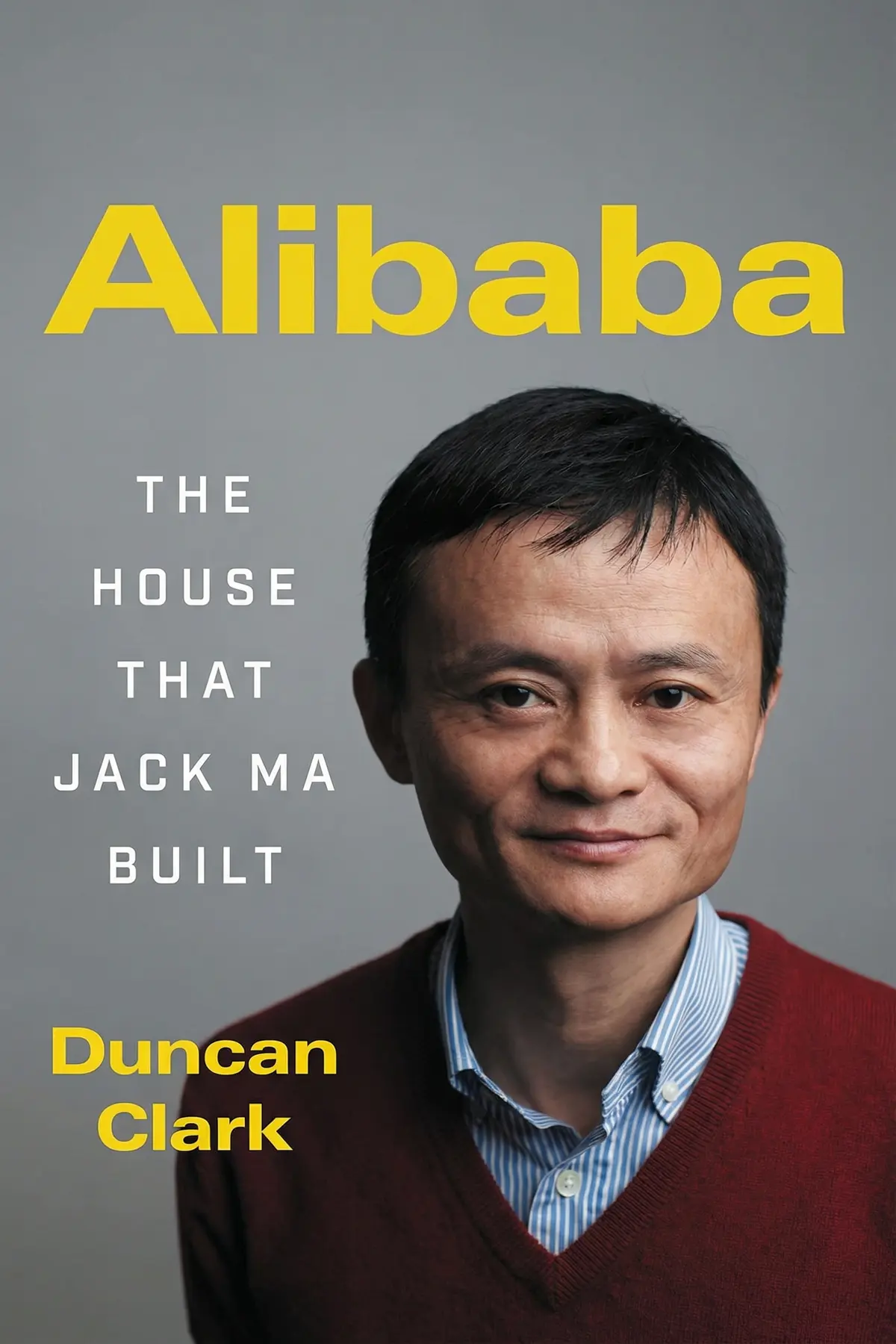
Alibaba: The House That Jack Ma Built
Duncan Clark

A Bigger Prize: How We Can Do Better Than the Competition
Margaret Heffernan
7 Powers: The Foundations of Business Strategy
Hamilton Helmer
AUDIO SUMMARY AVAILABLE
Listen to Delivering Happiness in 15 minutes
Get the key ideas from Delivering Happiness by Tony Hsieh, plus 5,000+ more titles in English and Thai.
- 5,000+ titles
- Listen as much as you want
- 7-day free trial
- Cancel anytime







