

A Liberated Mind: How to Pivot Toward What Matters
Steven C. Hayes
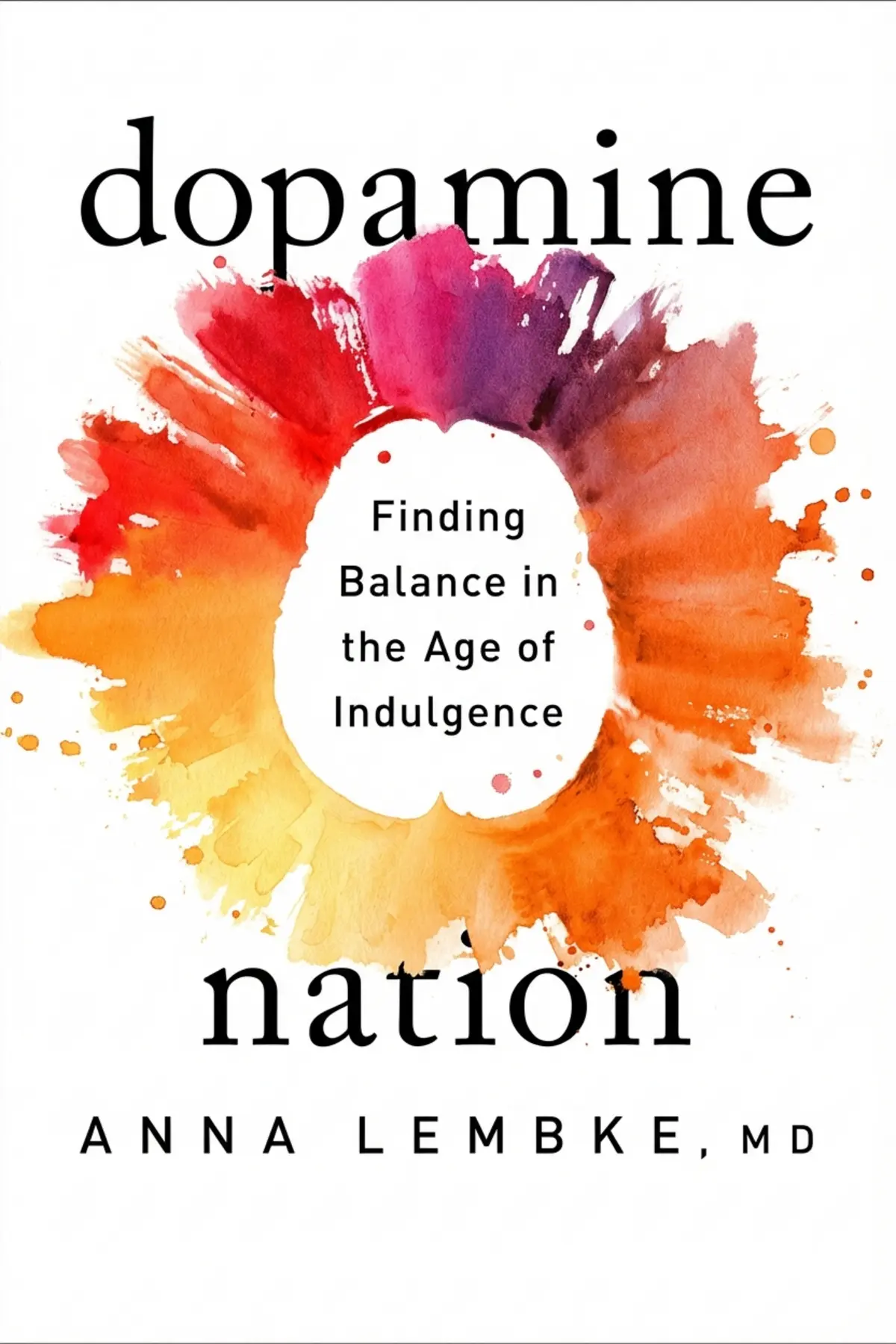
Explore the biological relationship between pleasure and pain. This summary reveals how modern abundance drives compulsive overconsumption and offers a science-based path toward regaining neural balance and lasting fulfillment in a distracted world.
1 min 46 sec
We live in an era that would have been unimaginable to our ancestors—a time of unparalleled abundance where almost every desire can be satisfied with a mere tap on a screen. Whether it is the latest fashion, a bottomless stream of digital entertainment, or the immediate gratification of high-calorie foods, our environment is engineered to provide us with constant hits of dopamine. This neurotransmitter is the chemical messenger in our brains that manages how we perceive rewards and what motivates us to act. In many ways, dopamine is the currency of our modern economy, driving us to consume more, do more, and seek out the next high. But there is a hidden cost to this endless buffet of stimulation. As we find ourselves increasingly flooded with these pleasurable experiences, many of us are using them as a way to numb the underlying pains, anxieties, and stresses of daily life.
What we often fail to realize is that the more we lean into these rewards, the more they seem to slip through our fingers. The rush of a new purchase or the thrill of a viral video is fleeting, often followed by a nagging sense of emptiness or a craving for just one more hit. This is the central paradox of our current age: in our desperate search for pleasure, we have inadvertently made ourselves more susceptible to pain. By looking at the intersection of neuroscience and the personal stories of those who have struggled with addiction, we can begin to see a path forward. The goal is not to eliminate joy, but to find a sustainable equilibrium. We will explore how our brains are actually wired to handle pleasure and pain, why our current habits are pushing our biology to its limits, and how we can apply ancient wisdom and modern science to reclaim a sense of control over our lives. It is a journey from the chaos of overconsumption toward a disciplined, meaningful balance.
2 min 29 sec
Addiction is no longer a fringe issue confined to street corners; it has entered our pockets and living rooms through smartphones and ubiquitous access to pleasure.
2 min 21 sec
Our modern attempts to eliminate all forms of suffering have unexpectedly contributed to a rise in global unhappiness and anxiety.
2 min 23 sec
The neural mechanisms that process joy and distress are inextricably linked, creating a delicate balance that can become skewed through overindulgence.
2 min 24 sec
Taking a structured break from highly stimulating behaviors can provide the mental clarity needed to recognize the true impact of our habits.
2 min 14 sec
Paradoxically, by exposing ourselves to mild forms of discomfort, we can trigger the brain’s natural mechanisms for long-term well-being.
2 min 13 sec
Maintaining secrets about our behaviors reinforces the cycle of addiction, whereas telling the truth can physically and socially repair our lives.
2 min 17 sec
Understanding the social function of shame can help us move from isolated guilt toward humble community integration.
2 min 18 sec
True recovery is found not in seeking a permanent high, but in learning to appreciate the subtle reality of the present moment.
1 min 41 sec
The world we inhabit today is a miracle of convenience and abundance, but it is also a biological minefield. Our brains, shaped by millennia of scarcity, are ill-equipped for the relentless flood of dopamine that modern life provides. We have seen how our attempts to maximize pleasure and eliminate pain have inadvertently tipped our internal scales into a state of chronic dissatisfaction and anxiety. However, the path back to balance is within our reach. By understanding the mechanics of neuroadaptation and the see-saw of our reward systems, we can make informed choices about how we interact with the world around us.
Whether it is through a month-long dopamine fast, the practice of radical honesty, or the intentional pursuit of healthy discomfort, we have the tools to reset our brains. This process is not about deprivation for its own sake; it is about reclaiming our ability to experience genuine joy. It is about moving from being passive consumers of instant gratification to being active participants in a meaningful life.
As a final piece of practical wisdom, consider viewing your habits through a wider lens. It is easy to tell ourselves that we will change ‘tomorrow’ while indulging today. But if you look at your current trajectory over a timeline of years rather than hours, the stakes become much clearer. Ask yourself if you want to be in the same cycle of consumption and regret five years from now. This broader perspective can provide the motivation needed to make difficult changes today. By choosing balance, honesty, and presence, you are not just managing an addiction; you are building a life that you no longer feel the need to escape from.
This exploration of modern psychology and neuroscience investigates why our pursuit of constant pleasure often leaves us feeling more miserable than before. It delves into the mechanics of the brain’s reward system, specifically focusing on the neurotransmitter dopamine, which governs our motivation and sense of gratification. The central promise of the work is that by understanding the delicate biological see-saw of pleasure and pain, we can learn to navigate a world of infinite distractions and addictive substances. The narrative combines clinical case studies with rigorous research to explain how the brain adapts to overstimulation through a process of neuroadaptation. It suggests that our current culture of easy access—to everything from social media and digital entertainment to ultra-processed foods and potent drugs—has pushed our internal scales into a chronic deficit. By adopting practices such as radical honesty, temporary abstinence, and even intentional exposure to discomfort, we can recalibrate our reward systems. Ultimately, the book provides a roadmap for moving from compulsive consumption toward a more intentional and balanced way of living.
Anna Lembke is a distinguished clinical scholar and an award-winning researcher who serves as the chief of the Stanford Addiction Medicine Dual Diagnosis Clinic. Her expertise is recognized globally, and she has received numerous accolades for both her teaching and her pioneering research in the field of addiction. She has contributed extensively to the medical community through many peer-reviewed papers and articles, and she is the author of a previous book, Drug Dealer, MD, focusing on the drug epidemic and the complexities of addiction.
Listeners find the book captivating and thoroughly investigated, specifically enjoying the scientific details and practical advice provided. They characterize the content as revelatory and stimulating, assisting audiences in grasping the nature of addiction, while one listener points out that it functions as a great primer. The prose is straightforward and actionable, and listeners appreciate the candid approach, with one remarking that it offers an honest look at addiction.
The chapter on the pleasure-pain balance completely changed how I view my daily habits. Lembke uses this metaphor of a scale in the brain to explain why we feel 'down' after high-stimulus activities like social media scrolling or junk food binges. It's eye-opening to realize that our brains are constantly trying to compensate for pleasure by dumping 'pain' molecules into our system. I found the scientific explanations very accessible without being too dense for a layperson. While some of the case studies are extreme, they serve as a powerful warning about where unchecked consumption leads. It’s an honest, thought-provoking look at our culture of overindulgence. I’ve already started my own thirty-day fast from certain apps, and the clarity I feel is undeniable. This is a must-read for anyone feeling burnt out by the modern world.
Show moreEver wonder why you feel so empty after a night of binge-watching your favorite show? Lembke answers that question with her 'balance' theory of pleasure and pain, and it’s honestly a revelation. This book is a raw, honest look at why we are never satisfied in a world of 'more.' I loved how she integrated her own personal struggles with those of her patients; it removes the stigma of addiction and shows that we are all on a spectrum. The scientific explanations are clear and provide a great primer for understanding the mesolimbic system without needing a PhD. It’s a thought-provoking piece that forced me to look at my own 'quick-fix' behaviors with radical honesty. Truly eye-opening and highly recommended for anyone looking to find a bit more equilibrium in their life.
Show moreLook, we all know we’re hooked on something, whether it’s sugar, caffeine, or the 'like' button on Instagram. This book explains the 'why' behind those cravings with incredible clarity. Dr. Lembke manages to make neurobiology feel like a gripping narrative. I was fascinated by the idea that seeking out moderate pain can actually increase our long-term happiness. It’s a total paradigm shift. The honesty in this book is what sets it apart; she doesn't just judge her patients, she includes herself in the struggle. It’s a beautifully written, eye-opening guide to finding balance in a world that wants us to keep consuming. I’ve recommended it to several friends already because it sparks such great conversations about how we live our lives. A brilliant, scientific, yet deeply human exploration.
Show morePicked this up after hearing the author’s interview on a popular podcast, and the book definitely lives up to the hype. Dr. Lembke is incredibly brave to share her own struggles with romance novels; it makes the clinical advice feel much more human and relatable. Truth is, the 'pleasure-pain' equilibrium she describes explains so much about why we are a 'nation' of addicts. The writing style is simple enough to finish in a weekend, yet the implications stayed with me for weeks. My only gripe is that she occasionally leans a bit too hard into anecdotal evidence from her psychiatry practice rather than hard data. Some of the stories about her patients felt a little voyeuristic and extreme. Still, it's a great primer on how dopamine works in a world of infinite variety and constant availability.
Show moreWow, I didn’t realize how much my phone scrolling was actually hurting my mental health until I read this. Lembke explains the 'downside' of dopamine in a way that just clicks. It’s not just about drugs; it’s about how we use everything from Instagram to sugar to escape discomfort. The idea of the dopamine fast—taking a full month to let your brain reset its 'set point'—is a game-changer. Personally, I found the book very well-researched, even if the tone gets a little preachy in the middle sections. The way she links physical pain and mental pleasure through the same neurological pathways is brilliant. If you’ve been feeling unmotivated or 'gray' lately, this book might explain why. It’s a quick, engaging read that offers a solid roadmap for reclaiming your focus.
Show moreFinally got around to reading this after seeing it recommended everywhere, and it’s a solid addition to the self-help genre. The writing is incredibly accessible, which I appreciated. Lembke doesn’t hide behind medical jargon; instead, she uses metaphors that anyone can understand to explain complex brain chemistry. I particularly enjoyed the section on 'pro-social' pain, like cold showers or exercise, as a way to boost your baseline happiness. To be fair, she does get a bit repetitive regarding the 'pleasure-pain scale' metaphor, but it helps drive the point home. My main takeaway was the importance of 'radical honesty' in maintaining our mental health. It’s an engaging, fast-paced read that will definitely make you rethink your relationship with your smartphone and your snacks. A very helpful guide for the modern age.
Show moreLembke's work serves as a necessary wake-up call for our digital age of instant gratification. The book is deeply thought-provoking, especially the way it highlights how 'availability' is the biggest driver of addiction. Whether it’s legal weed, endless porn, or social media, we are drowning in dopamine triggers. I found her discussion on the 'dark side of capitalism' quite compelling, even if it was a bit brief. The prose is simple and easy to implement in your own life. Not gonna lie, some of the case studies are pretty graphic and might not be for everyone, but they illustrate her points perfectly. It’s a well-researched look at the biology of why we can’t seem to stop ourselves once we start. Definitely worth the time for the 'dopamine fasting' advice alone.
Show moreThis book is a fascinating but flawed exploration of the neurobiology of desire. On one hand, the concept that our brains are ill-equipped for the 'abundance' of the 21st century is a brilliant observation. On the other hand, the author sometimes feels a bit like a moral puritan masquerading as a scientist. She tends to view everything through the lens of addiction—when your only tool is a hammer, everything looks like a nail, right? I was particularly bothered by how she equated moderate indulgences, like a glass of wine, with the severe struggles of her opioid-addicted patients. It felt slightly alarmist and moralistic at times. However, the practical advice regarding 'radical honesty' and delayed gratification is genuinely helpful. It’s worth a read for the core concepts, but take the anecdotal horror stories with a grain of salt.
Show moreNot what I expected from a book written by a Stanford psychiatrist. While the core message about dopamine overstimulation is vital, the delivery felt strangely outdated. Lembke’s tone shifts between clinical observation and what feels like moralistic hogwash. For instance, her suggestions for curbing sex addiction felt like they were pulled from a nineteenth-century handbook rather than modern therapy. I also found her narration of the audiobook a bit distracting when she tried to mimic her patients' accents or mispronunciations. That being said, the fundamental explanation of how the brain seeks equilibrium is very well-presented. It’s a mixed bag—great concepts buried under some questionable anecdotes and a slightly judgmental worldview. Read it for the science of the 'opponent process theory,' but don't feel like you have to agree with her social prescriptions.
Show moreAs someone who values rigorous scientific data, I found these pages to be a bit of a letdown. Dr. Lembke clearly knows her field, but she often relies on 'tabloid-style' anecdotes to scare the reader rather than presenting balanced research. Some of her claims about pain being 'good' for us felt incredibly cavalier, especially considering the debilitating reality of chronic pain. Frankly, it felt more like a polemic against modern capitalism than a medical text. The chapter where she admits to her own 'addiction' to vampire novels was just bizarre and made it hard to take her broader points about heroin addiction seriously. It seems she generalizes the behaviors of her most severe patients to the entire population. There are better books out there on the science of habits that don't rely so heavily on moralizing or purity-culture undertones.
Show moreSteven C. Hayes
Deborah Gruenfeld
Anthony Pratkanis
AUDIO SUMMARY AVAILABLE
Get the key ideas from Dopamine Nation by Anna Lembke, plus 5,000+ more titles in English and Thai.







