
60 Seconds & You’re Hired!
Robin Ryan
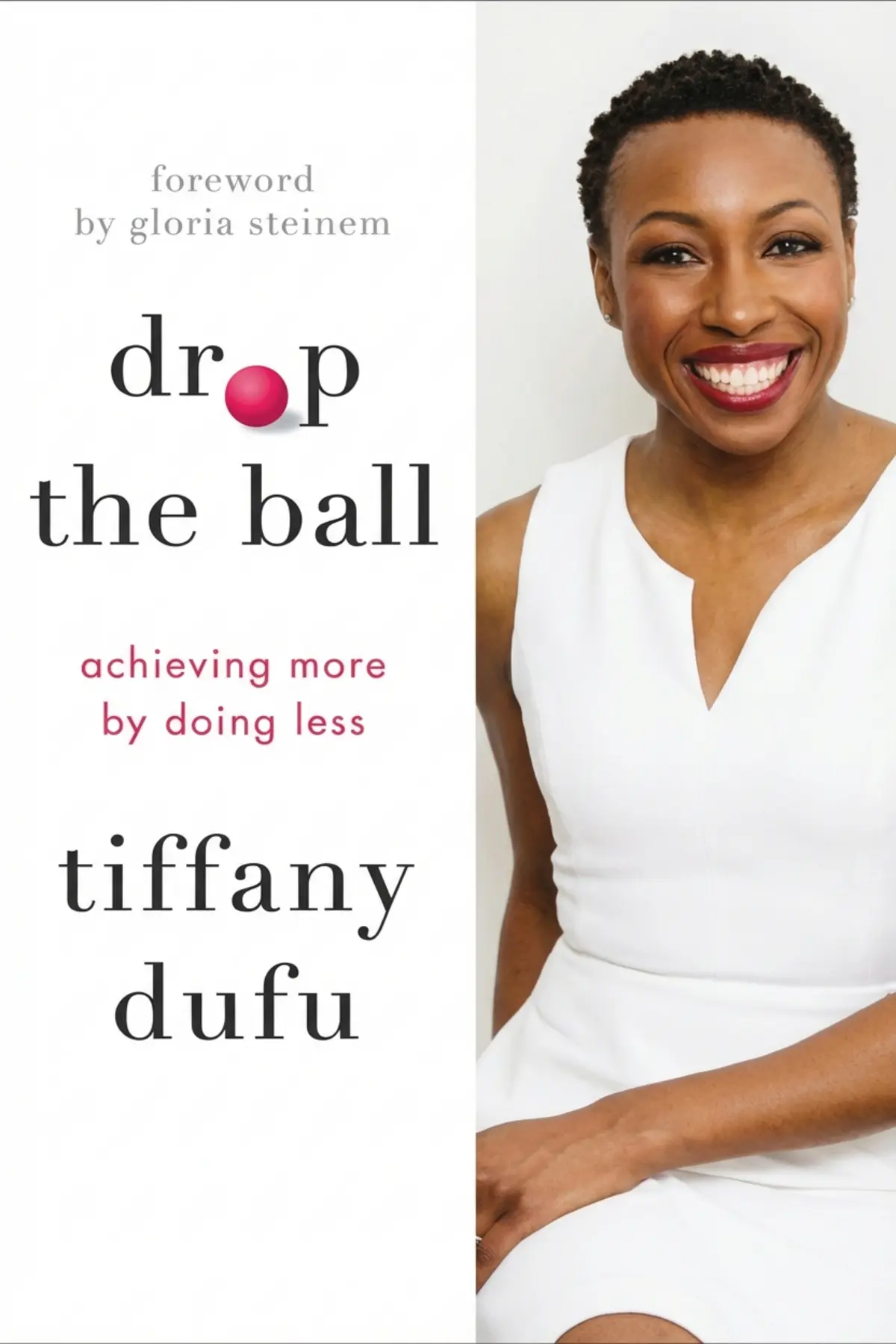
Drop the Ball explores how women can achieve greater professional and personal success by letting go of the unrealistic expectation to do everything and learning to share domestic responsibilities effectively.
2 min 32 sec
In our current era, we often celebrate the progress women have made in the professional world. We see more women than ever entering the workforce, climbing corporate ladders, and breaking through glass ceilings. However, there’s a quiet, exhausting reality behind these achievements. While the workplace has opened up, the traditional expectations of what happens at home haven’t changed nearly as much. Many women find themselves living a double life: a professional powerhouse by day and a domestic manager by night. This creates a relentless cycle of tasks that never seems to end, leading to burnout and a feeling that despite doing everything, they are still somehow falling short.
This is where we find the core conflict of the modern woman’s journey. We’ve been told we can have it all, but the fine print suggests we also have to *do* it all. The result is a generation of leaders who are stretched to their breaking points. But what if the path to true success—the kind that brings fulfillment rather than just fatigue—requires a completely different strategy? What if the key to doing more is actually doing significantly less?
In this exploration of Tiffany Dufu’s insights, we are going to look at the liberating concept of letting go. We aren’t just talking about taking a day off or hiring a cleaning service; we are talking about a fundamental shift in how we view our roles and responsibilities. We will delve into why the goal of being a ‘perfect’ worker and a ‘perfect’ homemaker is not only unattainable but also detrimental to your long-term goals.
Throughout this discussion, we’ll establish a throughline: your value is not defined by the number of chores you complete or the perfection of your household. Instead, your success depends on your ability to focus on your unique strengths and allow others—specifically partners and community members—to step up and carry their weight. We’ll examine the psychological barriers that stop us from delegating, the societal myths that keep men on the sidelines of domestic life, and the specific daily habits that can safeguard your well-being. By the end, you’ll see that dropping the ball isn’t a sign of failure. It’s a strategic choice that opens the door to a more balanced and impactful life.
3 min 07 sec
Examine the heavy toll of the ‘double burden’ and why trying to be perfect in every sphere of life is an impossible trap for modern professional women.
2 min 49 sec
Discover how hidden biases and childhood observations shape our household habits, and why an honest conversation is the only way to break these patterns.
3 min 08 sec
Learn to apply economic principles to your home life by focusing on your unique strengths and delegating everything else with a sense of joy.
3 min 08 sec
Explore why letting things get a little messy is sometimes necessary to build true accountability and ensure that your partner actually follows through.
2 min 59 sec
Understand the dangers of micromanagement and how accepting a partner’s unique methods can save you hours of unnecessary work every week.
2 min 54 sec
Dive into the societal pressures that keep men from full domestic participation and why raising our expectations of them is a key to gender equality.
3 min 35 sec
Discover the ‘Four Go-Tos’—exercise, networking, visibility, and sleep—that are essential for sustaining your performance and well-being in the long run.
2 min 18 sec
The journey of ‘dropping the ball’ is ultimately a journey toward liberation. We have spent too long trying to live up to an image of the woman who can do it all without ever breaking a sweat. But that image is a mirage, and the pursuit of it is costing us our health, our happiness, and our potential.
Through our discussion, we’ve seen that the secret to achieving more is not about finding more hours in the day or becoming more efficient at folding laundry. It’s about a radical shift in perspective. It’s about recognizing that some tasks are simply not worth your time and that your partner is fully capable of sharing the load if you give them the space and the accountability to do so. We’ve learned that the ‘ugly faucet’ or the stack of mail is a small price to pay for the freedom to focus on your highest-value work and your personal well-being.
Take a moment to look at your own to-do list. Which of those items are there because they truly align with your values, and which are there because of an outdated sense of duty or a fear of judgment? The path forward starts with one small act of letting go. Pick one task this week that you are going to ‘drop.’ Communicate it to your partner or find another way to delegate it, and then—this is the hard part—don’t look back.
When you stop trying to be everything to everyone, you finally have the energy to be the best version of yourself. You create room for the ‘Four Go-Tos’—exercise, networking, visibility, and sleep—that will sustain your career for the long haul. You build a partnership based on true equality and mutual respect. Most importantly, you reclaim your own life. Remember, dropping the ball isn’t about laziness or failure; it’s about focus. It’s about making a conscious choice to prioritize the things that truly matter. By doing less of what doesn’t count, you finally gain the power to do much more of what does.
Modern life often places an impossible burden on women, who are expected to excel in high-powered careers while simultaneously managing the lion's share of domestic duties. This book addresses the 'double burden' and provides a roadmap for liberation. It argues that the secret to reaching your full potential isn't working harder or sleeping less; it’s about strategically deciding which tasks to stop doing altogether. By examining the deep-seated gender roles that shape our homes and workplaces, the book offers a guide for re-evaluating priorities. It covers the psychological hurdles of 'home control disease' and the necessity of delegating with joy. Through personal anecdotes and striking statistics, it demonstrates how shifting expectations and embracing imperfection can create room for self-care, professional growth, and more equitable partnerships. The promise is a life where you do less, but the things you do achieve have a far greater impact.
Tiffany Dufu is a renowned leadership expert, consultant, and public speaker. She played a pivotal role in launching the Levo and Lean In professional networks, which focus on women's advancement. In 2012, she was recognized by Fast Company as one of the members of the League of Extraordinary Women. Dufu has shared her insights on prestigious platforms, including TEDWomen and Fortune’s Most Powerful Women Summit.
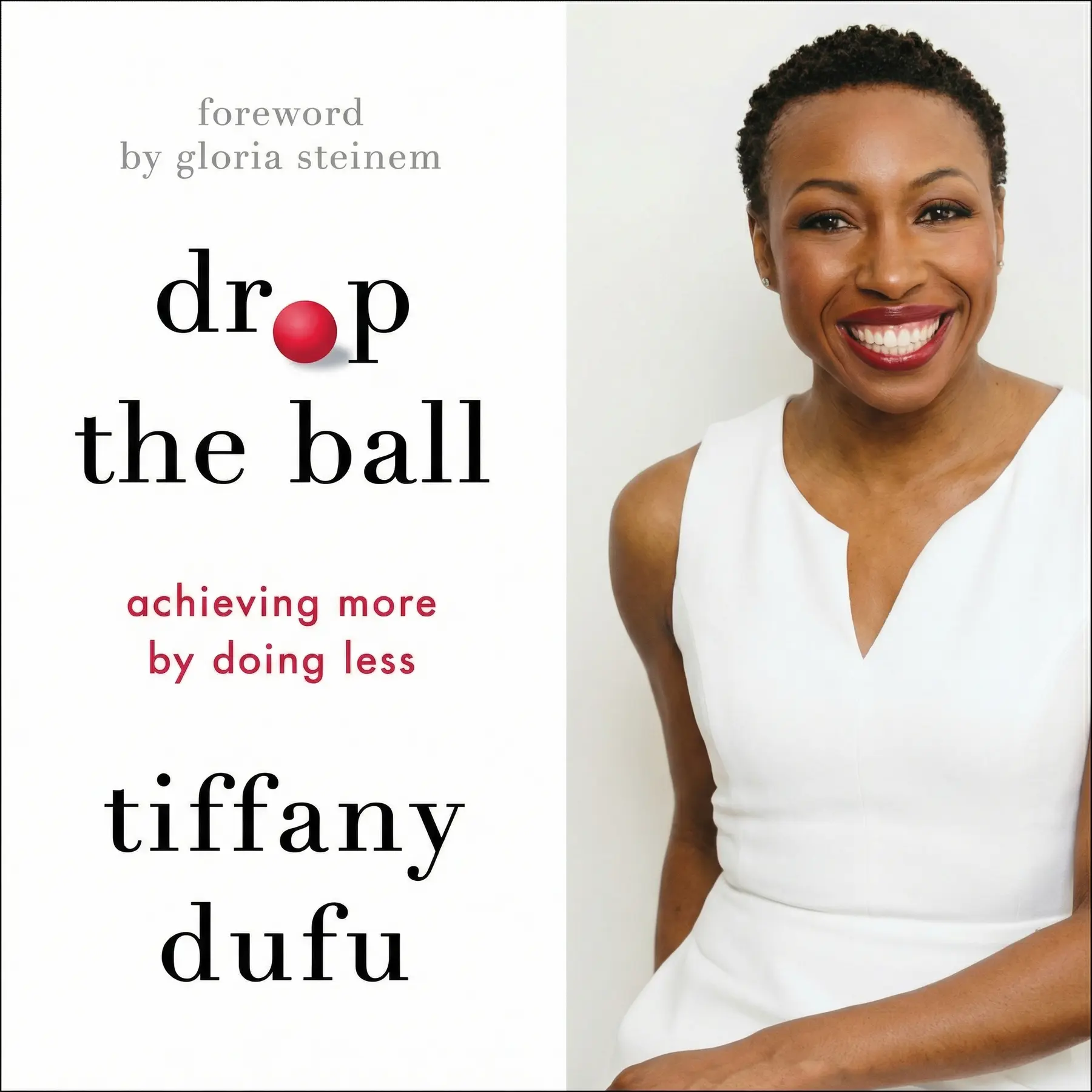
Listeners consider this work essential reading for women, especially moms, highlighting its actionable tips and thoroughly vetted material. It utilizes a narrative-driven method and provides a candid look at the challenges that many people encounter. Listeners value the way it is written and feel it is appropriate for audiences across various age groups.
Wow. This was exactly the kick in the pants I needed to stop obsessing over every little detail at home. Dufu’s storytelling is so engaging that I finished it in two sittings, feeling like I’d just had a long coffee date with a mentor. Her "four practices" for flourishing—especially the focus on sleep and networking—offered a roadmap that felt much more attainable than the usual corporate advice. I’ve already started delegating tasks like the grocery shopping to my partner without micromanaging the results. It isn't just about doing less; it's about making space for what actually matters in your career and life. If you’re a mother trying to climb the professional ladder, you need this perspective on your nightstand. It is an honest look at the messy reality of being a high-achiever.
Show moreAs a working mom who perpetually feels like she’s drowning, Dufu’s memoir-style advice felt like a life raft. I’ve come across so many books that suggest "hiring help" as the only solution, so I appreciated that she tackled the messy reality of domestic partnership and the "mental load" women carry. Her vulnerability regarding her marriage with Kojo was refreshing and honest. The way she describes "delegating with joy" really changed my perspective on how I interact with my spouse. I no longer feel like a failure for not being the "key contact" for every single school event or home project. This book is a manifesto for anyone who is tired of the invisible meritocracy of homemaking. It’s a powerful, well-researched call to action for the modern woman of any age.
Show moreTiffany Dufu has a gift for taking these massive, systemic issues and making them feel deeply personal. I loved how she integrated her identity as a woman of color into the narrative, highlighting the extra pressures that come with being "the only" in certain spaces. The way she describes her transition from being a perfectionist "Home Country Manager" to someone who prioritizes her own stamina was eye-opening. Personally, I wish I had read this before I returned from maternity leave. It’s more than just a self-help book; it’s a story about reclaiming your time and your identity outside of just being a "do-it-all" mother. The honesty about her early marital struggles was the highlight for me because it felt so real. This is a must-read for any woman feeling the pressure of modern life.
Show moreFinally got around to reading this after seeing it recommended on a podcast. While I don’t agree with every single takeaway, particularly the heavy focus on networking events which sounds exhausting for an introvert, the core message is vital. Dufu is right: we can't do it all, and we shouldn't have to. The chapter on how men and women’s "boxes" and "wires" function was hilarious and felt eerily accurate in my house. I did find the focus on her C-suite ambitions a bit narrow, as not everyone is aiming for that specific brand of success. However, her advice on letting go of perfectionism at home so you can thrive at work is solid. It’s a chatty, fast-paced read that will definitely make you rethink your daily to-do list.
Show morePicked this up on a whim and was surprised by how much the "mental load" discussion resonated with my current situation. The author does a great job of articulating that specific brand of female guilt we feel when the house isn't perfect. I particularly liked her experiment with getting eight hours of sleep—it’s such a simple concept, yet so revolutionary when you’re used to running on fumes. Truth is, some of the advice on "training" your husband felt a little manipulative at times, rather than just being direct. But I can't deny that her strategies for building a "village" of mentors and promoters are incredibly practical. It’s a great mix of personal anecdotes and actionable career advice that doesn't feel too dry or academic. Definitely a must-read for women entering new life stages.
Show moreAfter hearing about the lack of career books by women of color, I was excited to find this perspective. Dufu brings a much-needed voice to the table, and her writing is incredibly relatable and warm. I found the sections on building your "village" of promoters and sage mentors to be the most valuable part of the book. It’s not just about doing fewer chores; it’s about strategically positioning yourself for the career you want. My only gripe is that the book assumes a very specific family structure. However, the principles of identifying what is "highest and best" for your time can be applied by anyone. It’s a quick read that packs a punch and encourages some much-needed self-reflection for working parents.
Show moreThis book is definitely a conversation starter, but I'm not sure it's for everyone. I struggled with the fact that "dropping the ball" only ever seems to apply to the home, never to the workplace. Why is it always the laundry that gets sacrificed and never the extra administrative busywork at the office? Dufu’s story is impressive, but it feels like a sequel to 'Lean In' that assumes we all have the same high-powered career goals. I appreciated the inclusion of stories from "average" women, like the bus driver, but they felt like minor footnotes compared to her own experiences. It’s well-written and engaging, but the underlying assumption that we all want to reach the top of the corporate ladder felt a bit limiting to me personally. A decent read, but missing some tougher questions.
Show moreIs it a memoir or a self-help guide? I found myself wishing for more of the latter. While the stories about her career at the White House Project and Levo were interesting, the book is quite repetitive regarding the domestic division of labor. I’m not convinced by the "boxes vs. wires" brain science, though it makes for a funny anecdote. I did appreciate the "delegating with joy" concept, but I wanted more examples of how to drop the ball at work. The book focuses so much on the home that it ignores the fact that many employers are the ones making work-life balance impossible. It’s an easy, enjoyable read with a nice storytelling approach, but it didn't quite provide the depth I was looking for after the first few chapters.
Show moreEver wonder why the solution to "having it all" always seems to involve the husband doing more chores? This book dives deep into that dynamic, and while I found some of Dufu’s realizations about micromanaging to be helpful, the tone occasionally grated on me. Not gonna lie, the chapter titled "Why We Need Men" felt a bit reductive for my taste. Look, I get that she’s writing from her own lived experience as a married woman, but it felt like the book was talking to a very narrow demographic. That said, her advice on letting go of the "stifling pressure" of being a perfect homemaker is something every woman should hear. It’s an honest, well-written book, even if it doesn't solve the bigger systemic problems we face in the workplace.
Show moreTo be fair, Dufu seems like a lovely person, but this book felt incredibly out of touch for someone who isn't a high-powered executive. My main issue is the presumption that everyone has a partner who is willing and able to pick up the slack. If you drop the ball and no one is there to catch it, the ball just stays on the floor. The constant references to cocktail parties and high-level networking made my head spin as an introvert. I wanted a book with more science and specific organizational steps, but this felt more like a personal manifesto or a memoir. While the writing style is smooth, the "have your husband do more" solution feels a bit dated and doesn't account for the systemic issues at play in the workforce. Not the practical manual I was hoping for.
Show moreRobin Ryan

Richard Wiseman

William B. Irvine
AUDIO SUMMARY AVAILABLE
Get the key ideas from Drop the Ball by Tiffany Dufu, plus 5,000+ more titles in English and Thai.







