
13 min 02 sec
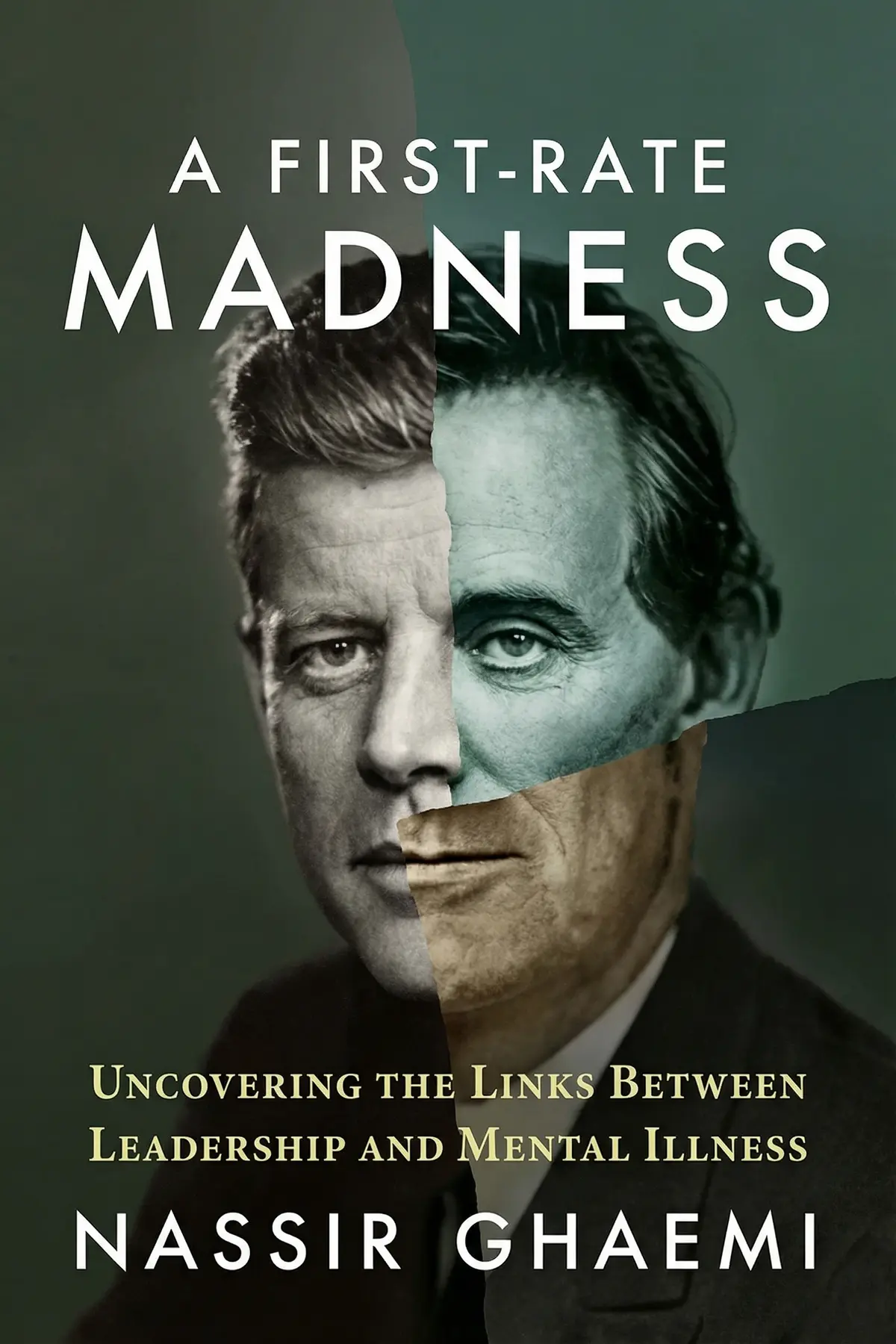
Emotional Intelligence for Project Managers: The People Skills You Need to Achieve Outstanding Results
A comprehensive guide showing project leaders how to utilize emotional intelligence to enhance communication, build resilient teams, and achieve superior project results in a competitive professional landscape.
Table of Content
1. Introduction
1 min 22 sec
In the high-stakes world of project management, we often treat our work like a giant puzzle made of spreadsheets, deadlines, and technical specifications. We are taught to be logical, precise, and objective. But if you’ve spent any time leading a team, you know that the most complex variables aren’t found in a software program or a budget report; they are found in the people sitting around the conference table. The reality is that projects don’t fail because the Gantt chart was wrong; they fail because of miscommunication, lack of trust, and unmanaged stress.
This is where a vital, often overlooked set of tools comes into play: emotional intelligence. This isn’t just a buzzword; it’s a framework for understanding how our internal emotional states and the feelings of others dictate the success or failure of our professional endeavors. Many managers mistakenly believe that emotions have no place in the office, but trying to ignore them is like trying to ignore the weather—it’s going to affect your progress whether you acknowledge it or not.
In the following sections, we will explore how to integrate emotional intelligence into your daily management routine. We’ll look at the importance of knowing your own internal triggers, how to keep your cool when things go sideways, and how to read a room to understand what your team is really thinking. By the end of this journey, you’ll see that being a great project manager isn’t just about having the right certifications; it’s about having the people skills to lead with empathy and clarity.
2. The Strategic Advantage of Emotional Maturity
1 min 40 sec
Discover why being technically brilliant isn’t enough anymore and how emotional intelligence has become the primary differentiator for high-performing project leaders.
3. Establishing the Groundwork Through Self-Awareness
1 min 50 sec
Learn to identify the subtle emotional shifts within yourself using practical frameworks to ensure your internal state doesn’t hinder your leadership.
4. Taking Command of Your Internal Reactions
1 min 49 sec
Explore the biological battle between your reactive and logical brain and discover how to pause before emotions hijack your decision-making.
5. Developing a Keen Eye for Social Dynamics
1 min 42 sec
Master the art of reading the room and setting healthy boundaries to protect your focus while staying connected to your team.
6. The Art of Strategic Relationship Maintenance
1 min 36 sec
Transform your professional connections by applying a structured approach to stakeholder engagement and team development.
7. Leading Through Connection and Conflict
1 min 34 sec
Explore how to set the right emotional tone for your project and use high-EQ techniques to resolve team disputes.
8. Conclusion
1 min 29 sec
As we have seen, the path to becoming an outstanding project manager isn’t paved solely with technical skills and certifications. While those are necessary, they are not sufficient to navigate the complex human landscape of modern organizations. The true secret to consistent success lies in emotional intelligence. By mastering self-awareness, you gain the insight needed to stay centered. Through self-management, you gain the discipline to lead with logic rather than reaction. Social awareness gives you the empathy to understand your team, and relationship management gives you the influence to guide your stakeholders.
Remember that emotional intelligence is a muscle; it gets stronger with intentional practice. You don’t have to overhaul your entire personality overnight. You can start small. For example, the next time you have a high-stakes meeting with a difficult stakeholder, don’t just send an email or sit across a sterile boardroom table. Instead, take them to lunch. A relaxed setting can break down barriers and allow for a more human connection, which is often the key to unlocking a stalled project.
Ultimately, projects are about people, and people are driven by their emotions. By embracing this reality rather than fighting against it, you position yourself as a leader who is not only capable of delivering results but also capable of inspiring and developing everyone around you. That is the hallmark of a superb project manager and the most certain way to elevate your career to the next level.
About this book
What is this book about?
This book addresses the critical gap between technical project management skills and the human dynamics that actually drive success. While many project managers focus on budgets and timelines, Anthony Mersino argues that the real differentiator is a manager’s ability to navigate their own emotions and the emotions of those around them. The book provides a roadmap for developing emotional intelligence, categorized into self-awareness, self-management, social awareness, and relationship management. It explains how these soft skills translate into hard results, such as better stakeholder engagement, more effective conflict resolution, and higher team morale. By shifting the focus from logic alone to a balanced approach that includes emotional maturity, project leaders can stand out in a crowded field and lead their projects to more consistent and outstanding outcomes.
Book Information
About the Author
Anthony Mersino
Anthony Mersino is an expert in the professional development and project management space. He currently works as an Agile Transformation Coach and also serves as an IT Program Manager, bringing a wealth of real-world experience to his coaching and writing.
Ratings & Reviews
Ratings at a glance
What people think
Listeners find this book highly educational and value its method for addressing emotional intelligence. It also gains favorable reviews regarding leadership development, with one listener highlighting that recognizing human behavior patterns is essential for effective management. Ultimately, listeners view the work as an exceptional asset for project management professionals.
Top reviews
Siriporn
Picked this up during a particularly stressful software rollout and it completely changed my perspective on team dynamics. Leadership is frequently misunderstood as just giving orders, but this book illustrates how empathy and self-regulation are actually the keys to maintaining project momentum. I found the section on countering difficult situations particularly helpful when I had to deliver bad news to my steering committee last month. Not gonna lie, I used one of the suggested scripts for a conflict resolution meeting and the results were surprisingly positive. It provides a vital role for project managers who feel stuck in a cycle of reactive fire-fighting rather than proactive management. The writing style is accessible and doesn't get bogged down in overly academic jargon, which I really appreciated during my busy commute. This is a foundational text for anyone serious about the human side of the Triple Constraint.
Show moreTang
Wow, I didn't realize how much I was neglecting the 'people' side of the Triple Constraint until reading this. Most PM training focuses on the mechanics of scheduling, but understanding human behavior is actually what keeps a project from falling apart during a crisis. This book is a fantastic resource for project managers who want to elevate their leadership skills beyond just managing tasks. Look, the reality of our job is dealing with personalities, and Mersino provides a clear roadmap for doing that effectively. I found the inspiration I needed to rethink how I facilitate my weekly status meetings to be more inclusive and productive. Every project manager should have this on their shelf as a reference guide for those days when the team morale starts to dip. It's insightful, thoughtful, and incredibly relevant to the modern workplace.
Show moreElla
Truth is, most projects fail because of communication breakdowns, not because the schedule was slightly off. Anthony Mersino has created a vital resource for project managers who want to understand the underlying currents of team conflict. I was searching for books specifically for PMs that dealt with the emotional side of the job, and this hit the mark perfectly. It offers a clear guide on how to counter the difficult situations that inevitably arise when deadlines are tight and tempers are short. The focus on understanding human behavior as a tool for successful leadership is exactly what the industry needs right now. I particularly enjoyed the sections on how to build trust quickly within a new team. It’s an empowering read that makes you feel more equipped to handle the stresses of the job. This is definitely a book I will return to throughout my career.
Show moreBo
This guide serves as a solid reminder that technical skills aren't everything in the PM world. While I initially thought I had a handle on team dynamics, Mersino’s framework for emotional intelligence helped me identify several blind spots in my own leadership style. The truth is, managing the people on a project is often significantly more complex than managing the budget or the timeline itself. I appreciated the specific strategies for navigating difficult situations with stakeholders who might not share the same priorities. Some of the concepts felt like common sense at first glance, but the way they are framed specifically for project environments makes them much more actionable. It is a great resource for anyone looking to move beyond just checking boxes and actually leading a team toward success. My only real gripe is that the middle sections can feel a bit repetitive if you are already familiar with Goleman’s work.
Show moreDavid
The chapter on self-awareness alone is worth the price of admission for anyone struggling with stakeholder management. As project managers, we often focus so heavily on tools and techniques that we forget we are leading actual human beings with emotions and biases. Mersino does an excellent job of breaking down human behavior into manageable components that can be addressed systematically. I resonate with multiple points regarding the importance of active listening and how it directly impacts the accuracy of project requirements. While the tone is occasionally a bit dry, the practical application of EQ concepts is clear throughout the entire text. It helped me figure out my next move when I was stuck in a critical stage of a failing project. I would recommend this to anyone who feels like they are technically proficient but struggles to gain buy-in from their project team.
Show moreAnna
Finally got around to finishing this for my PDU requirements, and I was pleasantly surprised by the actionable strategies. I’ve read a lot of management books, and many of them are too abstract to be of any real use on the ground. Mersino avoids this trap by linking emotional intelligence directly to the daily challenges we face in project environments. The truth is, knowing how to react when you are stuck in a critical stage can make or break your professional reputation. I appreciated the framing of how to leverage EQ concepts to improve overall project outcomes and team velocity. There were some parts that felt a bit redundant, especially if you have read other books on soft skills recently. Still, it remains a solid foundation stone for any management career and provides good fodder for reflection on one's own behavioral patterns.
Show moreDarawan
Not what I expected from a project management book, as it ditches the Gantt charts for empathy and active listening. It’s an easy and relevant read that highlights why some projects succeed despite technical hurdles while others fail despite perfect planning. Personally, I found the discussion on relationship management to be the most impactful part of the entire narrative. It gave me a new perspective on how to handle the 'people' aspects of my current transition to a senior role. While some of the advice is definitely something that most people should put into practice naturally, it’s a good reminder for the forgetful. The author provides a vital role in bridging the gap between hard technical skills and the soft skills required for true leadership. I wish some of the case studies were a bit more modern, but the core principles remain timeless and effective.
Show moreMaya
After hearing several colleagues rave about Mersino’s work, I finally dove into the text to see the hype. It is a decent read, though it felt more like a collection of reminders than a revolutionary new methodology for project success. I definitely learned a new vocabulary for discussing interpersonal issues, but I didn't necessarily walk away with a brand new toolkit of ideas. Frankly, the book does a good job of cluing in the clueless, but if you already possess a high degree of self-awareness, you might find yourself skimming. The examples provided were helpful for framing the 'people' aspect of projects, especially when dealing with uncooperative vendors. It’s a good reminder of what matters, but don't expect it to solve every organizational hurdle you face. It works well as a supplementary resource rather than a primary guide.
Show moreRotjanee
Ever wonder if some business books are just corporate fluff masquerading as deep insight? This one unfortunately felt like it was trying too hard to create a new vocabulary for things we already do every day. To be fair, the author clearly knows the project management space, but I found the advice to be a bit basic for anyone with a modicum of social awareness. Much of the content felt like fodder for Dilbert comics, focusing on buzzwords rather than truly innovative ideas for complex problem solving. If you are brand new to the workforce, you might find some value in the descriptions of human behavior. However, for a seasoned professional, there isn't much here that you haven't seen in a standard HR training video. I was hoping for more rigorous data and fewer anecdotal examples that felt somewhat dated.
Show moreEarn
As someone who has been in the industry for over a decade, much of this felt like basic social skills repackaged for a PM audience. I read this for a course I took on leadership, and I struggled to stay engaged with the material. To be fair, the book is well-organized and the author's intent is clearly to help people, but the information seemed like common sense to me. It felt like it was written for someone who has never had to navigate a difficult conversation or manage a diverse group of people before. There were a few interesting examples, but they were buried under layers of theory that didn't always feel applicable to high-pressure environments. If you’re looking for a deep dive into psychological principles, this isn't it. It’s more of a high-level overview that might be better suited for an introductory management class than for experienced practitioners.
Show moreReaders also enjoyed
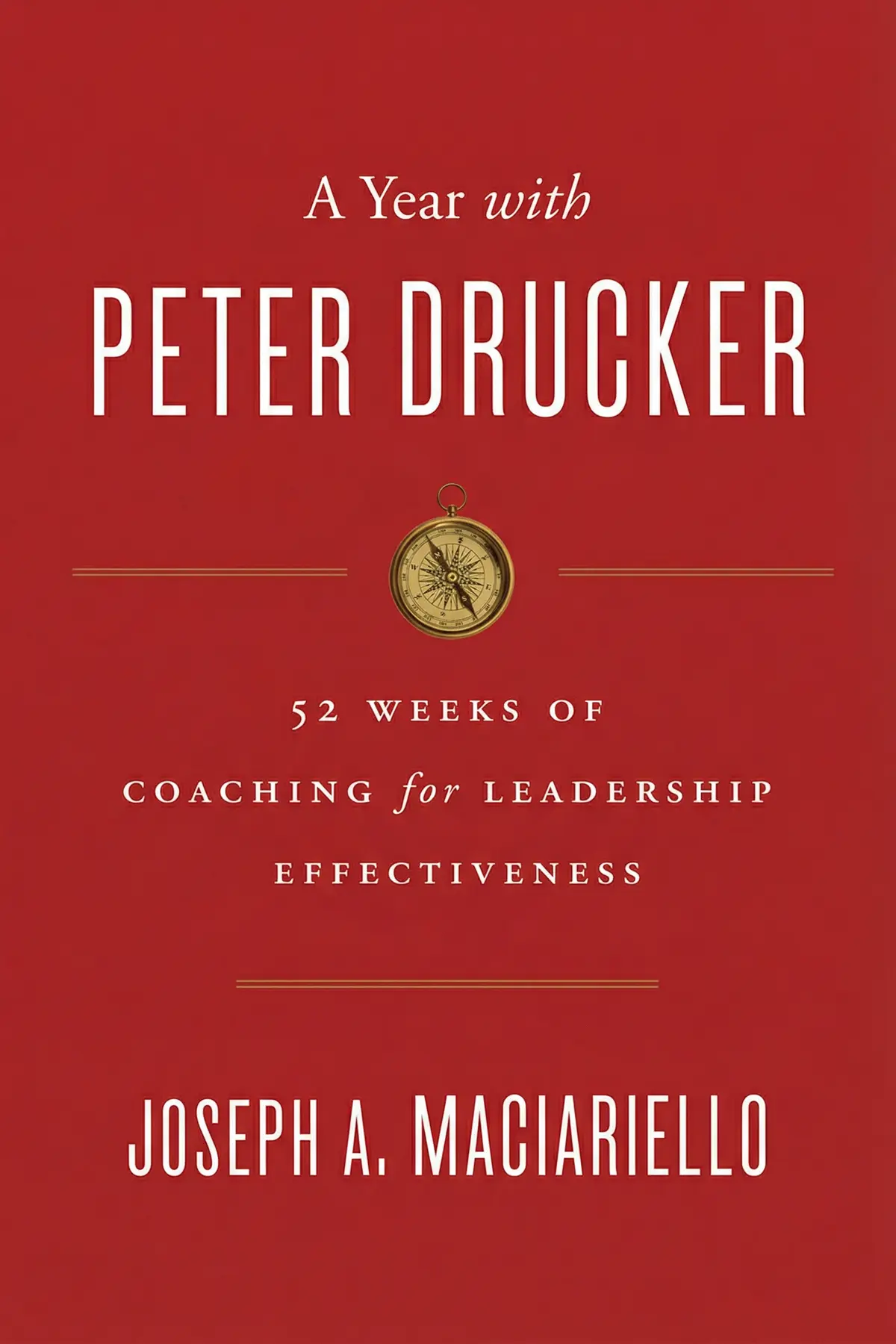
A Year with Peter Drucker: 52 Weeks of Coaching for Leadership Effectiveness
Joseph A. Maciariello
Acting with Power: Why We Are More Powerful Than We Believe
Deborah Gruenfeld
All In: How Great Leaders Build Unstoppable Teams
Mike Michalowicz
AUDIO SUMMARY AVAILABLE
Listen to Emotional Intelligence for Project Managers in 15 minutes
Get the key ideas from Emotional Intelligence for Project Managers by Anthony Mersino, plus 5,000+ more titles in English and Thai.
- 5,000+ titles
- Listen as much as you want
- 7-day free trial
- Cancel anytime







