
17 min 12 sec
Extremely Hardcore: Inside Elon Musk's Twitter
By Zoë Schiffer
Extremely Hardcore examines the chaotic transition of Twitter into X, revealing how Elon Musk’s aggressive leadership and impulsive changes dismantled the company’s internal culture and drastically reshaped the social media landscape.
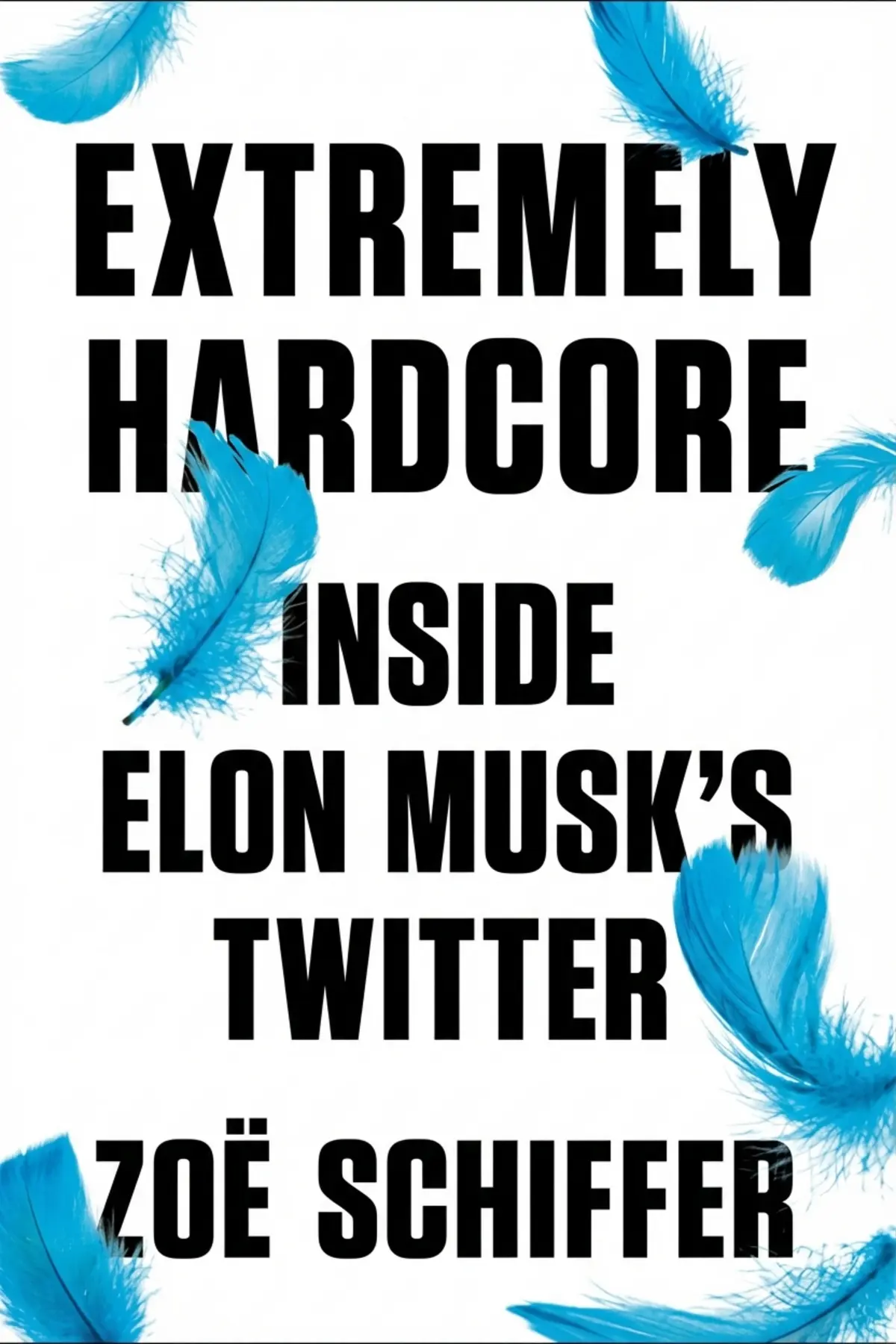
Table of Content
1. Introduction
1 min 56 sec
Imagine it is the night of the Super Bowl in 2023. While millions are focused on the game, one man is fixated on something else entirely: a engagement metric. Elon Musk, the newly minted owner of Twitter, noticed that a post by President Joe Biden about the Philadelphia Eagles was getting significantly more traction than his own similar message. To many, this might seem like a trivial quirk of social media, but to Musk, it was an emergency that required waking up engineers in the middle of the night to rewrite the platform’s code. This moment was a microcosm of a much larger transformation, where a global communication tool was being reshaped to suit the preferences and whims of a single individual.
In the following sections, we will explore the turbulent journey of a company once known for its blue bird icon as it transitioned into the enigmatic entity now called X. We aren’t just looking at a business acquisition; we are examining a fundamental shift in how power is exercised in the tech world. This is the story of how a platform that served as a digital town square was dismantled and rebuilt under a philosophy of high-pressure, relentless productivity—what Musk called being “extremely hardcore.”
As we move through this narrative, you will see how the initial dream of a more open and innovative platform quickly ran into the harsh realities of corporate management, advertiser anxiety, and internal rebellion. We will look at the people who stayed, the thousands who were let go, and the lasting impact this takeover has had on the way information flows across the globe. By the end, you’ll have a clearer understanding of why this takeover became a defining moment for Silicon Valley and a cautionary tale for the future of the internet. Let’s look at the events that led a billionaire to wager forty-four billion dollars on a platform he wasn’t even sure he wanted to keep.
2. The Long History of an Obsession
2 min 10 sec
Musk’s relationship with the digital landscape began long before he became a household name, rooted in a childhood dream of an all-encompassing financial platform.
3. A Reluctant Marriage of Billions
2 min 19 sec
What began as a simple investment quickly spiraled into a high-stakes legal battle that forced a billionaire to follow through on a promise.
4. The Arrival of the New Guard
2 min 11 sec
The transition of power brought a new group of advisors who looked at the existing workforce with skepticism and a mandate for change.
5. The Economic Fallout of Unfiltered Speech
2 min 22 sec
The move toward a new revenue model and a less restrictive platform created a crisis of confidence among the site’s primary financial backers.
6. The Choice to Be Hardcore
2 min 09 sec
An ultimatum delivered via email forced the remaining staff to decide between an all-consuming work life or leaving the company entirely.
7. The Erasure of a Legacy and the Birth of X
2 min 20 sec
The final transformation of the platform saw the disappearance of its most iconic features as it struggled to maintain its relevance against new rivals.
8. Conclusion
1 min 45 sec
As we look back on the journey from Twitter to X, the overarching theme is one of radical disruption and the profound influence of a single individual’s will. What started as a move driven by a desire for absolute free speech and a rejection of corporate bureaucracy ended in a dramatic restructuring that fundamentally changed the nature of the platform. We’ve seen how the human cost of this transition—the thousands of lost jobs and the erosion of internal expertise—had a direct impact on the stability and safety of the site. We’ve also observed the economic reality that even the world’s richest man cannot easily ignore the concerns of the advertisers who provide the lifeblood of social media revenue.
Ultimately, the story of this takeover serves as a powerful reminder of the fragility of our digital institutions. A platform that once seemed like a permanent fixture of our cultural and political lives was transformed in less than a year through a combination of personal ambition and aggressive management. It forces us to ask critical questions about the responsibility of tech leaders and the lack of safeguards when a public utility falls into private hands. Whether you see this story as a bold attempt to save a failing company or a cautionary tale of unchecked ego, there is no denying that the landscape of the internet has been permanently altered. As the experiment with X continues, the lessons learned from this period of “extremely hardcore” change will likely shape the conversation around technology, power, and speech for years to come. Thank you for joining us for this deep dive into the transformation of a social media giant.
About this book
What is this book about?
Extremely Hardcore provides a detailed look at one of the most controversial corporate takeovers in Silicon Valley history. It follows the timeline from Elon Musk’s initial interest in Twitter to his eventual rebranding of the platform as X. The narrative focuses on the internal struggle of the employees who were caught in the crossfire of a radical cultural shift. Readers will discover how a legacy of content moderation and advertiser safety was quickly replaced by a new, unpredictable philosophy focused on total control and extreme productivity. The book promises an unfiltered view of the human cost behind the headlines. It explores why Musk’s vision for a digital town square often clashed with the practical realities of running a global communications company. Through accounts from the people inside the rooms where decisions were made, it illustrates the rapid erosion of trust between the platform and its most loyal users, advertisers, and staff. Ultimately, it is a study of how the ego and ambitions of a single individual can fundamentally alter the way millions of people communicate.
Book Information
About the Author
Zoë Schiffer
Zoë Schiffer is the director of business and industry at Wired and previously served as the Managing Editor for Platformer, a publication focused on the crossroads where technology and public policy meet. With a career rooted in deep investigative reporting, she has also contributed her expertise to major outlets like The Verge. Schiffer has established a reputation for providing thorough analysis of the internal mechanics of massive technology firms and the broader societal implications of their corporate decisions.
Ratings & Reviews
Ratings at a glance

What people think
Listeners find this work an unputdownable experience from start to finish, highlighting the captivating perspectives and a high-stakes plot that is brisk and clear. Additionally, the author's voice is well-received, and one listener mentions how effectively it explains complicated subjects. Listeners also praise the sensitive depictions and reporting excellence, with one review labeling the narrative as shockingly true.
Top reviews
Suthinee
This book provides a gut-wrenching, front-row seat to the dismantling of a cultural icon. Schiffer’s reporting is deeply empathetic, focusing not just on the billionaire at the top but on the real human beings caught in the crossfire. The narrative is fast-paced and truly feels like a thriller at times, which makes the complex corporate maneuvers surprisingly easy to digest. While some might say it leans too hard into the employee perspective, that’s exactly what makes it feel so authentic and different from the usual tech hagiographies. It’s a shockingly true account that left me reeling about the future of social media.
Show moreLeah
The detail about internal Slack messages and the direct quotes from emails make this feel incredibly intimate and real. Schiffer manages to present complex information about debt structures and content moderation policies without ever slowing down the momentum of the story. It is an irresistible read from start to finish, capturing the sheer absurdity of the transition from Twitter to X with a sharp, journalistic eye. Truth is, the reporting here feels much more reliable than the narratives pushed by Musk's own PR machine. It’s a masterclass in tech journalism that manages to be both informative and emotionally resonant for those of us who loved the platform.
Show moreSau
Schiffer has managed to execute a remarkably detailed account of a historic corporate takeover in an incredibly short timeframe. The reporting is shockingly true and doesn’t shy away from the more outrageous grievances shared by former employees. I loved how she highlighted the role of brand safety—it’s a nuance that many tech reporters miss but is vital to understanding why X is struggling. The writing style is polished and the narrative flow is seamless, making what could have been a dry business book feel like a high-stakes drama. It’s easily the most comprehensive look at the Twitter saga we have so far, and I highly recommend it.
Show moreMattanee
Looking at the tech landscape right now, this book feels like an essential piece of history. Schiffer captures the pivotal moment when the social media era shifted into something much more volatile and person-driven. The way she documents the promises made to employees versus the reality of their lack of severance is particularly biting and well-researched. It’s an engaging and narrative-driven read that doesn’t sacrifice depth for speed. Even if you think you know the whole story from following the news, the way Schiffer pieces it together provides a level of clarity that is truly impressive. It's a meaty, fast read that I couldn't put down.
Show moreYindee
Ever wonder how $44 billion disappears into a rebranding vortex? Schiffer does an incredible job weaving together the chaotic threads of the takeover into a story that's impossible to put down. The pace is electric, and the way she breaks down the brand safety concerns for advertisers was particularly illuminating for me. My only real complaint is that it ends without a clear conclusion, though that’s hardly the author’s fault since the situation is still evolving. It’s a very solid chronicle that feels more grounded and less focused on 'Great Man' mythology than the Isaacson biography. A must-read for anyone interested in tech culture.
Show moreBoy
As someone who followed the Platformer newsletter, I had high expectations for this book, and for the most part, it delivered. The storytelling is incredibly engaging, turning dry board meetings and legal filings into a gripping narrative of power and betrayal. You really feel for the employees who were pushed into 'extremely hardcore' work cycles only to be fired without a second thought. I do wish there was more new information for those of us who followed the news daily, as a lot of it felt like a recap. However, the synthesis of the events is top-tier and provides much-needed context to the madness.
Show moreCaleb
Finally got around to finishing this, and I have to say, the reporting quality is excellent. Schiffer avoids the trap of turning Musk into a cartoon villain, even if the facts of his actions often speak for themselves. The book does a great job explaining why the 'everything app' dream is such a massive uphill battle given the exodus of advertisers and the destruction of institutional knowledge. It's a fast-paced and easy to follow account that makes sense of a very messy year. I would have appreciated a bit more focus on the technical side of the platform’s stability, but the human drama is definitely the star here.
Show moreBo
Picked this up after reading the Isaacson bio to get a different perspective, but I found the two books actually cover a lot of the same ground. Schiffer is definitely more critical of Musk, which is a refreshing change of pace, but the lack of firsthand interviews with the inner circle is noticeable. It reads more like an outsider’s observations based on leaked documents and exit interviews rather than a deep, insider exposé. The writing is snappy and the anecdotes are interesting enough, but I was hoping for more 'aha' moments. It's a decent enough play-by-play, but it lacks the definitive weight I was looking for.
Show moreSai
Frankly, the narrative feels a bit too skewed toward the employees who were let go, which makes it feel more like a hit piece at times than a neutral analysis. While the reporting on the 'hardcore' culture shift is fascinating, the author seems to have a fundamental disagreement with how Musk views productivity and corporate efficiency. It’s a well-written book and certainly a fast read, but you have to take the framing with a grain of salt. If you’re looking for a balanced look at the business necessity of the layoffs, you might find Schiffer’s perspective a bit too sympathetic to the old guard. Still, it's a good chronicle of the timeline.
Show moreSupranee
Not what I expected from a supposedly definitive account of the Musk era. To be fair, Schiffer captures the timeline accurately, but the whole thing reads more like a collection of disgruntled Slack gripes than a serious business analysis. It feels like the author is mourning a 'golden era' of Twitter that never actually existed for the shareholders or the product's health. There’s a distinct lack of direct access to the man himself, which leaves the narrative feeling one-sided and childishly spiteful. If you want a deep dive into the engineering challenges or the actual business strategy, you won’t find much here beyond the surface-level drama.
Show moreReaders also enjoyed



AUDIO SUMMARY AVAILABLE
Listen to Extremely Hardcore in 15 minutes
Get the key ideas from Extremely Hardcore by Zoë Schiffer, plus 5,000+ more titles in English and Thai.
- 5,000+ titles
- Listen as much as you want
- 7-day free trial
- Cancel anytime







