
13 min 59 sec
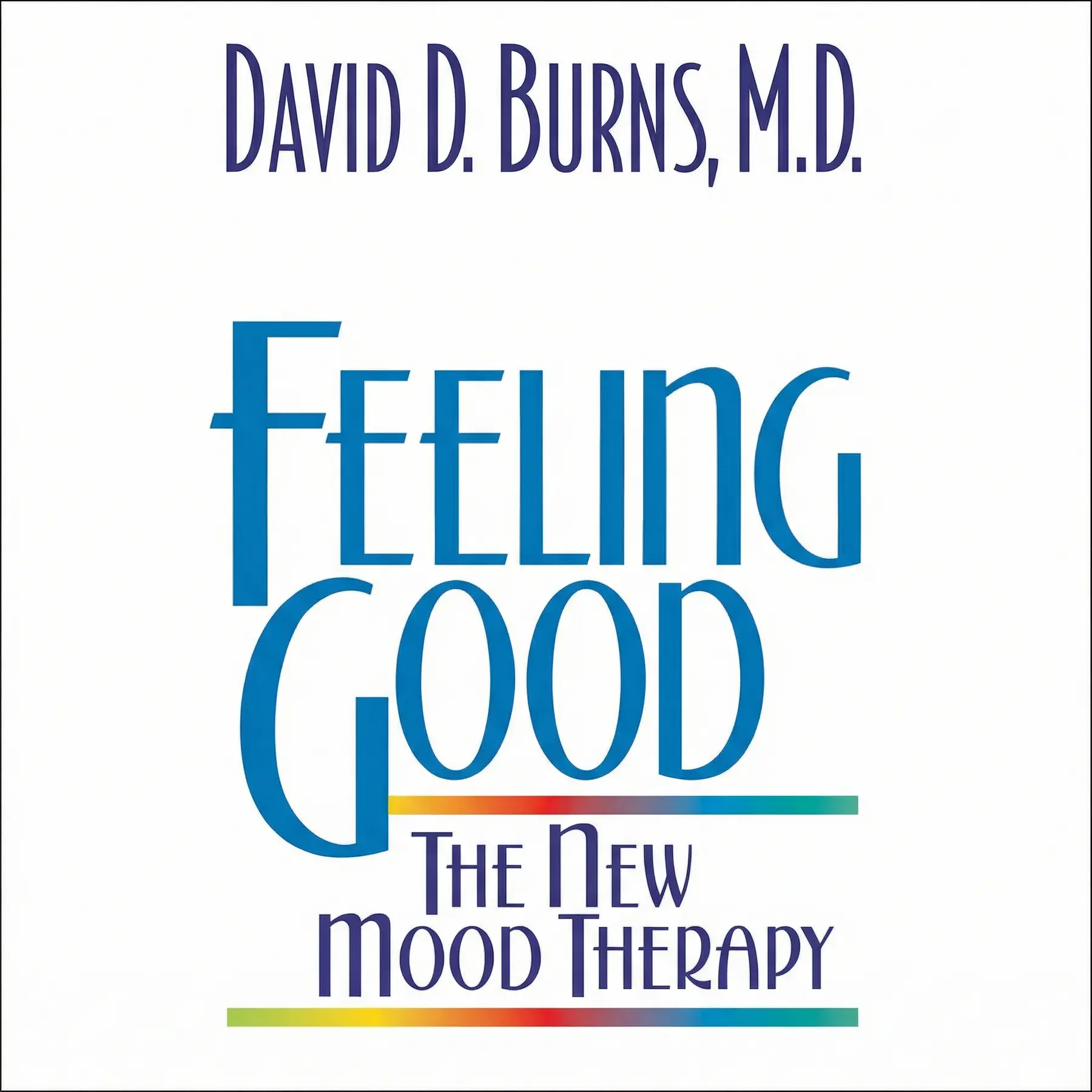
Feeling Good: The New Mood Therapy
Learn how to reshape your emotional life by identifying and correcting the distorted thinking patterns that cause depression and anxiety using the proven methods of cognitive behavioral therapy.
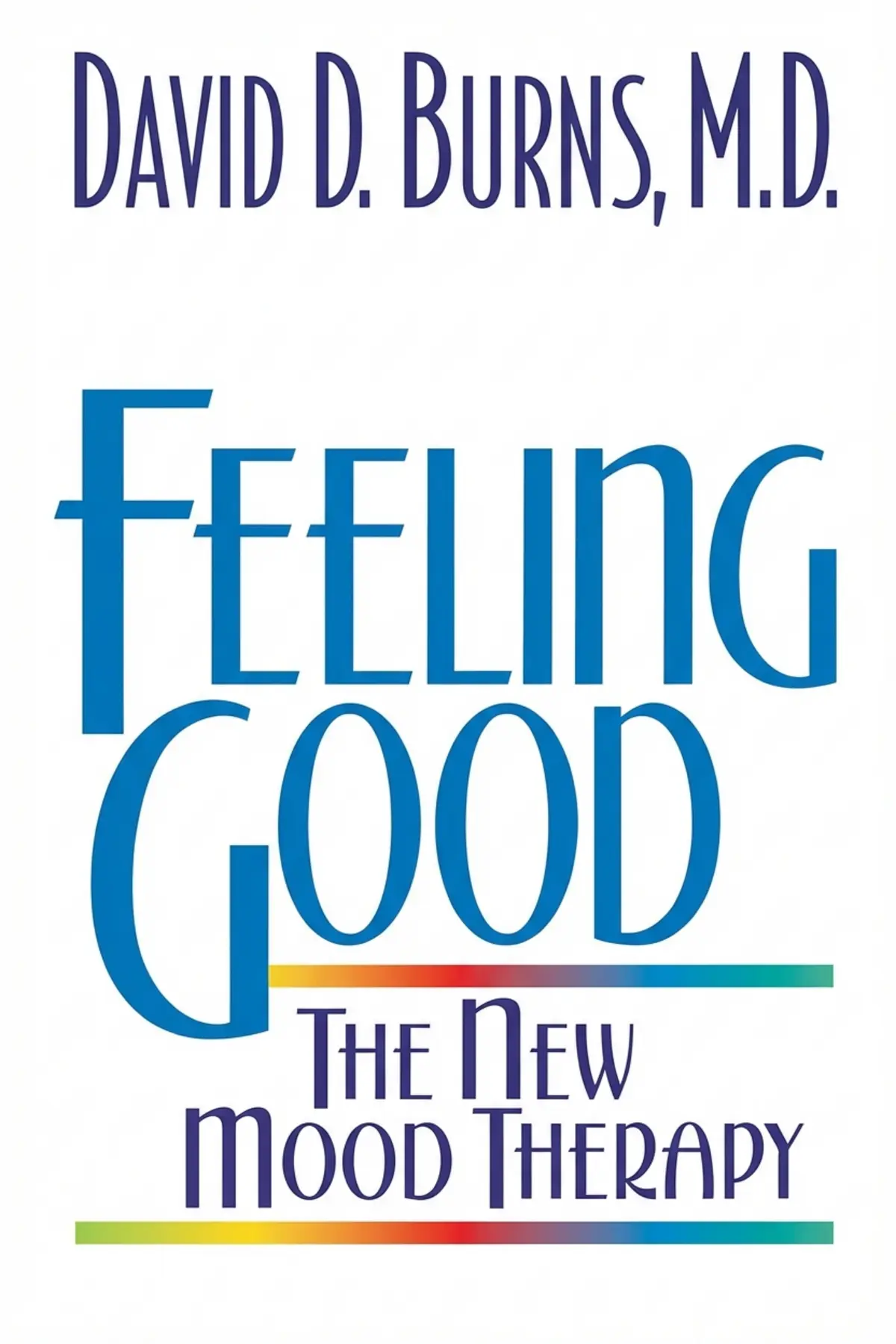
Table of Content
1. Introduction
1 min 45 sec
Have you ever found yourself trapped in a downward spiral of negativity where every small setback feels like an insurmountable wall? It’s a common human experience to feel at the mercy of our moods, as if happiness or sadness are things that simply happen to us like the weather. However, the core philosophy we are exploring today suggests a radical shift in perspective: your feelings are not produced by the world around you, but by the thoughts inside your head. If you can change the way you think, you can fundamentally change the way you feel.
This insight is the foundation of cognitive behavioral therapy, or CBT. While it has become one of the most respected and scientifically validated forms of therapy in the modern world, its roots reach back thousands of years to the wisdom of ancient thinkers like Buddha and Epictetus. These philosophers understood that human suffering often stems not from events themselves, but from the meanings we assign to those events. In recent decades, psychiatrists like Aaron Beck and authors like David D. Burns have refined these ancient ideas into a structured, practical system for mental health.
In this session, we are going to dive deep into the mechanics of your own mind. We will uncover the specific logical errors that lead to depression and anxiety, and we will learn the exact tools needed to dismantle them. Whether you are dealing with a temporary bout of the blues or a long-term struggle with low self-esteem, the throughline here is empowerment. You are about to discover that you don’t have to wait for your life to get better before you can start feeling good; instead, you can take active, immediate steps to rewire your internal narrative and reclaim your emotional well-being.
2. The Architecture of Emotion
2 min 37 sec
Explore why your emotions are actually the result of your internal dialogue and how shifting your perspective can reveal that your darkest moods are often based on logical errors rather than reality.
3. Identifying Mental Distortions
2 min 39 sec
Learn to identify the specific mental traps—like all-or-nothing thinking and overgeneralization—that trick your brain into feeling defeated, and discover why recognizing these distortions is the key to emotional freedom.
4. The Science of Self-Correction
2 min 37 sec
Discover a practical, three-step writing exercise designed to dismantle self-criticism by turning abstract insecurities into manageable facts that you can logically challenge and replace with balanced, healthy perspectives.
5. Action as an Antidote to Lethargy
2 min 36 sec
Find out how to break the paralyzing cycle of lethargy by using a structured daily schedule that focuses on small wins and rediscovered pleasures to prove that action creates motivation.
6. Conclusion
1 min 45 sec
As we wrap up our look at the principles of cognitive behavioral therapy found in David D. Burns’ work, the most important takeaway is that you possess far more power over your emotional life than you might have imagined. Depression and anxiety are not just things that happen to you; they are often the result of a specific way of processing the world—a way that can be unlearned. By identifying the cognitive distortions that cloud your judgment and using structured tools like the triple column technique and daily activity schedules, you can systematically dismantle the foundations of your own unhappiness.
Remember that this process is not a one-time fix, but a skill that requires consistent practice. Just as an athlete trains their body, you are training your mind to be more resilient, more logical, and more compassionate toward yourself. The goal is not to eliminate all negative emotions—sadness and frustration are natural parts of the human experience. Instead, the goal is to eliminate the unnecessary suffering caused by distorted thinking. When you learn to see yourself and your circumstances clearly, without the warped filters of all-or-nothing thinking or overgeneralization, you create the space for genuine well-being to grow.
So, the next time you feel that familiar cloud of negativity beginning to gather, don’t just accept it as your reality. Grab a piece of paper, write down those thoughts, and ask yourself: Is this actually true? What distortion is at work here? What is a more balanced way to look at this? By taking these small, proactive steps, you are not just managing a mood; you are reclaiming your life. You have the tools, you have the logic, and most importantly, you have the ability to start feeling good, one thought at a time.
About this book
What is this book about?
Feeling Good explores the revolutionary idea that our emotions are not caused by external events, but by the way we interpret those events. By focusing on Cognitive Behavioral Therapy, or CBT, the book provides a roadmap for anyone struggling with low mood, anxiety, or self-doubt. It moves beyond the idea that depression is solely a chemical imbalance, suggesting instead that our internal dialogue often contains cognitive distortions—logical errors that trick us into feeling miserable. The promise of this summary is to provide you with actionable, science-backed tools to dismantle these negative thought patterns. You will learn how to use structured exercises like the triple column technique and daily activity schedules to rebuild your self-esteem and regain your motivation. By the end, you will understand how to become your own therapist, equipping yourself with a lifelong skill set to maintain mental clarity and emotional resilience. This approach empowers individuals to move from a state of despair to a more joyful and balanced life by taking direct control over their mental habits.
Book Information
About the Author
David D. Burns
David D. Burns is a psychiatrist and cognitive behavioral therapist, celebrated for his academic achievements and contributions to mental health. A Stanford graduate and Adjunct Clinical Professor Emeritus, he has earned numerous accolades, including the A.E. Bennett Award for brain chemistry research and multiple Teacher of the Year honors. Dr. Burns is also the author of best-selling books on mood and relationships, including The Feeling Good Handbook, helping millions address emotional challenges worldwide.
Ratings & Reviews
Ratings at a glance
What people think
Listeners find this book beneficial and accessible, featuring comprehensive explanations and useful techniques that are effective regardless of one's background. Additionally, the work focuses on depression by assisting people in identifying symptoms and sharing methods to lift their spirits. Listeners also value the stimulating concepts that help break destructive mental habits, and one listener describes it as a remarkable asset for bettering one's life.
Top reviews
Diego
After hearing so much about CBT, I finally dove into this classic and found it remarkably grounding. This book is essentially a manual for your brain that helps you identify the 'warped thoughts' that fuel misery. Truth is, most of us walk around with a mental filter that only lets in the negative, but Burns gives you the tools to broaden your perspective. I particularly appreciated the list of 10 cognitive distortions; seeing 'all-or-nothing thinking' written out made me realize how often I self-sabotage. You have to be willing to do the written exercises, though. It is not enough to just skim the chapters and hope for a miracle. Like jogging to lose weight, you need consistency to see a real shift in your baseline happiness. It is a dense read, but the clinical evidence makes the advice feel earned rather than just empty platitudes.
Show moreIsaiah
This book tells you exactly how to 'deal with your feelings' when you don't even know where to start. For years, I struggled with a heavy sense of worthlessness that felt like an objective fact rather than a mood. Look, the methodology here is incredibly logical—it forces you to put your own self-critical thoughts under a microscope and demand evidence. I was surprised by how much the 'triple column technique' helped me dismantle my daily anxieties. It transforms vague, crushing emotions into specific, manageable problems that can be solved with reason. While some of the case studies feel a little dated, the core message about taking responsibility for your own mental interpretation is empowering. It’s an incredible resource for anyone who feels stuck in a cycle of self-criticism. My perspective on failure has completely shifted since finishing this.
Show moreFrida
Wow, I didn't expect a self-help book to be so rigorously logical and devoid of 'woo-woo' nonsense. The premise is simple: your thoughts create your moods, so by correcting your thoughts, you can change how you feel. It sounds too easy, but the actual work of writing down your distortions is quite challenging and eye-opening. Frankly, this is the first time I've understood that my depression was a result of my own mental miscalculations rather than just bad luck. The chapter on 'do-nothingism' was especially helpful for my procrastination. It’s a 'doing' book, not just a 'reading' book, so don't expect results if you aren't ready to grab a pen. This is easily the most thorough explanation of CBT available to the general public. It changed the way I interact with my own internal monologue.
Show morePhu
Ever wonder why your mood shifts so drastically based on a single email or a stray comment from a coworker? This book explains the 'binocular trick' and other ways we magnify our flaws while minimizing our strengths. I’ve read a lot of psychology books, but this one actually gave me a concrete plan of action. The Dysfunctional Attitude Scale test was harrowing but necessary to understand my underlying triggers. Not gonna lie, the book is quite thick and can be intimidating to start when you're already feeling low energy. But if you take it one chapter at a time, the rewards are immense. It helps you build a sense of self-worth that isn't dependent on external approval or career success. Truly a life-changing resource for the hyper-critical person.
Show moreLillian
Finally got around to reading this after my therapist recommended it, and I'm glad I did. It provides a very clear bridge between knowing you have a problem and actually doing something about it. The distinction Burns makes between healthy sadness and clinical depression is poetic and deeply insightful. I loved the idea that nobody can actually 'make' you unhappy without your mental consent. It takes a lot of the power back from external circumstances and puts it back in your hands. The book is definitely a product of its time in terms of style, but the logic is timeless and universally applicable. I’ve started using the techniques with my kids to help them navigate their own frustrations. It’s a comprehensive, easy-to-understand guide that should be required reading in school.
Show moreUbolrat
Picked this up during a particularly dark month and found the practical strategies to be genuinely life-altering. The author breaks down complex psychiatric concepts into digestible steps that anyone can follow without feeling overwhelmed. I really resonated with the sections on 'should' statements, as I realized I was constantly whipping myself into a state of guilt over nothing. Personally, I found the book a bit overlong, and I think he could have made his point in half the pages. That said, the sheer volume of worksheets ensures that you’ll find at least one technique that sticks. It’s not a magic cure, but it offers a systematic way to challenge the lies your brain tells you when you're down. Just be prepared for a very clinical, almost dry tone throughout most of the text.
Show moreDimitri
The chapter on anger was a complete revelation for me and my partner. Most of the time, our indignation comes from a narrowly selfish lens, and learning to see things from other perspectives cooled my temper significantly. While the writing style is nothing remarkable, the sheer utility of the exercises makes it a keeper. I did find the sections on medication a bit outdated, but that's to be expected with a book of this age. One of the symptoms of depression is not seeing things as they are, and this book acts like a pair of corrective lenses. I appreciate that it doesn't rely on toxic positivity or 'just think happy thoughts.' Instead, it demands accuracy and evidence. It's a solid, practical guide for anyone looking to improve their emotional intelligence.
Show moreWanphen
As someone who has struggled with anxiety for years, the focus on 'accuracy' in this book was exactly what I needed. It’s not about self-delusion or wishful thinking; it’s about looking at the facts of a situation without the haze of emotional reasoning. I stopped seeing myself as 'damaged' and started seeing my thoughts as simply 'incorrect' at times. The book can be a bit repetitive, and the author definitely beats a dead horse with some of the examples. However, that repetition is probably what helped the concepts finally stick in my brain. To be fair, it’s a bit heteronormative, and the section on 'love addiction' felt a little bit preachy. Still, the core CBT techniques are gold for anyone wanting to rewire their negative patterns. It’s much more effective than traditional talk therapy was for me.
Show moreAroon
To be fair, the title and cover are incredibly corny and look like something from a 1980s infomercial. I almost didn't buy it because it felt too much like 'self-help' fluff, which I usually find quite tedious. However, the content itself is surprisingly rigorous and based on solid therapeutic principles that actually work. My main gripe is the way Dr. Burns writes his patient dialogues; they often come across as scripted and unrealistic, where a patient is cured after one clever sentence. It makes the process seem a lot easier than it actually is in the real world. Also, the book focuses almost exclusively on heteronormative relationships, which feels quite out of touch by today's standards. It’s still a useful toolbox if you can look past the outdated presentation and occasional cheesiness.
Show moreNong
Frankly, I found the dialogue examples between Dr. Burns and his patients to be totally unrealistic and bordering on insulting. Every single patient in this book seems to have a 'eureka' moment after the doctor points out one minor logical fallacy. In my experience, deep-seated depression doesn't just vanish because you realized you were over-generalizing. The tone is incredibly assertive and 'it's-so-simple,' which feels very dismissive of people with severe, treatment-resistant issues. If you have a real chemical imbalance, a few worksheets aren't going to fix the underlying physiological problem. The book is repetitive, overly long, and feels like a massive advertisement for his specific brand of therapy. I felt more frustrated than helped after finishing it. It might work for minor blues, but for anything serious, it's just not enough.
Show more


Readers also enjoyed
ADHD an A-Z: Figuring It Out Step by Step
Leanne Maskell
Alcoholics Anonymous
Alcoholics Anonymous World Services
A Liberated Mind: How to Pivot Toward What Matters
Steven C. Hayes
AUDIO SUMMARY AVAILABLE
Listen to Feeling Good in 15 minutes
Get the key ideas from Feeling Good by David D. Burns, plus 5,000+ more titles in English and Thai.
- 5,000+ titles
- Listen as much as you want
- 7-day free trial
- Cancel anytime







