
13 min 29 sec
Filterworld: How Algorithms Flattened Culture
By Kyle Chayka
Filterworld explores how algorithmic curation dictates our cultural choices, from the music we hear to the spaces we inhabit, ultimately flattening global diversity into a predictable, engagement-driven sameness.
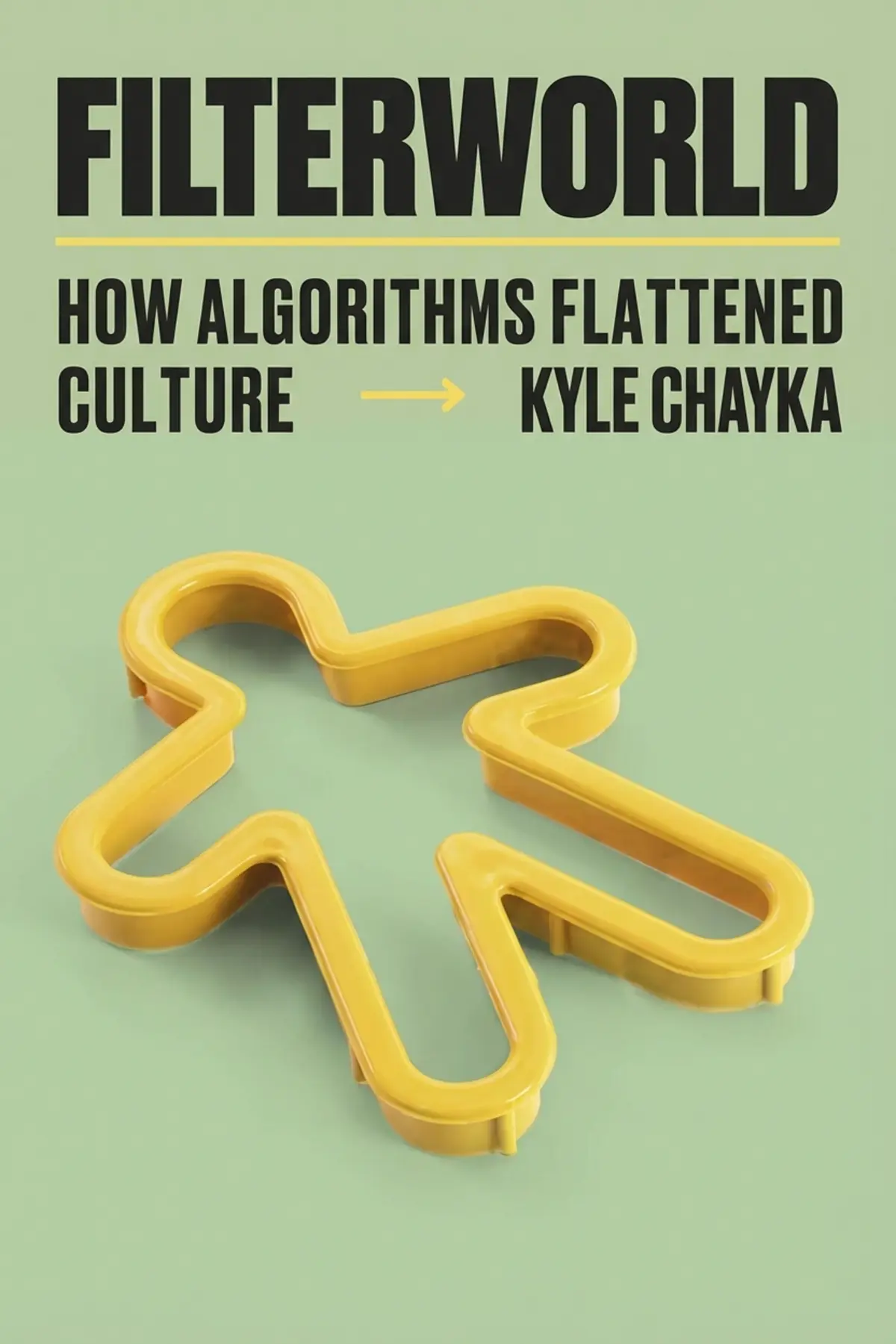
Table of Content
1. Introduction
1 min 18 sec
Imagine you are traveling to a new city, perhaps thousands of miles from home. You step into a local café, expecting a taste of the unique regional atmosphere. Instead, you are met with something strangely familiar. You see the same light wood furniture, the same industrial light fixtures, the same carefully placed succulents, and hear a chill lo-fi beat that sounds exactly like the playlist from your neighborhood shop back home. This isn’t a coincidence. You have entered Filterworld.
In this exploration of our modern digital landscape, we examine how the invisible hand of the algorithm has moved beyond our computer screens to reshape our physical world and our very identities. The core throughline here is the concept of ‘flattening.’ By prioritizing engagement above all else, digital platforms have created a feedback loop that rewards the familiar and punishes the unique. This summary will take you through the history of these digital curators, the economic forces that drive them, and the profound cultural consequences of living in a world where our choices are increasingly made for us by code. We will discover how we lost our sense of surprise and, more importantly, how we might begin the difficult work of finding it again.
2. The Evolution of Digital Curators
2 min 02 sec
Uncover the ancient origins of the algorithms that now rule our lives and learn how they transitioned from simple calculations to powerful cultural gatekeepers.
3. The Global Aesthetic of Sameness
2 min 05 sec
Explore why bookstores and coffee shops across the globe are starting to look identical as physical spaces mirror digital popularity.
4. The Performance of the Digital Self
2 min 11 sec
Witness how the social media economy of likes has transformed us all into marketers, prioritizing virality over genuine creative expression.
5. The Hidden Dangers and the Need for Oversight
2 min 07 sec
Analyze the high stakes of unregulated algorithmic curation and the tragic consequences that can arise when engagement is the only metric.
6. Finding a Path Toward Intentionality
2 min 07 sec
Discover how a deliberate ‘algorithm cleanse’ can help you break free from digital passivity and rediscover your authentic taste.
7. Conclusion
1 min 39 sec
As we have seen, Filterworld is a pervasive force that has quietly reshaped the landscape of our lives. By favoring the familiar over the challenging, and the popular over the unique, algorithms have flattened our culture into a predictable and often numb experience. We have traded the joy of serendipity and the depth of diverse perspectives for the convenience of a personalized feed. However, this trend is not irreversible.
The throughline of our journey today is that while technology is a powerful tool, it should not be the sole architect of our tastes or our identities. To resist the flattening of our world, we must move from a state of passive consumption to one of active, intentional engagement. This means seeking out the ‘shipping lanes’ of the old internet—those direct connections, newsletters, and local spaces that haven’t been optimized for engagement. It means being willing to be bored, to be confused, and to be surprised.
The most important takeaway is this: your taste is a muscle that needs to be exercised. If you let the algorithm do the work for you, that muscle will atrophy. But if you take back the reins, if you choose what to consume with purpose and curiosity, you can reclaim the richness of a life lived outside the filter. Start small today—turn off a recommendation setting, visit a local shop you’ve never tried, or spend time with a piece of art that doesn’t immediately ‘click’ for you. In the face of a world designed to keep you comfortable, the most radical thing you can do is to seek out the unknown.
About this book
What is this book about?
This exploration into the digital age examines the invisible forces of algorithmic curation. It reveals how the software designed to show us what we like has inadvertently created a world where everything looks, sounds, and feels the same. From minimalist coffee shops to viral social media trends, the book investigates the 'flattening' of human culture. Readers are invited to understand the history of algorithms, the economic incentives behind our feeds, and the psychological impact of living in a world optimized for engagement. The book provides a path toward reclaiming personal taste and intentionality, offering a promise of a more diverse and meaningful cultural experience in an increasingly automated world.
Book Information
About the Author
Kyle Chayka
Kyle Chayka is an esteemed writer and critic who focuses on the overlap of technology, art, and modern culture. His work has appeared in prominent publications like The New Yorker, The New York Times Magazine, and Vox. He is also the author of The Longing for Less: Living with Minimalism.
Ratings & Reviews
Ratings at a glance
What people think
Listeners find the book offers excellent insights and makes for a truly compelling experience. Opinions vary among listeners regarding the level of emotional depth.
Top reviews
Fang
Filterworld offers a profound look at how we’ve outsourced our personal taste to the machine. Chayka’s analysis of “AirSpace”—that uncanny valley of minimalist coffee shops with white-tiled walls—is terrifyingly accurate. He explains how global aesthetics have converged because business owners are terrified of being ignored by the Yelp or Instagram feedback loop. This isn't just about coffee; it’s about the very soul of our cultural production. While the author occasionally drifts into personal nostalgia for the early internet, his core thesis remains essential for anyone feeling "flattened" by their feed. I found the section on human curation versus algorithmic gatekeeping to be the most compelling part of the book. It’s a necessary read for anyone trying to reclaim their autonomy in a world designed to keep them scrolling. The depth of research here is truly impressive.
Show moreFord
Wow, this book completely altered my relationship with my smartphone and how I consume media. I never realized how much my "taste" was actually just a reflection of what was easiest for an algorithm to serve me. Chayka’s writing is sharp and he makes complex technological concepts feel very personal. The way he describes the "flattening" of music and literature into featureless slop really hit home for me. I’ve started being much more intentional about seeking out human-curated newsletters because of this book. It’s a rare piece of non-fiction that actually changes your behavior after you put it down. Gotta say, the analysis of how we quantify our lives into numbers—like these star ratings—was particularly meta and thought-provoking. Highly recommend it.
Show moreDavid
As someone who spends way too much time on TikTok, this was a massive wake-up call. Chayka dives deep into how the "algo" has rounded off the sharp edges of art to make it more "consumable." He uses great examples, like the rise of Lil Nas X and how songs are now engineered for virality rather than longevity. To be fair, the book gets a bit repetitive in the middle chapters. It felt like he was making the same point about "engagement" over and over again. However, the chapter on his "algorithm cleanse" was actually quite touching. It made me realize how much of my daily mood is dictated by a black box in Silicon Valley. It’s not a perfect book, but it’s a vital one for the current moment and provides great analysis.
Show moreMontri
Finally got around to reading this cultural critique, and it’s a deeply informative look at the invisible forces shaping our world. Chayka explains how we’ve moved from human gatekeepers—like DJs and editors—to math-based systems that prize "flatness" above all else. I loved the specific details about how artists have to "game" the system, like the author himself using fake wedding references to boost Facebook visibility. It’s a bit of a dense read at times, and some of the chapters could have been trimmed. The emotional depth of the later chapters, where he discusses the psychological toll of being perpetually online, really resonated with me. Despite some of the author's overconfidence, the research here is top-notch and very eye-opening. Truly a great read for anyone interested in modern tech.
Show moreMax
After hearing so much buzz, I found the analysis of 'engagement' metrics fascinating, particularly how they’ve infected physical spaces like Airbnbs. The book describes how hosts feel forced to follow specific rituals to stay relevant in the search results, which is a perfect metaphor for our modern lives. Chayka’s prose is elegant, though he does occasionally lean into a "kids these days" vibe that feels a bit dated. Personally, I didn't mind the personal anecdotes as much as other reviewers did; they provided a necessary human element to a book about machines. The discussion of "whiteness" and "marginalized groups" felt a bit shoehorned in for some, but I found it added a layer of necessary sociopolitical context. It’s a thoughtful, if occasionally flawed, look at our digital ecosystem.
Show moreNora
The first half is brilliant, providing a technical yet accessible breakdown of how recommendation engines actually function, but then the narrative meanders into vague moralizing. Chayka is at his best when describing the history of the Mechanical Turk or the weird "cargo cult" rituals of Airbnb hosts who log in specific amounts of times to boost their ranking. Unfortunately, he eventually veers into a tone that feels somewhat elitist. His description of tourists at Gullfoss Falls in Iceland felt unnecessarily judgmental; why assume they aren't experiencing beauty just because they want a photo? He seems to pine for a version of the past that only existed for a specific type of Brooklyn-based intellectual. In my experience, the insights into cultural "flattening" are worth the price of admission, but the author's snootiness is hard to ignore.
Show moreSombat
Ever wonder why every new cafe from Seoul to Seattle looks exactly the same? This book provides the answer, attributing the rise of the minimalist, plant-filled aesthetic to the relentless pressure of engagement-based algorithms. Chayka calls it "Filterworld," a space where we only see what the machine thinks we already like. It’s a fascinating concept, yet the book feels stretched thin. I found myself skimming through the parts where he laments the loss of Kazaa or judges the "app-rotted brains" of people who watch Emily in Paris. He has a tendency to mistake his own nostalgia for objective cultural decay. Still, it’s a solid introduction for people who haven't thought much about how their Spotify Discover Weekly is actually constructed. Frankly, it's a bit of a mixed bag.
Show moreGrace
Picked this up for a book club and it sparked a massive debate about whether we've lost our ability to be original. Some members loved Chayka's take on the "homogeneity" of modern culture, while others found him insufferably pretentious. I fall somewhere in the middle. The history of how these algorithms were developed is genuinely interesting, and I’ll never look at a minimalist cafe the same way again. However, the author’s tendency to treat his own high school experiences with music as superior to modern fans is just annoying. The "algorithm cleanse" chapter felt like Sydney Carton going to the guillotine—dramatic and a bit much. It’s a mix of great tech reporting and some very questionable cultural gatekeeping. Take the moralizing with a grain of salt.
Show moreSirinat
Look, I wanted to like this, but Chayka's narrative voice is incredibly grating to the point of distraction. I came for a cultural critique and ended up reading about his "timely trip to Provence" and his specific preferences for high school anime. It’s hard to take a lecture on authenticity seriously from someone who admits to taking photos of his cappuccino in Kyoto while complaining about "Instagram culture" in the same breath. The book also suffers from some strange ideological tangents about "whiteness" that don't always feel connected to the tech analysis. There are interesting nuggets here about how Spotify's UI changes our listening habits, but they are buried under layers of self-indulgent fluff. It felt like reading a series of blog posts that needed a much firmer editor. Not gonna lie, I was disappointed.
Show moreSaowalak
Truth is, this should have been a long-form article rather than a three-hundred-page book. The core message is simple: algorithms make culture boring. While the first few chapters on the "hipster coffee shop" effect are engaging, the book quickly descends into repetition. Chayka spends far too much time talking about his own lifestyle, which feels like the exact "generic elite" aesthetic he claims to despise. He criticizes Billie Eilish and TikTok trends with a level of condescension that is honestly hard to stomach. Why can't we just enjoy things without being told our brains are "rotting"? The technical bits about how equations prioritize certain data points are good, but they are far and few between. Save yourself some time and just read his New Yorker articles instead. Life is too short.
Show moreReaders also enjoyed
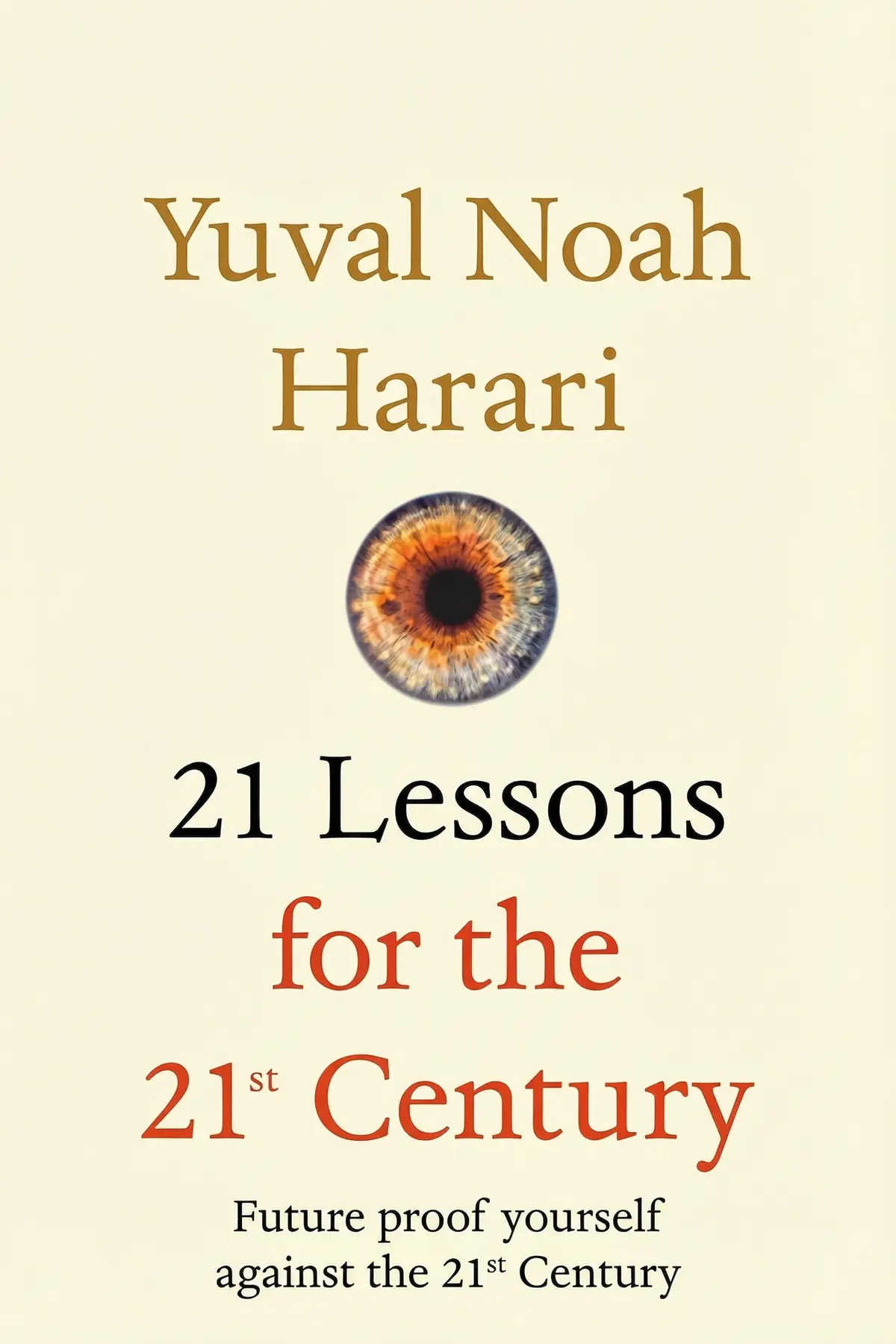
21 Lessons for the 21st Century
Yuval Noah Harari
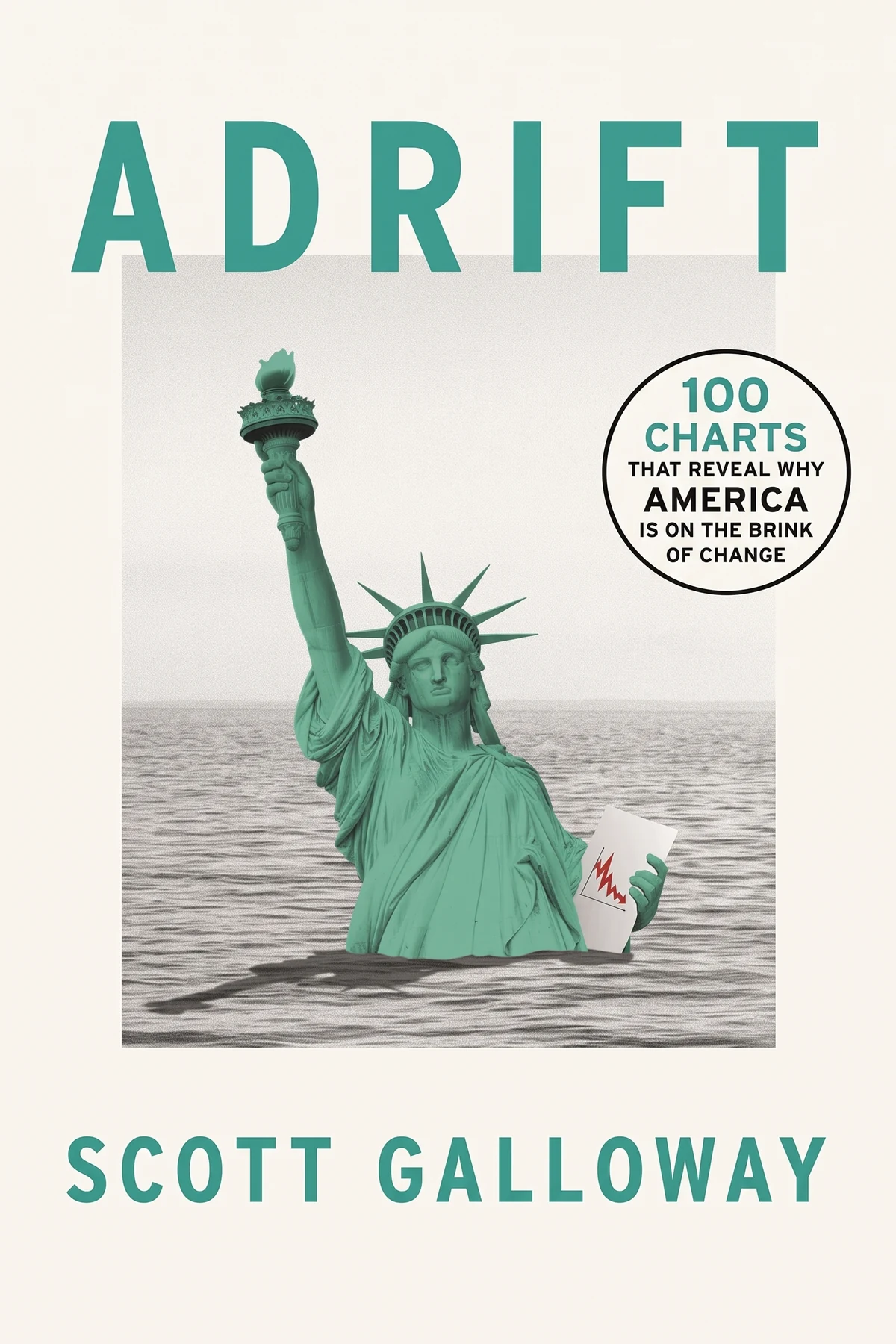

Afropean: Notes From Black Europe
Johny Pitts
All About Love: New Visions
bell hooks
AUDIO SUMMARY AVAILABLE
Listen to Filterworld in 15 minutes
Get the key ideas from Filterworld by Kyle Chayka, plus 5,000+ more titles in English and Thai.
- 5,000+ titles
- Listen as much as you want
- 7-day free trial
- Cancel anytime







