
20 min 04 sec
Free Speech: A History from Socrates to Social Media
A sweeping exploration of how the right to speak freely evolved from the plazas of ancient Athens to the digital forums of today, highlighting the constant struggle between authority and expression.
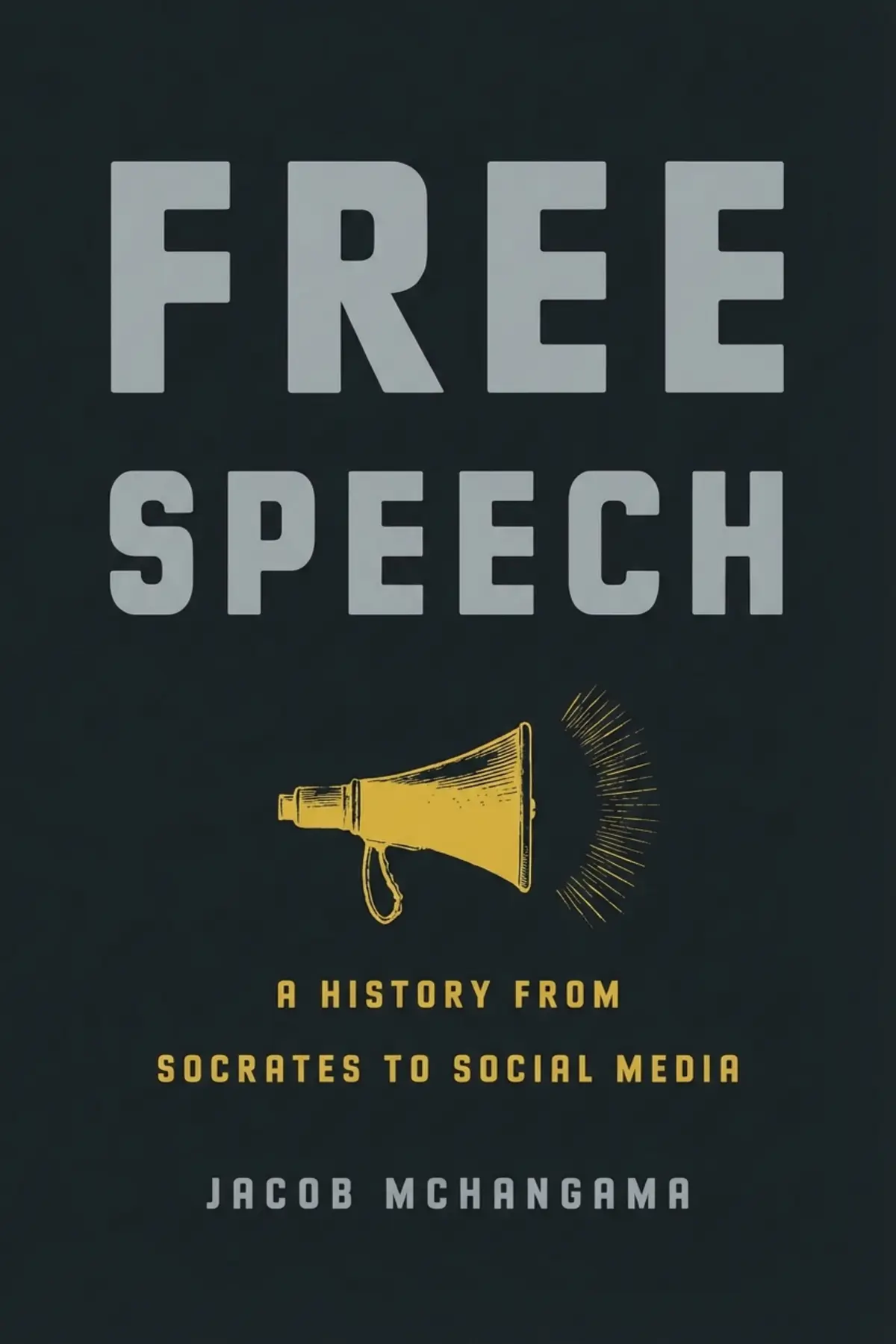
Table of Content
1. Introduction
2 min 15 sec
In our current era, we often feel as though the right to say what we think is a permanent fixture of life. We are surrounded by legal protections like the Bill of Rights and the Universal Declaration of Human Rights, and we carry tools in our pockets that allow us to broadcast our thoughts to millions in an instant. It’s easy to believe that we live in a unique golden age where the battle for free expression has already been won. However, this sense of security is actually quite deceptive. If we look back through the long lens of human history, we see that the ability to speak freely is not the natural state of things—it is a rare, fragile exception to a much older rule of silence and control.
Today, we are witnessing a global shift. In many parts of the world, a combination of religious fundamentalism, high-tech surveillance, and authoritarian politics is rapidly closing the window of permissible discourse. Even in Western democracies, where free speech has been a foundational value for centuries, faith in this principle is beginning to wobble. We see the rise of disinformation, the spread of hate speech, and the polarization of society, leading many to wonder if our freedoms have become a liability. There are growing calls from across the political spectrum to limit what can be said in the name of safety and stability.
But before we rush to embrace censorship as a cure for our modern ills, we must understand the historical ground we are standing on. History is a relentless teacher, showing us that when authorities try to manage society by silencing dissent, the results are almost always disastrous. Censorship rarely preserves a democracy; more often, it acts as the initial tremor before the entire structure of a free society collapses.
This exploration will connect the dots between the controversies of the past and the debates of the present. By examining the lives of radical thinkers, the impact of revolutionary technologies, and the mistakes of fallen republics, we can begin to see just how much humanity has gained from the simple, powerful idea of free speech—and exactly what we risk losing if we allow it to be dismantled bit by bit. Through this historical journey, we’ll uncover the throughline that connects a philosopher in a Greek marketplace to a developer coding the future of the web, reminding us that the fight for expression is never truly over.
2. The Athenian Anomaly and the Trial of Socrates
3 min 06 sec
Discover how ancient Athens briefly broke the global mold of silence, only to demonstrate how quickly a democracy can turn against its most vital principles when it feels threatened.
3. The Machinery of the Inquisition
2 min 57 sec
Learn how the medieval period transformed the suppression of ideas into a sophisticated, bureaucratic system of surveillance that changed the way authorities controlled truth.
4. Gutenberg’s Press and the Paradox of Martin Luther
2 min 56 sec
Explore how a leap in technology shattered the monopoly on information, only for the leaders of that revolution to eventually seek control for themselves.
5. The Dutch Republic and the Underground Market for Truth
2 min 58 sec
Discover why decentralization made the Netherlands the world’s first haven for radical ideas and how a lonely philosopher laid the groundwork for modern secularism.
6. The Weimar Republic and the Failure of Defensive Censorship
3 min 09 sec
Examine the sobering reality of how a liberal democracy’s attempt to silence extremists actually helped them seize power, offering a vital lesson for today’s debates.
7. Conclusion
2 min 43 sec
As we bring this journey from the streets of Athens to the digital landscape of the twenty-first century to a close, we find ourselves at another critical crossroads. The internet, which once promised to be a global agora where every voice could be heard, has entered its own era of ‘Inquisition.’ Today, we are grappling with the fallout of that openness: the spread of misinformation, the vitriol of online mobs, and the erosion of a shared sense of truth. It is understandable that many are calling for a more controlled, curated, and censored digital world. We are told that in order to save our democracy and our mental well-being, we must give up the ‘dangerous’ luxury of unrestricted speech.
But if history has shown us anything, it is that the desire to curate the truth is usually the first step toward a more oppressive society. Whether it was the medieval church trying to save souls or the Weimar Republic trying to save democracy, the impulse to silence dissent has a long track record of failure. It doesn’t eliminate bad ideas; it pushes them into the shadows where they can fester and grow, often gaining a sense of legitimacy they don’t deserve. Moreover, it hands a terrifying amount of power to whoever gets to decide what counts as ‘misinformation’ or ‘harmful’ speech—power that history suggests will eventually be abused.
The solution to the problems of free speech is rarely less speech. As we saw in the Enlightenment and the Dutch Republic, it is the open collision of ideas that allows us to correct errors and make progress. Instead of looking for new ways to censor, we should be looking for ways to decentralize the platforms of the future, making them harder for any single entity—whether a government or a tech giant—to control. We must also cultivate the intellectual ‘muscles’ required for a free society: the ability to listen to uncomfortable ideas, the patience to engage in reasoned debate, and the courage to defend the rights of those we find most offensive.
Free speech is not a comfortable or easy principle to live by. It is messy, often loud, and sometimes frightening. But it is also the only mechanism we have for holding power accountable and for allowing the human spirit to innovate. The story of our species is a story of breaking silences. From the first time a citizen stood up in Athens to the viral images of the Arab Spring, the ability to speak has been our most powerful tool for liberation. As we move forward into an uncertain future, our task is not to rein in that power, but to ensure that it remains a right for everyone, not just those with whom we agree. The history of free speech tells us that the risk of liberty is always preferable to the certainty of the silencer.
About this book
What is this book about?
This summary traces the turbulent history of free speech, showing how it is both a cornerstone of progress and a target for those in power. From the execution of Socrates to the invention of the printing press and the rise of the internet, it examines the moments when expression flourished and the mechanisms used to suppress it. You will learn why the right to dissent is historically rare and why it remains remarkably fragile even in modern democracies. By looking at historical failures like the Inquisition and the Weimar Republic, the book reveals why censorship often backfires and why the solution to dangerous ideas is usually more dialogue, not less.
Book Information
About the Author
Jacob Mchangama
Jacob Mchangama is the founder and director of the Danish think tank Justitia and has won many awards for his work promoting free speech and human rights. He is the host of the podcast Clear and Present Danger: A History of Free Speech, and he has also published work on the subject of free speech for major publications including the Economist, the Washington Post, and Foreign Policy.
Ratings & Reviews
Ratings at a glance
What people think
Listeners find this work delivers an exhaustive history of free expression, with one listener highlighting the depth of its references. Furthermore, the writing is polished and interesting; one listener notes it is particularly useful for students getting ready for campus debates. Listeners also value the author’s perspective as a committed supporter of free speech.
Top reviews
Vimolwan
Picked this up after hearing Jacob Mchangama on a podcast, and I’m genuinely impressed by the sheer scope of this project. It provides a sweeping, 2,500-year chronicle that tracks the messy evolution of free expression from ancient Athenian squares to the chaotic digital landscape of today. The contrast between the Greek egalitarian approach and the more restrictive Roman elite-focused model offers a fascinating framework for understanding our current cultural rifts. Frankly, it’s refreshing to read a historian who isn't afraid to take a clear stand as a free speech advocate while still acknowledging how often those in power weaponize censorship. Some of the denser sections on the Middle Ages require a bit of patience, but the payoff is a much deeper appreciation for why this "experiment" is so fragile. If you want to understand why we fight so much over what can be said online, start here.
Show morePongpan
Mchangama’s work is a masterpiece of historical synthesis that manages to be both academic in its depth and urgent in its tone. He maps out how free speech has always been a cycle of expansion followed by frantic attempts at control, whether by the Church after Gutenberg or by governments today under the guise of "misinformation." I found the section on how Hitler and Stalin actually used the narrative of being "silenced" to gain power particularly chilling and relevant to our current political climate. It’s a beautifully written reminder that free speech isn't just a legalistic detail but the very bedrock of a tolerant society. The book is lengthy, yes, but every chapter serves to reinforce the idea that the cure for "bad" speech is almost always more speech. This is essential reading for anyone who believes that deplatforming is a viable solution to complex social problems.
Show moreNatchaya
Finally got around to finishing this, and it’s easily the most thorough history of the concept I’ve ever come across. Mchangama doesn't just stick to the West; he explores how free expression functioned (or didn't) in Islamic and Asian contexts, which adds a lot of necessary global perspective. He captures the essence of why free speech is a "free lunch" for nobody—it’s an inherently risky and uncomfortable principle that requires us to tolerate things we hate. The timing of this book is perfect, landing right in the middle of our global anxieties over Twitter, Elon Musk, and the role of "fact-checkers" in the digital town square. Not gonna lie, some of the legal jargon in the later chapters got a bit repetitive, but the overall message is powerful. It’s a robust defense of an ideal that is currently under fire from both the left and the right.
Show moreOwen
Wow. This book should be required reading in every high school and university if we want to save what’s left of our democratic discourse. Jacob Mchangama has managed to condense 2,500 years of struggle into an engaging narrative that reminds us that speech is the primary human right upon which all others depend. I loved the way he dissected "Milton's Curse," showing how easy it is to become the very thing you claim to hate once you have the power to delete an opinion. The book is clearly the work of a man who cares deeply about the future of open society. It’s well-written, deeply researched, and serves as a vital warning against the seductive lure of censorship. Don't let the page count intimidate you—the stories of individuals who risked their lives to speak the truth are absolutely gripping.
Show moreSarocha
As someone who often finds themselves in heated campus debates about "safe spaces" versus "open inquiry," this book felt like the intellectual armor I’ve been looking for lately. Mchangama does an excellent job explaining "Milton’s Curse," which is that frustrating tendency for people to demand free speech for themselves while being the first to silence their opponents once they gain authority. The writing is incredibly engaging for a history text, and it avoids being a dry list of dates and names by focusing on the human drama behind the philosophy. Truth is, the author’s bias toward unrestricted speech is obvious, but he backs it up with enough historical evidence of what happens when we let governments or "righteous zealots" decide what’s true. I did feel the final chapters on the social media era were a bit rushed compared to the deep dives into the Renaissance. Still, it’s a vital read for anyone worried about the direction of modern democracy.
Show moreTar
Ever wonder how we got from the religious tolerance of the early caliphates to the modern blasphemy laws that carry the death penalty in some countries? This book provides those answers and many more, detailing the struggle for free inquiry across different cultures and centuries. I especially appreciated the nuanced look at the Middle Ages; it wasn’t just a "dark age" of repression but also a time of incredible intellectual debate within universities. The author shows how the definition of "hate speech" is often fluid and used by those in power to protect their own dogmas from scrutiny. Look, the reading is a little heavy at times, and you’ll need to commit some real time to get through the 400+ pages of dense narrative. However, the historical perspective on how Christians went from the persecuted to the persecutors is worth the price of admission alone.
Show moreSun
The chapter on the printing press and the subsequent attempts at state control was the highlight of this book for me. It’s fascinating to see how the same arguments used to justify censorship in the 16th century—protecting the public from "dangerous ideas"—are being recycled today by social media giants and government regulators. Mchangama is a dedicated advocate for the "Greek ideal" of speech for all, and he makes a compelling case that elitist control always leads to stagnation and oppression. To be fair, he could have spent a bit more time exploring the "chilling effect" that private corporations have on speech, rather than focusing so heavily on the law. He touches on it, but the power of a few tech CEOs to disappear voices is a unique threat that deserves more than a few pages. Regardless, this is an excellent, well-referenced resource for anyone interested in civil liberties.
Show moreWit
Looking at the state of the world today, it’s easy to feel like free speech is a failed experiment, but this book argues convincingly that it’s the only path forward. Mchangama does a great job illustrating how "hate speech" laws are often counterproductive, frequently being used to target the very marginalized groups they were supposedly designed to protect. I found his analysis of the Roman vs. Greek traditions particularly helpful for framing why some people think speech should only be for "worthy" experts. One minor critique: he fails to fully address how the economic power of modern corporations can act as a parallel system of authority to the state. We see this with Spotify and the Joe Rogan controversy, where business interests dictate the boundaries of acceptable debate. Despite that oversight, it's a very thorough and engaging read that definitely prepares you for any campus debate on the subject.
Show moreChamlong
Not what I expected given all the hype about it being the "definitive history" of the topic. While the breadth of the material is certainly impressive, I found several frustrating inaccuracies that made me question the overall rigor of the research. For example, the author’s account of the Roman Inquisition repeats common myths about Giordano Bruno being executed for heliocentrism, which any specialist could tell you wasn't the primary reason for his trial. Similarly, the section on Galileo misses a lot of the nuance regarding the scientific consensus of the 17th century and the Pope's actual involvement in the "Simpleton" gossip. In my experience, if a historian gets the well-documented stuff wrong, it’s hard to trust their interpretation of the more obscure eras. It’s still a decent overview if you’re looking for a casual introduction to the subject, but take the specific historical anecdotes with a grain of salt.
Show moreNoah
To be fair, the historical survey in the first two-thirds of the book is fantastic and taught me a lot about the roots of our current freedoms. However, the last chapter is noticeably the weakest part of the entire work. Mchangama seems to rely too heavily on mainstream liberal sources when discussing recent events, which creates a bit of a partisan bias that was absent in the earlier sections. He also finished the book in 2021, so it lacks coverage of the most recent and significant developments in the "Twitter Files" or the COVID-19 misinformation debates. The truth is, the "social media era" section feels more like a collection of op-eds than a rigorous historical analysis. It’s a shame because the early chapters on the Reformation and the Enlightenment are so incredibly well-balanced and insightful.
Show moreReaders also enjoyed
A Year in the Life of William Shakespeare: 1599
James Shapiro
A Warning
Miles Taylor
Agent Sonya: The Spy Next Door
Ben Macintyre
1491: New Revelations of the Americas Before Columbus
Charles C. Mann
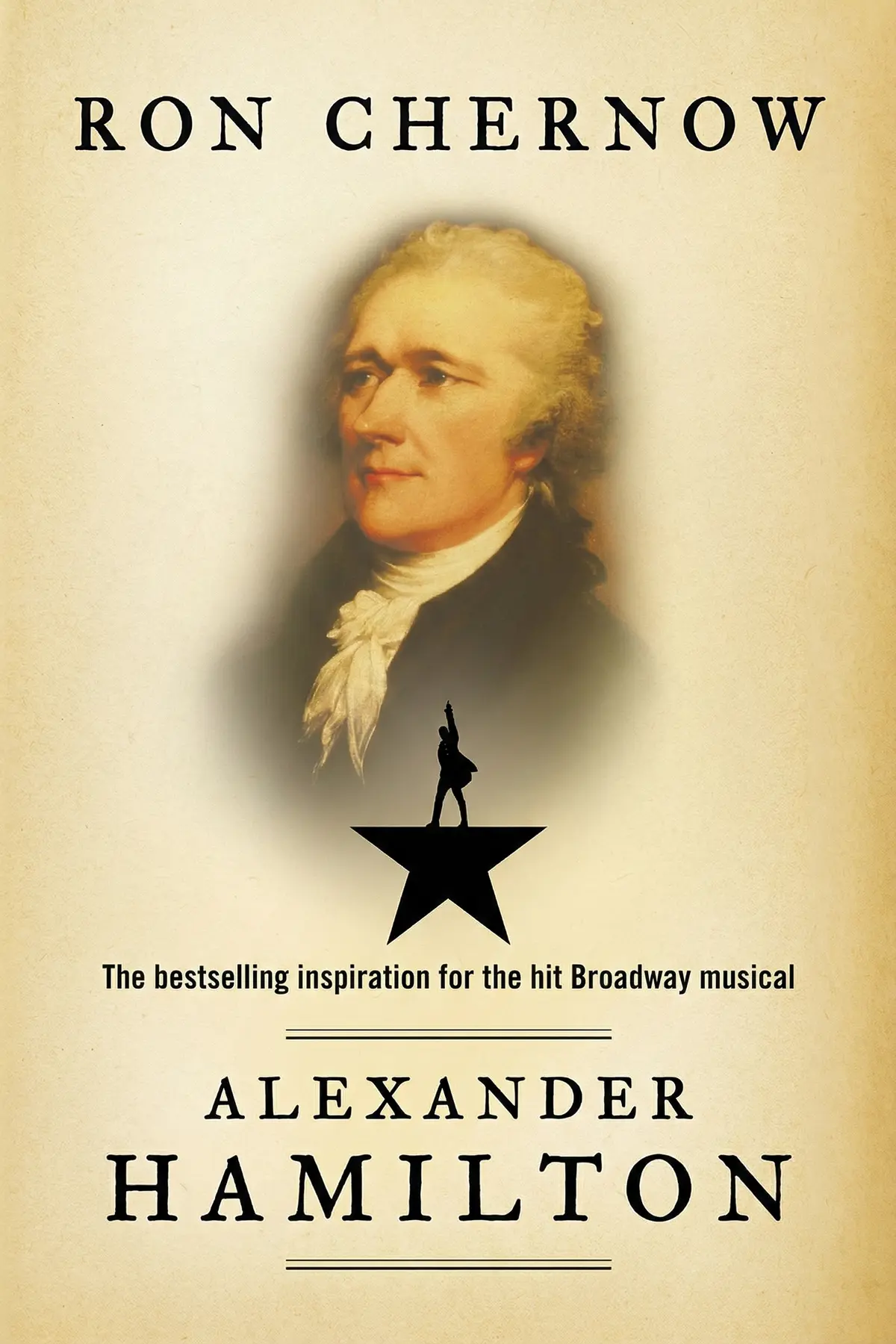
Alexander Hamilton
Ron Chernow
1929: Inside the Greatest Crash in Wall Street History--and How It
Andrew Ross Sorkin
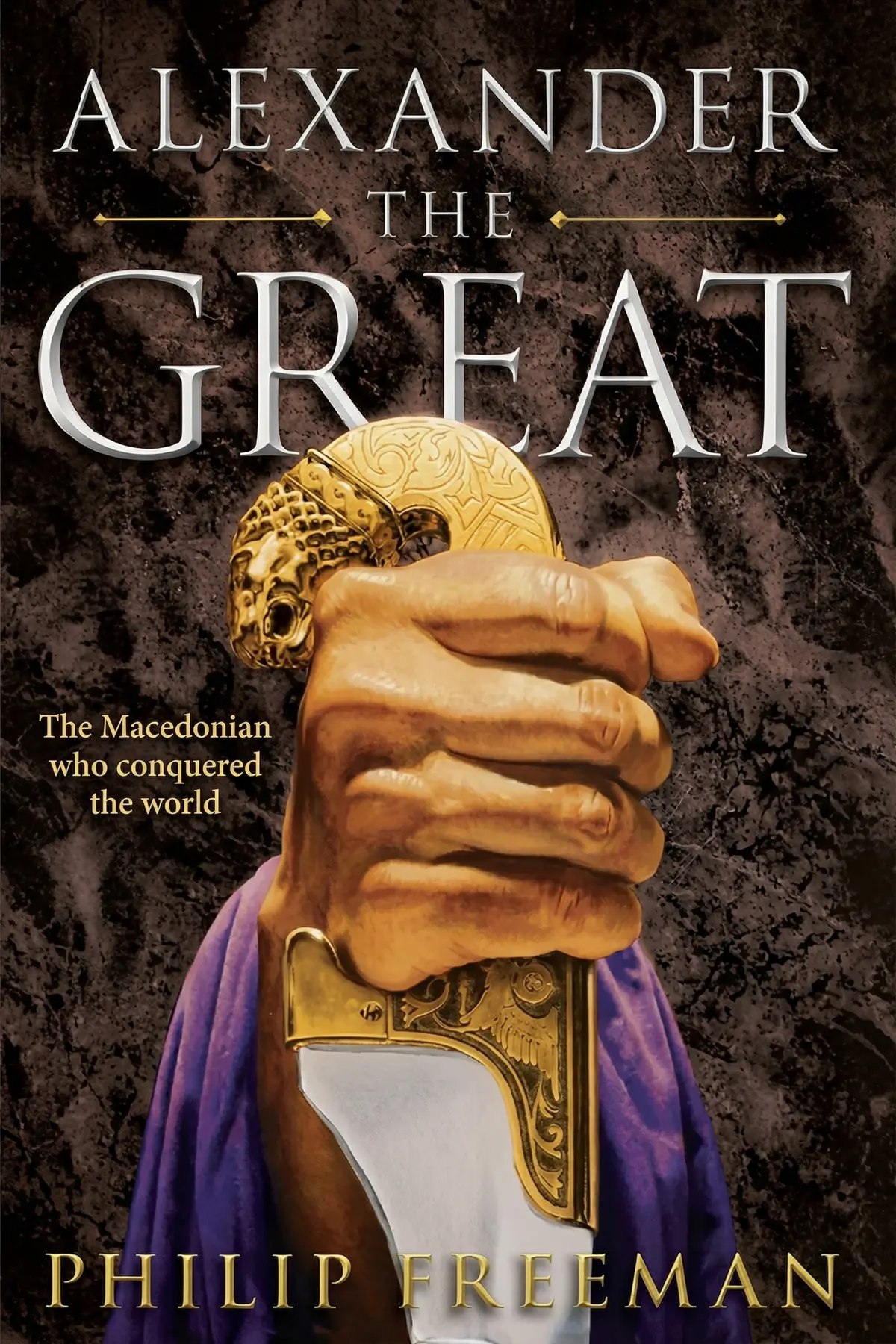
Alexander the Great
Philip Freeman
AUDIO SUMMARY AVAILABLE
Listen to Free Speech in 15 minutes
Get the key ideas from Free Speech by Jacob Mchangama, plus 5,000+ more titles in English and Thai.
- 5,000+ titles
- Listen as much as you want
- 7-day free trial
- Cancel anytime







