

Adults in The Room: My Battle With Europe’s Deep Establishment
Yanis Varoufakis
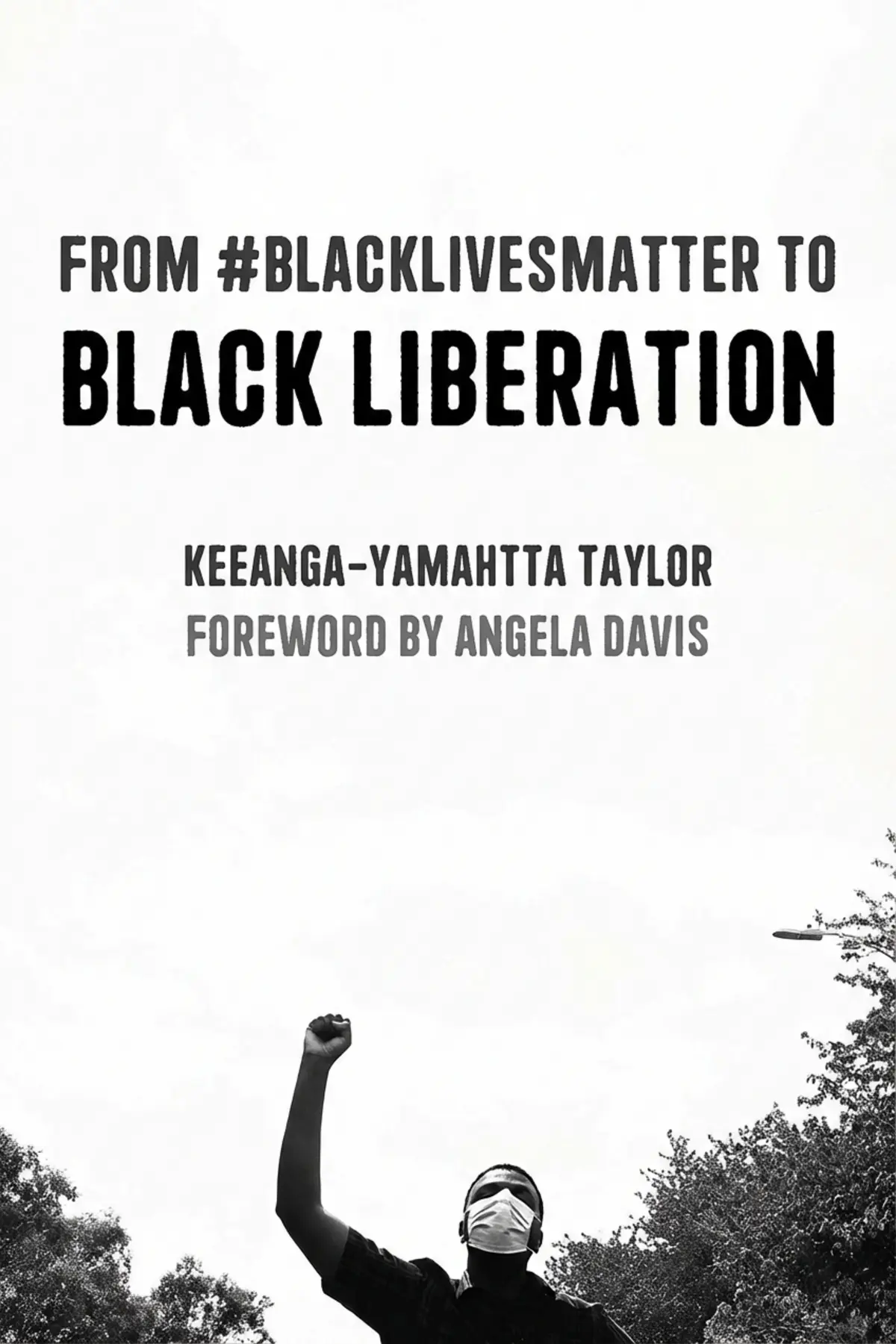
Explore the structural roots of racial inequality in America. This analysis connects historical oppression to modern movements, critiquing the political systems and economic structures that continue to hinder the quest for Black liberation.
1 min 45 sec
In 1968, shortly before his life was taken, Dr. Martin Luther King Jr. penned an essay titled “A Testament of Hope.” In it, he argued for a more aggressive form of political involvement, believing it was the only path to achieving true Black liberation. Decades later, looking at the surface of American society, one might see the fulfillment of some of those hopes. We have seen the rise of Black mayors, Black police chiefs, and even the election of the first Black president. Yet, beneath this veneer of progress, the fundamental structures of inequality remain remarkably resilient.
This exploration takes us into the heart of the modern struggle for racial justice. It asks a difficult but necessary question: Why, in a country that often claims to be “post-racial,” do Black communities continue to face disproportionate levels of poverty, criminalization, and state-sanctioned violence? To answer this, we must look beyond the individual choices of citizens and examine the very architecture of the American political and economic system.
We will navigate through the history of how systemic racism was rebranded as “cultural issues,” how the language of color-blindness was used to dismantle social safety nets, and how the legal system evolved from the end of slavery into a machinery of mass incarceration. This is not just a retelling of history; it is an analysis of the forces that birthed the #BlackLivesMatter movement and a look at what it will truly take to achieve liberation. By understanding the throughline from the Black Codes of the 1800s to the streets of Ferguson, we can begin to see the path toward a society that finally matches the ideals it professes to hold. Prepare to challenge the myths of American progress and look closely at the mechanics of power and profit that keep inequality alive.
2 min 05 sec
Discover why modern politicians often blame community struggles on cultural habits rather than the systemic economic barriers that have existed since the era of slavery.
2 min 09 sec
Learn how the concept of a color-blind society was used as a strategic political cover to justify the dismantling of essential social welfare programs.
1 min 53 sec
Examine why the increase in Black political representation hasn’t translated into improved living conditions for the majority of Black citizens.
2 min 00 sec
Trace the history of the American justice system to see how it has consistently found new ways to restrict Black freedom after the end of slavery.
2 min 16 sec
Explore the transition from traditional political hope to a new wave of grassroots activism sparked by systemic failures and high-profile tragedies.
2 min 02 sec
Understand the deep connection between economic exploitation and racial prejudice, and why the future of liberation depends on class solidarity.
1 min 37 sec
As we conclude this exploration into the struggle for Black liberation, the throughline becomes clear: racism in America is not an accidental byproduct of a few prejudiced individuals; it is a functional component of the nation’s political and economic systems. We have seen how the myth of a color-blind society has been used to mask the dismantling of social safety nets, and how the legal system has consistently adapted to keep Black communities under state control. We’ve also seen that while representation in government is a form of progress, it is not a substitute for the structural changes needed to lift people out of poverty and protect them from violence.
The rise of the #BlackLivesMatter movement and the proliferation of grassroots activist groups represent a vital new chapter in this history. These movements are challenging us to look past the superficial markers of progress and demand a fundamental reimagining of our society. The final lesson is one of unity. The forces of racism and capitalism are deeply intertwined, relying on division to maintain the status quo. True liberation will require a broad, multiracial coalition of the working class that recognizes that an injury to one is an injury to all.
The movement today is not just about protesting individual acts of injustice; it is about building a future where the value of a life is not determined by its profitability or its skin color. By acknowledging the deep roots of inequality and organizing collectively, the potential for real, lasting change moves from a distant hope to a tangible possibility. The fight for liberation is a fight for the very soul of democracy, and it is a struggle that involves us all.
From #BlackLivesMatter to Black Liberation provides a rigorous examination of why racial inequality persists in the United States despite the victories of the civil rights movement. It challenges the prevailing narrative that America has become a color-blind society, arguing instead that racism is deeply embedded in the nation’s political and economic foundations. The book traces the evolution of Black oppression from the end of slavery through the era of mass incarceration, highlighting how systemic issues are often misdiagnosed as cultural failings. It also offers a critical look at the limitations of Black political representation within a capitalist framework. Ultimately, the work serves as a call to action, suggesting that true liberation requires a unified movement that addresses the intersection of racial prejudice and economic exploitation.
Keeanga-Yamahtta Taylor is an assistant professor at Princeton University in the department of African American Studies. Her insightful writing on Black politics, social movements, and racial inequality has been featured in several prominent publications, including Culture and Society, New Politics, the Guardian, and the International Socialist Review.
Listeners find the writing both compelling and well-crafted, with one listener emphasizing its investigative, research-driven style. They value the intellectually stimulating material, where one listener describes it as an overview of social consciousness efforts and another underscores its exhaustive look at the Black experience in America. The book earns praise for its historical context, with one listener noting its penetrating analysis of contemporary racial politics.
Keeanga-Yamahtta Taylor has written a definitive account of how the struggle for Black liberation has evolved in the post-Civil Rights era. She brilliantly dismantles the myth of a meritocratic society, showing how 'colorblind' policies were actually designed to mask systemic failures. I found her critique of the Black political elite especially sharp; she explains why having 'Black faces in high places' hasn't translated into safety or prosperity for the Black working class. It is a dense, research-heavy book that demands your full attention, but the payoff is a much clearer understanding of why Ferguson happened. The way she connects the history of the Nixon era to the rise of #BlackLivesMatter is nothing short of masterly. This isn't just a history book; it's a diagnostic tool for understanding the current American landscape. If you want to move beyond superficial headlines and understand the structural roots of inequality, start here.
Show moreFinally got around to this after seeing it on every 'must-read' list since 2020, and it absolutely lives up to the hype. Taylor’s analysis of American exceptionalism is particularly poignant, revealing how the mythology of the 'land of milk and honey' relies on the erasure of slavery and genocide. I was struck by her discussion of the 'culture of poverty' trope, which has been used for decades to blame Black communities for their own marginalization. The book feels incredibly urgent, even though it was written a few years ago. It’s a righteous takedown of neoliberal politics that challenges both the right and the liberal establishment. Her writing is punchy and direct, making complex sociological concepts accessible to a general reader. This is a powerful call for solidarity that refuses to settle for minor reforms, insisting instead on a complete reimagining of what freedom looks like.
Show moreEver wonder how we got from the triumphs of the 1960s to the current state of mass incarceration and persistent poverty? Taylor provides the answers with a penetrating analysis of contemporary racial politics. She doesn't pull any punches when discussing the Obama era, showing how his administration often relied on 'personal responsibility' rhetoric that obscured the structural causes of inequality. The book is incredibly thorough, looking at everything from the housing crisis to the way the legal system protects police officers. I appreciated how she grounded the movement for Black lives in a long tradition of resistance. The analysis is intersectional and sharp, refusing to separate the struggle for racial justice from the fight against capitalism. It’s a challenging read that will make you rethink everything you thought you knew about the 'post-racial' United States. Required reading for anyone who considers themselves an ally in the fight for liberation.
Show moreWow, this book totally blew my mind and changed how I view the Democratic party's history with Black voters. Taylor is such a clear thinker. She explains how the concept of 'colorblindness' isn't just a personal failing but a political strategy used to dismantle the gains of the Civil Rights movement. The chapter on the 2014 rebellions is incredibly moving and captures the raw anger and hope of that moment perfectly. I particularly liked her takedown of the 'culture of poverty' arguments that still get tossed around today. It’s a thorough look at Black life in America that refuses to accept easy answers. Personally, I found her call for solidarity between all oppressed groups to be the most inspiring part of the book. It’s a roadmap for the future that acknowledges the mistakes of the past without being defeated by them. Absolutely essential reading for humanity.
Show moreThis book should be in every classroom in America. Taylor provides a comprehensive racial history that connects the dots between the end of slavery and the hashtag movements of today. I was particularly impressed by her analysis of how the ruling class uses racist ideology to divide the working class against itself. It’s a perspective that is often missing from mainstream discussions of race. The writing is sophisticated yet urgent, capturing the high stakes of the struggle for Black liberation. Not gonna lie, some of the economic sections are a bit heavy, but they are crucial for understanding the 'why' behind the inequality we see every day. This book doesn't just describe the world; it demands that we change it. It is a brilliant, penetrating analysis that will stay with me for a long time. Read it, take notes, and then give it to a friend.
Show moreWhile the prose leans heavily toward the academic side, the insights contained within these pages are vital for anyone trying to make sense of modern policing. Taylor does an incredible job of tracing the line from the late 1960s rebellions to the 2014 Ferguson protests. To be fair, I occasionally found the tone a bit dry, and the Kindle version feels a bit like a textbook with its formatting. However, the chapter on 'Black Faces in High Places' is worth the price of admission alone. She explains how the rise of a Black middle class was used to quell radicalism, leaving the most vulnerable populations behind. I would have liked a bit more focus on the specific narratives of the families impacted by police brutality, as the book can feel very high-level and theoretical at times. Still, it provides a necessary framework that connects local tragedies like Mike Brown's to global economic shifts.
Show moreAs someone who follows social justice movements closely, I found this to be one of the most intellectually stimulating books on the subject. Taylor’s ability to weave together economic trends with racial history is impressive. She makes a compelling case that the inclusion of Black elites into the political system has served to legitimize a system that remains fundamentally oppressive. Look, it’s not an easy, casual read—you’ll want to have a highlighter ready—but it’s deeply rewarding. My only minor quibble is that the connection between the historical chapters and the specific tactics of the BLM movement felt a bit loose in places. Sometimes it felt like two different books: one about the history of the Black elite and another about Ferguson. Nevertheless, her argument for a multi-racial, class-conscious movement is powerful and well-supported. It’s a refreshing break from the usual 'colorblind' discourse that dominates mainstream media.
Show moreAfter hearing Taylor speak on a podcast, I knew I had to pick this up, and I'm glad I did. It’s a righteous take down of neoliberal politics that pulls back the curtain on why representation doesn't always equal liberation. The way she describes the rise of the Black police chief and Black mayor in cities where police brutality remains rampant is chilling and necessary. She uses a lot of specific data to back up her points, which I appreciated. It's a very analytical, research-based approach that makes her arguments feel grounded. I did feel the last chapter was a bit rushed compared to the deep historical dives in the beginning, and her Marxist leanings might alienate some readers who aren't already on that page. However, the core history here is undeniable. It’s a thought-provoking review of conscientious initiatives and a sobering reminder of how much work is left to do.
Show moreThe first several chapters are absolute gold, offering a clear-eyed history of how the Black Power movement was co-opted and neutralized. Taylor is a fantastic historian when she’s looking at the 1970s and 80s. However, the concluding chapter felt like a major disappointment to me. She pivots hard toward a Marxist analysis that feels a bit reductionist, almost suggesting that class struggle will automatically solve the deeply ingrained issues of white supremacy. In my experience, white leftist organizations have their own history of racism that she largely brushes aside in favor of a call for broad solidarity. It felt like she was trying to fit the complex reality of Black struggle into a specific ideological box that doesn't quite hold the weight of the history she presented earlier. It’s an informative read for the historical context, but I found the final solutions she proposes to be somewhat baffling and disconnected from the racial realities she spent the rest of the book describing.
Show moreTo be fair, the research here is impeccable, and I learned a lot about the Nixon era that I didn't know before. But man, this was a slog to get through. The tone is so academic and dry that it felt like reading a dissertation rather than an engaging look at a modern social movement. I was expecting something more along the lines of a narrative history, but this is a dense political theory text. The Kindle version even has textbook features, which should have been my first clue. I also struggled with the way she seemed to downplay the unique role of racism by framing everything through a class-based lens toward the end. While I agree that capitalism is part of the problem, the specific targeting of Black bodies throughout history deserves a bit more than being a 'tool for division.' It's an important book, but I'd suggest being in a very studious mindset before you crack it open.
Show moreYanis Varoufakis
Yuval Noah Harari
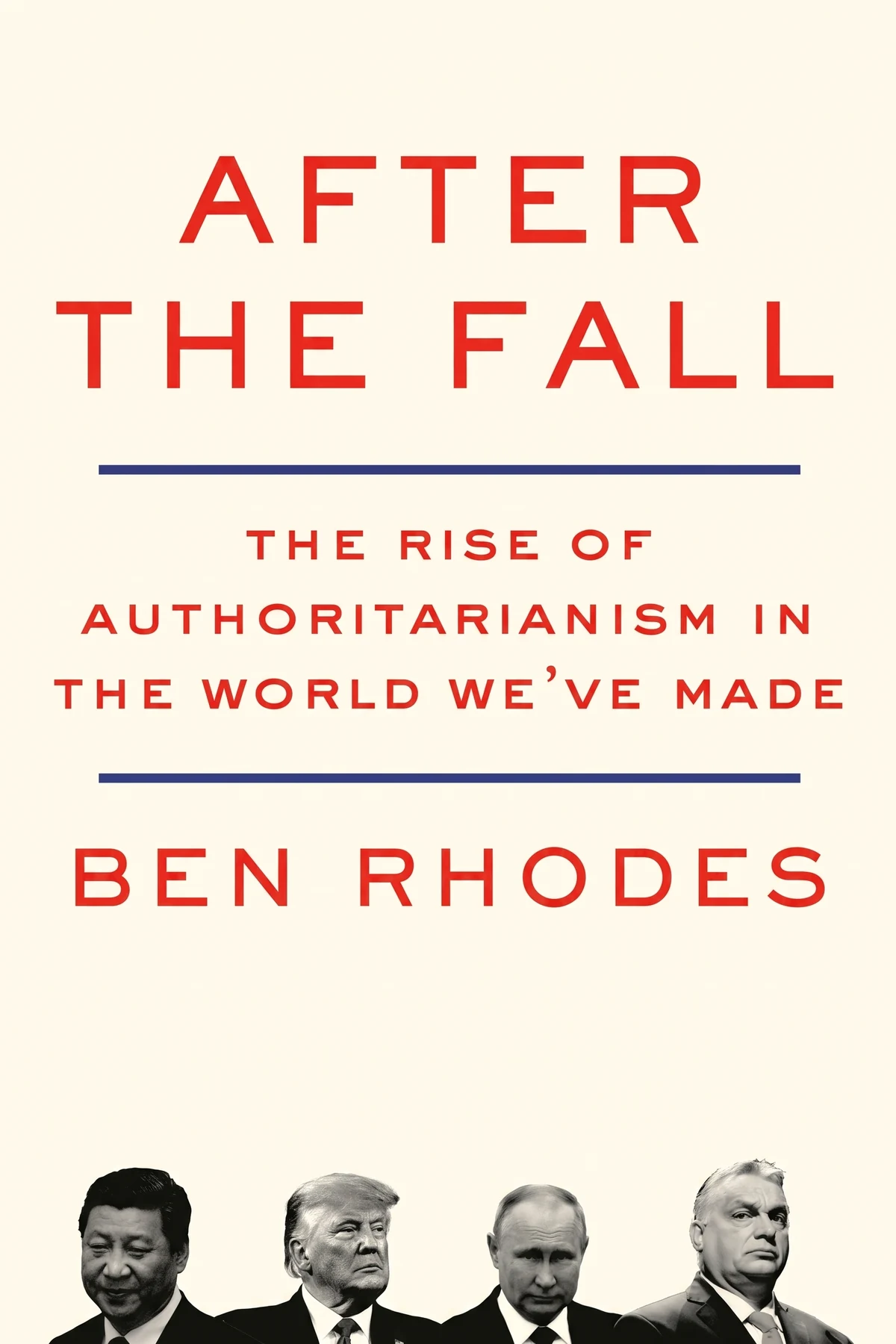
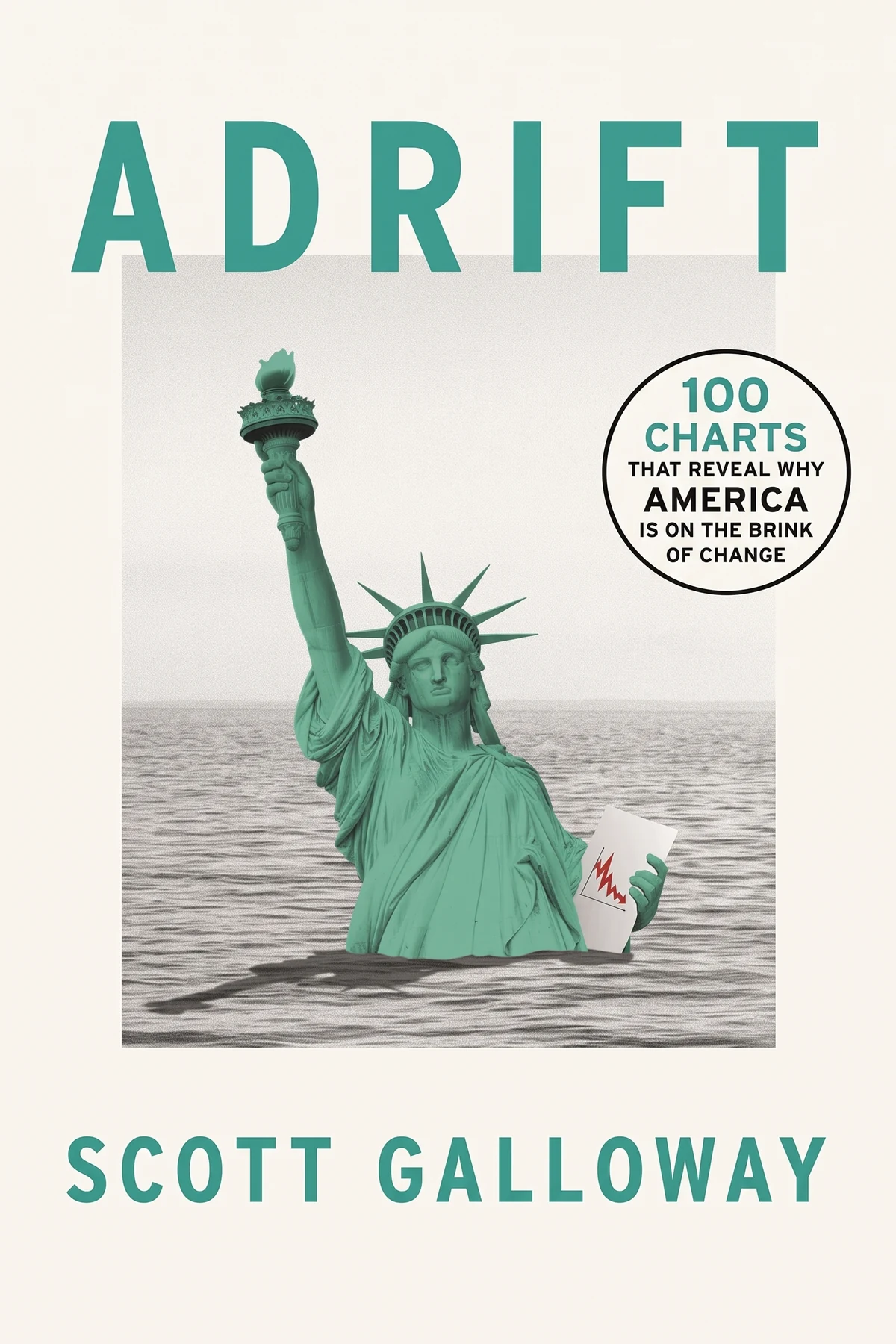
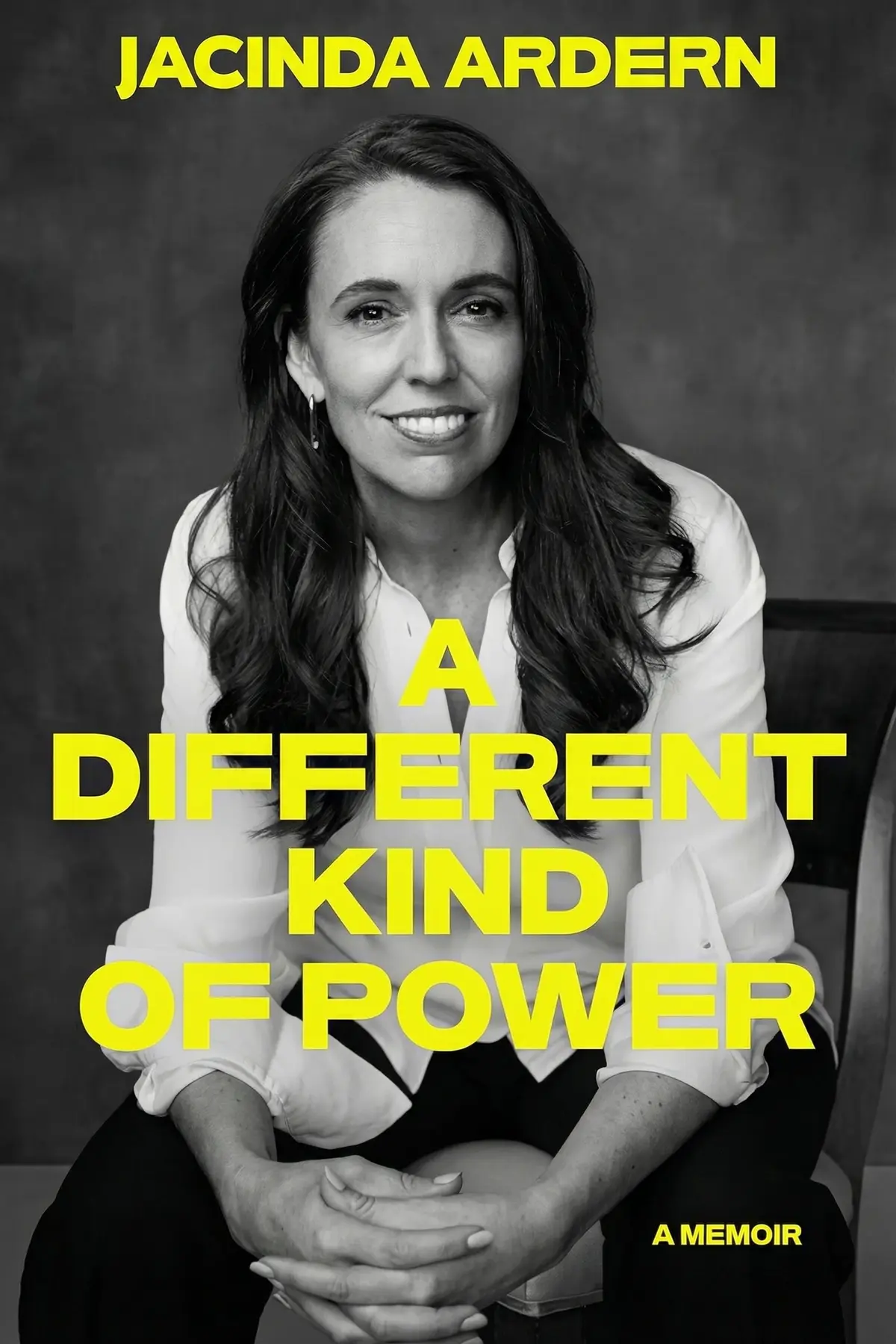
Jacinda Ardern
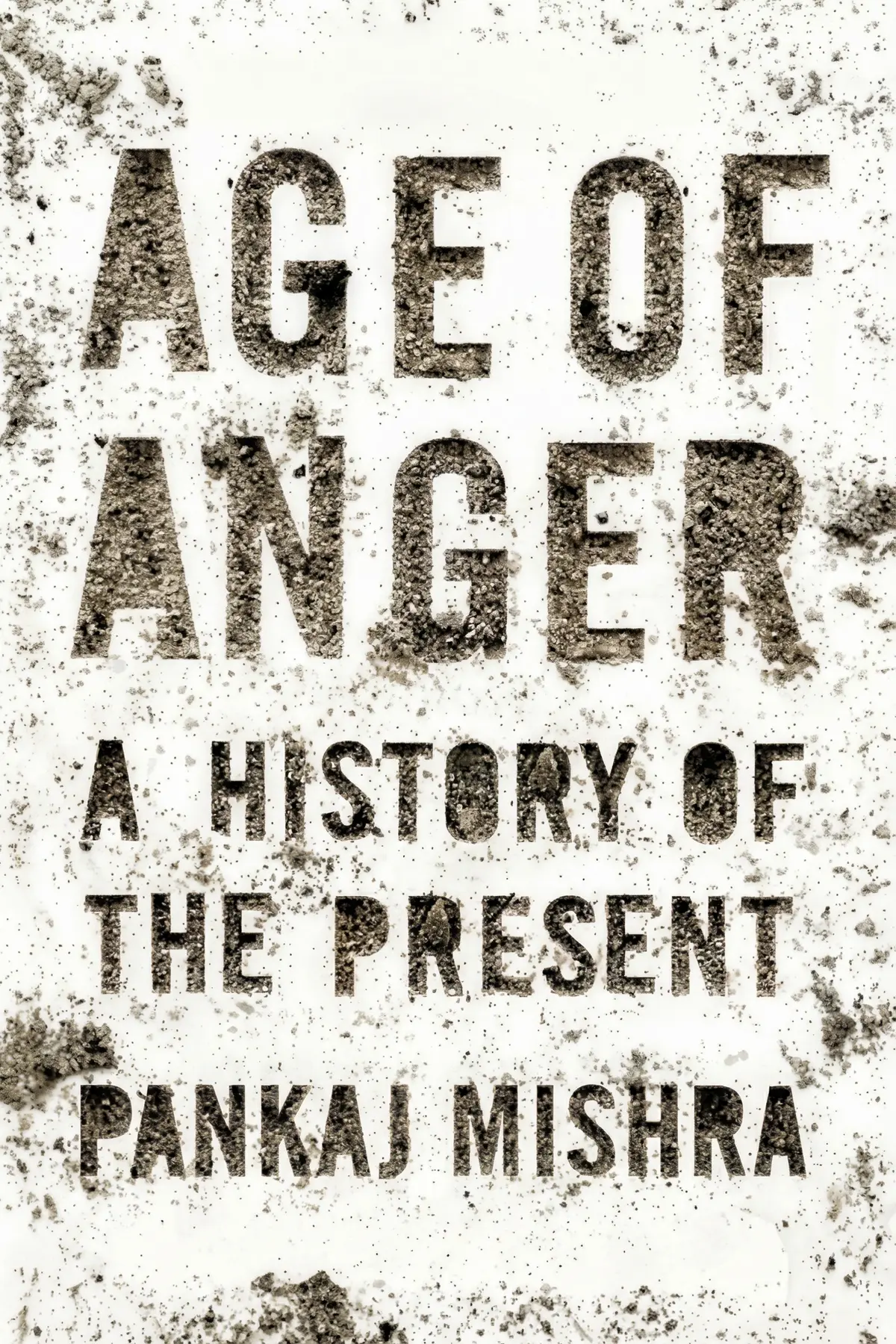
Pankaj Mishra
Johny Pitts
James Comey
Anthony Pratkanis
AUDIO SUMMARY AVAILABLE
Get the key ideas from From #BlackLivesMatter to Black Liberation by Keeanga-Yamahtta Taylor, plus 5,000+ more titles in English and Thai.







