
21 min 06 sec
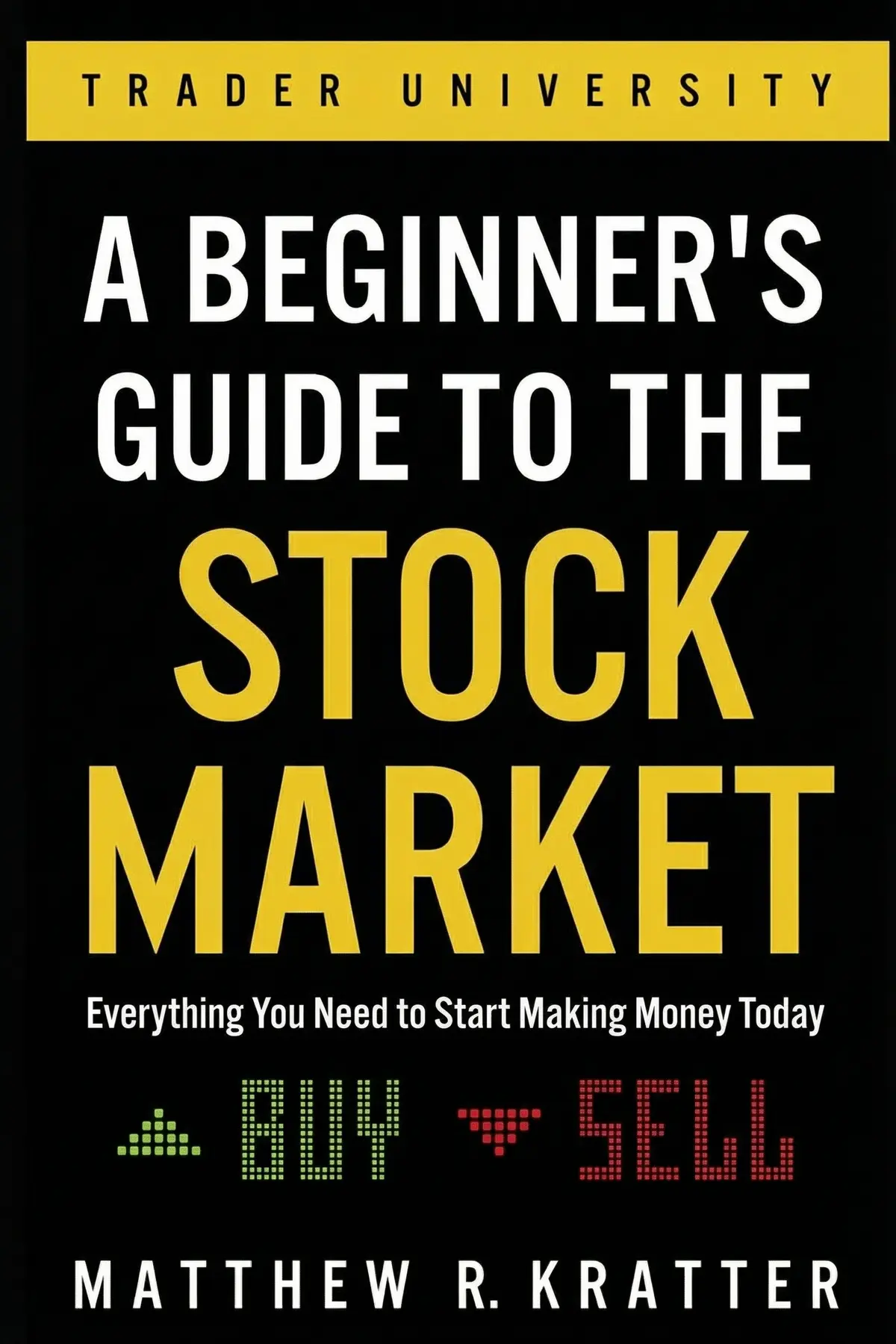
From Here to Financial Happiness: Enrich Your Life in Just 77 Days
From Here to Financial Happiness offers a structured 77-day roadmap to master your money. Learn how to bridge the gap between financial anxiety and long-term security through discipline and behavioral awareness.
Table of Content
1. Introduction
1 min 37 sec
Imagine waking up every morning without the heavy weight of financial uncertainty pressing down on you. For many, the idea of ‘financial happiness’ feels like a finish line that keeps moving further away, no matter how hard they run. We are often told that money can’t buy happiness, but a lack of money certainly brings a unique kind of stress that permeates every corner of our lives. The truth is that financial stability isn’t a secret reserved for the elite; it is a discipline that can be learned, practiced, and mastered by anyone willing to take a structured approach.
Over the next eleven weeks, or seventy-seven days, the goal is to dismantle the wall between where you are now and where you want to be. This isn’t about getting rich quick or finding a loophole in the stock market. Instead, it’s about a fundamental shift in perspective. It’s about understanding the ‘why’ behind your spending, the ‘how’ of your saving, and the ‘when’ of your future security.
In this exploration, we will look at the throughline that connects your daily habits to your ultimate freedom. We’ll dive into the mathematical magic of how money grows when left alone, and the psychological traps that our own biology sets for us. We will examine the tangible steps to building a safety net that allows you to sleep through the night, and we’ll discuss how to navigate the confusing world of insurance and investments. By the end of this journey, the vague dream of a comfortable retirement will be replaced by a concrete, actionable plan. Let’s begin by looking at the most basic building blocks of wealth: the power of time and the rules of the game that everyone can use to their advantage.
2. The Power of Time and Compounding
2 min 32 sec
Discover how the simple act of starting early can exponentially increase your wealth through the mathematical miracle of interest that builds upon itself over decades.
3. Constructing a Financial Safety Net
2 min 09 sec
Explore why an emergency fund is your most important psychological and financial asset, providing a buffer against the unpredictable nature of life and employment.
4. Understanding Your Inner Forager
2 min 17 sec
Learn how your evolutionary history drives impulse spending and why modern budgeting requires a conscious effort to override ancient survival instincts.
5. The Dual Benefits of Frugality
2 min 05 sec
Examine how conscious spending and avoiding ‘lifestyle creep’ can lead to both a healthier bank account and a healthier physical life.
6. The Strategic Use of Insurance
2 min 12 sec
Navigate the complex world of risk management by learning which insurance policies are vital for your stage of life and which ones are a waste of resources.
7. Rethinking the Automobile Trap
2 min 09 sec
Examine the heavy financial burden of car ownership and learn the specific rules for buying and maintaining a vehicle without sabotaging your savings.
8. Managing Cash and Growing Wealth
2 min 13 sec
Learn the tactical moves for daily cash management, from credit card rewards to the transition from safe savings to growth-oriented stock investments.
9. The Road to a Meaningful Retirement
2 min 06 sec
Shift your focus to the long-term goal of retirement, understanding both the financial requirements and the psychological preparation needed for life after work.
10. Conclusion
1 min 46 sec
As we reach the end of this seventy-seven-day framework, the path to financial happiness should feel less like a mystery and more like a map. We have explored the mechanics of compounding, the necessity of an emergency fund, and the biological hurdles that make saving a challenge. We have seen how being smart about the ‘big’ expenses—like cars and insurance—can free up the resources you need to build a secure future. And we have looked at the dual importance of both funding your retirement and finding the purpose that will make those years truly golden.
The throughline of this entire journey is the transition from being a reactive spender to being a proactive manager of your own life. Financial happiness isn’t about the total number in your bank account; it’s about the sense of agency and freedom that comes from knowing you are in control. It’s about the security of knowing that a car breakdown won’t ruin your month and that your future self is being taken care of.
If there is one final, actionable piece of advice to take away, it is this: automate everything. The human brain is not naturally wired for long-term financial planning. We are foragers by nature, prone to impulse and short-term thinking. By setting up automatic transfers for your savings, automatic payments for your bills, and automatic contributions to your retirement accounts, you are essentially building a system that protects you from yourself.
Financial happiness is a journey of a thousand small steps, but by taking those steps consistently over seventy-seven days, you can build a foundation that will last a lifetime. You now have the tools and the mindset to bridge the gap between where you are and where you want to be. The dream of a comfortable, stress-free life isn’t just a dream anymore—it’s a plan. Now, it’s time to put that plan into action.
About this book
What is this book about?
Have you ever felt that financial independence is a goal meant only for the lucky few? This guide challenges that notion by breaking down the complexities of personal finance into a manageable, day-by-day journey. It provides a clear-eyed look at how our internal instincts often lead us astray and offers a series of practical habits to reverse that trend. The book promises a transformation in how you view every dollar that passes through your hands. By focusing on the mechanics of saving, the reality of investment risks, and the necessity of planning for a retirement that is both funded and fulfilling, it creates a comprehensive blueprint. Whether you are struggling with credit card debt or looking to optimize a growing portfolio, the path forward is built on the foundation of consistent, incremental progress over the course of eleven weeks.
Book Information
About the Author
Jonathan Clements
Jonathan Clements is a seasoned financial expert who previously served as a consultant for the global investment firm Citigroup. Known for his long-tenured contributions to the Wall Street Journal, he has authored several books, including the 2016 title How to Think About Money. He also shares his financial wisdom as the founder of HumbleDollar.com, a platform dedicated to providing accessible financial guidance.
Ratings & Reviews
Ratings at a glance
What people think
Listeners find the book beneficial and straightforward to navigate, with one listener highlighting that it addresses every financial subject. They value the succinct writing and optimistic perspective on making monetary choices.
Top reviews
Marasri
Finally, a money book that doesn't make me want to fall asleep at my desk! This is a great package of investment ideas and deals that actually feels achievable for a normal person. The writing style is punchy and direct, which I appreciate because I don’t have time for a 700-page manifesto on index funds. Clements covers everything from why you need a high-yield account to how your risk appetite should shift as you get older. Personally, I think the most valuable takeaway was the focus on automating everything to remove the emotional stress of manual transfers. If you want a clear, concise guide to making your money last through retirement, this is the one.
Show moreSarocha
Wow, I wish I had read this in my early twenties instead of waiting until my thirties to get serious about my wealth. The way Clements explains the relationship between age and risk appetite is a total game-changer for my portfolio strategy. He makes a compelling case for being aggressive while young and gradually moving toward low-risk investments as you approach seniority. The book is incredibly comprehensive, covering insurance policies and even the psychology of spending in a way that feels very supportive. It’s not just a list of 'dos and don'ts' but a philosophy for living a comfortable, secure life. I've already started restructuring my monthly payments based on his automation tips.
Show moreArm
Jonathan Clements has a real knack for taking complex Wall Street jargon and stripping it down to the bare essentials for the rest of us. The book is incredibly easy to follow, covering almost every financial topic you could think of from insurance to stock investments. I particularly enjoyed the section on compounding interest; it’s a concept we all know, but he explains the gravity of it with such clarity. Not gonna lie, some of the advice on risk appetite felt a bit generalized, but the overall positive approach to financial choices is refreshing. It doesn't feel like he's scolding you for your past mistakes. Instead, he focuses on the path forward to financial stability.
Show moreVilaiporn
Picked this up during a weekend of soul-searching about my spending habits and I’m glad I did. I’ve often struggled with being either too frugal or way too impulsive, so the emphasis on finding a middle ground resonated deeply with me. The book uses very concise language to explain why we need to put our money to work in the stock market early on. It makes the idea of retirement seem less like a scary, distant monster and more like a manageable goal. I did find some sections a bit repetitive toward the middle, but the core message remains strong. It’s a helpful roadmap for anyone looking to secure their future without feeling totally deprived in the present.
Show moreGioia
The chapter on automating payments changed how I look at my monthly chores. It seems so basic, but removing the decision-making process from your savings really does lead to more 'financial happiness.' I liked that the book was divided into these tiny, bite-sized sections because it made a daunting subject feel much more approachable. Gotta say, the advice on reducing fixed costs, specifically car expenses and insurance, was very eye-opening for me personally. I realized I was overpaying for coverage I didn't even need. While some of the stock market advice felt a bit generic, the overall package is very helpful for anyone who needs a nudge in the right direction.
Show moreOak
After hearing so much praise for Clements’ writing style, I decided to see if the hype was real. For the most part, it is. The book offers a very positive approach to financial choices, steering away from the 'guilt-trip' method of money management. He uses very concise language to explain why compounding is the most powerful tool in your arsenal. I did think some of the chapters could have been combined for a better flow, as it can feel a little repetitive after a while. Nevertheless, the core message about achieving financial stability through frugality and smart investing is solid. It’s a great introductory text for anyone who feels overwhelmed by more technical finance books.
Show moreSofia
Is this the ultimate finance bible? Not quite, but it is a very practical manual for anyone struggling to find a balance between living today and saving for tomorrow. Truth is, Clements does a great job explaining why automation is your best friend when it comes to high-yield accounts and credit card payments. I appreciated the focus on reducing fixed costs like car expenses and insurance premiums rather than just cutting out the occasional latte. However, the 77-chapter format can feel a bit disjointed at times. You get these tiny bursts of information that sometimes lack the deep dive I was hoping for. It’s a solid three-star read that offers helpful tips without being too overwhelming.
Show moreMaja
As someone who works in the accounting field, I found the 77-chapter structure both a blessing and a curse. On one hand, you can jump around to specific topics like insurance or fixed costs quite easily. On the other hand, the brief nature of the chapters means some topics feel a bit thin on the ground. To be fair, the author’s skepticism of Wall Street is a nice touch and adds a layer of authenticity to the advice. He correctly points out that financial happiness isn't just about the numbers on a screen; it's about the security those numbers provide. It’s a simple read, perhaps too simple for some, but the practical recommendations are definitely worth considering for a general audience.
Show moreMoon
This guide feels a bit dated and repetitive, despite the author’s clear expertise in the field. While the 77 short chapters make it easy to digest, many of them just hammer home the same basic point: spend less than you earn. Some of the specific strategies, like suggesting a home equity loan to wipe out credit card balances, felt risky and perhaps a bit irresponsible for a general audience. Frankly, I expected more nuanced strategies from such a respected name in financial journalism. It’s a decent starting point for a complete novice, but if you have any foundation in budgeting, you might find yourself skimming most of the pages. I’d recommend looking at more modern debt-reduction frameworks instead.
Show moreBae
Look, telling people to 'just save more' isn't exactly a groundbreaking revelation in the current economy. While the author is clearly a talented writer, this book felt like 77 chapters of the same three sentences over and over again. Save money, reduce your car expenses, and invest in stocks. We’ve heard it all before. I also wasn’t a fan of the suggestion to use debt instruments to shuffle other debts around; it felt like a recipe for disaster for someone already struggling. In my experience, you’re better off with a more rigorous program like Dave Ramsey if you’re actually in a hole. This book is just too anodyne to make a real difference for people with serious financial hurdles.
Show moreReaders also enjoyed
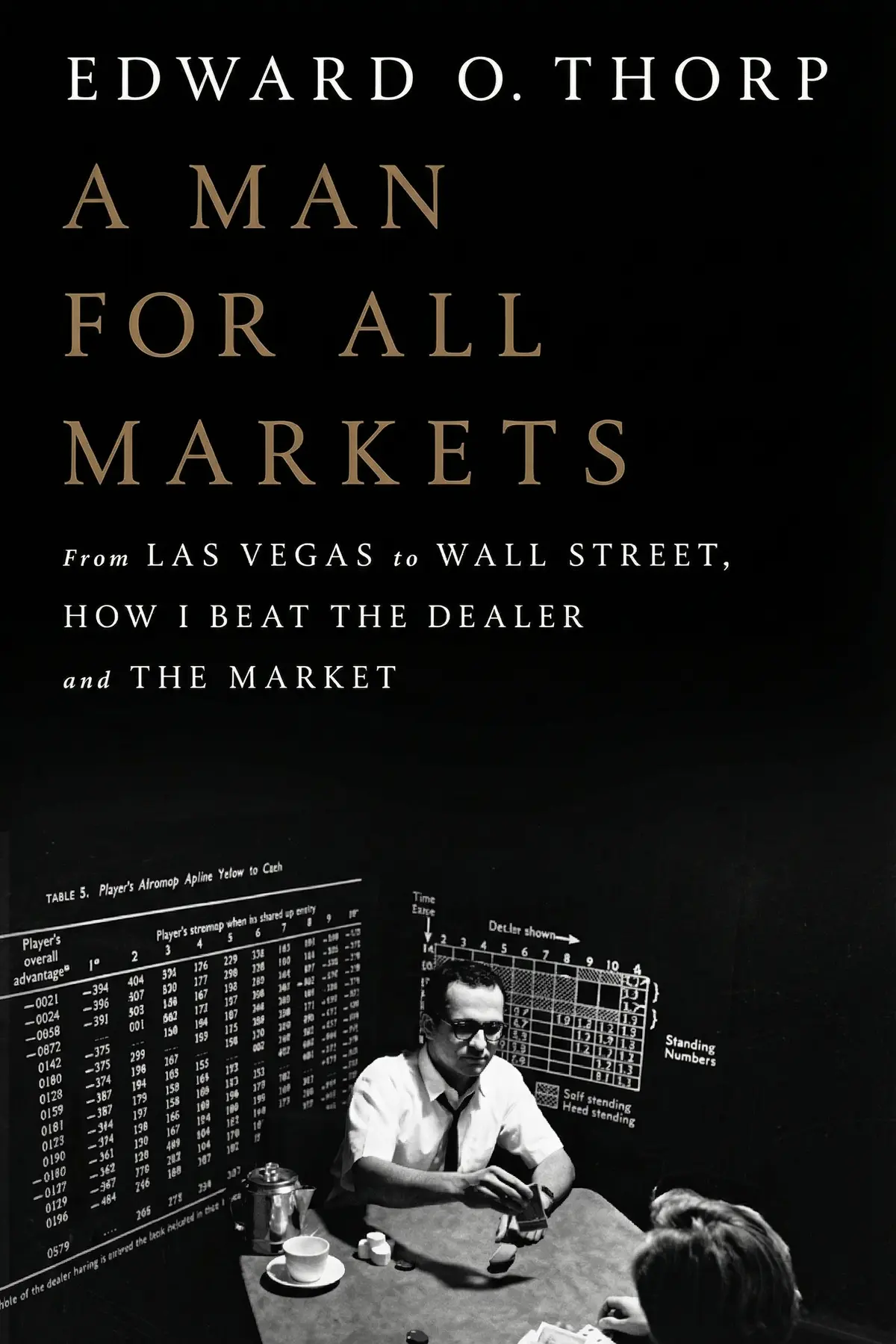
AUDIO SUMMARY AVAILABLE
Listen to From Here to Financial Happiness in 15 minutes
Get the key ideas from From Here to Financial Happiness by Jonathan Clements, plus 5,000+ more titles in English and Thai.
- 5,000+ titles
- Listen as much as you want
- 7-day free trial
- Cancel anytime







