

14 min 48 sec
Gentle and Lowly: The Heart of Christ for Sinners and Sufferers
By Dane Ortlund
Discover a transformative look at the character of Jesus, focusing on his own self-description as gentle and lowly, offering profound comfort to those feeling overwhelmed by their own failures and suffering.

Table of Content
1. Introduction
1 min 35 sec
When you think about the core of the universe, what do you see? For many, the image of God is one of a stern judge, a distant sovereign, or a powerful entity whose primary response to human failure is a mix of disappointment and wrath. We often carry a heavy sense that we are constantly auditioning for divine favor, and that our mistakes only serve to push us further from the light. But what if the internal reality of the divine is the exact opposite of what our anxieties suggest?
In this exploration of Dane Ortlund’s work, we are invited to look past the surface-level assumptions we make about spiritual life. We aren’t just looking at what Jesus did or where he went; we are looking at who he is at his very center. There is a specific throughline that connects every miracle, every sermon, and every interaction recorded in the Gospels: the reality of a heart that is uniquely predisposed to welcome the broken.
By synthesizing biblical texts from prophets and apostles with the deep reflections of historical theologians like the Puritans, we will uncover a portrait of Christ that is both ancient and radically fresh. This isn’t just about theology in an abstract sense; it’s about finding a place of rest for the soul. We will see how the heart of Jesus acts as a multifaceted jewel, reflecting light into the darkest corners of human experience. If you have ever felt like you’ve reached the end of your rope, or that your burdens are too heavy to carry, the next several minutes will offer a perspective on grace that is as expansive as it is intimate.
2. The Only Self-Portrait of Christ's Heart
2 min 01 sec
In the vast record of the Gospels, Jesus describes his own heart only once, using words that contrast sharply with our common expectations.
3. The Meaning of Being Lowly
1 min 57 sec
Understanding the biblical definition of ‘lowly’ reveals a heart that purposefully aligns itself with those who are suffering and disadvantaged.
4. The Visceral Nature of Divine Compassion
1 min 51 sec
Compassion in the life of Jesus was more than a polite feeling; it was a physical, gut-level response to human suffering.
5. Inverting the Law of Infection
1 min 52 sec
While the world operates on the idea that uncleanness is contagious, Jesus proves that his purity is the more infectious force.
6. The Chasm Between Human and Divine Logic
2 min 08 sec
Our tendency to view relationships as transactions often prevents us from understanding the true nature of God’s grace.
7. A Love Without Borders or Requirements
2 min 08 sec
The heart of Christ is described as an ocean without a bottom, where the only thing you need to bring is your own need.
8. Conclusion
1 min 16 sec
As we reach the end of this journey into the heart of Christ, the throughline becomes clear: the gentleness and lowliness of Jesus are not just temporary moods or marketing tools—they are his very essence. We have seen that mercy and grace are not bargaining chips that God uses to manipulate our behavior. Instead, they are the only ways his heart knows how to operate.
We often spend our lives running away from our own shadows, fearing that if God truly saw us, he would turn away in disgust. But the reality we’ve explored suggests the opposite. The more we recognize our own exhaustion and our own heavy burdens, the more we find ourselves perfectly positioned to receive the rest that he offers. Approaching him doesn’t deplete him; it actually fulfills him.
The actionable takeaway from this is remarkably simple but profoundly difficult for our transaction-minded brains to grasp: you don’t have to fix yourself to be found by him. If you are even thinking of him, if you are feeling the weight of your own need, you are already standing at the threshold of his heart. The invitation is always open, the ocean is without a bottom, and the welcome is always gentle. Trust that he will do the work of restoration; your only job is to show up and let yourself be loved.
About this book
What is this book about?
Many people view the divine as a distant, judgmental figure waiting for us to falter. This summary challenges that perspective by looking at the only place in the Gospels where Jesus describes his own heart. Rather than reacting with anger or disappointment, the heart of Christ is revealed to be a place of infinite tenderness, moving toward the broken rather than away from them. Drawing on the insights of 17th-century Puritan theologians and deep biblical analysis, this exploration provides a roadmap for understanding God’s true nature. It promises to shift your perspective from a transaction-based relationship with the divine to one rooted in an inexhaustible spring of grace. You will learn how Christ’s compassion is not a response to our goodness, but a natural reaction to our need, making it an ever-present refuge for the weary and heavy-laden.
Book Information
About the Author
Dane Ortlund
Dane C. Ortlund is the senior pastor at Naperville Presbyterian Church in Illinois. He earned his PhD from Wheaton College and has established himself as a significant voice in modern theology. Ortlund has served as an editor for notable projects, including the Knowing the Bible series and Short Studies in Biblical Theology. He is also the author of the 2021 work Deeper: Real Change for Real Sinners.
Ratings & Reviews
Ratings at a glance

What people think
Listeners find this work profoundly wise and heartening, offering remarkable biblical perspectives that foster spiritual development. The writing is straightforward and accessible, resulting in an easy experience that listeners revisit frequently. They value how the text illustrates God’s affection for both sinners and the suffering, and one listener points out how it guides the audience through the scriptural foundations of God's love. Listeners characterize the book as beautiful, including one who mentions how it serves as a reminder of Christ's beauty.
Top reviews
Yulia
Dane Ortlund has a way of taking high theology and making it feel like a warm embrace. This book isn't just another dry academic study on the attributes of God; it’s a deep dive into the very core of who Jesus is. Most of us spend our lives assuming God is perpetually disappointed in our progress, but Ortlund uses Matthew 11:28-30 to flip that script entirely. He focuses on the 'heart' as the center of Christ's being, arguing that His natural inclination is toward mercy rather than judgment. Personally, I found the chapters drawing from the Puritans particularly illuminating. While some might find the heavy focus on 17th-century theologians a bit dense, Ortlund translates their insights into a modern, accessible language that felt incredibly relevant. It’s a gentle reminder that we don’t have to clean ourselves up to be welcomed. Truly a beautiful, scriptural exploration of divine love.
Show moreAlice
Picked this up during a particularly dry season of my faith, and it was exactly the medicine I needed. The book spends its time looking at how Christ views sinners and sufferers, and the insight here is staggering. We often think of Jesus as standing over us with a checklist, but Ortlund shows us a Savior who moves toward us in our mess. The pacing of the chapters is perfect for daily devotions—short, punchy, and saturated in scripture. I especially appreciated the focus on Thomas Goodwin’s writings. It’s rare to find a book that manages to be this comforting without sacrificing theological depth. If you feel like you’re running on empty, this will remind you of the beauty of Jesus in a way that feels fresh and vital. It’s easily one of my favorite reads of the year.
Show moreRoongsak
Finally got around to reading this after seeing it everywhere on social media, and the hype is real. Not gonna lie, I expected it to be a bit fluffy, but it actually has quite a bit of meat on the bones. The way Ortlund explains that Christ’s heart is not just part of Him, but the driving force of His entire being, changed the way I pray. I no longer feel like I’m bothering Him when I mess up. The writing style is very fluid—he has a knack for taking complex Puritan ideas and making them feel like a conversation over coffee. It’s a book for the bedraggled and the burnt out. It reminds us that Jesus isn't just a teacher or a judge, but a Person who truly delights in our proximity. I’ll be returning to these chapters frequently whenever I feel the weight of legalism creeping back in.
Show moreCharles
The chapter on Christ’s intercession was a total game-changer for me. Frankly, I’ve always understood that Jesus died for me, but the idea that He is currently, actively 'gentle and lowly' toward me in heaven is a perspective I had completely neglected. Ortlund’s scriptural insights are amazing. He takes these well-worn verses and makes them sparkle with new life. The book is incredibly easy to read, yet it carries a weight of spiritual maturity that is rare in contemporary Christian publishing. It doesn't ask you to do more; it asks you to see more. Specifically, it asks you to see the heart of a Savior who isn't repulsed by your weakness. I’ve recommended this to my entire small group. It’s beautiful, scripturally sound, and deeply necessary for anyone who feels like they’re never enough. A masterful look at the tenderness of God.
Show morePranee
Wow, this is easily one of the most comforting books I've ever held. Ortlund writes with a simplicity that masks a profound depth. He isn't trying to impress you with big words; he’s trying to show you the beauty of Jesus. The focus on 'gentle and lowly' as the only place where Jesus describes His own heart is such a poignant starting point. It makes the Creator of the universe feel accessible. I loved the distinction he made between God’s disappointment with our sin and His delight in us as His children. That kind of mindset restructuring is critical for anyone struggling with shame. This isn't just a book you read; it’s one you savor. It reminds me of Brennan Manning’s work but with a more distinctively Reformed backbone. Highly recommend for anyone who feels distant from God.
Show moreNiramai
Not what I expected from a book that’s been categorized as 'Reformed' theology. Usually, that implies a lot of talk about sovereignty and decree, but this is all about the tenderness of the Savior. Ortlund takes us through the scriptural foundations of God’s love in a way that feels incredibly personal. The way he describes Christ’s heart as being drawn toward our need is just stunning. It’s a short read, but it took me a long time to finish because I kept stopping to pray or reflect. If you’ve ever felt like a disappointment to God, you need to read this. It doesn't offer a 5-step plan to fix your life; it offers a person to lean on. The writing is relatable, the insights are scriptural, and the impact is profound. It’s a beautiful display of God’s love for sinners.
Show moreLars
Ever wonder if God is actually tired of your constant failures? That was the question weighing on me before I cracked this open. Ortlund’s central argument—that Christ’s heart is 'gentle and lowly'—is a soothing balm for the weary soul. I loved the way he restructured the idea of God’s anger versus His mercy, specifically that His mercy is 'pent up' and ready to gush out. To be fair, there were moments where the Reformed theology felt a little heavy-handed, especially the dismissal of certain traditional views on grace. It felt like he was trying a bit too hard to distance himself from Roman Catholic definitions at times, which muddied the water for me. Still, the overall message of Christ’s delight in His people is something every Christian needs to hear. The writing is simple, relatable, and deeply encouraging.
Show moreConnor
As someone who grew up in a very legalistic environment, this book felt like learning a new language. It’s the language of grace. Ortlund’s thesis is that we deconstruct our learned preconceptions about God’s heart to find a reality where His predisposition is love, not wrath. I found this deeply moving. My only real critique is that the book can feel a bit narrow. He quotes the same few Puritans over and over, and while they are great, it felt a bit like an echo chamber by the end. I also think the section on pain and suffering was a bit brief—it could have used more theological nuance to avoid the idea that God is 'conflicted' within Himself. Regardless, the core message is so powerful that it outweighs these minor gripes. It’s a wonderful resource for growing spiritually and learning to trust Christ’s kindness again.
Show moreWatchara
Look, I’ll admit I was skeptical of the hype, especially with the heavy reliance on Puritan authors like Thomas Goodwin. Sometimes those older writers can be a bit much. However, Ortlund does a fantastic job of weaving their insights into a cohesive narrative about the heart of Christ. The book is very focused on the emotional life of Jesus, which is a refreshing change of pace from typical systematic theology. It’s a bit repetitive in the middle, and I think some of the distinctions he makes about grace not being a 'thing' were a bit unnecessary and confusing for a general audience. But the heart of the book—the idea that Jesus is for us and with us in our suffering—is handled with such care. It’s a solid 4-star read that I think will help a lot of people find peace in their walk with God.
Show morePornpimon
To be fair, while Ortlund’s prose is undeniably beautiful, I struggled with some of the theological scaffolding. The book attempts to elevate 'gentleness' as the essential identity of Christ above all other attributes. As someone with a background in systematic theology, I found this slightly problematic. Can we really separate God’s mercy from His justice so cleanly? Ortlund suggests that wrath is a 'strange work' while mercy is natural to Him, but this feels like a selective reading of the text to fit a specific emotional narrative. Also, the tone is quite 'touchy-feely.' I can see why many find it comforting, but I prefer a more balanced approach that doesn't shy away from the means of grace and the objective mechanics of salvation. It’s a good book for encouragement, but I wouldn’t use it as a primary source for Christology. It’s a bit too repetitive for my taste.
Show moreReaders also enjoyed

A Force for Good: The Dalai Lama's Vision for Our World
Daniel Goleman

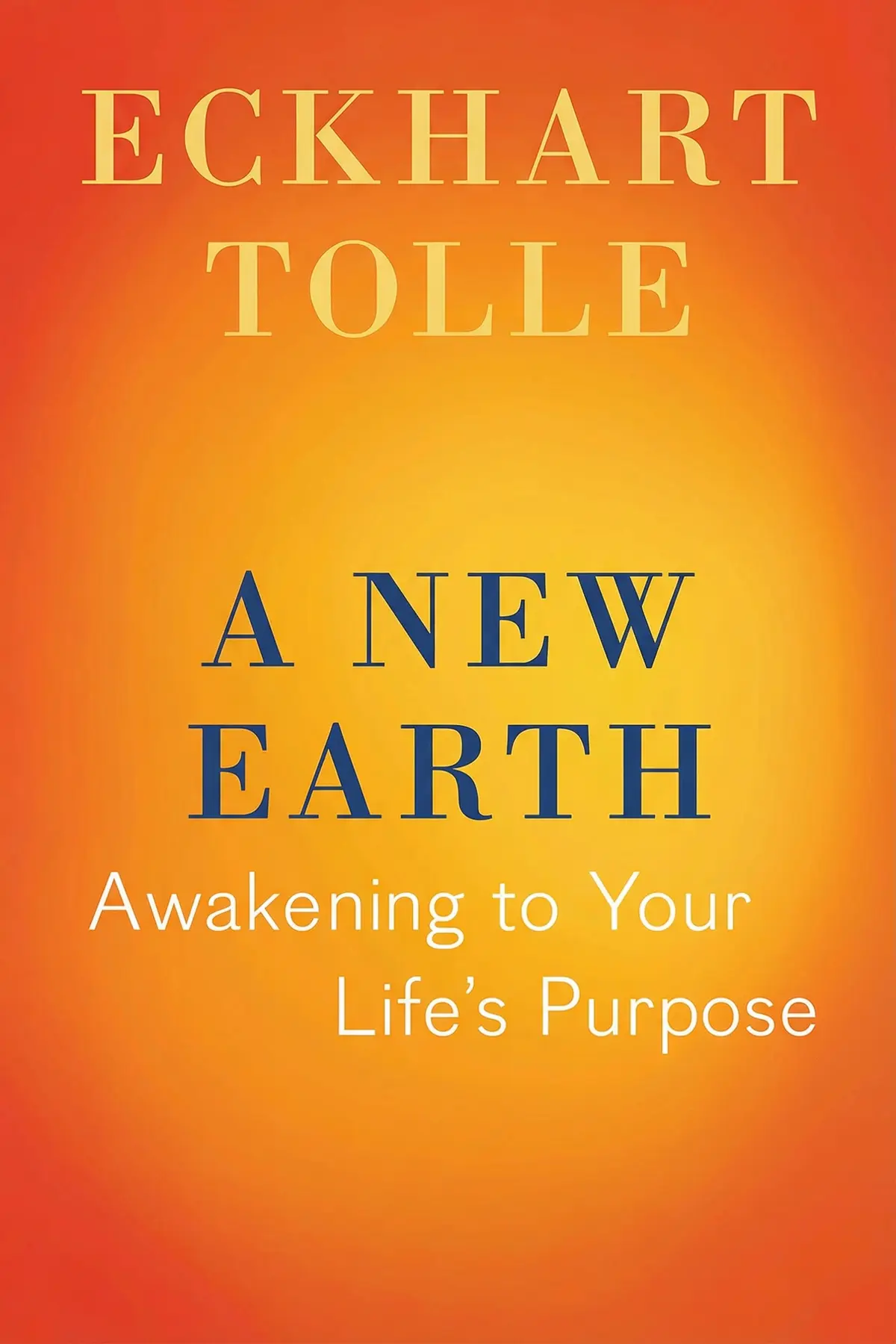
A New Earth: Awakening to Your Life’s Purpose
Eckhart Tolle
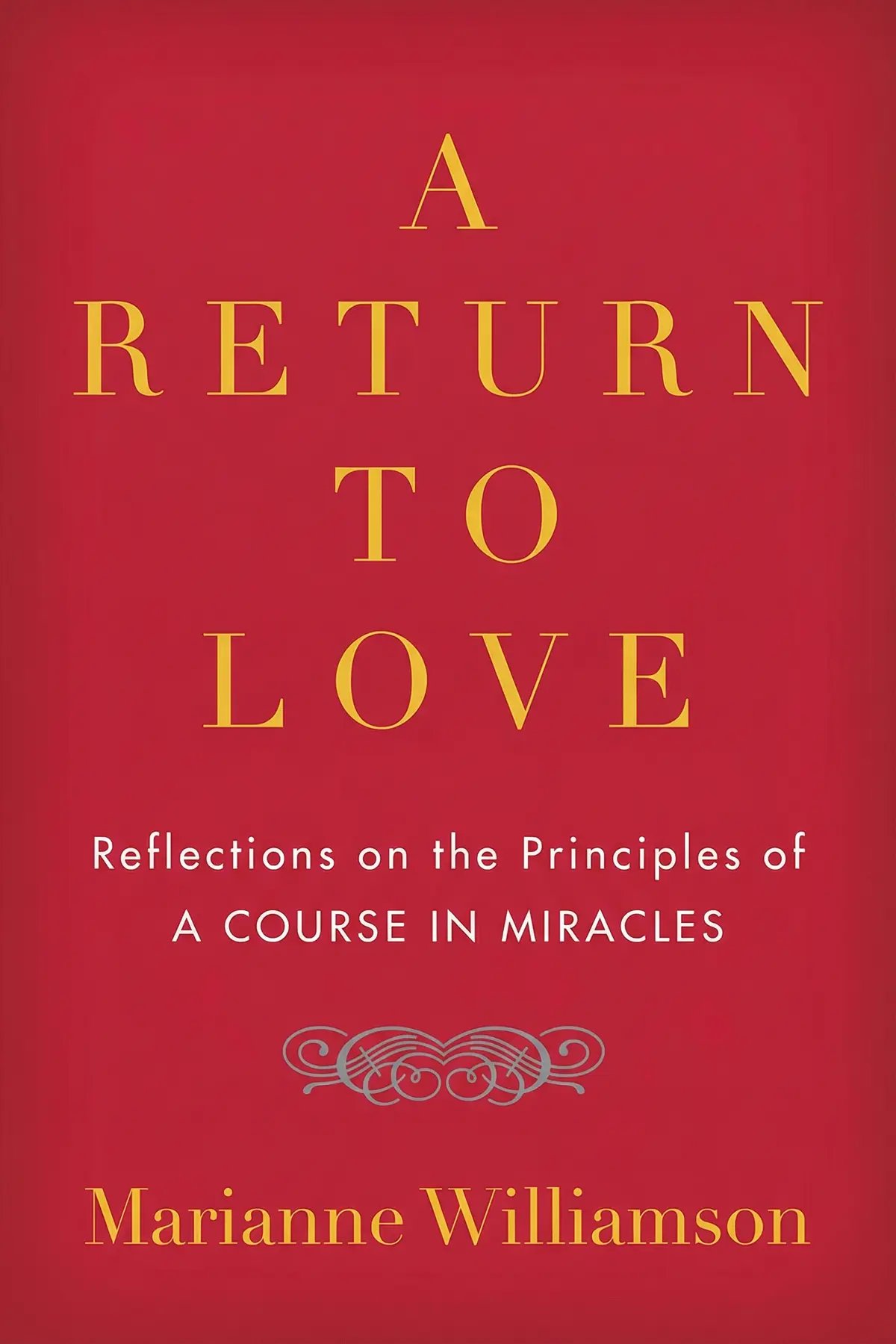
A Return to Love: Reflections on the Principles of a Course in Miracles
Marianne Williamson
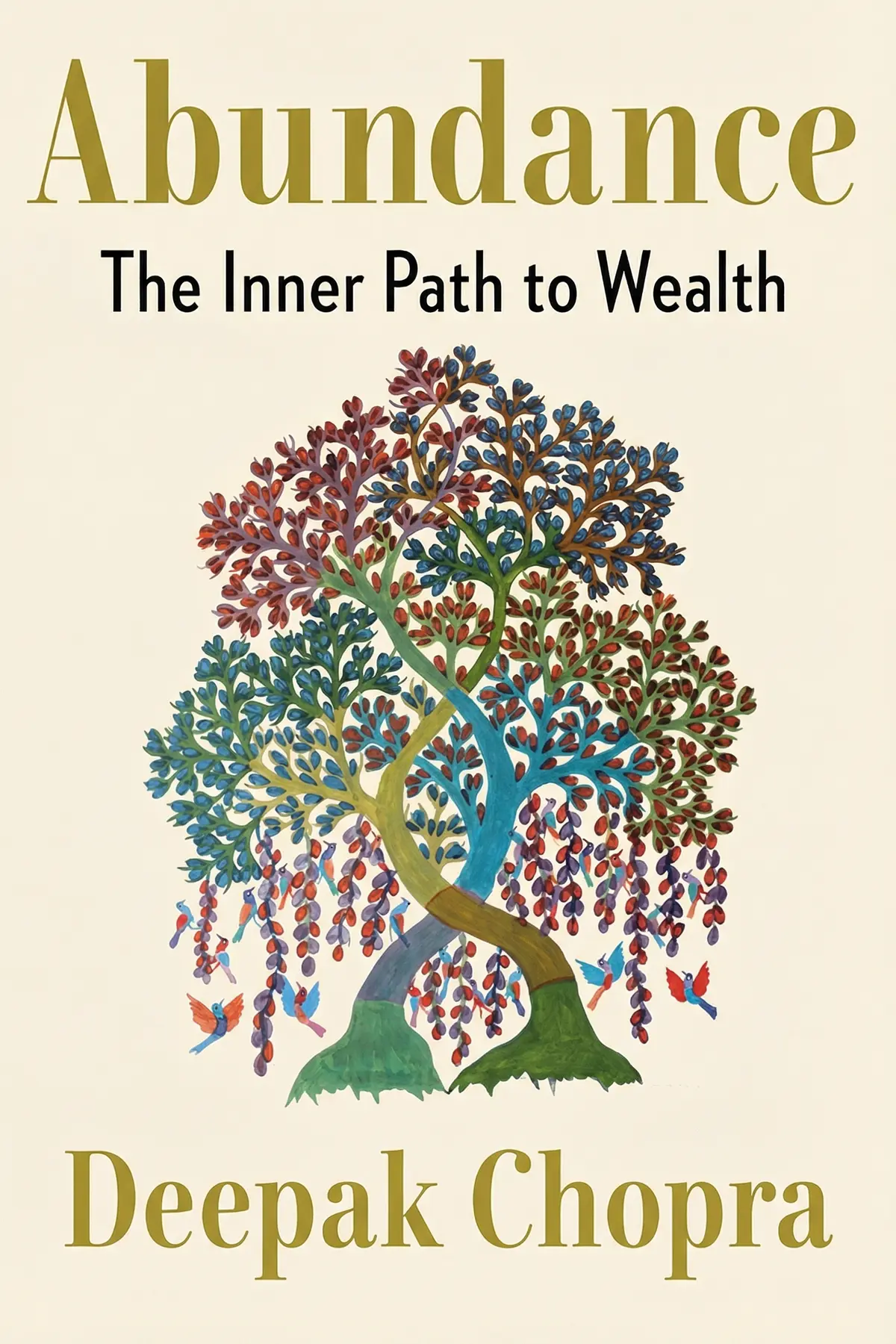
Abundance: The Inner Path to Wealth
Deepak Chopra
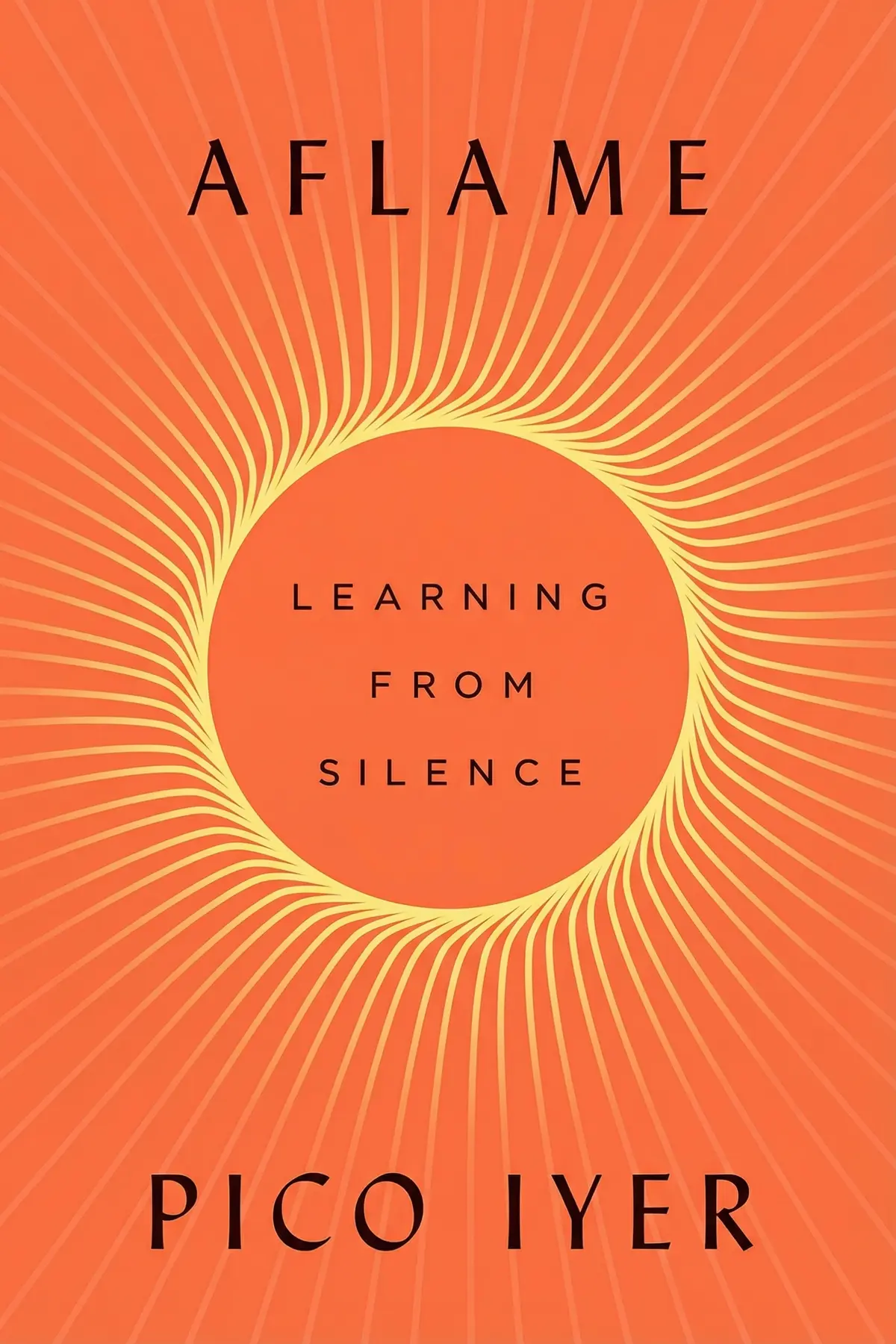
Aflame: Learning from Silence
Pico Iyer
Alcoholics Anonymous
Alcoholics Anonymous World Services

Be Here Now
Ram Dass

AUDIO SUMMARY AVAILABLE
Listen to Gentle and Lowly in 15 minutes
Get the key ideas from Gentle and Lowly by Dane Ortlund, plus 5,000+ more titles in English and Thai.
- 5,000+ titles
- Listen as much as you want
- 7-day free trial
- Cancel anytime







