

18 min 32 sec
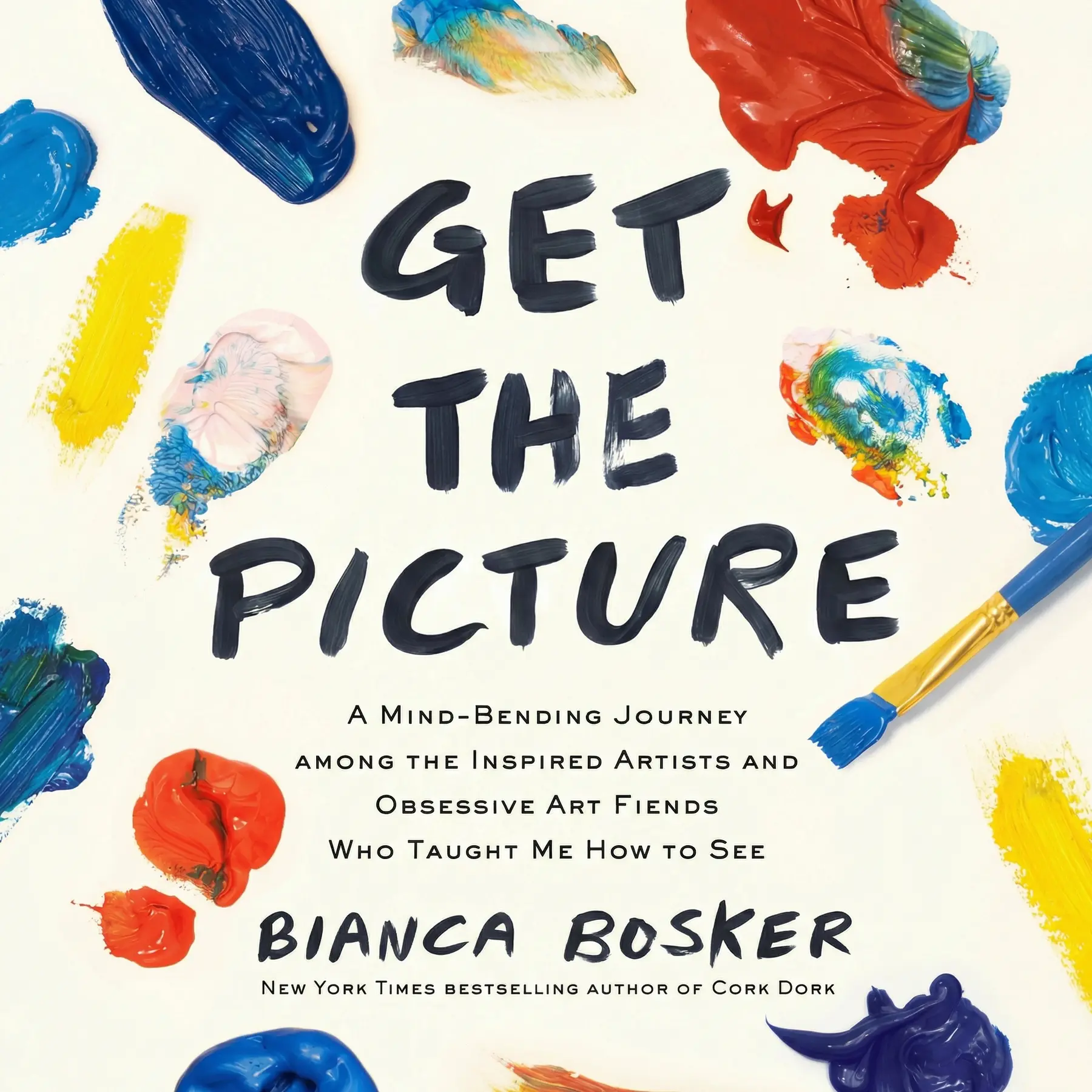
Get the Picture: A Mind-Bending Journey among the Inspired Artists and Obsessive Art Fiends Who Taught Me How to See
Journalist Bianca Bosker goes undercover to demystify the elite world of contemporary art, revealing the hidden codes, power structures, and surprising economic realities that shape what we see and value in galleries today.
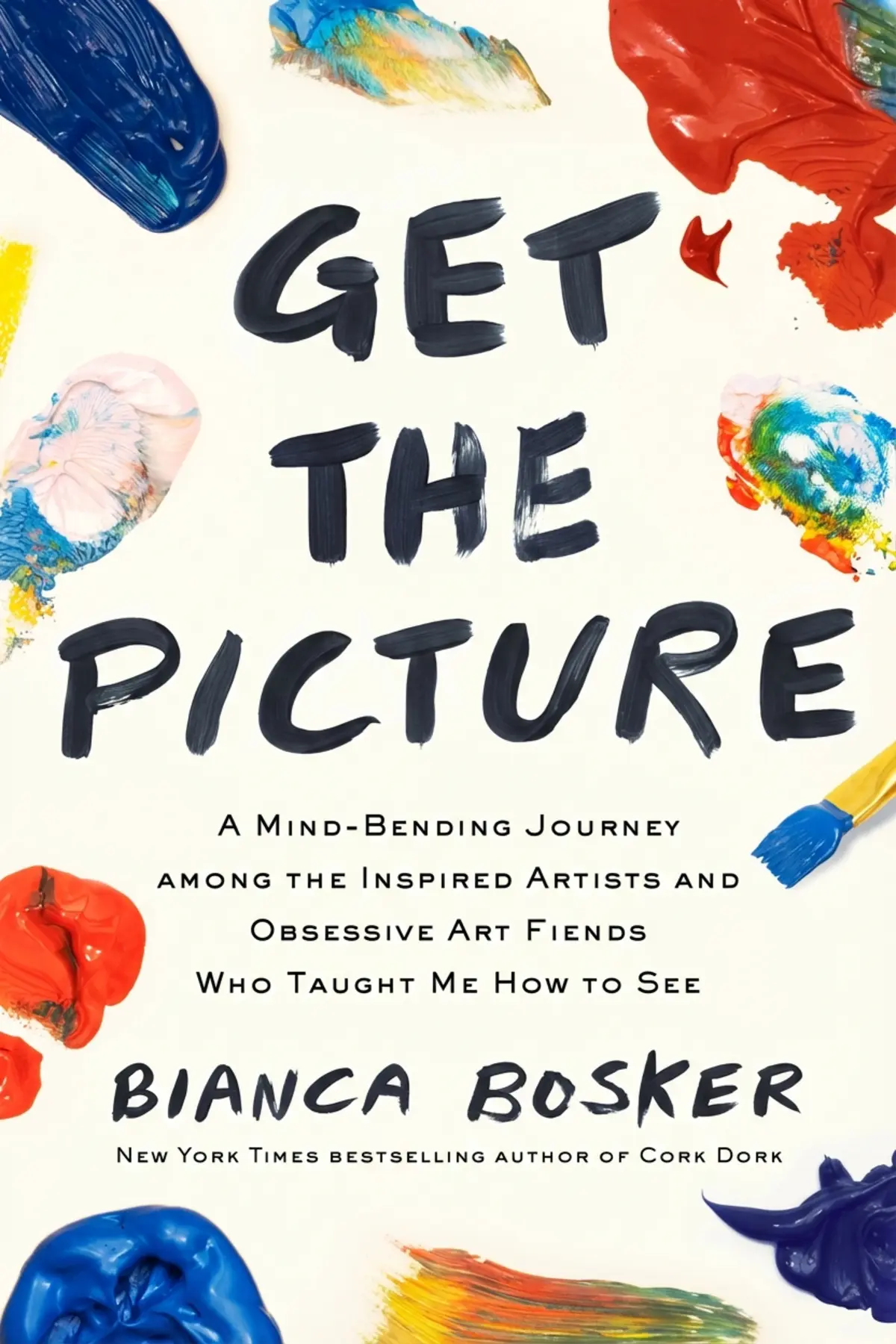
Table of Content
1. Introduction
2 min 07 sec
Step into a modern art gallery in any major city, and you might feel a sudden, sharp chill—not from the air conditioning, but from the atmosphere. There is a specific kind of silence that hangs in these white-walled spaces, a quiet that suggests if you have to ask what a painting means, you probably don’t belong there. It’s an environment designed to make the uninitiated feel small, creating a sense that everyone else in the room is fluent in a visual language that you haven’t even begun to learn. This feeling of being an outsider is exactly what prompted journalist Bianca Bosker to embark on a multi-year odyssey into the heart of the contemporary art world.
In this exploration, we are following Bosker as she moves beyond the velvet ropes and the ‘do not touch’ signs. She doesn’t just observe this world from the sidelines; she dives into it, taking on roles that range from a gallery assistant to a museum guard. Her goal is simple but ambitious: she wants to understand why the art world is the way it is. Why is it so exclusive? Why does the language surrounding it feel so intentionally dense? And most importantly, how can a regular person bridge the gap between their own eyes and the canvases on the wall?
This journey is about more than just paintings and sculptures. It is a study of power, status, and the human desire to gatekeep beauty. Through Bosker’s experiences, we’ll uncover the hidden mechanisms that determine what counts as ‘good’ art and who gets to decide its value. We will look at the people who pull the strings—the gallerists, the collectors, and the curators—and the artists who often find themselves caught in the middle of a high-stakes social game. By the time we’re through, the goal is to dismantle the intimidation factor of the gallery and replace it with a more inclusive, personal way of seeing. It is time to stop looking for the ‘right’ answer and start looking at the picture itself.
2. Breaking Into the Invisible Fortress
2 min 19 sec
Discover why the contemporary art scene acts like a gated community and how an investigative journalist went undercover to reveal its most guarded social secrets.
3. The Costume of the Cultural Elite
2 min 08 sec
Learn the subtle ways that fashion and behavior serve as entry codes, distinguishing the true insiders from the uninitiated in the world of fine art.
4. The Linguistic Wall of Artspeak
2 min 32 sec
Explore the origins of ‘artspeak’ and why the confusing language found on museum walls is often meant to alienate rather than educate the public.
5. Why Your Money Might Not Be Good Enough
2 min 13 sec
Uncover the bizarre economics of art galleries where having the cash to buy a masterpiece doesn’t guarantee you’ll be allowed to take it home.
6. The Paradox of Artistic Success
2 min 29 sec
Explore the disconnect between skyrocketing auction prices and the financial struggles of the artists who actually create the work.
7. Reclaiming the Joy of Looking
2 min 42 sec
Learn practical strategies to bypass gallery snobbery and build a more personal, meaningful connection with art on your own terms.
8. Conclusion
2 min 02 sec
As we reach the end of this journey through the contemporary art world, the overarching theme is a shift from intimidation to empowerment. We’ve seen how the high-society structures, the complex jargon of artspeak, and the bizarre economic gatekeeping are all parts of a system designed to maintain exclusivity. But we’ve also seen that this system is separate from the art itself. The ‘eye’ for art isn’t a gift given to a chosen few; it is a skill that anyone can develop through curiosity and attention.
The throughline of Bianca Bosker’s exploration is that the art world wants you to believe you need a guide, a map, and a special permit to appreciate a painting. But the reality is that the most important thing in any gallery is your own perspective. The power of art lies in its ability to make us see the world differently, to challenge our assumptions, and to evoke emotions that words sometimes can’t capture. When we strip away the fashion, the social signaling, and the high-stakes sales tactics, we are left with a fundamental human act: one person making something to be seen by another.
So, the next time you find yourself standing in front of a white wall in a silent gallery, don’t worry about whether you look the part or if you understand the theory behind the work. Take a breath, pick one piece, and really look at it. Use the ‘five details’ rule. Notice the textures, the colors, and how the work makes you feel—even if that feeling is confusion or discomfort. By engaging directly and honestly, you are doing exactly what the best art asks of us. You are getting the picture, not as the elite want you to see it, but as it truly is to you. The gates are only as high as we believe them to be; once you realize you have the key, the entire world of human creativity is yours to explore.
About this book
What is this book about?
Have you ever walked into a contemporary art gallery and felt like you were missing the joke? Get the Picture is an immersive investigation into why the art world feels so inaccessible and how it actually functions behind the scenes. Following investigative journalist Bianca Bosker as she works her way from the bottom of the gallery hierarchy to the inner circles of the elite, the narrative pulls back the curtain on the industry's most guarded secrets. The book promises to transform your relationship with visual culture. It explores the bizarre social hierarchies of the New York art scene, the complex psychological games played by dealers and collectors, and the often-heartbreaking financial realities for the artists themselves. By the end, you won’t just understand why art is expensive or confusing; you will have a toolkit for engaging with creativity on your own terms, bypassing the snobbery to find genuine connection with the works that move you. This is a guide for anyone who wants to stop feeling intimidated and start truly seeing.
Book Information
About the Author
Bianca Bosker
Bianca Bosker is an award-winning journalist known for her immersive explorations of niche worlds. She’s previously authored the New York Times best seller Cork Dork, which delves into the intricacies of the wine industry and the fervor of those who inhabit it. Formerly the executive tech editor of the Huffington Post, her articles have also appeared in other publications such as Food & Wine, the Wall Street Journal, and the Guardian.
Ratings & Reviews
Ratings at a glance
What people think
Listeners find this book to be an entertaining and simple read that offers an insightful perspective on the art community, with one listener calling out its superb knack for art-world jargon. The prose is expertly composed, and listeners characterize the work as a compelling journey packed with deep observations. They value the comedic elements, with one review emphasizing its amusing presentation. While the book is largely well-received, some listeners voice worries about a cynical tone, with one noting a bit of uncalled-for male-bashing.
Top reviews
Manee
After hearing so much buzz, I finally dove into Bosker’s latest exploration of a gated community, this time the chaotic contemporary art scene. She doesn't just observe; she embeds herself as a gallery flunky and even a Guggenheim museum guard. The standout for me was her shift in perspective on how to actually look at a piece. Instead of waiting for a lightning bolt of inspiration, she suggests the five-minute rule and ignoring the wall text entirely. It’s a breezy but substantive journey that changed how I’ll walk through a gallery. Truly, her writing has a verve that makes even the most snobbish environments feel accessible and hilariously human. This is investigative journalism at its most entertaining and insightful.
Show moreAhmed
Wow. Bosker is essentially the John McPhee of weird subcultures, and her immersion into the New York art world is nothing short of legendary. I was particularly fascinated by her time as a studio assistant for Julie Curtiss, watching how a high-stakes career is built from the ground up. The book expertly navigates the tension between art as a spiritual experience and art as a cold, hard commodity. Her prose is electric, filled with metaphors that actually land, unlike the dense press releases she’s tasked with writing for the galleries. I loved every minute of this 'bonkers' adventure through studios and fairs. It’s a profound look at what happens when we finally stop trying to 'get' the picture and just start seeing it. I’ll be recommending this to everyone I know, even the skeptics.
Show moreNaomi
Bianca Bosker has an incredible ear for the bizarre, coded language that art devotees use to sound more important than they probably are. She describes it as people being trapped in dictionaries and trying to chew their way out, which is just brilliant. The book is a masterclass in observational journalism. I found myself laughing out loud at the absurdity of the gallery scene while simultaneously learning how to actually appreciate a painting without looking at the little white card next to it. Her journey from a total novice to a seasoned observer is incredibly relatable for anyone who has ever felt intimidated by a museum. The way she connects neurobiology to aesthetics is a stroke of genius. This is easily one of the best non-fiction books I’ve read this year.
Show moreWatcharaporn
Following Bosker as she transforms from a total skeptic into someone who can find beauty in a wastewater treatment plant was a delight. The artist Julie Curtiss is a truly fascinating subject. I loved the vivid, almost tactile descriptions of the 'shit tits' architecture and the grueling labor of being a studio assistant. It’s a bizarre trip. By the end, you’ll realize that attention is the most valuable currency we have. She makes a compelling case that art isn't just for the 'Icy Gays' of North Dakota or the billionaire collectors at Art Basel. It’s a human behavior that we’ve unfortunately boxed into a luxury good. This book successfully breaks that box open and invites everyone back into the conversation. It is a must-read for anyone who feels like they’ve lost their sense of wonder.
Show moreStella
Truth is, I wasn't sure I cared about Art Basel or high-end galleries until I read this. Bianca Bosker has this uncanny ability to make you care about things you previously found ridiculous. Her experience selling photos in Miami or guarding the ramps at the Guggenheim provides a 360-degree view of an industry that thrives on being opaque. The book is hilarious, particularly when she's trying to navigate the whims of performance artists. More importantly, it’s a profound meditation on why we make things and why we look at them. She concludes that while taste is subjective, beauty has a way of pulling us close and knocking us off our well-worn paths. It’s a beautiful, funny, and deeply perceptive book that I won't forget anytime soon. Five stars for the sheer commitment to the craft.
Show morePensuda
Ever wonder why people pay millions for art that looks like a child could have made it? Bianca Bosker tries to answer that by getting her hands dirty, literally, as she fails at the 'simple' task of painting a gallery wall perfectly white. Her adventures are often hilarious, particularly the segments involving the 'ass influencer' and the high-pressure environment of Art Basel. She has a keen ability to mimic the jargon of curators, or 'art-speak,' which she describes as people chewing their way out of dictionaries. While some of the characters she meets are genuinely unlikable, the book succeeds in demystifying a very exclusionary world. It’s a fun, easy read that manages to be both cynical and strangely hopeful about the power of visual beauty.
Show moreYaowares
Look, I’ll be the first to admit that the contemporary art world usually makes me feel like a total idiot. Bosker captures that 'everyone got the punchline but me' feeling perfectly before systematically dismantling it. Her time as a Guggenheim guard was my favorite section because it focused on the quiet, meditative act of simply noticing things. She challenges the reader to look past the brand names and the price tags to find something uncharted and personal. My only gripe is that the book is quite long and could have been tightened up in the middle sections. However, her insights into the 'preconception filters' of our brains were genuinely mind-blowing. It’s a solid 4-star read for anyone who wants to appreciate art without the pretension.
Show moreSangduan
To be fair, I went into this expecting a more straightforward history of modern art, but what I got was much more personal and chaotic. The author’s commitment to 'deep-diving' is admirable, yet I found the first third of the book quite difficult to stomach. That first gallerist she works for, Jack, is such an insufferable snob that it made the whole art world feel irredeemably toxic and cynical. There’s a persistent undercurrent of sarcasm that occasionally feels like gratuitous male-bashing, which might turn some readers off. While the writing is undeniably well-crafted and sharp, the book felt a bit scattered as it jumped between performance art and museum security. It’s an interesting ride, but I left feeling more disillusioned with the industry than I did at the start.
Show moreDek
Frankly, this was a bit of a mixed bag for me, much like a contemporary art gallery itself. I loved Bosker's previous book, Cork Dork, and while this follows a similar 'total immersion' formula, the art world felt a bit more repellent than the wine world. There is so much focus on the money, the elitism, and the 'shit-talking' that it sometimes buried the actual art. She spends a lot of time with people who seem to genuinely hate their own industry, which makes for a depressing read at times. However, her writing style remains top-notch and her descriptions of the creative process are vivid. If you can get past the initial chapters of verbal abuse from the gallerists, there are some beautiful nuggets of wisdom here. It's a decent read, but I found it a bit too scattered to be truly great.
Show morePongpan
Picked this up with high hopes, but I ended up feeling more cynical about the art world than I did when I started. While Bosker is clearly a talented writer, her sarcastic tone often slides into something that feels mean-spirited, especially during her stint with that first toxic gallerist. I found the segments about the 'ass influencer' and the constant art-world snobbery to be exhausting rather than enlightening. To me, the book felt like a series of scattered anecdotes that never quite coalesced into a meaningful argument about why art actually matters. There’s a certain amount of male-bashing that felt unnecessary and took me out of the narrative. Ultimately, it felt like she was trying too hard to be edgy, leaving me more disillusioned with the industry than when I first opened the cover.
Show moreReaders also enjoyed
AUDIO SUMMARY AVAILABLE
Listen to Get the Picture in 15 minutes
Get the key ideas from Get the Picture by Bianca Bosker, plus 5,000+ more titles in English and Thai.
- 5,000+ titles
- Listen as much as you want
- 7-day free trial
- Cancel anytime







