
21 min 27 sec
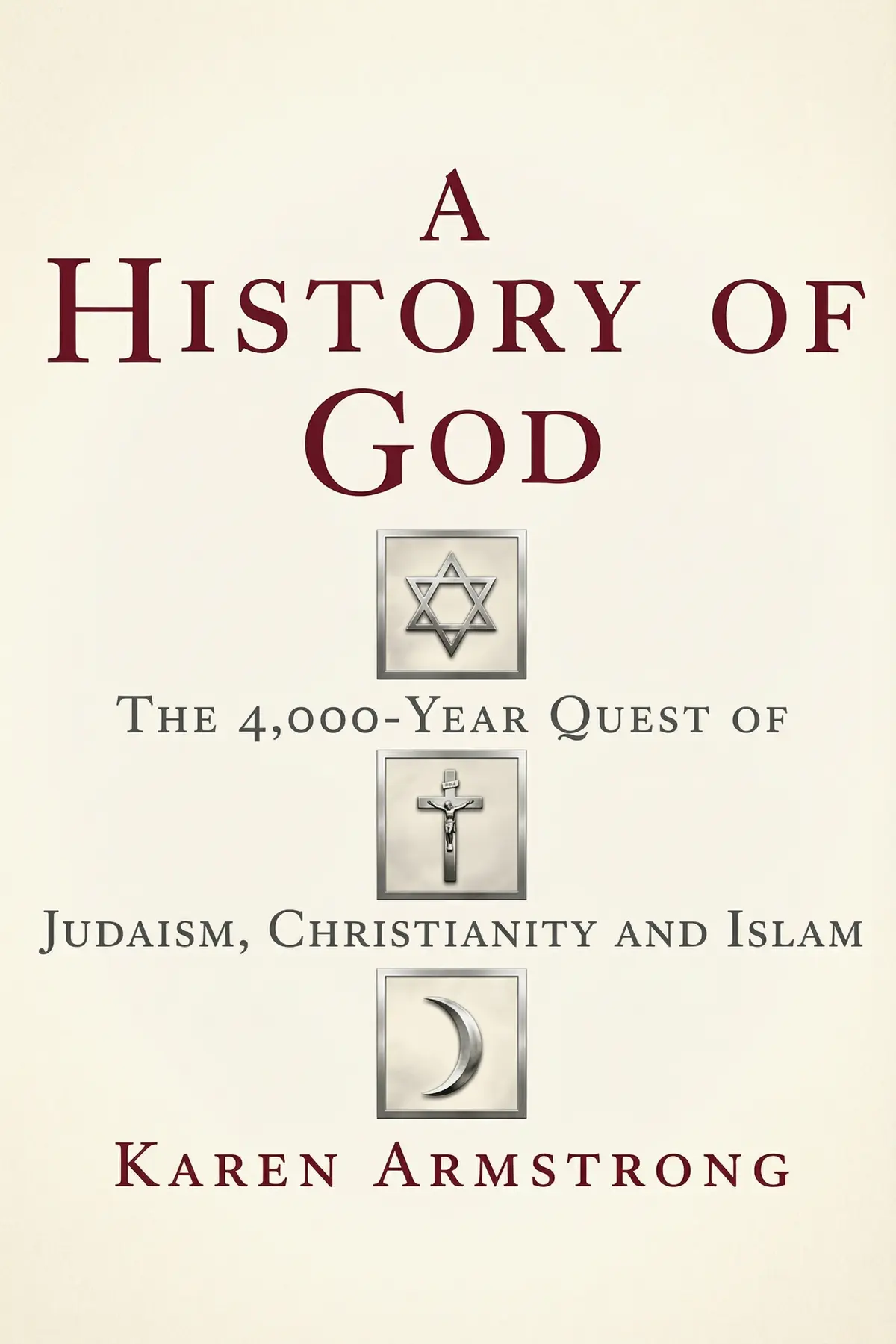
Go Like Hell: Ford, Ferrari, and Their Battle for Speed and Glory at Le Mans
By A. J. Baime
Go Like Hell explores the legendary 1960s rivalry between Ford and Ferrari, culminating in the 1966 Le Mans race, where corporate ambition and engineering brilliance collided on the world’s most dangerous track.
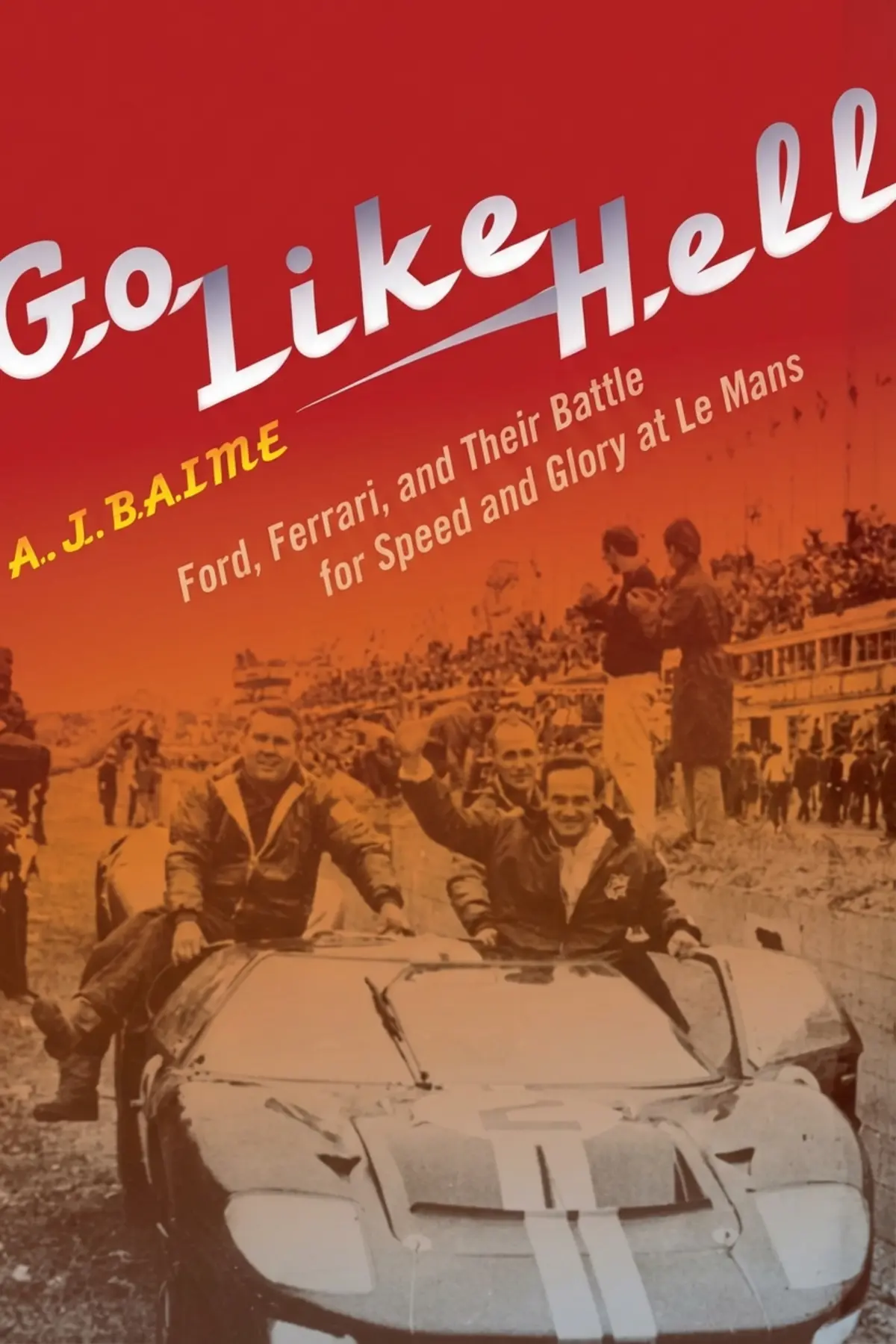
Table of Content
1. Introduction
1 min 49 sec
The world of professional motor racing today is a billion-dollar industry defined by precision, safety, and global marketing. But if we pull back the curtain to the middle of the twentieth century, we find a much darker and more visceral reality. This was an era when racing wasn’t just a sport; it was a high-speed gamble where the stakes were frequently life and death. In those days, the men who climbed into the cockpits of these machines knew they were entering a contest where the odds of survival were often no better than a coin flip. This is the environment that birthed one of the greatest corporate and sporting rivalries in history: the battle between Ford and Ferrari.
At the center of this storm was the 24 Hours of Le Mans. It wasn’t a typical race; it was a grueling test of endurance that lasted an entire day and night, rain or shine. For some, it was a showcase of engineering; for others, it was what competitors called a ‘death watch.’ It was on this stage that two titans of the automotive world—Henry Ford II and Enzo Ferrari—decided to settle a personal and professional grudge. This narrative isn’t just about fast cars; it’s about the collision of two different philosophies of power and the men caught in the middle of that friction.
As we explore this story, we will see how a desperate need to modernize a fading American icon led to a massive technological leap. We’ll meet the brilliant mechanics and fearless drivers who became the front-line soldiers in this corporate war. We’ll examine why the name Ken Miles deserves a prominent place in the pantheon of racing legends, and we’ll unpack the controversial events of the 1966 Le Mans final—a finish that remains one of the most debated moments in the history of the sport. The throughline of this journey is a quest for dominance that pushed the limits of what a machine could do and what a human could endure. Let’s step onto the track and see how a thirst for revenge transformed the world of racing forever.
2. The Struggle for Ford’s Soul
2 min 05 sec
Witness the internal turmoil of an American giant as Henry Ford II attempts to save his family’s legacy from financial ruin and outdated thinking.
3. The Artisan of Speed
2 min 00 sec
Explore the world of Enzo Ferrari, where racing was not just a business, but a life-consuming obsession built on beauty and danger.
4. Breaking the Safety Resolution
1 min 55 sec
Follow the shift in American culture that led Ford to abandon a safety pact and embrace the raw power of competitive racing.
5. The Deal that Sparked a War
1 min 59 sec
Discover how a failed business acquisition turned into a personal vendetta, setting the stage for an epic showdown at Le Mans.
6. The Birth of the GT40
1 min 46 sec
Witness the engineering struggle to create a machine capable of surviving the most grueling endurance test in the world.
7. The Secret Weapon: Ken Miles
2 min 06 sec
Meet the brilliant, often-overlooked driver who became the heart and soul of the Ford racing development program.
8. Testing the Limits of Reality
2 min 01 sec
See the unprecedented lengths Ford went to in order to ensure their machines wouldn’t fail under the pressure of the 1966 season.
9. The 1966 Le Mans: A Race Like No Other
2 min 00 sec
Experience the tension and drama of the historic 24-hour battle where Ford finally took the fight to Ferrari’s doorstep.
10. A Bitter Victory and a Tragic End
1 min 57 sec
Reflect on the controversial finish of the 1966 race and the sudden, shocking loss of one of racing’s greatest talents.
11. Conclusion
1 min 49 sec
The saga of Ford versus Ferrari at Le Mans stands as a monument to what can be achieved when corporate ambition, engineering genius, and raw human courage intersect. It was a rivalry born out of a perceived insult, but it grew into a movement that redefined the limits of automotive performance. Henry Ford II set out to avenge his pride, and in doing so, he forced his company to transform from a struggling legacy brand into a world-class competitor. The GT40 wasn’t just a car; it was a symbol of a new era where data, simulation, and relentless testing became the backbone of victory.
However, the story is also a poignant reminder of the individuals who often get lost in the shadows of corporate giants. Ken Miles, whose brilliance behind the wheel and at the mechanic’s bench made Ford’s success possible, remains a figure of both inspiration and tragedy. His story highlights the tension between the cold logic of corporate branding and the passionate, often sacrificial nature of the people who actually do the work. The ‘photo finish’ of 1966 remains a cautionary tale about how easily human achievement can be sidelined by public relations.
Ultimately, the throughline of this journey is the relentless pursuit of excellence. The rivalry pushed both Ford and Ferrari to innovate in ways they might not have otherwise. It brought the drama of endurance racing to a global audience and proved that the spirit of competition is the most powerful engine for progress. As we look back on this era, we see that the true legacy of the 1966 Le Mans isn’t just a trophy in a case; it’s the lasting impact on how we build, test, and drive the machines that move us. Whether you are a fan of racing or a student of history, the lesson is clear: when you go like hell, you change the world.
About this book
What is this book about?
This narrative takes listeners into the high-stakes world of mid-century motor racing, a time when the sport was as deadly as it was glamorous. It follows Henry Ford II’s ambitious quest to transform his family’s struggling company into a global racing powerhouse after a failed acquisition attempt of Ferrari. The story centers on the clash between the American industrial machine and the artisan Italian racing heritage represented by Enzo Ferrari. Listeners will discover the technical challenges and human sacrifices behind the creation of the Ford GT40, the car designed to topple Ferrari’s dominance. The book promises a deep dive into the lives of the visionaries and daredevils, like Carroll Shelby and Ken Miles, who pushed the limits of speed and endurance. It is a tale of revenge, innovation, and the pursuit of perfection at the 24 Hours of Le Mans, revealing how a corporate grudge changed the automotive landscape forever.
Book Information
About the Author
A. J. Baime
A. J. Baime is an esteemed journalist and author who served as a feature editor for Playboy, focusing on automotive and sports content. He is a regular contributor to major publications including the Wall Street Journal and Road & Track. His literary work often explores the intersection of history and machinery.
Ratings & Reviews
Ratings at a glance
What people think
Listeners find this narrative a gripping experience that flows like an adventure novel, covering various facets of the true story beyond just racing. Additionally, the work is thoroughly researched and based on history, with one listener noting it recounts the golden age of racing in vivid detail. Furthermore, listeners praise the writing quality, character development, and entertainment value, with one review highlighting how it satisfies both motor-heads and historians.
Top reviews
Thongchai
Picked this up after watching Ford v Ferrari and was pleasantly surprised by how much more depth the book offers. Baime captures the raw tension between Henry Ford II and Enzo Ferrari with a narrative style that feels more like a thriller than a dry history text. While the movie focuses on the friendship between Shelby and Miles, this book expands the scope to include the sheer corporate desperation in Detroit. I especially enjoyed the sections detailing the engineering hurdles and the 'You Better Win' card Ford sent out. It’s a vivid recreation of a time when safety was an afterthought and speed was the only currency that mattered. If you’re a history buff or a gearhead, this is essential reading.
Show moreKet
After hearing so much buzz about the golden age of racing, I finally dove into this masterpiece. Baime doesn't just list facts; he builds a world of grease, adrenaline, and cutthroat business tactics. The contrast between Enzo Ferrari’s aristocratic obsession with beauty and Ford’s industrial might is portrayed with remarkable clarity. You really feel the stakes of the 24 Hours of Le Mans, which was essentially a death watch back then. The book honors the drivers who risked everything, like Bruce McLaren and the tragic Ken Miles, without shying away from the brutality of the sport. It’s a high-octane adventure that had me Googling vintage car photos until three in the morning. Absolutely couldn't put it down.
Show moreWan
Wow, this reads exactly like a novel. I’m not even a car person, but the psychological warfare between the two titans of the industry was enough to keep me hooked from page one. Baime manages to humanize Henry Ford II, depicting him as a man with a firecracker temper and a massive chip on his shoulder. The narrative flow is exceptional, especially during the climactic 1966 race where the tension is almost unbearable. I loved the inclusion of Lee Iacocca and Carroll Shelby as the 'fixers' who navigated the corporate red tape to build a winning machine. It’s a brilliant exploration of American ambition and the high price of victory. This is how historical non-fiction should be written.
Show morePiyanart
The chapter on the 1966 Le Mans finish is one of the most frustrating and fascinating pieces of sports writing I’ve ever encountered. Baime lays out the corporate meddling that cost Ken Miles his triple crown with agonizing detail. You can feel the heartbreak of the mechanics who poured their souls into those cars only to see a PR stunt ruin a perfect victory. Beyond the drama, the book is a masterclass in research, detailing everything from the 'Detroit Safety Resolution' to the aerodynamics of the GT40. It’s a visceral, loud, and oily story that perfectly captures the spirit of the men who went like hell. I recommended this to my dad, and he’s already halfway through it.
Show moreAir
As someone who grew up in Detroit, I was captivated by the portrayal of 'Hank the Deuce' and the internal politics of Ford. Baime captures that specific brand of mid-century American arrogance and ingenuity perfectly. The pacing is snappy, and the way he weaves together the lives of the drivers and the executives makes the whole saga feel interconnected. It isn't just about the 24 hours in France; it's about the years of failure and obsession that led to that moment. Seeing the names of legends like Mario Andretti and Phil Hill pop up throughout the narrative was a treat for any fan of the sport. It’s an authentic, gritty, and thoroughly researched piece of history.
Show moreRuangrat
Finally got around to reading this after a friend insisted it was the best book on the 60s car scene. They weren't lying. The way Baime describes the Mulsanne Straight at 200 miles per hour makes your heart race just sitting on the couch. He manages to balance the glamour of the European racing circuit with the cold, hard reality of the workshop floor. The personal lives of Ferrari and Ford add so much context to their on-track decisions, turning a simple race into a clash of civilizations. It’s a vivid, exhaust-fume-filled journey that perfectly encapsulates why we are so obsessed with speed and glory. A must-read for anyone who appreciates great storytelling and history.
Show moreAlice
Ever wonder how a legacy of luxury transforms into a quest for racing dominance? Baime answers this by chronicling the 1960s rivalry that defined an era of motorsports. The pacing is fantastic, moving from the boardrooms of Michigan to the dangerous curves of Le Mans without losing momentum. Personally, I found the technical descriptions a bit light—as a long-time racing fan, I wanted more on the engine specs—but the human drama makes up for it. The Ken Miles storyline at the 1966 finish still stings even decades later. It's a gripping account of egos clashing at 200 miles per hour, though I did spot a couple of minor historical discrepancies that bugged me. Still, for a general audience, it's a home run.
Show moreTang
Not what I expected from a book about car racing, in the best way possible. Instead of a dry technical manual, I found a deeply researched account of the cultural shift in the early 60s. Baime highlights how the youth culture’s desire for freedom forced Detroit to rethink its entire business model. The rivalry with Ferrari wasn't just about trophies; it was about global market dominance and national pride. While some of the inner monologues felt a bit speculative, the overall historical framework is rock solid. The tragedy of the loss of life during this period adds a somber layer to the 'glory' of the track. It’s a balanced, entertaining look at an era when racing was both a sport and a war.
Show moreWipawan
Look, if you want a deep dive into the specific gear ratios and fuel mixtures of the GT40, you might find this a little light on the technical side. However, if you want a sweeping narrative that feels like a cinematic thriller, you’ve come to the right place. Baime does a great job of explaining why this race mattered to people who weren't gearheads, focusing on the sheer human willpower required to survive Le Mans. The dialogue can feel a bit staged at times, but it helps keep the momentum going in what could have been a very dense book. It’s a fun, informative read that satisfies both the historian and the casual fan of high-speed adventure.
Show moreSomporn
To be fair, the story itself is legendary, but the writing here felt a little oversimplified for my taste. As someone who has worked on engines for years, the dialogue often struck me as cartoonish and overly dramatic. Baime clearly did his homework regarding the timeline, but the 'dumbed-down' technical details were a major letdown for the hardcore racing crowd. That said, it’s a fast-paced read that manages to capture the atmosphere of the 1960s car culture quite well. It works best as a gateway drug for people who don't know the difference between a piston and a spark plug. I just wish there was more meat on the bones regarding the actual mechanical innovation of the GT40.
Show moreReaders also enjoyed
A History of Iran: Empire of the Mind
Michael Axworthy
A History of the World in 6 Glasses
Tom Standage

A Long Way Gone: Memoirs of a Boy Soldier
Ishmael Beah
A Splendid Exchange: How Trade Shaped the World
William J. Bernstein
A Spy Among Friends: Philby and the Great Betrayal
Ben Macintyre
Ali: A Life
Jonathan Eig
AUDIO SUMMARY AVAILABLE
Listen to Go Like Hell in 15 minutes
Get the key ideas from Go Like Hell by A. J. Baime, plus 5,000+ more titles in English and Thai.
- 5,000+ titles
- Listen as much as you want
- 7-day free trial
- Cancel anytime







