


A Liberated Mind: How to Pivot Toward What Matters
Steven C. Hayes
Explore the profound resilience of the human spirit through the stories of three patients who, with the help of therapist Catherine Gildiner, confronted and overcame the shadows of childhood trauma.

1 min 58 sec
Entering therapy is rarely a simple walk in the park. For many, it feels more like walking into a storm. It requires a person to sit across from a stranger and peel back the layers of their own identity, often revealing parts of themselves they would rather keep hidden. It’s a process of sifting through old wounds, examining scars from childhood, and trying to make sense of the chaos that shaped them. But for those who find the courage to stick with it, the results aren’t just restorative—they are life-changing.
In this exploration of the human psyche, we are diving into the work of Catherine Gildiner, a clinical psychologist who spent decades helping people navigate their most profound traumas. She presents us with the stories of individuals who faced obstacles that most of us can barely imagine. These aren’t just case files; they are accounts of immense bravery and the incredible capacity of the human spirit to endure.
We’re going to focus on three specific journeys. You’ll hear about a talented musician whose childhood was defined by a literal and metaphorical isolation that followed him into his adult relationships. You’ll learn about a man from the Cree community who had to navigate the deep scars of cultural genocide and systemic abuse while trying to bridge the gap between his heritage and Western psychological practices. Finally, we’ll meet a successful entrepreneur whose outer professional triumphs were haunted by a mother who called her a “monster” every single morning.
As we walk through these narratives, keep in mind that these stories touch on very heavy themes, including various forms of abuse and the lasting impact of historical trauma. It’s a journey into the darkest corners of human experience, but it’s also a journey toward the light. The throughline here is resilience. These patients didn’t just survive; they found ways to thrive. Let’s begin by looking at how the mind hides the truth from itself to survive, and how therapy works to bring that truth into the open.
3 min 16 sec
A world-class pianist seeks help for a physical problem, only to discover that the true source of his struggle is a childhood memory he never thought to question.
2 min 52 sec
A Cree man’s journey through therapy reveals how personal trauma is often intertwined with systemic injustice and cultural differences in communication.
2 min 37 sec
Overcoming the ultimate survival mechanism requires walking through a valley of depression to find a way back to a meaningful life.
2 min 52 sec
A successful woman discovers that her crippling anxiety is the echo of a mother’s voice, and that she must unlearn a lifetime of self-hatred.
1 min 37 sec
The stories of Peter, Danny, and Madeline are more than just accounts of psychological treatment; they are maps of the human capacity for renewal. Throughout her years as a therapist, Catherine Gildiner observed a fundamental truth: there is no single ‘right’ way to heal. Every person requires a unique approach, and every therapist must be willing to adapt, to listen, and sometimes to set aside their traditional training to meet the patient where they are.
But the most critical ingredient in any success story is the courage of the patient. The individuals we’ve discussed today were not passive recipients of help. They were active participants in a grueling, often painful process. They were heroes who chose to face their ‘monsters’ rather than let them dictate the rest of their lives. They showed us that trauma, no matter how deep or how early it occurs, does not have to be the final word on a person’s life.
What this means for all of us is that resilience is not a fixed trait that some people have and others don’t. It is something that can be cultivated and strengthened through connection, understanding, and the willingness to look at our own history with honesty. Whether you are dealing with your own shadows or supporting someone else through theirs, remember the throughline of these stories: the mind is incredibly resilient, and with the right support, the most broken paths can lead to a place of peace and fulfillment. The journey through the storm is difficult, but as Peter, Danny, and Madeline prove, the person waiting on the other side is well worth the effort.
Good Morning, Monster explores the transformative power of the therapeutic process by chronicling the experiences of individuals who survived extraordinary hardships. Written by veteran psychologist Catherine Gildiner, the book moves beyond clinical theory to provide a deeply personal look at the lives of five unique patients. Through their stories, we see how early life experiences—even those buried deep in the subconscious—shape adult behaviors, relationships, and mental health. The narrative promise of this work is an intimate understanding of psychological resilience. It demonstrates how confronting unspeakable pain, from neglect and abuse to cultural erasure, can lead to profound healing and a reclaimed sense of self. By following these patients' journeys over years of sessions, the book highlights the courage required to unlearn survival mechanisms that no longer serve a person in adulthood. Ultimately, it is a testament to the strength of the mind and the enduring hope found in the bond between a dedicated therapist and a patient determined to survive.
Catherine Gildiner is a best-selling author who worked for twenty-five years as a clinical psychologist. Her other books include her memoirs Too Close to the Falls (1999), After the Falls (2009), and Coming Ashore (2014).
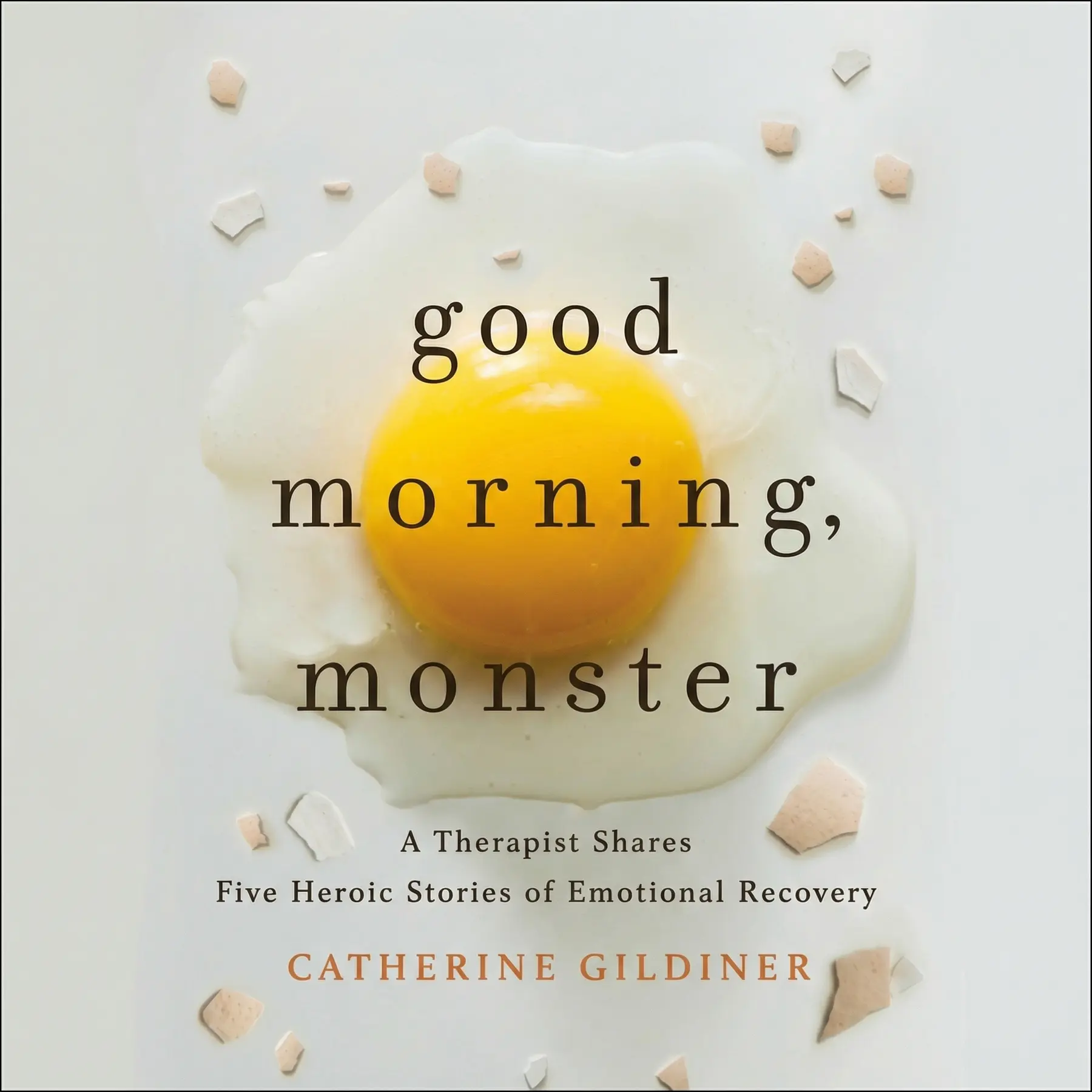
Listeners find this work enlightening and motivating, featuring stories that are both captivating and stunning. The prose is superbly written, and listeners characterize it as touching and relatable, with one listener mentioning how it uncovers truths about themselves and those around them. Although some consider it a simple read, others characterize it as emotionally taxing and hard to finish.
This book is a masterclass in human resilience that left me absolutely speechless by the final page. Gildiner doesn't just recount stories; she introduces us to individuals who have survived the absolute worst of humanity and come out the other side. Each case study is meticulously detailed, showing the slow, often painful 'rags to riches' psychological journey from victimhood to heroism. I found the writing to be incredibly moving and relatable, despite the extremity of the abuses described. It really makes you reflect on your own history and the invisible armor we all wear. While some parts are incredibly difficult to get through because of the subject matter, the payoff of seeing these patients find peace is worth every tear. This is easily one of the most insightful books on therapy I have ever encountered, ranking right up there with Gottlieb’s best work.
Show moreThe phrase 'good morning, monster' serves as a chilling reminder of how deeply parental cruelty can scar a child’s soul. This book is a hauntingly beautiful collection of stories that highlights the 'heroic' nature of survivors. I’ve read Gottlieb's hit book, and while that was great, this feels much more raw and visceral. The structure is perfect, allowing us to follow each patient from the first intake session to their eventual breakthrough. Gildiner is candid about her own mistakes, which makes the narrative feel authentic and grounded. It’s a mesmerizing read that reveals so much about the mechanics of the human mind and the power of a dedicated therapist. Just be warned: the trauma described is intense and might be triggering for many readers. It’s a breathtaking achievement in the genre that I will be recommending to everyone I know.
Show morePicked this up on a recommendation and was immediately sucked into the life of Peter, the indigenous man whose story is the heart of this collection. His level of resilience throughout the sessions is absolutely staggering. The way Gildiner navigates his cultural trauma while maintaining clinical focus is truly impressive. I found the book to be both an easy read in terms of prose and a difficult one in terms of content. It’s a strange balance. One moment you are fascinated by a breakthrough, and the next you are reeling from a description of horrific abuse. Personally, I think the 'hero' framing is a helpful way to process such dark material. It reminds us that these aren't just victims; they are conquerors of their own pasts. This is a must-read for fans of psychological memoirs who want something with more teeth than the usual fare.
Show moreRarely does a memoir about clinical psychology manage to feel this urgent and cinematic. Gildiner has a gift for narrative that turns a series of therapy sessions into a gripping, high-stakes drama. The stories are messy, complicated, and often painful to witness, but they are never dull. I appreciated the author’s willingness to show her own confusion and occasional missteps, as it humanizes the profession in a way most textbooks avoid. Some might find the level of detail regarding child abuse to be excessive, but it underscores the magnitude of the recovery. These patients truly are heroes for simply showing up every week and doing the work. The book is an excellently crafted tribute to the power of the human spirit to mend itself even when broken into a million pieces. It’s moving, relatable, and deeply profound for anyone seeking to understand trauma.
Show moreNot what I expected from a book about clinical therapy, but I am so glad I gave it a chance. The stories are heavy, dark, and frequently soul-crushing, yet they ultimately offer a sense of profound hope. I was particularly struck by the case of the woman whose mother called her a 'monster' every single day. The way Gildiner helps her unpack that trauma is both mesmerizing and heartbreaking. While some readers might find the descriptions of abuse a bit too graphic, they serve to illustrate the incredible strength required to heal. This book reveals things about both the patients and the readers themselves that are truly breathtaking. It is a moving tribute to the therapeutic process and the bravery of those who undertake it. I finished this book feeling more empathetic toward the hidden struggles of everyone around me.
Show moreFinally got around to this after being let down by the book 'Group' last year. Unlike that book, which felt a bit cringey, 'Good Morning, Monster' offers a much more substantive and professional look at the therapeutic bond. Gildiner’s writing is sharp and her patients are truly unforgettable. I was especially captivated by the case involving the 'monster' greeting—it perfectly encapsulates the psychological warfare some children endure. To be fair, the book is quite a heavy lift and isn't something you can just breeze through over a weekend. Processing such intense trauma requires a great deal of emotional stamina. However, the insights into how trauma manifests in adulthood are invaluable for anyone interested in psychology. This is an inspiring, though grueling, journey through the shadows of the human experience. I’ll be thinking about these five 'heroes' for a very long time.
Show moreEver wonder exactly how much one single human being can truly be expected to endure? Gildiner presents five cases that are as breathtaking as they are brutal, taking us through years of patient work. I was particularly moved by the story of the indigenous man, Peter, whose journey toward reclaiming his identity was beautifully rendered. My only real gripe is the ambiguity surrounding consent; I would have appreciated more clarity on how these deeply personal traumas were cleared for publication. Frankly, some of the author’s interventions with patients like Danny felt jarringly blunt, bordering on the unprofessional. Still, the writing is excellently crafted and offers a raw look at the therapeutic process that you won’t find in more polished memoirs. It is a heavy, taxing read, but one that provides profound insights into why we become who we are.
Show moreAs a student of psychology, I found this collection of case studies to be both breathtaking and deeply polarizing. Gildiner provides a raw, unfiltered look at the therapeutic process, including her own significant errors and lapses in judgment. The story of Peter was especially moving, highlighting the complex intersection of personal trauma and intergenerational history. However, the portrayal of Alana’s partner felt somewhat dated and could have benefited from a much more sensitive editorial touch. It’s an insightful read that reveals so much about the human condition, even if it occasionally feels like trauma porn. This isn’t a light read for a sunny afternoon, but it is an essential one for understanding the power of recovery. Despite the occasional lack of professionalism, the clinical insights gained here are well worth the emotional investment required to finish it.
Show moreThe narrative arc of this book is as mesmerizing as any fictional thriller, yet the stakes are infinitely higher. I was fascinated by the exploration of Dissociative Identity Disorder in Alana’s case, even if the diagnosis remains controversial in some circles. The writing is excellently crafted, though I felt the therapist’s comments to Danny regarding his appearance were somewhat unprofessional and insensitive. It is a difficult balance to maintain, but Gildiner mostly succeeds in being both a compassionate guide and a clinical observer. The stories are heavy and difficult to get through, yet they offer a relatable look at the scars we all carry. I would recommend this to anyone who enjoyed Gottlieb’s memoir but wants something with a bit more grit. Just be prepared for a journey into the darkest corners of the human experience before you reach the light.
Show moreTruth is, I have very mixed feelings about this particular book despite its high praise. On one hand, the stories of recovery are undeniably powerful and provide a window into the long-term work of healing from childhood wounds. However, I found myself recoiling at some of the therapist’s choices, especially the way Alana’s partner was discussed. The inclusion of transphobic rhetoric felt unnecessary and left a bitter taste in my mouth. Not gonna lie, the transitions felt a bit like 'click-bait' for trauma, which made the experience feel more like voyeurism than clinical education. While Peter's story was a standout moment of beauty, the overall tone often veered into 'trauma porn' territory for me. It’s worth a read for the insights into intergenerational trauma, but please go in with your eyes open to the ethical lapses that occur throughout the text.
Show moreSteven C. Hayes





Leanne Maskell



AUDIO SUMMARY AVAILABLE
Get the key ideas from Good Morning, Monster by Catherine Gildiner, plus 5,000+ more titles in English and Thai.







