
19 min 08 sec
Hatching Twitter: A True Story of Money, Power, Friendship, and Betrayal
By Nick Bilton
Explore the volatile origin story of Twitter, a tale defined by personal betrayal, ego-driven power struggles, and the chaotic evolution of a platform that would eventually reshape global communication and modern culture.
Table of Content
1. Introduction
1 min 38 sec
Think about the last time you checked your social media feed. Most likely, you saw a mix of breaking news, celebrity updates, and the personal thoughts of friends. We take this instant, global town square for granted now, but the birth of Twitter was anything but inevitable. If you were to look at the official press releases from the early days, you might see a story of clean, visionary innovation. But the real story? It plays out more like a Shakespearean tragedy than a tech manual. It is a narrative defined by backstabbing, secret meetings, and a revolving door of leadership that saw friends become bitter rivals overnight.
In this exploration of Hatching Twitter, we are going to look past the blue bird logo and the billionaire personas to see the messy, human reality of how this platform came to be. We will follow a group of outsiders—some of whom didn’t even finish college—as they accidentally stumbled upon a technology that would help topple governments and change how we interact with the world.
At the heart of this story are four men: Evan Williams, the seasoned entrepreneur; Noah Glass, the passionate but volatile visionary; Jack Dorsey, the tech-obsessed dreamer with a flair for self-promotion; and Biz Stone, the creative joker who held the group together. Together, they navigated the chaotic transition from a struggling startup called Odeo to the global phenomenon we know today. Along the way, you will see how egos were bruised, how credit was stolen, and how the very platform they built became a weapon used in their internal power struggles. This is the throughline of Twitter: a tool designed to connect the world that ironically tore its creators apart.
2. The Accidental Entrepreneur and the Birth of Blogging
1 min 48 sec
How a college dropout from Nebraska transformed the internet by giving everyone a digital voice, setting the stage for a new kind of social connection.
3. Odeo and the Crisis of the Pivot
2 min 11 sec
When a promising audio startup faced total obsolescence, a group of eccentric developers had to find a new path or face complete failure.
4. The Naming and the Betrayal of Noah Glass
1 min 53 sec
A look at the hidden origins of the name ‘Twitter’ and the tragic exit of the man who arguably cared about the project more than anyone else.
5. The Cultural Breakout and the Management Gap
2 min 02 sec
Twitter’s sudden surge in popularity exposed a massive rift in leadership, as the platform’s growth far outpaced its founders’ ability to manage it.
6. The War of Narratives and the Cult of the Founder
1 min 50 sec
How a sidelined leader used the media to rewrite history, creating a mythic persona that would eventually pave his way back to power.
7. Global Influence and the Burden of Power
1 min 57 sec
Twitter’s transition from a social novelty to a political weapon forced the company to face heavy questions about neutrality and responsibility.
8. The Boardroom Coup and the Return of the King
1 min 58 sec
In a dramatic reversal of fortune, a secret alliance of investors and a former rival executed a plan to replace the CEO and reshape the company’s future.
9. Corporate Maturity and the Multi-Billion Dollar Exit
2 min 04 sec
Under new leadership, Twitter shed its chaotic startup identity to become a disciplined corporate giant, culminating in a historic stock market debut.
10. Conclusion
1 min 47 sec
The story of Twitter is a powerful reminder that behind every great piece of technology is a human story—and human stories are often messy. We’ve seen how four very different personalities combined their talents and their flaws to build a platform that changed the world. From Ev’s entrepreneurial persistence and Noah’s desperate search for connection to Jack’s obsessive branding and Biz’s creative glue, Twitter was born from a unique, if volatile, chemistry.
What this really means for us, as observers and users, is that we should look critically at the ‘founder myths’ we often hear. Success in Silicon Valley is rarely the result of a single genius working in a vacuum. It is usually a chaotic, collaborative, and often painful process of iteration. Twitter’s journey from a failing podcasting site to a $31 billion public company shows that a great idea can survive almost anything—including the people who created it.
As you move forward, take two key lessons from this drama. First, be wary of how business and friendship can collide. When millions, or billions, of dollars are on the table, the bonds of loyalty are tested in ways most of us can’t imagine. Second, understand that in the modern world, the narrative is often as powerful as the product. Jack Dorsey’s return to power wasn’t just about his skills; it was about his ability to tell a story that people wanted to believe.
Twitter remains a central pillar of our digital lives, a testament to the idea that a simple constraint—like 140 characters—can unlock incredible creativity and global change. But as we scroll through our feeds, we should remember the ‘Fail Whale’ and the backroom deals. The platform didn’t just ‘hatch’; it was fought for, stolen, and rebuilt, piece by piece, by men who started as friends and ended as legends of a very different kind.
About this book
What is this book about?
Hatching Twitter pulls back the curtain on one of the most tumultuous stories in Silicon Valley history. While the public often sees a polished brand, the reality behind the blue bird was a battlefield of broken friendships and boardroom coups. The narrative follows four key figures—Evan Williams, Jack Dorsey, Biz Stone, and Noah Glass—as they navigate the transition from a failing podcasting startup to a global social media powerhouse. The book promises a deep dive into the human element of technology. It challenges the carefully crafted myths of the 'sole founder' and reveals how personality clashes and mismanagement nearly killed the platform several times. Readers will gain a clear understanding of the internal mechanics of a high-growth startup, the ethical dilemmas of a platform that facilitates revolution, and the high price of fame and fortune in the digital age. It is a story of how a simple idea for sharing 'status updates' became a multi-billion-dollar behemoth through a series of accidents, betrayals, and strokes of luck.
Book Information
About the Author
Nick Bilton
Nick Bilton is a prominent journalist and author who previously wrote the Bits Blog for the New York Times. As a recognized expert on the intersections of technology, business, and culture, he has spent his career exploring how the internet transforms human behavior and society. In addition to his deep reporting on the tech industry, he has authored the books I Live in the Future and Here's How It Works.
Ratings & Reviews
Ratings at a glance
What people think
Listeners find this book to be an absorbing experience that flows like a novel, offering an engaging tale that weaves together corporate aspects. Furthermore, the work delivers excellent perspective on the history of Twitter, with one listener describing it as the most thorough examination of the interaction of brilliant minds. The prose is also skillfully written, and listeners value the intriguing personalities and interpersonal drama found throughout the account. The tempo remains fast, and one listener emphasizes the in-depth exploration of Twitter’s development.
Top reviews
Lek
Picked this up expecting a dry business manual, but what I got was a Shakespearean tragedy set in Silicon Valley. Bilton paints a vivid picture of the messy, backstabbing world of early Twitter that feels more like a binge-worthy TV show than a biography. It is incredible how much of the platform's success was basically a happy accident amidst constant internal warfare. I couldn't put it down because the human drama—the ego, the betrayals, and the pure luck—was so well-paced. While the technical side is a bit light, the character sketches of Ev, Jack, and the forgotten Noah Glass are deeply compelling. It’s the ultimate 'don't do business with your friends' manifesto that everyone should read before starting a company.
Show moreNitaya
Wow. I had no idea the 'friendly' bird app had such a cutthroat, toxic beginning that nearly tanked the whole operation. Bilton’s reporting is masterful, providing a comprehensive look at the interaction of these four very different, very flawed minds. The pacing is incredibly quick, making a 300-page book feel like a short story you can finish in a single afternoon. You really feel for the guys who got left behind as the valuation skyrocketed. It’s a gritty, unvarnished look at the tech world that pulls no punches. Whether you love or hate Twitter, understanding the chaos that birthed it is absolutely fascinating. This is easily the most comprehensive look at the interaction of great minds I've read in years.
Show moreKet
Bilton has a knack for finding the human pulse inside a massive corporate entity, making the founders feel like real, breathing people. The story of Twitter isn't just about code and servers; it’s about betrayal, friendship, and the corrosive nature of extreme wealth. I loved how the book didn't just focus on the 'winners' but looked at the collateral damage left in the wake of the company's success. The writing is elegant and descriptive, painting scenes that stayed with me long after I closed the cover. It’s a captivating read that blends business elements with a narrative that reads like a high-end novel. Most books about tech are boring, but this one is pure fire.
Show moreValentina
Ever wonder why billion-dollar companies always seem to start with a group of friends who eventually end up suing each other? This book answers that question by diving into the volatile relationships between the four men who 'hatched' Twitter. It’s a fascinating look at how Jack Dorsey’s public image was meticulously crafted, often at the expense of others. The writing is snappy and keeps you engaged even if you aren't a frequent user of the platform. My only gripe is that it feels a bit dated now, but as a historical snapshot of a tech titan's birth, it’s top-tier. Bilton manages to turn corporate boardrooms into battlefields, making the 'status update' feel like the most dangerous idea on earth.
Show moreKenji
As someone who avoids most tech-sector news, I was surprised by how much I enjoyed this exploration of power and ego. Bilton uses the theme that history is written by the victors, but he manages to give a voice to the losers, specifically Noah Glass. The narrative flows like a thriller, moving from one boardroom coup to the next with breathless intensity. You see the transition of these founders from idealistic 'hacktivists' to ruthless corporate players in real-time. It’s a cautionary tale about what happens when money and fame outpace maturity. The book is well-crafted and provides great insight into how Twitter's history was forged through conflict rather than a unified vision. Highly recommended for fans of character-driven non-fiction.
Show morePornthip
After hearing so much about the legendary 'war' for Twitter's soul, I finally dove into Bilton's account and wasn't disappointed. The conflict over the mobile vision is particularly striking, highlighting the divide between those who saw the future and those who just got lucky. Jack Dorsey comes across as a complex, often unlikeable figure, but you can't deny his impact on the final product. The book does a great job explaining the messy transition from a side project at Odeo to a global powerhouse. It’s a detailed look into the creation of Twitter that exposes the lies told to the press. Bilton’s style makes the corporate maneuvering feel as high-stakes as a political thriller.
Show moreSirirat
It is rare for a non-fiction book to be this unputdownable, but Bilton has managed to turn corporate history into a gripping saga. The way he details the ousting of Noah Glass is heartbreaking and serves as the emotional anchor for the entire book. You get a real sense of the 'wild west' atmosphere of San Francisco's startup scene in the mid-2000s. While some of the conclusions about Jack's motivations feel a bit speculative, the sheer volume of research is evident on every page. This is essential reading for anyone interested in how our modern digital world was actually built. The human drama is the star here, proving that billion-dollar ideas are often born from the messiest of friendships.
Show moreAurora
The chapter on Noah Glass was the highlight for me, as it finally sheds light on the founder who was essentially airbrushed out of history. However, I found Bilton's bias against Jack Dorsey to be incredibly distracting throughout the entire narrative. To be fair, the reporting is deep, but the author clearly has favorites, presenting Ev Williams as a saintly figure while painting Jack as a scheming villain. It’s hard to trust a 'true story' when the hero-villain archetypes are so heavy-handed and one-sided. I wanted more about the actual engineering and less about who was crying in which San Francisco coffee shop. It's a decent read for the gossip, but take the characterizations with a grain of salt.
Show moreOlivia
Frankly, the narrative structure is great, but I struggled with how the author treated the technical challenges as mere footnotes. Twitter's 'Fail Whale' era was a massive engineering hurdle, yet the book focuses almost entirely on who was mad at whom. While the drama is certainly riveting, it leaves a gap for readers who actually want to understand the product's evolution. It’s a good read for people who like celebrity gossip and boardroom politics, but it’s definitely not a traditional business case study. The characters are fascinating, but they almost feel like caricatures at certain points. I enjoyed it, but I left wanting to know more about the actual 'how' rather than just the 'who'.
Show moreYothaka
This book reads like a prolonged, sensationalist blog post from the old Gawker era, which might be exactly what some people want. Personally, I found the lack of objectivity exhausting because the author seems to have a personal vendetta against Jack Dorsey. He completely glosses over the fact that Jack was right about mobile while Ev was stuck in a desktop mindset. That isn't just a minor detail; it’s a fundamental business reality that saved the company from certain death. If you want a balanced business analysis, look elsewhere, because this is pure soap opera fodder masquerading as journalism. The facts are there, but the presentation is so slanted it almost ruins the credibility of the reporting.
Show moreReaders also enjoyed
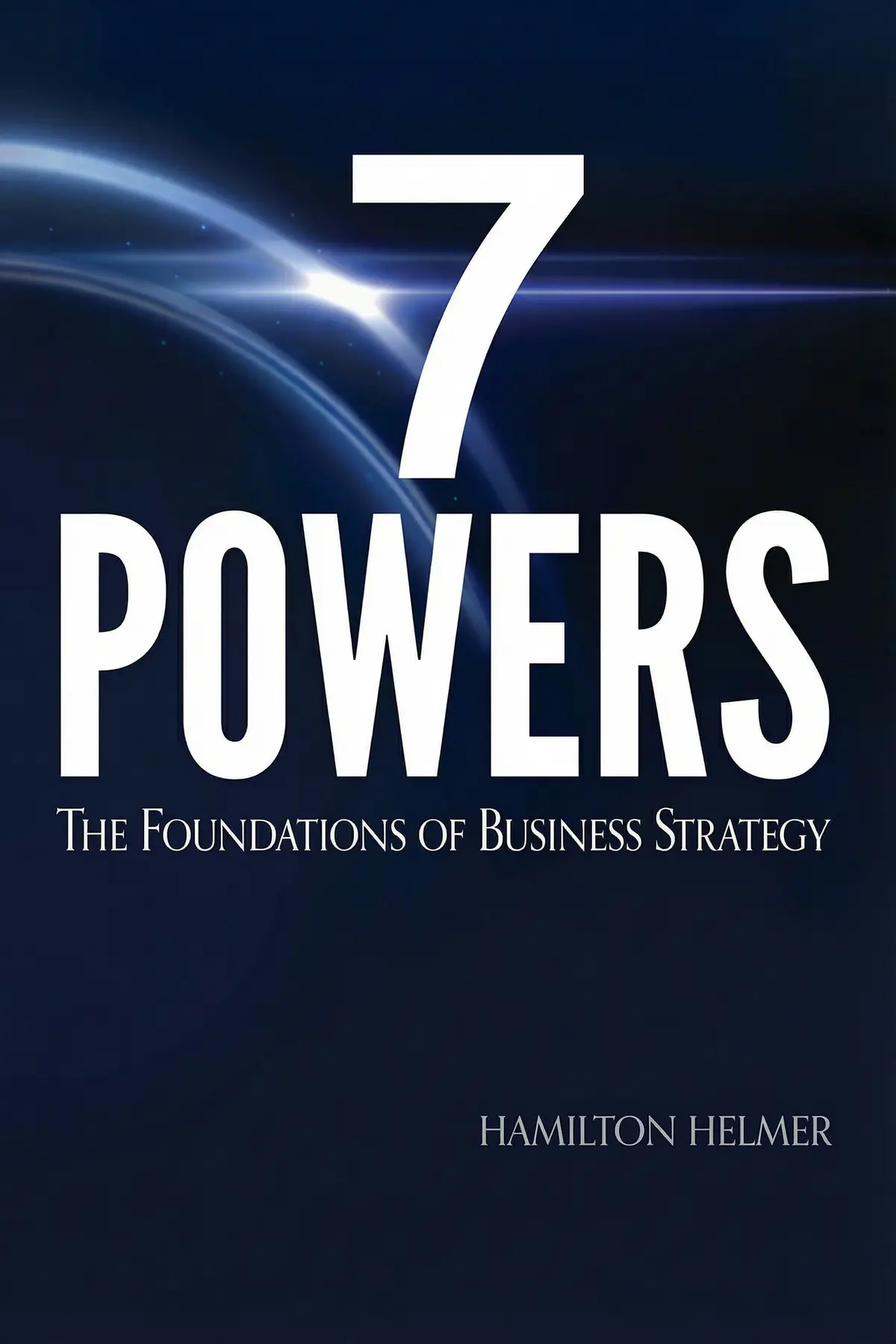
7 Powers: The Foundations of Business Strategy
Hamilton Helmer


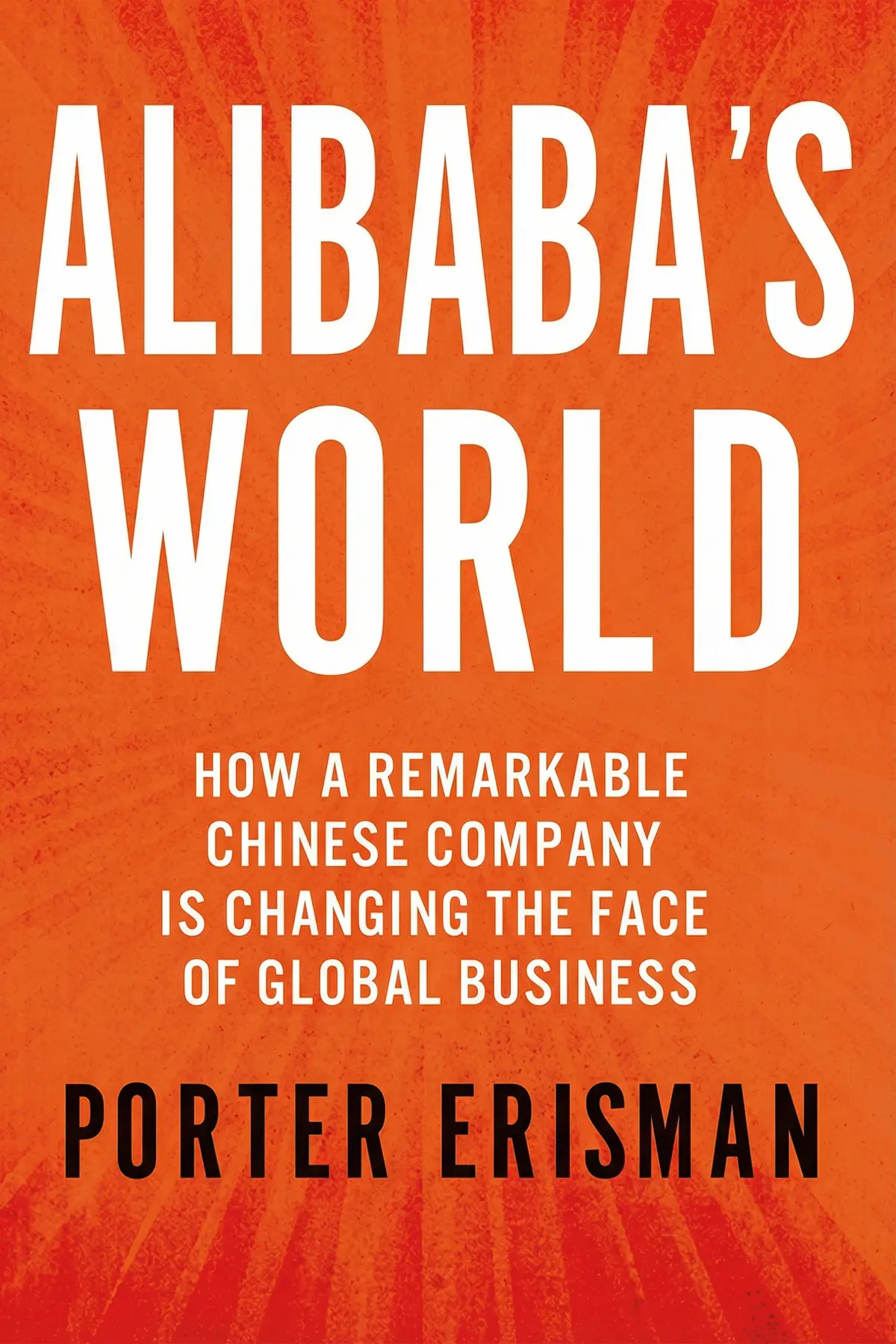
Alibaba: The House That Jack Ma Built
Duncan Clark
AUDIO SUMMARY AVAILABLE
Listen to Hatching Twitter in 15 minutes
Get the key ideas from Hatching Twitter by Nick Bilton, plus 5,000+ more titles in English and Thai.
- 5,000+ titles
- Listen as much as you want
- 7-day free trial
- Cancel anytime







