
17 min 58 sec
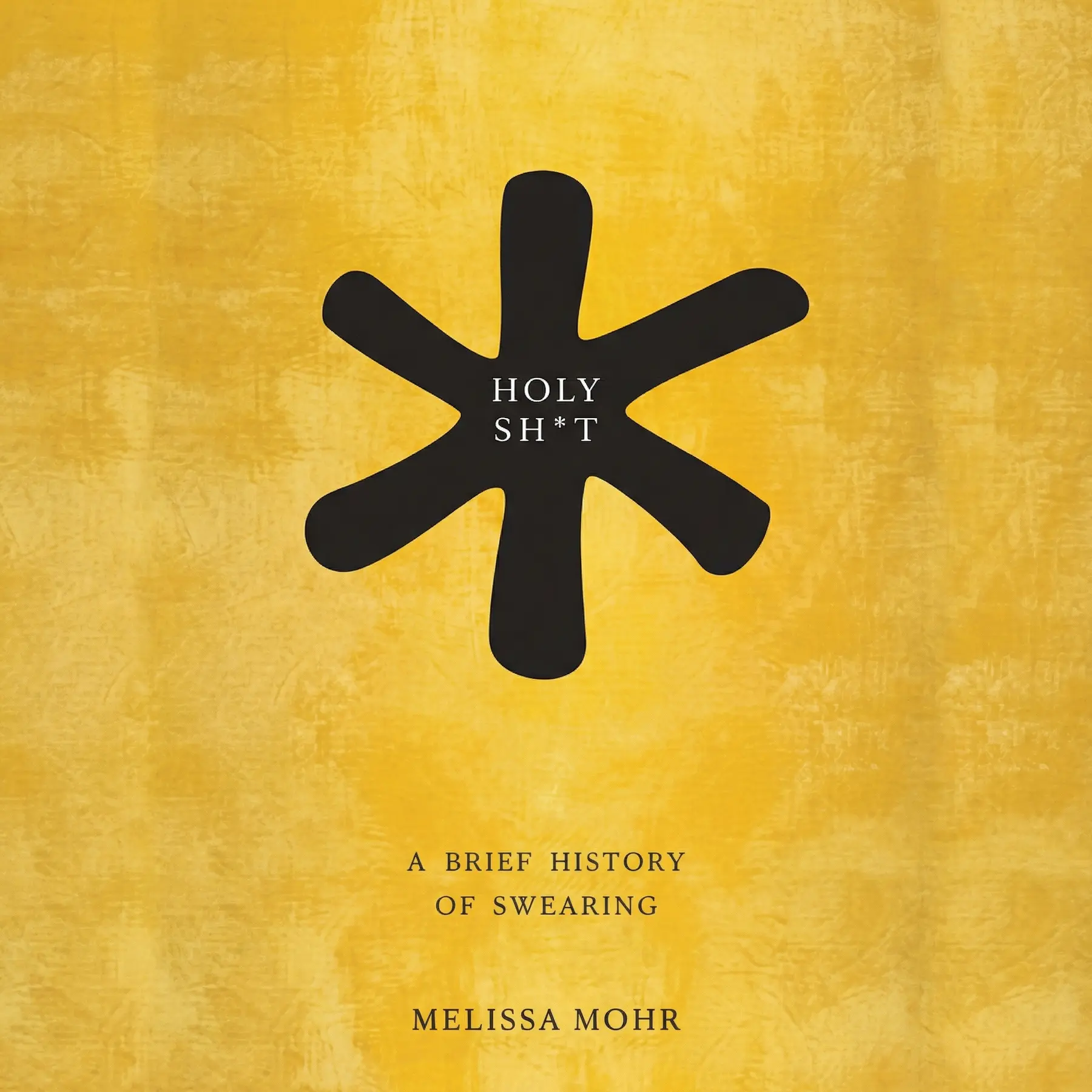
Holy Sh*t: A Brief History of Swearing
By Melissa Mohr
A fascinating exploration of the evolution of profanity, Holy Sh*t reveals how our most offensive words reflect shifting cultural values—from religious oaths in the Middle Ages to modern-day social taboos.
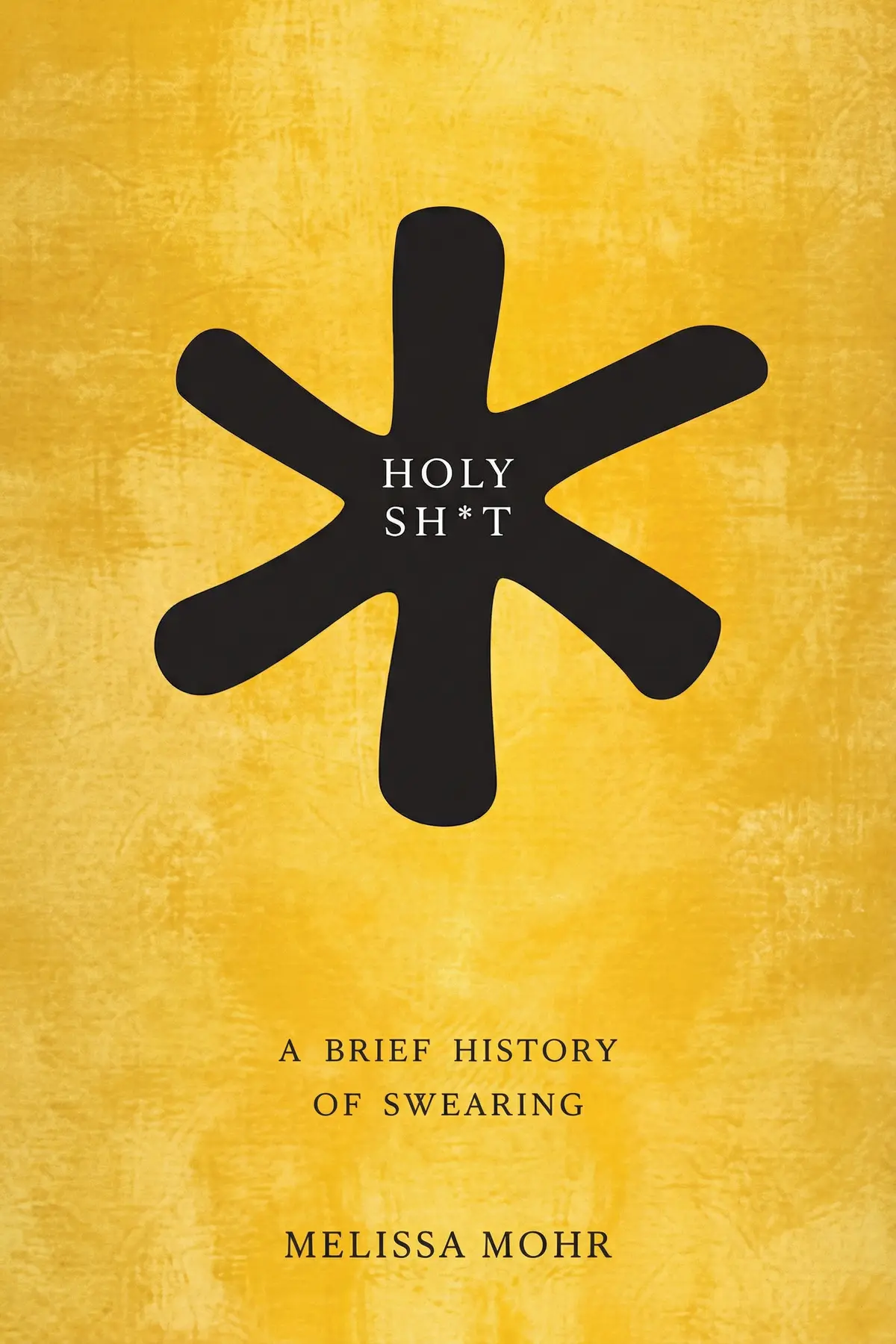
Table of Content
1. Introduction
1 min 44 sec
Have you ever wondered why certain words have the power to stop a conversation dead in its tracks, while others that once seemed scandalous now barely register a shrug? It is easy to assume that swearing is just a sign of a limited vocabulary or a lack of manners, but the truth is far more complex and interesting. Swearing is a fundamental part of the human experience, and it has been with us for as long as we have had language to weaponize. However, what constitutes a ‘bad word’ is never fixed. It shifts alongside our cultural priorities, our religious beliefs, and our changing views on privacy and the human body.
In this exploration of the history of profanity, we are going to look at the words that have made people blush, cringe, or reach for their swords across the centuries. We will see how the ancient Romans cared more about who was ‘active’ or ‘passive’ in the bedroom than they did about specific body parts. We will witness a time when shouting a religious oath was far more dangerous than using what we now consider the crudest sexual terms. We will also see how the rise of the middle class and the invention of private bathrooms turned bodily functions into a source of deep shame.
This journey through the development of language will show us that swearing isn’t just about being rude. It is a tool for social bonding, a release valve for intense emotion, and a mirror that reflects our deepest societal anxieties. As we move through different eras, you will see how the crown of ‘most offensive’ has been passed from the sacred to the physical, and eventually to the social and political. So, let’s dive into the fascinating, often hilarious, and occasionally shocking history of the words we aren’t supposed to say.
2. Ancient Roman Power Dynamics
1 min 44 sec
Ancient Romans had a very different view of sexual taboos, focusing on the social implications of dominance rather than gender, which dictated their most vulgar insults.
3. The Weight of the Sacred Oath
1 min 33 sec
In the world of the Old Testament, the most powerful words weren’t dirty; they were holy, as swearing an oath was a literal contract with the divine.
4. Policing the Mind through Speech
1 min 43 sec
The New Testament introduced a new level of linguistic scrutiny, moving beyond formal oaths to condemn even casual or euphemistic ‘idle talk.’
5. Medieval Bodily Openness
1 min 55 sec
In the Middle Ages, words for body parts and functions weren’t offensive because privacy barely existed, making religious ‘vain swearing’ the only true taboo.
6. The Renaissance Shift to Privacy
1 min 52 sec
The rise of private spaces and the decline of feudalism in the Renaissance caused a massive shift from religious profanity to bodily shame.
7. Victorian Repression and Class Warfare
2 min 01 sec
Nineteenth-century Victorians pushed linguistic taboos to their limits, using ‘refined’ speech as a weapon to maintain rigid class distinctions.
8. The Birth of the Modern Curse
1 min 54 sec
As the literal meanings of obscenities began to fade, words like ‘bloody’ and ‘fuck’ evolved into the versatile, non-literal intensifiers we recognize today.
9. The New Taboos: From Sex to Slurs
1 min 58 sec
In the contemporary world, sexual and bodily swears have lost much of their power, replaced by racial and identity-based slurs as our most prohibited words.
10. Conclusion
1 min 34 sec
The history of swearing is, in many ways, the history of humanity itself. By looking at what we have been forbidden to say, we get a clear picture of who we were and what we cared about in every era. We have seen a world where the most dangerous thing you could do was break a promise to God, and a world where the most shameful thing was to admit you had a body that functioned like everyone else’s. We have watched as the ‘dirty’ words of the past became the ‘casual’ words of the present, and as new taboos emerged to protect the values we hold dear today.
If there is one thing to take away from this journey, it is that swearing is a vital, functional part of language. It isn’t a sign of ignorance; it is a sophisticated tool for managing emotion, establishing social bonds, and defining the boundaries of our communities. We swear because we are human, and because sometimes, ‘polite’ language just isn’t enough to capture the intensity of our experience.
So, the next time you hear a swear word—or use one yourself—take a moment to think about the centuries of history behind it. Think about the Roman centurions, the medieval monks, and the Victorian socialites who all struggled with the power of speech. Our words are never just sounds; they are carries of culture, and as long as we have things we value, we will always have words that are too powerful to use lightly. Swearing is a testament to the fact that we care deeply about our world, our gods, our bodies, and each other. It’s a messy, loud, and often offensive history, but it’s one that makes us exactly who we are.
About this book
What is this book about?
This book takes a deep dive into the historical and linguistic roots of swearing, tracing its journey from ancient Rome to the digital age. It examines how the things we find most offensive provide a window into what a society values or fears most at any given moment. By exploring the transition from religious profanity to scatological and sexual obscenity, and finally to modern racial slurs, the author explains the social and emotional functions of bad language. It promises to change how you hear every curse word, showing that swearing is not just about anger, but about power, privacy, and identity.
Book Information
About the Author
Melissa Mohr
Melissa Mohr is an American author who earned her PhD from Stanford University. Her academic background is in English Literature, with a specific focus on the medieval and Renaissance periods, which informs her scholarly yet accessible approach to history.
Ratings & Reviews
Ratings at a glance
What people think
Listeners find this book to be an academic adventure that is both excellently researched and fun to experience. The writing is sharp and to the point, and listeners enjoy the witty perspective on the topic. They treasure the linguistic observations, with one listener pointing out how it offers the required background to grasp modern language taboos.
Top reviews
Hassan
Frankly, this was a much more entertaining academic book than I ever expected it to be. Mohr has a gift for making linguistic history feel like a scandalous gossip column from across the centuries. I was especially captivated by the Roman perspective on sexuality and how it dictated their insults. To them, the act itself mattered less than the power dynamics involved, which is such a departure from our modern sensibilities. The transition into the Victorian 'Age of Euphemism' was equally hilarious and baffling, especially the bit about people calling legs 'lower extremities' to avoid any hint of impropriety. This book manages to be both profoundly smart and genuinely funny, which is a rare feat for any non-fiction title. It completely changed my perspective on how language reflects our deepest cultural fears and values. If you aren't afraid of a few—or a few hundred—profanities, you absolutely need to pick this up. It is a scholarly romp in the truest sense.
Show moreRuangrat
I picked this up thinking it would be a light collection of funny anecdotes, but it’s actually a profound piece of social history. Mohr argues that the current shift toward racial and identity-based slurs being the 'most' offensive words is part of a long historical cycle. This perspective helped me understand our modern 'culture wars' over language in a much broader context. The book is packed with 'did you know' facts that I kept sharing with my friends, like the origin of dandelions being called 'pissabeds.' It’s rare to find a book that is this well-researched while maintaining such a playful and engaging tone. The author’s passion for the subject shines through on every page, and her ability to connect the dots across centuries is truly impressive. Whether you’re a linguist or just someone who enjoys a well-placed 'fuck,' this book is an absolute delight. It’s informative, hilarious, and deeply thought-provoking all at once.
Show moreSaovapa
Look, if you’re easily offended by coarse language, you should obviously stay far away from this one. But if you can handle the vocabulary, you’ll find one of the most fascinating histories of the English language ever written. I was mesmerized by the description of Medieval life and how the lack of physical privacy meant that words for bodily functions weren't even considered rude. The idea that we only started finding 'shit' offensive because we started closing the bathroom door is a total game-changer. Mohr’s writing is witty and her research is clearly exhaustive, covering everything from the Bible to modern-day Twitter. I especially appreciated the final chapters on the science of swearing and its connection to the brain’s emotional centers. This isn't just a book about bad words; it’s a book about what it means to be human and how we navigate the sacred and the profane. Highly recommended for anyone who loves a good linguistic deep-dive.
Show moreGin
What an eye-opening journey through the filthiest corners of the English language. Melissa Mohr explores the fascinating tension between what she calls the 'Holy' and the 'Shit,' tracking how our taboos shifted from religious oaths to bodily functions. I found the section on Medieval England particularly enlightening because it challenges our modern assumptions about privacy and shame. Back then, people lived in such close quarters that bodily functions weren't nearly as scandalous as swearing by God’s bones. The writing is incredibly sharp and academic without ever feeling dry or inaccessible to a casual reader. My only real gripe is that the book leans heavily on British and American history, leaving other cultures largely unexplored. Still, for anyone interested in linguistics or social history, this is a must-read that provides essential context for the words we use today. You will definitely walk away with some hilarious trivia about the word 'windfucker' to share at your next dinner party.
Show moreTanyaporn
Melissa Mohr manages to turn a potentially crude subject into a sophisticated analysis of human society. The core premise—that we can track cultural shifts by looking at what we find offensive—is brilliantly executed throughout the text. I was struck by the discussion on how the rise of physical privacy in the home led directly to the increase in linguistic taboos around the body. As walls went up between bedrooms and bathrooms, our tolerance for 'scatological' language went down. The book is remarkably well-researched, citing everything from ancient graffiti to modern psychological studies on pain tolerance. It’s fascinating to learn that swearing actually has a physiological effect on our ability to manage discomfort. To be fair, the conclusion felt a little rushed compared to the deep dives into the Medieval and Roman eras. Regardless, it’s a brilliant look at the words we love to hate and why they hold so much power over us.
Show morePang
The chapter on Roman sexuality alone is worth the price of admission for this book. It’s wild to think about how much our insults are rooted in ancient power structures and gender roles. Mohr does an excellent job explaining how 'profanity' (religious) and 'obscenity' (bodily) have traded places as the ultimate social taboos over the last two millennia. I particularly liked the section on how Victorian sensibilities forced the English language to become increasingly creative with euphemisms. The writing style is clear and concise, making complex linguistic concepts easy to grasp for someone without a degree in the field. It’s also surprisingly funny, as the author doesn't shy away from the absurdity of the words she’s studying. My only minor complaint is that the focus is quite narrow, mostly sticking to the Western tradition. However, within that scope, it provides a deeply satisfying and informative history of why we swear the way we do.
Show moreThongchai
After hearing about this book for years, I finally got around to reading it and it did not disappoint. The author does a brilliant job of explaining the 'fighting words' doctrine and how the law has struggled to define what is actually offensive. It’s fascinating to see how the pendulum swings back and forth between fearing the religious and fearing the physical. The distinction between 'swearing' (oaths) and 'cursing' (obscenity) was a distinction I hadn't really considered before, but it makes perfect sense now. Mohr’s prose is elegant yet accessible, and she handles the more 'colorful' examples with a perfect blend of scholarly detachment and dry humor. I did feel that the section on the 20th century was a little light compared to the Medieval sections, but it still provided plenty of food for thought. This is a wonderfully researched book that manages to be both educational and immensely entertaining. It’s a scholarly romp that deserves a spot on your shelf.
Show moreAurora
Ever wonder why saying 'God' used to be worse than saying 'fuck'? This book answers that question in exhaustive detail, though perhaps a bit too much detail at times. While the research is undeniably impressive, the pacing felt sluggish during the middle chapters on the Renaissance and early modern period. I appreciated how Mohr debunked common myths regarding the origins of certain four-letter words, proving that most 'acronym' theories are just urban legends. However, the tone fluctuates between a lighthearted romp and a dense sociological dissertation, which made it hard to stay engaged for long sittings. It took me much longer to finish than I anticipated because of the sheer volume of historical data provided. It’s a solid resource for word nerds, but it requires a fair amount of patience to get through the slower sections. If you want a quick read, this might not be it, but the information is certainly valuable.
Show moreLeila
It’s bizarre to think that people once believed swearing an oath could physically injure God, but that’s the kind of history Mohr uncovers here. As someone who recently read John McWhorter’s book on profanity, I found this one to be much more focused on the deep historical roots rather than modern usage. It’s a bit of a dense read, and some of the Latin translations felt a bit like being back in school. Personally, I would have liked to see more about how swearing differs between different English-speaking regions today. The book is very heavy on the history of the UK, which makes sense, but it leaves some gaps regarding American developments. That said, the scholarship is top-notch and the central thesis about 'Holy' vs 'Shit' is very compelling. It’s a good book for a reference shelf, but perhaps a bit too academic for a casual weekend read.
Show morePawinee
While I appreciate the depth of research that clearly went into this project, I found the experience quite tedious. The author spends an inordinate amount of time on religious oath-taking in the Middle Ages, which frankly grew repetitive after the first fifty pages. I was looking for something more focused on modern linguistics and the evolution of slang, but this is much more of a dry history book. The constant repetition of the most offensive words in the English language felt a bit gratuitous after a while, even given the subject matter. I also felt the transition into the modern era was too brief and lacked the nuance found in the earlier chapters. It’s not a bad book per se, but it definitely wasn't the 'fun' read the title and cover suggested it would be. If you aren't a hardcore history buff, you might find yourself skimming large sections just to get to the point.
Show moreReaders also enjoyed
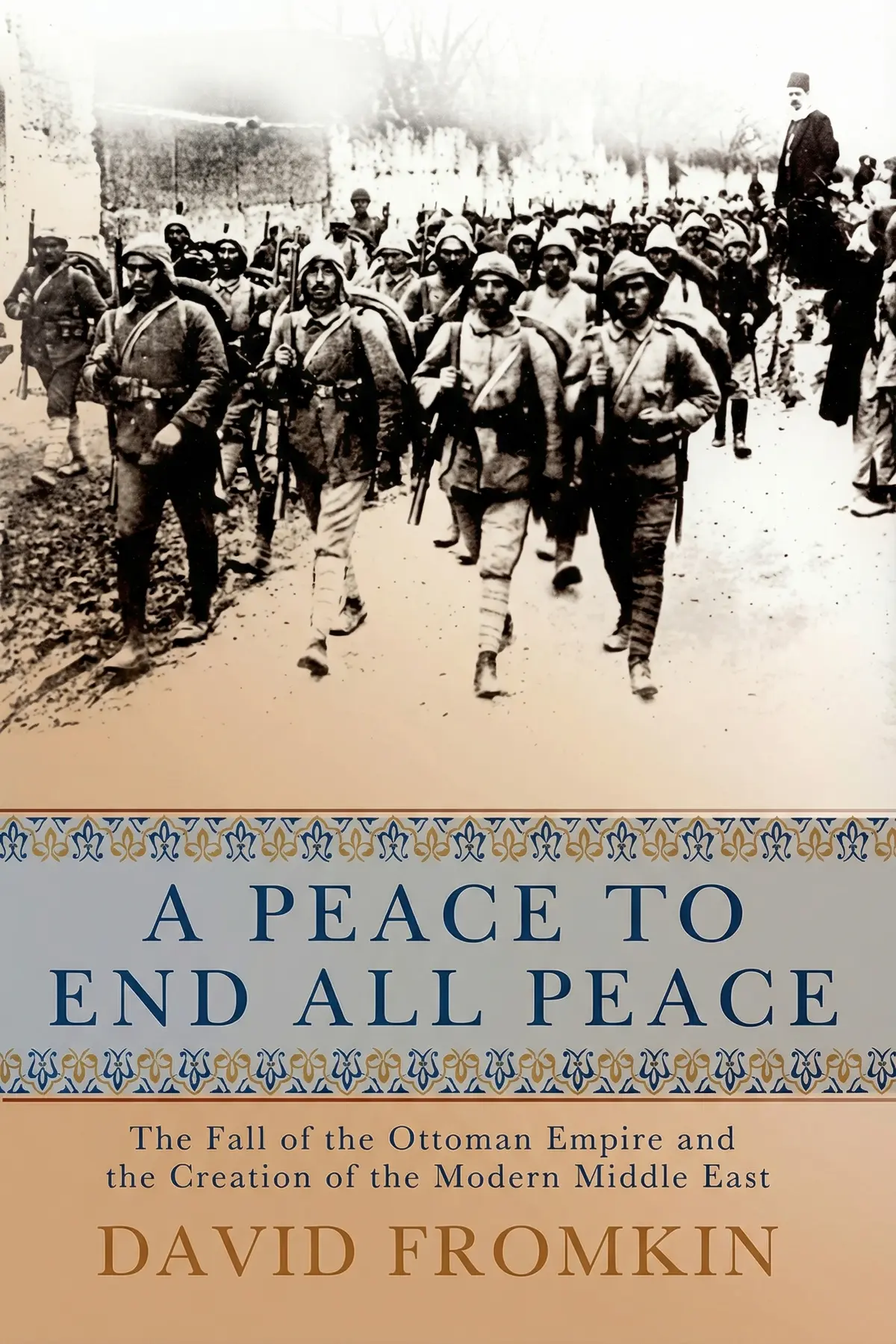
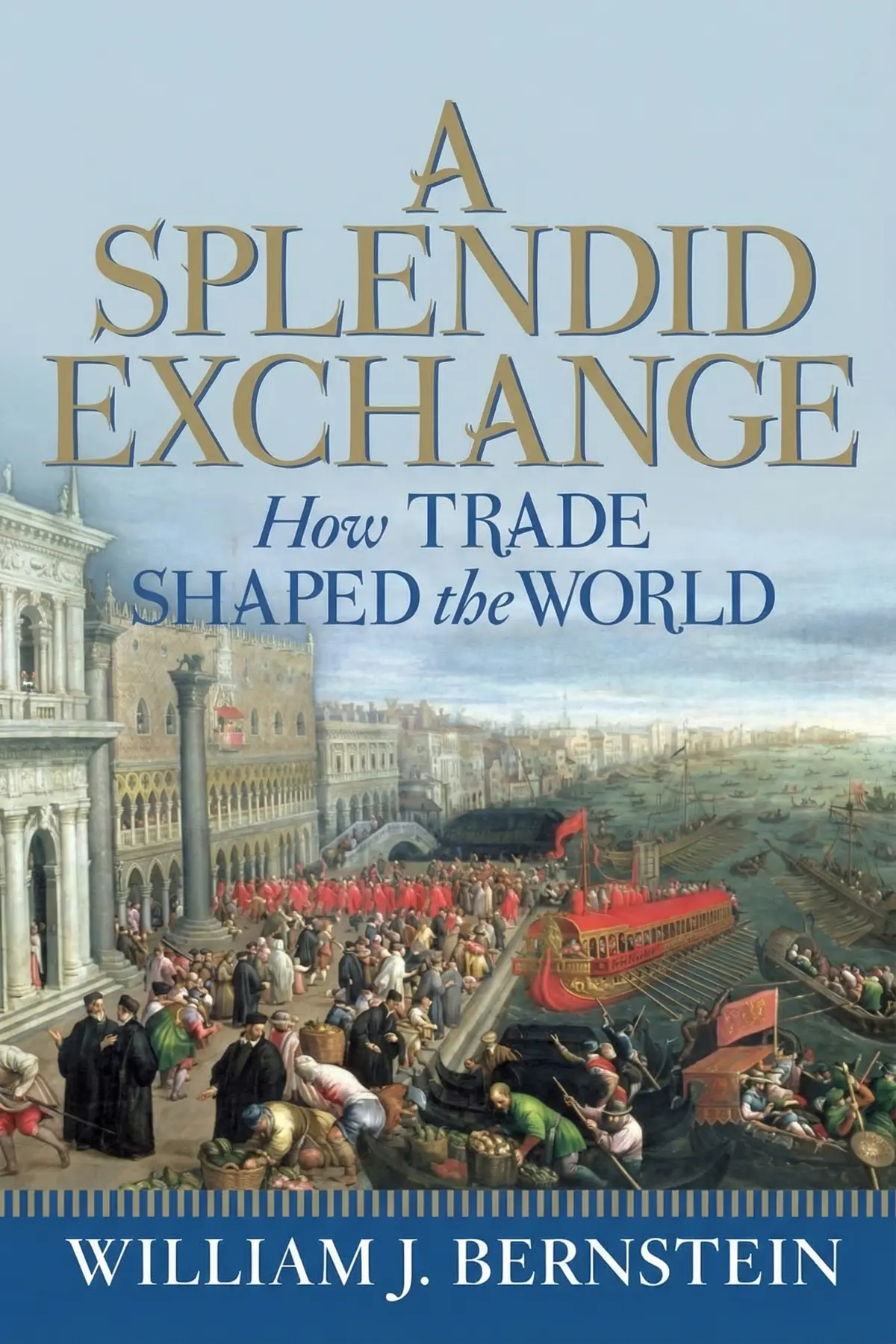
A Splendid Exchange: How Trade Shaped the World
William J. Bernstein
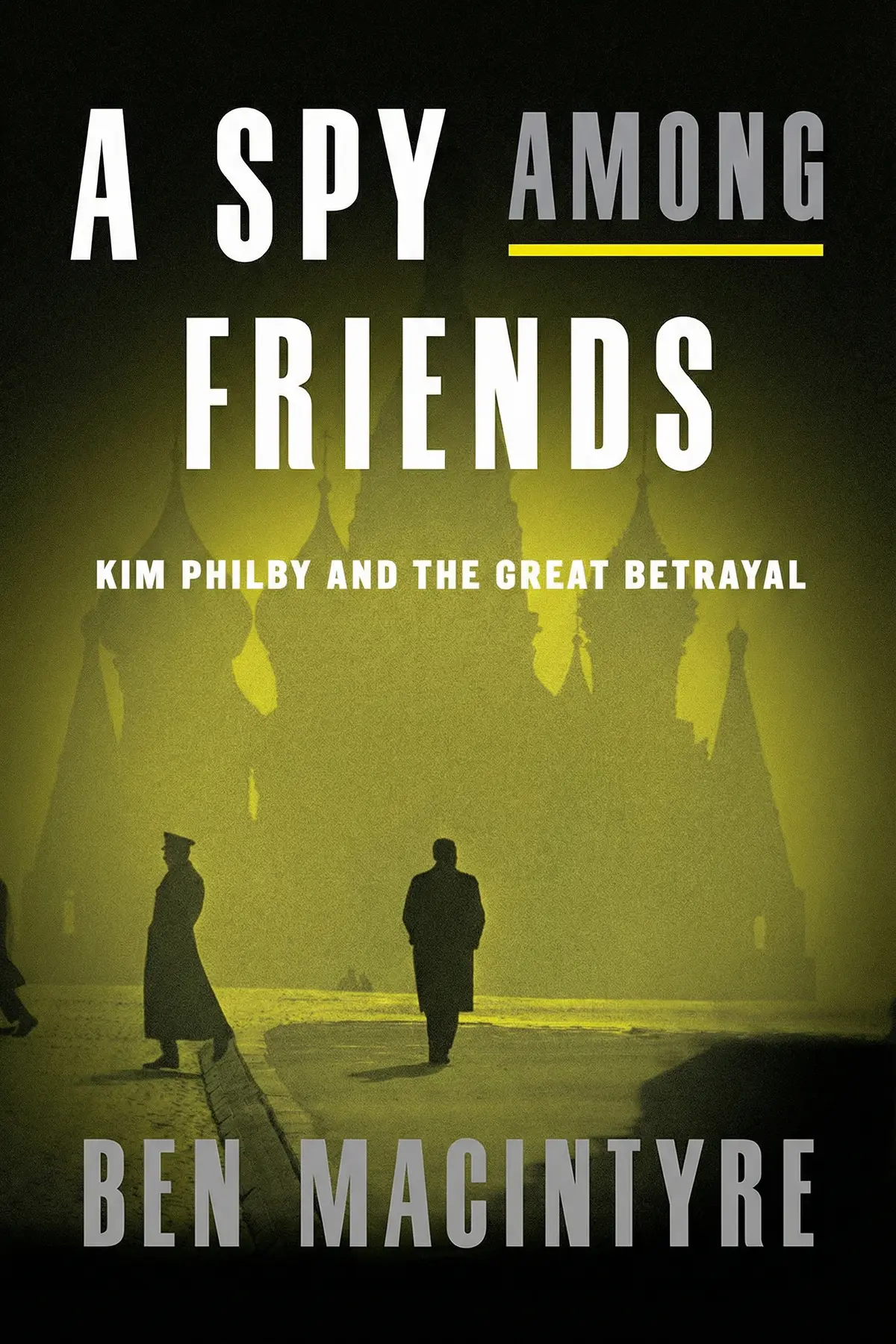
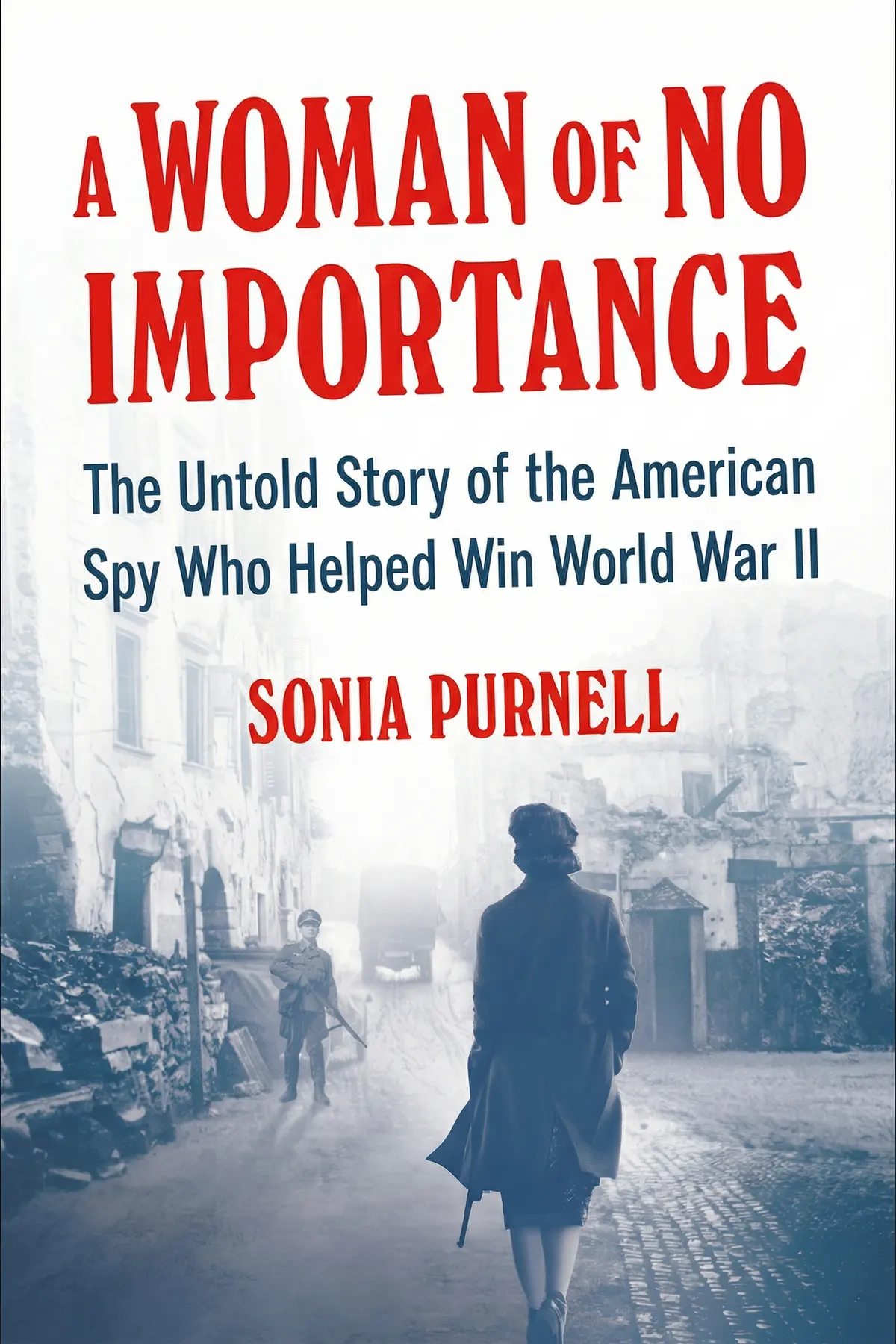
A Spy Among Friends: Philby and the Great Betrayal
Ben Macintyre
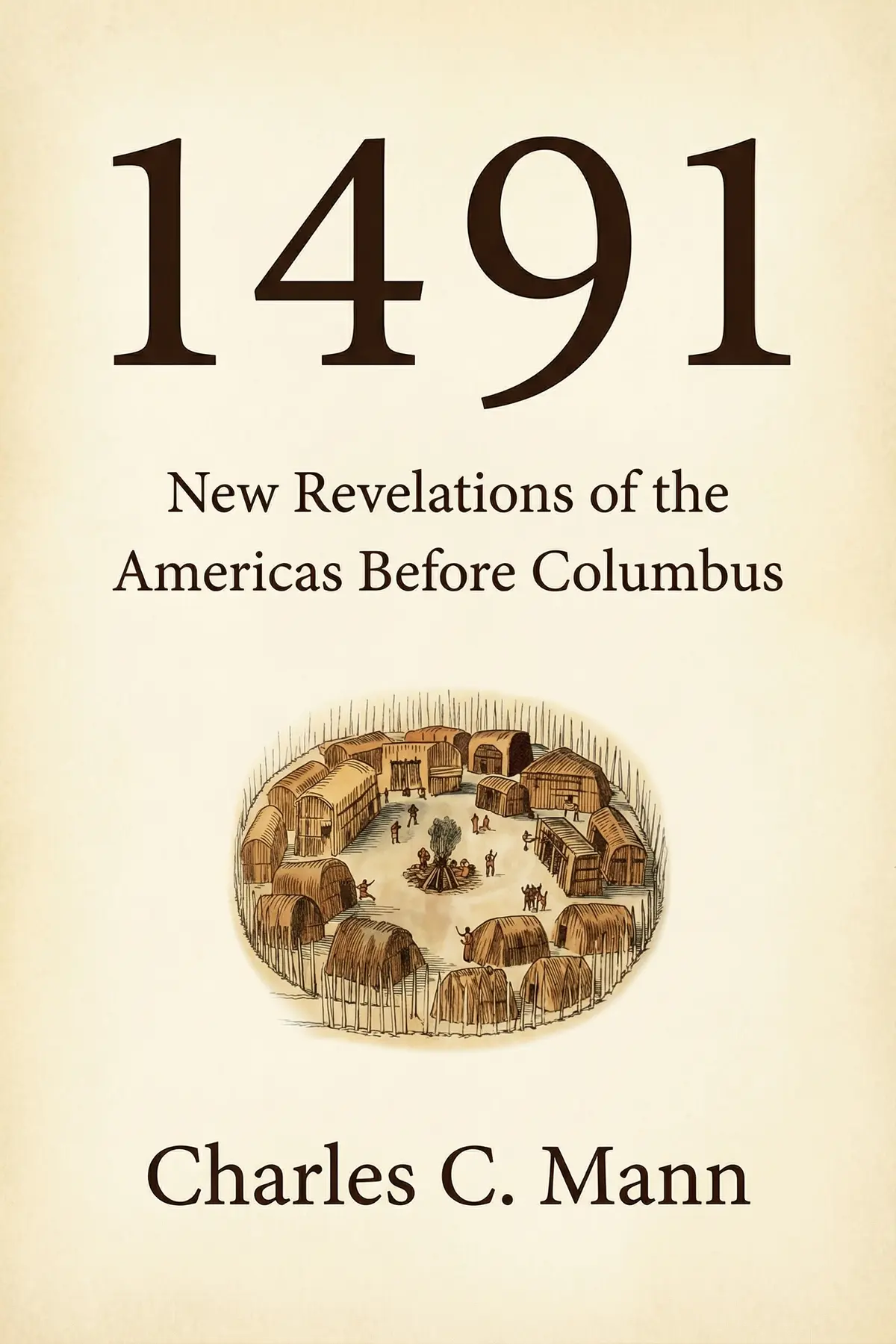
1491: New Revelations of the Americas Before Columbus
Charles C. Mann
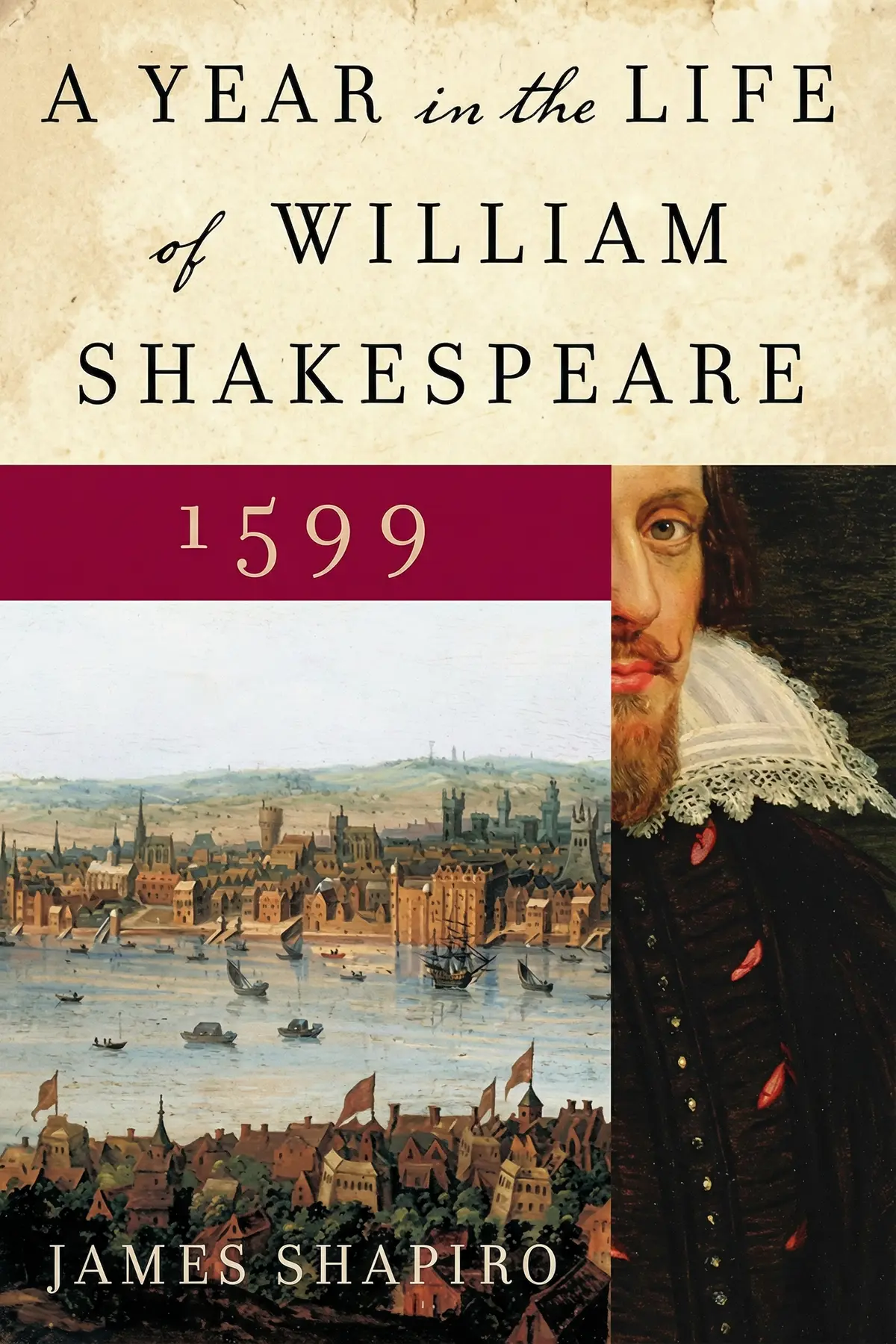
A Year in the Life of William Shakespeare: 1599
James Shapiro
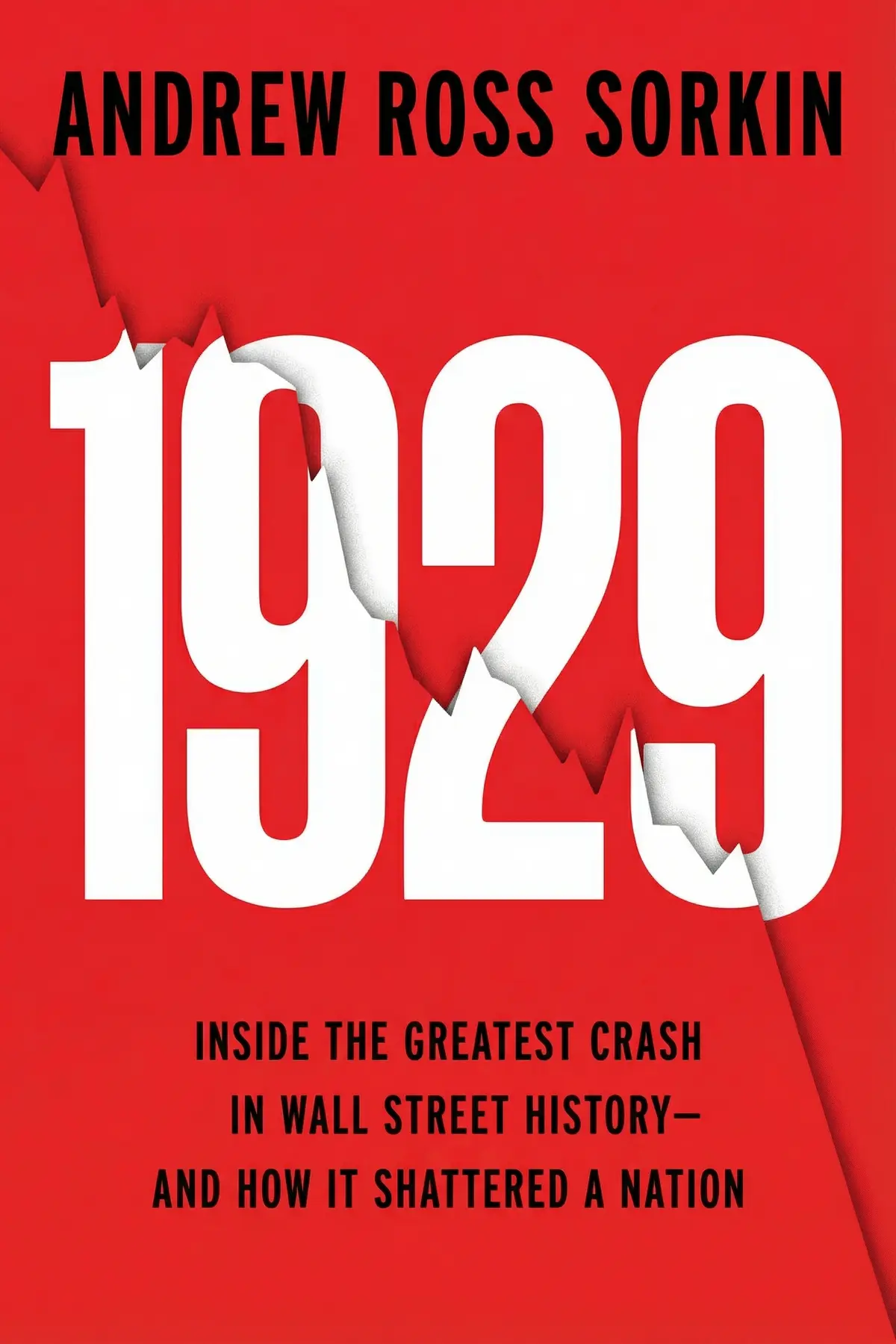
1929: Inside the Greatest Crash in Wall Street History--and How It
Andrew Ross Sorkin
AUDIO SUMMARY AVAILABLE
Listen to Holy Sh*t in 15 minutes
Get the key ideas from Holy Sh*t by Melissa Mohr, plus 5,000+ more titles in English and Thai.
- 5,000+ titles
- Listen as much as you want
- 7-day free trial
- Cancel anytime







