
21 min 37 sec
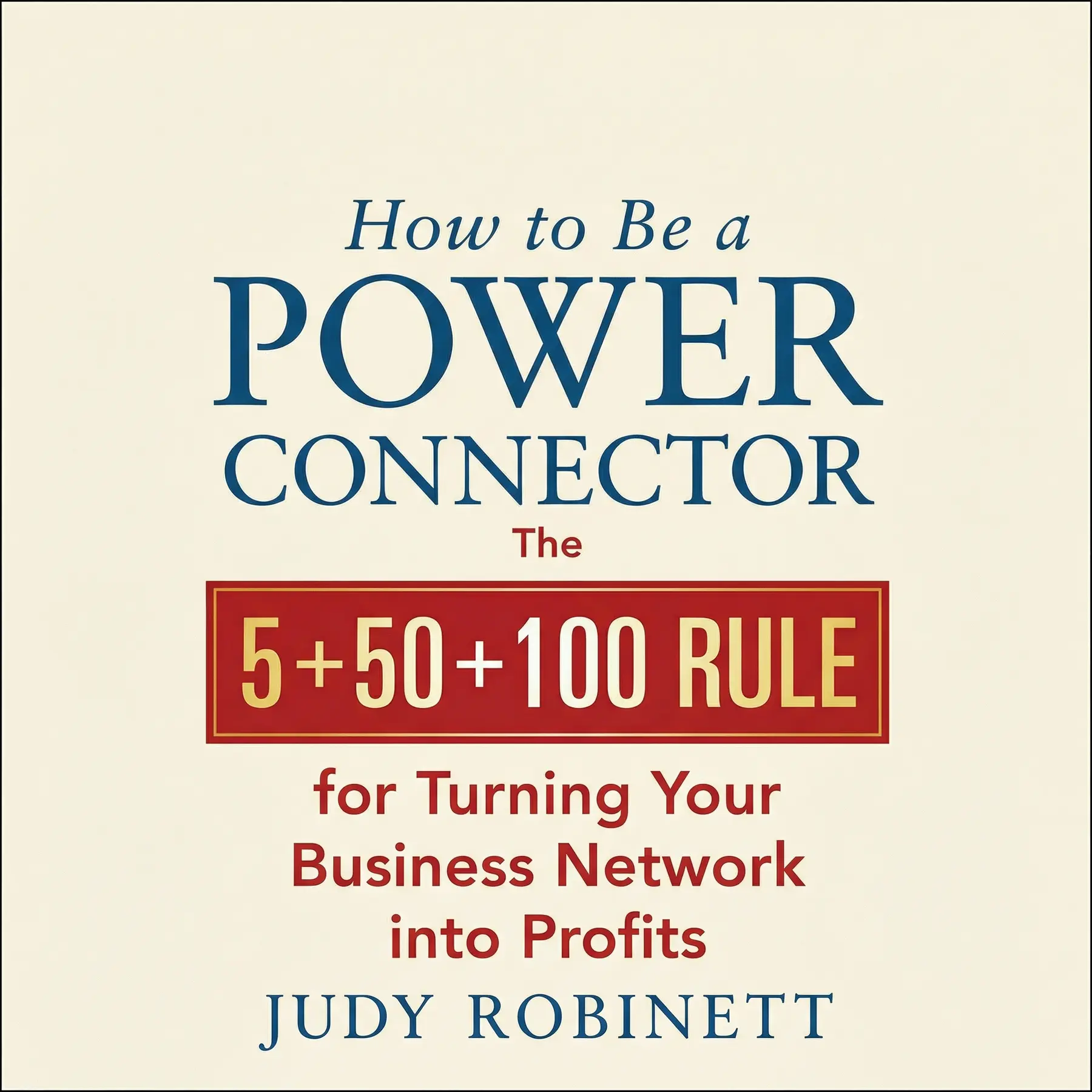
How to Be a Power Connector: The 5+50+100 Rule for Turning Your Business Network into Profits
Learn to transform casual networking into a high-value strategic asset using the 5+50+100 rule. This guide reveals how to build diverse, robust connections that drive mutual professional and personal success.
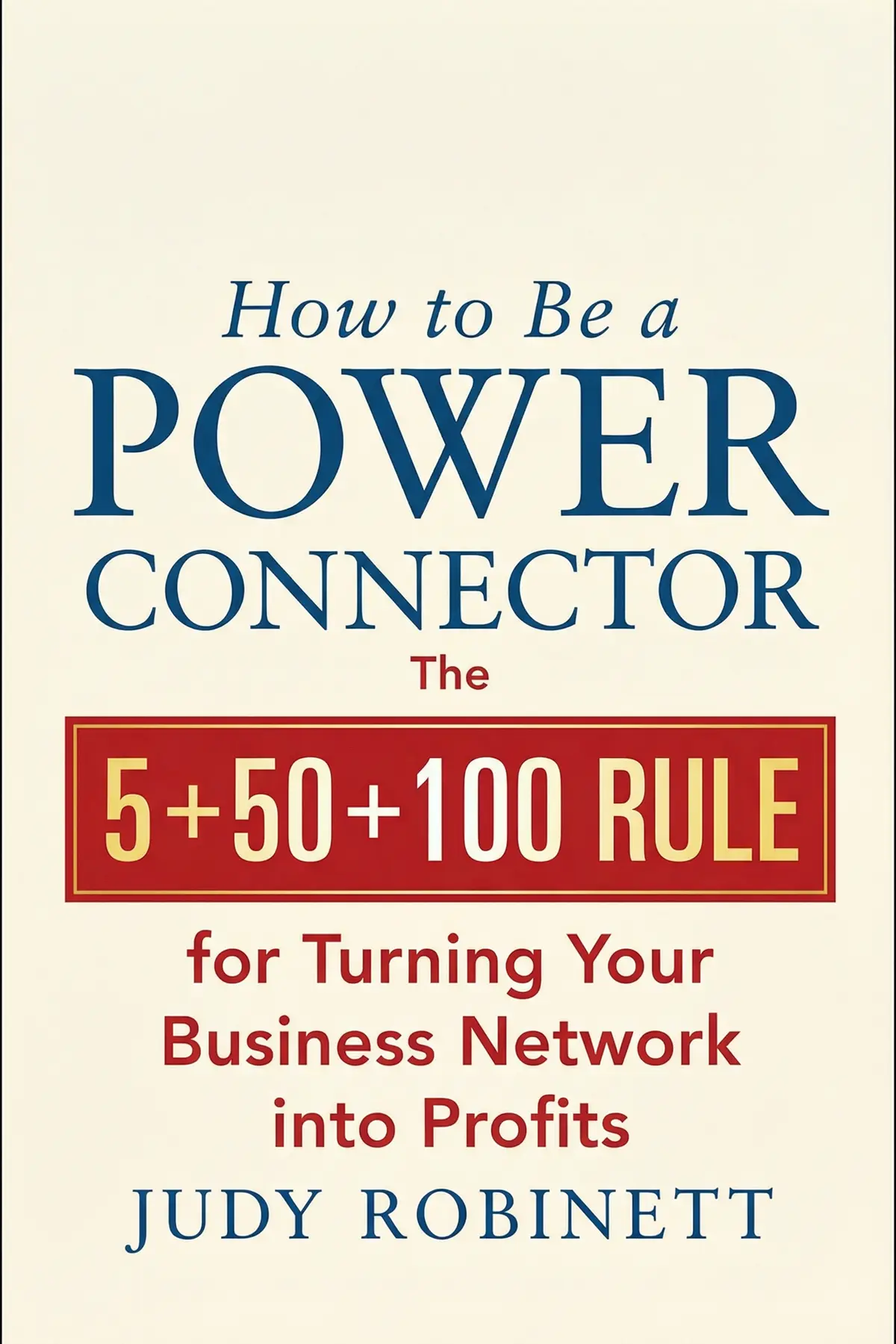
Table of Content
1. Introduction
1 min 43 sec
In the modern professional landscape, we are often told that it’s not just what you know, but who you know. We’ve all seen the traditional networker in action—the person at the conference handing out business cards like they’re flyers, focused entirely on what they can get from the room. But that old model of networking is increasingly obsolete. Today, the most successful individuals don’t just network; they become power connectors.
A power connector is someone who views their relationships not as a series of transactions, but as a strategic web of mutual value. They understand that by maximizing opportunities for everyone in their circle, they naturally increase their own potential for success. Think of a power connector like a central hub in a complex system—they facilitate the flow of information, money, and influence in a way that benefits the whole.
In this summary, we are going to explore the specific mechanics of this transformation. We will break down why your social status is often a reflection of your network and how a well-curated group of contacts can act as your most significant competitive advantage. We’ll dive into a concrete system for organizing your life into concentric circles of influence and learn why the most valuable person in your network might be the one who disagrees with you the most.
By the end of this journey, you’ll have a clear roadmap for building what Judy Robinett calls a “strategic quotient.” You will learn how to move past the awkwardness of initial meetings using specific social rules and how to use digital tools like LinkedIn and Twitter to reach people who previously seemed unreachable. This isn’t just about making friends; it’s about building a purposeful, robust, and diverse ecosystem that ensures you never have to work in isolation again. Let’s get started on turning your business network into your greatest asset.
2. The Value of Strategic Associations
2 min 26 sec
Discover why your network functions like a powerful alliance, offering status, early information, and collective strength that far outweighs individual effort.
3. The 5+50+100 Rule for Relationship Management
2 min 20 sec
Learn a precise organizational system to manage your social capital, ensuring you prioritize the right people while maintaining a wide reach.
4. Cultivating a Diverse and Robust Network
2 min 14 sec
Unlock the power of ‘heterogeneity’ by intentionally connecting with people who challenge your views and broaden your perspective.
5. Navigating the Right Ecosystems
2 min 14 sec
Discover how to identify and enter the specific environments where influence and resources are most concentrated in your industry.
6. The Art of Preparation and Targeted Connection
2 min 16 sec
Master the first two phases of power connecting by taking an inventory of your assets and perfecting the 15/5 rule for first encounters.
7. Solidifying Bonds and Creating Power Triangles
2 min 08 sec
Go beyond the initial meeting by using the 24-hour rule for follow-ups and building mutually beneficial ‘power triangles’ between your contacts.
8. Leveraging Digital Tools for Deeper Reach
2 min 14 sec
Maximize the impact of LinkedIn, Twitter, and email by using specific communication strategies to engage with ‘expert strangers.’
9. Strategic Growth and the Power of Pleasant Persistence
2 min 18 sec
Explore the unique strategies for building influence, including the concept of being ‘relentlessly pleasant’ and the value of paying it forward.
10. Conclusion
1 min 44 sec
As we wrap up our look at the principles of power connecting, it’s important to remember that this is a long-term game. The goal isn’t to walk away from a single event with a stack of cards; it’s to build a resilient, diverse, and high-value community that grows alongside you. We’ve covered the 5+50+100 rule, which gives you a clear structure for your social life. We’ve explored the importance of ecosystems and the power of finding common ground with people who are vastly different from you. And we’ve seen how being ‘relentlessly pleasant’ and adding value first can open doors that were previously locked.
The throughline of this entire approach is intentionality. Most people leave their professional relationships to chance, but a power connector is a deliberate architect of their social world. They know who they want to meet, why they want to meet them, and—most importantly—how they can help that person succeed first. This shift from ‘taking’ to ‘giving’ is the secret sauce of all great relationships.
If you want to start moving toward these goals today, the best piece of advice is to simply ‘act as if.’ The next time you find yourself at a professional gathering or even a local community event and you’re feeling a bit shy or out of place, step into the persona of a power connector. Act as if you are the most confident, helpful person in the room. Remember that many of the people you meet are likely just as nervous as you are. By taking the lead, offering a warm greeting, and looking for ways to be of service, you’ll find that the world of strategic relationships opens up far more easily than you ever imagined. Your network is waiting to be built; go out there and start connecting.
About this book
What is this book about?
How to Be a Power Connector explores the shift from traditional, often self-serving networking to a more holistic approach called power connecting. It emphasizes that in a hyper-connected world, your success is directly tied to the strength and diversity of your relationships. The book introduces a systematic framework for organizing your contacts into manageable tiers and provides actionable steps for adding value to others first. Readers will discover how to identify powerful ecosystems where opportunities cluster, how to leverage social media to reach industry experts, and how to maintain a high Strategic Quotient. By focusing on the 5+50+100 rule, the author demonstrates how to curate a network that provides early access to information, resources, and influence, ultimately turning a business network into a sustainable engine for profit and growth.
Book Information
About the Author
Judy Robinett
Judy Robinett began her professional journey as a social worker, a background that informed her deep understanding of human dynamics. She eventually transitioned into the corporate world, serving as the CEO of various public and private companies. Robinett became a prominent figure in the US venture capital scene, where her ability to forge strategic alliances earned her the nickname the Yoda of strategic relationships.
Ratings & Reviews
Ratings at a glance
What people think
Listeners find this networking guide thorough and packed with actionable advice, making it essential for any professional. The text offers a straightforward system for creating meaningful connections, with one listener mentioning that it makes networking accessible even for those who are shy. Listeners value the perceptive content, including one who highlighted how it aids in expressing personal value, and they find the material easy to implement while achieving concrete results.
Top reviews
Palm
Judy Robinett has created a masterclass in relationship management that goes far beyond the typical 'hand out your business card' advice. The core of this book is the 5+50+100 rule, which provides a concrete framework for categorizing your connections into manageable circles. I found the 'Three Golden Questions' particularly transformative for my daily interactions, especially the habit of asking how I can help others first. It shifts the focus from what you can get to what you can contribute, which is a refreshing take on professional growth. While the author’s venture capital background makes for some high-stakes anecdotes, the logic is sound for anyone. If you actually use the tables and mapping exercises provided, you'll see your network in a completely new light.
Show moreSue
The methodology here is essentially a blueprint for career acceleration that I wish I had discovered years ago. Robinett breaks down the 'Eight Key Ecosystems'—from finance to media—and explains exactly how to bridge the gaps between them. I especially appreciated the 'Victory Log' exercise; it helped me articulate my own value proposition before I even reached out to new contacts. The writing is punchy and direct, which I appreciate in a business book. By focusing on being a 'connector' rather than just a 'networker,' the author makes the process feel much more authentic and purposeful. It’s a high-level strategy book that provides the actual worksheets you need to execute the plan. Truly a game-changer for my professional circle.
Show moreWaree
This isn't your typical 'exchange business cards' type of guide; it's a strategic framework for building a high-value life. I started implementing the 'Three Golden Questions' last month and the response from my peers has been incredible. People are much more willing to open doors for you when you lead with a genuine desire to help them first. The 5+50+100 system is a great way to prioritize your time so you aren't spread too thin across hundreds of shallow acquaintances. I found the advice on overcoming shyness by focusing on others to be particularly helpful for my personality type. It’s a comprehensive, insightful, and deeply practical book that delivers tangible results if you're willing to put in the work.
Show moreFilm
Picked this up because I’ve always felt awkward at networking events, and I was pleasantly surprised by how strategic the advice is. Robinett emphasizes the importance of 'adding value' constantly, which makes the whole process feel less like a transaction and more like building a community. The 15:1 math concept for reaching specific goals was an eye-opener for me. My only real gripe is that the maintenance schedule for the 'Vital 100' seems a bit daunting for someone with a standard 40-hour work week and a family. Truth is, keeping up with 100 people monthly is a full-time job in itself. Still, the templates for organizing contacts by ecosystem and influence are incredibly useful tools for any professional looking to scale their impact.
Show moreAroha
Ever wonder how certain people always seem to have the right contact for every situation? This book pulls back the curtain on that skill. I loved the emphasis on 'emotional deposits' and the idea that you should help others long before you ever need a favor yourself. The 5+50+100 rule is a brilliant way to prevent important relationships from falling through the cracks. My only minor complaint is that the author’s tone can be a bit intense, making it seem like you’re failing if you aren't 'power connecting' every second of the day. Personally, I took the parts that worked for my introverted personality and ignored the more aggressive 'cyberstalking' suggestions. Highly recommended for those who need a structured system.
Show moreWyatt
Finally got around to this after seeing it on several 'must-read' lists, and it lived up to the hype for the most part. The section on women in networking was particularly valuable, highlighting the different ways men and women build alliances and trade favors. Robinett’s advice to 'network in the right places' saved me from wasting hours at local mixers that don't align with my long-term goals. I’ve already started mapping my links between connections to see where I can create 'Power Triangles.' The book is a bit long-winded in the middle, but the practical steps at the end of each chapter make it easy to stay on track. It definitely gives you a clear path to follow.
Show moreNina
After hearing so much about the 5+50+100 rule, I had to see the source material for myself. The book is very thorough, covering everything from online networking on LinkedIn to maximizing your time at conferences. I liked the focus on 'geographical and professional diversity,' which reminded me to look outside my own bubble. Some of the author’s stories about her billionaire friends felt a bit disconnected from reality, but the underlying principles are universal. Not gonna lie, I probably won't reach out to my 'Vital 100' every single month, but even doing it quarterly would be an improvement over my current habits. It’s a great resource for anyone who feels stuck in their career.
Show moreTom
As someone who has worked in sales for a decade, I found a lot of this to be common sense wrapped in fancy new terminology. If you are already a naturally social person who enjoys connecting people, you’re likely doing much of this instinctively. I didn't find the Johari Window or the basic social skill tips to be groundbreaking. However, the systematic approach to 'power circles' does offer a nice way to audit where your network might be lacking diversity. To be fair, the section on 'Power Triangles' was quite insightful and gave me a new way to think about linking my existing contacts. It’s a decent read for beginners, but seasoned connectors might find it a bit repetitive or basic in its execution.
Show morePiyanart
Frankly, a lot of what Robinett discusses feels like a formalized version of things we do naturally, but the structure is helpful if you're disorganized. The book is heavily geared toward the business world, specifically venture capital, so some of the examples felt a bit out of reach for my specific industry. I appreciated the tables for organizing contacts by role and closeness, as my current LinkedIn is a bit of a mess. However, I agree with other reviewers that the time commitment required to follow this system to the letter is immense. It’s a good book for a salesperson or a high-level executive, but maybe a bit overkill for a mid-level manager just looking to stay relevant. It's a solid 3-star read.
Show morePichaya
Look, I really wanted to find actionable tips here, but I struggled to get past the author's constant name-dropping of billionaires and VCs. It felt like a 200-page brag session at times. While the 5+50+100 system sounds great on paper, where does a normal person find the time to research and 'add value' to 155 people on such a frequent basis? The author doesn't seem to have a traditional office job, which makes her schedule feel completely unrealistic for the rest of us. I also felt the book ignored the nuance of personal relationships in favor of viewing every human as a strategic asset. If you love the 'hustle' culture, you might enjoy this, but for me, it felt robotic and slightly manipulative.
Show moreReaders also enjoyed

AUDIO SUMMARY AVAILABLE
Listen to How to Be a Power Connector in 15 minutes
Get the key ideas from How to Be a Power Connector by Judy Robinett, plus 5,000+ more titles in English and Thai.
- 5,000+ titles
- Listen as much as you want
- 7-day free trial
- Cancel anytime







