
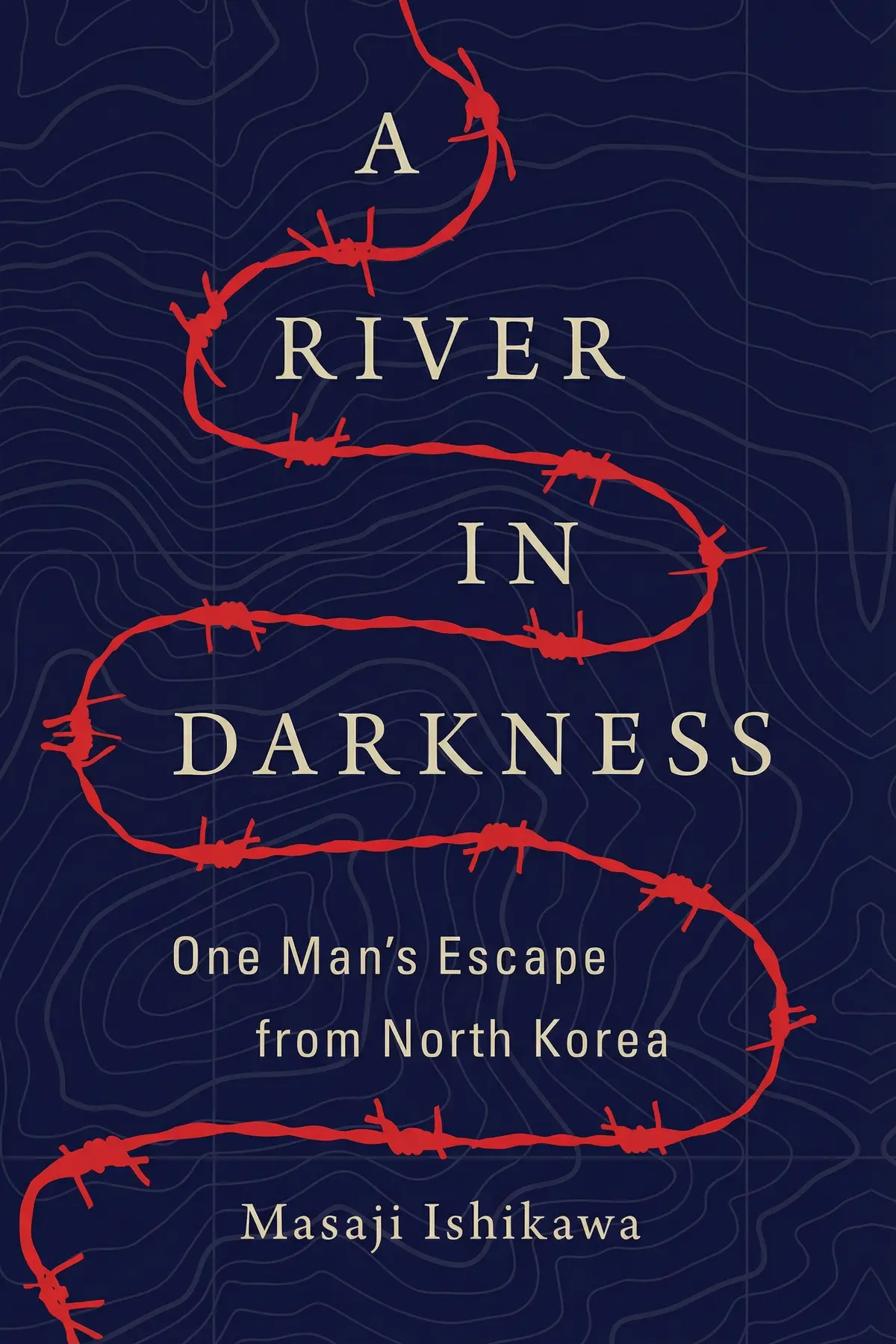
A River in Darkness: One Man’s Escape from North Korea
Masaji Ishikawa
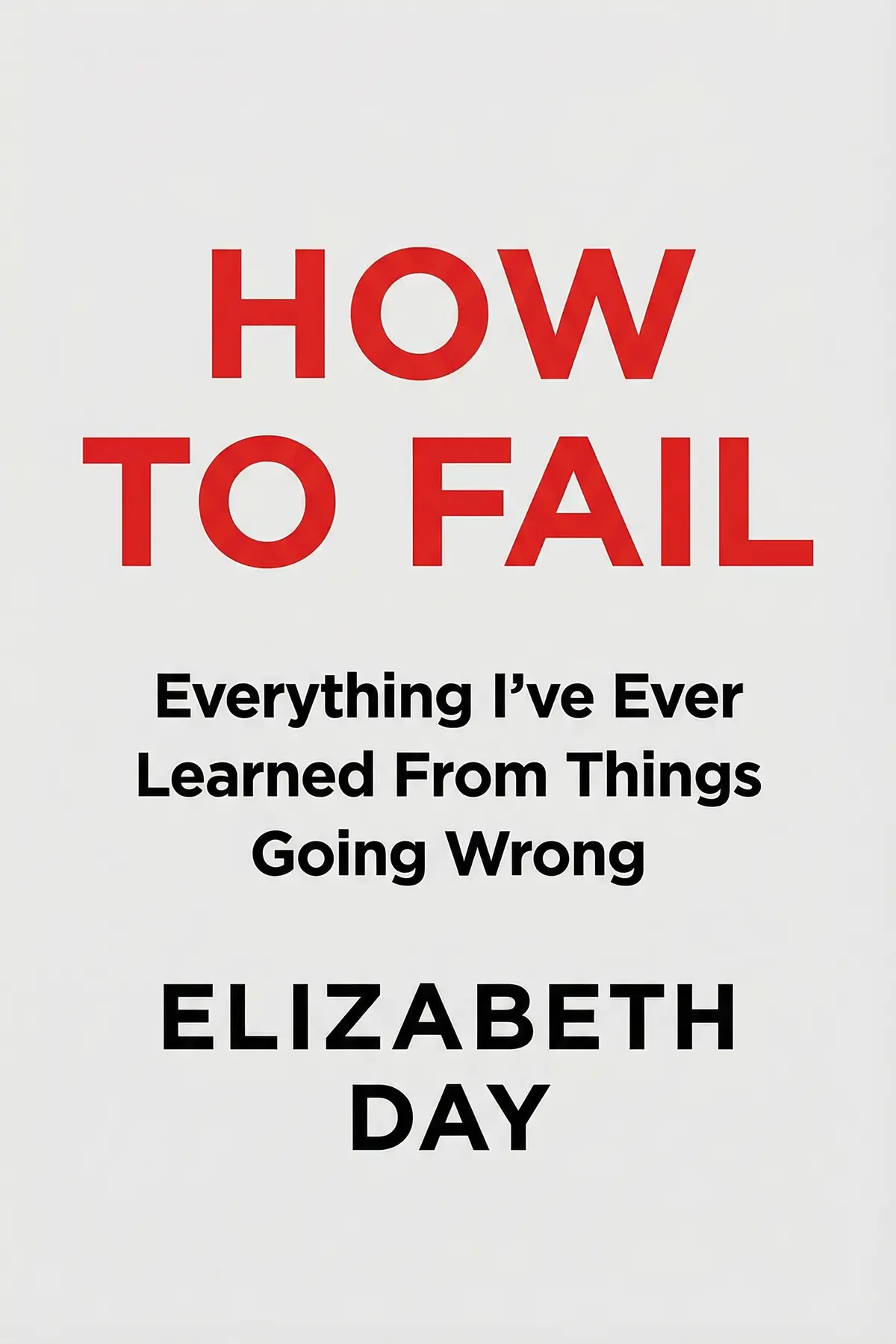
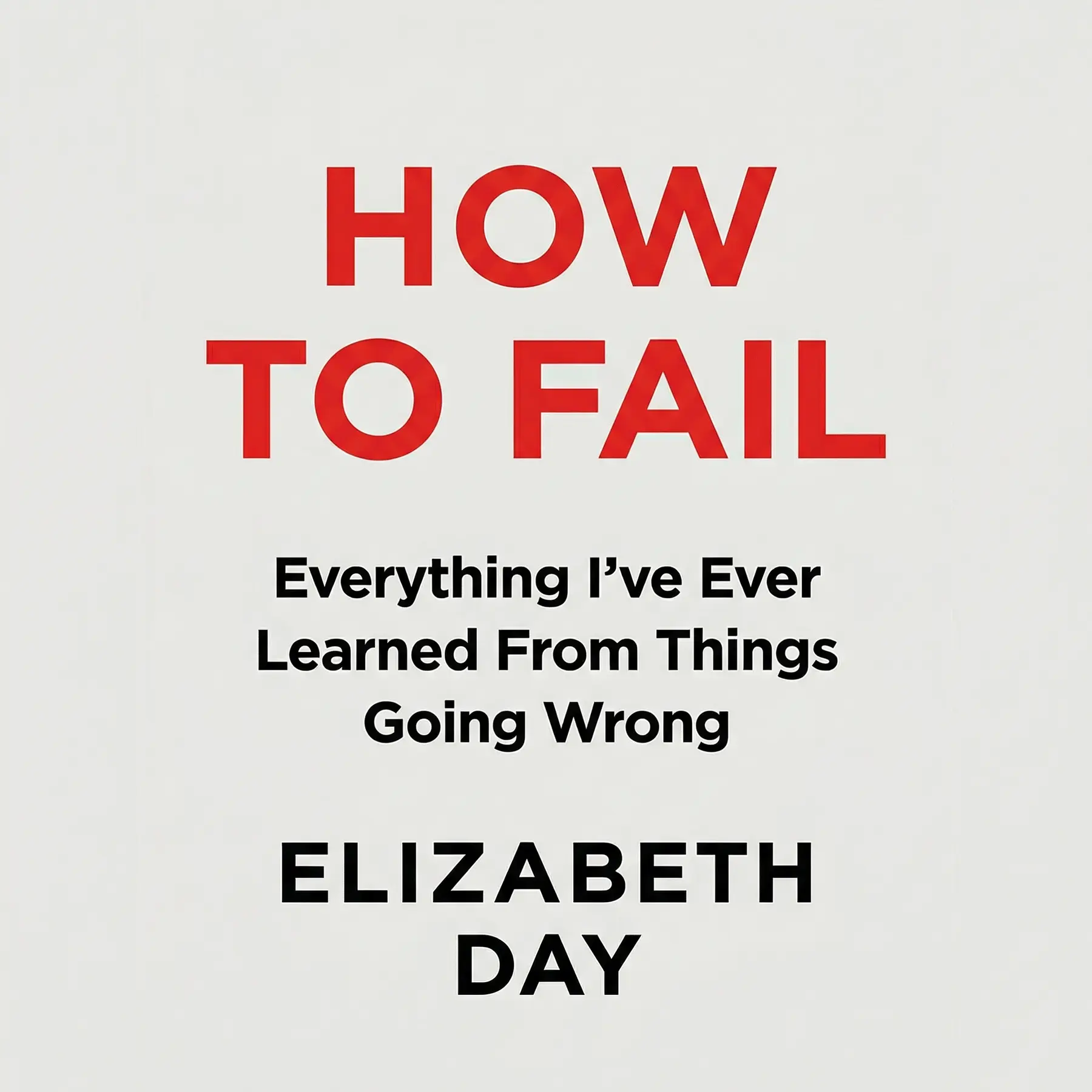
Elizabeth Day redefines failure not as an end, but as a vital teacher. Through personal stories and expert interviews, she explores how setbacks in career, love, and life pave the way for true resilience.
1 min 54 sec
We are often taught from a very young age that life is a ladder. We are told that if we study hard, get the right job, find the perfect partner, and hit all the traditional milestones, we will have ‘arrived.’ In this cultural narrative, failure is the monster under the bed. It is something to be avoided at all costs, a mark of shame, or a sign that we have somehow deviated from the ‘correct’ path. But what if this entire perspective is fundamentally flawed? What if failure isn’t the opposite of success, but rather the very engine that drives it?
This is the central premise we are exploring today. We’re looking at the insights of Elizabeth Day, who found herself at a crossroads in her thirties, realizing that many of the things she had been most afraid of—divorce, professional uncertainty, and the loss of social standing—had actually become her greatest teachers. By leaning into the discomfort of things going wrong, she discovered a profound truth: our mistakes reveal who we are far more clearly than our triumphs ever could.
Throughout this journey, we’re going to dismantle the stigma surrounding failure. We’ll look at how failing to fit in as a child can actually forge a powerful sense of identity. We’ll examine why the ‘messy’ years of our twenties are a developmental necessity rather than a waste of time. We’ll even dive into the high-pressure worlds of celebrity and professional success to see why even those at the top often feel like they are failing, and why that’s actually a healthy sign of humanity.
The throughline of our discussion is simple: resilience isn’t about never falling; it’s about the specific way you learn to pick yourself up. By the end of this summary, the goal is to help you reframe your own ‘wrong turns’ not as dead ends, but as the essential detours that make your life uniquely yours. Let’s begin by looking at the very first place many of us encounter the sting of failure: the struggle to belong.
2 min 26 sec
Discover how the childhood pain of being an outsider can actually become a superpower, providing you with unique tools for observation and a foundation for lifelong resilience.
2 min 16 sec
Setbacks in your early adult years are often the wake-up calls you need to shed entitlement and embrace the productive messiness of self-discovery.
2 min 14 sec
A broken relationship can be the most painful form of failure, yet it often serves as the catalyst for discovering your true self and ending the cycle of people-pleasing.
2 min 07 sec
Exploring the extreme lengths celebrities go to for beauty reveals the impossibility of ‘flawless’ standards and the freedom that comes from opting out of the perfection game.
2 min 10 sec
Friendships can be more complex and impactful than romantic bonds, and learning how to navigate their ‘failures’ is a key part of emotional maturity.
1 min 59 sec
Facing the biological ‘failure’ to conceive can be devastating, but it also offers a chance to challenge societal expectations and find fulfillment on a different path.
2 min 03 sec
Women have long been conditioned to suppress their anger, but reclaiming this ‘failure’ to remain calm can be a transformative force for personal and social change.
2 min 18 sec
Even the highest levels of fame and achievement can lead to a sense of emptiness, teaching us that true success is found in authenticity rather than external validation.
1 min 53 sec
As we reach the end of this exploration into the art of failing, it’s worth taking a moment to look back at the ground we’ve covered. We’ve seen how the very things we often try to hide—our childhood isolation, our ‘messy’ twenties, our broken hearts, and our professional setbacks—are actually the raw materials for a resilient and authentic life.
The central lesson of Elizabeth Day’s journey is that failure is not a destination. It is a signpost. When a relationship fails, it’s a signpost pointing you back to your own voice. When a career goal isn’t met, it’s a signpost asking you to redefine what you actually value. Even the ‘biological’ failures we face can become opportunities to challenge narrow societal scripts and find fulfillment in unexpected places.
Think about the throughline we established at the beginning. Resilience isn’t a fixed trait that some people have and others don’t. It is a practice. It is the result of repeatedly facing things that don’t go according to plan and choosing to see them as learning opportunities rather than personal indictments.
If there is one thing to take away from this, it is to be kinder to yourself in the midst of the ‘wrong turns.’ The next time something goes sideways, try to pause before the shame kicks in. Ask yourself: What is this moment trying to reveal about me? What am I learning here that I couldn’t have learned if everything had gone perfectly?
In the end, how you react to your mistakes is what determines the quality of your life. By embracing imperfection and letting go of the impossible standard of a ‘flawless’ journey, you open the door to a much richer experience. You move from a life of performing to a life of being. And in that shift, you discover that failing isn’t just an option—it’s the very path to becoming who you were always meant to be. Thank you for listening, and may your future failures be as productive and enlightening as your successes.
How to Fail is an exploration of the moments that break us and the wisdom they leave behind. Elizabeth Day, a journalist and podcaster, turns the traditional success narrative on its head by arguing that our greatest mistakes are actually our most significant growth opportunities. By examining her own life—from a difficult childhood to marital breakdown and fertility struggles—she provides a roadmap for navigating life’s inevitable disappointments. The book promises to shift your perspective on imperfection. It covers a wide spectrum of human experiences, including the pressure to fit in, the pain of broken friendships, the myth of celebrity perfection, and the reality of professional setbacks. Through these lenses, Day demonstrates that learning how to fail is actually the secret to living a more authentic and resilient life. It is an invitation to stop fearing the 'wrong' turns and start seeing them as the necessary components of a meaningful journey.
Elizabeth Day is a best-selling author and the host of the popular interview podcast How to Fail With Elizabeth Day. She is also an award-winning journalist, having been a staff writer at the Observer and subsequently contributing to the Telegraph, The Times and Harper’s Bazaar. Her novels include Scissors, Paper, Stone (2011), Home Fires (2013) and The Party (2017).
Listeners find the book’s investigation of failure to be comforting and delivered in a compelling, accessible manner. While some listeners suggest that certain examples lack relatability because of the writer's background, most value the transparency and wit displayed throughout the text. Further, they point to the unvarnished truth within the private anecdotes, as one listener remarked it was "the book I never knew I needed" for its encouraging view of life's hurdles. Additionally, listeners note that the mix of personal memoir and celebrity anecdotes offers a novel take on how disappointment can pave the way toward a more satisfying future.
This book felt like a warm hug during a very cold season of my life. Elizabeth Day writes with a beautiful, vulnerable cadence that makes you feel instantly less alone in your own messiness. The chapter on fertility and IVF was particularly raw and gut-wrenching, moving me to tears more than once. To be fair, I was already a fan of her podcast, but this written format allows for a deeper introspection. She captures the unique pain of the 'successful' woman who still feels like she is falling short of an invisible standard. While some might find her background a bit privileged, her emotional honesty is a universal currency. I finished it feeling significantly more at peace with my own past mistakes and missed opportunities. It is a rare thing to find a book that balances humor and heartbreak so perfectly. Truly, this is the book I never knew I needed until I turned the final page.
Show moreElizabeth Day has this incredible knack for making you feel seen through her own public admissions of failure. The chapter about failing at being Gwyneth Paltrow was surprisingly funny and hit home in a way I didn't expect. Look, we all struggle with the pressure to be perfect, and this book is a necessary antidote to that toxic culture. Her honesty regarding her 'big' boyfriend and the subsequent self-loathing was incredibly brave to put on the page. I appreciated how she framed her failed marriage as a learning experience rather than a life-ending tragedy. It’s a refreshing perspective in a society that usually only celebrates the highlight reels. The way she discusses her career trajectory—from the Observer to freelance life—is both inspiring and grounding for anyone feeling stuck. I’ve already recommended this to three of my closest friends. It really is a must-read for anyone who has ever felt like they weren't enough.
Show moreWow, what a refreshing and honest take on the things we usually try to hide from the world. I loved the way Elizabeth Day connects her childhood experiences to the woman she has become today. Her vulnerability is her greatest strength, and it makes the entire book feel like a conversation with a close friend. The quote about 'it’s the fucking sun' will stay with me for a long time as a reminder to keep things in perspective. I appreciated the blend of memoir and celebrity anecdotes because it shows that failure is a common thread for everyone. Even the most successful people we admire have faced moments of deep uncertainty and public embarrassment. This book teaches you that your mistakes do not define you, but rather they shape your future path. It is an eloquent, humorous, and deeply moving piece of writing that I will likely revisit. I cannot recommend it enough for anyone feeling a bit lost in their current circumstances.
Show moreFinally got around to reading this after binging the podcast and I was not disappointed by the transition to paper. The specific focus on her childhood in Northern Ireland during the conflict was fascinating and added a lot of context to her personality. It explains that lingering need to be liked and the fear of standing out that so many of us carry. I loved the blend of her personal stories with insights from people like Phoebe Waller-Bridge. Her writing style is approachable and witty, making even the heavier chapters on divorce feel manageable and even slightly optimistic. There are so many quotable moments scattered throughout the text that I found myself highlighting constantly. My only minor gripe is that some chapters felt a bit rushed compared to others. Despite that, the overall message about shifting our perception of success is incredibly powerful. It definitely encourages a more compassionate view of our own perceived shortcomings.
Show moreAfter listening to the audiobook, I can say that Day’s voice carries the same warmth in print as it does in my headphones. The structure of the book is clever, with each chapter tackling a different facet of life, from work to family. I found the section on 'failing' tests particularly reassuring, as I’ve always been a perfectionist who fears objective judgment. The writing is conversational and flows easily, making it a very quick and satisfying read. Truth is, her life is quite different from mine, yet the emotional beats of her story felt surprisingly familiar. I liked the inclusion of celebrity anecdotes, though they occasionally felt less impactful than her own raw experiences. The balance between her personal history and her interviews with notable figures is generally well-maintained throughout the narrative. It’s a solid four-star read that offers a lot of comfort to the anxious mind. You will likely find yourself nodding along with her more often than not.
Show moreWhile the writing is undeniably charming and polished, I found the book to be a strange hybrid of genres. It isn't quite a self-help guide, nor is it a full-blown autobiography, which might confuse some readers. That said, the humor and self-deprecating tone kept me engaged from the first chapter to the last. I particularly enjoyed the section on 'How to Fail at Your Twenties' because it felt so universally applicable. Day manages to capture that specific brand of youthful desperation to fit in while simultaneously wanting to be special. The celebrity interviews add a nice dimension, though they sometimes overshadow her own more compelling personal journey. I did appreciate her openness about her struggles with fertility, which felt like the most honest part of the book. It’s a light, understandable read that doesn't demand too much from you but offers some nice reflection. It would make a great gift for a friend going through a bit of a rough patch.
Show morePicked this up on a whim and was surprised by how much I resonated with the sections on fitting in. As someone who also moved around a lot as a child, her description of being a 'target' was very relatable. Day writes in an engaging style that makes for easy reading, even when she is tackling very difficult subjects. Not gonna lie, some of the celebrity examples felt a bit unnecessary and pulled me out of her personal story. However, the core message of the book is so important that I can easily overlook the minor flaws. It’s a great reminder to count your blessings and see setbacks as opportunities for growth rather than final endings. The way she reframes her divorce and career shifts is truly inspiring and offers a lot of hope. Whether you are a fan of her podcast or a total newcomer, there is something valuable to be found here. It’s a thoughtful exploration of what it means to be a person in the modern world.
Show moreFrankly, I expected a bit more substance from a guide that claims to teach us how to fail. It reads more like a personal memoir than a structured self-help book, which is fine if you enjoy that style. I found myself comparing it to Dolly Alderton’s work, as they both navigate the trials of womanhood with a similar flair. However, Day often seems to hold the reader at arm's length, remaining somewhat reserved despite the intimate subject matter. There were moments where her privilege felt like a barrier to true relatability for the average reader. For instance, quitting a job to go freelance or moving to France for a culture fix isn't exactly a universal safety net. The writing is undeniably light and engaging, yet I didn't walk away with any practical tools. It is a pleasant enough read for a weekend, but it lacks the grit needed for a transformative experience.
Show moreThe chapter on work was the only part of this book that truly resonated with me on a deep level. In that section, Day and her interviewees seemed to actually grasp the positive lessons that come from professional setbacks. For the rest of the book, it felt like she was trying too hard to make her successes look like failures. Getting a novel published and winning awards doesn't exactly scream 'failure' to those of us in the real world. Personally, I found the tone a bit too narcissistic at times, as if the whole world was conspiring against her. It’s well-written in terms of style, but the substance didn't always match the lofty promises of the title. If you want a fun memoir about a successful journalist, you will probably enjoy this quite a bit. Just don't go into it expecting a roadmap for dealing with actual, life-altering catastrophes. It’s a decent enough read, but it didn't change my life.
Show moreTo be fair, I struggled to finish this because the author's definition of failure felt incredibly narrow and somewhat out of touch. When your biggest 'failures' involve landing prestigious journalism jobs right out of university, it’s hard for the average person to relate. I wanted to learn how to be okay with failing in ways that actually derail a life. Instead, this felt like a list of minor inconveniences experienced by someone with a very thick safety net. The book often reads like a long-form response to people she felt had wronged her in the past. It lacked the raw authenticity I found in similar memoirs by authors like Dolly Alderton. While the chapter on work had some decent insights, the rest felt like a collection of celebrity-adjacent complaints. I didn't find the 'happy ending' philosophy to be particularly convincing or grounded in reality. There are better books out there on resilience that don't rely so heavily on privilege.
Show moreMasaji Ishikawa
Deepak Chopra
Ben Macintyre

James Shapiro


Ben Macintyre
AUDIO SUMMARY AVAILABLE
Get the key ideas from How to Fail by Elizabeth Day, plus 5,000+ more titles in English and Thai.







