
21 min 02 sec
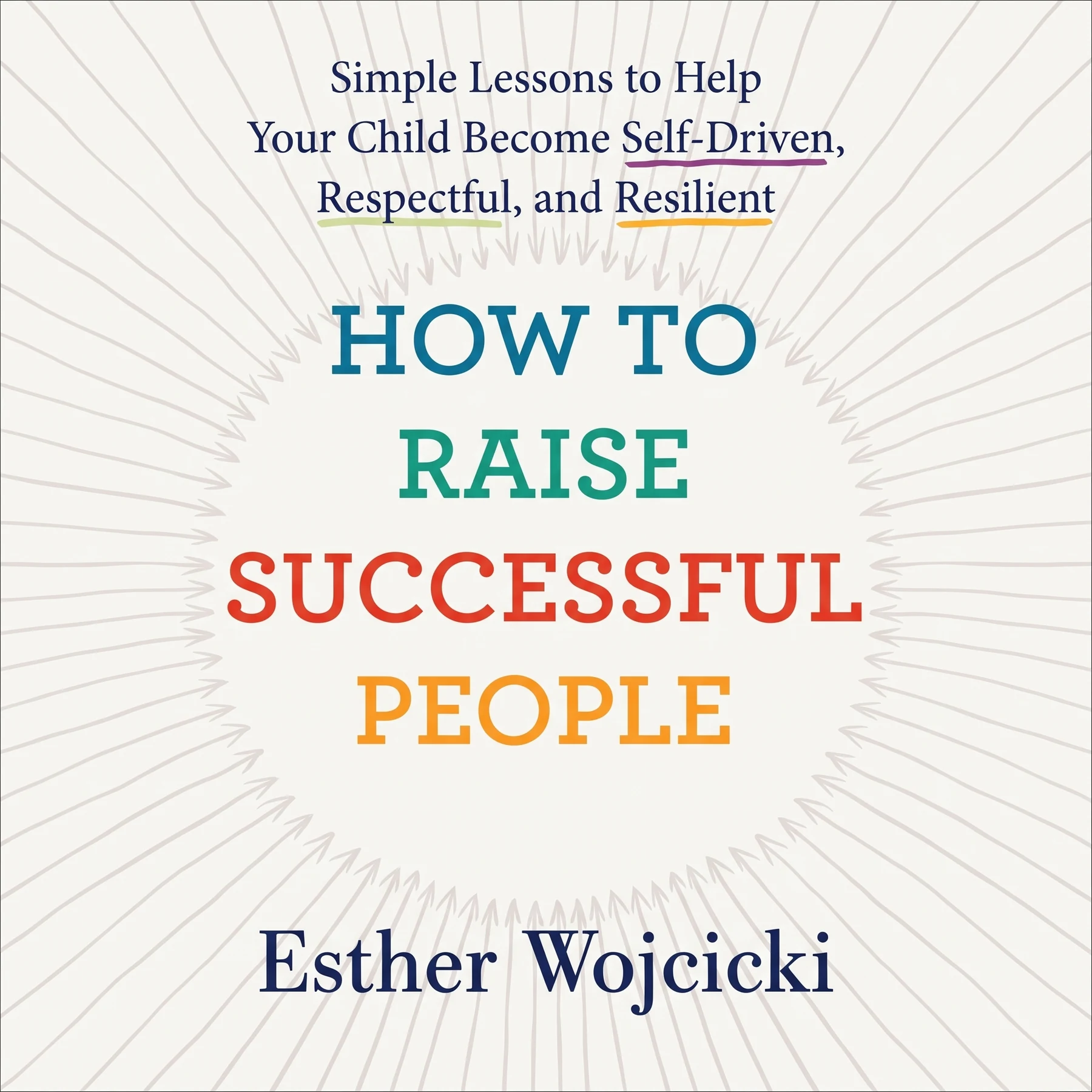
How to Raise Successful People: Simple Lessons to Help Your Child Become Self-Driven, Respectful, and Resilient
Discover a transformative parenting philosophy centered on trust, respect, and independence. Learn how to move away from micromanagement to help children become self-reliant, compassionate, and successful members of a modern, complex world.
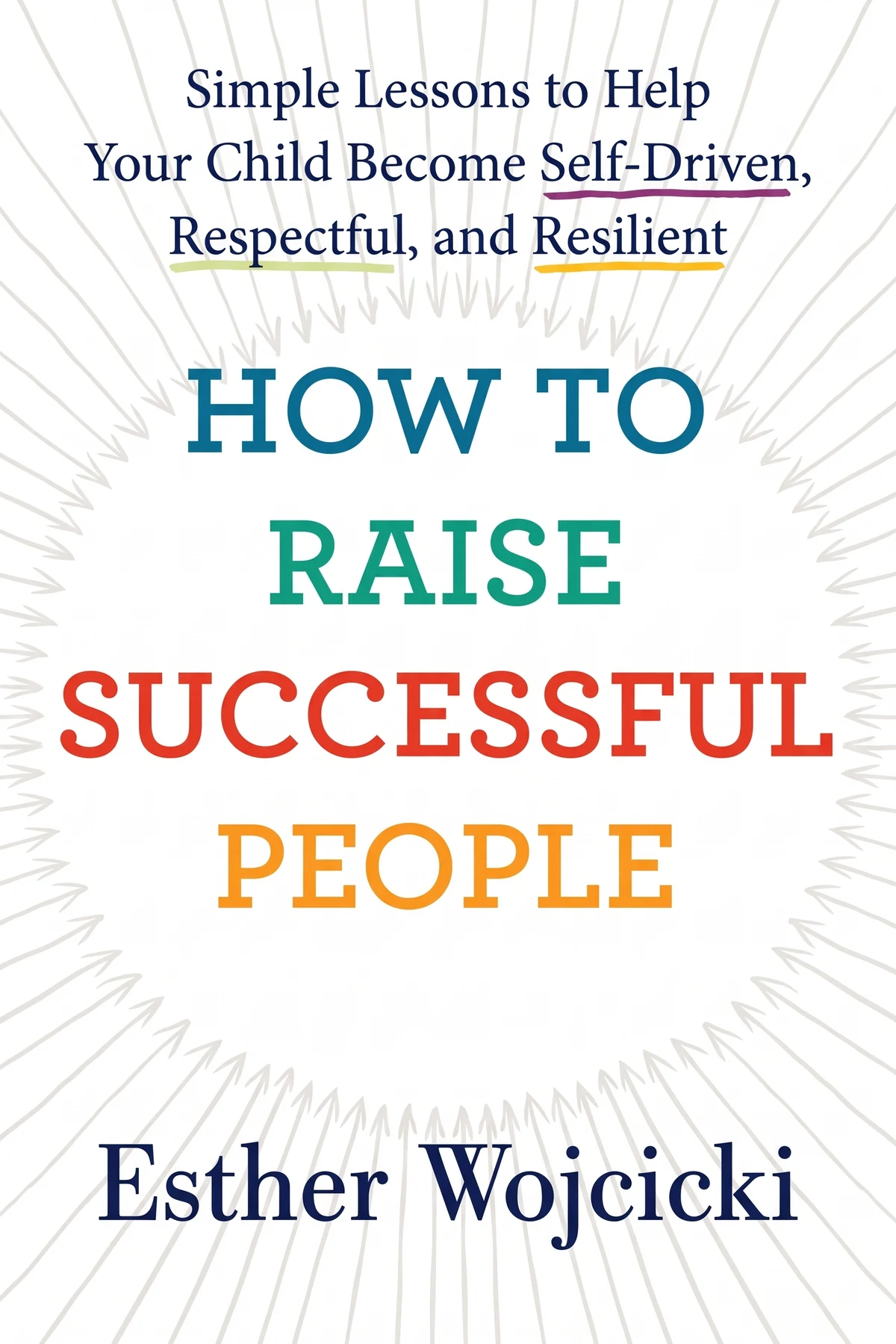
Table of Content
1. Introduction
2 min 08 sec
In the current era, parents are often overwhelmed by a relentless tide of advice. Every day, a new study or a trending strategy suggests a different way to optimize a child’s development. However, much of this modern guidance shares a common, perhaps unintentional, theme: it encourages parents to act as managers of their children’s lives, focusing intensely on milestones, grades, and extracurricular dominance. This high-pressure environment can often lead to a focus on achievement at the expense of a child’s emotional well-being and genuine self-reliance. This is where the perspective of Esther Wojcicki offers a necessary shift in direction.
Wojcicki’s philosophy isn’t about creating the perfect resume for a toddler; it’s about the fundamental values that allow a person to thrive in any environment. She draws on her decades of experience as a mother to successful daughters and as a veteran educator to argue that we have moved too far away from basic human virtues like trust, respect, and independence. When she was starting her journey as a parent in the 1960s, the resources were scarce, yet she found that a focus on building a child’s character was more effective than the micromanagement we see today.
In this exploration, we aren’t just looking at how to make kids ‘successful’ in the traditional sense of wealth or status. Instead, we are looking at how to foster the ‘radical results’ of raising happy, independent, and accountable adults who can lead themselves. We will delve into why the way we were raised matters, how the breakdown of trust in society impacts our parenting, and why the ‘helicopter’ approach might be doing more harm than good. The goal is to understand how to become the steady, supportive foundation our children need to build their own lives, rather than trying to build those lives for them. Through this throughline of empowerment, we can see that the most impactful thing a parent can do is often to step back and trust the person they are raising. Let’s begin by looking at how our own history shapes the way we guide the next generation.
2. The Legacy of Upbringing
2 min 36 sec
Explore how the patterns of our own childhood influence our parenting today and why being intentional about what we keep—and what we discard—is essential for growth.
3. Restoring the Foundation of Trust
2 min 22 sec
In an age of increasing social anxiety, discover why trusting your child’s capabilities is the most vital gift you can give their self-esteem.
4. The Dangers of Disregarding Autonomy
2 min 27 sec
Learn why respecting a child’s unique path is not just a kind gesture, but a critical factor in their long-term mental health and family connection.
5. Nurturing Grit and a Growth Mindset
2 min 35 sec
Understand the true components of long-term success: how persistence and a healthy view of failure outweigh innate talent.
6. The Power of Collaborative Parenting
2 min 28 sec
Discover why moving beyond ‘because I said so’ to a partnership model can foster responsibility and better decision-making in children.
7. Prioritizing Kindness Over Competition
2 min 18 sec
Uncover the hidden costs of helicopter parenting and why raising an empathetic child is more important than raising a high-achiever.
8. The Science and Practice of Gratitude
2 min 21 sec
Learn how the simple act of being thankful can improve mental health and how to practically instill this habit in the next generation.
9. Conclusion
1 min 47 sec
The journey of raising a successful person is not a series of maneuvers to be mastered, but a relationship to be nurtured. Throughout this exploration of Esther Wojcicki’s philosophy, a clear throughline has emerged: the most impactful thing we can do for our children is to treat them with the trust and respect we wish to see in the world. By letting go of the need to manage every detail and instead focusing on building a foundation of independence, collaboration, and kindness, we allow our children to become the best versions of themselves.
Success, in this context, is defined far more broadly than academic or professional status. It is the ability to navigate failure with grit, to treat others with genuine compassion, and to live with a sense of purpose and gratitude. We have seen that this begins with our own self-reflection—leaving behind the baggage of our own upbringing to model the behavior we want to see. It continues through the daily practice of collaboration, where we work with our children rather than just commanding them.
As a final takeaway, remember that your actions speak much louder than your words. If you want a child who is resilient and kind, you must model resilience and kindness in your own setbacks and interactions. When your child faces a hurdle at school or in their social life, take it in stride. Show them how to analyze the problem calmly and move forward with a positive outlook. Our children are looking to us as the blueprint for how to handle the world. By trusting them to find their own way—while standing by as a supportive, respectful partner—you are giving them the ultimate toolkit for a truly successful life. Now, the next time you feel the urge to step in and take over, take a breath, step back, and trust the process.
About this book
What is this book about?
This summary explores a refreshing alternative to the high-pressure parenting styles common in today’s society. Instead of focusing on constant surveillance and academic achievement at any cost, the core philosophy emphasizes the development of a child's character through a framework of trust and mutual respect. It challenges the prevailing culture of helicopter parenting, suggesting that when we give children the room to fail, choose, and contribute, they develop the grit and resilience necessary for true success. Listeners will learn how to navigate the delicate balance between providing structure and allowing autonomy. By examining the impact of childhood experiences, the role of collaboration, and the importance of kindness, this summary provides a blueprint for raising individuals who are not only high achievers but also well-adjusted and empathetic. It offers practical insights into how simple shifts in communication and parental attitude can lead to radical results in a child's confidence and life trajectory.
Book Information
About the Author
Esther Wojcicki
Esther Wojcicki is an acclaimed journalist and educator known for her innovative pedagogical methods. She is the mother of three successful daughters, including top Silicon Valley executives Susan and Anne Wojcicki. As the founder of the Media Arts Program at Palo Alto High School, her teaching strategies have been implemented by educational institutions globally. Her contributions to education were recognized in 2002 when she was honored as the California Teacher of the Year.
Ratings & Reviews
Ratings at a glance
What people think
Listeners find this parenting guide to be an effortless read packed with useful tips, with one listener noting how it uses real-world examples to bolster its concepts. Listeners appreciate the book's tempo, with one highlighting the author's relatable experiences, while others emphasize its focus on encouraging children's self-reliance. Listeners value the book’s usefulness, with one mentioning its potential for daily use, and its significance, with one calling it highly applicable. The work earns praise for its hopeful outlook and the caliber of its stories.
Top reviews
Somsri
This book doesn't just offer high-level theories; it provides a roadmap for daily interactions with your children that feels manageable and wise. I loved the emphasis on treating kids like capable human beings from a very young age, rather than just projects to be managed. The TRICK acronym is a bit of a marketing gimmick, but the underlying values are exactly what I want to instill in my own household. To be fair, the section where she discusses divorce felt remarkably out of touch and judgmental, which was a jarring shift from the 'kindness' she preaches elsewhere. I almost put the book down there, but I'm glad I pushed through to the end for the insights on grit and resilience. The pacing is excellent, and the anecdotes from her journalism classroom provide great real-world evidence for her theories. It’s a solid addition to the parenting shelf if you can filter out the fluff.
Show moreNatalie
Wow, I wish I had this book twenty years ago when my kids were just toddlers and I was constantly doubting every decision I made. Wojcicki has a way of cutting through the noise and focusing on what truly matters: the human connection between parent and child. The stories about her daughters—Anne, Susan, and Janet—are inspiring, though I understand why some readers might find the success stories a bit overwhelming. I found the focus on 'Kindness' to be particularly moving, as it’s often overlooked in favor of academic achievement in most parenting manuals. The pacing is quick, making it a perfect weekend read for busy parents who don't have time for dense psychological tomes. It’s a very practical book that focuses on the character of the child rather than just their resume. This is exactly the kind of optimistic, common-sense approach the world needs more of right now.
Show moreSuthinee
Why wouldn't you want to learn from the woman who raised three of the most successful women in modern American business? This book offers a fascinating glimpse into the Wojcicki household and the radical (at the time) trust she placed in her young children. I was especially captivated by the story of her daughter quitting a preschool she didn't like at age three; it perfectly illustrates the 'Independence' pillar. Some might call it bragging, but I see it as providing proof of concept for a framework that clearly produces results. The advice is highly applicable to any parent who wants their child to become a leader rather than a follower. It’s rare to find a book that balances professional success with such a strong emphasis on being a good, kind human being. I’ve recommended this to several friends already because the message of empowerment is just so vital.
Show moreTong
Finally got around to reading 'Woj's' manual for the next generation, and I’m mostly impressed by the optimistic tone. The TRICK framework—Trust, Respect, Independence, Collaboration, and Kindness—is deceptively simple yet profoundly difficult to execute in our current age of over-parenting. I particularly resonated with the sections on fostering independence, as it's so easy to accidentally stifle our kids' growth by doing too much for them. Truth be told, the constant name-dropping of Silicon Valley icons like Steve Jobs felt a little unnecessary and took me out of the moment. However, the core message about letting children take the lead in their own lives is something every modern parent needs to hear. It’s an easy read that manages to feel both like a memoir and a practical guide. Even if you don't live in a Palo Alto bubble, the lessons on building a foundation of trust are universally applicable for any family.
Show moreAey
The chapter on grit really hit home for me as a middle school teacher who sees students crumbling under pressure every single day. Esther’s classroom experiences are actually my favorite part of the book, as they show how these principles work outside of a traditional family dynamic. It’s encouraging to see a teacher who empowers her students to take risks and even fail occasionally, which is a rare perspective in our testing-obsessed culture. Not gonna lie, some of the personal stories about her daughters felt a little repetitive, and I could have done with a shorter biography at the beginning. But the advice on collaboration is gold, especially the idea that parents should work with their kids rather than just dictating to them. It’s an optimistic read that makes you feel like you can actually make a difference in a child’s trajectory. I’ve already started implementing more 'trust' exercises with my own kids at home.
Show moreLadawan
After hearing about 'the Woj' for years, I was curious if her method actually translated to the average household without a Silicon Valley zip code. What I discovered was a surprisingly accessible guide that focuses more on the parent's mindset than the child's behavior. The 'Collaboration' section was a standout for me, offering practical ways to resolve conflicts without resorting to old-school authoritarianism. While some of the name-dropping felt a little forced (did we really need to know about every famous student?), the core message about letting kids be kids is wonderful. It’s a very optimistic book that encourages you to step back and let your children surprise you with their own capabilities. The writing is straightforward and the chapters move quickly, which I appreciated. It's not a perfect book—some parts feel dated or slightly out of touch—but the central pillars of TRICK are worth integrating into any family's life.
Show moreTariq
As a parent who struggles with helicoptering tendencies, I found the core principles here incredibly grounding and helpful for my daily routine. Esther’s focus on trust is a refreshing departure from the fear-based parenting advice that seems to dominate the bestseller lists these days. She makes a compelling case for giving children more agency, even when it feels uncomfortable for us as the adults in the room. Look, I’ll admit the frequent mentions of her daughters' massive corporate success can feel a bit like a humble-brag after a while. It’s hard to ignore the level of privilege involved when your neighbors are world-class mathematicians and tech billionaires. Still, if you can look past the Silicon Valley sheen, there is a wealth of actionable advice regarding kindness and collaboration. It helped me realize that success isn't just about a paycheck; it's about the kind of person your child becomes.
Show moreTen
While the TRICK acronym is a bit cheesy, the sentiment behind it is undeniably powerful and surprisingly easy to implement in everyday life. I appreciate how the author emphasizes that we need to trust our kids more, especially in an era where we are constantly tracking their every move. The book provides a lot of 'aha' moments, particularly regarding the way our own childhood traumas can influence how we treat our offspring. In my experience, most parenting books are too academic, so Esther’s anecdotal and conversational style was a welcome change of pace. However, the editing could have been a lot tighter; there are several sections that feel like they belong in a memoir rather than a guidebook. I also found the name-dropping of high-profile tech figures to be a bit distracting and at times, totally irrelevant to the point being made. It's a 3-star read for the content, boosted by the genuine passion the author clearly feels for her students.
Show moreMilk
It’s hard to take parenting advice from someone who seemingly started the game of life on third base without acknowledging that head start. While I agree with the TRICK method in theory, the book often feels like an extended exercise in self-congratulation rather than a scientific guide. She discusses raising her daughters in a high-income environment where resources were plentiful, yet she presents her results as if they were solely the product of her philosophy. The writing style is also a bit disjointed; for a journalism teacher, I expected much tighter prose and fewer repetitive stories about her students. Frankly, the constant name-dropping of celebrities like James Franco served no purpose other than to remind the reader of her social circle. I found the chapter on independence useful, but overall, it felt like I was listening to a wealthy neighbor brag at a dinner party. There are better, more research-based books on grit and autonomy out there.
Show moreBrooklyn
To be fair, Esther Wojcicki has clearly done something right, but the delivery of her message is frequently grating and lacks a certain self-awareness. I struggled to get past the first hundred pages of biographical filler, which felt more like a resume than a helpful introduction to a parenting method. The TRICK framework itself is fine, though it largely rehashes ideas that authors like Lenore Skenazy have covered with more humor and less elitism. My biggest gripe is how she overlooks the massive role that her socioeconomic status played in her daughters’ 'success'—it’s a lot easier to be an independent kid in Palo Alto. The tone is often preachy, and her views on family structures that don't look like hers are incredibly narrow-minded. If you’re looking for a book that treats parenting like a list of corporate values to be managed, you might like this. Personally, I found it lacked the warmth and nuance required for such a complex subject.
Show moreReaders also enjoyed

AUDIO SUMMARY AVAILABLE
Listen to How to Raise Successful People in 15 minutes
Get the key ideas from How to Raise Successful People by Esther Wojcicki, plus 5,000+ more titles in English and Thai.
- 5,000+ titles
- Listen as much as you want
- 7-day free trial
- Cancel anytime







