
14 min 08 sec
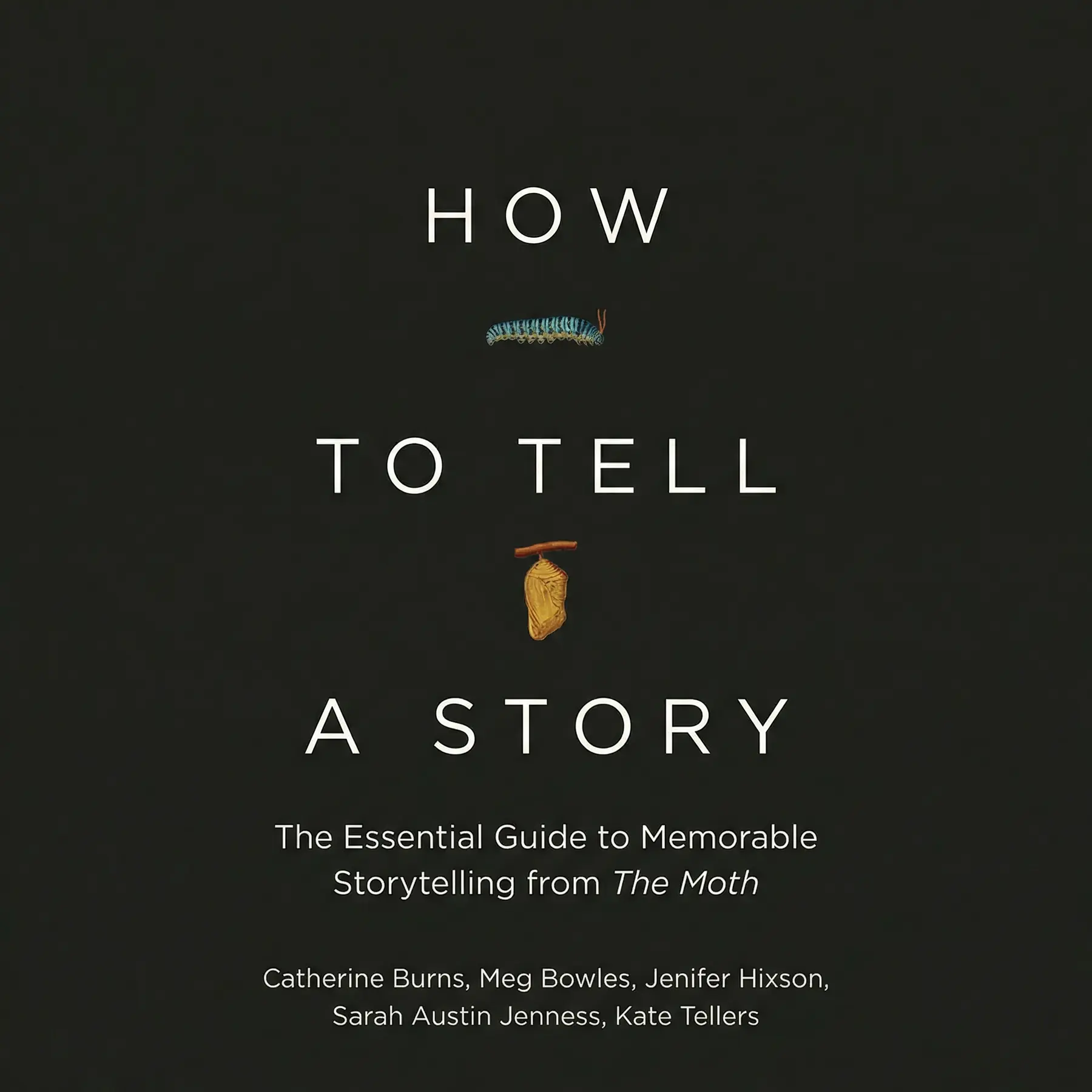
How to Tell a Story: The Essential Guide to Memorable Storytelling from The Moth
Learn the essential techniques for crafting and performing authentic personal stories. Drawing from decades of experience at The Moth, this guide reveals how to transform private memories into universal narratives that foster deep connection.
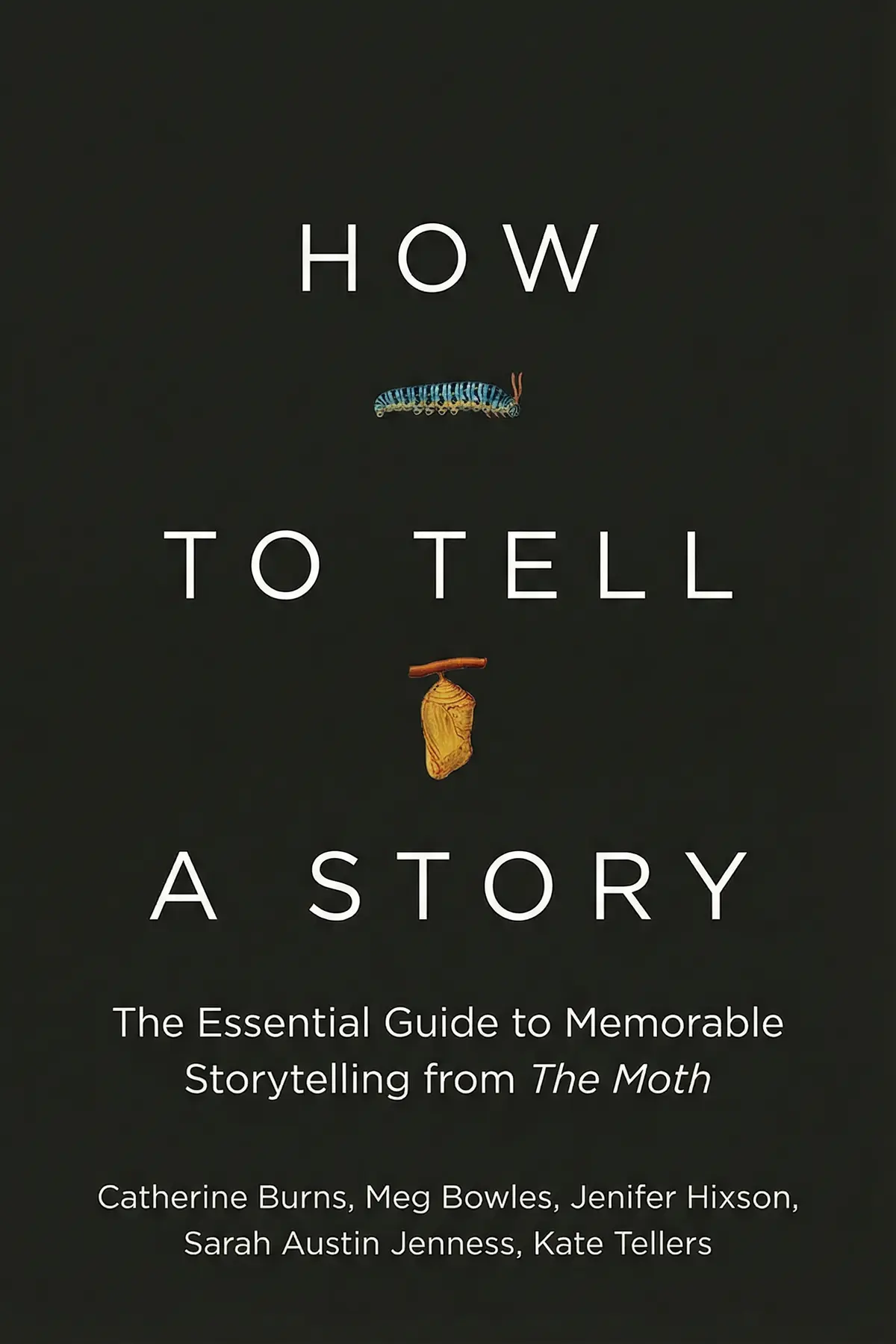
Table of Content
1. Introduction
1 min 24 sec
Every one of us is a walking library of experiences, yet many of us feel we lack the tools to turn those experiences into something others would want to hear. We often believe our lives are too ordinary or our voices too quiet. But what if the secret to a great story wasn’t about the size of the adventure, but the depth of the honesty? This is the central question we explore today.
Since 1997, a movement began in a simple New York City living room that would eventually change how millions of people communicate. That movement, known as The Moth, was built on a simple yet profound premise: that everyone has a story worth telling, and that when we share those stories without interruption or artifice, we create a sanctuary of human connection. The directors and producers who have spent decades shepherd these stories from the private heart to the public stage have now codified their wisdom.
In this journey, we are going to look at the anatomy of a compelling narrative. We’ll see why truth is your most powerful asset and why vulnerability is the bridge to empathy. We aren’t just looking at how to entertain a crowd; we are looking at how to discover the transformative arc of your own life. Whether you are preparing for a stage, a job interview, or a dinner with friends, the throughline here is clear: by learning to shape your personal truths, you unlock a universal language that can move hearts and change minds. Let’s dive into the essential architecture of storytelling.
2. The Power of the Truthful Arc
2 min 31 sec
Discover why the most impactful stories require more than just facts; they demand a personal transformation and clear stakes that keep your audience invested in the outcome.
3. Mining Memories for Narrative Gold
2 min 16 sec
Learn how to sift through your past to find the defining moments that are ripe for storytelling by identifying high-stakes turning points and distilling them into a single, focused sentence.
4. Building the Scaffolding of a Story
2 min 21 sec
Understand the structural components of a great narrative—from scenes and summaries to reflections—and how to use sensory details to bring your internal world to life.
5. Mastering the Launch and the Landing
1 min 55 sec
Learn the importance of a strong opening hook and a meaningful conclusion that provides resolution without being overly pedantic, ensuring your story stays with the audience long after you finish.
6. Authentic Delivery and the Empathy Bridge
2 min 12 sec
Explore why the best stories are told, not read, and how this raw form of communication can be used to foster deep understanding in schools, workplaces, and beyond.
7. Conclusion
1 min 29 sec
As we wrap up our look at the art of narrative, it’s clear that storytelling is far more than a performance skill. It is a way of seeing the world and our place within it. We’ve explored how the foundation of a great tale lies in the raw honesty of personal truth, the necessity of stakes, and the power of transformation. We’ve seen how to mine our own lives for those golden moments of change and how to build a structure that carries an audience from a curiosity-piquing launch to a resonant landing.
The throughline of all this advice is simple: your story is a bridge. By moving away from scripts and memorization toward an authentic, map-based delivery, you invite others to truly see you. This vulnerability is the key to empathy. Whether you use these tools to stand on a stage, to better understand your own past, or to foster connection in your professional life, you are participating in a tradition that is as old as the human race.
Remember, you don’t need an extraordinary life to tell an extraordinary story. You just need the courage to look at your own experiences with honesty and the craft to share them with intention. There is a world of listeners out there, waiting to be moved, inspired, and connected. So, take a moment to look back at your own ‘stepping stones.’ Find that one sentence that captures a shift in your world, and start building. Your story is ready to be told.
About this book
What is this book about?
Have you ever wondered why some stories leave an audience breathless while others fall flat? This exploration into the art of narrative dives deep into the philosophy and methodology of The Moth, the world-renowned storytelling organization. It provides a comprehensive roadmap for anyone looking to share their life experiences with impact, moving from the initial spark of a memory to the final, resonant closing line. The book promises to demystify the process of storytelling by breaking it down into manageable, actionable steps. You will learn how to identify the high-stakes moments in your own life, how to structure a narrative for maximum emotional payoff, and how to deliver that story without the crutch of a script or notes. Beyond mere performance, it offers a vision of storytelling as a tool for empathy and social change, showing how personal truth can bridge the gaps between us in classrooms, boardrooms, and on the global stage.
Book Information
About the Author
Catherine Burns
The authors are the creative leadership of The Moth. Meg Bowles, Catherine Burns, and Jenifer Hixson are senior directors and longtime hosts of The Moth Radio Hour, having shaped hundreds of stories for the Mainstage and launched the StorySLAM series. Sarah Austin Jenness is an executive producer who founded the Global Community Program. Kate Tellers is a senior director and host who has designed storytelling workshops for major organizations like Nike, Google, and the US State Department. Together, they represent the world’s leading experts in the craft of live, personal narrative.
Ratings & Reviews
Ratings at a glance
What people think
Listeners find that this guide offers fantastic storytelling advice and makes for an immersive experience. They value how effective the speaking strategies are, while one listener highlights the book's role in building stronger communities. The title earns praise for its broad appeal, with one review mentioning performances for live audiences, and listeners appreciate the inspiring content, including one listener who was motivated to attend a Moth event. Opinions on the aspect of authenticity remain mixed.
Top reviews
Kevin
Picked this up after years of listening to the podcast during my morning commute, and it did not disappoint. While the physical book is lovely, I opted for the audio version, and listening to the authors explain their craft felt like a warm embrace. They break down the mechanics of story arcs and the power of a perfect ending line with such clarity that it makes the daunting task of public speaking feel achievable. Truth is, some of the illustrative snippets were so raw that I found myself doing an 'ugly cry' in the middle of a grocery store aisle. It is more than just a manual; it’s a motivational guide for anyone wanting to capture the hearts and minds of their listeners. If you want to connect deeper with your community or just give a killer wedding toast, this is the gold standard.
Show moreSai
The section on crafting a compelling introduction completely changed how I approach my public speaking engagements. I’ve always struggled with how to start without sounding clunky, but the Moth team provides incredible examples of how to hook an audience instantly. This book is outstanding because it doesn't just tell you what to do; it shows you the emotional weight behind every choice. The focus on vulnerability and 'showing not telling' is vital. In my experience, most business books are dry, but this was deeply engaging and felt very authentic to the spirit of live performance. It’s a must-read for anyone who wants to speak with more confidence and heart. Highly recommend the chapters on tenses—they seem minor but make a massive difference in how a story lands!
Show moreChatri
Wow. This was an absolute masterclass in the art of vulnerability. I've been a fan of The Moth for years, but reading about the 'behind-the-scenes' work that goes into those five-minute stories gave me a whole new level of respect for the performers. The book is full of heart and provides such a clear roadmap for anyone looking to share their truth. I was caught blindsided by some of the example snippets—they really know how to pick stories that pack an emotional punch. Whether you're preparing for a big presentation or just want to connect better with your family, the lessons here on authenticity and structure are invaluable. It’s the kind of book that makes you want to go out and live a story worth telling. Truly inspiring!
Show moreHarper
Ever wonder why some people can hold a room in the palm of their hand while others just... can't? This book attempts to peel back the curtain on that mystery by focusing on the 'Moth Method' of personal narrative. I found the tips on verb tenses and the 'stakes' of a story particularly helpful for my own work presentations. To be fair, I occasionally felt frustrated by the brevity of the example stories, as I wanted to hear the full performance rather than just a few lines. However, the overall message about building stronger communities through shared vulnerability is incredibly powerful. It definitely inspired me to look for a live storytelling event in my city. A solid, engaging read for anyone looking to improve their verbal communication skills.
Show moreNam
As a teacher who usually tells stories from textbooks or religious parables, I wasn't sure if a guide on personal memoirs would actually be useful. I don't often think of my own life as 'interesting' enough for a stage. However, this book got me thinking differently about my own experiences. The authors emphasize that you don't need a grand adventure to have a story; you just need a moment of change. I appreciated the practical tips for toasts and eulogies, which are often the most stressful stories we ever have to tell. It’s a bit repetitive in the middle sections, but the motivational tone kept me turning the pages. I'm actually starting to jot down some of my own 'little' moments now, which is a big win for me.
Show morePot
Gotta say, I was skeptical about a 'how-to' for something as innate as talking about your life, but the structure here is brilliant. The authors break down the 'Moth Method' into digestible pieces that anyone can use, whether you're heading to a poetry slam or just trying to be more engaging at dinner parties. I loved the emphasis on finding the 'why' behind your story. It’s an engaging read that manages to be both practical and deeply emotional at the same time. While it gets a little repetitive regarding their specific brand of narrative, the effectiveness of their techniques is undeniable. My only minor gripe is that it feels very geared toward a specific live audience format, but the core lessons are universal. Definitely worth your time.
Show moreRodrigo
Finally got around to finishing this and it’s a great companion for anyone who wants to attend a Moth event or just be a more effective communicator. The book provides great tips for storytelling that feel actionable immediately. I particularly liked the advice on how to handle difficult emotions without losing the audience. It feels like the authors are right there coaching you through your nerves. To be honest, I found some of the transitions between chapters a bit clunky, but the content itself is gold. It’s helped me think about my own past in a more structured way. If you’ve ever felt like your life was too boring for a story, this book will prove you wrong. It’s all about the arc!
Show moreSuphan
This book offers some truly solid advice on how to structure a narrative, but the execution felt a bit fragmented to me. The authors provide a handful of helpful tips, yet they are annoyingly dispersed throughout long stretches of text. I was expecting a more clinical breakdown or perhaps a 'before and after' comparison to see how their coaching actually transforms a rough draft into a masterpiece. Instead, we get tiny snippets of past Moth stories that feel incomplete. Personally, I think the advice is reasonable and the tone is encouraging, but the book functions more as a collection of mini-memoirs than a streamlined textbook. It’s a good listen if you have time to kill, but it might leave more analytical readers wanting more substance and less fluff.
Show moreNora
After hearing a lot about this guide in my local writing group, I had high hopes, but I'm left feeling a bit conflicted. On one hand, the authors clearly know their stuff and have curated a beautiful legacy of storytelling over the years. On the other hand, the book is mainly 'tell' instead of 'show.' They talk about what makes a story great but don't provide enough full-length examples to illustrate the point effectively. It’s frustrating to read a three-sentence snippet and then be told why it worked without seeing the context of the whole five-minute performance. Still, the advice is sound and the tone is casual and accessible. It works better as a supplementary guide for fans of the show than as a standalone instructional manual for beginners.
Show moreChanon
Not what I expected, and to be fair, it felt a bit too clinical for an art form that should be natural and organic. I grew up in a place where storytelling was the fabric of our daily lives—told over coffee or while fixing a fence—and this 'Moth Method' feels like those stories have been analyzed and coached to death. The experts here seem hell-bent on a very specific, polished type of narrative that feels more like a performance than a genuine conversation. Look, the advice on story arcs sounds fine, but the constant focus on 'prescripted' moments made the whole process feel manufactured. It lacks the authenticity of a story told simply because it needs to be told, not because it was workshopped by a non-profit group. It just didn't resonate with my experience of how humans actually connect.
Show moreFeatured in
Readers also enjoyed
AUDIO SUMMARY AVAILABLE
Listen to How to Tell a Story in 15 minutes
Get the key ideas from How to Tell a Story by Catherine Burns, plus 5,000+ more titles in English and Thai.
- 5,000+ titles
- Listen as much as you want
- 7-day free trial
- Cancel anytime







