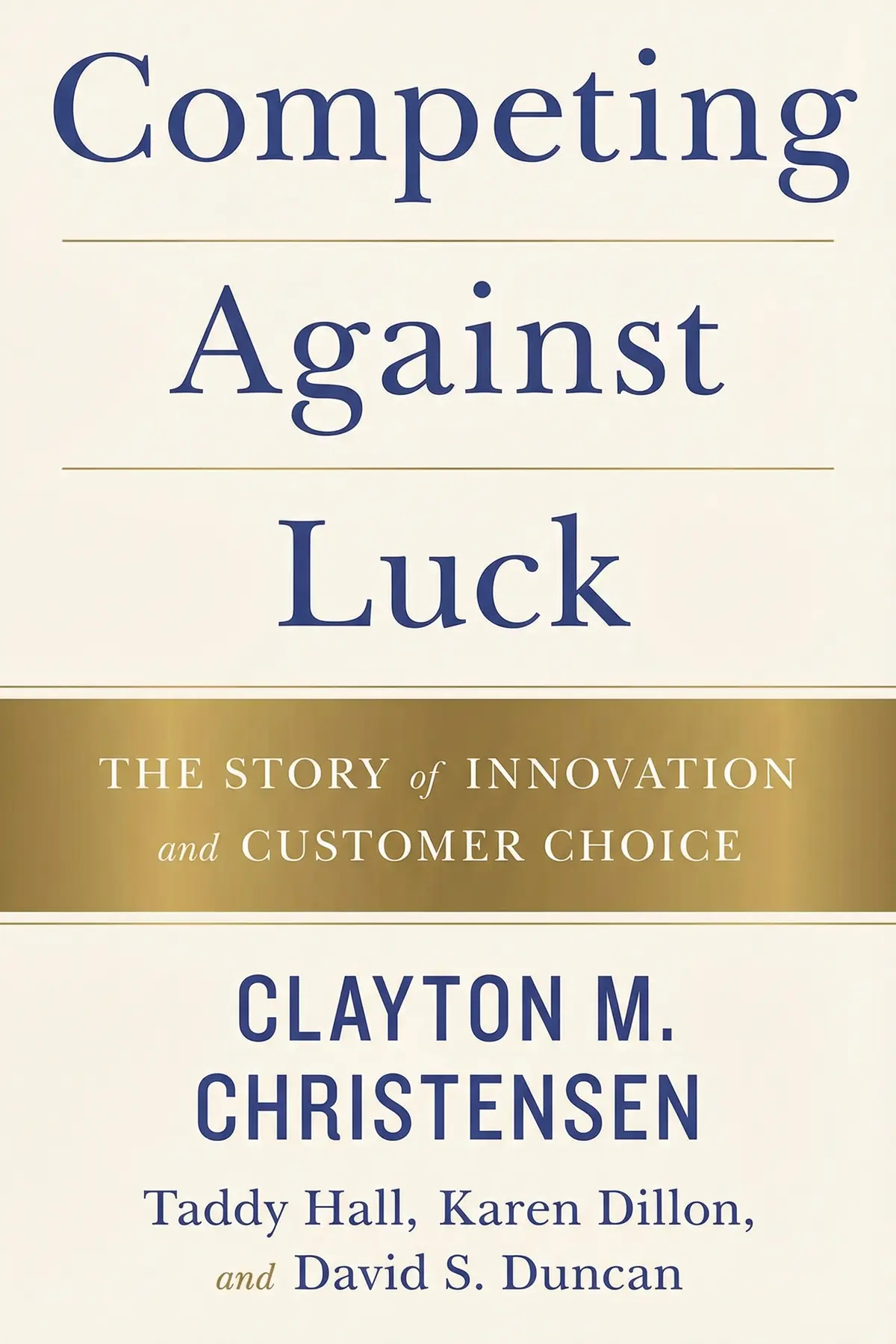
Competing Against Luck: The Story of Innovation and Customer Choice
Clayton M. Christensen
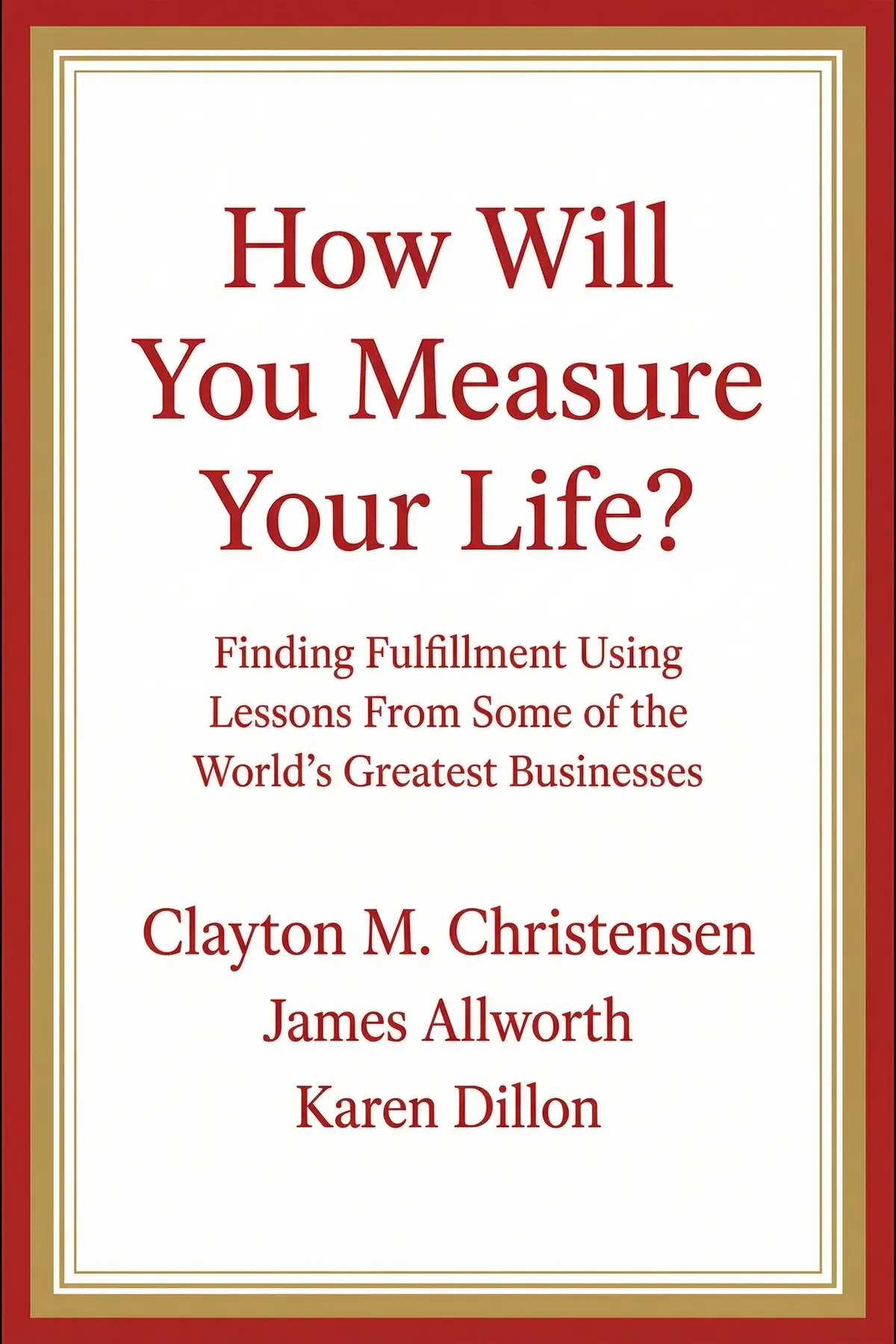
Explore how to apply rigorous business theories to your personal life to achieve professional success, lasting happiness, and unwavering integrity through the lens of Harvard professor Clayton M. Christensen’s influential framework.
1 min 46 sec
Have you ever looked at people who seem to have everything—the high-powered career, the prestigious title, the massive paycheck—only to discover that behind the scenes, their personal lives are in shambles? It is a startlingly common phenomenon. We often assume that the skills required to build a successful company are entirely different from the skills needed to build a happy life. But what if that assumption is wrong?
Clayton M. Christensen, a renowned expert on business innovation and a professor at Harvard Business School, spent his career helping organizations navigate change and achieve greatness. However, he noticed a disturbing trend among his high-achieving peers: many of them were graduating into world-class careers only to end up divorced, estranged from their children, or even facing legal trouble. This observation led to a profound realization: the very strategies that help a business thrive can also be applied to the human experience.
In this exploration, we aren’t just looking at how to get a promotion or increase a profit margin. We are looking at a much more significant metric. We are asking how you can ensure that, at the end of the day, you look back and feel that your life was a success by your own deepest standards. We will explore the throughline that connects professional drive with personal contentment. You will learn how to shift your focus from short-term rewards like prestige and money toward the lasting satisfaction of meaningful work and strong relationships.
Through the lens of business theory, we’ll see why some of the most famous companies failed and how those same mistakes are mirrored in our personal choices. We’ll look at the hidden dangers of the “just this once” mentality and why the way you spend your time on a Tuesday afternoon might be the most important strategic decision you ever make. This isn’t just about work-life balance; it’s about using clear-eyed strategy to create a life of integrity and joy.
2 min 25 sec
Discover why the traditional view of incentives fails to keep us happy and how understanding the difference between maintenance factors and true motivators can transform your career path.
2 min 26 sec
Explore the dynamic relationship between your long-term plans and the surprising shifts that can lead to greater success if you remain flexible enough to pivot.
2 min 17 sec
Learn how the way you spend your time and energy today determines the person you will become tomorrow, and why we often accidentally neglect what matters most.
1 min 58 sec
Understand the hidden paradox of family and friendships: they need your attention most when they seem to need it the least.
2 min 22 sec
Learn how to use empathy and intuition to figure out what the people in your life actually need from you, rather than what you think they want.
2 min 09 sec
Why protecting your children from failure might be holding them back, and how to create an ‘autopilot’ for values that guides them when you aren’t around.
2 min 29 sec
Understand how the logic of ‘just this once’ can destroy a business and a life, and why it is actually easier to stay true to your values 100% of the time.
1 min 42 sec
As we look back at the lessons from business and apply them to our own journey, the throughline becomes clear: a successful life is the result of intentionality. We have seen that happiness doesn’t come from the external trappings of success like money or prestige, but from the internal satisfaction of meaningful work and the deep, enduring strength of our relationships. We have learned that we must be the masters of our own resource allocation, ensuring that our time and energy are spent on the things that will matter most in the long run.
Living a fulfilling life requires the courage to pivot when a better path emerges and the wisdom to recognize that our families are our most important “customers.” It requires us to empower our children by letting them struggle and to build a family culture that acts as a moral compass. And perhaps most importantly, it requires us to guard our integrity with everything we have, resisting the seductive pull of marginal thinking and the “just this once” trap.
The most important takeaway is that you are the architect of your own life strategy. You don’t have to wait for a crisis to start making better choices. You can start today by looking at your calendar and asking yourself if your schedule reflects your true values. You can start by having a conversation with a loved one to find out what “job” they really need you to do.
Ultimately, the measure of your life won’t be found in your bank account or your professional awards. It will be found in the people you’ve helped, the character you’ve built, and the love you’ve shared. By applying the rigor of business strategy to the tenderness of the human experience, you can create a life that is not only successful in the eyes of the world but deeply rewarding in your own heart. Choose your strategy wisely, invest your resources with purpose, and never compromise on the person you know you were meant to be.
This summary provides a profound look at how the principles of business strategy can be used to build a more meaningful life. It moves beyond the typical advice of career coaching to address the fundamental question of how to allocate your most precious resources—time and energy—to ensure long-term fulfillment. Listeners will learn why high-earning professionals often find themselves unhappy and how to avoid the same traps. By applying theories on motivation, resource allocation, and strategic pivots, the book offers a roadmap for balancing a demanding career with deep, lasting family relationships. It promises a guide for anyone seeking to live with purpose and maintain their values in a world focused on short-term gains.
Clayton M. Christensen was a highly regarded author and the Kim B. Clark Professor at Harvard Business School, known for his work on innovation. James Allworth is a graduate of Harvard Business School and was recognized as a Baker Scholar. Karen Dillon is an American investigative journalist, a former editor of the Harvard Business Review, and was honored as one of the world's most influential and inspiring women in 2011.
Clayton M. Christensen

Clayton M. Christensen
Clayton M. Christensen
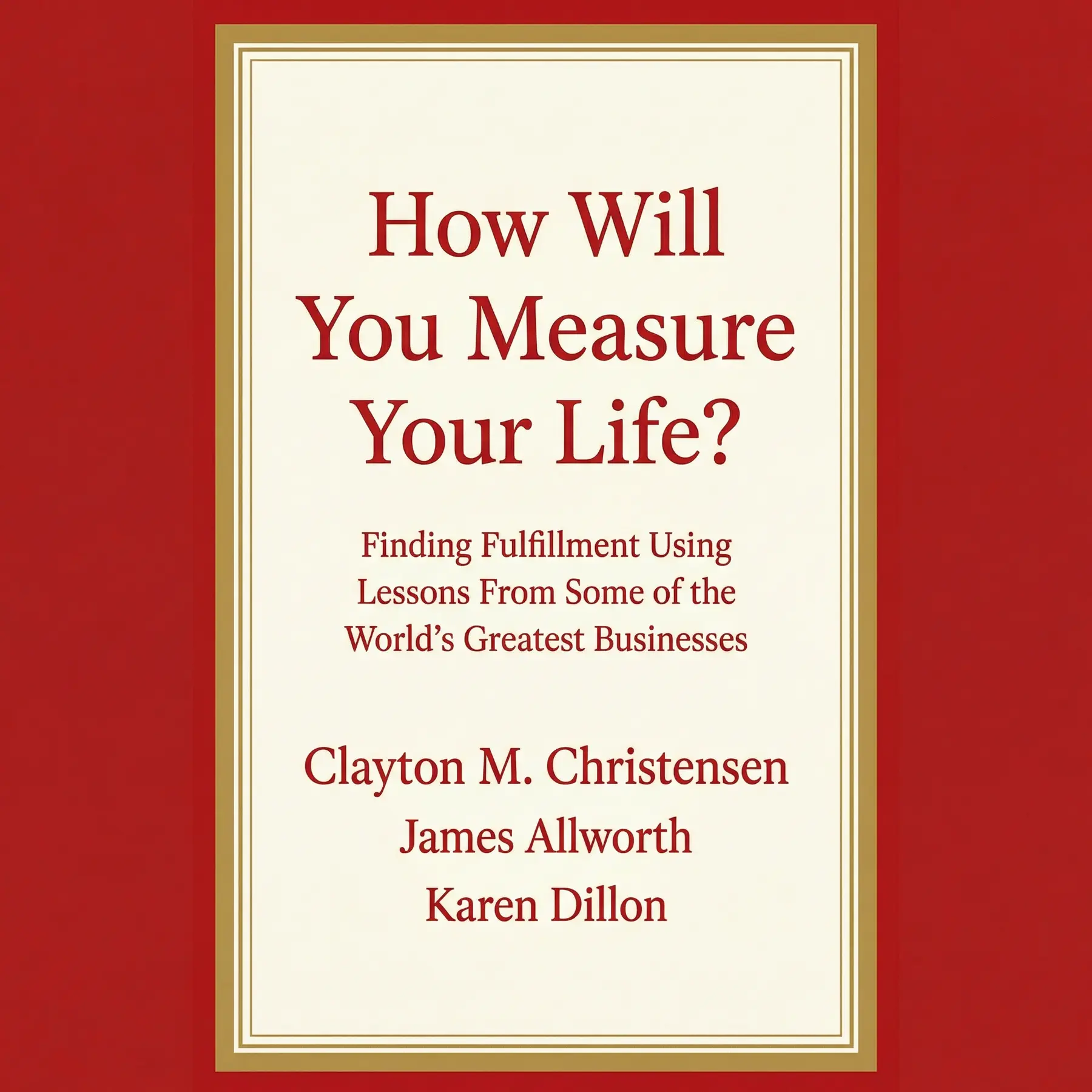
Listeners consider this title a brisk and effective read that delivers impactful takeaways from corporate theory and useful tips for leading a more meaningful life. Furthermore, it skillfully combines private experiences with management frameworks, sparking contemplation and aiding listeners in reordering their life goals. Listeners praise the narrative approach, with one specifically highlighting that it's not over-reach and over-written, and they prize its ability to guide them toward lasting contentment and psychological health.
Finally got around to reading this after seeing it on every 'must-read' list for years, and it actually lived up to the hype. Christensen’s core argument—that we should apply the same rigorous strategy to our personal lives as we do to our businesses—is profoundly convicting. I found the section on 'marginal thinking' particularly striking; the idea that 'just this once' is a slippery slope to losing your integrity is a warning everyone needs to hear. Truth is, we often spend our energy on whoever screams the loudest, neglecting the quiet importance of family and long-term health. The writing is clear, avoiding the typical fluff found in self-help, and the personal anecdotes about his own health struggles add a layer of raw authenticity. It’s a short read, but the implications for how you allocate your time and resources are massive. I've already started re-evaluating my daily 'metrics' for success.
Show moreThis book found me at the exact moment I needed it. I’ve been struggling with the feeling that I’m constantly busy but never actually moving toward the person I want to be, and Christensen’s framework for 'Likeness, Commitment, and Metrics' provided the structure I was missing. Not gonna lie, the section on how we accidentally build a family culture through our daily actions—whether we intend to or not—was a bit of a wake-up call. We often prioritize the immediate rewards of work because they are measurable, while neglecting the long-term investment of relationships because the 'payoff' is decades away. Christensen’s vulnerability regarding his own failures and his faith makes the advice feel earned rather than preached. It’s a beautiful blend of management theory and deeply human wisdom that I plan to revisit every year.
Show moreAfter hearing Christensen speak years ago, I knew his approach to life would be as rigorous as his approach to business, and this book did not disappoint. The most impactful takeaway for me was the concept that it is easier to hold to your principles 100% of the time than it is to hold to them 98% of the time. That 2% 'marginal' exception is where everyone’s character begins to crumble. The writing is remarkably clear and lacks the ego often found in books by famous professors. He doesn't give you the answers; instead, he gives you the tools to ask better questions about your own path. It’s a rare non-fiction book that manages to be both intellectually stimulating and emotionally resonant. Whether you're a CEO or a stay-at-home parent, there is something deeply profound to be found in these pages.
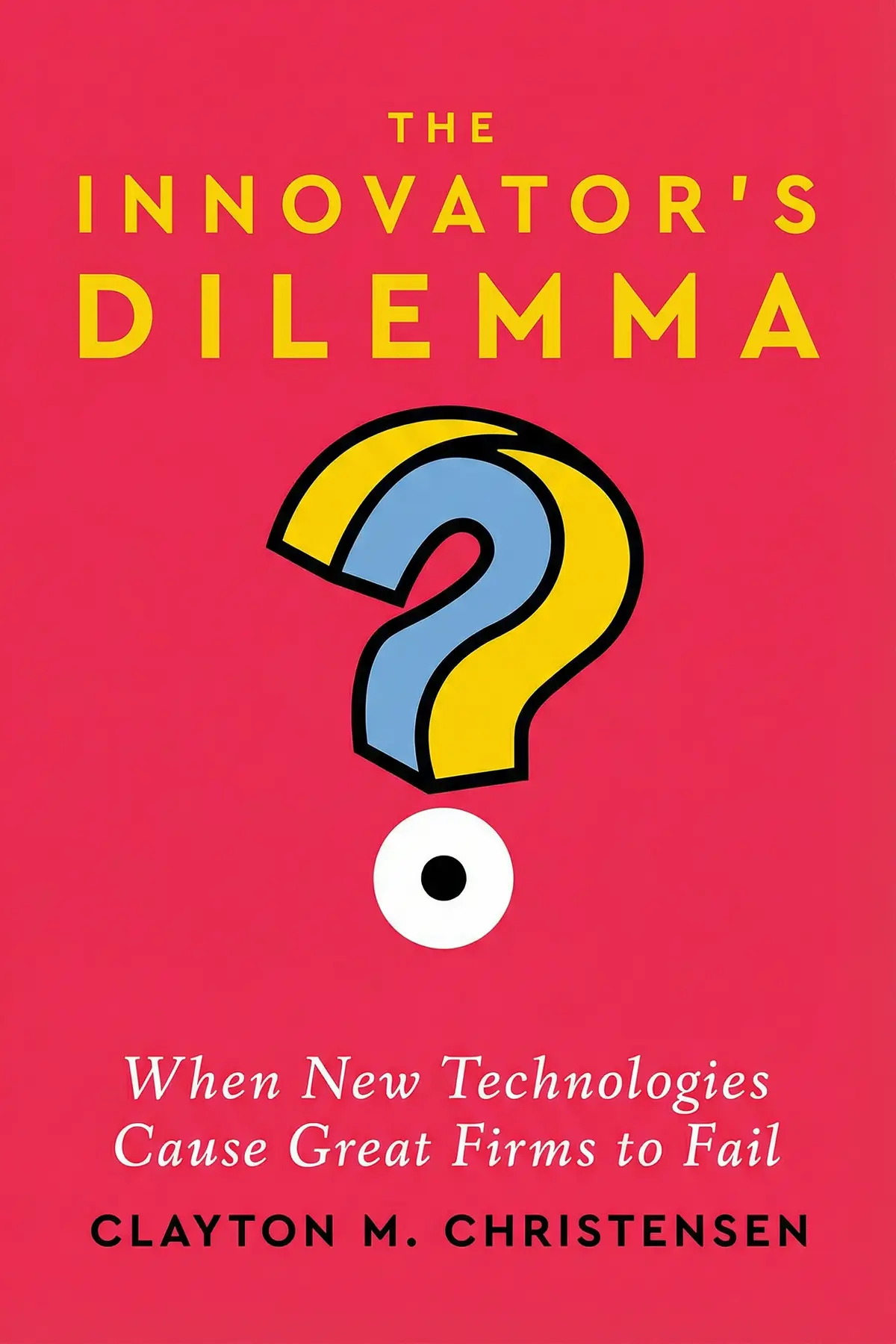
Show moreWow, I didn't expect a business book to make me tear up, but the vulnerability Christensen shows here is really something else. He wrote this while facing his own mortality, and that urgency is felt on every page. The way he applies 'The Innovator's Dilemma' to personal life is genius—we often fail in our personal lives for the exact same reasons successful companies fail: we over-invest in the short-term and ignore the disruptive long-term shifts. It’s a convicting read that forces you to look at your calendar and see if your 'strategy' actually matches your stated values. I loved the focus on building a deliberate culture within the home. It’s not just a book for business people; it’s a book for anyone who wants to look back on their life without a list of avoidable regrets.
Show moreAs a business major, I was initially skeptical about a professor trying to 'fix' my personal life using corporate frameworks, but the parallels are surprisingly robust. The distinction between hygiene factors like compensation and true motivation factors like personal growth really changed how I view my current job search. Frankly, I realized I’ve been chasing status while ignoring the work that actually brings me fulfillment. My only minor gripe is that if you've read a lot of Harvard Business Review articles, some of the theories like 'emergent strategy' will feel like a bit of a retread. However, applying these concepts to marriage and parenting—specifically the danger of 'outsourcing' your children's development to extracurriculars—was a fresh and necessary perspective. It’s a thoughtful guide for anyone trying to avoid the trap of a successful career and a hollow home life.
Show moreThe chapter on the 'job' your family needs you to do was a total lightbulb moment for me. Instead of just assuming I knew what my partner wanted, I started looking at our relationship through the lens of 'what am I being hired to do in this life?' It sounds cold, but it actually fosters incredible empathy. The authors do a great job of explaining why so many high achievers end up unhappy: they apply all their best resources to things that provide immediate feedback, like a promotion, while starving their relationships. I did feel the book leaned a bit heavily on Christensen's LDS background toward the end, which might not resonate with everyone, but the universal truths about integrity and purpose are undeniable. It's a quick, punchy read that challenges your priorities without being over-written or preachy.
Show moreEver wonder why people who seemingly 'have it all' end up miserable? This book explores that paradox with surgical precision. Christensen uses the theory of 'good money vs. bad money' to explain why we fail to invest in our children until it's too late. The idea that you can't just 'outsource' the development of your kids' values to teachers or coaches really hit home. While I found some of the business examples a bit dated (mentioning Barings Bank, for instance), the underlying principles are timeless. Personally, I would have liked more depth on how to handle the 'emergent' phases of life when everything goes wrong, but the guidance on staying true to your 'likeness' is excellent. It’s a grounded, practical guide that avoids the 'woo-woo' of typical self-help while still touching on the heart of what matters.
Show moreTo be fair, I initially picked this up for career advice, but I walked away more concerned about my home life culture. The authors argue that if you don't consciously create a culture in your family, one will be created for you—and you probably won't like it. That hit me hard. The prose is simple and direct, which I appreciated; it felt like a conversation with a wise mentor rather than a lecture. I did find the transition between business theories and personal stories a bit jarring at times, but the logic usually held up. It’s a sobering reminder that our most important 'investments' don't always show a return in the next quarter. If you're feeling unfulfilled despite 'doing everything right,' this book will likely show you exactly where your resource allocation has gone off the rails.
Show moreLook, I appreciate the sentiment behind Christensen’s writing, especially considering his battle with cancer, but some of this felt like common sense dressed up in fancy terminology. Do we really need a business theory to tell us that we should spend more time with our kids? The 'milkshake' analogy for understanding the 'job' your spouse needs you to do was clever, but at times the business metaphors felt a bit forced. In my experience, life is messier than a case study from a classroom. That said, the chapter on avoiding the 'marginal cost' mistake in your personal ethics was quite powerful. It’s a decent, quick read that might be life-changing for a workaholic who has lost their way, but for others, it might just feel like a collection of nice reminders. It's a solid effort, just not the revolutionary text I was expecting.
Show moreIs it just me, or is this basically just a series of Harvard Business Review articles stitched together with some Sunday school anecdotes? I found the 'theories' he claims to advance to be mostly self-evident truths that didn't need 200 pages of business-speak to explain. For instance, the idea that you should be open to unexpected opportunities (emergent strategy) is hardly a breakthrough. The way every single human interaction must have an echoing parallel in the corporate world felt mentally straining after a while. I found the tone to be a bit condescending, as if the author is the first person to ever discover that money doesn't buy happiness. If you enjoy over-analyzing your life through the lens of middle-management, you’ll love it, but for me, it was a disappointing exercise in stating the obvious.
Show more
William B. Irvine
Andrew D. Thompson
Deepak Chopra
Robin Ryan
AUDIO SUMMARY AVAILABLE
Get the key ideas from How Will You Measure Your Life? by Clayton M. Christensen, plus 5,000+ more titles in English and Thai.