
8 min 13 sec
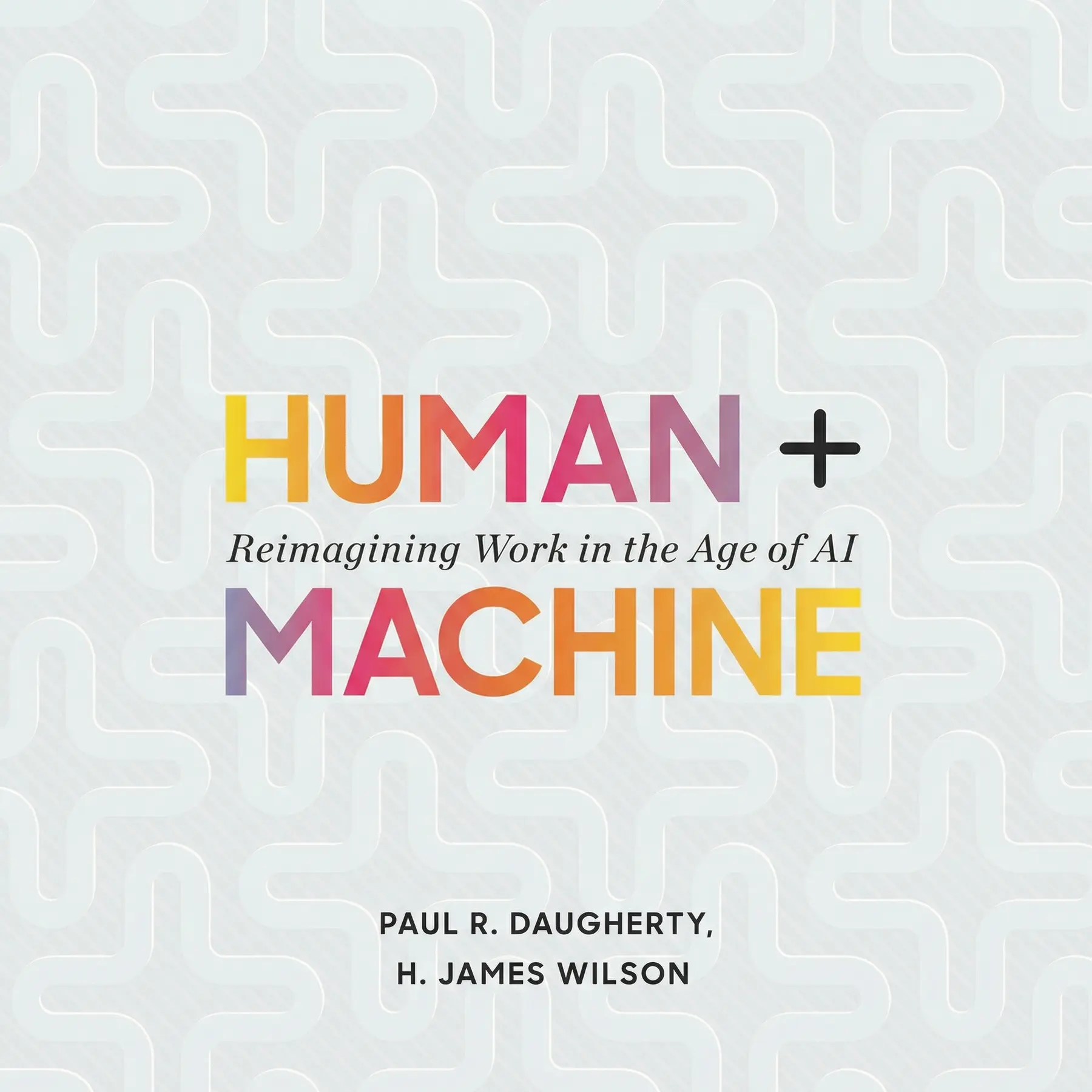
Human + Machine: Reimagining Work in the Age of AI
Human + Machine explores how artificial intelligence is transforming the workforce by creating a collaborative partnership between human intuition and machine efficiency to drive unprecedented innovation and business growth.
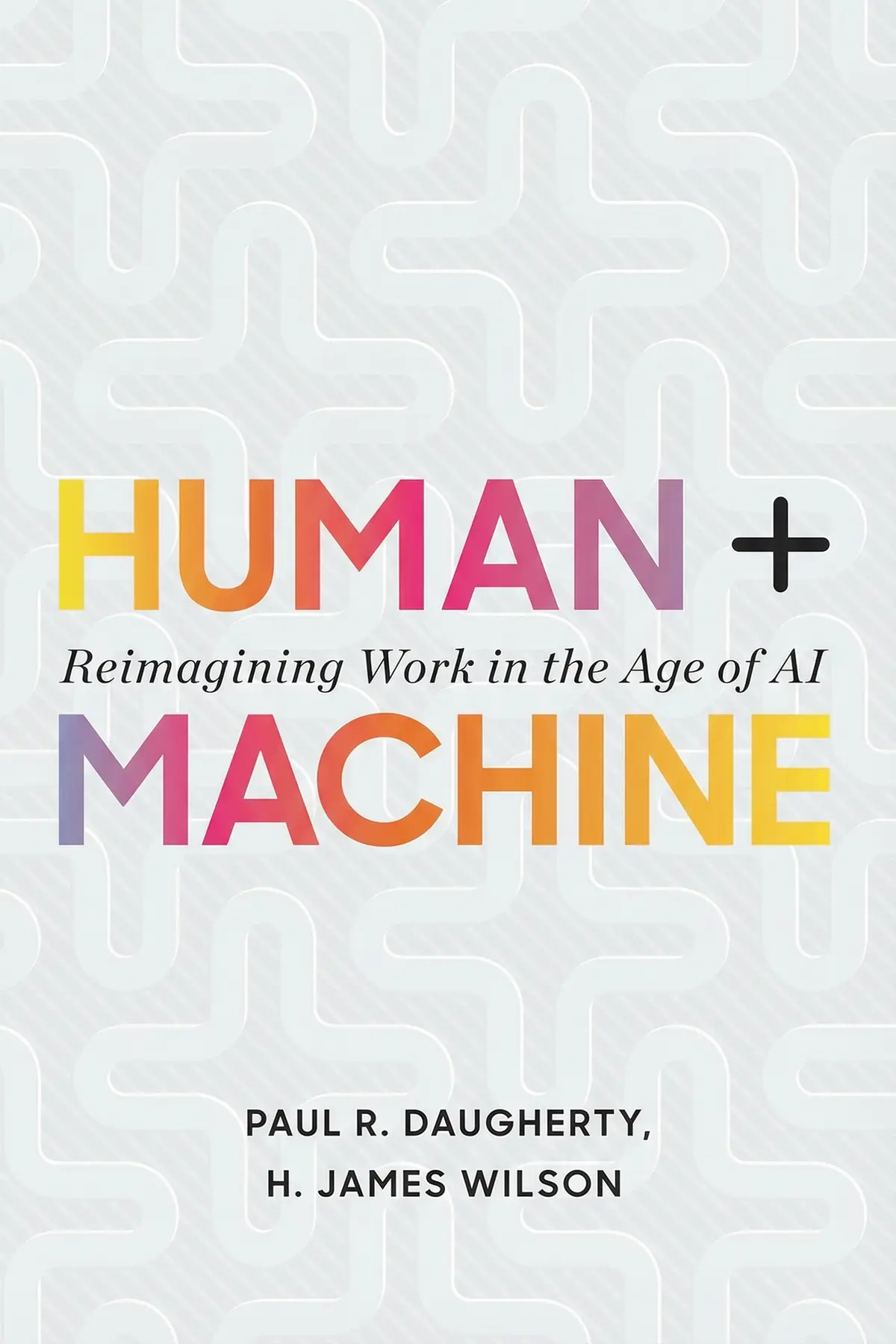
Table of Content
1. Introduction
1 min 14 sec
For decades, the popular narrative surrounding technology has been one of competition: humans versus robots, or labor versus automation. We have often viewed machines as tools that either follow strict instructions or eventually replace the people who operate them. However, we are now entering a completely different era. The real story today isn’t about replacement; it’s about a powerful synergy that occurs when we combine our unique human traits with the immense processing power of artificial intelligence. This transformation is redefining the very essence of what it means to work.
In this exploration of Human + Machine, we will look at how this partnership is coming to life across the globe. We aren’t just talking about abstract theories; we are looking at real-world applications in factories, fields, and high-rise offices. This shift requires us to change our mindset from seeing AI as a threat to seeing it as a teammate. By the end of this journey, you’ll understand how the most successful organizations aren’t the ones with the most robots, but the ones that best integrate machine intelligence with human ingenuity. Let’s dive into how this collaboration is creating a renaissance in both industry and the corporate world.
2. A New Era of Industrial Intelligence
2 min 49 sec
Discover how the industrial world is moving from rigid automation to adaptive systems where robots learn from their environment and work alongside people.
3. The Corporate Shift Toward Augmented Potential
3 min 01 sec
Explore how AI is moving beyond basic tasks to assist with high-stakes corporate decisions in recruitment, finance, and security.
4. Conclusion
1 min 09 sec
As we look toward the horizon of the modern workplace, it is clear that the integration of artificial intelligence is the defining change of our time. We have moved past the era where machines were simply tools for automation. We are now in a period of true collaboration, where the ‘human + machine’ partnership is the key to success. In every sector, from the efficiency of our supply chains to the precision of our corporate security, the fusion of data-driven machine learning and intuitive human judgment is creating value that neither could achieve alone.
The takeaway for leaders and professionals is that the future belongs to those who can reimagine their roles and processes. It is no longer enough to just add technology to an old way of doing things. We must rethink how we work from the ground up, identifying which tasks are best for the machine’s scale and which tasks require the human’s unique capacity for creativity and ethics. By embracing this collaborative mindset, we don’t just become more productive; we unlock a new level of human potential. The age of the machine is actually an age that allows us to be more human.
About this book
What is this book about?
Human + Machine addresses the common anxiety surrounding the rise of artificial intelligence and its impact on the future of employment. Instead of viewing AI as a replacement for human workers, the authors present a compelling vision of collaboration where technology enhances our natural abilities. The book details how this fusion of man and machine is already reshaping various sectors, from heavy industry and logistics to corporate management and customer service. By moving beyond the binary of human versus robot, the text introduces readers to the concept of the collaborative workspace. It outlines how machines can take over repetitive, data-heavy tasks, while humans focus on high-level decision-making, creativity, and empathy. The promise of the book is a practical roadmap for leaders and employees alike to navigate this technological renaissance. It explains the shift toward new roles and the necessity of reimagining business processes to capitalize on the unique strengths of both parties, ultimately leading to a more efficient and innovative era of work.
Book Information
About the Author
Paul R. Daugherty
Paul R. Daugherty is the chief technology and innovation officer at Accenture, where he oversees the company’s technology strategy and innovation architecture. He is recognized for his expertise in areas such as artificial intelligence, cloud computing, and digital transformation. Together with co-author H. James Wilson, he published Radically Human: How New Technology Is Transforming Business and Shaping Our Future. James Wilson is a managing director at Accenture, focusing on research and thought leadership in the areas of artificial intelligence, robotics, and the future of work. He has co-authored several influential articles and reports on these topics.
Ratings & Reviews
Ratings at a glance
What people think
Listeners find the text full of useful advice, with one listener emphasizing how it introduces vital ideas like ‘fusion skills’. Additionally, the book earns high marks for its clear writing, and one listener labels it a necessary read for executives. Listeners also value the extensive research provided, with one review noting it draws on dozens of examples from major organizations in various fields. Ultimately, it serves as a straightforward guide for company evolution in the AI era.
Top reviews
Lucas
The chapter on the MELDS framework alone makes this a worthwhile investment for any business owner. It provides a clear, actionable roadmap for transforming a traditional business into one that thrives in the AI era. Daugherty and Wilson articulate the concept of 'fusion skills'—those unique abilities where humans and machines complement each other—better than anyone else I’ve read. As an educator, I’ve started recommending this to my students because it shifts the mindset from fear to preparation. The inclusion of generative AI and foundation models in this updated edition keeps the content relevant for the current market. It is truly a substantial contribution to contemporary business literature that balances history with forward-looking strategy.
Show moreIff
After hearing several managers mention the 'fusion skills' concept, I finally picked this up. It offers a solid perspective on how the workforce is shifting toward a symbiotic relationship between human intuition and machine efficiency. The authors do a great job of explaining that we aren't just being replaced; we are being augmented. I found the sections on the 'missing middle' particularly enlightening, as they provide a vocabulary for roles that didn't exist a decade ago. While it can get a little repetitive with the corporate success stories, the underlying framework is quite robust. It’s a helpful guide for anyone trying to visualize how their daily tasks might evolve rather than disappear in the coming decade.
Show moreSaranya
As someone who works in R&D, I appreciated the structured way Daugherty and Wilson categorize the different roles humans play in AI development. The breakdown of trainers, explainers, and sustainers gave me a new way to think about my own team's growth. The case studies are numerous and span multiple industries, which helps illustrate that this isn't just a trend for Silicon Valley. My only gripe is that it can be a bit dry in the middle chapters, feeling like an encyclopedia of business cases. Still, the insights regarding 'hypercustomization' and the history of AI waves provide a very helpful context for where we are headed next. Definitely a solid choice for a professional book club or corporate training.
Show moreSupaporn
Finally got around to finishing the updated edition, and the new sections on foundation models are actually quite insightful. It’s impressive how the authors managed to integrate the recent explosion of generative AI into their existing framework without making the book feel disjointed. They make a compelling case for symbiotic partnerships where humans and machines push each other to higher performance levels. The writing style is professional yet accessible, making complex topics easy to digest for a non-technical audience. While it remains a bit too focused on the 'upside' and ignores the messy reality of data silos, the framework for 'reimagining work' is one of the clearest and most optimistic I've encountered so far.
Show moreLaddawan
In my experience, most business books about technology tend to be either too alarmist or too technical, but this one finds a nice middle ground. The authors do a great job of moving the conversation away from the 'robots are taking our jobs' narrative. Instead, they focus on how these tools can amplify our existing skills through collaboration. The 'eight new fusion skills' they outline are particularly interesting and offer a glimpse into the future of the AI workforce for those willing to adapt. Although I would have liked more discussion on the potential risks of biased algorithms and failed projects, the overall message of collaboration is both empowering and practical for today's leaders.
Show moreHang
This book feels like a very polished brochure for a consulting firm. To be fair, the writing is accessible and the examples from leading companies are interesting, but it often feels like it's skimming the surface. If you are already working in the tech sector, you won't find much here that hasn't been discussed in white papers over the last few years. The authors are definitely selling a specific, optimistic vision of the future. They mention the 'third wave' of business transformation, which is a cool concept, but I wish there were more discussions on the actual hurdles and failures companies face when trying to implement these technologies. It is useful for a high-level overview, but lacking in grit.
Show moreSven
Ever wonder how the 'missing middle' is actually supposed to work in a real-world office? This book tries to answer that, and while it succeeds in theory, the practical application feels a bit thin. The authors focus heavily on 'responsible AI' and how humans should serve as trainers and sustainers, which is an encouraging outlook. However, the tone is almost too optimistic at times, nearly ignoring the friction that occurs during such massive organizational shifts. It’s a decent read if you want a general understanding of the terminology and current trends, but don't expect a step-by-step manual. It's more of a visionary's guide than a practitioner's handbook, which might frustrate those looking for concrete technical advice.
Show moreAim
Frankly, it's a decent primer, but it doesn't quite live up to the hype of being a revolutionary text. I liked the historical context provided in the 'Brief History of AI' section, and the discussion on how AI is reshaping business processes is timely. But I kept waiting for the authors to dive deeper into the technical challenges. They treat the integration of 'foundation models' as if it’s a seamless transition for any company, which is rarely the case in reality. It’s a good bird’s-eye view for a manager, but if you’re looking for a deep dive into the 'how-to' of AI strategy or actual coding implementation, you might find yourself wanting more substance.
Show moreDaranee
Look, if you have been keeping up with any tech news over the last five years, most of this will feel redundant. I found it quite disappointing how much the authors glossed over the negative aspects of AI integration. It’s very 'Rah Rah AI!' without enough critical analysis of the ethical or economic downsides. The case studies are cherry-picked to show only the wins, making the whole thing feel a bit like an executive echo chamber. While the updated section on generative AI adds some value, the book remains a high-level overview that lacks the technical or strategic depth I was hoping for. It's okay as a beginner's introduction for someone totally new to the field, but nothing more.
Show morePhimwan
Not what I expected from a book with such high ratings. It is filled with corporate jargon and feels like it was written specifically for C-suite executives who want to feel good about their tech investments. The truth is, the book offers very little in terms of real-world implementation. It stays at such a high level that you’re left wondering how any of these 'adaptive processes' actually function on the ground for a mid-sized company. It completely ignores the complexities of data privacy and the massive displacement of entry-level workers. To me, it felt like a 250-page advertisement for Accenture's services rather than a balanced look at the future of work. I would suggest looking elsewhere for actual insights.
Show moreReaders also enjoyed
A Year with Peter Drucker: 52 Weeks of Coaching for Leadership Effectiveness
Joseph A. Maciariello
Acting with Power: Why We Are More Powerful Than We Believe
Deborah Gruenfeld
AUDIO SUMMARY AVAILABLE
Listen to Human + Machine in 15 minutes
Get the key ideas from Human + Machine by Paul R. Daugherty, plus 5,000+ more titles in English and Thai.
- 5,000+ titles
- Listen as much as you want
- 7-day free trial
- Cancel anytime







