
22 min 26 sec
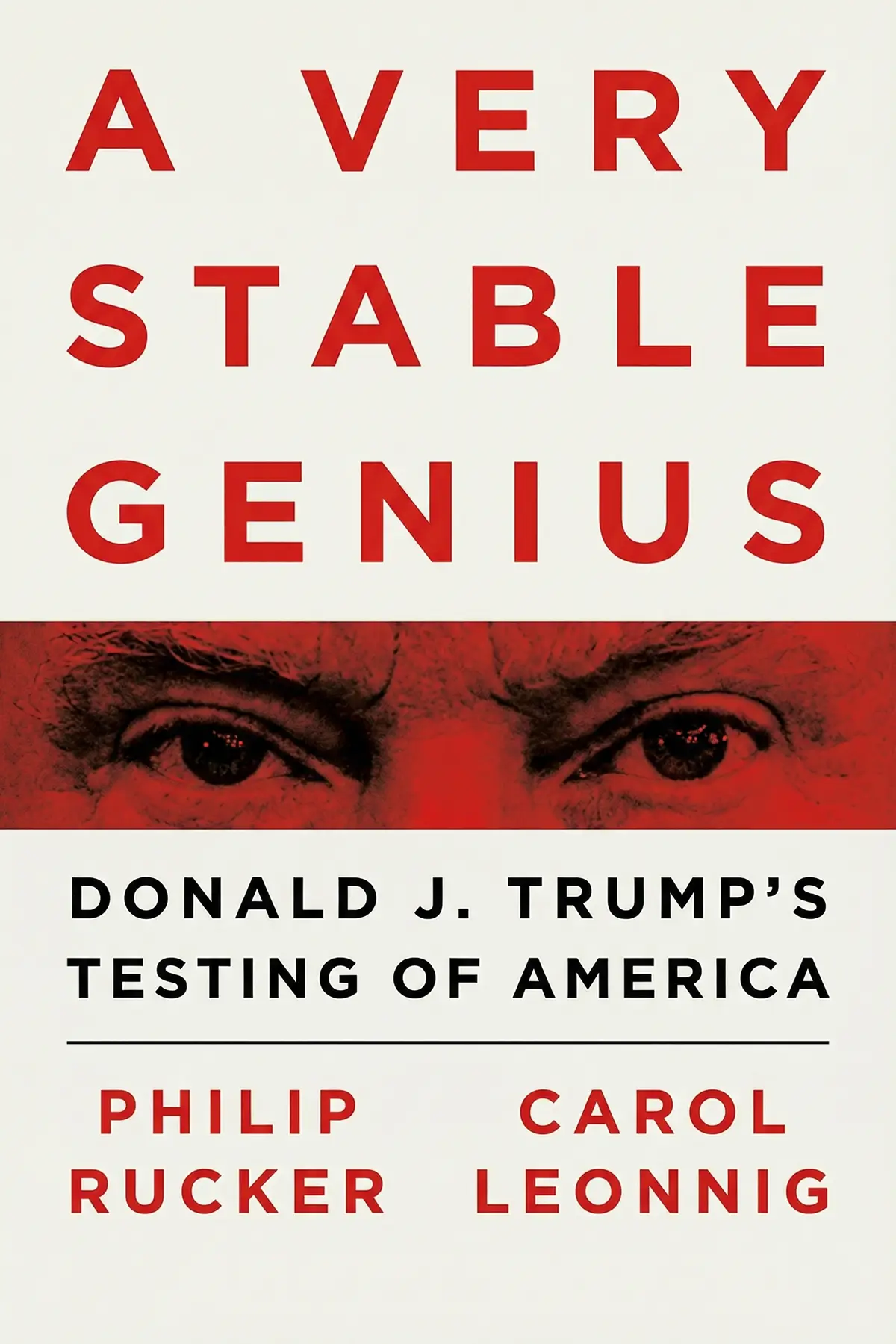
I Alone Can Fix It: Donald J. Trump's Catastrophic Final Year
An investigative look into the final, tumultuous year of Donald Trump’s presidency, revealing the internal chaos of the White House as it faced a global pandemic, civil unrest, and a disputed election.
Table of Content
1. Introduction
1 min 36 sec
As the calendar turned to 2020, the United States appeared to be on a stable, if polarized, path. The economy was showing strength, unemployment figures were at historic lows, and the typical rhythms of a presidential election year were beginning to take hold. However, beneath this surface of normalcy, a series of unprecedented challenges was about to test the resilience of American institutions and the temperament of the man in the Oval Office. This narrative explores the critical twelve months that followed—a period marked by a global health crisis, a fundamental reckoning with racial justice, and a fierce battle for the future of the presidency.
At the heart of this story is the tension between governing a nation and winning an election. We see a White House frequently at odds with its own experts, where the primary lens for viewing every event was its potential impact on the president’s public image and his chances for a second term. From the quiet arrival of a new virus to the loud and chaotic scenes at the U.S. Capitol, the following pages trace a year of escalating volatility.
We will examine how the administration’s early dismissals of scientific warnings set the stage for a divided pandemic response. We will look at how the summer of 2020 became a flashpoint for social tensions, and how the president’s self-perception as a strongman shaped his reactions to public dissent. Finally, we will follow the threads of a contested election that led to a confrontation with the very foundations of the democratic system. Through this throughline, we find a portrait of a leadership style that prioritized personal loyalty and political survival above all else, resulting in a year that would fundamentally alter the American landscape.
2. A Delayed Recognition of a Global Threat
1 min 58 sec
As 2020 began with celebrations and political distractions, the first warnings of a looming pandemic were already reaching the highest levels of the American health infrastructure.
3. The Dominance of Political Calculation Over Public Health
2 min 04 sec
Faced with a choice between economic stability and aggressive virus containment, the administration’s early moves were driven by the fear of a market downturn.
4. Fragmented Messaging and the Undermining of Experts
1 min 54 sec
The effectiveness of the national response was hampered by contradictory statements and the promotion of unproven remedies by the executive branch.
5. A Shift in Focus Toward Law and Order
1 min 57 sec
In the wake of civil unrest, the administration moved away from pandemic management to cultivate an image of decisive strength against domestic protests.
6. The Risks of the Campaign Trail
1 min 59 sec
The restart of political rallies demonstrated a willingness to prioritize political theater over the safety guidelines issued by the administration’s own experts.
7. Institutional Friction and Growing Paranoia
1 min 53 sec
Internal disagreements and falling poll numbers led to a period of deep suspicion toward government agencies and health officials.
8. A Personal Brush with the Virus
1 min 53 sec
When the president himself contracted COVID-19, it provided a moment of high drama that was used to project a message of personal invincibility.
9. The Denial of Election Night Reality
1 min 45 sec
As the votes were being counted, the president chose to ignore official tallies and declare a premature victory based on a ‘red mirage.’
10. The Failed Legal Crusade and Pressure on the Institutions
1 min 52 sec
A series of desperate legal maneuvers and attempts to influence state officials failed to produce evidence of fraud, leading to a focus on the certification process.
11. The Final Act of Volatility
1 min 49 sec
The events of January 6 were the culmination of months of rhetoric regarding a stolen election, leading to a violent confrontation at the U.S. Capitol.
12. Conclusion
1 min 46 sec
The final year of the Trump presidency stands as a unique chapter in American history, defined by a series of crises that revealed the depths of the country’s political polarization. From the early days of 2020, when a global pandemic first appeared on the horizon, to the final, violent scenes at the U.S. Capitol, the story is one of a leadership style that consistently prioritized personal and political objectives over institutional stability and public welfare. The administration’s response to COVID-19 was hindered by a desire to protect the economy at all costs, while its reaction to social unrest was driven by a need to project an image of unwavering strength.
Ultimately, the throughline of this year was the president’s refusal to acknowledge any reality that did not fit his narrative of success. This led to a systematic undermining of experts, the delegitimization of the electoral process, and a direct challenge to the peaceful transfer of power. The events of 2020 serve as a reminder of the fragility of democratic norms when they are tested by a leader who views the office as a personal possession rather than a public trust.
As we look back on this period, the actionable lesson is the importance of institutional integrity and the need for clear, science-based communication during times of national emergency. The events described here suggest that the health of a democracy depends not just on its laws, but on the character and priorities of those who lead it. The chaos of 2020 was not an accident of history, but the result of a series of deliberate choices that placed one man’s political survival above the collective interests of the nation. Moving forward, the memory of this year remains a critical touchstone for understanding the responsibilities of the presidency and the enduring challenges of maintaining a unified society in an age of deep division.
About this book
What is this book about?
I Alone Can Fix It offers a detailed chronicle of the events that defined the year 2020 from within the walls of the White House. It traces the trajectory of the Trump administration as it confronted the arrival of the COVID-19 pandemic, the resulting economic shifts, and the nationwide protests following the death of George Floyd. The narrative provides an inside perspective on the decision-making processes that prioritized political optics over public health advice and institutional stability. The book further explores the tensions surrounding the 2020 presidential election, detailing the president's refusal to accept the results and the legal battles that followed. It culminates in the events of January 6, 2021, providing a timeline of the actions and reactions that led to the breach of the U.S. Capitol. By examining the interplay between personal ambition and governmental duty, the summary promises a clearer understanding of how the administration’s focus on reelection influenced its response to multiple national crises, ultimately leading to a historic challenge to the democratic process.
Book Information
About the Author
Carol Leonnig
Carol Leonnig is a highly decorated investigative reporter at the Washington Post and a multi-time Pulitzer Prize winner. Her extensive reporting career has spanned topics from international interference in American elections to domestic government surveillance. She is also the author of the best-selling book Zero Fail and serves as a regular contributor for NBC News and MSNBC. Philip Rucker is the senior Washington correspondent at the Washington Post, where he served as the White House Bureau Chief during the Trump administration. He has been recognized with the Pulitzer Prize and the George Polk Award for his investigative work on the 2016 election. Rucker also provides political analysis as an on-air expert for NBC News and MSNBC.
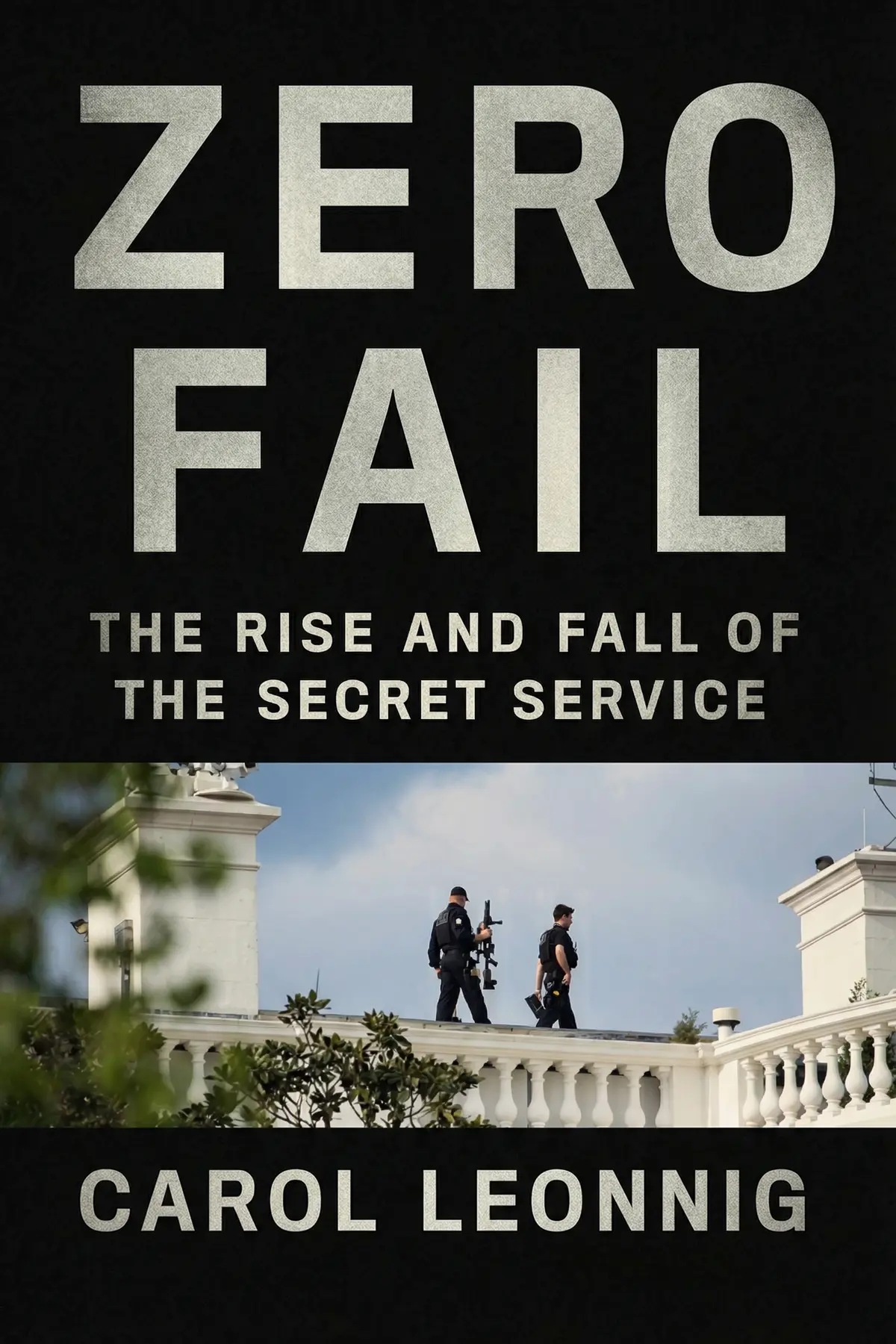
Zero Fail: The Rise and Fall of the Secret Service
Carol Leonnig
Ratings & Reviews
Ratings at a glance
What people think
Listeners find this work engrossing and a vital read for Americans, commending the high-quality research and thorough analysis of events. The writing is superbly crafted, with one listener highlighting its conversational style, and the narrative keeps the story flowing while laying out facts in extraordinary detail. Although listeners characterize the book as mesmerizing though frightening, the pacing receives mixed reactions, as some find it fast-moving while others mention specific problems regarding the pagination and text.
Top reviews
Gift
This book is a chilling masterclass in investigative reporting. Leonnig and Rucker manage to weave a narrative that feels like a political thriller, even though we already know the ending. The detail surrounding General Milley’s concerns about a 'Reichstag moment' is particularly harrowing and provides a perspective I hadn't fully grasped from the news. While the pacing occasionally slows down during the technical deep dives into policy, the sheer volume of new information makes it indispensable. It’s frightening to see how close the guardrails of democracy came to snapping. The authors' ability to get such high-level sources to speak on the record is nothing short of masterful. If you want to understand the true chaos of the 2020 White House, this is the definitive account.
Show morePichaya
Wow, I thought I knew the whole story from the headlines, but I was wrong. The authors have unearthed so many granular details about the internal power struggles that it felt like I was reading about a different administration entirely. The sections on Bill Barr’s attempts to distance himself from the chaos are particularly revealing, though I suspect some of his quotes were self-serving. It’s a mesmerizing look at how ego can drive national policy. The narrative flows with an urgency that keeps you turning pages late into the night. It is truly essential reading for anyone concerned about the future of the American democratic process. Even the footnotes are packed with insights that could be books on their own.
Show moreSumalee
After hearing so many snippets on the news, I finally sat down with the full text. The authors do a brilliant job of connecting the dots between seemingly unrelated events to show a pattern of escalating chaos. The portrayal of General Milley as a guardian of the Constitution is compelling, even if you question the propriety of generals talking to reporters. It reads like a horror novel at times, which is a testament to the authors' ability to convey the tension of the moment. The narrative keeps the story moving despite the heavy subject matter and the staggering amount of detail. It’s a monumental achievement in journalism that deserves to be studied by future historians. I found it both riveting and deeply disturbing.
Show moreNook
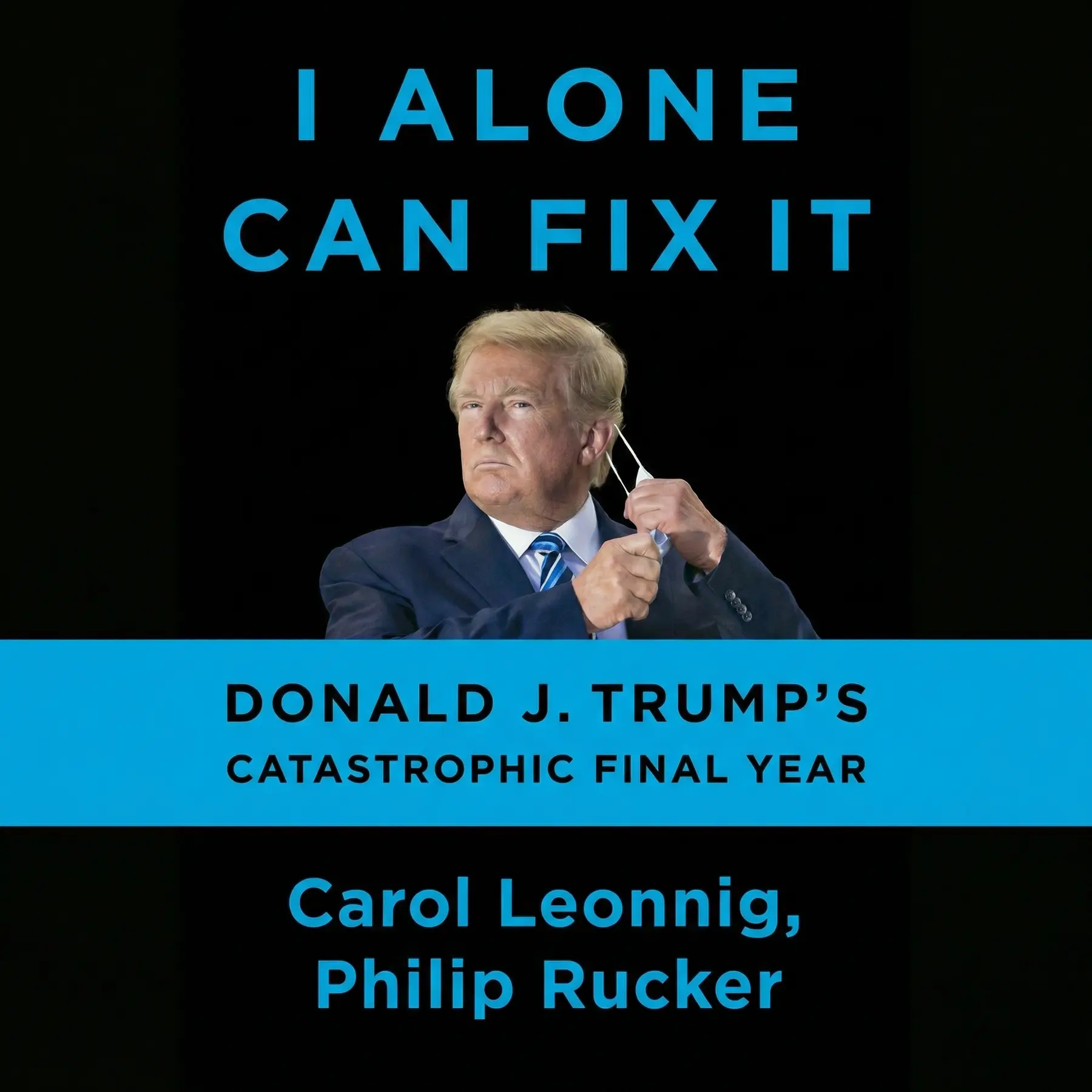
Finally got around to this after reading A Very Stable Genius, and it's a worthy successor. The authors demonstrate how the initial guardrails in the White House completely dissolved by the final year. It’s a masterfully researched account that manages to be both an academic record and a high-stakes thriller. I was impressed by how they handled the transition from the pandemic to the social justice protests of summer 2020. The tone is professional yet urgent, reflecting the gravity of the events being described. Not a single page feels wasted, even when they are delving into the more obscure legal maneuvers of the Trump team. It’s a frightening read, but one that feels absolutely necessary for any informed citizen.
Show moreMason
Directly after finishing this, I felt like I needed a long walk to process everything. The level of detail Leonnig and Rucker achieved is staggering and speaks to their incredible skill as investigative reporters. They don't just tell you what happened; they show you the atmosphere of fear and desperation that permeated the executive branch. The prose is sharp and moves at a clip that belies the book's physical weight. It’s a terrifying look at how close we came to a total collapse of the democratic process. Despite the dark subject matter, the quality of the writing makes it a pleasure to read in a strange way. This is essential reading for anyone trying to make sense of the modern political landscape. Masterful, horrifying, and utterly necessary.
Show moreTalia
Ever wonder what was actually happening behind those closed West Wing doors during the pandemic? Leonnig and Rucker provide a fly-on-the-wall perspective that is both fascinating and deeply upsetting. The writing style is surprisingly conversational for a political tome, making it accessible even if you aren't a DC insider. I was particularly struck by the descriptions of the internal friction over mask mandates and the politicization of public health. To be fair, some sections feel a bit repetitive if you’ve already read Woodward’s work, but the specific focus on the final year adds unique value. It’s a dense read, and the pagination in the Kindle version was a bit wonky, but the content is top-tier. A solid four stars for the sheer depth of research.
Show moreSaengdao
Picked this up after seeing the authors on a news segment, and it lived up to the hype. The research is clearly exhaustive, with over 140 interviews backing up the claims. I appreciated how the authors tried to remain neutral even when describing the most inflammatory events of January 6th. Frankly, some parts of the book are quite dry, especially when they get into the minutiae of campaign legal challenges. However, the emotional weight of the story carries it through those slower chapters. It's a sobering reminder of the fragility of our institutions. I did notice some minor formatting issues, but the substance is what matters here. Definitely worth the time if you can stomach the stress of revisiting 2020.
Show moreRome
The chapter on the election night reaction alone is worth the price of the book. Seeing the internal meltdowns and the birth of the 'Big Lie' in real-time is absolutely chilling. Leonnig and Rucker have a knack for capturing the atmosphere of the West Wing—the paranoia, the sycophancy, and the sheer unpredictability. Look, it’s a long book, and you might find yourself skimming some of the more technical policy sections. But the human drama is so well-executed that you quickly get sucked back in. It provides a much-needed record of a period that many would rather forget. My only real gripe is that some of the sources clearly used the authors to polish their own tarnished reputations. Still, it’s a vital piece of the puzzle.
Show moreTariq
As someone who follows the news religiously, I didn't think there was much left to learn, but I was wrong. The authors provide context to familiar stories that completely changes how you view those events. For instance, the detailed timeline of the events leading up to January 6th is much more comprehensive than anything I’ve seen elsewhere. The writing is conversational, making the complex legal and political maneuvering easy to follow. Personally, I think the book could have been tightened up by about fifty pages. Some of the background info on minor players feels like filler. That said, the primary narrative is incredibly strong and well-supported by primary sources. It's a 4-star effort that provides a definitive look at a catastrophic year.
Show moreSoontorn
Not what I expected given the pedigree of the authors. While the reporting is undoubtedly solid, the book suffers from extreme length and feels like it includes way too much trivial gossip. Do we really need a blow-by-blow of every minor staffer's reaction to a tweet? I’m officially feeling 'Trumped out' and this book didn't do much to justify its existence over the Woodward books. The writing is okay, but the pacing drags in the middle as they rehash events we all watched on live TV. To be fair, the final chapters on the insurrection are gripping, but getting there is a chore. It’s fine for a reference, but as a cover-to-cover read, it was a bit of a slog.
Show moreReaders also enjoyed
A Promised Land
Barack Obama
A River in Darkness: One Man’s Escape from North Korea
Masaji Ishikawa
A Theory of Justice
John Rawls
A Warning
Miles Taylor
Abolish Rent: How Tenants Can End the Housing Crisis
Tracy Rosenthal
AUDIO SUMMARY AVAILABLE
Listen to I Alone Can Fix It in 15 minutes
Get the key ideas from I Alone Can Fix It by Carol Leonnig, plus 5,000+ more titles in English and Thai.
- 5,000+ titles
- Listen as much as you want
- 7-day free trial
- Cancel anytime







