


16 min 40 sec
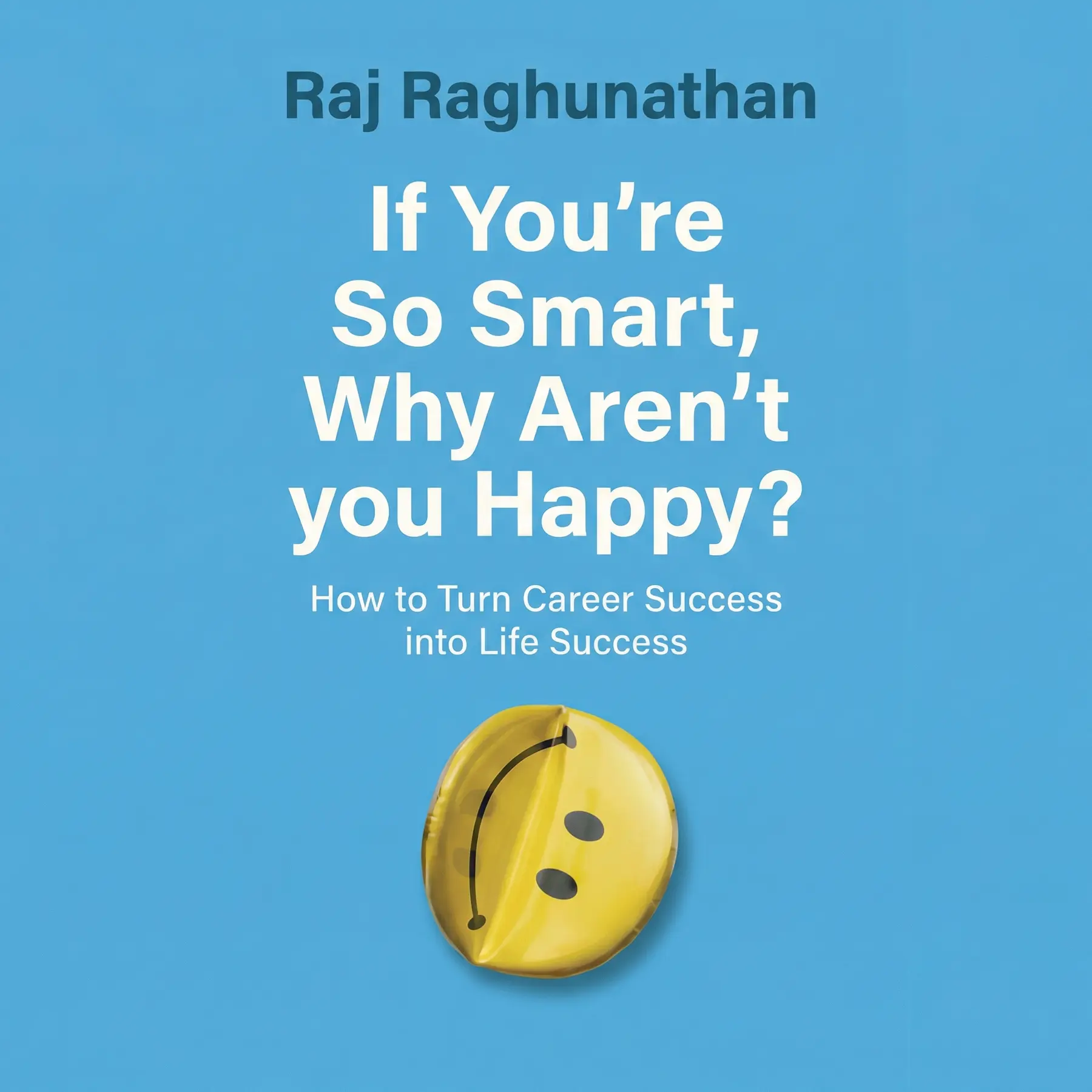
If You’re So Smart, Why Aren’t you Happy?
Explore the psychological barriers that prevent high achievers from finding true fulfillment and learn actionable strategies to prioritize well-being and internal peace alongside your professional and personal success.
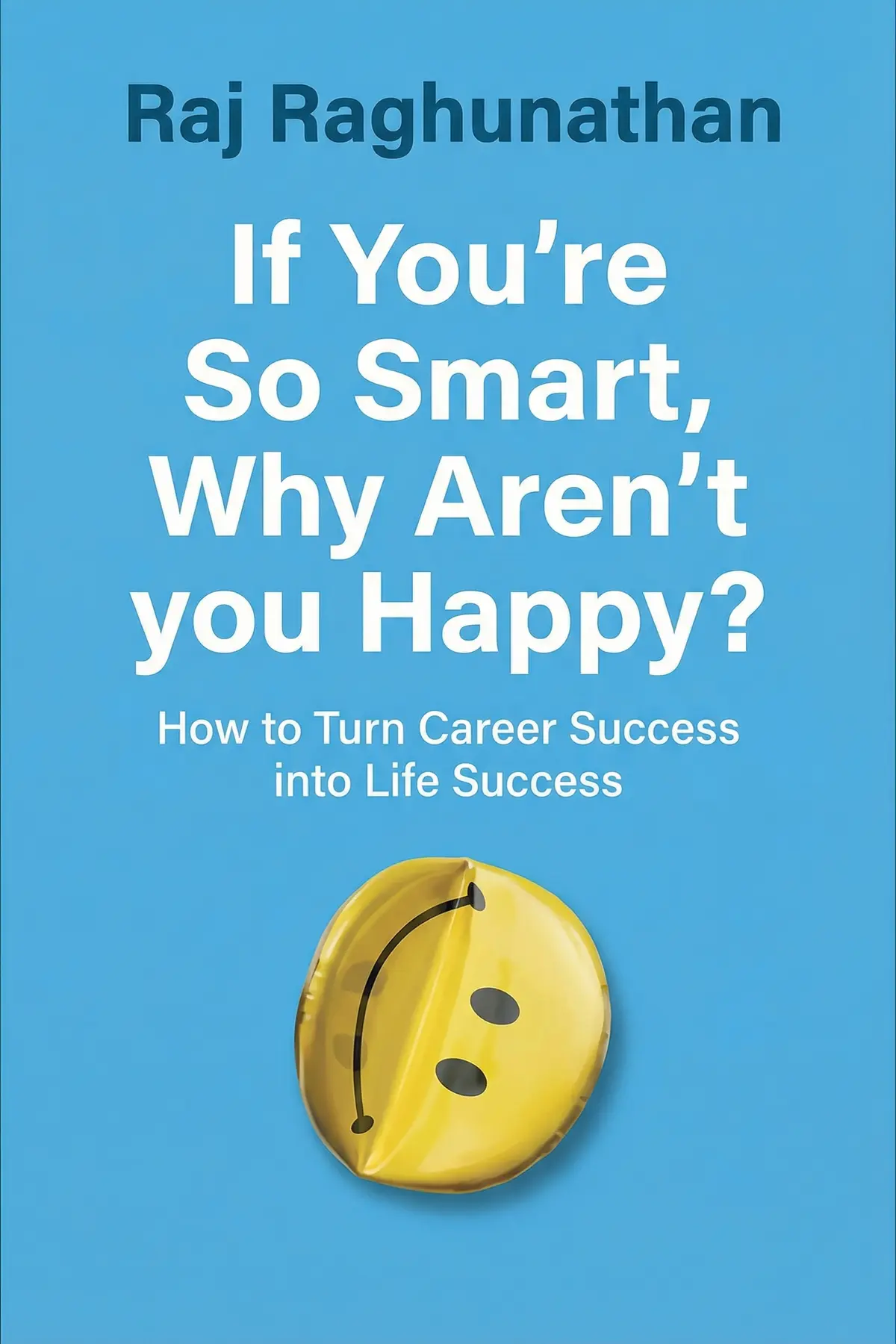
Table of Content
1. Introduction
1 min 44 sec
In our modern world, we often equate intelligence and success with a direct path to a good life. We study hard, we work long hours, and we achieve the milestones society tells us will lead to the finish line of fulfillment. Yet, there’s a persistent paradox: many of the brightest minds are also the most prone to dissatisfaction. You might see people around you—or perhaps you see it in the mirror—who have the career, the partner, and the prestige, yet still feel as though a vital piece of the puzzle is missing. They watch movies about passionate love and professional joy, feeling like those things are reserved for the screen, while their own reality is cluttered with mundane stress and a nagging sense of ‘not enough.’
This isn’t just bad luck; it’s a reflection of how our brains are wired. We tend to focus on the negative, fixating on the dirty dishes or the skills we haven’t mastered yet, rather than the abundance we already possess. Our analytical minds, so useful in the boardroom, often become our worst enemies when it comes to personal well-being. We fall into specific psychological traps—habits that feel logical but actually drain our happiness.
In this exploration, we are going to look at why success doesn’t automatically translate to life satisfaction and how to change that. We will dive into the seven specific habits that stand in our way and, more importantly, how to replace them with healthier alternatives. By the end of this journey, you’ll understand how to prioritize happiness without losing your edge, how to build deeper connections with others, and why true contentment is often found in the spaces where we stop trying to control the world and start understanding our own internal landscape. Let’s look at how to turn career success into a successful life.
2. Prioritizing the Intangible
2 min 10 sec
We often sacrifice our long-term happiness for measurable rewards like money or status. Discover why we devalue our well-being and how to reclaim it through simple awareness exercises.
3. The Trap of Social Comparison
2 min 04 sec
Chasing superiority over others is a zero-sum game that guarantees eventual dissatisfaction. Learn how to shift your focus from being the best to finding your own state of flow.
4. Generosity Over Desperation
1 min 50 sec
The quality of our relationships is a primary driver of fulfillment, yet many struggle with intimacy. Explore why an altruistic spirit is the key to creating lasting bonds.
5. Reclaiming Internal Sovereignty
1 min 51 sec
The urge to control our environment and the people in it often leads to frustration and resentment. Learn how focusing on internal control can set you free.
6. The Power of Forgiveness and Trust
1 min 45 sec
Distrust might be an evolutionary survival mechanism, but it acts as a barrier to joy in the modern world. Discover how understanding others leads to healing.
7. The Dispassionate Pursuit of Passion
1 min 41 sec
Being too rigid about your goals can make you miserable, while being indifferent leads to stagnation. Find the healthy middle ground that allows for both ambition and peace.
8. Quieting the Mind
2 min 03 sec
Overthinking is a hallmark of the intelligent mind, but it can drown out our natural intuition. Learn how mindfulness can reconnect you with your internal wisdom.
9. Conclusion
1 min 32 sec
As we wrap up this journey through the psychology of fulfillment, the central theme is clear: intelligence and career success are wonderful assets, but they are not the primary drivers of happiness. In fact, if not managed carefully, the very traits that make us ‘smart’—our analytical nature, our competitive drive, and our desire for control—can become the biggest obstacles to our well-being.
Real happiness isn’t something you find by checking off a list of external achievements. It is a state of being that you cultivate by making specific, conscious choices every day. It starts with prioritizing your well-being as a legitimate goal, finding your flow in the activities you love, and building relationships based on generosity rather than need. It requires the courage to let go of the need for external control and the wisdom to forgive those who have wronged you. Finally, it asks you to trust your intuition and find moments of stillness in an over-stimulated world.
As you move forward, take one small piece of actionable advice: when you find yourself caught in a loop of overthinking, stop. Sit comfortably, focus on your breath, and let your thoughts drift by like distant clouds. In that quiet space, ask yourself what truly matters in this moment. You might find that the answer isn’t in your head, but in your gut. Happiness isn’t a distant peak to be scaled; it is the ground you are already standing on, once you clear away the clutter of the ‘smart’ mind. Breathe, connect, and allow yourself to be happy.
About this book
What is this book about?
Have you ever wondered why some of the most intelligent and successful people you know also seem to be the most stressed or unfulfilled? This summary explores the paradox of the 'smart-and-unhappy' individual. While we are trained to climb ladders and achieve tangible goals, we often inadvertently develop habits that actively sabotage our well-being. These habits, framed as psychological 'sins,' range from devaluing happiness to overthinking our every move. Through a blend of marketing psychology and behavioral science, the narrative reveals how to recalibrate your internal compass. You will discover why chasing superiority backfires, how to foster genuine connections without desperation, and why the most powerful form of control is internal rather than external. The promise of this journey is not just more happiness, but a more sustainable kind of success—one that integrates professional achievement with a deep, lasting sense of life satisfaction.
Book Information
About the Author
Raj Raghunathan
Raj Raghunathan is a professor of marketing at McCombs School of Business at the University of Texas, Austin. He is also an associate editor at the Journal of Consumer Psychology.
Ratings & Reviews
Ratings at a glance
What people think
Listeners find the work deeply enlightening, valuing its explanations of scientific experiments and the stimulating queries posed in every chapter. Furthermore, they view it as essential reading that avoids the dryness of a typical textbook while providing functional methods to apply its material. They also prize the focus on happiness, as one listener points out the detailed definition of habits of happiness, while another mentions the included exercises for regular practice.
Top reviews
Narut
This book genuinely shifted my perspective on what it means to be successful versus what it means to be content. By moving away from abstract concepts and providing a thorough definition of 'happiness habits,' the author makes a compelling case for prioritizing joy. The chapter on 'Mind Addiction' was particularly eye-opening for me as a chronic overthinker. Each chapter provides very practical exercises that aren't just fluff; they actually force you to confront your own 'deadly sins' like distrusting others or chasing status. In my experience, most self-help books are all talk and no action, but this one provides a roadmap for regular practice. It’s a must-read for anyone who feels like they’ve checked all the 'success' boxes but still feels empty inside. I've already started recommending it to my colleagues who struggle with work-life balance.
Show moreJom
Finally got around to reading this, and I'm kicking myself for waiting so long. This is no doubt one of the best science-backed resources for anyone looking to understand the root causes of their own unhappiness. The way Raj breaks down 'Mind Addiction' and our 'Desperation for Love' is both brilliant and deeply convicting. Unlike other self-help titles that can feel tedious or preachy, this reads with a warm, conversational tone that keeps you engaged. The author has clearly put years of work into this, and it shows in the depth of the research studies he cites. I loved the practical ways to increase my happiness quotient through simple habits like giving and mindfulness. It is a book for the shelves and one I will certainly be passing onto my friends and family. A true five-star guide for the modern, over-thinking intellectual.
Show moreAnthony
Ever wonder why your high-achieving friends are often the most miserable people in the room? This book provides a very clear, research-backed explanation for that specific paradox. Raghunathan identifies several 'deadly happiness sins,' such as chasing superiority and being overly controlling, which resonated deeply with my own career struggles. The writing style is engaging and doesn't feel like a dry textbook, making it much easier to digest the complex psychological concepts. I especially found the exercises on 'finding flow' and 'cultivating trust' to be helpful for my daily routine. While some of the data feels a bit dated, the practical ways to apply the content are where the real value lies. It’s a refreshing look at how our own intelligence can sometimes be the very thing that gets in the way of our contentment.
Show moreHenry
Raj Raghunathan manages to strike a difficult balance between academic rigor and accessible self-help advice. Not gonna lie, I was skeptical about another 'happiness' book, but the inclusion of Harlow’s monkey experiments and other rigorous case studies won me over. The author’s personality is incredibly inviting, making you feel like you're having a conversation with a wise mentor rather than reading a lecture. One minor criticism is that the middle sections can drag a bit when he covers topics like 'flow' which have been discussed ad nauseam elsewhere. Still, the unique focus on why 'smart' people specifically fail at happiness adds a layer of depth that is often missing from this genre. The 'Satisfaction With Life' scale at the beginning is a great touch to help readers track their own progress throughout the chapters.
Show moreIngrid
After hearing about Raghunathan’s popular Coursera course, I decided to dive into the full text to see if the hype was justified. The book is structured around seven 'sins' and their corresponding 'habits,' which makes the information very easy to organize in your head. I was particularly struck by the 'Devaluing Happiness' section, as I often find myself choosing money or fame over my own peace of mind. The practical exercises are the standout feature here, offering regular practice rather than just theoretical knowledge. While some of the anecdotes felt a bit long-winded, the overall message is powerful and incredibly relevant in our achievement-obsessed culture. It is not a silver bullet, but it is a fantastic tool for anyone willing to put in the work to change their mindset. Definitely worth the read for the thought-provoking questions alone.
Show moreSavannah
As someone who tends to overthink everything, the concept of 'Mind Addiction' hit me like a ton of bricks. We often think our intelligence is our greatest asset, but Raghunathan shows how it can actually lead us to distrust others and over-control our environments. The book is filled with eye-opening case studies that illustrate why smart people often make choices that lead to less joy. To be honest, I found some of the exercises to be a bit difficult to implement in a real-world setting, but the awareness they bring is invaluable. The take-away message is clear: we have the potential to be happier if we stop getting in our own way. It’s an insightful read that isn't too heavy on the 'woo-woo' and stays grounded in actual data. I finished the book feeling like I had a much better grasp on my own psychological hurdles.
Show moreAir
Not what I expected from a book about happiness, in the best way possible. I went in looking for quick tips but found a deep, thought-provoking exploration of the human psyche. The author’s personality really buoys the book up, making even the denser research findings feel accessible and light. I was particularly impressed by how he addresses the 'deadly sin' of chasing superiority, something many 'smart' people struggle with daily. The exercises are actually useful and helped me identify why I was devaluing my own happiness in favor of professional 'means' like salary or titles. It’s a very practical book that feels more like a guide than a lecture. If you're tired of clichéd self-help and want something with real evidence, this is the one for you. This book is a positivity panacea that actually delivers on its promises if you're willing to engage with it.
Show moreSiriporn
The title is admittedly a masterstroke of marketing that draws you in immediately. Look, the core premise—that smart people often prioritize 'superiority' over actual well-being—is a fascinating hook that many of us need to hear. However, the execution feels a bit like a collection of blog posts rather than a cohesive narrative journey. I appreciated the thought-provoking questions regarding our 'Desperation for Love,' yet some of the solutions offered felt a bit impracticable for a busy professional. It’s a decent introductory text for anyone brand new to the science of happiness, but seasoned self-help readers might find it repetitive. I did like the focus on 'Mind Addiction' as it explains why we over-analyze our way out of joy. It’s a solid 3-star read that offers some good reminders even if it doesn't reinvent the wheel.
Show moreHang
To be fair, the research presented here is solid, yet the conclusions often feel a bit too simplistic for such a complex topic. It’s a decent book, but it wasn't interesting enough to keep me hooked through every single page. I found myself thinking 'I can't wait to finish this' during the more repetitive sections on social relationships. Personally, I didn't learn a lot of novel ideas because many of the studies cited are staples of introductory psychology courses. However, the author did provide excellent resources on becoming happier which I hope to utilize in the future. If you are new to the subject of positive psychology, you will likely get a lot out of this. For those of us who have already read Seligman or Csikszentmihalyi, it might feel like a bit of a refresher course rather than a breakthrough.
Show moreManika
I picked this up hoping for a fresh take, but it mostly felt like a rehash of every TED Talk I've watched since 2012. Frankly, many of the p-hacking issues in modern social science make these small-scale studies feel less like hard evidence and more like convenient anecdotes. While Raghunathan seems like a genuinely nice guy, the 'deadly sins' framework isn't groundbreaking if you've already read any modern psychology. To be fair, the exercises at the end of the chapters are okay, but I found myself skimming the middle sections just to reach the end. It isn’t a terrible book, but if you are already well-versed in 'flow' or attachment theory, you won't find much novelty here. The writing is accessible, but the lack of truly unique insights left me feeling more bored than enlightened by the time I closed the back cover.
Show moreFeatured in
Readers also enjoyed
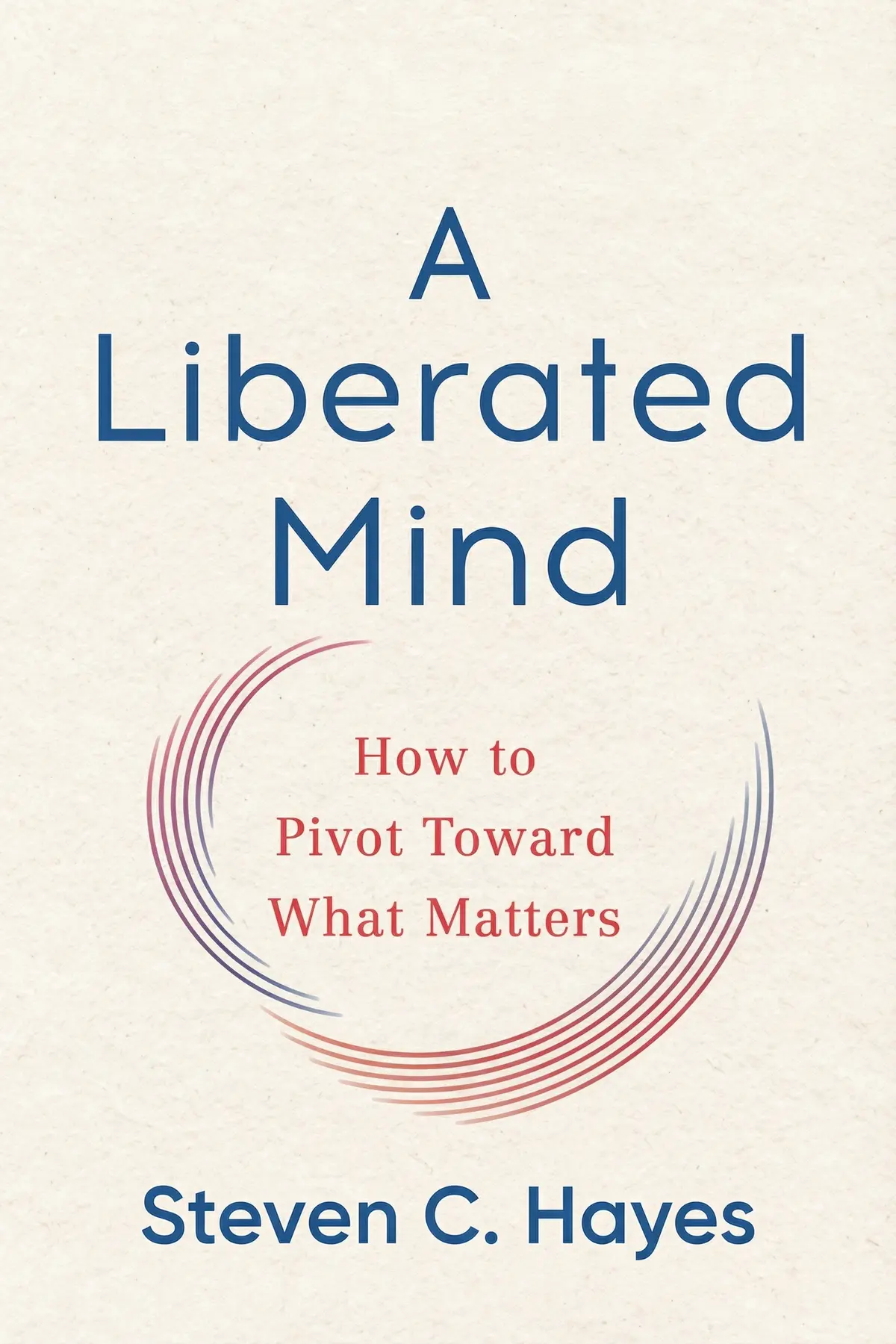
A Liberated Mind: How to Pivot Toward What Matters
Steven C. Hayes
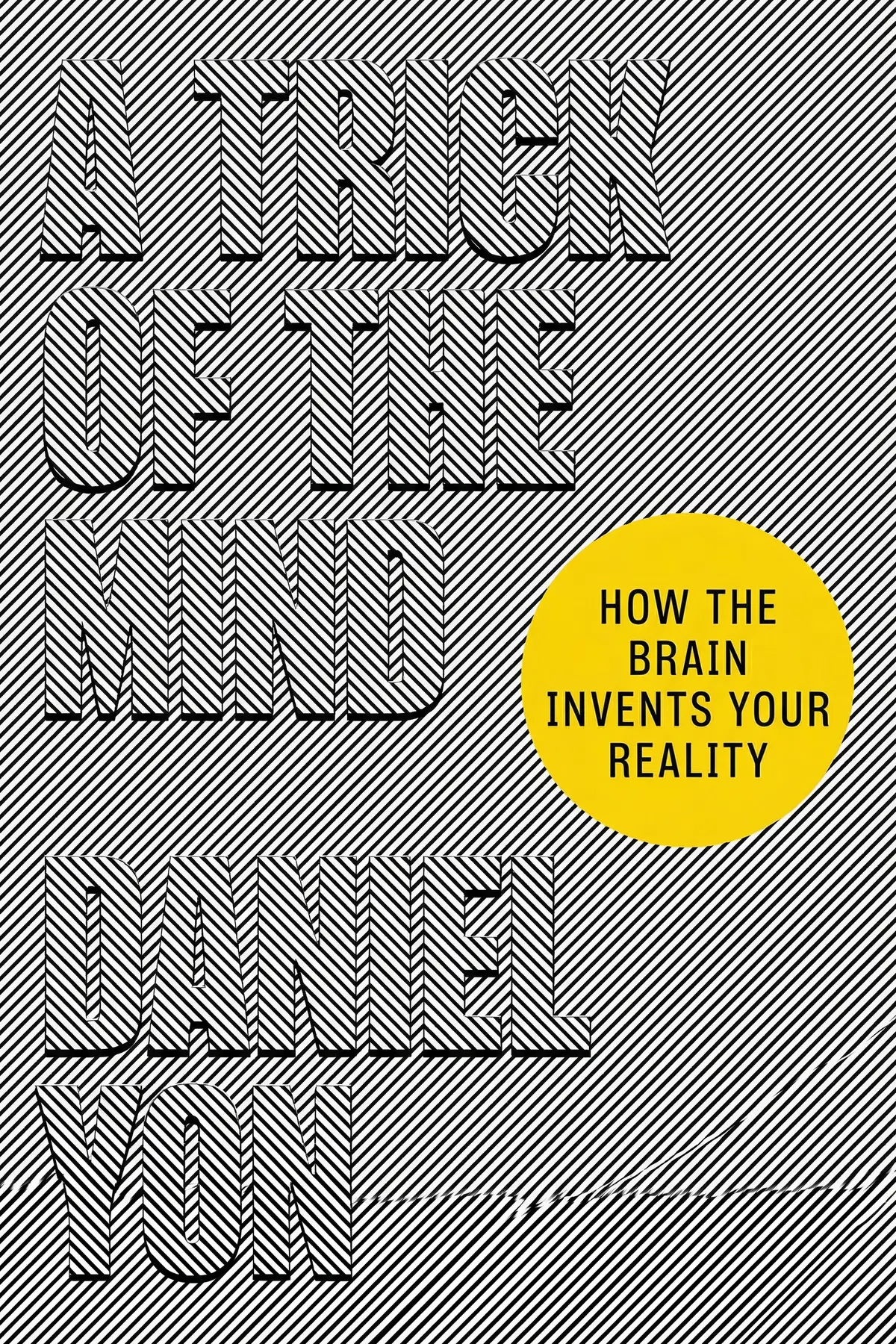
Acting with Power: Why We Are More Powerful Than We Believe
Deborah Gruenfeld

Age of Propaganda: The Everyday Use and Abuse of Persuasion
Anthony Pratkanis
AUDIO SUMMARY AVAILABLE
Listen to If You’re So Smart, Why Aren’t you Happy? in 15 minutes
Get the key ideas from If You’re So Smart, Why Aren’t you Happy? by Raj Raghunathan, plus 5,000+ more titles in English and Thai.
- 5,000+ titles
- Listen as much as you want
- 7-day free trial
- Cancel anytime







