
A Year with Peter Drucker: 52 Weeks of Coaching for Leadership Effectiveness
Joseph A. Maciariello
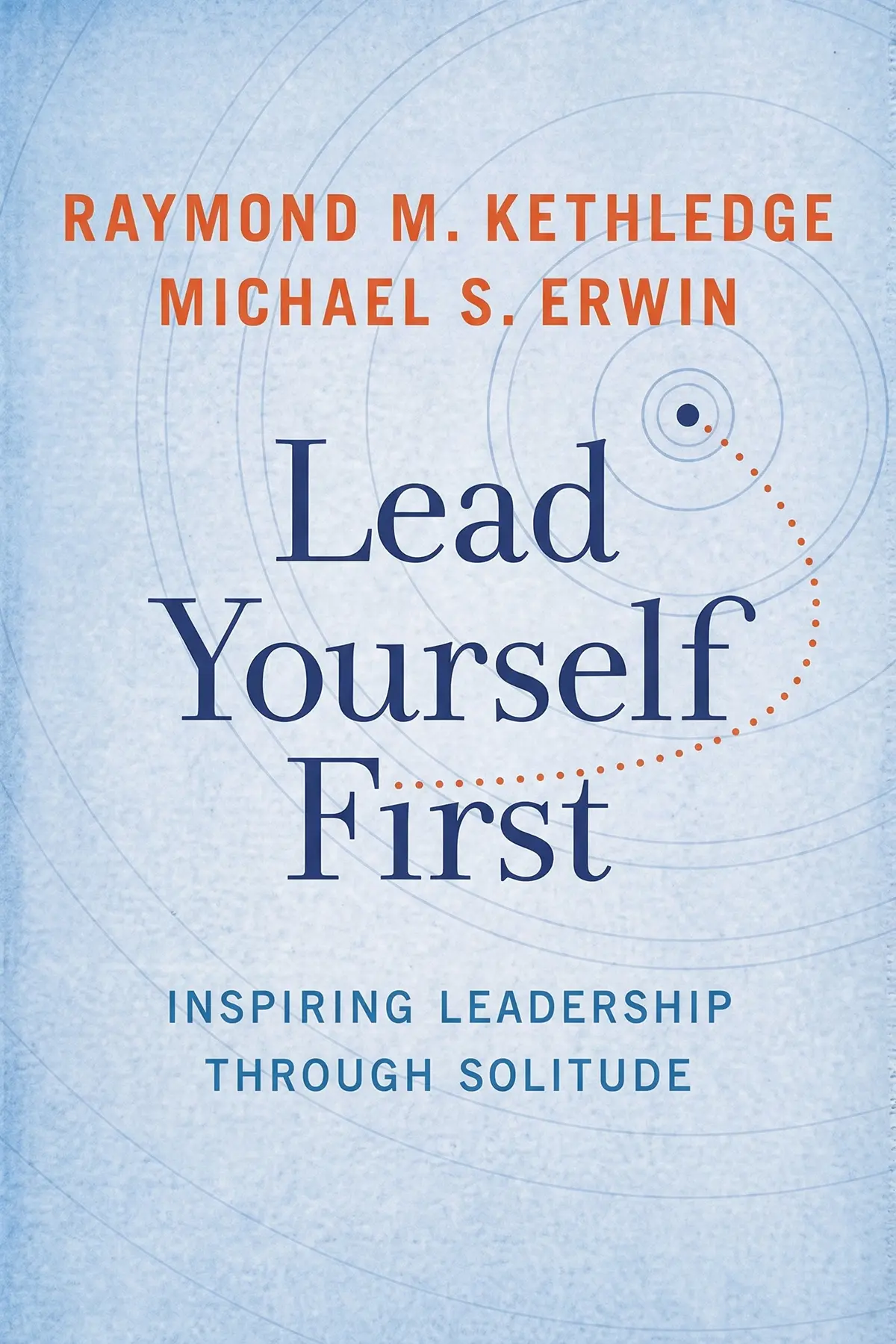
Explore how intentional solitude empowers leaders to find clarity and conviction. This summary details how stepping away from the noise fosters analytical depth, creative breakthroughs, and the emotional strength required for effective leadership.
1 min 44 sec
In the modern professional landscape, the sound of silence has become a rare commodity. We are constantly tethered to our devices, reacting to a never-ending stream of notifications, emails, and urgent requests. It feels as though being a leader means being perpetually available, always in the center of the fray, and constantly communicating. However, there is a growing realization that this frantic pace might actually be undermining our ability to lead effectively. When we are always reacting to external stimuli, we lose the ability to act from a place of deep, internal conviction.
This is where the transformative power of solitude comes into play. Solitude is not about isolation or avoiding responsibility; rather, it is about creating a mental sanctuary where you can process information without the interference of other people’s opinions or the distractions of the digital world. It is the practice of leading yourself first so that you are better equipped to lead others. By stepping back, you actually gain the perspective necessary to move forward with greater precision and impact.
In this exploration, we will look at how some of the world’s most influential figures have used the quiet to sharpen their minds and fortify their spirits. We will see how solitude isn’t just a break from work—it is the work. It provides the foundation for four pillars of leadership: analytical clarity, creative innovation, emotional balance, and moral courage. As we move through these concepts, consider how you might carve out your own moments of reflection to transform your leadership from a series of reactions into a series of intentional, well-considered choices. The path to becoming an exceptional leader doesn’t always lead through a crowded boardroom; sometimes, it starts in the stillness of your own mind.
2 min 25 sec
In a world of constant noise, the ability to find quiet is a competitive advantage that allows for deeper strategic thinking.
2 min 36 sec
Solitude provides the necessary distance to break down complex problems and see the underlying patterns of success.
2 min 31 sec
Creative breakthroughs often happen when we allow our minds to wander away from standard protocols and expectations.
2 min 28 sec
Solitude acts as a pressure valve, allowing leaders to process intense emotions so they can remain calm in public.
2 min 27 sec
Quiet reflection allows leaders to align their actions with their deepest values, even when faced with significant social pressure.
1 min 23 sec
The practice of leading yourself first through solitude is not a relic of a slower era; it is a vital survival skill for the modern age. As we have seen, the ability to step away from the crowd and the screen is what allows a leader to tap into their deepest levels of clarity, creativity, and courage. Whether it is the structured analysis of an Eisenhower, the creative intuition of a Goodall, or the moral steadfastness of a Johnson, the common thread is a commitment to the quiet.
As you move forward from this summary, don’t feel that you need to schedule a week-long silent retreat to see results. The power of solitude is found in the small, consistent choices you make every day. It’s in the twenty minutes of silence before your house wakes up, the decision to leave your phone in another room during lunch, or the habit of taking a solitary walk to process a difficult meeting. These moments are where you build the internal architecture of your leadership.
Remember that the goal is not to escape the world, but to return to it with a clearer mind and a stronger heart. By making solitude a priority, you ensure that your leadership is not just a series of reactions to the world around you, but an authentic expression of your own best self. In the quiet, you find the strength to lead with purpose, the vision to innovate, and the courage to stay true to your path. Start today by finding just fifteen minutes of silence, and watch how it begins to transform everything else.
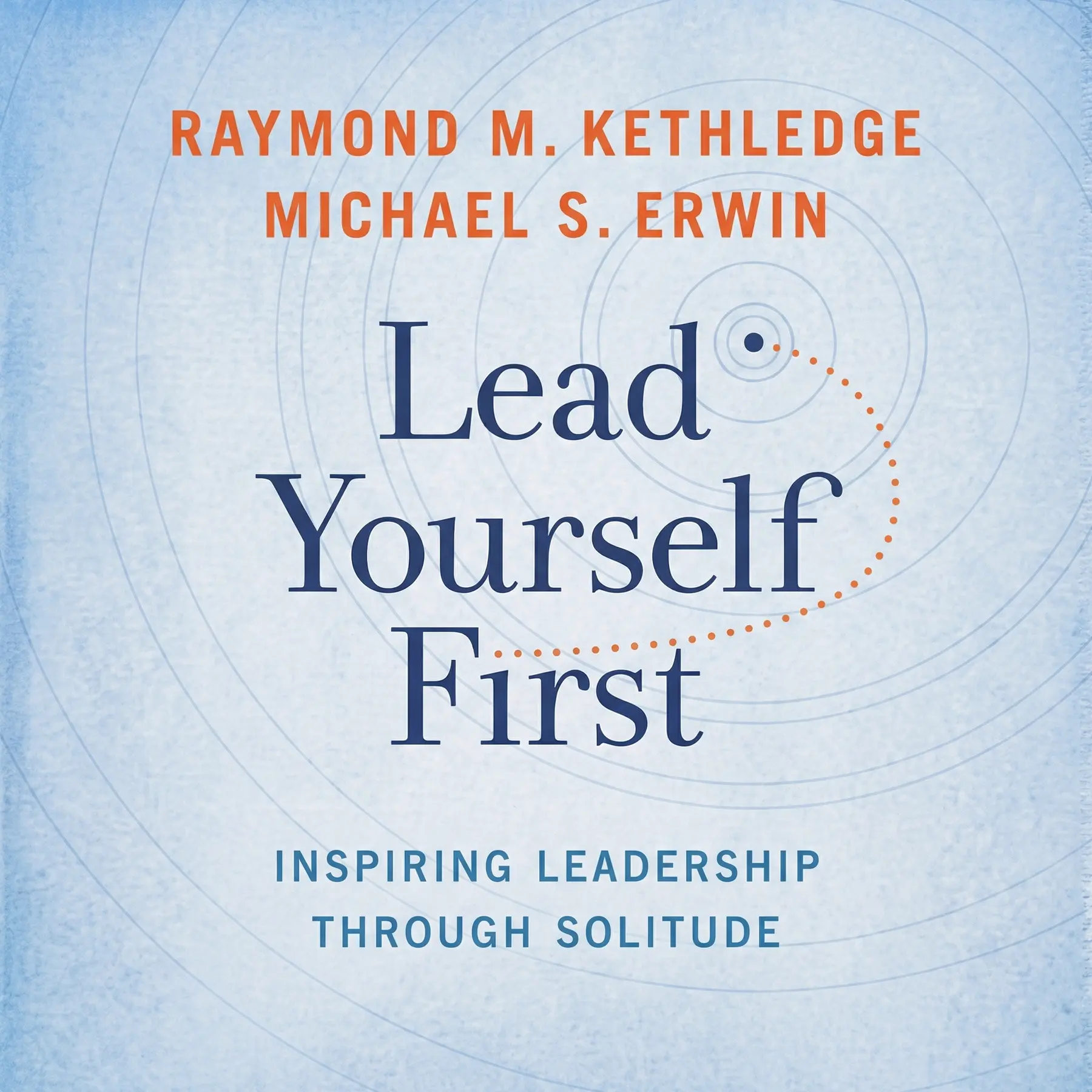
Lead Yourself First argues that the modern leader's greatest challenge isn't a lack of information, but a lack of the quiet space needed to process it. In an era defined by constant digital connectivity and rapid-fire demands, the authors suggest that the most essential leadership tool is solitude. By stepping away from external inputs, leaders can cultivate the internal resources necessary to handle complex challenges and high-stakes decisions. The book promises a roadmap for reclaiming your mental independence. Through a blend of historical case studies and contemporary business examples, it illustrates how solitude fuels four critical leadership capacities: clarity of thought, creative innovation, emotional balance, and moral courage. You will see how figures ranging from Dwight D. Eisenhower to Brené Brown used periods of reflection to navigate crises and stay true to their values. Ultimately, this summary shows that leading others effectively begins with the discipline of leading yourself in the quiet moments of life, transforming solitude from a luxury into a strategic necessity.
Raymond M. Kethledge is a judge on the United States Court of Appeals for the Sixth Circuit and a teacher at the University of Michigan Law School, where he previously earned his law degree. Michael S. Erwin is a graduate of West Point and a military veteran. He serves as the CEO of the Character & Leadership Center and has founded several nonprofits that focus on leadership development and supporting veterans.
Listeners consider this work essential reading for those in leadership roles, highlighting its accessible style and the way its deep insights prompt self-reflection. The text incorporates compelling accounts and historical background; in fact, one listener specifically mentions how narrative techniques are used effectively to illustrate the core arguments. Listeners value the high-quality prose, ethical significance, and the focus on how solitude serves as a vital component of leading others.
Finally got around to reading this after seeing it on a leadership list, and it really hits home in our hyper-connected world. Kethledge and Erwin argue convincingly that solitude isn't just about being alone, but about finding the space to think for yourself amidst the noise of social media and endless emails. I loved the section on Doug Conant's morning routine—thinking about family, work, and faith before starting the day is a practice I've already tried to adopt. The writing is polished and the historical anecdotes, especially regarding Eisenhower, provide a weight that most modern self-help books lack. It’s a deep dive into how clarity and conviction are forged in quiet moments. Highly recommended for anyone feeling burnt out by the constant stream of inputs.
Show moreWow. This book completely changed how I view my morning commute and my 'quiet time' at the office. Kethledge and Erwin provide a compelling framework for why we need to disconnect from our devices to connect with our own values and principles. I was fascinated by the way they analyzed Abraham Lincoln's use of solitude to find the strength to navigate the Civil War. It’s not just about 'me time'; it’s about the hard work of thinking through complex problems without the distraction of other people's opinions. If you feel like you're constantly reacting to crises rather than leading with purpose, buy this book and actually do the work.
Show moreAfter hearing about the authors' different backgrounds—one a judge, the other a veteran—I was curious to see how they would blend their perspectives. The result is a beautifully written, thought-provoking exploration of the inner life of a leader. They argue that to lead others, you must first lead yourself, and that requires the clarity that only comes from solitude. I found the section on T.E. Lawrence particularly haunting and insightful regarding the relationship between isolation and creativity. This isn't just another corporate manual; it's a call to reclaim our minds from the constant buzz of modern life. It’s definitely a book I’ll be revisiting and highlighting for years to come.
Show moreAs a professional who struggles to unplug, this was a much-needed reminder that silence is a tool, not a luxury. The authors break down the benefits of solitude into four categories: clarity, creativity, emotional balance, and moral courage, which makes the concepts easy to digest. I particularly enjoyed the stories about Jane Goodall and Martin Luther King Jr., as they provided a refreshing break from the heavy focus on generals and presidents. To be fair, some of the military anecdotes feel like they were pulled straight from a West Point reading list, which might not resonate with everyone. However, the overall message about leading from the inside out is powerful and timely.
Show moreTruth is, I think most of us know we should spend less time on our phones, but this book explains why it's detrimental to our leadership capacity. The distinction between 'inputs' and 'reflection' was a lightbulb moment for me. I appreciated the practical tips near the end, like putting 'time to think' on the calendar and setting expectations for availability. Some of the civil war history was a bit dense and felt like padding to reach a certain page count, but the core message remains vital. It’s a solid 4-star read that encourages you to step back and examine your own 'first principles' before trying to guide others. Definitely worth the time if you can filter out the fluff.
Show morePicked this up because of the Jim Collins foreword and I wasn't disappointed by the depth of the research. The authors do a fantastic job of showing how solitude helped leaders like Churchill and Eisenhower maintain emotional balance during high-stakes conflicts. It’s interesting to see how these men intentionally created space for their own thoughts when the world was literally falling apart around them. My only criticism is that it feels a bit like a 'boys' club' at times, with a very heavy tilt toward military and government figures. Still, the lessons on finding your moral compass through quiet contemplation are invaluable in our current 'always-on' culture.
Show moreNot what I expected given the hype, though the central premise that solitude leads to better leadership is undoubtedly sound. My main gripe is that the execution feels like a 'most fluff in a book' competition entry, with way too many pages dedicated to granular military history that doesn't always bridge the gap to modern corporate life. Do we really need twenty pages on D-Day to understand that reflection is good for decision-making? Some of the stories felt a bit dry, and I found myself skimming the detailed battle descriptions to get to the actual advice. While it’s a noble effort to encourage introspection, the book could have been half as long and twice as effective for a general audience.
Show moreEver wonder if great leaders are great because of solitude, or if the authors are just cherry-picking winners? This book feels like 'chicken soup for the leader's soul,' full of inspiring stories but lacking any real scientific rigor or data to back up its claims. Look, I agree that solitude is great for reflection, but the narrative structure is essentially: 'Here is a famous person who spent time alone, therefore they succeeded.' It ignores the possibility that mediocre leaders also spend time alone, or that some great leaders might be constantly collaborative. It’s a pleasant read with some decent historical trivia, but it functions more as a collection of biographies than a data-driven leadership manual.
Show moreThis book is essentially a long-form argument for a single point: put your phone away and think. While the sentiment is crucial, the authors take the scenic route to get there, filling hundreds of pages with historical anecdotes that vary wildly in quality. Frankly, I didn't need to know every detail of how Eisenhower handled Patton's outbursts to understand the value of emotional distance. It's a well-written book, but it suffers from the classic business-book trap of being an excellent 50-page essay stretched into a full volume. If you enjoy history, you’ll like it; if you want quick, actionable leadership tips, you might find it frustratingly slow and repetitive.
Show moreThe chapter on Aung San Suu Kyi was a major red flag for me, especially since her actions regarding the Rohingya were well-documented by the time this was published. Beyond that ethical oversight, the authors display a somewhat narrow, colonialist mindset throughout, consistently using the name 'Rangoon' instead of Yangon. It’s hard to take advice on 'moral courage' from writers who seem so disconnected from the lived experiences of anyone outside a very specific, white-male, military-centric bubble. I agree that solitude is important, but this collection of stories felt repetitive and lacked the diverse perspectives necessary to make it a truly universal leadership guide for the 21st century.
Show moreJoseph A. Maciariello

Deborah Gruenfeld
Mike Michalowicz
Hamilton Helmer

Margaret Heffernan
AUDIO SUMMARY AVAILABLE
Get the key ideas from Lead Yourself First by Raymond M. Kethledge, plus 5,000+ more titles in English and Thai.







