
12 min 51 sec
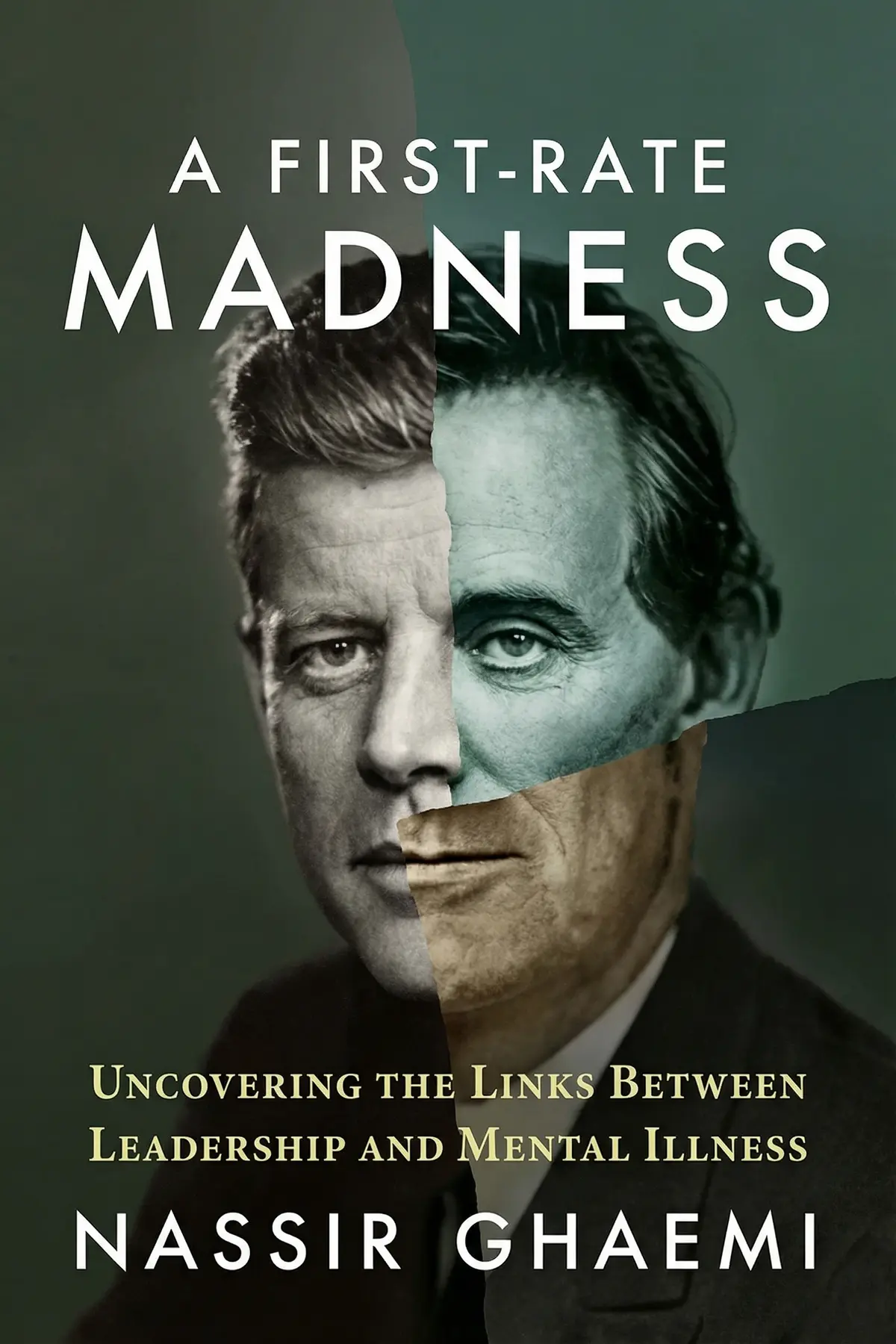
Leading: Learning from Life and My Years at Manchester United
Explore the leadership philosophy of Sir Alex Ferguson, the legendary Manchester United manager. Discover how observation, discipline, long-term preparation, and the power of presence can build a culture of sustained excellence in any organization.
Table of Content
1. Introduction
1 min 25 sec
Success is rarely an accident, but sustaining it for nearly three decades is practically a miracle. In the world of global sports, there is perhaps no name more synonymous with relentless winning than Sir Alex Ferguson. During his twenty-seven years at the helm of Manchester United, he didn’t just win games; he built an empire. He transformed a struggling club into a global powerhouse, collecting dozens of trophies and navigating the transition from the old-school era of soccer to the modern, multi-billion-dollar industry it is today.
But here is the fascinating thing: players came and went. Legends like David Beckham, Cristiano Ronaldo, and Wayne Rooney graced the pitch, but even when they moved on, the winning continued. This suggests that the secret to Manchester United’s dominance wasn’t just the talent on the field—it was the leadership in the dugout.
In this summary, we are going to look behind the curtain of the locker room. We’ll explore the psychological and structural strategies that Ferguson used to keep his teams sharp, motivated, and ahead of the competition. We will see how a leader’s most powerful tools are often their eyes and ears, not just their voice. We’ll look at why discipline acts as the foundation for creative genius, and why the simplest words of encouragement can be more effective than the most complex tactical instructions. This isn’t just a story about soccer; it’s a masterclass in how to lead people toward greatness, regardless of the field they play on.
2. The Power of Silent Observation
2 min 08 sec
Discover why the most effective leaders often step back from the action to gain a clearer perspective on their team’s true dynamics and performance.
3. Discipline as the Foundation of Excellence
1 min 57 sec
Learn how strict standards and a culture of personal accountability can transform a group of talented individuals into a cohesive, world-class unit.
4. Long-Term Preparation and the Talent Pipeline
1 min 58 sec
Explore the strategy behind fostering young talent and why planning for the next decade is just as important as planning for the next game.
5. Maintaining Balance and Managing Expectations
1 min 59 sec
Understand why a diverse mix of personalities and realistic goal-setting are essential for preventing burnout and maintaining team harmony.
6. The Influence of Presence and Positive Reinforcement
1 min 57 sec
Discover the profound psychological impact a leader’s physical presence and simple words of praise can have on a team’s motivation.
7. Conclusion
1 min 27 sec
The legacy of Sir Alex Ferguson is a testament to the idea that great leadership is a combination of meticulous systems and deep human empathy. It’s about more than just tactical brilliance on a chalkboard; it’s about creating an environment where people feel seen, challenged, and supported. By prioritizing observation over constant interference, a leader can identify the subtle shifts that determine success or failure. By establishing a foundation of discipline, they provide the structure that allows talent to truly flourish.
We have seen that preparation is a long game, requiring a commitment to the future that often outweighs the pressures of the present. We have learned that balance—whether in the age of the team or the types of personalities involved—is the key to a resilient organization. And perhaps most importantly, we have seen that the simple act of being present and offering genuine praise can be the ultimate motivator.
As you move forward in your own leadership journey, remember that failure is not the end; it is a teacher. Ferguson’s final piece of advice is to never get lost in self-pity when things go wrong. Instead, take responsibility, analyze the mistake, and look forward to the next opportunity to set things right. Whether you are leading a sports team, a business, or a community project, the goal is the same: build something that lasts, foster a culture of excellence, and never underestimate the power of a well-timed ‘well done.’
About this book
What is this book about?
Leading offers a deep dive into the mind of Sir Alex Ferguson, one of the most decorated and successful sports managers in history. While the backdrop is the high-stakes world of elite British soccer, the lessons are universally applicable to anyone steering a team toward a common goal. The book explores how Ferguson transitioned from a hands-on coach to a visionary leader who mastered the art of delegation and observation. Through personal anecdotes and management principles, the text reveals the importance of maintaining discipline without stifling creativity. It promises to show you how to build a sustainable pipeline of talent, handle the pressures of high expectations, and use simple gestures like praise to motivate top-tier performers. Whether you are leading a startup or a multinational corporation, these insights provide a roadmap for creating a winning culture that lasts for decades.
Book Information
About the Author
Alex Ferguson
Sir Alex Ferguson is the former manager of British soccer team Manchester United. He is considered the most successful British manager of all time, having won 49 trophies, including titles from the FA Cup, the Premier League and the Champions League. Today, Ferguson is a fellow of the Executive Education program at Harvard Business School. Michael Moritz is a venture capitalist and the author of The Little Kingdom.
Ratings & Reviews
Ratings at a glance
What people think
Listeners find the work to be a highly fascinating listen that offers solid leadership insights, with one listener characterizing it as a perfect recap of every necessary leadership skill. Additionally, the prose is captivating and accessible, and listeners value the book’s motivational themes and practical life advice. That said, opinions on the narrative's quality are varied, as some listeners found the epilogue lacked interest compared to the rest of the book.
Top reviews
Gung
This book delivers a surprisingly corporate perspective on the beautiful game. While many sports memoirs obsess over specific matches, Ferguson and Moritz pivot toward the structural foundations of success. You won't find scandalous gossip about David Beckham here, but you will discover how a leader handles high-pressure decision-making. Frankly, the comparison between the United dressing room and a high-stakes boardroom is the strongest element of the narrative. It’s an excellent summary of everything a manager needs to know about maintaining a winning culture. Some might find the tone a bit dry, yet the insights into long-term planning are invaluable for anyone in a supervisory role.
Show moreLincoln
Ever wonder what separates a good manager from a legendary one? This collaboration provides the answer through a series of pithy, experience-based lessons. Truth is, the most profound advice in these pages is often the simplest: show up early, be disciplined, and trust your instincts. I loved how Michael Moritz helps bridge the gap between the football pitch and the business world. It’s an inspirational read that feels like a private mentorship session with one of the greatest winners in history. The epilogue comparing Manchester United to tech giants was a fascinating highlight for me. Definitely a must-read for any aspiring CEO or coach.
Show morePia
Wow. What an incredible deep dive into the mind of a visionary leader. I was captivated by the way Ferguson describes the building blocks of Manchester United as a global entity. The collaboration with Moritz adds a layer of sophistication that distinguishes this from your average athlete’s memoir. Personally, I found the comparisons to Silicon Valley startups to be eye-opening rather than distracting. It confirms that high-performance cultures share the same DNA regardless of the industry. The advice is timeless, pithy, and incredibly practical for anyone managing people. It's an excellent summary of a truly remarkable career.
Show moreHenry
After hearing so many stories about the legendary Sir Alex, reading his actual thoughts on leadership was a treat. The book avoids the trap of being a mere rehash of past glories by focusing on the 'how' rather than just the 'what.' It’s an engaging read that emphasizes the importance of a strong foundation and a clear vision. Not gonna lie, I was surprised by how much I enjoyed the business-centric approach. It’s inspirational without being cheesy, offering real-world lessons that you can actually apply. This is a must-read for anyone who wants to understand the grit required to achieve long-term excellence.
Show morePriya
As someone who grew up watching United, I found this to be a refreshing departure from the standard 'tell-all' biography. It’s less about the goals and more about the grit. The focus remains squarely on a stolid Scottish work ethic that prioritizes discipline and focus over flashy acquisitions. I've always admired the 'build rather than buy' mentality, and seeing it articulated so clearly here was genuinely inspiring. To be fair, certain sections feel like a rehash of his previous autobiography, and the writing itself drifts through a variety of subjects without much commitment. Still, the life lessons regarding consistency are timeless. It’s a solid blueprint for leadership that transcends the sport.
Show morePawinee
Picked this up on a whim and was pleasantly surprised by the depth of the management philosophy. Sir Alex doesn't rely on tricks; he relies on building a mammoth organization through core values. The narrative crystallizes a very specific type of work ethic that seems to be disappearing in today's world of productivity apps and quick fixes. I found the section on 'building rather than buying' particularly relevant to my own career in sales. While the writing can be a bit spotty in the latter half, the overall message remains powerful. It’s a great summary of what it takes to stay at the top for decades.
Show moreWachira
The chapter on talent identification alone makes this worth the price of admission. It’s fascinating to see how Ferguson managed massive personalities without losing his own authority or focus. Gotta say, the lack of sensationalism regarding his time at Aberdeen and United is actually a strength here, as it allows the leadership principles to shine through. The prose is easy to read and moves at a decent clip, even if the epilogue drags on a bit too much for my liking. It isn't a book about football tactics, but rather a book about the psychology of winning. If you want to understand the engine behind the machine, start here.
Show morePornpimon
Finally got around to this after hearing mixed things, and I have to say I’m in the positive camp. The book succeeds in shaping a coherent philosophy out of a lifetime of anecdotes. It’s not just for sports fans; it’s for anyone who has to lead a team through periods of change and transition. Some parts could definitely use more detail, especially regarding his transition out of the game. However, the basic framework of discipline and focus is presented in such an accessible way that it’s hard not to feel motivated. It’s a solid, stolid piece of work that honors his legacy well.
Show moreSirinat
Look, if you are looking for juicy stories about Rooney or Ronaldo, you should probably look elsewhere. This isn’t that kind of book. It functions more as a leadership manual, which is fine, but I found myself getting a bit bored during the middle chapters. The writing style is engaging enough, though it feels a bit disjointed in places as it jumps between anecdotes. The epilogue is incredibly long and draws parallels with Silicon Valley companies that felt a little forced to me. While there are some decent takeaways about organization and management, it lacks the mind-bending revelations I was hoping for from a legend like Sir Alex.
Show morePatchara
Not what I expected at all, and frankly, I was bored out of my nut by the halfway mark. I was hoping for more detailed insights into specific tactical shifts or the famous locker room dynamics at Manchester United. Instead, the book offers very bland, stolid advice that you could find in almost any basic management handbook. 'Work hard' and 'be early' aren't exactly revolutionary concepts, are they? The writing drifts through subjects without much commitment or deep analysis. It feels like a collection of leftover stories with a thin veneer of business terminology slapped on top. It’s quite a long read for such a small amount of actual substance.
Show moreReaders also enjoyed
A Year with Peter Drucker: 52 Weeks of Coaching for Leadership Effectiveness
Joseph A. Maciariello



Ali: A Life
Jonathan Eig
Acting with Power: Why We Are More Powerful Than We Believe
Deborah Gruenfeld
All In: How Great Leaders Build Unstoppable Teams
Mike Michalowicz
AUDIO SUMMARY AVAILABLE
Listen to Leading in 15 minutes
Get the key ideas from Leading by Alex Ferguson, plus 5,000+ more titles in English and Thai.
- 5,000+ titles
- Listen as much as you want
- 7-day free trial
- Cancel anytime







