
21 min 18 sec
Lean In: Women, Work, and the Will to Lead
Lean In examines the systemic and internal barriers preventing women from reaching leadership roles, offering a roadmap for women to assert themselves in the workplace while navigating personal and professional challenges.
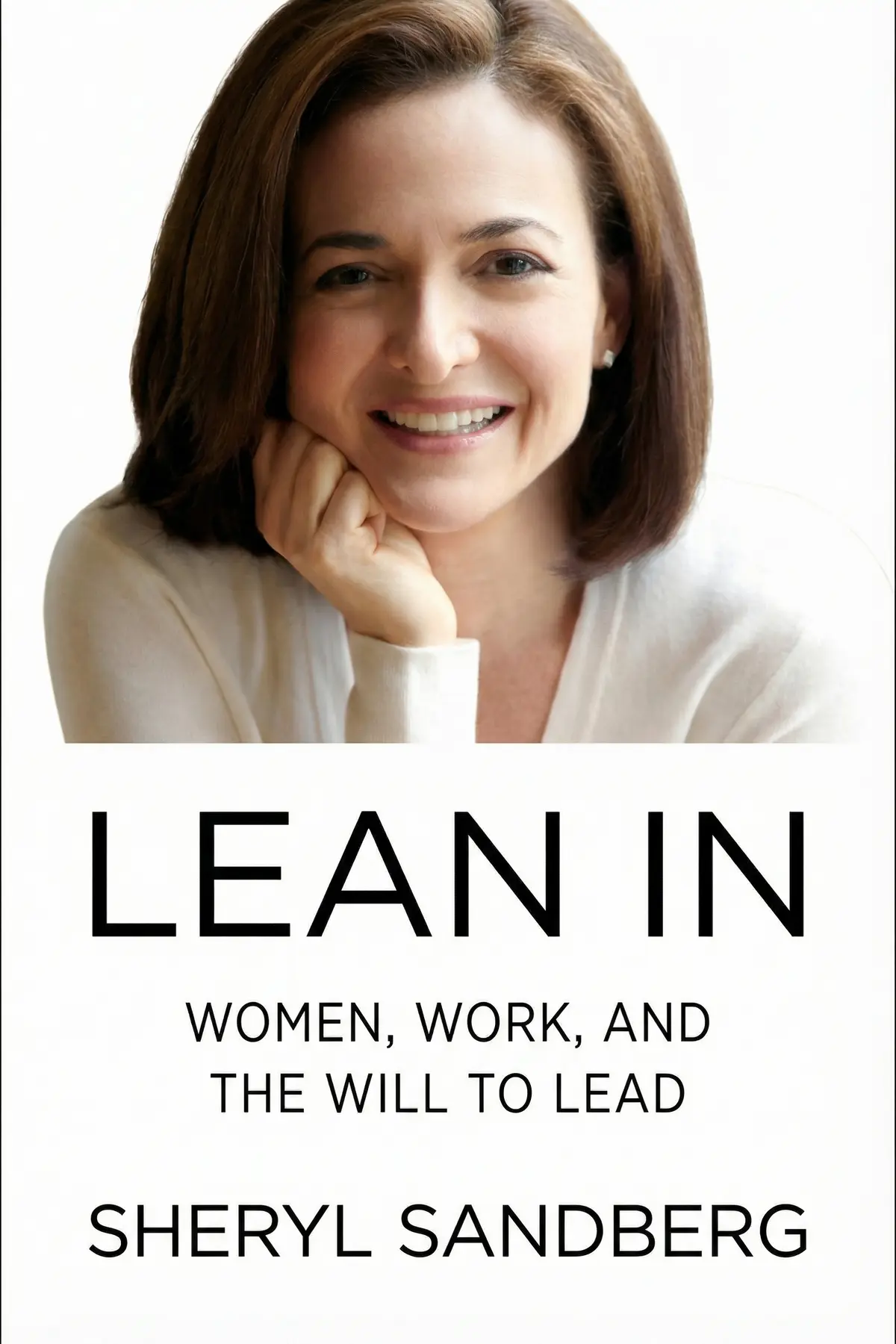
Table of Content
1. Introduction
1 min 39 sec
When we look at the modern landscape of work, it is easy to assume that the hardest battles for gender equality have already been fought and won. We see women in every industry, graduating from universities at higher rates than men, and holding positions that would have been unthinkable a century ago. However, if we look closer at the numbers and the cultural dynamics at play, a different story emerges. Despite the significant progress made by the women’s movement, we are still far from reaching a state of true parity, especially at the highest levels of power and influence.
The journey toward equality has reached a complicated plateau. While the overtly hostile sexism of the past has largely been pushed to the fringes, it has been replaced by more subtle, ingrained biases that are often harder to identify and even harder to dismantle. These barriers are both external—built into the structures of our companies and societies—and internal—shaped by the way women are socialized to view their own ambitions and abilities.
This summary is designed to explore those obstacles and provide a framework for overcoming them. We will look at why the leadership gap persists, how stereotypes continue to penalize ambitious women, and what it really means to lean in to a career. This is not just a conversation for women; it is a blueprint for a world where everyone has the opportunity to lead, regardless of gender. By the end of this exploration, we will see that achieving equality requires a dual approach: changing the institutional culture of the workplace and changing the internal narrative that holds many women back. Let’s dive into the core ideas that define the current state of women at work and the steps we can take to build a more balanced future.
2. The Persistence of the Inequality Gap
1 min 52 sec
Explore why gender equality remains an elusive goal despite decades of progress, and how subtle, benevolent sexism can be more damaging than overt hostility.
3. The Leadership Ambition Gap
1 min 50 sec
Women excel in academics but often disappear from the executive pipeline. Discover the social and psychological factors that contribute to this leadership void.
4. Internal Obstacles and the Confidence Gap
1 min 44 sec
Even the most successful women often feel like frauds. Learn how impostor syndrome and skewed self-assessment can derail a career.
5. Navigating the Career Jungle Gym
1 min 44 sec
The traditional career ladder is a thing of the past. Learn why a flexible, growth-oriented approach is more effective in today’s economy.
6. The Likeability Double Standard
1 min 44 sec
Ambition is celebrated in men but often criticized in women. Learn how to navigate the social penalties of professional success.
7. The Necessity of Authentic Communication
1 min 47 sec
Discover why honest feedback is crucial for a healthy workplace and how to communicate your truth without damaging relationships.
8. A New Model for Mentorship
1 min 47 sec
Stop asking for mentors and start attracting them. Learn how to build natural, reciprocal relationships that benefit both parties.
9. The Critical Role of Partnership at Home
1 min 50 sec
True workplace equality starts in the living room. Explore why an equal partnership at home is the foundation of career success.
10. Don’t Leave Before You Leave
1 min 38 sec
Learn why many women inadvertently sabotage their careers years before they have children and how to stay engaged until the very end.
11. The Myth of Having It All
1 min 49 sec
Perfection is an impossible goal. Discover how to prioritize what matters most and find a sustainable path to fulfillment.
12. Conclusion
1 min 54 sec
As we wrap up this exploration of the themes presented in Lean In, the central message is clear: achieving gender equality is an ongoing process that requires action on multiple fronts. We have seen that while the overt barriers of the past have diminished, they have been replaced by more subtle obstacles, such as benevolent sexism, the likeability double standard, and the leadership ambition gap. These external challenges are compounded by internal ones, like the persistence of impostor syndrome and the tendency for women to scale back their careers prematurely in anticipation of family life.
However, the throughline of this journey is one of empowerment. By understanding these dynamics, women can begin to challenge the internal narratives that hold them back. Leaning in means more than just working harder; it means having the confidence to sit at the table, the courage to communicate authentically, and the wisdom to choose growth over a rigid career path. It also means advocating for a world where the domestic workload is shared equally, allowing both men and women to thrive in all areas of their lives.
The road to true parity isn’t just about changing the behavior of individual women; it’s about a collective shift in how we value leadership, ambition, and family. It requires men to step up as equal partners at home and as advocates for their female colleagues in the workplace. It requires organizations to move away from outdated models of success and embrace a more flexible, result-oriented culture.
Ultimately, the goal is to create a world where every individual, regardless of their gender, has the freedom to pursue their highest ambitions and define their own version of success. By leaning in together, we can break through the glass ceilings that remain and build a future that is more inclusive, more productive, and more equitable for everyone. Let this be a call to action to stop settling for the status quo and to start taking the small, daily steps that lead to big, systemic change.
About this book
What is this book about?
Lean In explores the complex landscape of the modern workplace, specifically focusing on why the progress of women into top-tier leadership positions has stalled despite high levels of educational attainment. The book identifies a combination of external societal factors—such as gender bias, stereotypes, and lack of institutional support—and internal hurdles, including self-doubt and the pressure to preemptively scale back careers in anticipation of family life. The promise of this work is to provide women with the tools and mindset necessary to take charge of their professional destinies. It moves beyond just identifying problems to offering actionable strategies for navigating office politics, finding effective mentors, and negotiating for what they deserve. By encouraging women to lean into their careers and encouraging men to become equal partners at home, the book envisions a more equitable world where leadership is determined by talent rather than gender. It serves as both a call to action and a practical guide for any woman aiming to lead and any man looking to support a more inclusive environment.
Book Information
About the Author
Sheryl Sandberg
Sheryl Sandberg is a prominent American executive who served as the chief operating officer of Facebook. Before her tenure at Facebook, she held the role of vice president at Google and served as the chief of staff for Larry Summers at the US Secretary of the Treasury. Her influence in the global business community is widely recognized; in 2011, Forbes ranked her as the fifth most powerful woman in the world.
Ratings & Reviews
Ratings at a glance
What people think
Listeners find the writing compelling and straightforward, praising the well-researched insights that motivate them to evaluate their professional goals carefully. Targeted toward women in the workforce, the book explores gender-based prejudice and delivers helpful career-building strategies. Listeners also enjoy the narrative voice, with one listener mentioning its unique perspective, and they believe the book is a must-read for high school and college-aged girls and women.
Top reviews
Kwan
After hearing about the buzz for years, I finally dove in, and the chapter on the ‘fraud’ feeling hit me like a ton of bricks. We’ve all been there, sitting in a meeting and waiting for someone to realize we don't belong, but Sheryl puts words to that internal struggle so effectively. It’s a compelling mix of personal vulnerability—like that lice-on-the-private-jet story—and hard data about how women are perceived when they lead. I loved her point about the word ‘bossy’ being used as a weapon against girls while boys are just seen as leaders. It's an essential read for anyone entering the workforce, especially for high school or college-aged girls who need to hear that it's okay to want a seat at the table. While she certainly speaks from a place of immense privilege, the psychological insights into gender bias are universal. It changed how I view my own career 'jungle gym' and made me realize that I shouldn't be apologizing for my success.
Show moreLandon
Wow, Sandberg really delivered a manifesto that I think will resonate for decades. I went in expecting a dry business book, but it’s actually quite personal and easy to follow. The way she dismantles the 'myth of doing it all' was a huge relief for me. She admits that no one can have it all at the same time, and that's an important message for ambitious women to hear. I was especially struck by the 'Heidi vs. Howard' case study—it perfectly illustrates why successful women are often disliked for the same traits that make men popular. This book isn't just for women, either; men in leadership positions should read it to understand the subtle biases they might be perpetuating without knowing it. It’s well-researched, punchy, and ultimately very encouraging for those of us trying to climb while still maintaining some semblance of a personal life.
Show moreBee
Finally got around to reading this, and I’m honestly sorry I waited so long. As someone who has been called 'bossy' or 'aggressive' my entire career, seeing Sandberg embrace those traits as leadership qualities was incredibly validating. She manages to balance being the COO of Facebook with being a vulnerable human being who struggles with guilt and self-doubt, just like the rest of us. The book is specifically aimed at women in business, but the lessons on negotiation and self-advocacy are universal. I loved the emphasis on supporting other women rather than seeing them as competition. Not gonna lie, I teared up a bit reading about her personal journey and her husband’s support. It’s a must-read if you want to understand the modern workplace. It’s not a perfect book, but it’s a necessary one that starts a conversation we still need to be having today.
Show moreOat
Sandberg writes with such a unique perspective that it's hard not to be influenced by her passion. She takes on the 'mommy wars' and the societal pressure we put on women with a refreshing amount of honesty. I found the section on how to negotiate your salary particularly helpful; she provides actual strategies that take gender perception into account. It's an engaging, easy-to-follow book that doesn't feel like a lecture. Personally, I think every manager—regardless of gender—should read this to better understand the dynamics of their team. The statistics on how women are often penalized for being 'too successful' were eye-opening and deeply researched. It really encourages you to think deeply about your own path and what you’re willing to fight for. Overall, it’s a highly empowering read that provides useful career advice while pushing for a more equal society.
Show moreMonthon
Every young woman heading into her first professional role needs to keep a copy of this on her desk. Sandberg writes with a clarity that makes complex issues of gender discrimination feel digestible rather than daunting. I particularly appreciated her framing of careers as a 'jungle gym' rather than a ladder; it’s a much more realistic way to view growth in the modern economy. Frankly, the data she presents about identical resumes being rated differently based on name gender is the kind of stuff that keeps you up at night. It’s an engaging read that forces you to think deeply about the small, everyday ways we might be holding ourselves back. Is it a bit repetitive? Sure. Does it focus heavily on the corporate world? Yes. But as a guide for navigating the unique hurdles women face in business, it provides a unique perspective that is hard to find elsewhere.
Show moreUbolwan
Picked this up during a lull in my career, and it was exactly the kick in the pants I needed. I’ve always been someone who stayed quiet in meetings, afraid to speak up unless I was 100% sure I was right. Reading about how men apply for jobs when they meet only 60% of the criteria while women wait until they hit 100% was a total 'aha' moment for me. Sandberg’s voice is authoritative yet relatable, and she isn't afraid to poke fun at herself. The chapter on not 'leaving before you leave'—essentially not pulling back from opportunities because you might have kids in a few years—is vital advice. My only gripe is that she can be a bit blind to her own wealth. However, the core message about taking a seat at the table is something every woman in business can benefit from, regardless of their industry.
Show moreCooper
This isn't just another boring business memoir; it’s a well-documented look at why gender equality has stalled. Sandberg uses a lot of social science research to back up her points, which I really appreciated as an analytical person. It makes it harder to dismiss her arguments as just 'opinions.' I found her thoughts on the importance of having a supportive partner at home to be the most practical part of the book. In my experience, she’s right—you can’t lean in at work if you’re doing 100% of the leaning at home. It’s written in a way that’s very accessible, making it a great gift for college grads. While she does focus heavily on the corporate 'power elite,' the underlying lessons about confidence and overcoming internal barriers are applicable to any career path. A solid, thought-provoking read that I’ll likely revisit.
Show moreSam
The truth is, I wanted to love this, but I struggled with the tone at times. While the research into subconscious cognitive bias is genuinely eye-opening, Sandberg’s perspective is undeniably rooted in the Silicon Valley elite. It’s easy to talk about 'leaning in' when you have a nanny and a private jet, and she doesn't always acknowledge how hard these choices are for women who aren't wealthy or white. I found the mention of Marissa Mayer particularly polarizing, as it feels like an extreme standard that most mothers simply can't or won't meet. Still, gotta say, her advice on finding mentors and demanding more from partners at home is solid. It's a decent conversation starter for couples, but it shouldn't be treated as a universal manual for every woman’s life. It feels more like a view into a specific world of high-power business that many of us will never inhabit.
Show moreRungrat
To be fair, the book makes some excellent points about how women unintentionally hold themselves back. I’ve definitely caught myself doing the 'imposter' thing where I credit luck instead of my own hard work. But man, the examples she uses can be so out of touch. Praising a woman for dressing her kids in school clothes at night to save 15 minutes? That doesn't sound like a life I want to lead. It feels like she’s advocating for a version of success that requires you to sacrifice everything else. Sandberg is clearly brilliant, and her career advice is top-notch, but I wish there was more for the woman who wants a balanced life, not just a seat in the C-suite. It’s a bit of a mixed bag for me—inspiring in parts, but exhausting in others. Good for high school students to read, but with a grain of salt.
Show moreFord
Maybe I’m just not the target audience for this, but I felt more alienated than inspired. Look, the writing style is fine, and I’m sure Sandberg means well, but the advice feels like it’s coming from a different planet. When you’re a single mom working two jobs just to keep the lights on, 'leaning in' at a board meeting sounds like a luxury. She mentions her nanny so casually that it’s almost frustrating. I also didn't appreciate the implication that if we just worked harder and asked for more, the system would magically fix itself. It ignores the structural barriers like affordable childcare and healthcare that really hold women back. To be fair, she touches on policy changes, but the bulk of the book puts the burden of change on the individual woman. It’s a very elite perspective that ignores the reality of the working class.
Show moreFeatured in

Readers also enjoyed

A Biography of Loneliness: The History of an Emotion
Fay Bound Alberti

A Force for Good: The Dalai Lama's Vision for Our World
Daniel Goleman


A Room of One’s Own
Virginia Woolf
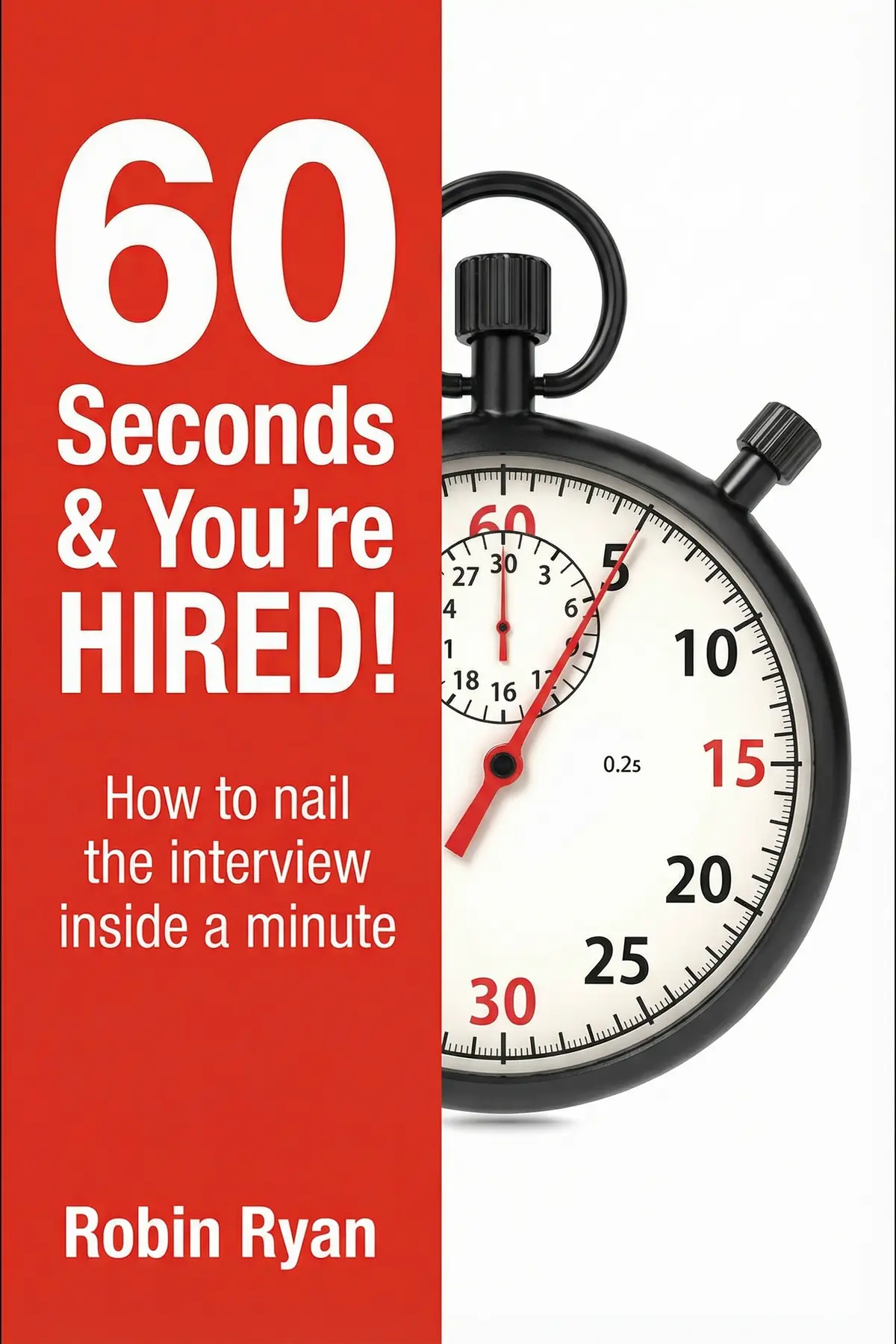
60 Seconds & You’re Hired!
Robin Ryan

Abolish Rent: How Tenants Can End the Housing Crisis
Tracy Rosenthal
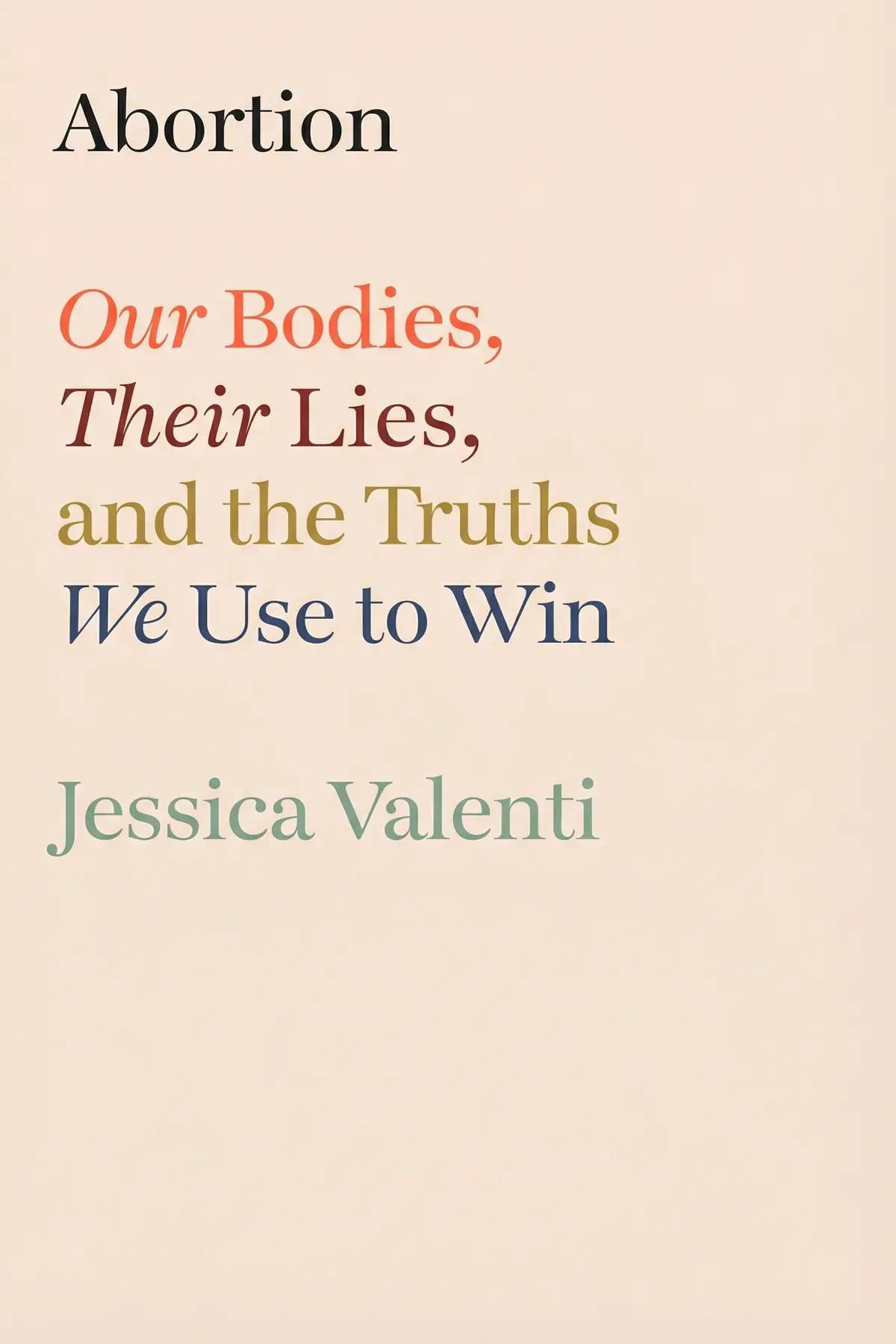
Abortion: Our Bodies, Their Lies, and the Truths We Use to
Jessica Valenti
AUDIO SUMMARY AVAILABLE
Listen to Lean In in 15 minutes
Get the key ideas from Lean In by Sheryl Sandberg, plus 5,000+ more titles in English and Thai.
- 5,000+ titles
- Listen as much as you want
- 7-day free trial
- Cancel anytime







