
15 min 12 sec
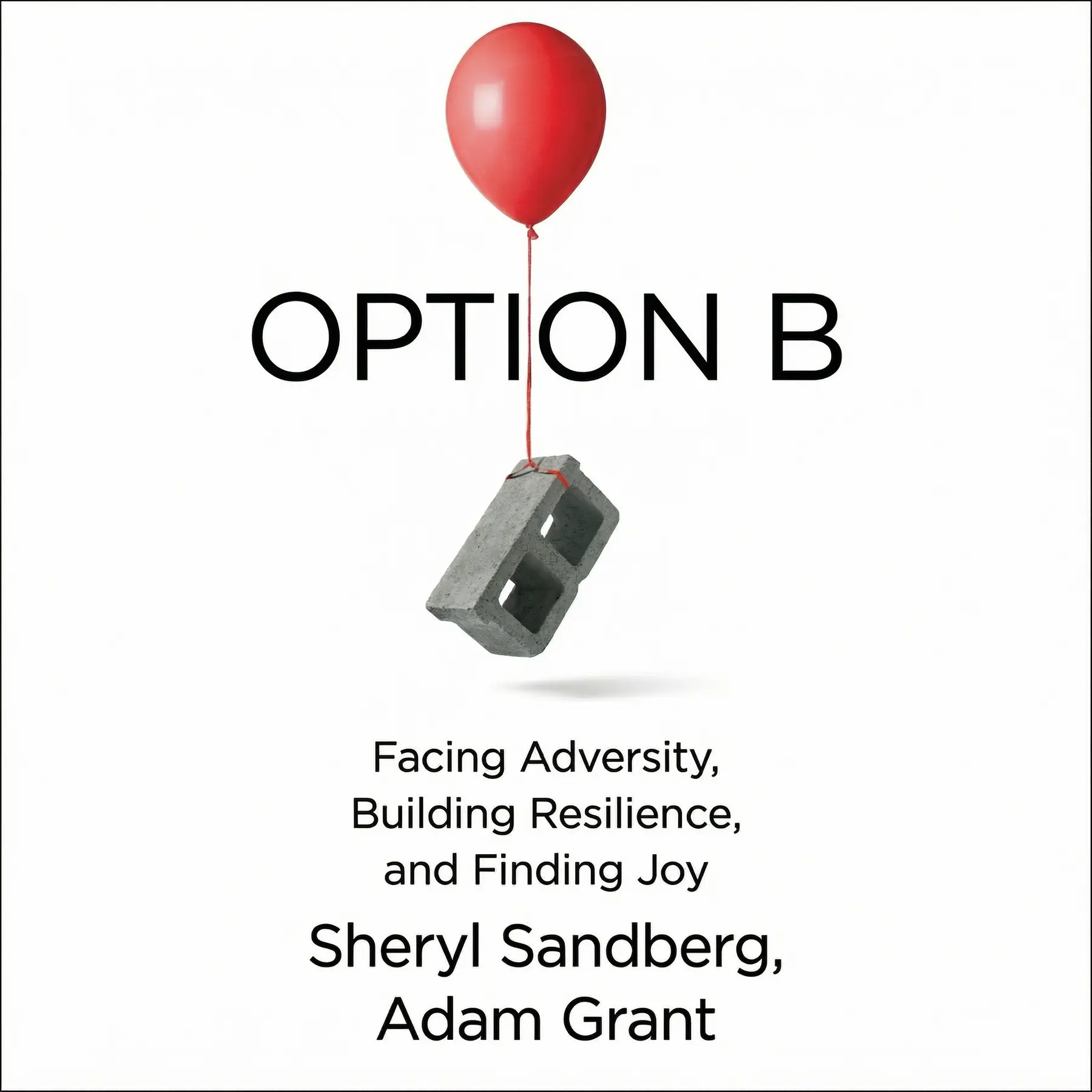
Option B: Facing Adversity, Building Resilience, and Finding Joy
Option B explores the journey of overcoming profound loss and adversity. It provides a roadmap for building resilience, rediscovering joy, and supporting others through life’s most difficult and unexpected challenges.
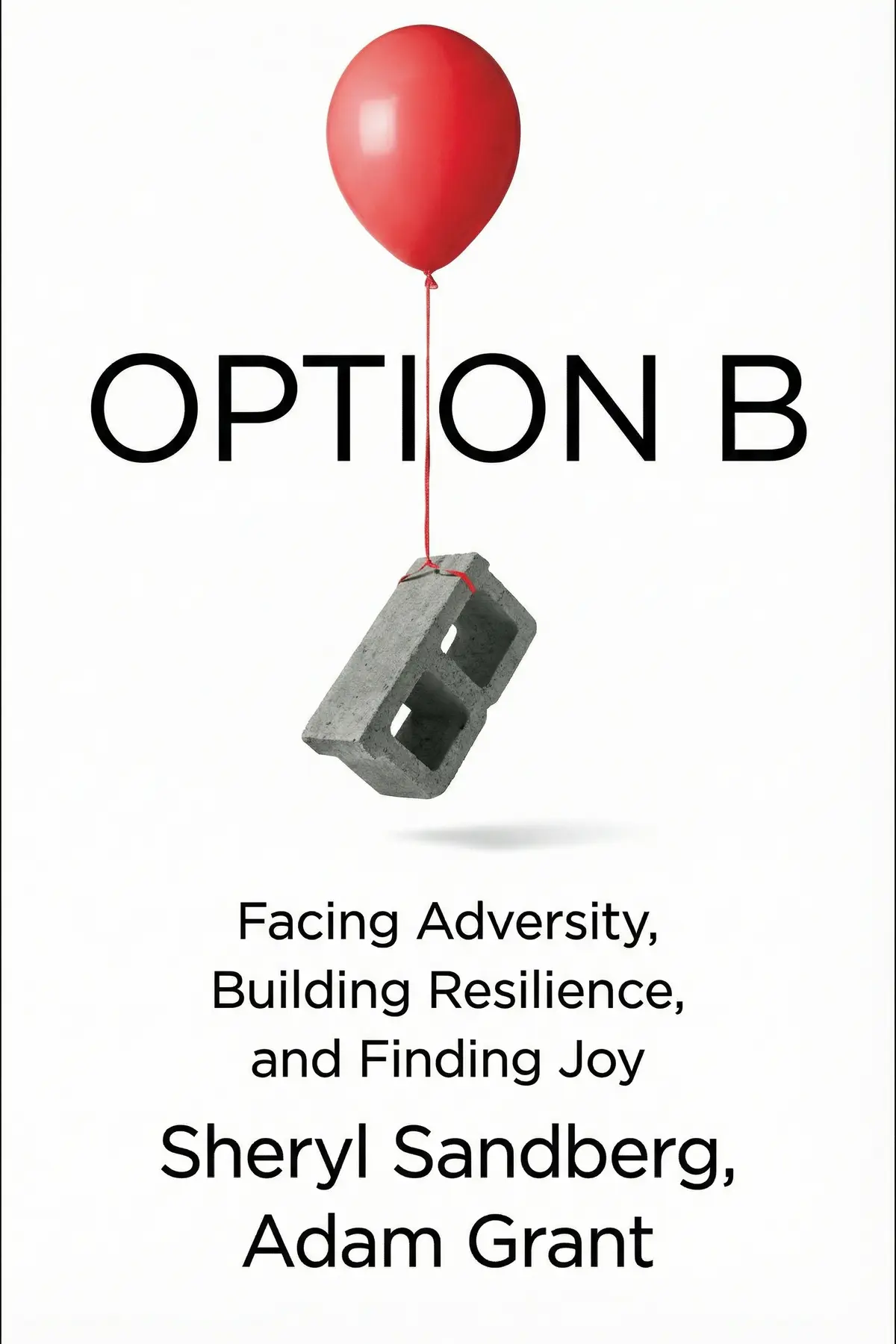
Table of Content
1. Introduction
1 min 37 sec
Imagine your life as a carefully constructed path. You know where you are going, who is walking beside you, and what the future is supposed to look like. Then, in a single, heart-shattering moment, that path is obliterated. This is the reality many face when tragedy strikes. For Sheryl Sandberg, this moment arrived with the sudden, unexpected death of her husband, Dave Goldberg. In an instant, the ‘Option A’ of her life—the one involving her partner and the future they had planned—was gone forever.
In the wake of such a loss, the natural response is a feeling of total devastation, a sense that the world has stopped turning. But as Sandberg discovered through her collaboration with psychologist Adam Grant, the end of Option A does not mean the end of a meaningful life. It means it is time to kick the living daylights out of Option B. This summary is not just a meditation on grief; it is a practical, evidence-based guide to resilience. It explores how we can rebuild our internal strength, how we can find permission to feel joy again, and how we can foster a culture of support that helps everyone around us bounce back from adversity.
Over the course of this exploration, we will dive into the psychological hurdles that keep us stuck in pain and the specific actions we can take to move forward. We will look at why some people seem to recover faster than others and how community plays a vital role in individual healing. Whether you are dealing with a personal loss or looking to support someone who is, these insights provide a throughline from the depths of despair back to the light of a lived life.
2. Identifying the Three Mental Traps of Tragedy
2 min 23 sec
When disaster strikes, the mind often defaults to three specific patterns of thinking that can paralyze the recovery process and deepen our suffering unnecessarily.
3. Resilience as an Active Practice
2 min 00 sec
Resilience is often misunderstood as a fixed trait, but it is actually a skill that can be cultivated through deliberate emotional work and self-reflection.
4. Reclaiming the Right to Joy
1 min 56 sec
Finding happiness after a loss can often lead to a secondary wave of guilt, but giving yourself permission to feel good is essential for long-term health.
5. The Power of Collective Resilience
1 min 59 sec
While individual strength is important, true recovery often happens within the context of a community that shares burdens and hopes.
6. Bridging the Gap Between the Grieving and the Supportive
1 min 55 sec
Communication during a crisis is often hampered by the ‘mum effect,’ where friends stay silent to avoid awkwardness, unintentionally deepening the sufferer’s isolation.
7. Providing a Panic Button for Those in Need
1 min 43 sec
Effective support isn’t about vague promises of help; it’s about providing specific, tangible actions that reduce the cognitive load on the person suffering.
8. Conclusion
1 min 39 sec
The journey from the wreckage of Option A to the reality of Option B is never easy, and it is rarely a straight line. It is a process marked by setbacks, unexpected surges of grief, and the slow, often quiet rebuilding of a new identity. However, as we have explored, resilience is not an elusive trait reserved for the lucky few. It is a set of behaviors, thoughts, and actions that anyone can learn and develop. By identifying the mental traps of self-blame and hopelessness, we can begin to shift our internal narrative. By practicing gratitude and allowing ourselves to reclaim joy, we provide our spirits with the oxygen they need to survive.
But perhaps the most important lesson of all is that we do not have to do this alone. Resilience is as much about the people around us as it is about the strength within us. Whether we are the ones walking through the fire or the ones standing on the sidelines ready to help, our actions matter. We can choose to be the person who asks the right questions, who offers the specific help, and who refuses to let silence create a wall of isolation.
Ultimately, Option B is a testament to the durability of the human heart. It reminds us that while we cannot control what happens to us, we can control how we respond. We can build our resilience, we can find meaning in our struggles, and we can, eventually, find a way to experience joy again. The life you are living now might not be the one you planned, but it is still a life worth living to the fullest. When Plan A is no longer an option, the best thing you can do is embrace Option B with everything you’ve got.
About this book
What is this book about?
Life rarely follows the perfect script we write for ourselves. When tragedy strikes—whether it is the sudden loss of a spouse, a health crisis, or a professional failure—the 'Plan A' we envisioned disappears forever. Option B is about what happens next. It is an exploration of the human capacity to endure and eventually thrive when the unthinkable occurs. Drawing on personal experience and psychological research, this summary examines how to navigate the overwhelming waves of grief and the internal traps that prevent healing. It offers a promise that resilience is not a fixed personality trait, but a muscle that can be strengthened. By understanding the mechanics of recovery, from the way we talk to ourselves to the way we lean on our communities, we can find a path toward a life filled with meaning and even happiness, even when it isn't the life we originally planned.
Book Information
About the Author
Sheryl Sandberg
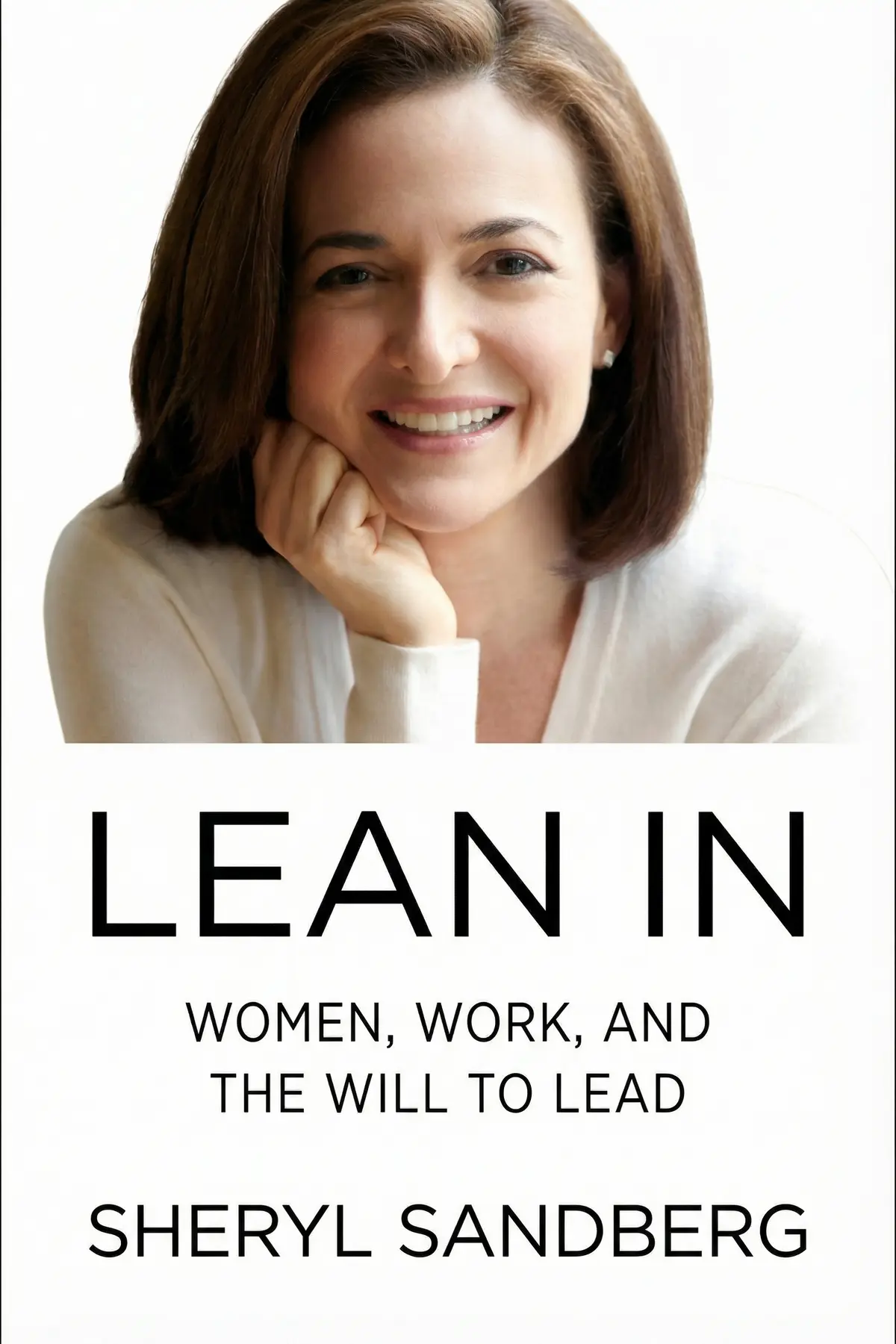
Sheryl Sandberg is the chief operating officer at Facebook and an active philanthropist who helps women achieve their goals. She was previously vice president of online sales at Google, as well as chief of staff at the US Department of the Treasury. Her first book was the best-selling Lean In. Adam Grant is a psychologist at the University of Pennsylvania’s Wharton School whose writing has received awards from the American Psychological Association and the National Science Foundation. He is also a contributing op-ed writer for the New York Times and the author of the best-selling books Originals and Give and Take.
Ratings & Reviews
Ratings at a glance
What people think
Listeners view this work as essential for those experiencing grief, providing useful life wisdom and actionable advice for managing hardship. The content is poignant and motivating without feeling condescending or overbearing, which helps people acknowledge their emotions and progress. Listeners value the authentic accounts of bereavement shared in the text and find the material highly beneficial for navigating tough times.
Top reviews
Rose
Wow, this was a punch to the gut in the best way possible. I lost my father suddenly last year, and this book validated feelings I didn't even know how to name. The distinction between asking 'How are you?' and 'How are you today?' is such a small change, yet it makes a world of difference to someone in pain. It acknowledges that grief isn't a linear path with five neat stages, but a messy, fluctuating state. I found the section on building resilience in children particularly moving, especially the four core beliefs they need to develop. The writing is clear and surprisingly vulnerable, making it feel like a long conversation with a friend who has been through the fire. This isn't just a book about death; it’s a manual for anyone whose life hasn't gone according to Plan A. Highly recommend for the practical empathy cards alone.
Show moreSven
Finally got around to reading this, and I wish I had discovered it months ago when I was first dealing with my own loss. The authors do a fantastic job of explaining that resilience is a muscle you build, not a fixed personality trait you're born with. I was stuck in the 'Permanence' trap, thinking I would never feel happy again, but the stories shared here helped me see a path forward. The journaling exercises are simple but effective, and they helped me reclaim some sense of control over my daily life. It’s a deeply emotional journey that manages to stay grounded in real-world application. I’ve already bought three extra copies to give to friends who are struggling with various life setbacks. This book doesn't just offer platitudes; it offers a strategy for survival when Option A is no longer on the table.
Show moreConnor
Truly an inspiring read for anyone who feels like they are drowning in an 'Option B' life because 'Option A' is no longer available. This book helped me realize that acknowledging pain is the first step toward healing, rather than just trying to 'stay positive' all the time. The story of NFL veteran Vernon Turner was particularly powerful and served as a great example of using adversity as fuel. Sandberg and Grant have created a guide that is both deeply personal and broadly applicable to any kind of hardship, from divorce to job loss. I found the section on 'contributions' versus 'blessings' to be a game-changer for my mental health. It’s well-written, emotional, and doesn’t feel heavy-handed despite the somber subject matter. It helped me find the courage to start seeking joy in small moments again, and for that, I am incredibly grateful.
Show moreHugo
Picked this up during a particularly rough patch, and while Sandberg’s world is light-years away from mine, the core message of resilience really landed. The book introduces the 'Three P's'—Personalization, Pervasiveness, and Permanence—which act as a helpful framework to stop the downward spiral after a tragedy. To be fair, her billionaire status is obvious throughout, but the psychological insights provided by Adam Grant add a layer of scientific credibility that I appreciated. I especially loved the suggestion to write down three things you did well each day rather than just a gratitude list. It shifts the focus from what you're thankful for to how you are contributing and growing. It is an emotional read, often raw, and it doesn't try to sugarcoat the fact that some days just suck. While I can’t relate to her private jets, I can relate to the feeling that the world has ended when you lose someone you love.
Show moreRoydao
After hearing Sheryl Sandberg talk about her husband's passing on a podcast, I felt compelled to see how she translated that agony into words. This book is a courageous exploration of the 'shouting silence' that follows a tragedy. The way she describes Dave’s sudden death is heartbreaking, yet the book quickly pivots to how one can find joy again without feeling guilty. I appreciated the focus on post-traumatic growth and the idea that we can actually become stronger after a crisis. There are moments where the tone feels a bit preachy, and the constant Facebook plugs are distracting, but the overall message is one of hope. It’s a helpful resource for coworkers too, providing a roadmap for how to handle the 'elephant in the room' when someone returns to the office after a loss. It’s not a perfect book, but it is a necessary one.
Show moreArjun
The chapter on 'Self-Compassion' was exactly what I needed to hear right now. We are often our own harshest critics during a crisis, and the research Grant includes about soldiers with PTSD was eye-opening. Personally, I found the book's emphasis on finding meaning through work to be a very powerful concept. It reminded me that even when our personal lives are in shambles, contributing to something larger can be a form of therapy. My only real gripe is that some of the advice feels tailored to people who have a lot of help at home. Not everyone can lean on a massive support network or take time off whenever they need to cry. Still, the psychological tools are universal, and the writing style is engaging enough to keep you turning pages. It’s a solid 4-star read for the mental health insights alone.
Show moreEye
Look, it is easy to dismiss this because of Sandberg’s status, but the psychological framework provided by Adam Grant is rock solid. The book does a great job of deconstructing the cultural pressure to always be 'awesome' and 'enthusiastic' even when we are suffering. I appreciated the honesty about how loneliness and isolation are often the worst parts of any tragedy. The advice on how to be a better friend—by offering specific actions instead of vague 'let me know if you need anything'—is something everyone should read. While the tone can be a bit somber, the ending is surprisingly uplifting. It’s a book about the strength of the human spirit and the importance of community. It isn't a replacement for therapy, but it’s an excellent supplement for anyone trying to navigate their way through a dark season of life.
Show moreIsaiah
As someone who usually avoids the self-help genre, I found the blend of memoir and psychological research quite interesting. The chapters are well-organized, and the case studies of people overcoming varied adversities—like incarceration or illness—were more relatable than the author's personal anecdotes. Frankly, I skimmed through the parts where she talks about her high-pressure job at Facebook because it felt disconnected from my life. However, the 'Platinum Rule' of friendship—treating others how they want to be treated—is a great takeaway for anyone supporting a grieving friend. It’s a decent read, though it feels a bit like it was written by a committee at times. You can definitely tell where Adam Grant’s clinical voice takes over from Sandberg’s personal narrative. Not a life-changer for me, but it has some solid, actionable tips if you can look past the corporate backdrop.
Show morePong
Ever wonder how the ultra-wealthy handle tragedy? This book gives you a front-row seat, for better or worse. On one hand, the vulnerability Sandberg shows regarding her grief is genuinely moving. On the other hand, the book feels like a weird advertisement for the Facebook culture. The name-dropping is relentless, and the 'advice' sometimes feels like it belongs in a corporate HR manual rather than a grief guide. I did enjoy the section on the five states of grief and how they aren't linear, as that matched my experience much more than the old 'stages' model. There's definitely some gold in here, especially regarding how to talk to kids about hard things, but you have to mine through a lot of privilege to find it. It’s okay, just don't expect it to solve your financial stressors if those are part of your tragedy.
Show moreKek
Not what I expected from a book that claims to be a universal guide for the grieving. Truth is, most of the advice felt entirely out of touch with the reality of average working people. Sandberg suggests that it's okay to cry at work or even fall asleep in meetings as a sign of progress, but for most of us, that's a quick way to get a pink slip. She mentions the financial struggles of other widows almost as a footnote while describing her own international travels and elite support systems. The name-dropping of Mark Zuckerberg and constant mentions of Facebook’s 'healing' power felt like a corporate PR move. I felt for her loss, I really did, but the lack of perspective regarding her privilege made it difficult to finish. If you aren't a high-powered executive with limitless resources, you might find this more frustrating than helpful.
Show moreFeatured in
Readers also enjoyed
Alcoholics Anonymous
Alcoholics Anonymous World Services

A Liberated Mind: How to Pivot Toward What Matters
Steven C. Hayes
ADHD an A-Z: Figuring It Out Step by Step
Leanne Maskell

AUDIO SUMMARY AVAILABLE
Listen to Option B in 15 minutes
Get the key ideas from Option B by Sheryl Sandberg, plus 5,000+ more titles in English and Thai.
- 5,000+ titles
- Listen as much as you want
- 7-day free trial
- Cancel anytime







