
11 min 22 sec
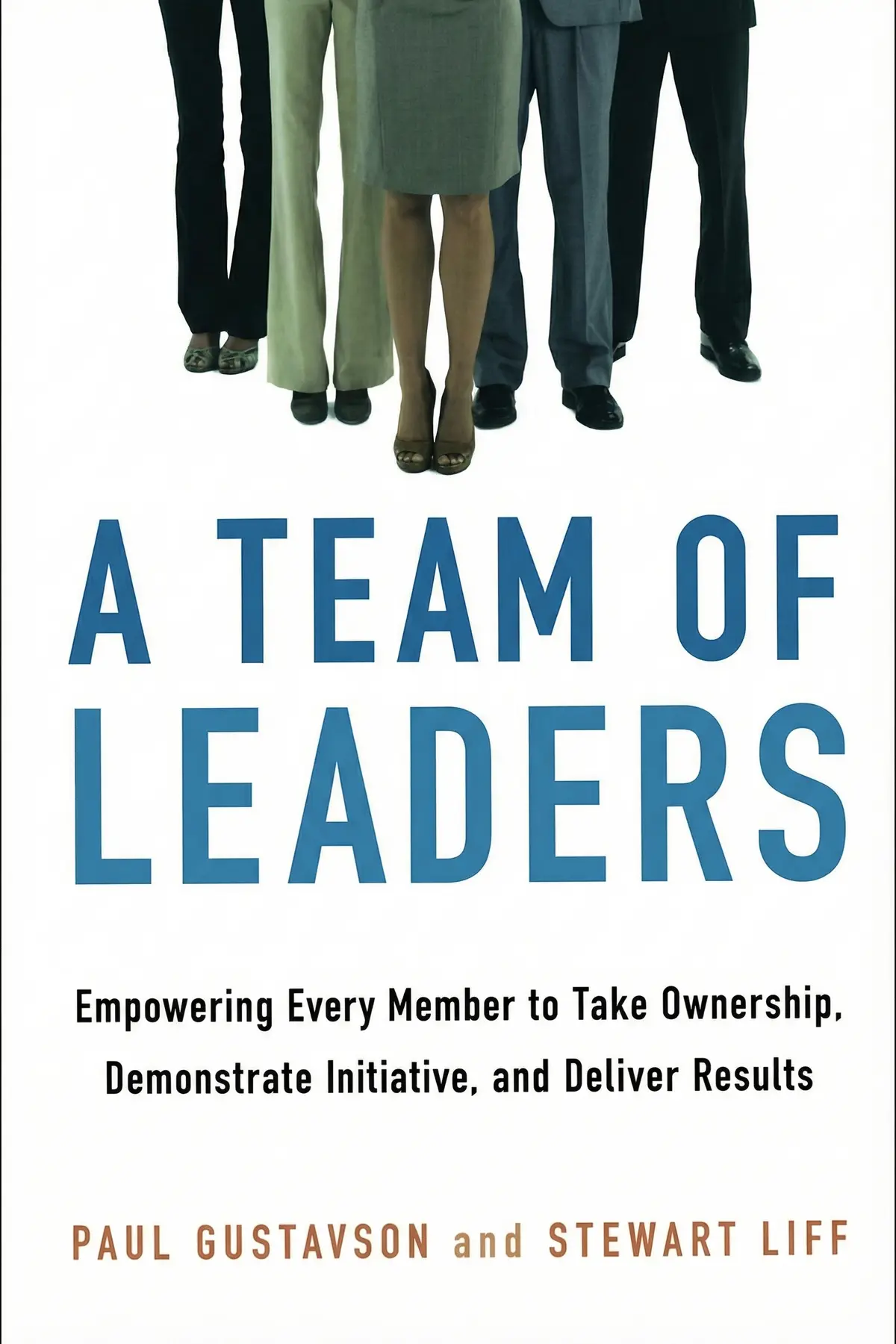
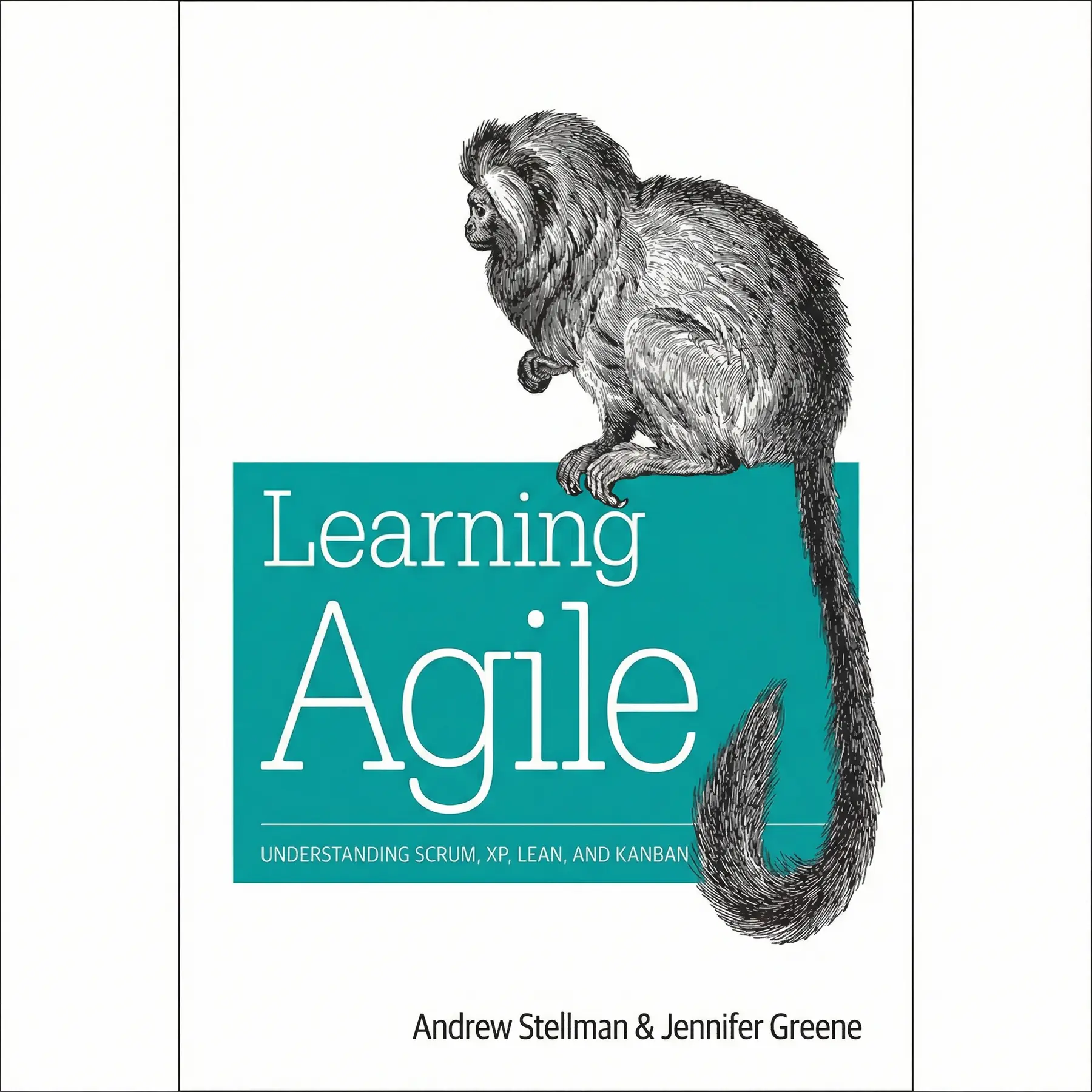
Learning Agile: Understanding Scrum, XP, Lean, and Kanban
Learning Agile explores the fundamental philosophies behind popular software development frameworks, helping teams move away from rigid, failing plans toward a flexible, customer-focused approach that thrives on constant feedback and iterative growth.
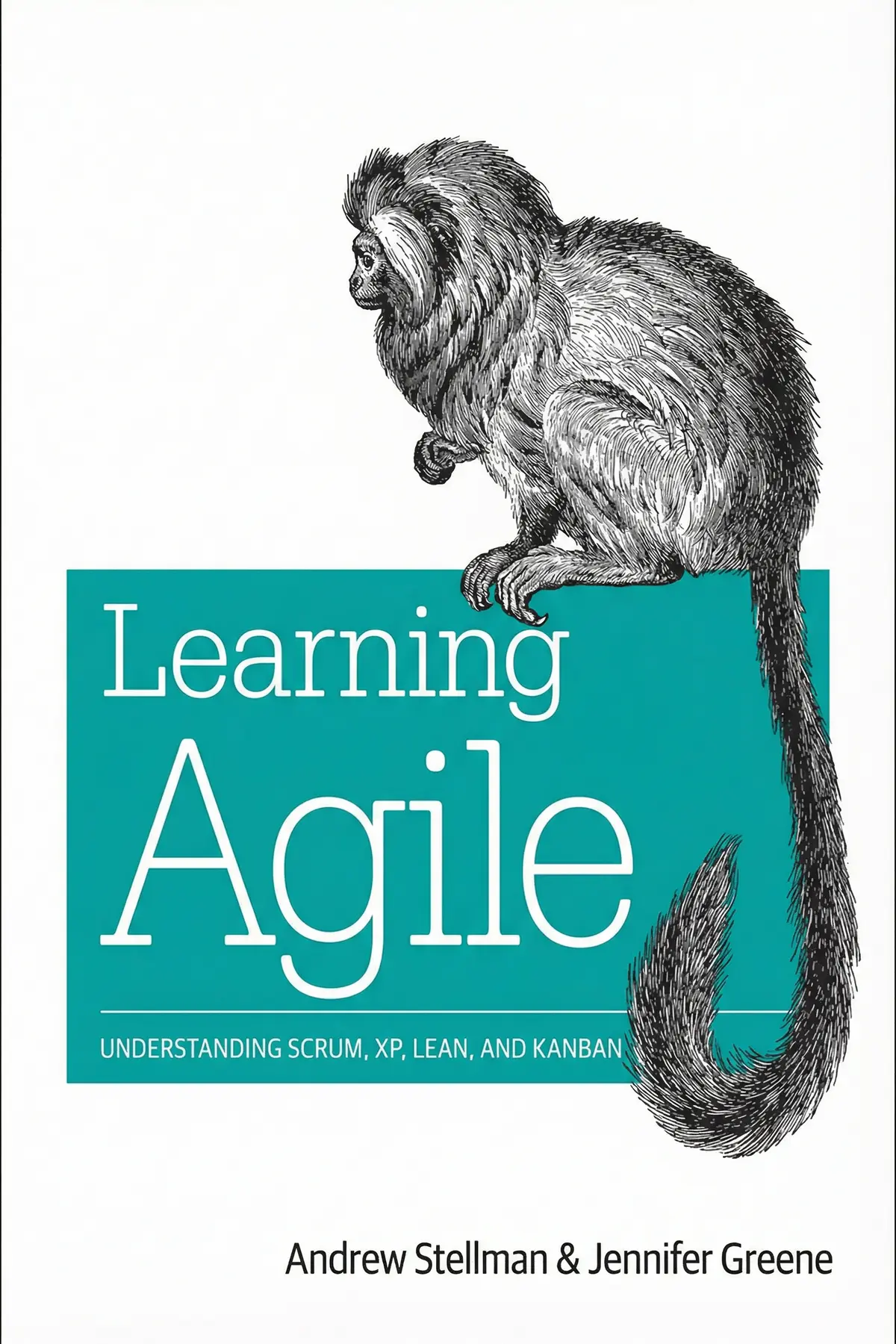
Table of Content
1. Introduction
1 min 51 sec
In the world of business and product development, there is a classic trap that even the most brilliant minds fall into. It begins with a simple, well-intentioned question: ‘What does the customer want?’ On the surface, it seems like the right starting point. But as the legendary Henry Ford famously noted, if he had asked people what they wanted, they would have probably told him they wanted faster horses. They couldn’t envision a car because they were stuck in the reality of the present. This highlights a fundamental truth: customers often don’t know what they actually need until they see it. If you spend years building exactly what they asked for at the start, you might find that by the time you’re done, the world has moved on, and your product is obsolete.
This brings us to the core of Learning Agile by Andrew Stellman and Jennifer Greene. While the book focuses heavily on software development, its lessons apply to any complex project where the goal is to provide value in a shifting landscape. Many people hear the word ‘Agile’ and immediately think of specific meetings, sticky notes on a wall, or complex tracking software. They jump straight into the ‘how’—the methodologies like Scrum or Kanban—without ever stopping to understand the ‘why.’ Stellman and Greene argue that this is a mistake. You can’t just go through the motions of a new system if you haven’t changed the way you think about work itself.
Throughout this summary, we are going to explore the foundational principles that make Agile effective. We will follow the journey of a hypothetical development team to see where traditional methods fail and how a new mindset can rescue a project from the brink of disaster. We’ll look at why releasing ‘imperfect’ software is actually the fastest path to perfection, and how to handle the inevitable frustration that comes when a project’s requirements change halfway through. By the end, you’ll see that Agile isn’t just a set of rules; it’s a way of staying in constant conversation with reality.
2. The Failure of Rigid Development
2 min 06 sec
Traditional project management often relies on a front-loaded process that can leave teams building the wrong product for a market that has already moved on.
3. Embracing the Iterative Loop
1 min 58 sec
Real value is created through constant feedback and the early delivery of functional, albeit incomplete, versions of a product.
4. Cultivating an Agile Mindset
1 min 52 sec
Adopting new methods is useless without a psychological shift that views change as an opportunity rather than a failure.
5. Putting Theory into Practice through Sprints
2 min 00 sec
Breaking large projects into manageable cycles allows teams to stay in sync with reality and continuously refine their goals.
6. Conclusion
1 min 35 sec
As we have seen, the journey into Agile is much more than a change in project management software or a new way to organize your morning meetings. It is a fundamental commitment to reality over speculation. Andrew Stellman and Jennifer Greene show us that the greatest risk in any complex project isn’t making a mistake; it’s failing to notice that mistake until it’s too late to fix it. By shifting from a Waterfall mindset to an iterative one, you aren’t just changing how you work—you are changing how you learn.
The core takeaway is that responsiveness is your greatest asset. Whether you are using Scrum, Kanban, or any other framework, the principles remain the same: deliver value early, listen to your customers, and be willing to change your mind when the facts change. No plan is ever perfect because no one can predict the future. However, by embracing a feedback-heavy, iterative approach, you create a system that is designed to get smarter over time.
To begin applying this today, start by looking at your current projects. Is there a way to get a ‘rough draft’ or a prototype into a user’s hands sooner? Can you create a space where your team feels safe admitting that a certain direction isn’t working? Remember, the goal of Agile isn’t just to work faster—it’s to make sure that all that hard work is actually going toward something that people need. When you stop fearing change and start using it as a tool for improvement, you move beyond just ‘doing’ Agile and start ‘being’ Agile. That is the secret to building products that don’t just survive the market, but actually define it.
About this book
What is this book about?
Have you ever spent months working on a project only to realize the final product was no longer what the market needed? This is the core problem addressed in Learning Agile. The book serves as a bridge between the technical mechanics of software development and the human mindset required to execute it successfully. It moves beyond just teaching tools, focusing instead on the 'why' behind methodologies like Scrum, XP, Lean, and Kanban. The promise of the book is a total transformation in how value is delivered. By understanding the underlying principles of the Agile Manifesto, teams can stop being 'order-takers' following a doomed map and start being responsive creators who adapt to change. Through practical scenarios, the authors illustrate how to foster better communication, embrace imperfection, and prioritize customer satisfaction above all else. It is a guide for anyone looking to build software that actually matters in an unpredictable world.
Book Information
About the Author
Andrew Stellman
Andrew Stellman and Jennifer Greene are seasoned veterans of the software engineering world. Stellman is an experienced developer, architect, and agile coach who has lent his expertise to major institutions like Microsoft and MIT. Greene is a versatile leader with a background in development management and business analysis, having worked across finance, media, and IT consulting. Together, they combine decades of project management experience to simplify complex development concepts.
Ratings & Reviews
Ratings at a glance
What people think
Listeners find the material both thorough and accessible, which makes it a strong primer for anyone new to Agile principles. They value the high-quality writing and the way various methodologies are presented throughout the text. Opinion is divided on the narrative sections, however, with one listener noting the content felt like a collection of overly wordy short stories.
Top reviews
Skylar
Finally got around to reading this staple of the software world, and it lived up to the hype for the most part. Andrew Stellman and Jennifer Greene do a fantastic job of breaking down complex methodologies like Scrum, Kanban, and XP without making them feel like homework. I particularly appreciated the emphasis on why these frameworks exist rather than just listing rules to follow blindly. It’s a very beginner-friendly introduction that avoids the 'one-size-fits-all' trap many managers fall into. The layout is great too, with key point boxes and summaries that help reinforce the learning. Truth is, most teams are just going through the motions, so seeing the 'why' behind the responsiveness was refreshing. My only gripe is that some of the narratives felt a bit repetitive towards the end of the book. Still, it’s a solid resource for anyone starting their agile journey or coaching others.
Show moreA
Andrew and Jennifer really nailed the tone here, creating something that feels more like a mentorship session than a textbook. I’ve read a lot of process books, and most are cure-for-insomnia material, but the cartoons and diagrams here keep the energy high. They tackle 'magical thinking' in project management head-on, which is something every tech lead needs to hear eventually. In my experience, the biggest hurdle to Agile isn't the tools, it's the culture, and this book addresses that gap beautifully. The FAQ sections at the end of each chapter are particularly useful for answering those 'but what if...?' questions that always come up during transitions. It covers Scrum, XP, Lean, and Kanban with enough depth to get you started without overwhelming you. It’s not your typical serious 'animal series' O'Reilly book, and that’s exactly why it works so well. Highly recommended for any team looking to move beyond just rituals.
Show moreWissanu
Picked this up on a recommendation from my lead, and it’s been an eye-opener regarding the 'why' behind Lean and Kanban. Many people rush into these methodologies without understanding the cart-before-the-horse risk, and this book does a great job of preventing that mistake. The focus on responsiveness and real-world testing over 'perfect' planning is exactly what my current team needs to hear. I love that they don't just stop at Scrum but give you a broad view of the entire ecosystem. The writing style is engaging, and the authors’ decades of experience really shine through in the coaching tips. Got to say, the emphasis on empathy for the customer and the team was an unexpected but welcome touch. It’s a comprehensive and well-rounded guide that actually makes you want to try new things at the office tomorrow. Definitely one of the better resources out there for building a solid foundation.
Show moreAnchalee
Wow, I didn't expect an O'Reilly book to be this engaging and visually driven! The mix of cartoons, xkcd comics, and clear diagrams makes it feel very accessible, even if you’re not a hardcore developer. Learning Agile (2015) isn't just about the mechanics; it's about shifting your mindset to embrace change rather than fearing it. I found the sections on the iterative process and continuous delivery to be particularly well-explained. The authors have a great way of showing how each sprint maps to a new version of the software, making the concept of agility very tangible. It’s a great introduction to Scrum and Lean that avoids being overly academic. Frankly, I think every project manager should have a copy of this on their desk to remind them that the perfect plan doesn't exist. It’s easy to understand and delivers exactly what it promises on the cover.
Show moreGai
The chapter on mindset really changed how I view our daily stand-ups and sprint planning sessions. Frankly, I’ve been part of teams that treat Agile like a checklist, which the authors accurately describe as a 'better-than-nothing' approach that misses the actual value. This book focuses heavily on the underlying principles, like early delivery and customer feedback, rather than just the mechanics of the process. It’s quite detailed and easy to understand, making it a perfect gift for stakeholders who don’t quite get why we can’t give them a perfect 18-month plan. I loved the inclusion of xkcd comics and the conversational tone that keeps you moving through the pages. While I would have liked more specific sections on Agile criticism to balance things out, the coaching tips sprinkled throughout were incredibly practical. It’s definitely more than just a manual; it’s a philosophical guide for building better software.
Show morePla
Ever wonder why software projects fail even when they follow the original plan to the letter? Stellman and Greene use a great e-book reader thought experiment to illustrate the dangers of the old-school waterfall process. This narrative approach makes the abstract concepts of iterative design and feedback loops feel much more grounded and real. It’s an awesome book for anyone who feels stuck in a rigid organization and needs a way to explain the benefits of being nimble. Not gonna lie, the story characters are a little cheesy, but the authors use them effectively to highlight common workplace friction. The way they distinguish between agile as a mindset and the various methodologies like Lean or Scrum is handled with a lot of care. It’s comprehensive, well-rounded, and avoids the usual dry, technical jargon. A must-read for junior devs and product managers alike.
Show moreChloe
This book provides a no-nonsense guide to a concept that is frequently misunderstood in corporate settings. Agile is often bandied about as a universal fix, but Stellman and Greene are quick to remind us that it’s just a tool—you have to know when and how to apply it. The structure is logical, moving from the overarching values to specific frameworks like XP and Scrum. Sentence lengths vary enough to keep the reading pace brisk, and the diagrams help clarify how the feedback loops actually function in a sprint. To be fair, I think the book could be about 50 pages shorter if they trimmed the stories, but I can see how they would help a complete novice. It’s an approachable introduction that doesn’t shy away from the human element of software development. If you’re tired of the buzzwords and want to understand the core principles, this is a solid pick.
Show moreManee
As someone who has been 'doing' Scrum for years without really getting it, this was a massive revelation. It turns out we were just following the rituals without adopting the actual agile mindset, which the authors call 'better-than-nothing' results. The book helped me see that our lack of responsiveness was because we weren't truly iterating based on customer feedback. The writing is conversational yet authoritative, drawing on the authors’ extensive background at places like Microsoft and MIT. I liked the focus on the first principle: satisfying the customer through early delivery. Even though some of the case studies felt a bit long, they were useful for seeing how these principles play out in a real-world project from start to finish. It’s a detailed, well-rounded resource that provides plenty of actionable ideas to try with your own team. A solid four-star read for anyone looking to bridge the gap between theory and practice.
Show moreCha
Look, the technical content is solid, but the storytelling felt a bit heavy-handed and long-winded at times. While the authors are clearly experts, some of the fictional scenarios felt like they were dragging on just to make a point that had already been established. That said, the breakdown of the different Agile methodologies is quite thorough and easy to digest for a newcomer. I appreciated the 'better-than-not-doing-it' concept, as it acknowledges the messy reality of corporate transitions. It’s a decent introductory guide, though I found myself skimming the more narrative-heavy sections to get to the core principles. The lack of a dedicated section on the common failures or valid criticisms of Agile was a bit of a missed opportunity for a higher rating. It’s a good starting point, but you might want to pair it with something more concise once you’ve got the basics down.
Show moreTun
To be fair, I was expecting a deep dive into advanced implementation, but this felt more like a collection of anecdotes. For a book titled 'Learning Agile,' it spends an enormous amount of time on these fictional narratives that aren't always relatable. Personally, I found the e-book reader story a bit patronizing and overly simplified for anyone who has worked in the industry for more than a year. It’s a very basic introduction, which is fine if that’s what you need, but it borders on being long-winded. The authors clearly know their stuff, but the 'Head First' style visuals felt a bit out of place in this specific series. If you are brand new to the concept, you might find value here, but experienced practitioners will likely find themselves bored. It’s well-written in a technical sense, but the signal-to-noise ratio is just too low for my taste. I'd probably recommend something shorter like Clean Agile instead.
Show moreReaders also enjoyed
A Year with Peter Drucker: 52 Weeks of Coaching for Leadership Effectiveness
Joseph A. Maciariello

Acting with Power: Why We Are More Powerful Than We Believe
Deborah Gruenfeld
All In: How Great Leaders Build Unstoppable Teams
Mike Michalowicz

7 Powers: The Foundations of Business Strategy
Hamilton Helmer
AUDIO SUMMARY AVAILABLE
Listen to Learning Agile in 15 minutes
Get the key ideas from Learning Agile by Andrew Stellman, plus 5,000+ more titles in English and Thai.
- 5,000+ titles
- Listen as much as you want
- 7-day free trial
- Cancel anytime







