
22 min 17 sec
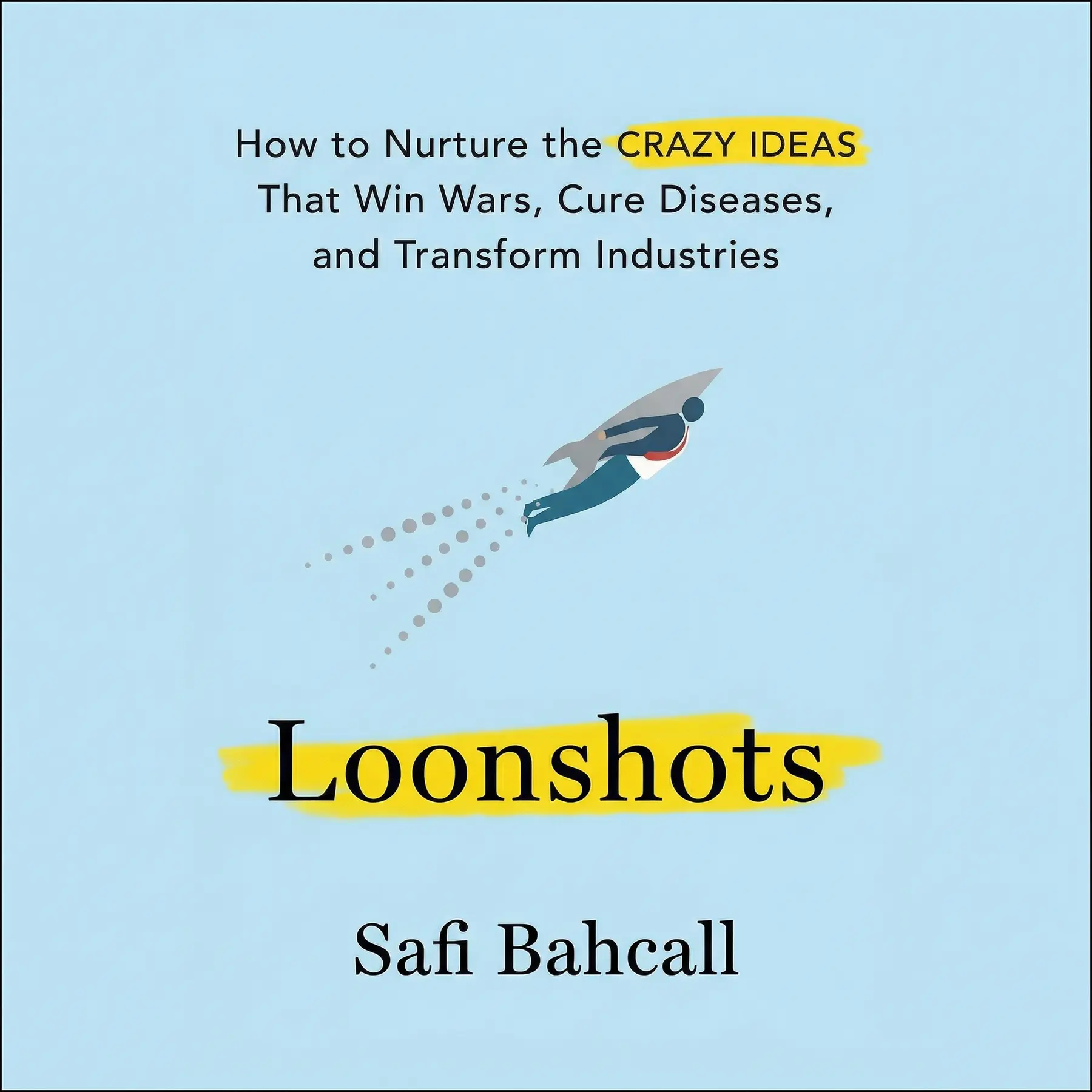
Loonshots: How to Nurture the Crazy Ideas That Win Wars, Cure Diseases, and Transform Industries
By Safi Bahcall
Loonshots explores how organizations can foster radical innovation by balancing creative breakthroughs with efficient execution. Safi Bahcall reveals the structural secrets behind history’s greatest technological and strategic triumphs.
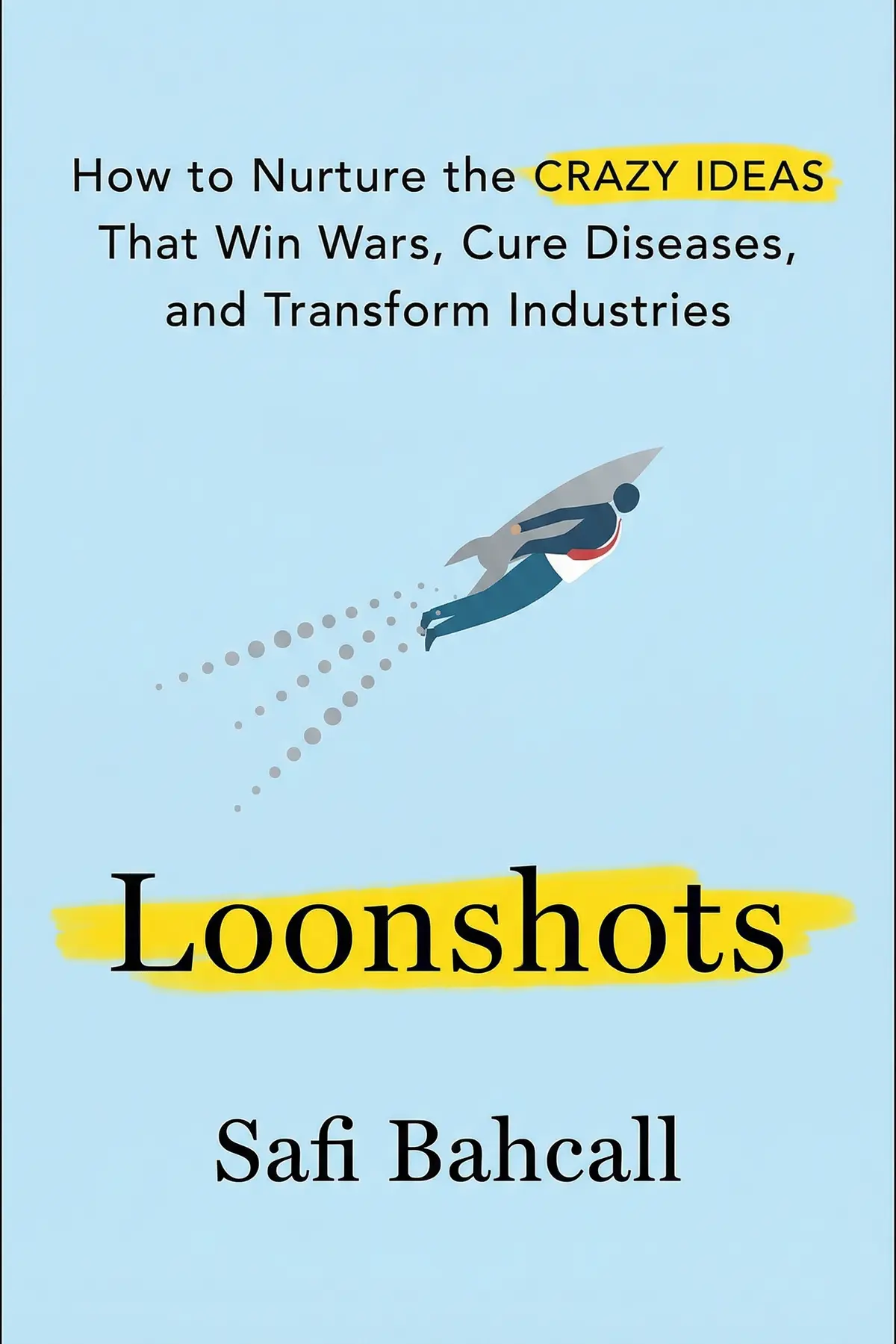
Table of Content
1. Introduction
2 min 00 sec
Every now and then, an idea comes along that sounds absolutely preposterous. It’s the kind of suggestion that makes people roll their eyes or dismiss the proposer as a dreamer who has lost touch with reality. We call these ‘loonshots’—breakthrough ideas that are widely dismissed, yet eventually go on to change everything. Whether it’s a new way to fly, a revolutionary medical treatment, or a technology that reshapes how we communicate, these ideas often face a steep uphill battle before they are accepted as common sense.
But why do some organizations successfully shepherd these wild ideas into reality while others, often much larger and more well-funded ones, let them slip through their fingers? Think about the vast landscapes of history and business. You see military planners trying to outmaneuver threats, scientists attempting to map the stars, and tech giants trying to stay ahead of the next digital wave. The common thread in their success or failure isn’t just brilliance; it’s how they handle the friction between the old and the new.
In this exploration of Safi Bahcall’s insights, we are going to look at the mechanics of innovation. We will see that the secret doesn’t lie in a vague concept like ‘company culture’ or simply hiring ‘creative people.’ Instead, it’s about structure. It’s about creating a safe harbor for the strange and unproven, while still maintaining the efficiency of the tried and true. We’ll look at why the US military almost missed out on the technology that won World War II, why a company as dominant as Nokia couldn’t see the iPhone coming, and how a few simple rules can help any leader balance the need for stability with the necessity of radical change.
As we move through these ideas, keep one question in mind: How do you protect the ‘crazy’ idea that might just save your future? This is the journey of the loonshot, from the laboratory and the back of a napkin to the global stage. By the end, you’ll see that innovation isn’t a mystery—it’s a discipline that can be mastered if you know how to set the stage.
2. Structure Over Culture
2 min 41 sec
Discover why relying on a ‘creative culture’ often fails large organizations and why the secret to long-term success actually lies in the way a company is built.
3. The High Cost of Complacency
2 min 17 sec
What happens when a superpower ignores the ‘crazy’ ideas of its own scientists? Explore the early history of radar and the tragic price of military short-sightedness.
4. Vannevar Bush and the Secret of Separation
2 min 25 sec
Learn how one man redesigned the American war machine by creating a ‘loonshot nursery’ that separated the creators from the soldiers.
5. The Bell Labs Model of Business Success
2 min 11 sec
How AT&T used ‘fundamental research’ to dominate the 20th century and why the Bush-Vail rules are essential for any corporate giant.
6. The Three Rules of the Loonshot Nurturer
2 min 23 sec
Examine the practical blueprint for balancing ‘artists’ and ‘soldiers’ without letting internal politics destroy your most promising ideas.
7. Product vs. Strategic Breakthroughs
2 min 17 sec
Why having the best technology in the world didn’t save Pan Am, and how American Airlines used ‘strategic’ loonshots to win the market.
8. Beware the Moses Trap
2 min 07 sec
Explore the downfall of Polaroid and learn why relying on a single ‘visionary’ leader can blinded an organization to the future.
9. The Geography of Innovation
2 min 26 sec
Why did the Scientific Revolution happen in Europe and not China? Learn how the ‘many doors’ of a fragmented continent fostered the ultimate loonshot.
10. Conclusion
1 min 30 sec
As we wrap up our look at Safi Bahcall’s insights, the core message is clear: the future belongs to those who can master the art of the loonshot. We’ve seen that innovation isn’t a mysterious lightning strike of genius; it is a product of design. Whether you are leading a small team, a massive corporation, or even a nation, the struggle remains the same: how do you keep the machine running efficiently today while still making room for the ideas that will replace that machine tomorrow?
The stories of Nokia, the US military, AT&T, and Polaroid all point to a single truth: structure trumps culture. You can’t simply ‘will’ a company to be more creative. You have to build the nursery. You have to separate your artists from your soldiers, value them equally, and act as the bridge that allows them to collaborate without destroying one another. You have to be wary of the ‘Moses Trap’ and ensure that no single voice, no matter how brilliant, can stifle the collective curiosity of the group.
Ultimately, loonshots are the engine of human progress. They are the ‘crazy’ thoughts that eventually cure diseases, win wars, and transform how we live. By protecting these fragile, wart-covered ideas from the harsh cold of the ‘franchise’ mindset, we give ourselves the best chance at a thriving future. So, the next time you hear an idea that sounds completely unhinged, don’t be so quick to dismiss it. Ask yourself if it’s a loonshot, and then ask yourself if you’ve built a structure that’s strong enough to let it grow.
About this book
What is this book about?
Have you ever wondered why some world-changing ideas are embraced while others are left to gather dust in a drawer? Loonshots dives into the fascinating world of radical innovation—those seemingly crazy ideas that eventually transform industries, win wars, and save lives. The book argues that the difference between a company that thrives and one that withers isn’t about its culture, but its structure. Through a series of historical deep dives—ranging from the development of radar in World War II to the rise and fall of Pan Am and Polaroid—physicist Safi Bahcall presents a blueprint for managing the delicate tension between innovation and execution. You will discover how to protect your 'artists' without neglecting your 'soldiers,' and why even the most brilliant leaders can fall into the 'Moses Trap.' This summary provides a roadmap for anyone looking to nurture the next big breakthrough while keeping their core business running smoothly.
Book Information
About the Author
Safi Bahcall
Safi Bahcall is a physicist and bioentrepreneur. He received his PhD from Stanford in 1995 and continued his academic career at UC Berkeley as a Miller Fellow in physics. After a three-year stint at the consultancy firm McKinsey, he cofounded Synta Pharmaceuticals, a biotech company specializing in the development of new drugs to treat cancer. Loonshots, Bahcall’s first book, has been heralded a a must-read title by the Washington Post, Inc and Business Insider.
Ratings & Reviews
Ratings at a glance
What people think
Listeners find this book to be a marvelous experience that draws on historical and scientific logic to deliver persuasive perspectives. They appreciate the excellent historical stories used as illustrations, and one listener highlights how it weighs immediate performance against long-term innovation. The writing is skillfully composed, and listeners value the actionable suggestions and great case studies provided throughout the work.
Top reviews
Pawinee
Safi Bahcall delivers a masterclass in why big organizations often fail to nurture the very ideas that could save them. By applying the physics of phase transitions to human behavior, he creates a framework that feels fresh and surprisingly intuitive. I loved the way he balanced historical narratives with modern business dilemmas, specifically the tension between current execution and future innovation. The stories about WWII radar and early cancer research were absolutely riveting. Frankly, it is rare to find a book that manages to be both intellectually rigorous and genuinely entertaining. It changed how I view group dynamics forever.
Show moreNing
Wow, this is easily one of the most brilliant books on innovation I have read in the last decade. Bahcall manages to turn complex physical principles into a readable guide for nurturing breakthrough inventions. The writing style is punchy and direct, making even the denser scientific sections easy to digest. Not gonna lie, I was skeptical about the physics angle at first, but the author proves its relevance through incredible historical examples. Seeing how the world might have been different if certain loonshots hadn't been saved was eye-opening. This is a must-read for anyone who wants to understand the true nature of discovery.
Show moreIsabella
Finally got around to reading this and I am blown away by the depth of research involved. The way the author connects the dots between the development of radar in WWII and the way modern drug companies operate is sheer genius. This isn't just another book about 'disruption'—it's a fundamental rethink of how human systems work. In my experience, most leadership books are filled with fluff, but this one is packed with substantive, actionable principles. The writing is elegant and the stories are genuinely moving at times. If you care about the future of technology and how to manage large-scale projects, you need this on your shelf.
Show moreVimolwan
Ever wonder why some companies thrive while others stagnate despite having more resources? This book provides a compelling answer through the lens of 'loonshots'—those wild, discarded ideas that eventually change the world. Bahcall’s writing is well-crafted, and he avoids the usual corporate jargon that plagues this genre. I found the section on Pan Am’s rise and fall particularly enlightening as it illustrated how structure, rather than just culture, dictates success. My only gripe is that a few of the scientific analogies felt a bit stretched to fit the business narrative. Still, it is a fantastic read for anyone leading a creative team.
Show moreKaen
Picked this up after seeing the blurb by Daniel Kahneman and I wasn't disappointed by the unique perspective. The central thesis—that we should focus on structure rather than just hiring 'innovative' people—is a game changer for management theory. I appreciated the practical advice on how to bridge the gap between 'artists' and 'soldiers' within an organization. It’s a thought-provoking blend of history and science that provides real insights into how we make decisions as groups. While some examples felt a little repetitive, the overall message is incredibly powerful. It offers a great roadmap for balancing short-term goals with long-term survival.
Show moreGioia
As someone who works in R&D, I found the concept of 'dynamic equilibrium' between execution and innovation to be spot on. The book provides a wonderful set of historical narratives that prove how easily great ideas can be crushed by the wrong structure. Bahcall’s personal stories from his time in the biotech industry added a layer of authenticity that many other business authors lack. I particularly enjoyed the breakdown of why certain scientific advances happened in specific cultures and not others. It’s a bit long-winded in places, but the core insights are well worth the time. This gave me a lot of practical ideas to take back to my team.
Show moreConnor
The chapter on phase transitions in group behavior was worth the price of the book alone. Bahcall explains why perfectly intelligent people can collectively make terrible decisions once an organization reaches a certain size. It’s a fascinating blend of history and business that challenges the traditional wisdom of focusing purely on culture. To be fair, some of the examples—like the ones about the Far East vs. Europe—felt a bit like a stretch. However, the practical advice on how to protect fragile ideas while maintaining excellence in execution is invaluable. This is a thought-provoking read that will stay with me for a long time.
Show moreSiriphen
To be fair, the stories about Polaroid and IKEA were fascinating and kept me turning the pages late into the night. Bahcall is a gifted storyteller who knows how to pace a narrative for maximum impact. However, I struggled with the lack of scientific proof for some of his broader social claims. Like many of Malcolm Gladwell's books, it feels like the author cherry-picked specific successes to support a grand theory that might not hold up under closer scrutiny. The connections between water freezing and corporate bureaucracy were interesting but felt more like metaphors than actual physics. It is a solid middle-of-the-road book for me.
Show moreRin
Not what I expected based on the glowing reviews on the cover, though it wasn't a total waste of time. The book feels everywhere and nowhere at once, jumping from the scientific revolution to modern aviation without a strong focus. I enjoyed the individual tales of invention, but the overarching theory felt a little contrived and simplistic. Gotta say, the physics metaphors are fun for a while, but eventually, they start to feel like a gimmick to make business advice sound more profound. It's a decent read for the history, but don't expect a rigorous scientific manual. It is essentially a smarter version of a TED talk.
Show moreSombat
Look, I really wanted to like this book after hearing all the hype from the business world. While the historical anecdotes are fun to read, the author’s attempt to link them all back to a single theory of phase transitions felt incredibly forced. He makes massively sweeping claims about global history and the dominance of the West based on very simplistic explanations. It felt like a loose collection of random stories rather than a cohesive, logical argument. I found the tone a bit too self-assured considering the total lack of actual scientific rigor in the application of his theory. I wouldn't recommend this if you're looking for deep analysis.
Show moreReaders also enjoyed
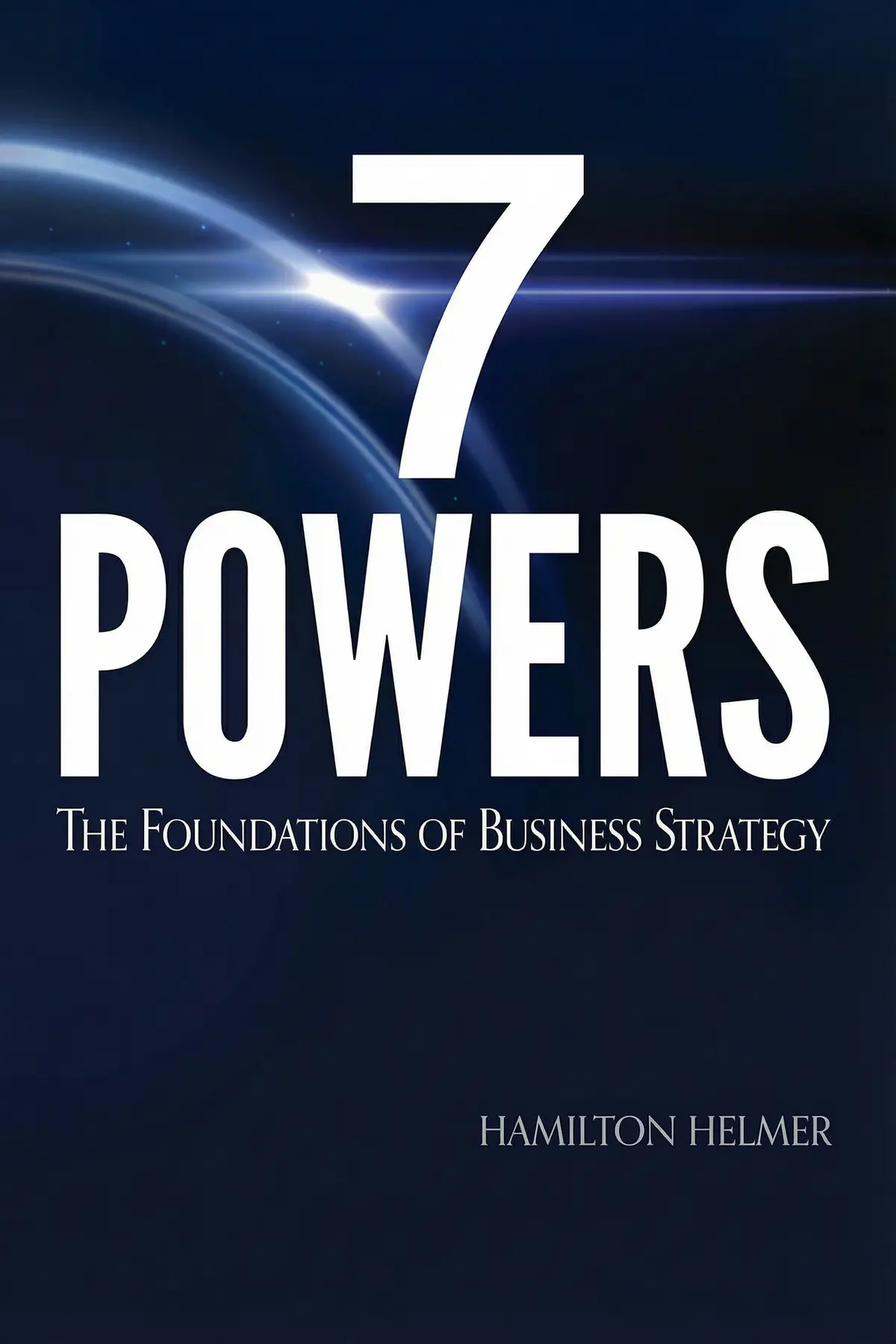
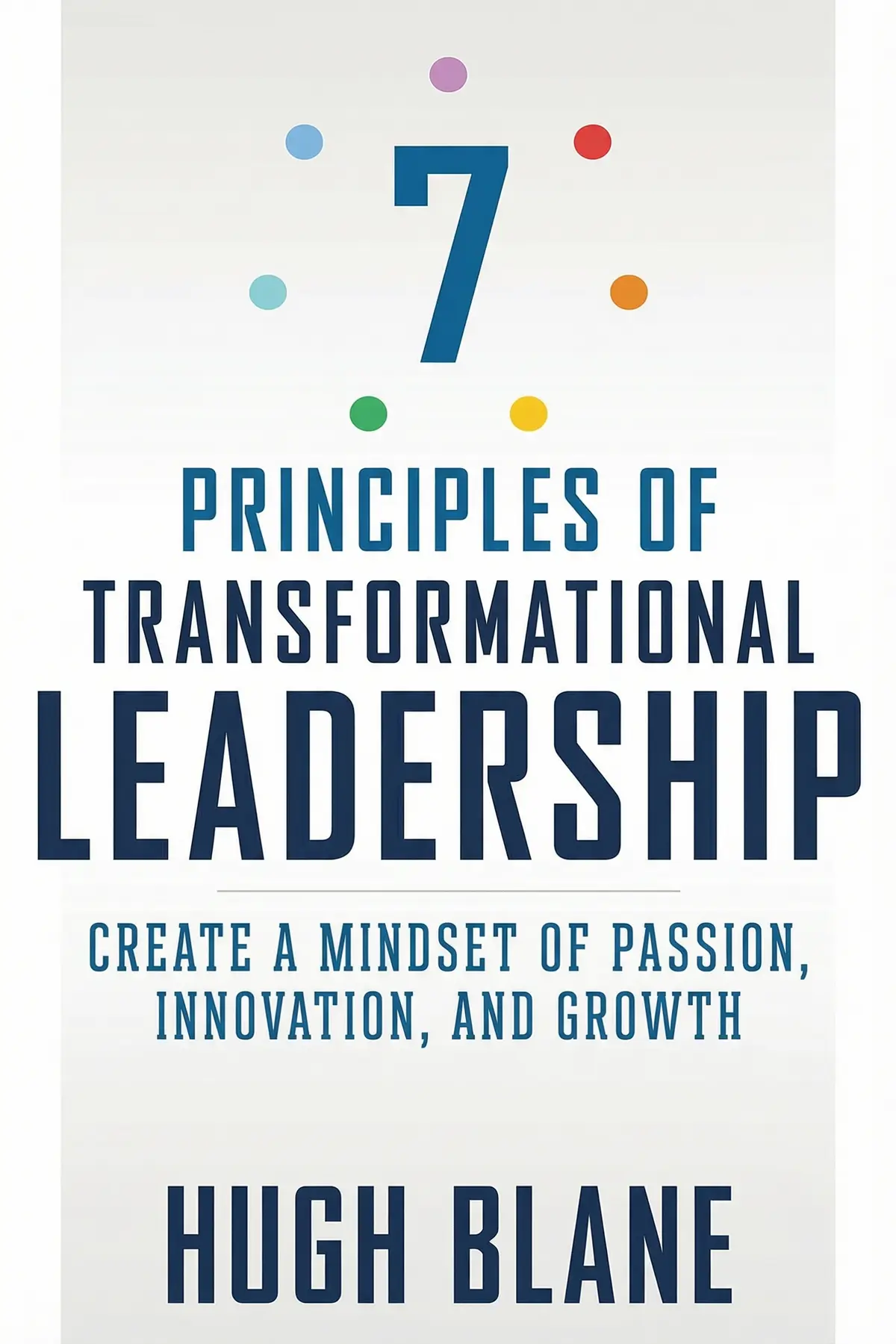
7 Powers: The Foundations of Business Strategy
Hamilton Helmer

A Bigger Prize: How We Can Do Better Than the Competition
Margaret Heffernan

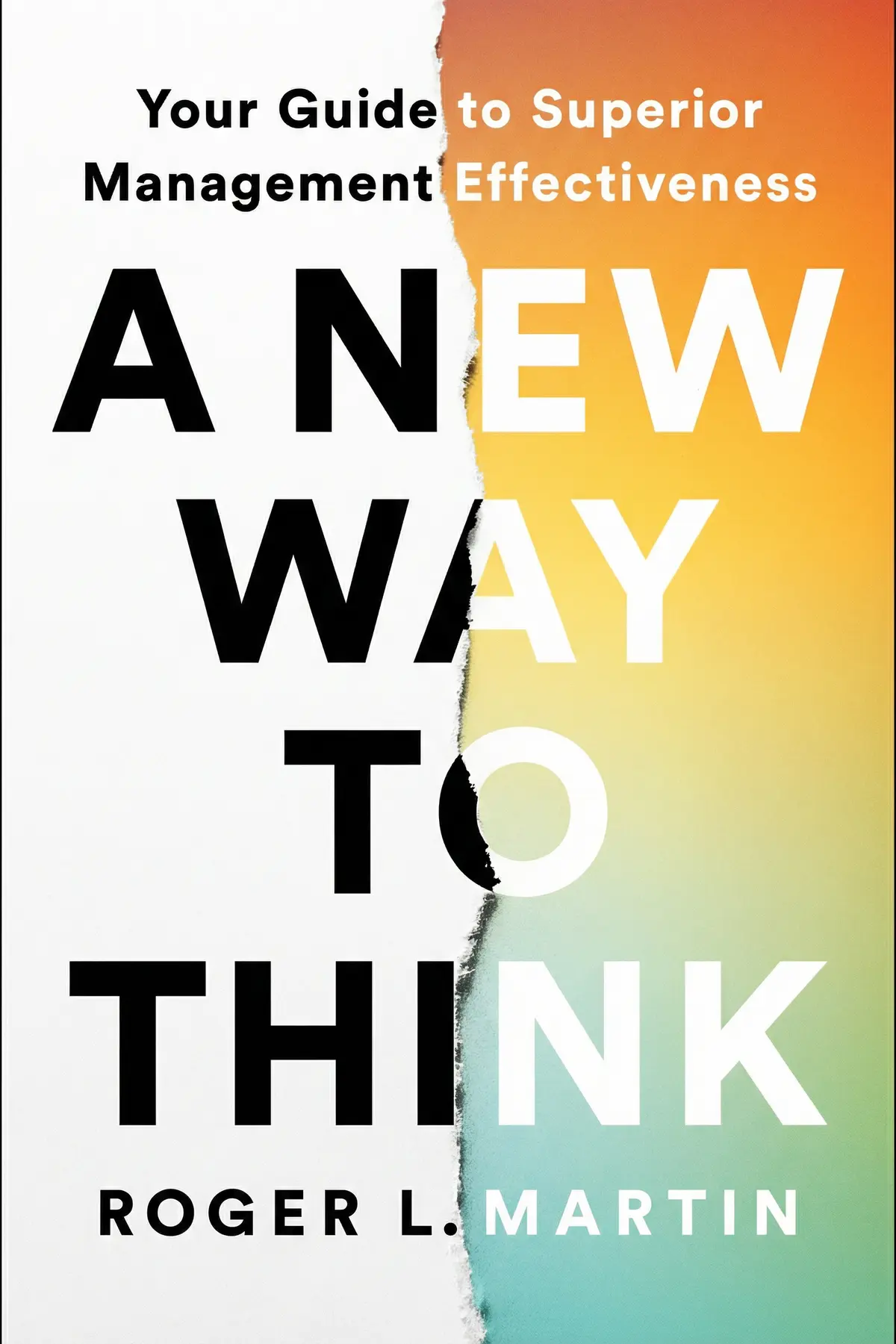
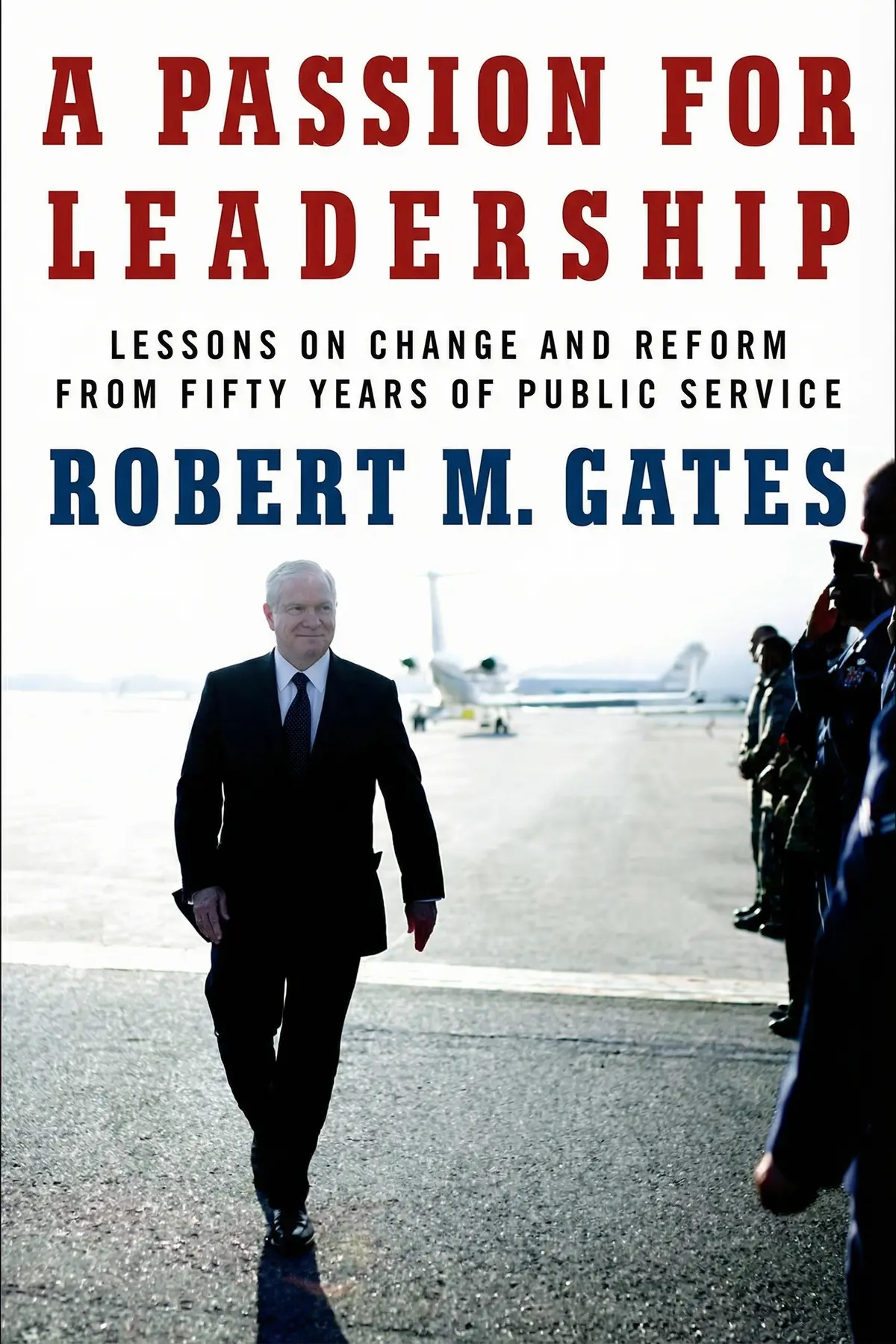
A Year with Peter Drucker: 52 Weeks of Coaching for Leadership Effectiveness
Joseph A. Maciariello
AUDIO SUMMARY AVAILABLE
Listen to Loonshots in 15 minutes
Get the key ideas from Loonshots by Safi Bahcall, plus 5,000+ more titles in English and Thai.
- 5,000+ titles
- Listen as much as you want
- 7-day free trial
- Cancel anytime







