

16 min 34 sec
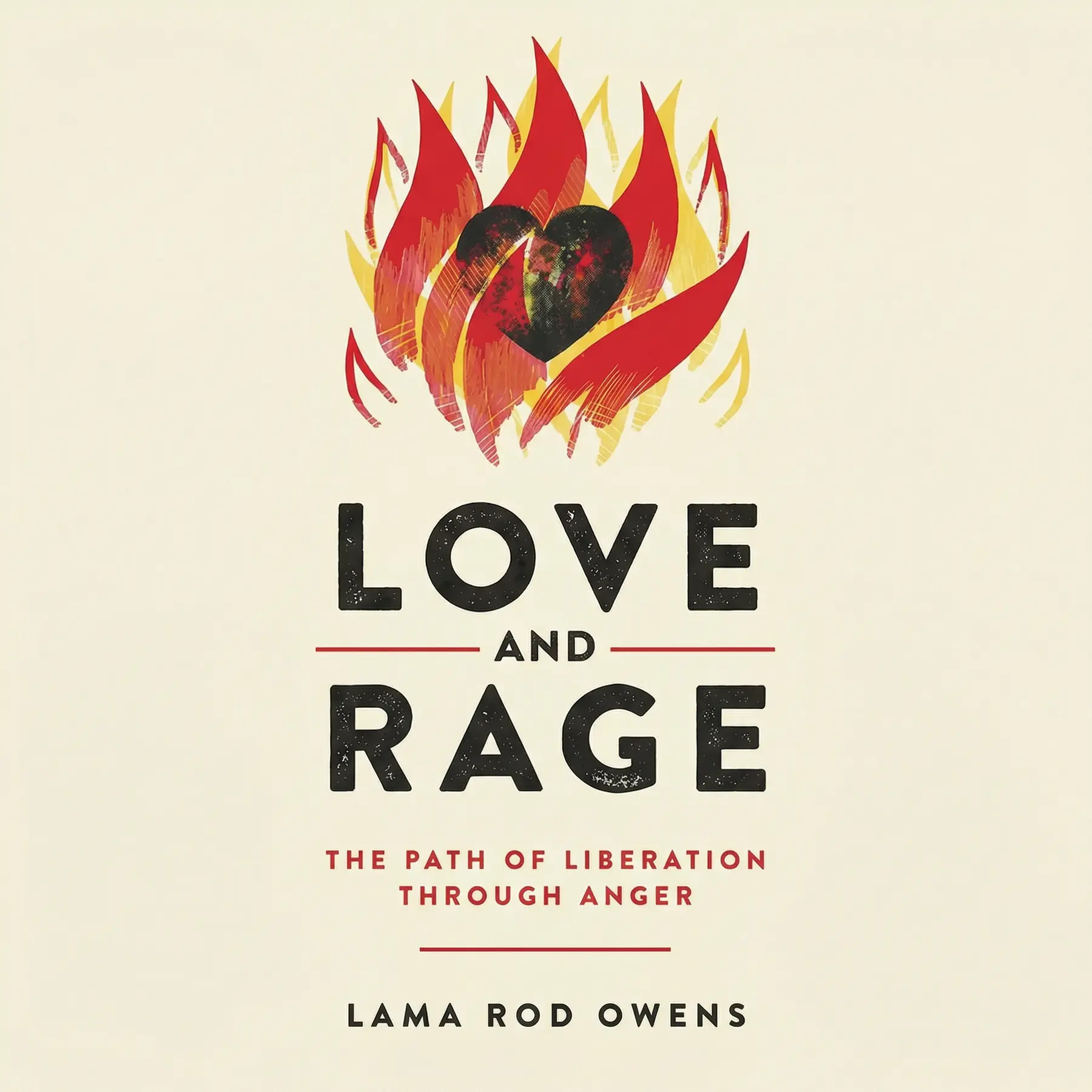
Love and Rage: The Path of Liberation through Anger
Lama Rod Owens explores anger not as a flaw, but as a gateway to liberation. This guide helps individuals transform rage into a potent tool for personal healing and collective social justice.
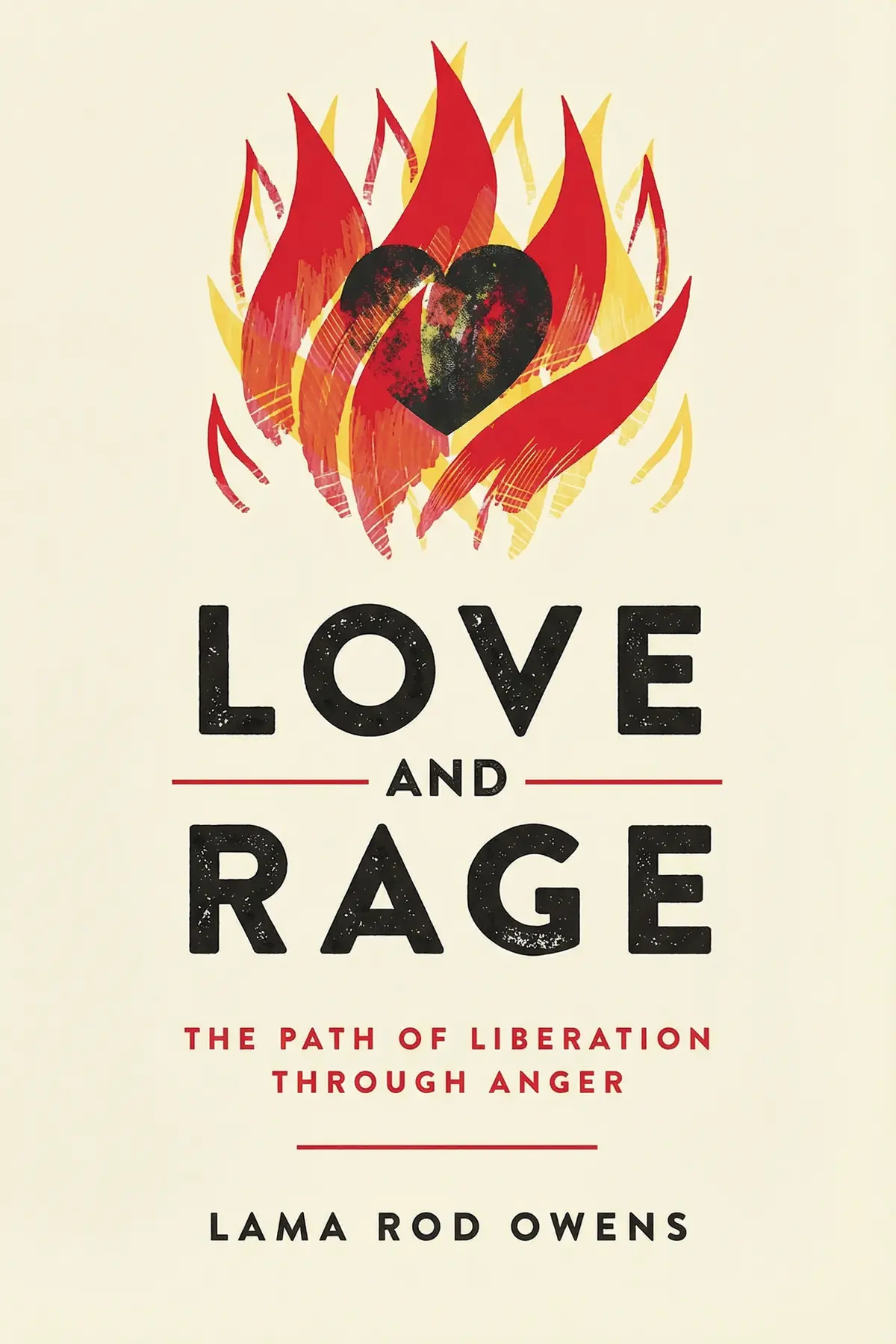
Table of Content
1. Introduction
1 min 35 sec
In many circles, we are taught that anger is a fire that needs to be extinguished immediately. We are told it is dangerous, destructive, and ultimately a sign of spiritual or emotional failure. But for many people—especially those navigating the world as marginalized individuals—anger is not just a random outburst; it is a constant companion. In Love and Rage, Lama Rod Owens invites us to stop running away from our anger and instead start listening to it.
As a Black, queer Buddhist teacher and activist, Owens understands that anger is often a mask for a much deeper, more tender kind of pain. This summary will take you on a journey through the landscape of your own difficult emotions. We will explore how anger acts as a guardian for our vulnerabilities and how, by learning to sit with that intensity, we can actually find a path toward genuine liberation.
The throughline of this exploration is the idea that love and rage are not opposites. Instead, they are two sides of the same coin of human experience. When we learn to treat our rage with the same compassion we reserve for our loved ones, we stop being victims of our own reactivity. We start to see anger as ‘data’—information that tells us where we are hurting and where the world needs to change. Over the next few chapters, we will break down the practical strategies for moving from toxic cycles of frustration into a more spacious, empowered way of living. This is about more than just ‘calming down.’ It is about transforming the very energy of our fury into a catalyst for healing ourselves and the society we live in.
2. Anger as a Gateway to Hurt
2 min 45 sec
Why do we get angry in the first place? Discover how rage acts as a protective shield for our deepest wounds and how identifying that pain is the first step toward relief.
3. The SNOELL Method for Emotional Processing
2 min 48 sec
Managing intense emotions requires a clear map. Learn a simple yet profound mindfulness technique to help you navigate and release toxic psychic energy without being overwhelmed.
4. Cultivating Joy as an Antidote to Rage
2 min 41 sec
Anger can be exhausting, but it doesn’t have to be your only experience. Discover how intentional joy and empathy can expand your capacity for healing.
5. Self-Care as a Radical Act of Survival
2 min 29 sec
In a world that demands constant productivity and struggle, taking care of yourself is more than just a luxury—it is a vital form of resistance.
6. Loving Your Anger Toward Freedom
2 min 50 sec
What if you stopped fighting your rage and started loving it? Explore how accepting your anger as a teacher can lead to profound personal and social transformation.
7. Conclusion
1 min 26 sec
As we wrap up our look at Love and Rage, it is clear that Lama Rod Owens isn’t offering a typical self-help guide to ‘calming down.’ Instead, he is providing a spiritual and political manifesto for how to live authentically in a world that can be incredibly painful. We have explored how anger serves as a guardian for our deepest wounds, and why it is so important to move past the surface-level aggression to the heartbreak that lies beneath.
We looked at the SNOELL method as a practical tool for metabolizing the toxic energies we absorb daily, and we saw how cultivating joy and radical self-care aren’t just luxuries—they are the fuel that allows us to keep going. Finally, we arrived at the most challenging but rewarding idea: that we must learn to love our own anger. By treating our rage as a source of information and a teacher, we transform it from a destructive force into a catalyst for liberation.
The final takeaway is that your anger is not your enemy. It is a sign of your humanity and your deep desire for things to be better. When you meet that anger with the spaciousness of mindfulness and the warmth of compassion, you stop being a victim of your emotions and start becoming an architect of your own freedom. You can hold your love and your rage in the same hands, using both to build a more just, resilient, and compassionate life for yourself and your community. Thank you for listening to this BookBits summary.
About this book
What is this book about?
How do we handle the intense heat of anger without being consumed by it? Love and Rage offers a profound spiritual and practical framework for reimagining our relationship with our most difficult emotions. Rather than suppressing rage, Lama Rod Owens teaches us to see it as a protective layer over our deepest vulnerabilities and unaddressed heartbreaks. The book promises a path toward freedom, showing how anger, when met with mindfulness and compassion, can become a source of clarity and energy for social change. It addresses the unique burdens faced by those in marginalized communities, where anger is often policed or ignored. By integrating Buddhist wisdom with modern activism, Owens provides tools like the SNOELL method and radical self-care to help readers move from reactive aggression to transformative action. Ultimately, it is a journey toward wholeness, proving that we do not have to choose between our love and our rage—we can use both to heal ourselves and the world.
Book Information
About the Author
Lama Rod Owens
Lama Rod Owens is a prominent Buddhist minister, activist, and author. After earning his Master of Divinity in Buddhist Studies from Harvard Divinity School, he went on to co-found Bhumisparsha, a community for Buddhist study and practice. He is also the author of the influential work Radical Dharma.
Ratings & Reviews
Ratings at a glance
What people think
Listeners find the book’s meditation exercises beneficial, with one listener remarking on their usefulness for group sessions. Additionally, the work earns acclaim for its sincerity, as one listener portrays it as painfully honest. Listeners also consider the writing style quite immersive, with one calling it critical reading for our times.
Top reviews
Kru
Finally got around to finishing this, and I can say it is absolutely critical reading for our current political climate. Owens doesn't sugarcoat the experience of being a Black queer man in America, and his painful honesty about his own rage is what makes the book so resonant. He bridges the gap between ancient Buddhist philosophy and modern social justice activism without losing the core of the dharma. While some might find his language a bit informal, I found the vulnerability refreshing and necessary for true healing. The meditation practices are solid, though I found they worked best when I shared them with my weekly study group. We really need this kind of warrior spirit right now. It is a raw, unvarnished look at how we can actually use our anger instead of just letting it consume us from the inside out.
Show moreAudrey
Wow. This is the first spiritual book I’ve read that actually felt like it was written for the real world we live in today. Owens has this incredible way of stripping away the high and holy facade that so many teachers hide behind. He stays in the muck with us, admitting to his own trauma and his own rage, which makes his advice on compassion feel ten times more authentic. Some of the meditation exercises are quite intense, but they are incredibly helpful for processing the heavy emotions that come with social justice work. Frankly, it’s the kind of book you want to buy for everyone in your activist circle so you can discuss it together. It’s painful, honest, and absolutely vital for those looking for genuine transformation.
Show moreBun
Picked this up after seeing it all over my social media feed, and for once, the hype is actually justified. Most books on mindfulness tell you to just breathe through your anger, which often feels like a way to suppress legitimate grievances. Owens does the opposite by inviting the rage in, honoring it, and then showing you how to sit with it without being destroyed by it. His writing is sharp and modern, dispensing with the flowery language often found in the genre in favor of something much more direct and gritty. As someone who practices secular meditation, I appreciated that he kept the focus on the psychological and social impact of the work. This is a powerful tool for anyone feeling burnt out by the state of the world.
Show moreSofia
Lama Rod Owens doesn't just teach the dharma; he lives it in a way that feels incredibly accessible to those of us outside the monastery. This book feels like a conversation with a wise, slightly foul-mouthed friend who isn't afraid to tell you the truth about how hard this path is. I found the meditation practices especially useful for my own personal practice, as they provide a way to hold both love and fury simultaneously. It’s a rare thing to find a spiritual teacher who is so open about their own PTSD and shit, and that vulnerability is exactly what makes the book so effective. It’s a masterclass in how to be a human being in an oppressive system without losing your soul or your mind.
Show moreKoi
After hearing so much about this book in my meditation group, I finally dove in and I’m so glad I did. It is a work of radical authenticity that challenges the spiritual bypassing so common in Western Buddhist circles. Owens’ analysis of how we internalize oppression and how that manifests as disembodiment was particularly revelatory for me. The book serves as a perfect guide for group sessions because it sparks such deep, necessary conversations about race, gender, and power. To be fair, it’s a challenging read that asks a lot of the reader, but the payoff is a much deeper understanding of one's own heart. This is truly critical reading for our times, especially for those looking to integrate their spiritual lives with their social values.
Show moreRatthapong
As someone who has wrestled with how to be spiritual while also being rightfully angry about systemic injustice, this book was a massive relief. Owens acknowledges how the anger of marginalized people is constantly policed, which is a perspective often missing in mainstream mindfulness circles. The sections on reclaiming the body as a way to fight internalized oppression were particularly moving and gave me a lot to think about. I did wish the specific practice instructions at the end of the chapters were a bit more robust, as they sometimes felt like an afterthought. However, his transparency about his own failures and struggles makes the wisdom feel earned rather than preached. It’s an essential text for anyone trying to navigate the intersection of activism and internal peace.
Show moreFord
Not what I expected when I picked up a book by a Lama, but in a really good way. I originally thought this would be a dry, academic treatise on Tibetan Buddhism, but it turned out to be a deeply personal manual for survival. Owens communicates complex ideas about transhistorical trauma and spaciousness in a way that is deceptively simple and easy to digest. I did find myself skipping some of the more technical meditation bits at first, but once I went back and actually tried them, I realized how much they ground the theory. My only real complaint is that some of the redefining of joy felt a bit confusing compared to traditional teachings. Still, the overall message of using rage as a fuel for love is something I will be thinking about for a long time.
Show morePrayoon
Is it possible to stay embodied when the world feels like it’s falling apart? Owens argues that we have to, or we lose our agency and our ability to effect change. I loved his take on self-care—not as an indulgence, but as a necessary strategy for community survival. The chapter on boundary setting was a huge lightbulb moment for me because it linked my ability to say no directly to my sense of self-worth. I’ll admit, the tone gets a bit heavy at times, and the level of painful honesty can be a lot to process in one sitting. You have to take this one slow. It isn't a light read, but it is a rewarding one if you’re willing to do the internal work.
Show moreDylan
I wanted to love this because the premise of combining Buddhist practice with radical activism is so timely and important. Truth is, I struggled with the inconsistency of the Practice sections which were often just a few sentences long. I was looking for a more structured self-help approach and instead got a lot of personal stories that, while interesting, didn't always feel like they provided a clear path forward. Some of the talk about unseen beings or spirits was a bit too much woo-woo for my secular mindset to fully get behind. That said, the analysis of how Black people are expected to perform emotional labor for society was brilliant and eye-opening. It’s a valuable book, but maybe not the best fit if you’re looking for a traditional meditation manual.
Show moreDarawan
The chapter on happiness felt like a complete stretch where the author was just trying to redefine well-established terms to sound edgy or different. To be fair, I went in wanting a spiritual guide, but I was constantly pulled out of the moment by the frequent use of vulgar language and obscure mystical jargon. It felt like if you aren't already deeply embedded in a specific Buddhist lineage, half the concepts would fly right over your head. Additionally, the writing style felt disjointed, jumping between personal anecdotes and instructions that were too brief to actually follow. I appreciate the attempt to discuss social justice through a spiritual lens, but the execution felt messy and unnecessarily aggressive. I just couldn't connect with the tone he was going for here.
Show moreReaders also enjoyed

Afropean: Notes From Black Europe
Johny Pitts
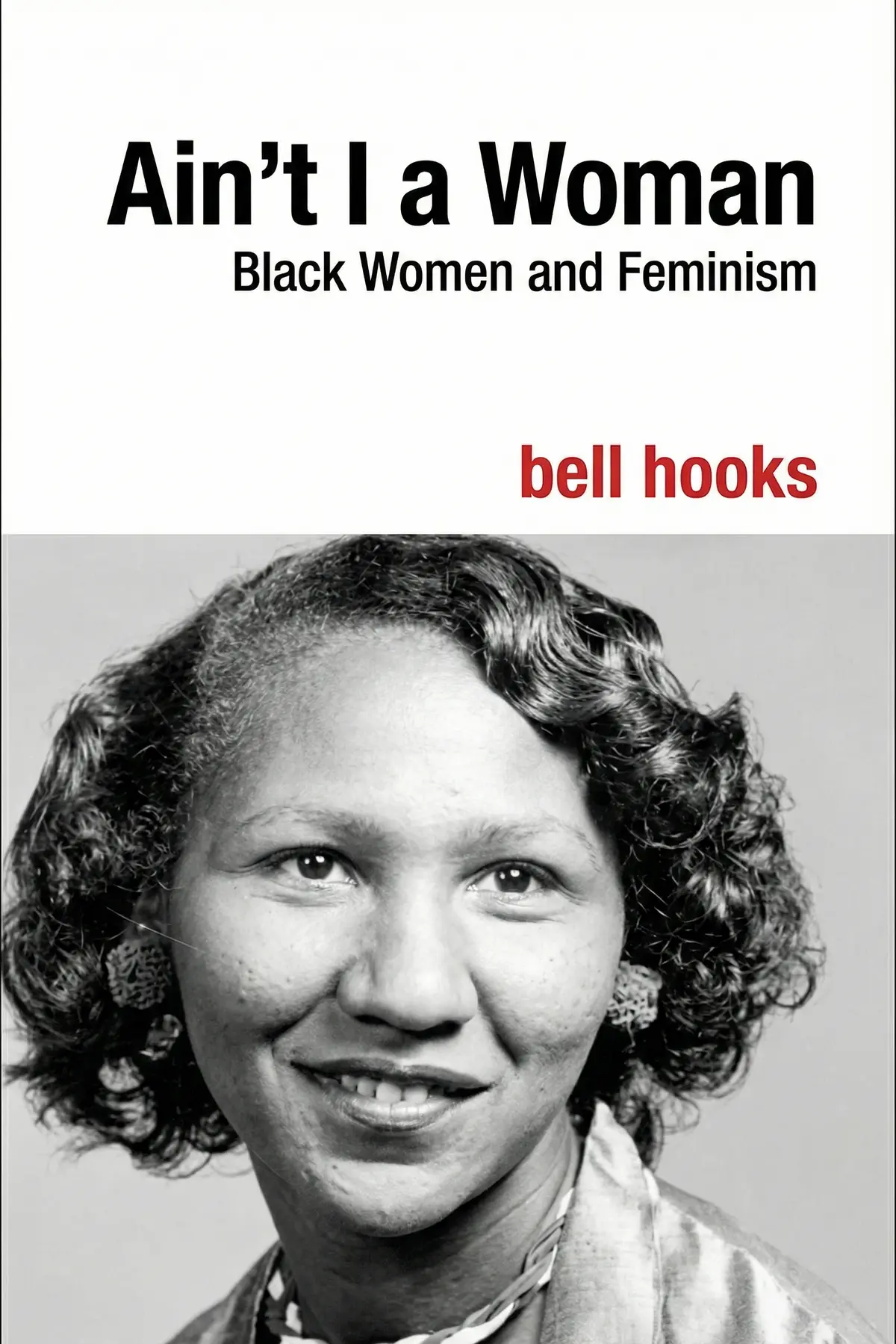
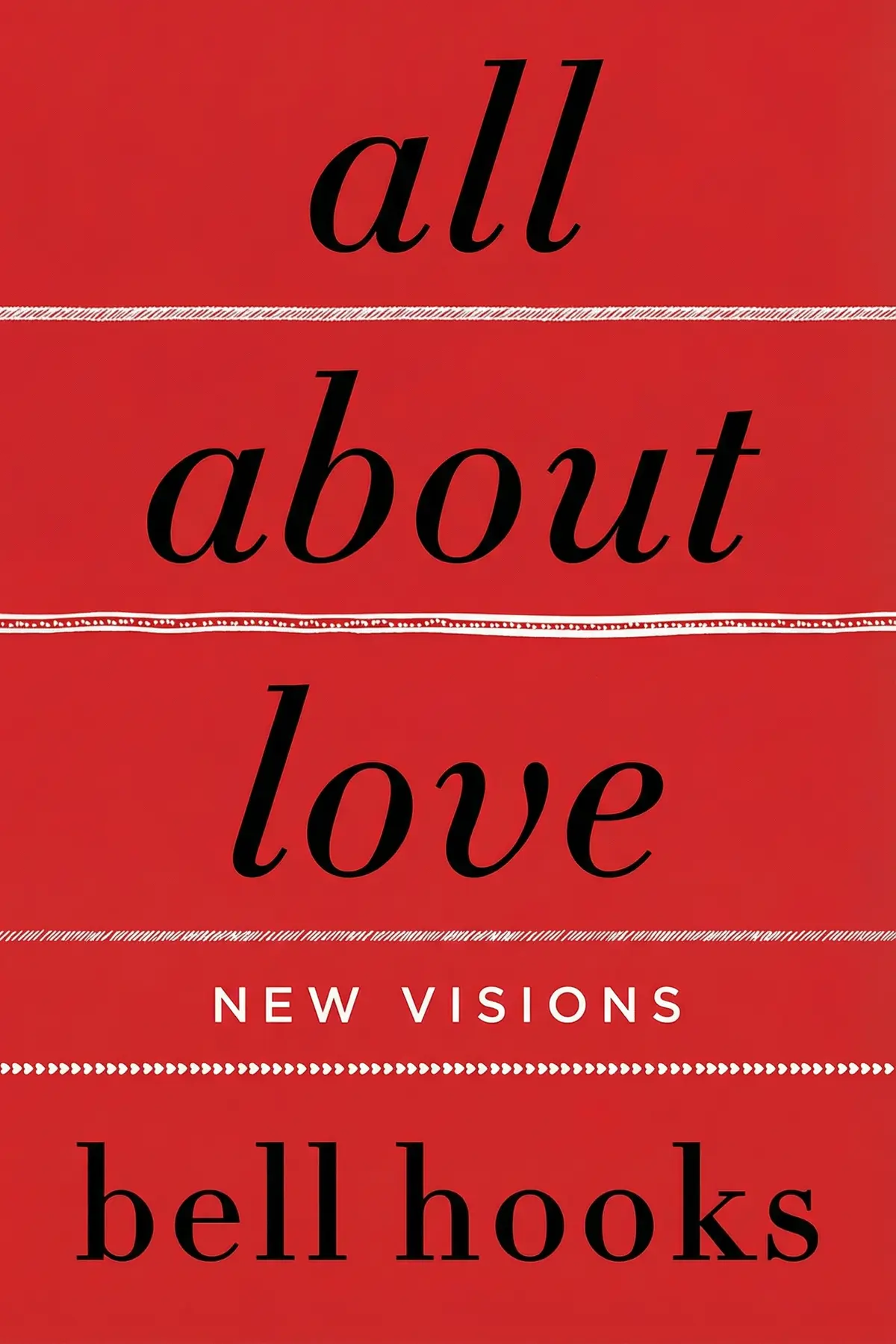
All About Love: New Visions
bell hooks
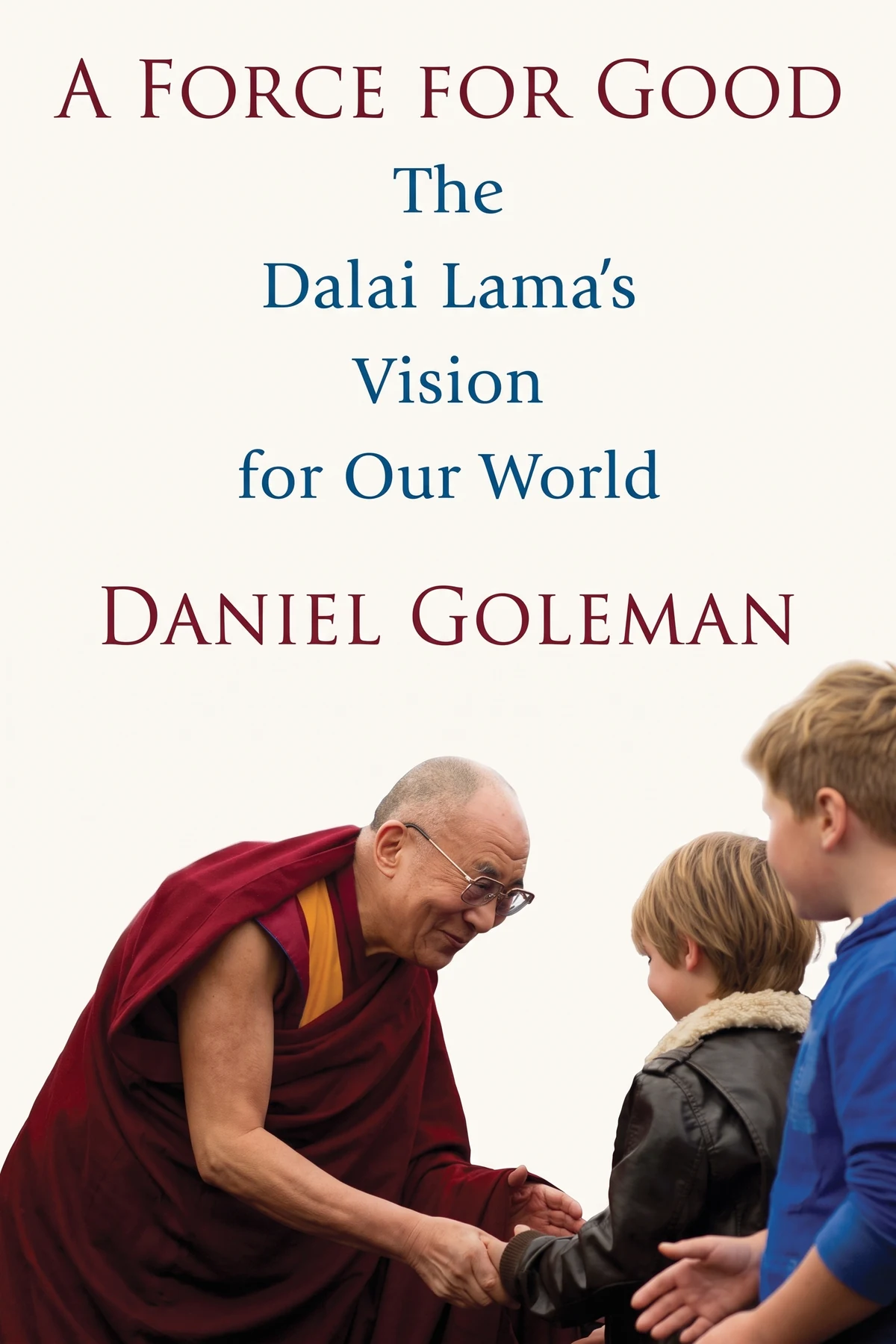
A Force for Good: The Dalai Lama's Vision for Our World
Daniel Goleman
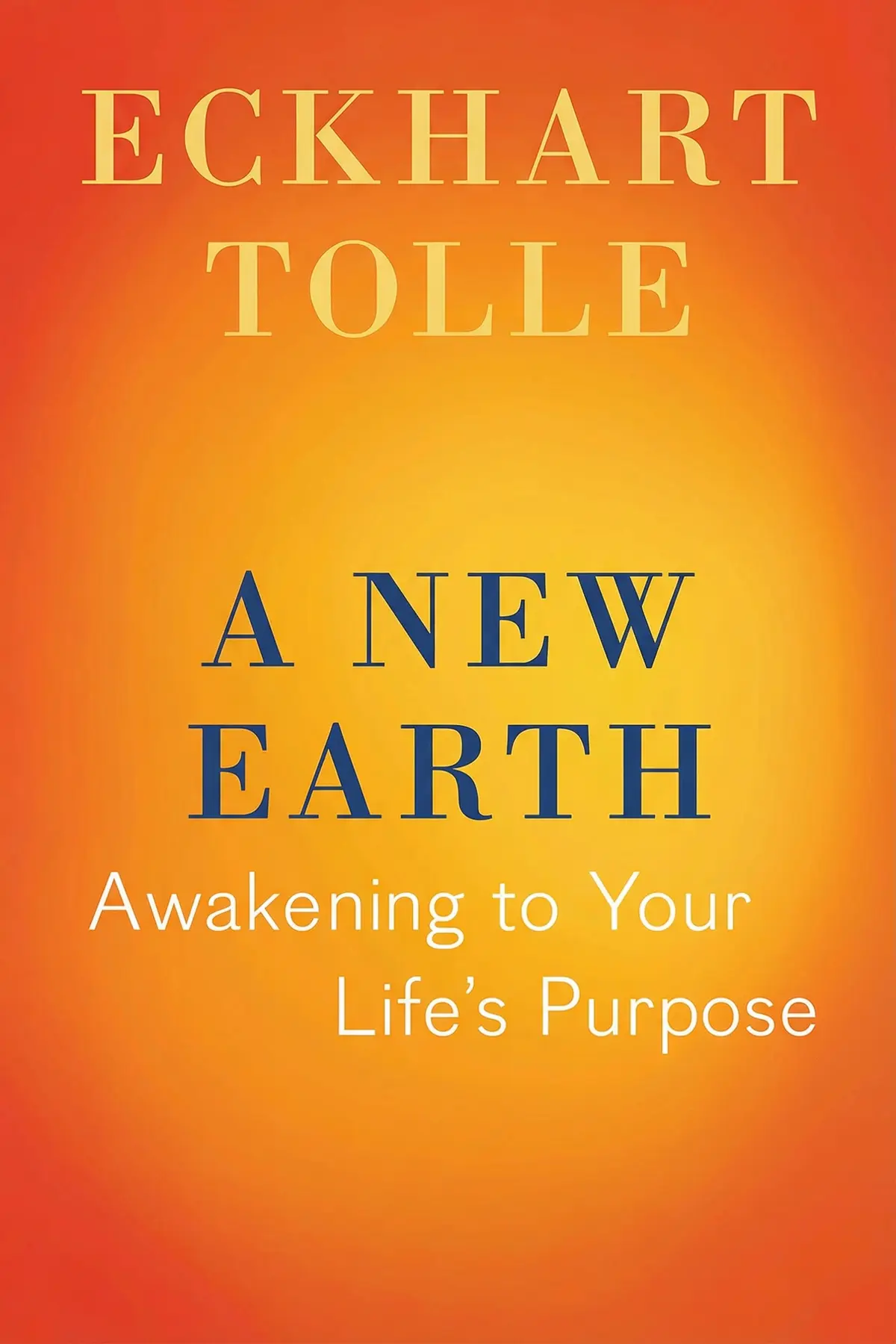
A New Earth: Awakening to Your Life’s Purpose
Eckhart Tolle
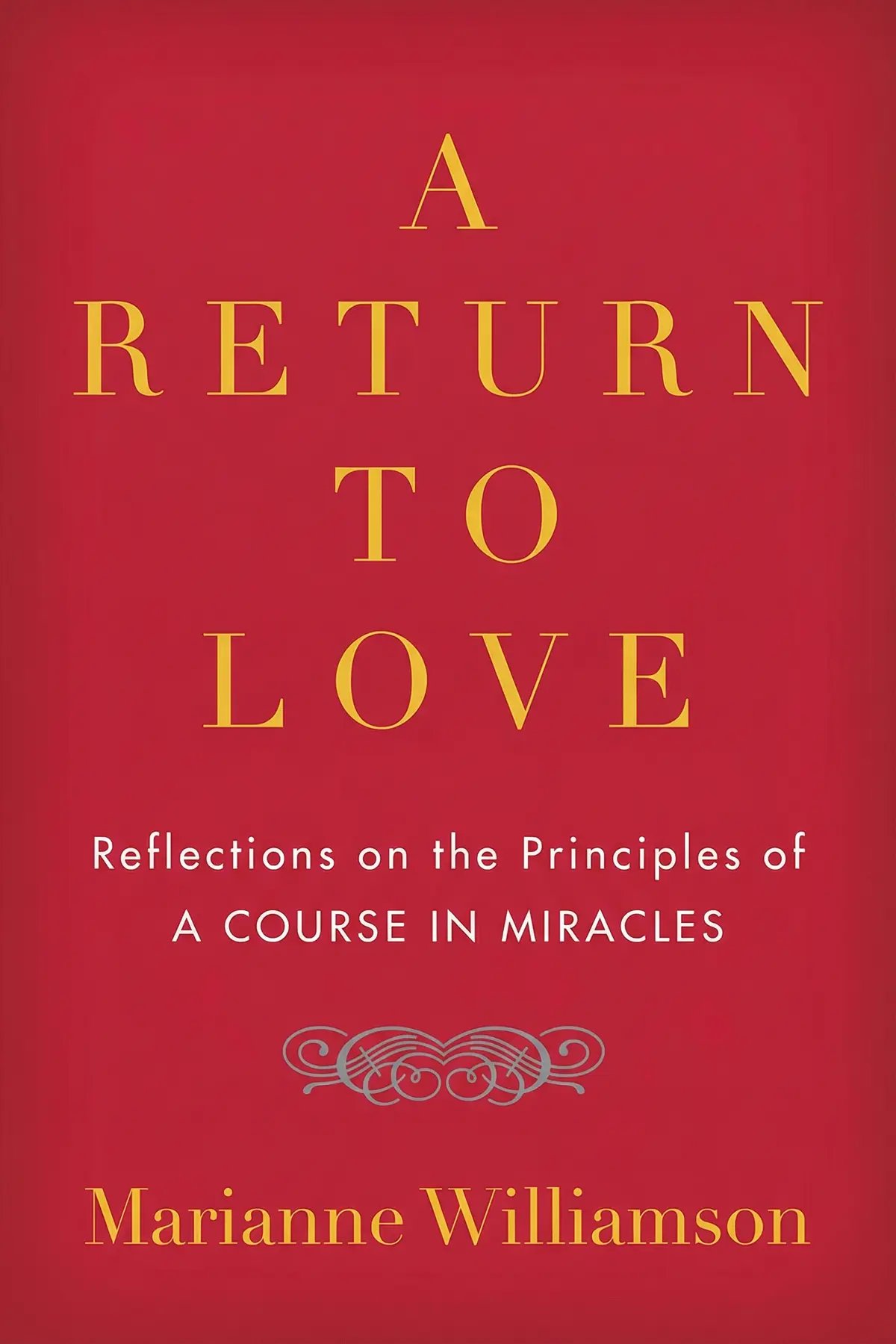
A Return to Love: Reflections on the Principles of a Course in Miracles
Marianne Williamson
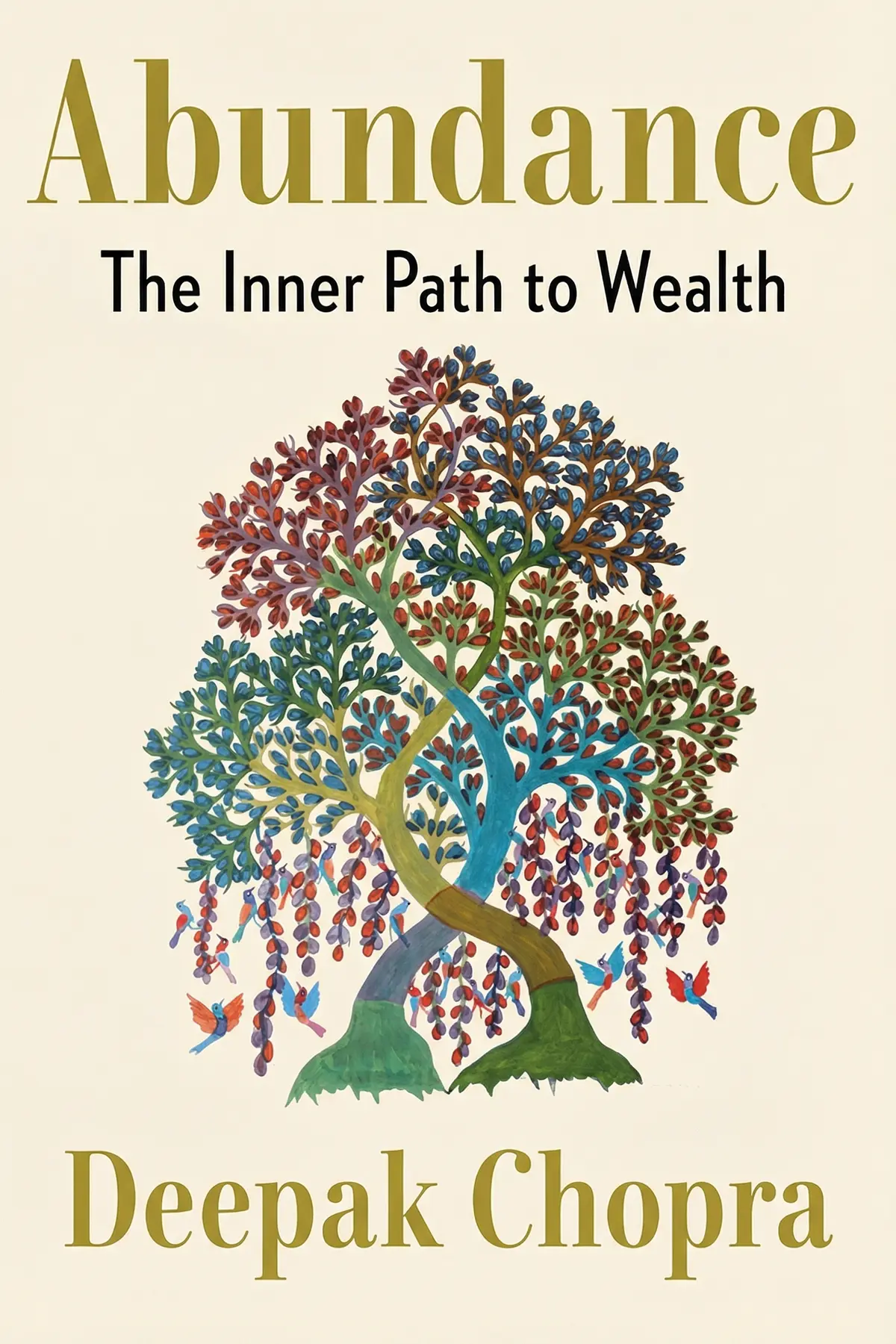
Abundance: The Inner Path to Wealth
Deepak Chopra
AUDIO SUMMARY AVAILABLE
Listen to Love and Rage in 15 minutes
Get the key ideas from Love and Rage by Lama Rod Owens, plus 5,000+ more titles in English and Thai.
- 5,000+ titles
- Listen as much as you want
- 7-day free trial
- Cancel anytime







