
20 min 26 sec
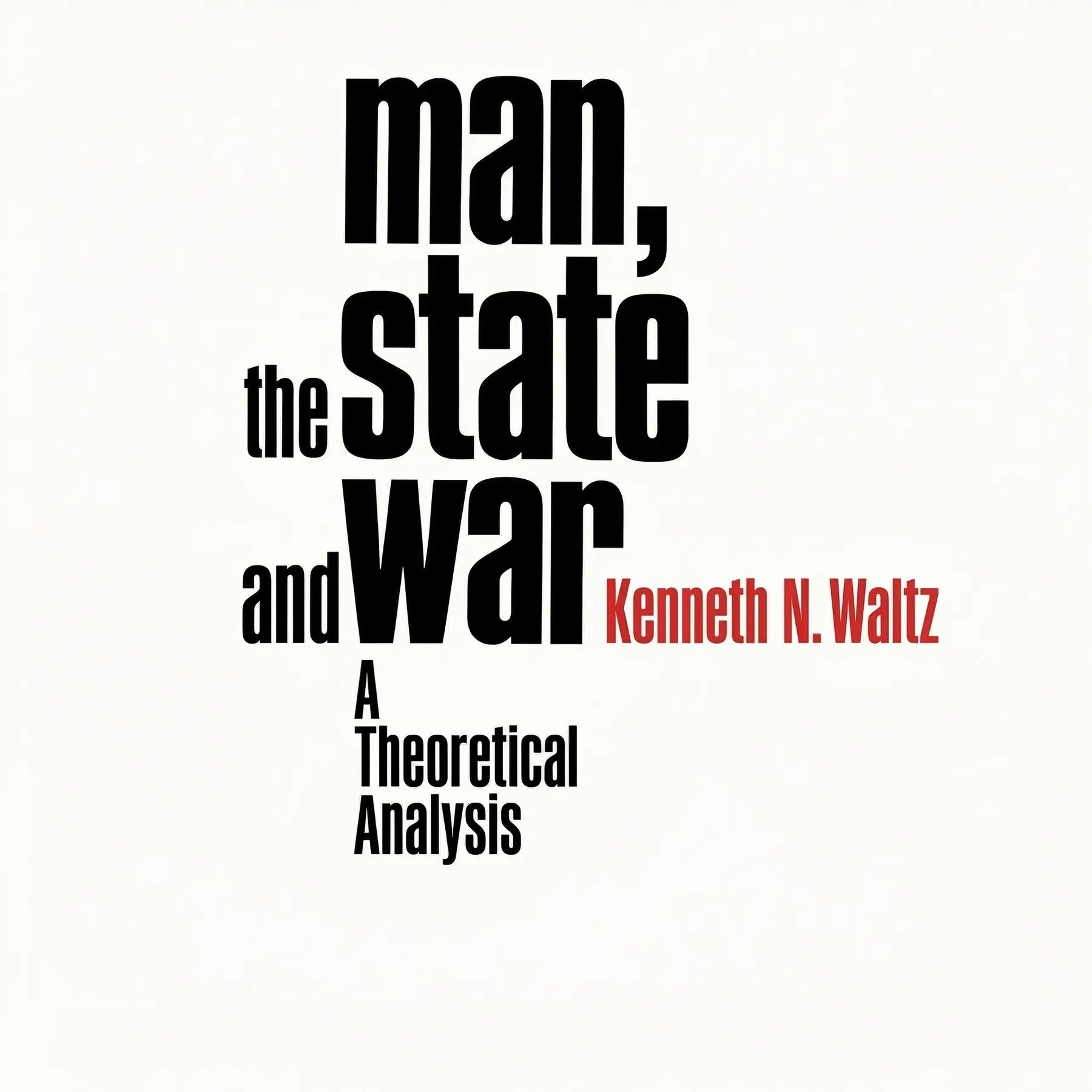
Man, the State and War: A Theoretical Analysis
Explore Kenneth N. Waltz’s seminal analysis of international conflict, which examines why wars occur through three lenses: the individual, the state, and the anarchic international system that governs them all.
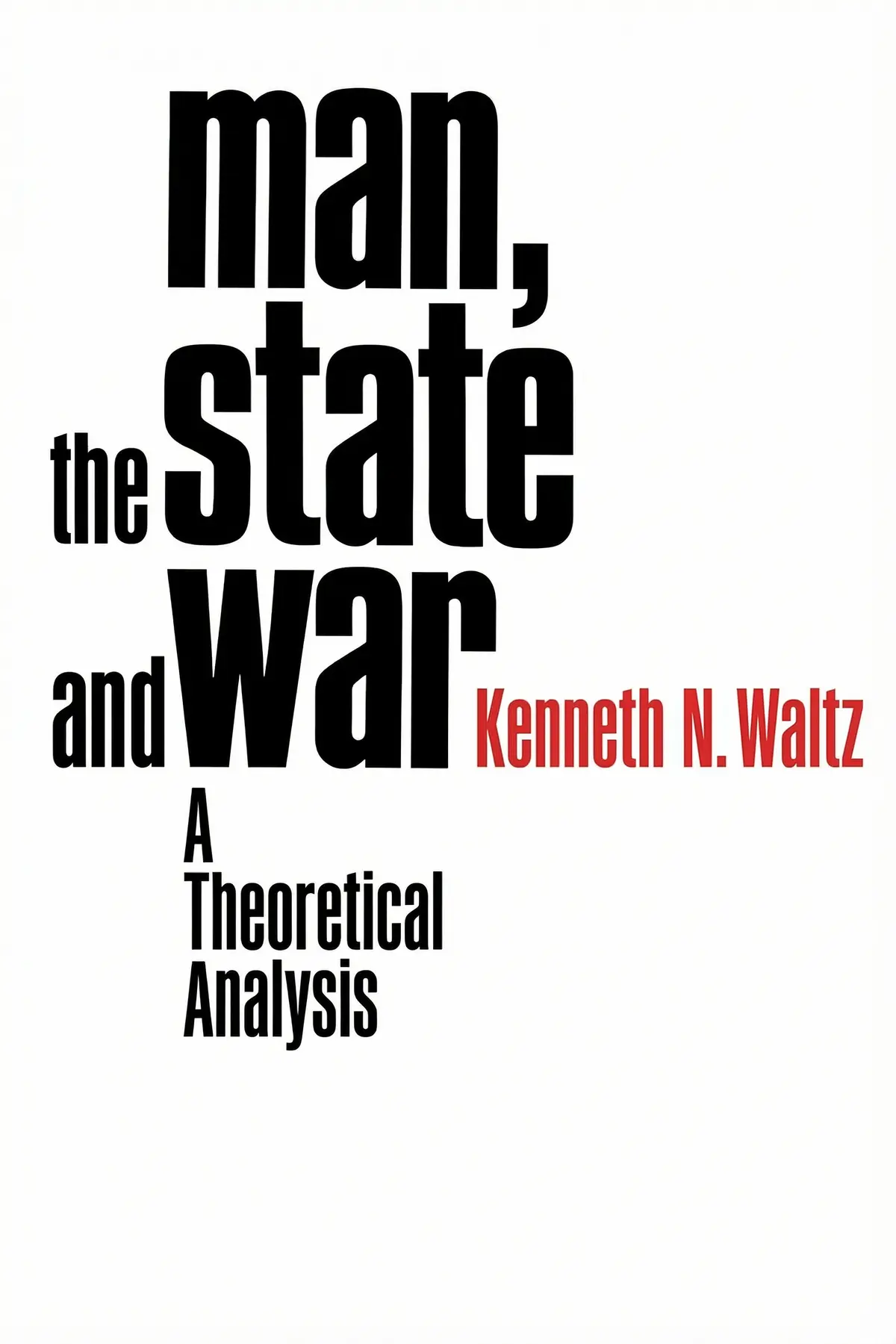
Table of Content
1. Introduction
1 min 57 sec
In the mid-20th century, the world lived under a constant, shivering shadow. The Cold War wasn’t just a political disagreement; it was an existential threat. In 1959, when Kenneth N. Waltz published his landmark study, scholars and citizens alike were desperately trying to solve a puzzle that had plagued humanity since the first spear was sharpened: why do we go to war? If we could understand the ‘why,’ perhaps we could prevent the ‘how’—specifically, the nuclear destruction of civilization.
Even though the Cold War eventually thawed, the central questions of Waltz’s work remain hauntingly relevant today. We still see regions engulfed in flames and nations locked in bitter, violent struggles. Why does large-scale killing persist despite our technological and moral advancements? Is there a way to break the cycle?
Waltz’s masterpiece, Man, the State and War, approaches these questions with a rigorous, philosophical lens. He doesn’t just look at the news of his day; he looks at the history of human thought. He organizes the myriad theories of war into three distinct categories, which he calls ‘images.’ Each image provides a different vantage point on the problem of conflict.
The first image suggests the fault lies within us—the nature of human beings. The second image looks at the way we organize our societies—the internal structure of states. The third image zooms out to the biggest picture possible—the chaotic, anarchic structure of the entire international system. Over the next few minutes, we will walk through each of these perspectives. We will see how they overlap, where they fail, and why Waltz eventually concluded that while all three matter, one of them acts as the ultimate framework that makes war not just possible, but inevitable. By the end, you’ll have a new vocabulary for understanding the evening news and a deeper grasp of why a truly peaceful world has remained so frustratingly out of reach.
2. The First Image: Human Nature as the Catalyst
2 min 35 sec
Could the secret to global peace be hidden within our own psychology? Explore the divide between those who believe we can be educated out of violence and those who think it’s in our DNA.
3. The Flaws in Placing Sole Blame on Human Nature
2 min 38 sec
If human nature is a constant, why isn’t war? Discover the logical gap that suggests psychology alone cannot explain the shifts between peace and conflict.
4. The Second Image: Looking Inside the State
2 min 34 sec
Does the way a country is governed internally dictate its behavior on the world stage? Examine the competing visions of liberals and socialists.
5. The Paradoxes of Liberal Peacekeeping
2 min 09 sec
When a peaceful nation goes to war for ‘good’ reasons, it creates a moral and political maze. Explore why liberal ideals often clash with reality.
6. The Failure of International Solidarity
2 min 08 sec
Why did the dream of global brotherhood crumble when the first shots of WWI were fired? Learn why shared ideology rarely stops national interest.
7. The Third Image: The Anarchy of the System
2 min 37 sec
Imagine a world with no police and no laws. This is the reality of international relations. Discover why the system itself makes war a logical choice.
8. The Impossible Dream of a World Government
2 min 11 sec
If anarchy is the problem, is a world government the solution? Explore the practical reasons why this ‘obvious’ fix might be the most dangerous of all.
9. Conclusion
1 min 37 sec
Kenneth N. Waltz’s Man, the State and War doesn’t offer a simple checklist for ending world conflict. Instead, it provides a sobering map of why the problem is so complex. By the end of his analysis, Waltz makes a crucial distinction. He suggests that while the first and second images—the psychology of leaders and the types of governments—often provide the immediate *causes* or ‘sparks’ of a war, it is the third image—the anarchic international system—that provides the ‘oxygen’ that allows the fire to burn.
In a world with no central authority, war is always a possibility. This is the ‘throughline’ of Waltz’s work: we can change our leaders, and we can improve our domestic laws, but as long as nations exist in a state of anarchy, they will always be trapped in a struggle for security.
What does this mean for us today? It means that we shouldn’t be surprised when peace feels fragile. It reminds us that ‘good’ intentions aren’t enough to prevent conflict if the system itself rewards suspicion. To move toward a safer world, we must work on all three levels. We need leaders with restraint (the first image), societies that value justice and openness (the second image), and international institutions that—while they may never be a true world government—help bridge the gap of anarchy through communication and shared rules (the third image). Waltz teaches us that while war may be a permanent feature of the international landscape, understanding its three-fold origins is our best and only defense against being consumed by it.
About this book
What is this book about?
Why does conflict persist on a global scale? This question sits at the heart of Kenneth N. Waltz’s foundational work, Man, the State and War. Rather than offering a single, simplistic answer, Waltz investigates the history of political thought to categorize the causes of war into three distinct 'images.' The first image focuses on human nature—the flaws, passions, and psychology of individuals. The second image looks inward at the structure of nations, suggesting that the internal makeup of a state determines its external behavior. Finally, the third image explores the systemic reality of international relations: a world without a central authority where anarchy is the default. By weaving together the philosophies of thinkers like Rousseau, Kant, and Spinoza, the book provides a comprehensive framework for understanding the recurring nature of war. It promises to transform how you view global politics, moving beyond the headlines to see the structural forces that make peace so difficult to maintain. Ultimately, Waltz argues that while individual and state-level factors are important, it is the anarchic structure of the world itself that sets the stage for inevitable conflict.
Book Information
About the Author
Kenneth N. Waltz
Kenneth N. Waltz was a distinguished American political scientist whose work fundamentally shaped the field of international relations. Over a long and influential career, he held prestigious teaching positions at Harvard University and Peking University, and he was a prominent figure at the Arnold A. Saltzman Institute of War and Peace Studies at Columbia University. Known as a pioneer of neorealism, Waltz is also the author of Foreign Policy and Democratic Politics and the highly acclaimed Theory of International Politics.
Ratings & Reviews
Ratings at a glance
What people think
Listeners find the book deeply insightful, with one review highlighting its broad exploration of different philosophers and thorough research on core principles. The writing style also garners praise, as one listener describes it as succinct while another notes it flows like a novel. Additionally, listeners appreciate the work's accessibility, with one listener noting the text is simple to grasp.
Top reviews
Pia
Few academic texts manage to feel as foundational as this one does for anyone studying global power dynamics. Waltz breaks down the causes of war into three distinct 'images'—the individual, the state, and the international system—with a precision that is still staggering decades later. While some find his prose a bit dense or dry, I found the research into classical political philosophy to be exceptionally thorough and rewarding. It isn't just a list of facts; it feels like a cohesive narrative that guides you through why conflict is an inherent possibility in an anarchic world. To be fair, his dismissal of human nature as a primary driver might frustrate those who lean toward psychology, but his systemic logic is hard to ignore. It is essential reading if you want to understand why states act the way they do.
Show moreVilaiporn
Finally got around to reading this classic, and I was surprised by how much it reads like a well-structured argument rather than a boring textbook. The narrative style is surprisingly concise, stripping away the fluff to get to the heart of why war occurs. Waltz pulls from a wide range of philosophers to build his case, making the whole experience feel like a masterclass in intellectual history. I especially loved the third image analysis regarding international anarchy. Even if you don't agree with the realist perspective, you have to admire the sheer strength of the logic presented here. It’s one of those rare books that completely changes how you look at the evening news.
Show moreTang
This book has legs, and it’s easy to see why it remains a cornerstone of the field after all these years. The depth of research is stunning, drawing on everything from theology to anthropology to explain the persistent nature of human conflict. Waltz presents a reasoned response to the world as it is, not as we wish it would be, which is refreshing in its honesty. Some might call it pessimistic, but I found the focus on the third image of international anarchy to be profoundly insightful and grounded in reality. The way he weaves together the thoughts of various philosophers makes the book feel much more expansive than its page count suggests. It's a foundational text that every citizen interested in politics should probably read.
Show moreAurora
The chapter on international anarchy alone is worth the price of admission for this brilliant piece of scholarship. Waltz doesn't just tell you what realism is; he demonstrates why it is a necessary lens for understanding the lack of a central governing force in the world. I was impressed by how he managed to incorporate such a wide range of thinkers without the book feeling cluttered or disorganized. It’s concise and hits its points with a level of clarity that is rare in political science literature. Even if you find yourself disagreeing with his conclusions on force and power, the intellectual journey is well worth the effort. This is essential for building a framework to understand strategy and global order.
Show moreTaw
Picked this up after hearing it mentioned in every single political science lecture I’ve ever sat through. I expected a total slog, but the truth is it’s actually quite readable compared to other seminal works in the field. Waltz has this way of synthesizing massive ideas from thinkers like Spinoza and Kant into something you can actually wrap your head around without a PhD. I did feel like he glossed over the nuances of the second image, the state itself, a bit too quickly to get to his systemic argument. Nevertheless, the way he explains the security dilemma makes so much sense in the context of history. If you're interested in why peace is so fragile, this is definitely worth your time.
Show moreIsaiah
As someone who usually avoids 'hard-headed' realism, I found myself begrudgingly impressed by the clarity of Waltz's argumentation here. He manages to make the complex interactions between states seem predictable and even logical, despite the inherent chaos of the world. The book is remarkably accessible for a work of this caliber, avoiding the jargon-heavy traps that many modern academics fall into. I do think he oversimplifies the role of non-state actors, which makes the book feel slightly dated in our current era of global terrorism. Still, the fundamental premise of the anarchic structure remains a powerful tool for any serious analyst. It’s a short read but a dense one that requires your full attention.
Show moreWanida
After hearing so much about the 'three images,' I wanted to see if the source material actually lived up to the hype. Waltz’s prose is direct and avoidant of unnecessary fluff, which I appreciated, even if it isn't exactly a page-turner. He does an excellent job of outlining the realist case, though I think he’s a bit too dismissive of the first image—the role of individual human nature. It’s a very dry piece of academic work, so don't go into it expecting a narrative flow like a novel. However, the logic is so tight that it’s hard to find many holes in his systemic level of analysis. It’s a solid four stars for the intellectual heavy lifting it does.
Show moreOn
Ever wonder why international relations students look so tired all the time? They’re probably reading this book at three in the morning like I just did. Waltz is undoubtedly brilliant, and his three-level analysis is a stroke of genius that clarifies how we look at global conflict. However, the writing is incredibly stiff and lacks the engaging spark that makes a book truly pleasureful to finish. He spends a lot of time countering liberal ideologies, which is fine, but it feels like he’s setting up a straw man just to knock it down with his realist framework. It’s a classic for a reason, but it definitely feels like a product of its time.
Show morePenelope
Look, I respect the impact this had on international relations, but the book itself is a bit of a mixed bag. The framework of three levels of analysis is undeniably helpful for organizing your thoughts on global politics. On the other hand, the writing style is so incredibly academic that it’s hard to stay focused for more than a few pages at a time. I skipped through a few chapters toward the end because the point had already been made. It provides a decent theoretical analysis of war, but it’s definitely showing its age. Good for students, but a bit too stiff for casual reading.
Show moreSofia
Not what I expected given the glowing reputation this book has in academic circles. Frankly, I found the experience of reading this to be a total chore because the tone is just so relentlessly detached and clinical. Waltz sets up these three 'images' as if he's exploring them fairly, but it becomes obvious early on that he’s rigged the game to favor his own realist conclusions. I felt like I was being led down a pre-designed path rather than actually engaging in a fair theoretical discovery. It lacks any consideration for cultural or economic factors, which seems like a massive oversight for a book about the causes of war. If you need it for a class, skim it, but don't expect to enjoy it.
Show moreReaders also enjoyed
A Promised Land
Barack Obama
A River in Darkness: One Man’s Escape from North Korea
Masaji Ishikawa
A Theory of Justice
John Rawls
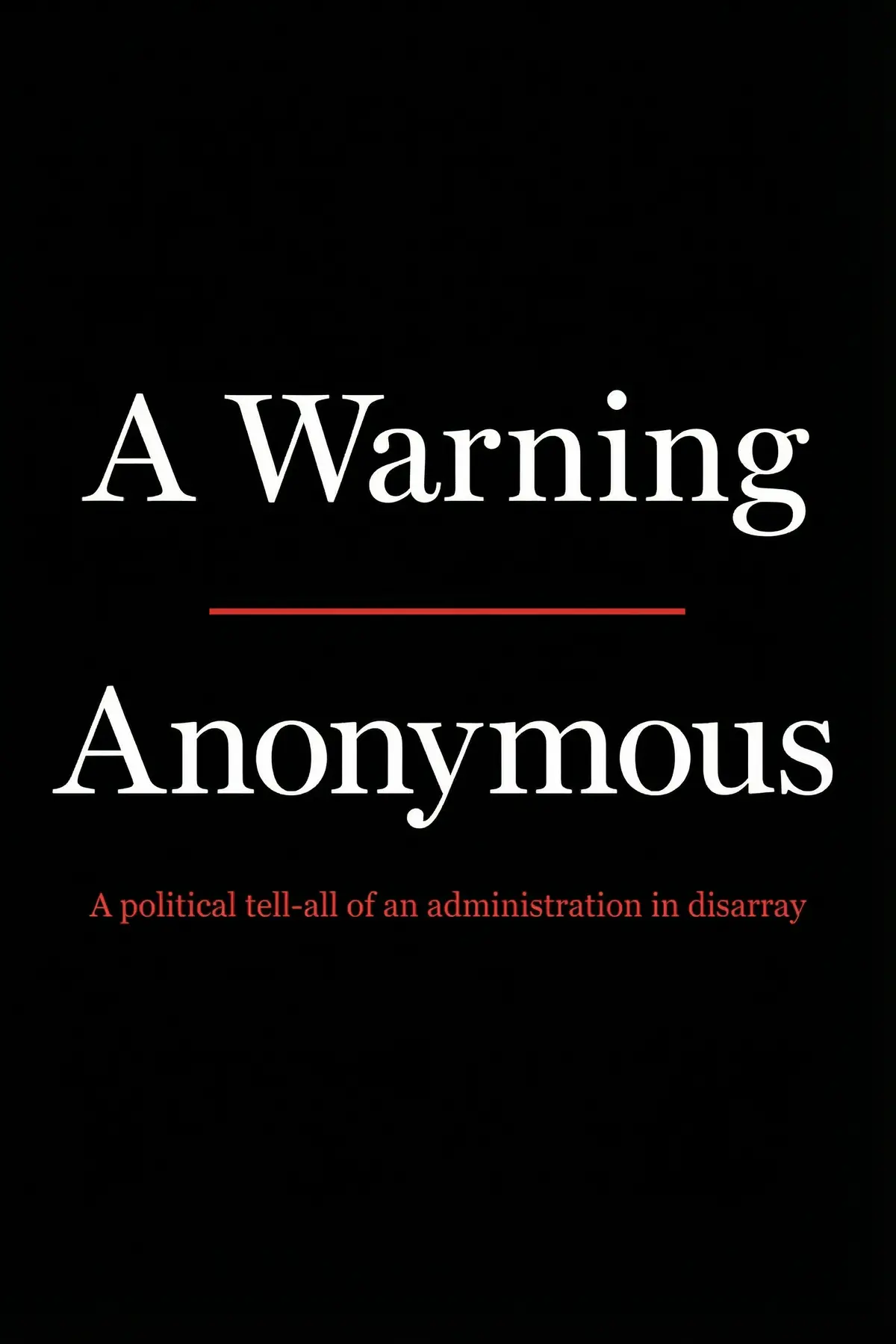
A Warning
Miles Taylor
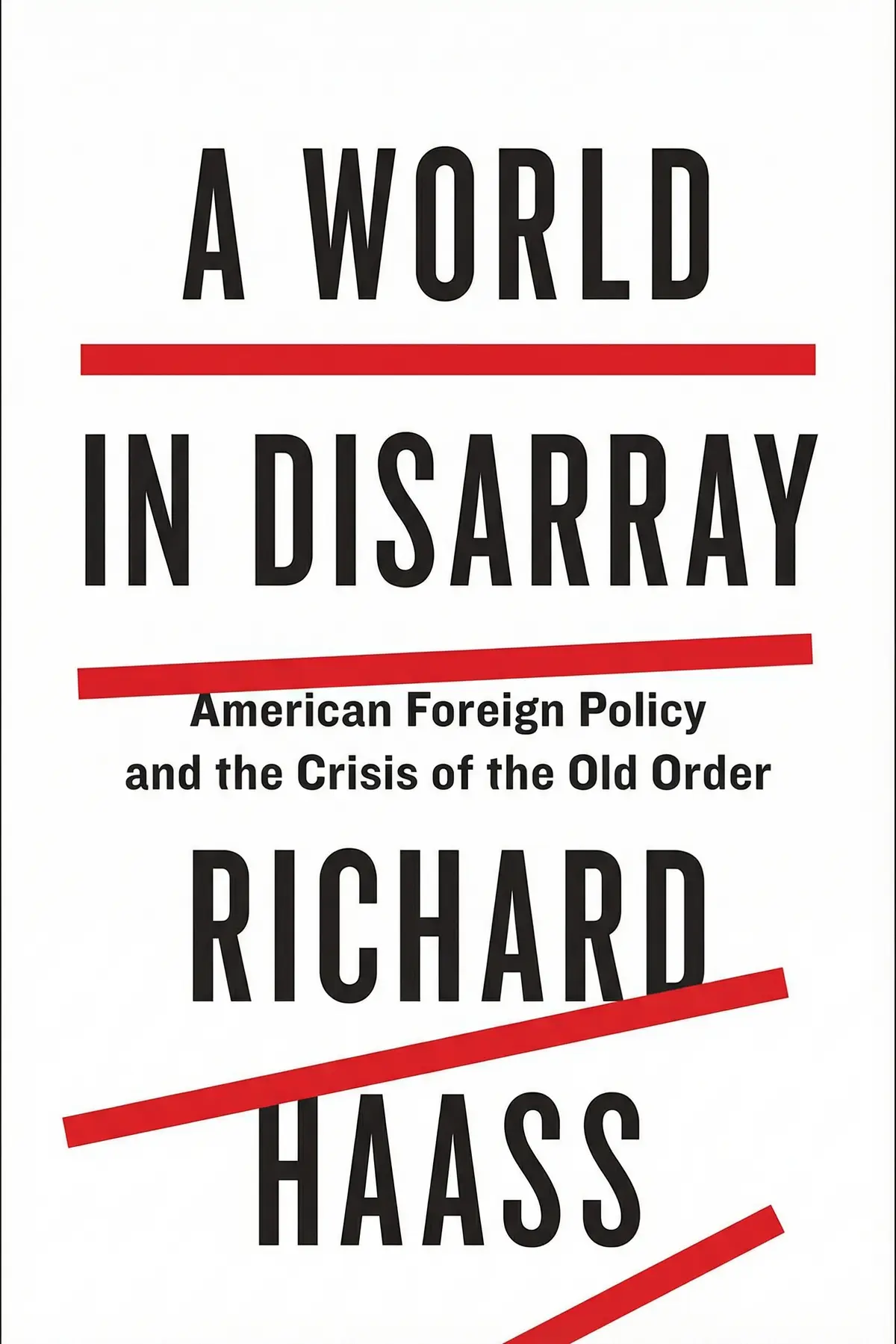
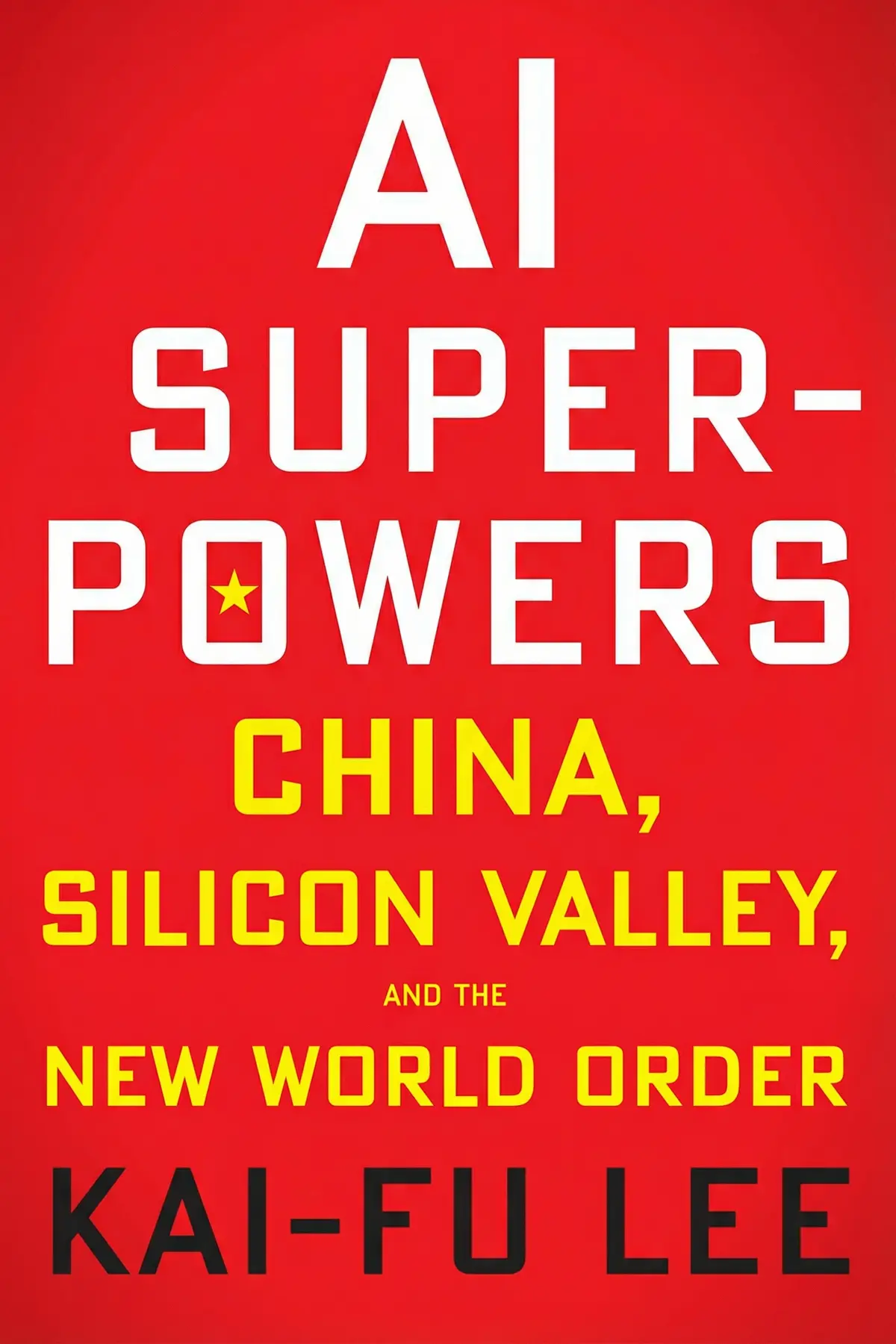
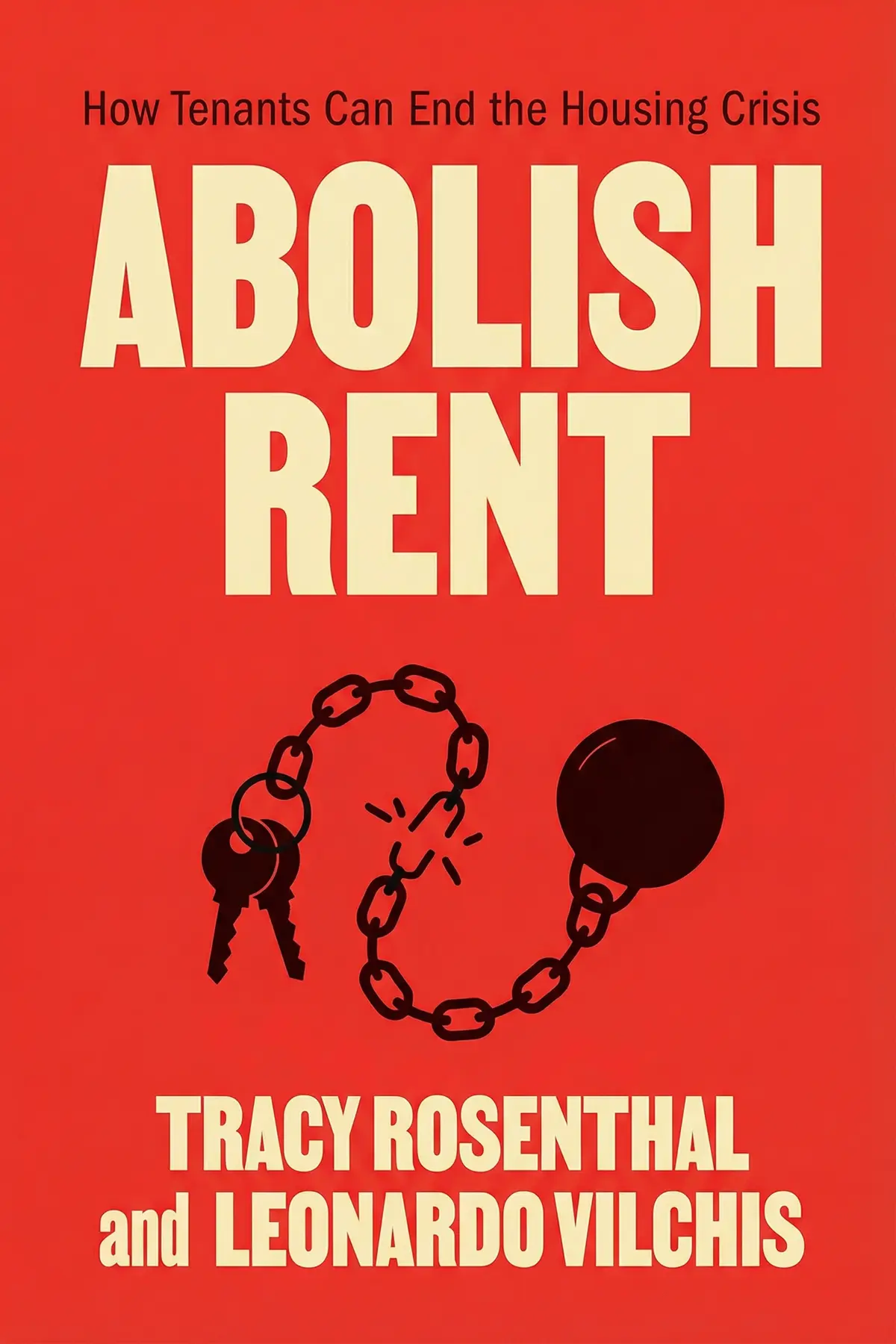
Abolish Rent: How Tenants Can End the Housing Crisis
Tracy Rosenthal
AUDIO SUMMARY AVAILABLE
Listen to Man, the State and War in 15 minutes
Get the key ideas from Man, the State and War by Kenneth N. Waltz, plus 5,000+ more titles in English and Thai.
- 5,000+ titles
- Listen as much as you want
- 7-day free trial
- Cancel anytime







